Two Days Across Jiangsu, Zhejiang, and Shanghai: Canal Towns, Songjiang’s Ancient Charm, and Those Forgotten Corners
Meta Description: Discover an offbeat 2-day Jiangsu Zhejiang Shanghai itinerary featuring Pingwang's ancient temples, Shengze's First Silkworm Temple, Canal Taocang Ideal Village, and Songjiang's forgotten corners. Perfect for holiday travel without crowds.
Introduction: Escaping the Holiday Crowds on a Two-Day Jiangsu-Zhejiang-Shanghai Road Trip
Every holiday season, travelers face a familiar dilemma: stay home and feel like you've wasted precious time off, or brave the crowds at popular attractions and regret it almost immediately. But what if there's a third option? A two-day Jiangsu Zhejiang Shanghai itinerary that takes you through hidden canal towns, forgotten historical corners, and beautifully repurposed industrial sites—all without the tourist throngs.
During the 2025 National Day holiday, despite having seven full days off, family commitments left us with just two days for adventure. So I crafted an offbeat route starting from Wuxi, weaving through small towns across Jiangsu, Zhejiang, and Shanghai. What we discovered was a trail of quiet beauty, ancient charm, and unexpected serenity. Here's our complete canal towns travel guide for those seeking authentic experiences.
Day 1: From Pingwang to Songjiang—A Timeless Journey Through Jiangsu and Zhejiang
Pingwang Ancient Town: Tranquil Temples and Ancient Bridges in Wujiang
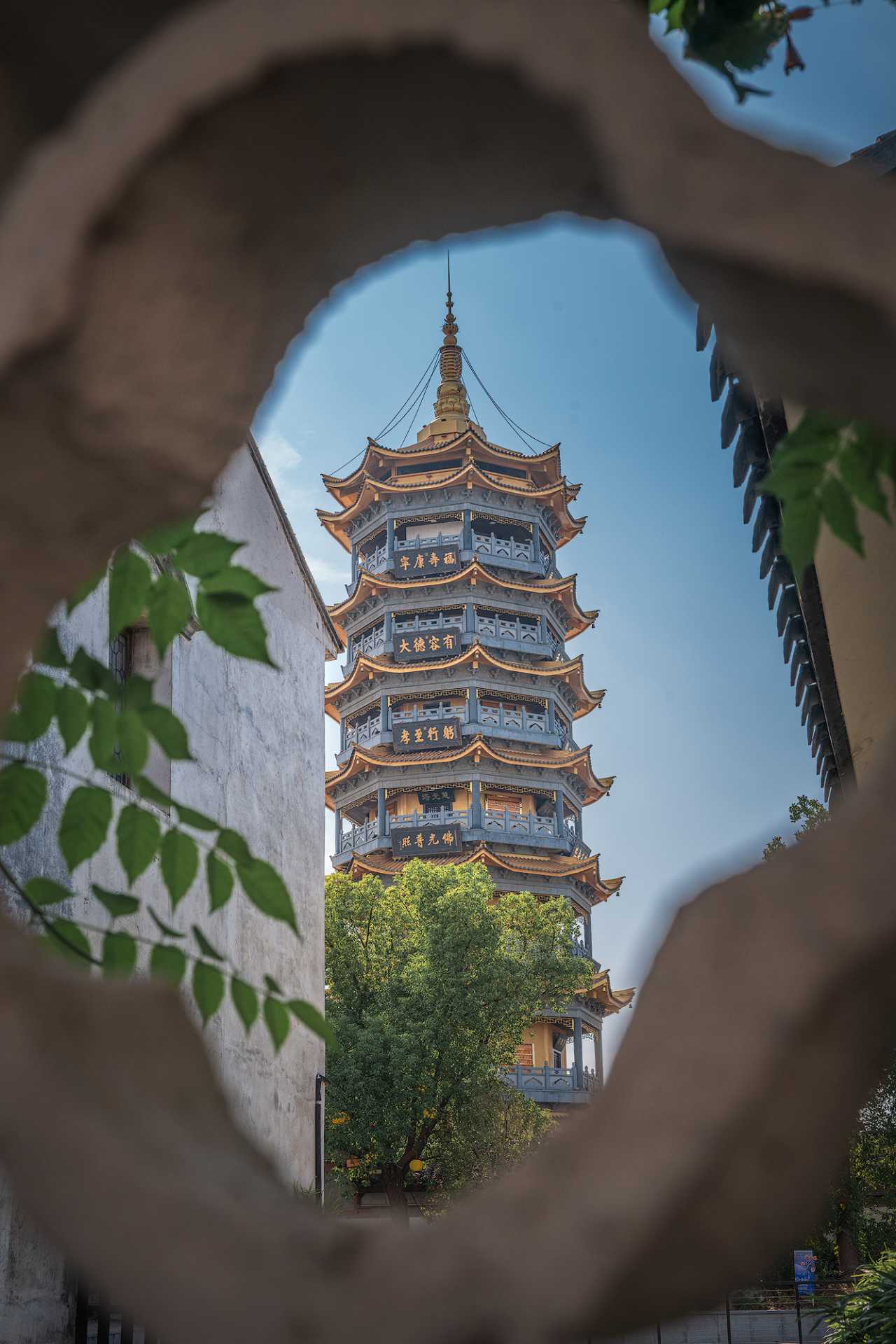
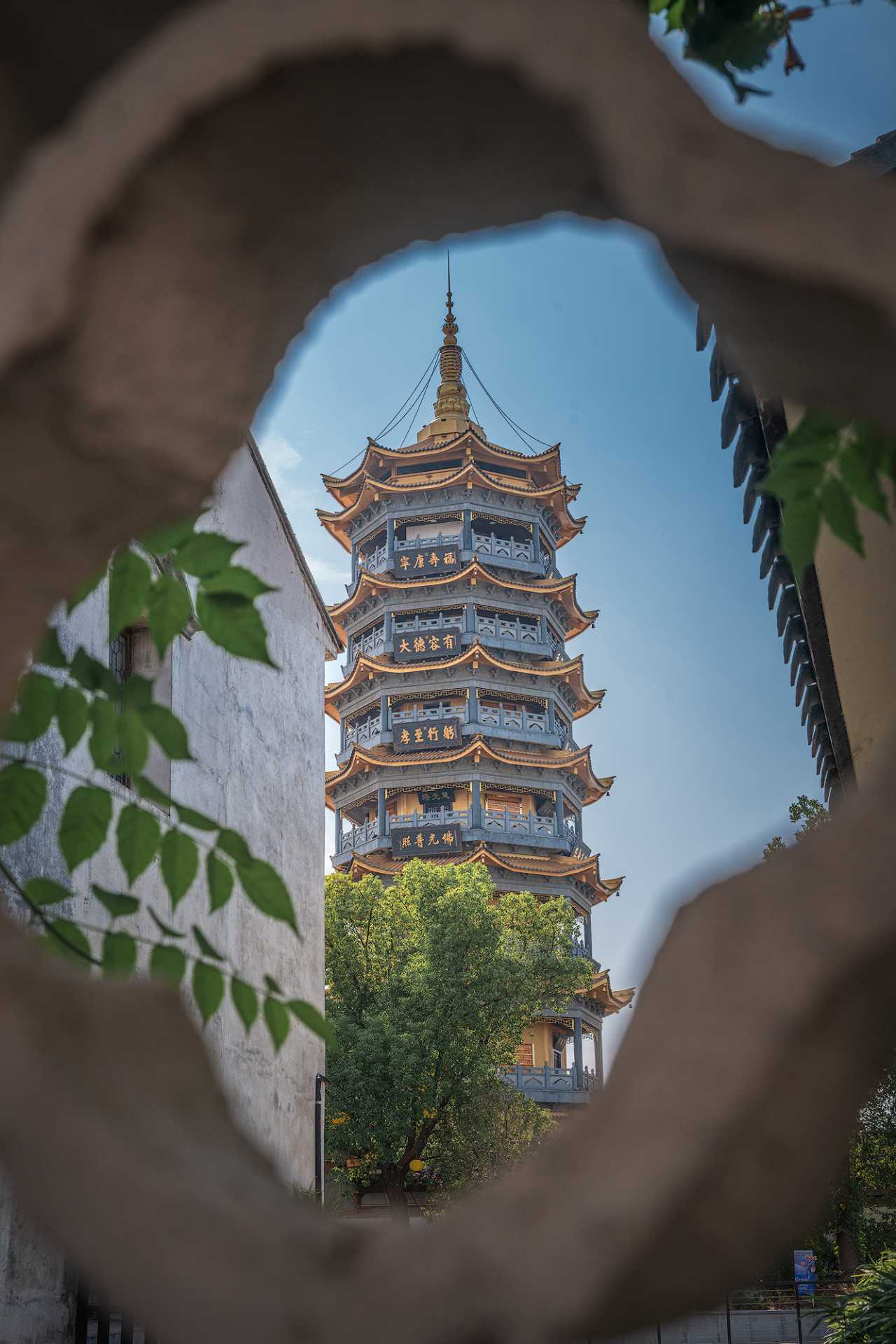
We set out from Wuxi early in the morning, and after about an hour and a half's drive, we arrived at Pingwang Town in Wujiang, Suzhou. Today, Pingwang remains little known to mass tourism, but historically it was a place of considerable splendor.
Pingwang's prosperity stemmed from a unique geographical advantage—the Beijing-Hangzhou Grand Canal splits into three branches here, heading toward Huzhou, Jiaxing, and Hangzhou. As a water transport hub, Pingwang was once a thriving mercantile center, earning the nickname "Little Fengqiao." Legend has it that both Emperor Kangxi and Emperor Qianlong stopped here during their southern tours.
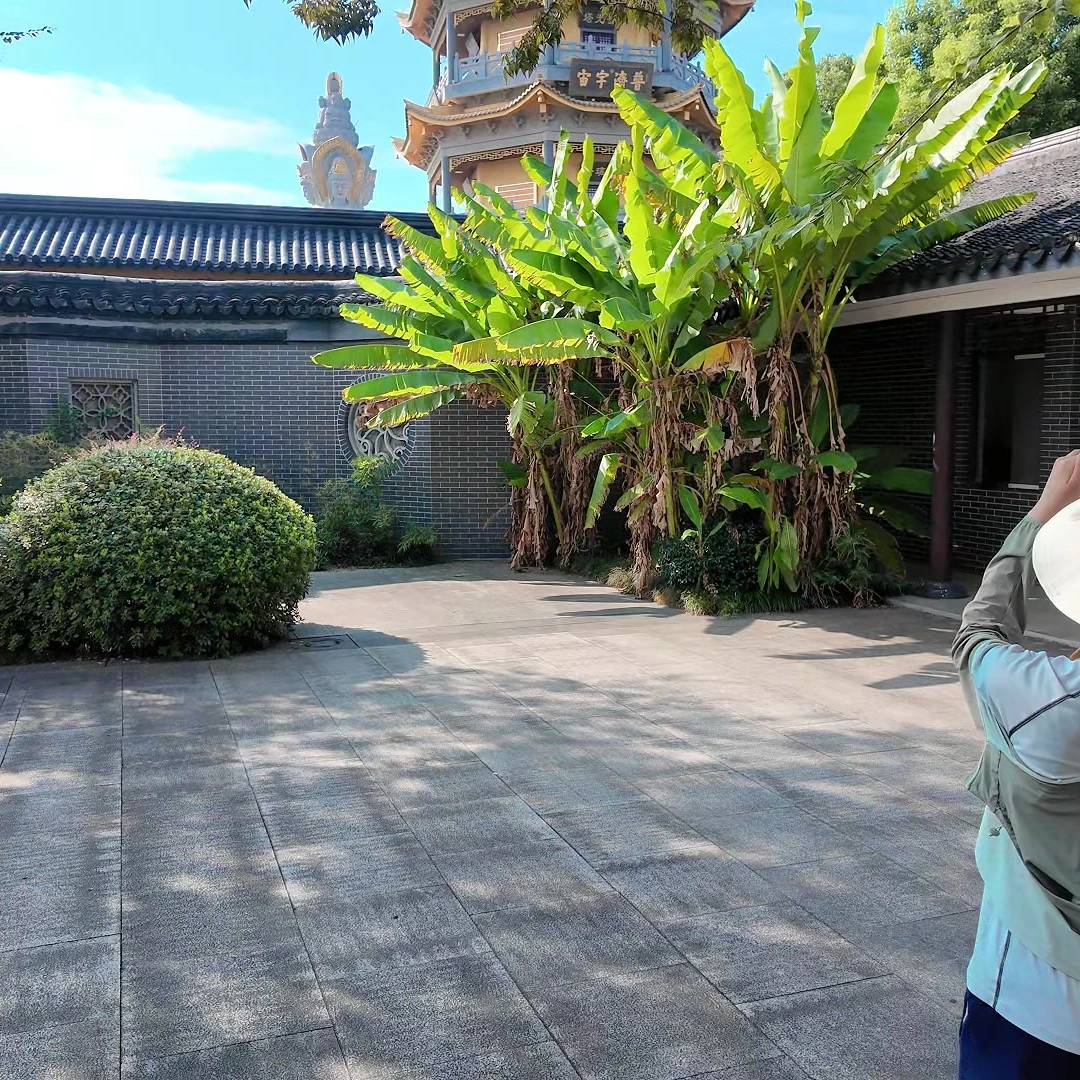
The empty parking lot told us everything: even during National Day, this was far from a crowded attraction. We followed a riverside path south, heading first to the southernmost point of the old town—the Small Jiuhua Temple (Xiao Jiuhua Si) .
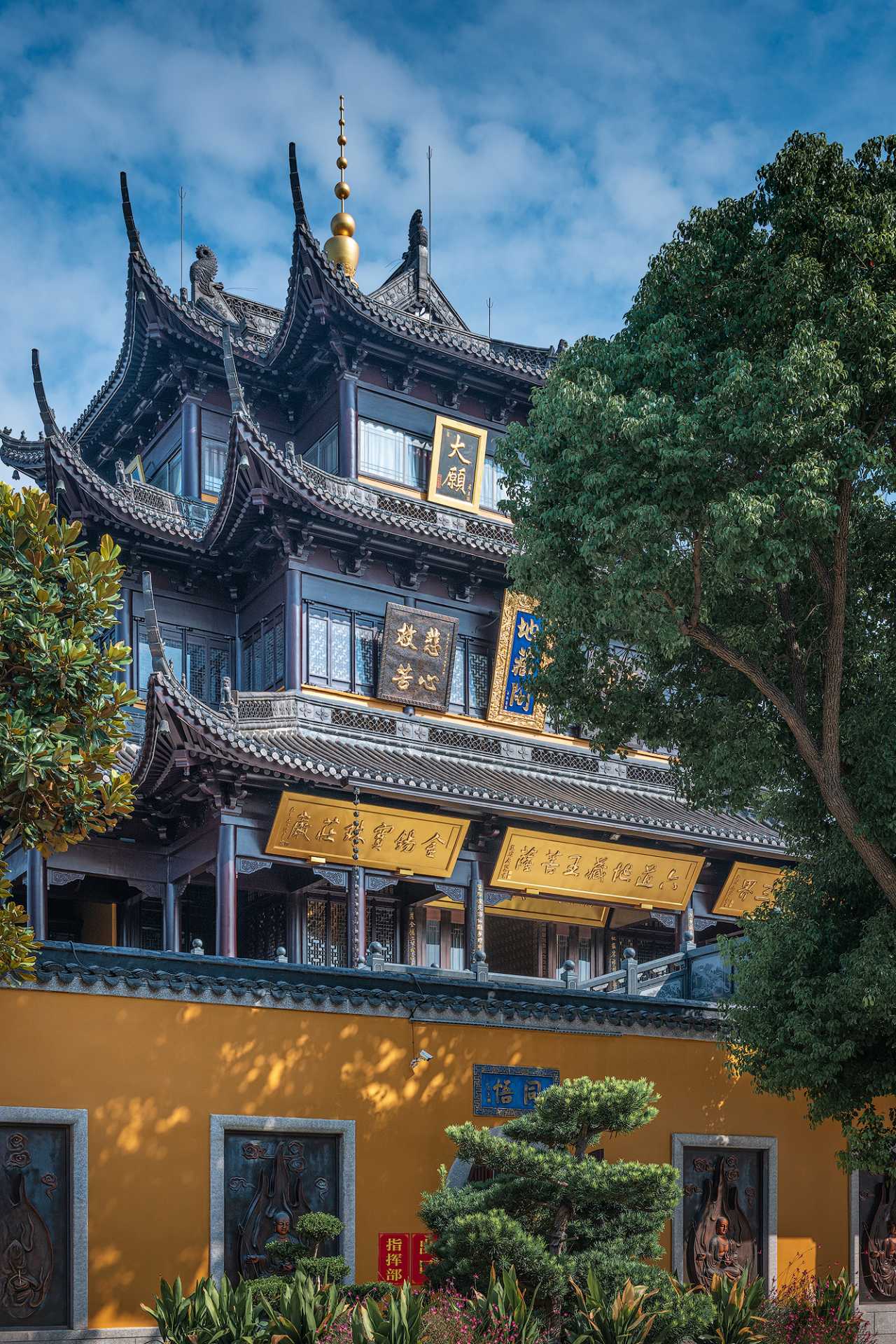
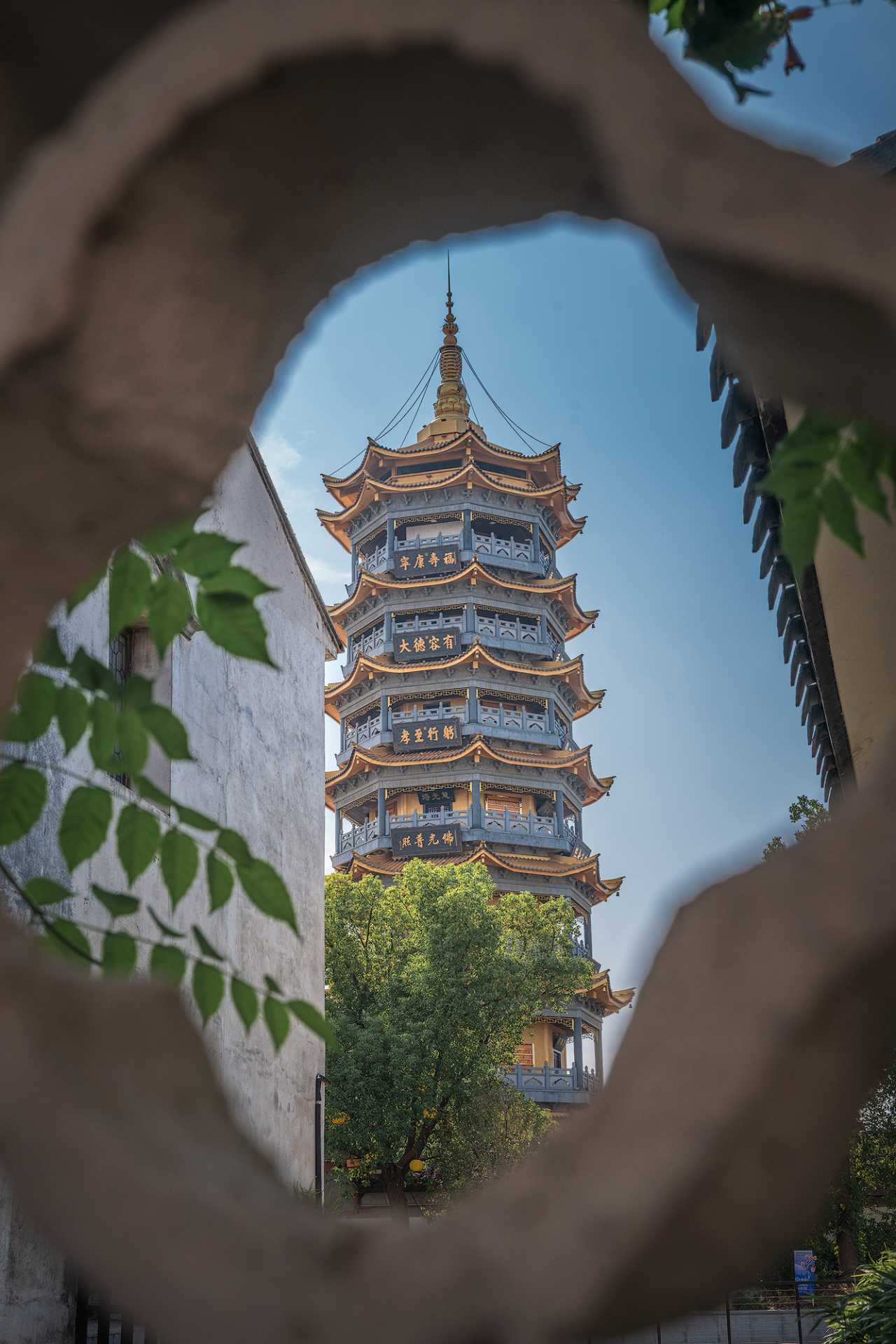
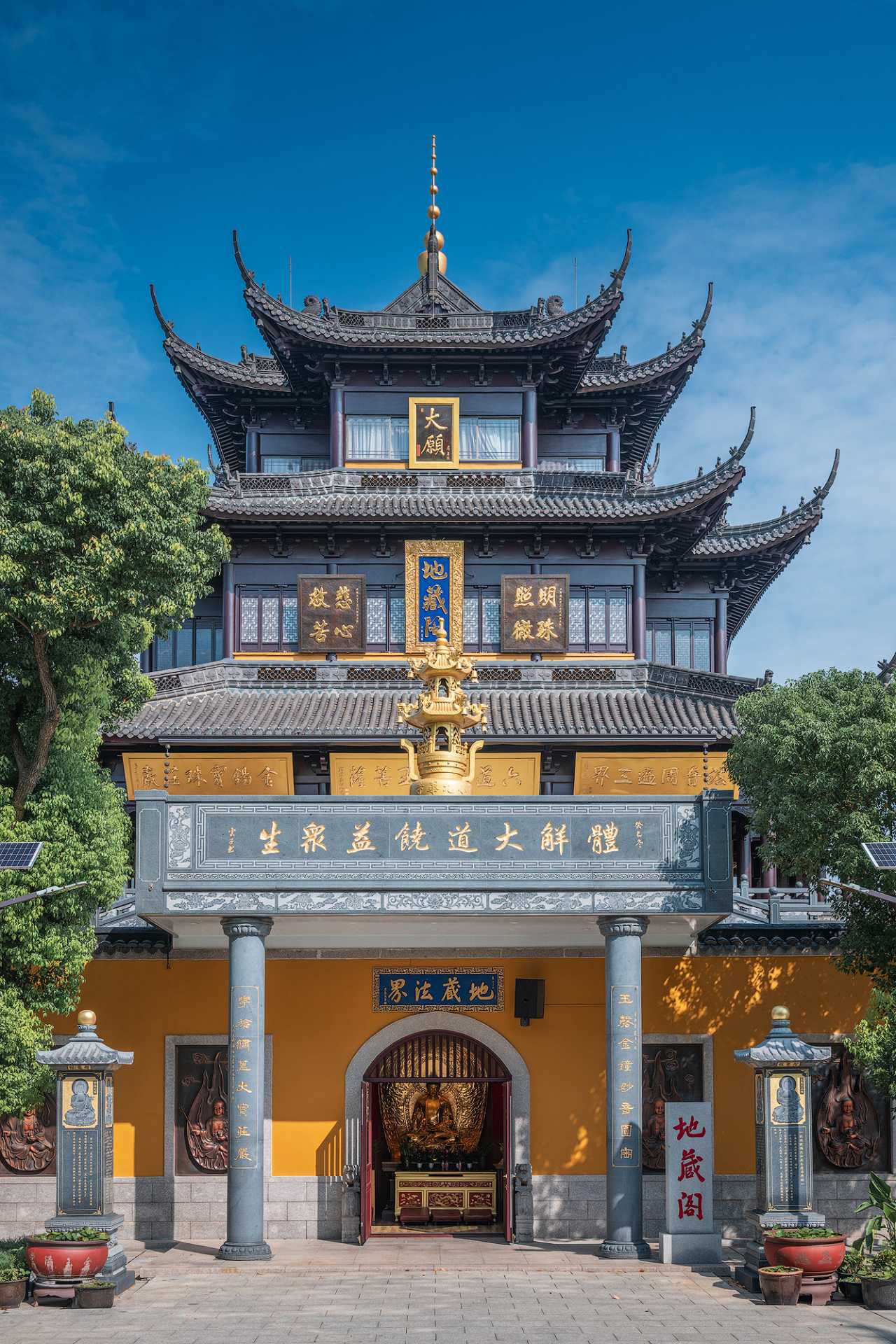
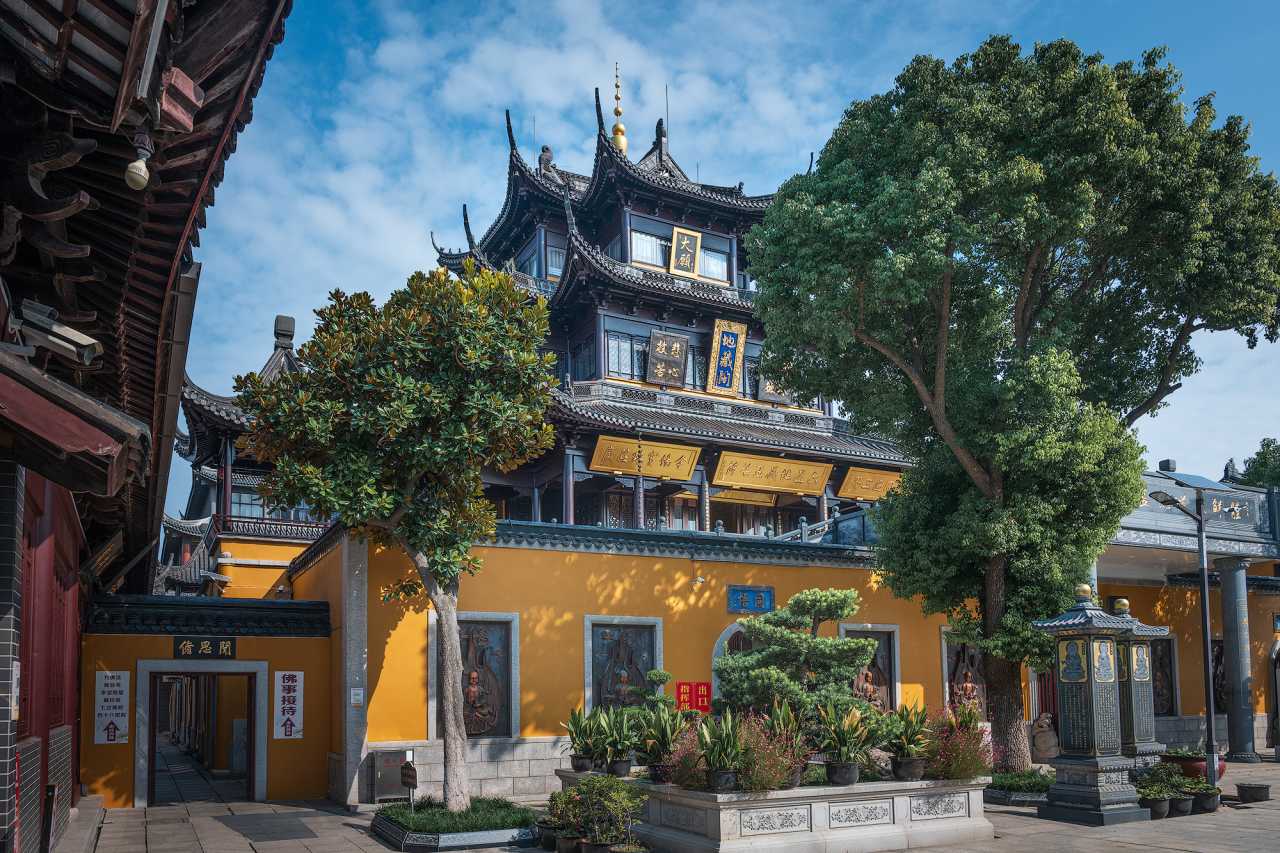
Originally built during the Wanli reign of the Ming Dynasty, it was first called the Dongyue Temple, dedicated to the god of Mount Tai. During the Kangxi reign of the Qing Dynasty, it was renamed Small Jiuhua Temple and rededicated to Kṣitigarbha (the Earth Store Bodhisattva). After centuries of change—serving as a grain depot and flour mill—it was rebuilt in 1997. We entered through a small gate by the bridge, and before us stood the Mahavira Hall: five bays wide, with a double-eaved hip-and-gable roof, entirely gilded, and imposing in scale.
Behind the temple, a tall single-arch ancient stone bridge spans the river—the Ande Bridge. First built during the Dali reign of the Tang Dynasty, the existing structure dates back to the Tongzhi reign of the Qing Dynasty. The Tang Dynasty calligrapher Yan Zhenqing, when serving as governor of Huzhou, once visited this spot and left behind the lines: "Climbing the bridge, I gaze into the distance, my sight meeting the horizon as if level with the sky."
Crossing the bridge brings you to "Granary Lane" (Liangcang Li) , once the site of Pingwang's grain storage. Inside Granary No. 1, a themed exhibition called "Parallel Journeys" displays relics from the 1970s and 1980s: boat tickets from Pingwang to Hangzhou, old mailboxes, vintage televisions—each item bearing the unique marks of Pingwang's past.
Exiting the granary and turning right, we found ourselves on Sijian Street, which has a history of over 800 years. The street is short, lined with old houses on either side of flagstone paths. Wandering along, you could almost catch the lingering scent of its bustling mercantile past.
[Link: Best ancient towns near Shanghai for day trips]
Shengze: Remembering Sericulture at the First Silkworm Temple
Continuing south from Pingwang for about half an hour, we arrived at Shengze Town. Shengze has been famous for silk weaving since ancient times, ranking alongside Hangzhou, Suzhou, and Huzhou as one of "China's Four Great Silk Capitals."
Here stands the largest surviving temple dedicated to the silkworm deity in the country—the First Silkworm Temple (Xiancan Ci) , which was the highlight of our visit. Built during the Daoguang reign of the Qing Dynasty, the temple was funded by local silk merchants. It served both as a place to worship the silkworm god and as a meeting hall for the silk industry.
Up close, the gatehouse is exquisitely crafted, with three arched gates arranged in a row. The central arch bears a vertical plaque inscribed "First Silkworm Temple," while the side gates read "Weaving Clouds" and "Embroidering Brocade," evoking the heyday of Shengze's silk trade.
Entering free of charge through the gatehouse and passing beneath the stage, we emerged into a small square. Turning around, we saw an ornate theatrical pavilion, where a traditional opera performance was underway during the National Day holiday. Though we couldn't understand the lyrics, the festive atmosphere was palpable.
At the far end of the square stands the Silkworm King Hall, housing statues of the Yellow Emperor (Xuanyuan), the Flame Emperor (Shennong), and Leizu. Leizu, also known as the "First Silkworm Lady," is said to have been the Yellow Emperor's principal consort, who taught people to raise silkworms and reel silk, and is revered as the silkworm deity.
By the time we left, it was nearly noon. We headed to a nearby restaurant called the Shengze Shaomai Museum—which is actually a specialty eatery focusing on Shengze-style shaomai (steamed dumplings). The place was packed, but since we arrived early, we managed to get a table.
Browsing through a travel brochure, I decided on the spur of the moment to take the family to a small, unplanned attraction—the Jidong Guild Hall (Ji Dong Hui Guan) . Built during the Jiaqing reign of the Qing Dynasty by silk merchants from Jinan, Shandong, it now serves as the Shengze Town Library. Only display panels remain to tell the story of the silk industry's development.
[Link: Silk culture tours in Jiangsu and Zhejiang]
Qianli Ji: A New Life for an Old Grain Station in Jiaxing
A short 10-minute drive brought us from Jiangsu into the Jiaxing area of Zhejiang. We had originally planned to head straight to the Canal Taocang Ideal Village, but a billboard advertising the grand opening of "Qianli Ji" during National Day caught our attention.
Later research revealed that Qianli Ji·Canal Cultural Creative Park was once the old grain station of Wangjiangjing Town in Xiuzhou District, Jiaxing. Its name, "Qianli Ji," comes from a Qing Dynasty poet's description of the local canal scene: "A thousand li of merchant ships gather bow to bow; beneath New Hangzhou Bridge, sails are furled late."
The park features a number of photo-worthy installations and art exhibits. The original mottled red-brick buildings have been renovated, preserving their industrial traces while infusing them with a modern vibe. Surprisingly, even during National Day, the park was sparsely populated, which only made our leisurely stroll more enjoyable.
Canal Taocang Ideal Village: Where Retro Meets Artistic
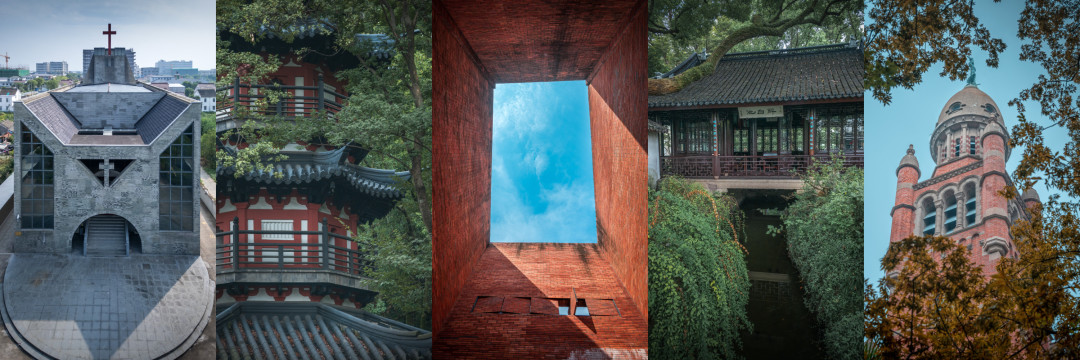
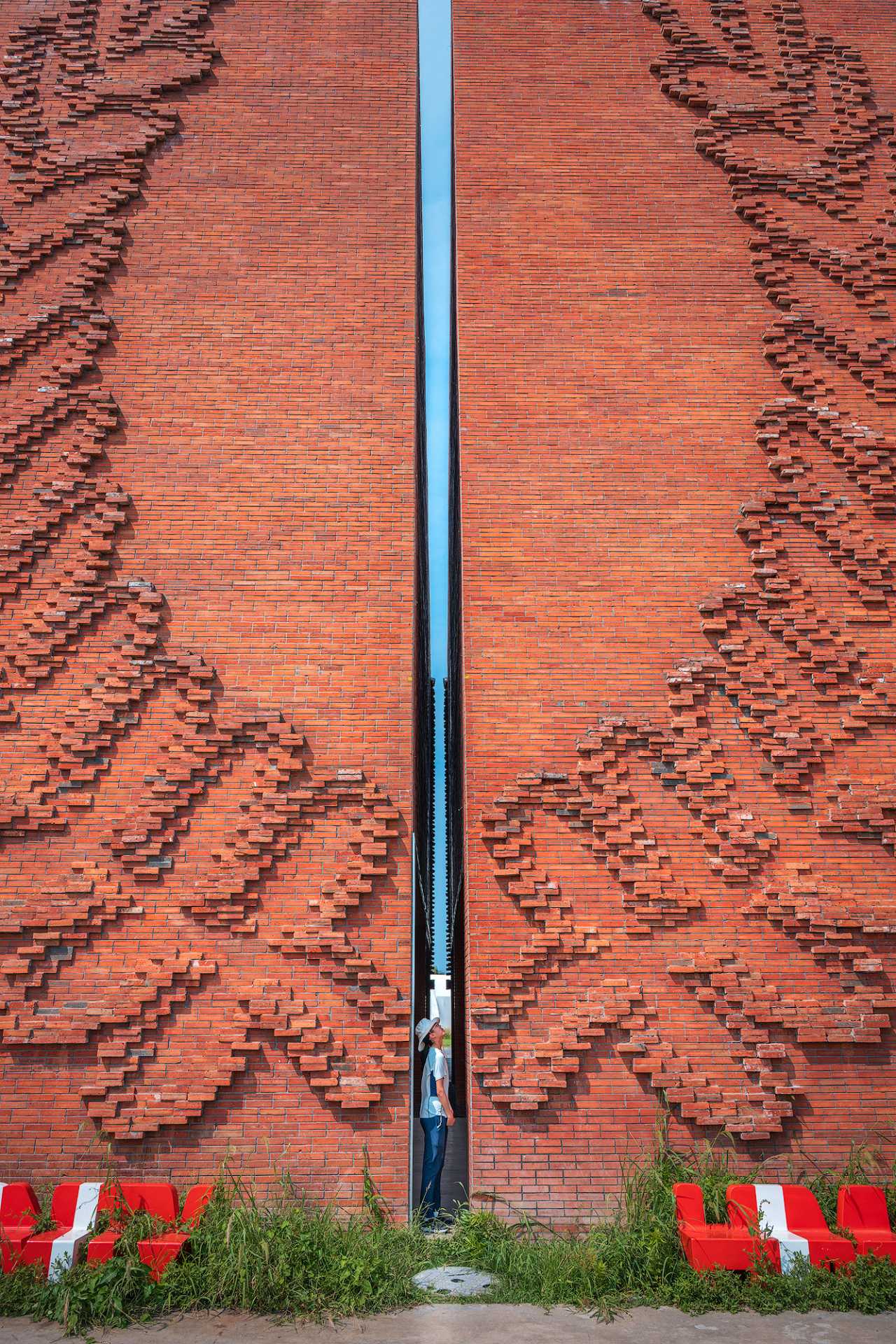
Just five or six minutes' drive from "Qianli Ji" lies the trendy Canal Taocang Ideal Village. This complex was transformed from the 1960s-era Tao family grain warehouses. The design team preserved the old granary's texture while incorporating a monumental style reminiscent of Soviet-era architecture: two rows of towering red-brick walls stand side by side, their surfaces adorned with decorative wheat-sheaf patterns that carry distinct marks of their time.
The site isn't large, and the second floor wasn't open yet. We wandered through the shops in the East and West Granaries, and in the corridor, we happened upon an elderly local couple riding an electric scooter. Chatting with them, we learned they had worked here back in the 1960s and 1970s and had come back specifically to see the old granaries in their new guise.
[Link: Industrial heritage sites repurposed as cultural parks in China]
Tianning Christian Church: Minimalist Aesthetics in the Countryside
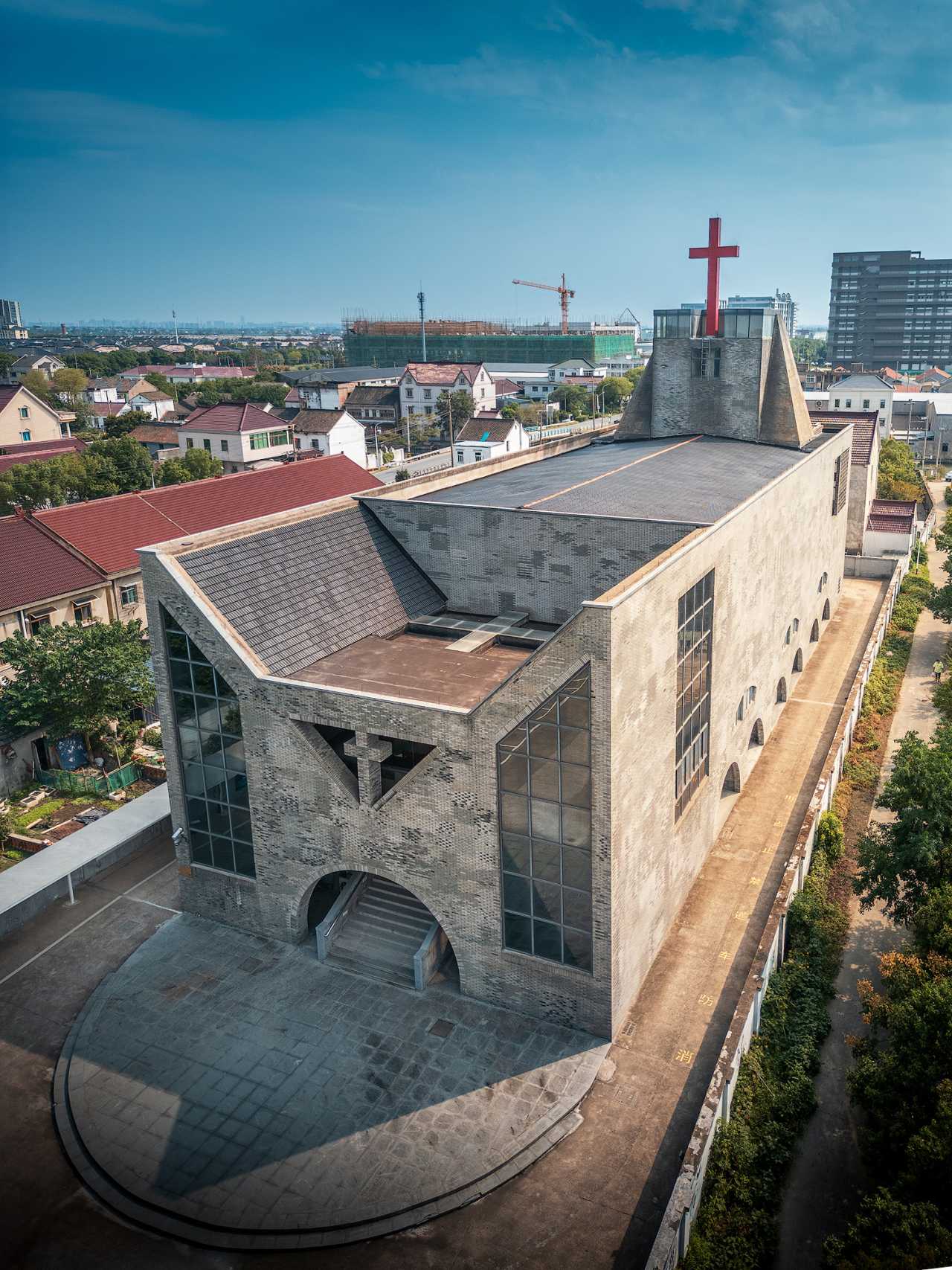
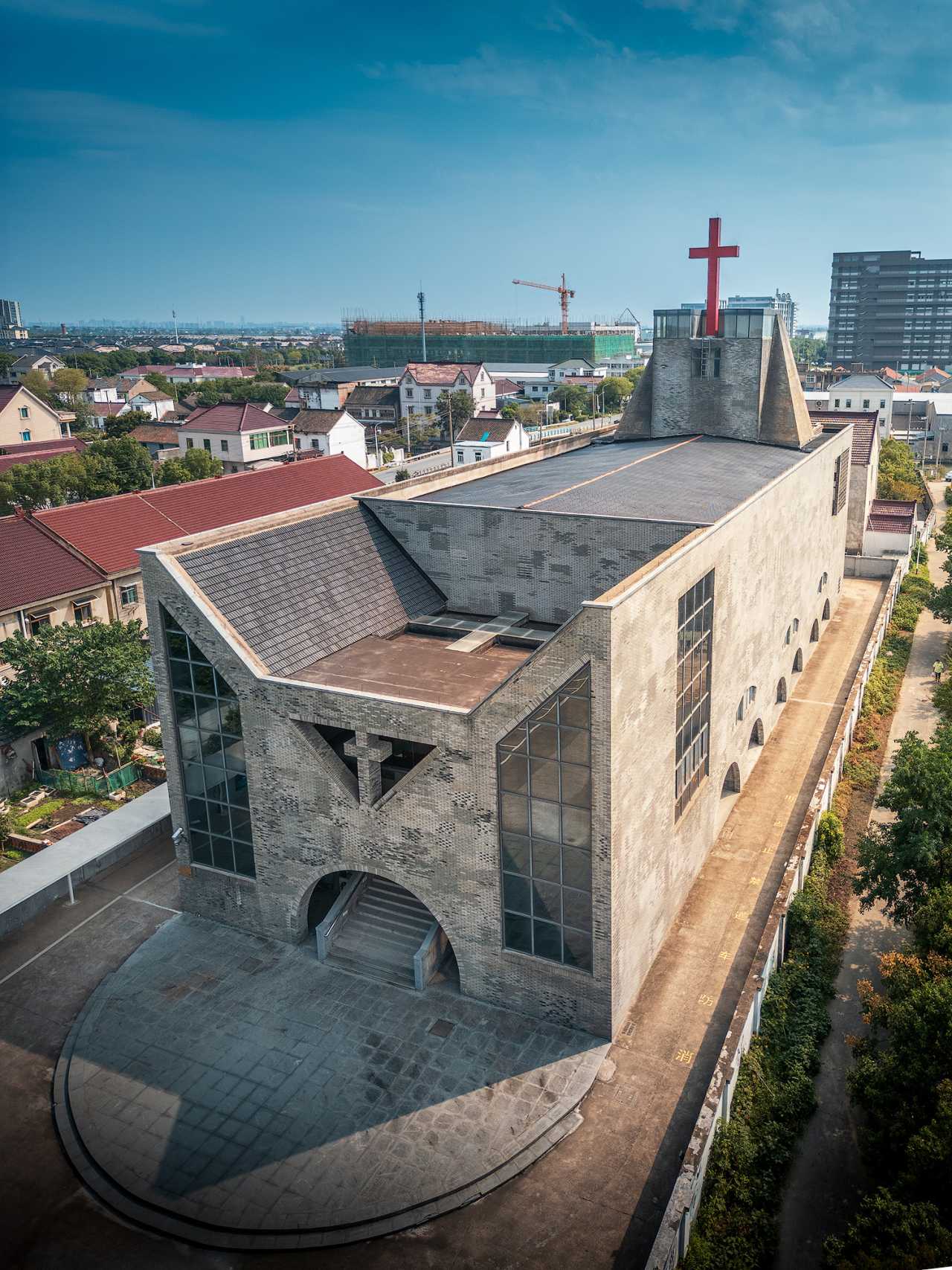
Continuing east along rural roads for another 20 minutes, we arrived at a church that barely registers on most travel maps—the Tianning Christian Church. Its minimalist design stands in stark contrast to the ornate temples we'd visited earlier, offering a serene moment of reflection in the countryside.
Day 2: Songjiang's Ancient Charm and Shanghai's Forgotten Corners
Songjiang: A Window into Ancient Shanghai
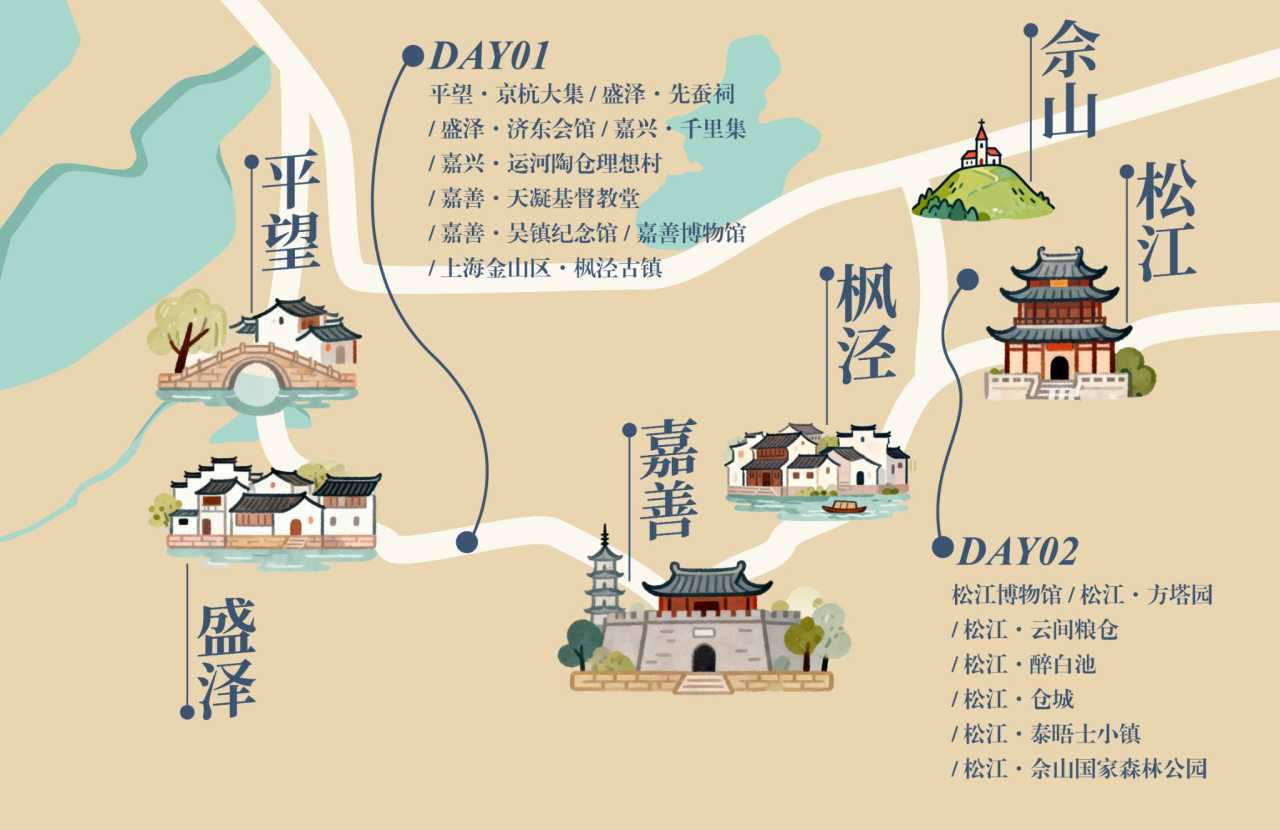
Most visitors to Shanghai never venture beyond the Bund and Pudong. But Songjiang District holds the key to understanding Shanghai's deeper history. As the cultural and political center of the region before Shanghai's rise, Songjiang boasts ancient pagodas, classical gardens, and well-preserved water towns.
Our exploration began at the Songjiang Square Pagoda, a leaning pagoda that dates back to the Song Dynasty. Unlike its more famous counterpart in Pisa, this pagoda remains relatively unknown, allowing for peaceful contemplation without the crowds.
The Forgotten Corners of Songjiang
We wandered through Songjiang Old Street, which retains much of its Ming and Qing Dynasty character. Unlike the heavily commercialized water towns like Zhujiajiao, Songjiang's old street feels authentic—local residents go about their daily lives, hanging laundry, playing mahjong, and tending to small shops.
One highlight was the Zui Bai Chi (Drunken White Pool) , a classical garden originally built during the Ming Dynasty. The garden's name comes from a poem by Bai Juyi, and its rockeries, ponds, and pavilions offer a tranquil escape from modern life.
[Link: Hidden gems in Shanghai beyond the tourist trail]
Practical Tips for Your Two-Day Jiangsu-Zhejiang-Shanghai Road Trip
Best Time to Visit
While we visited during National Day, the sites remained uncrowded. For the best experience, consider visiting during spring (March-May) or autumn (September-November) when temperatures are mild and the scenery is at its most beautiful.
Getting Around
A car is essential for this itinerary. Most attractions are 10-30 minutes apart by car, and public transportation options are limited in these rural areas. We started from Wuxi, but you could also begin from Suzhou or Shanghai.
Where to Eat
- Shengze Shaomai Museum in Shengze for local-style steamed dumplings
- Local eateries in Songjiang Old Street for traditional Shanghai cuisine
- Farm-to-table restaurants near Canal Taocang Ideal Village
Estimated Budget
| Item | Cost (per person) |
|---|---|
| Gas/tolls | ¥200-300 |
| Meals | ¥150-250 |
| Attractions | ¥50-100 (mostly free) |
| Total | ¥400-650 |
FAQ: Two-Day Jiangsu-Zhejiang-Shanghai Canal Town Itinerary
Q: Is this itinerary suitable for families with young children? A: Yes! The attractions are not crowded, walking distances are manageable, and the variety of sites—temples, granaries, churches—keeps children engaged. The Shengze Shaomai Museum is also a hit with kids.
Q: How much time should I spend at each location? A: Plan for 1-2 hours at Pingwang, 1.5 hours at Shengze (including lunch), 30-45 minutes at Qianli Ji, 1 hour at Canal Taocang, and 2-3 hours exploring Songjiang's old town and gardens.
Q: Are these attractions open during Chinese public holidays? A: Yes, all sites were open during National Day. Most are free or charge nominal fees. However, check individual websites for holiday hours, especially for smaller sites like the Jidong Guild Hall.
Q: Do I need to speak Chinese to navigate these places? A: Basic Chinese phrases help, especially in rural areas where English is not widely spoken. However, major attractions have some English signage. Download a translation app for menus and directions.
Q: What should I pack for this trip? A: Comfortable walking shoes, a light jacket (especially in spring/autumn), sunscreen, a reusable water bottle, and a camera. The red-brick buildings at Canal Taocang and Qianli Ji are particularly photogenic.
Conclusion: Why This Offbeat Route Belongs on Your Travel Bucket List
This two-day Jiangsu Zhejiang Shanghai itinerary proves that you don't need to choose between staying home and fighting crowds. By venturing into forgotten corners—Pingwang's ancient bridges, Shengze's silk temples, Jiaxing's repurposed granaries, and Songjiang's old streets—you'll discover a China that feels authentic, unhurried, and deeply rewarding.
Whether you're a history buff, a photography enthusiast, or simply someone seeking a peaceful escape, this route offers something special. The best part? Even during peak holiday season, you'll have these treasures nearly to yourself.
Ready to plan your own offbeat adventure? Start by mapping out your route from Wuxi, Suzhou, or Shanghai. Book a rental car, pack your curiosity, and prepare to fall in love with China's less-traveled roads. The forgotten corners are waiting—and they're more beautiful than you can imagine.
[Link: Complete guide to Jiangsu Zhejiang Shanghai road trips] [Link: Best off-season travel destinations in eastern China]
Have you explored any of these hidden gems? Share your experiences in the comments below, or tag us in your photos from Pingwang, Shengze, or Canal Taocang!
You may also like