The Bund Shanghai: A Complete Guide to Walking Through Centuries of History on the Huangpu River
Meta Description: Discover the Bund, Shanghai's iconic waterfront promenade. Explore century-old architecture, hidden stories of the Peace Hotel & Customs House, plus insider tips for the best photos, running routes, and late-night tranquility.
If you asked me where Shanghai's soul resides, I would point without hesitation to the Bund. This 1.5-kilometer riverside promenade along the Huangpu River is more than just a symbol of the city—it's an open, living history book. Every time I step onto its flagstone paths, I feel as though I'm walking on the pulse of history, with the river's waves in my ears and a timeless dialogue between skyscrapers and old buildings before my eyes.
Whether you're a first-time visitor or a seasoned Shanghai traveler, the Bund offers something new with every visit. In this comprehensive guide, we'll explore the architecture, history, local life, and practical tips to help you experience the Bund like never before.
First Encounter: A Century-Spanning Visual Feast on the Shanghai Bund
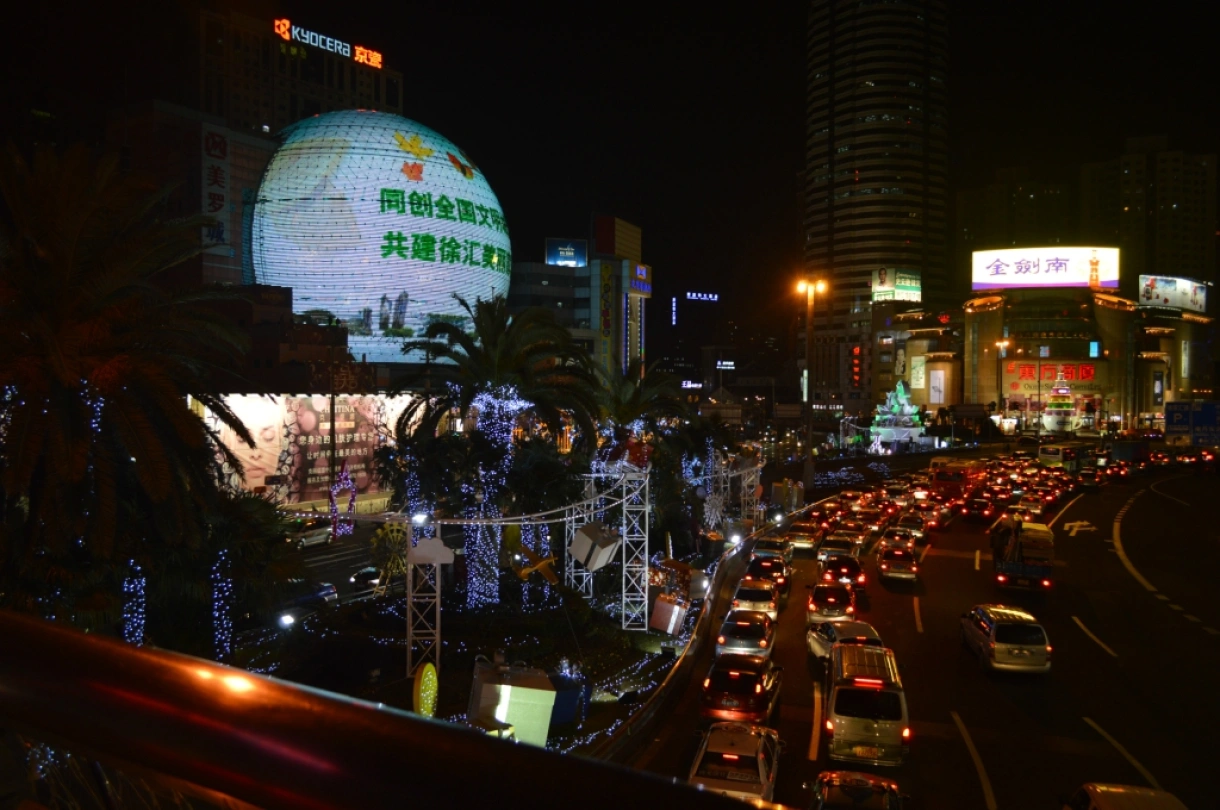
The Bund at six in the morning and the Bund at eleven at night are two entirely different worlds. In the pale dawn light, the "Exposition of International Architecture" emerges through the mist like elderly gentlemen just waking, calmly adjusting their attire. When night falls, neon lights flicker on one by one, and the skyscrapers of Lujiazui transform into radiant lighthouses, their reflections shattering on the river into a flowing river of stars.

The Bund's charm lies in its openness. From the Garden Bridge to Jinling East Road, the waterfront promenade has no walls, no entry fees—anyone can wander freely. You can lean on the stone railings and daydream, watching cruise ships glide by, or sit on a bench and listen to a street performer play "Night Shanghai." There's no staged performance here, only the city's most authentic breath.
Why the Bund is Shanghai's Most Photographed Spot
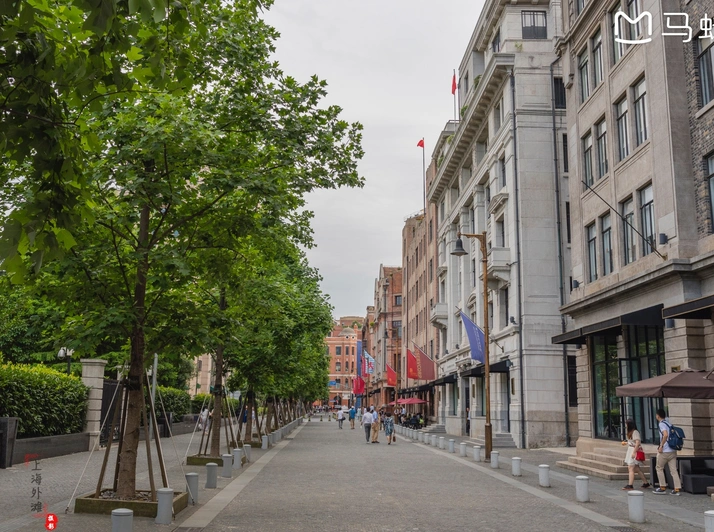
For photographers, the Bund offers unparalleled opportunities. The contrast between colonial-era buildings and futuristic skyscrapers creates a visual dialogue that's hard to find anywhere else in the world. The best time for photography is during the "blue hour"—about 30 minutes before and after sunset—when the sky turns deep blue and the lights begin to twinkle.
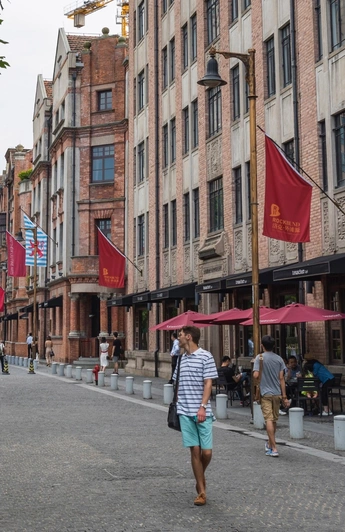
Architecture Speaks: The Past and Present of the Bund's International Buildings
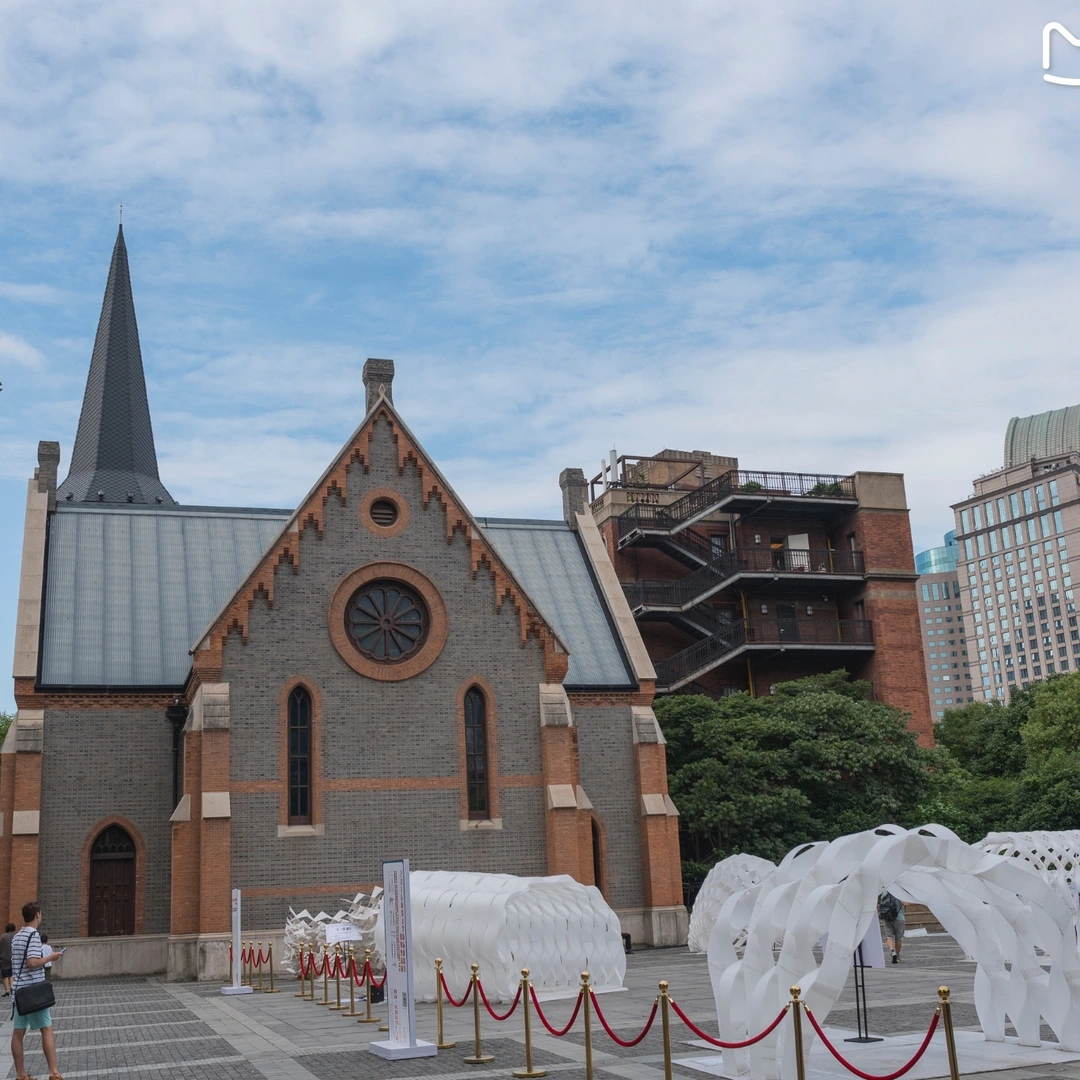
The most captivating aspect of the Bund is its 26 buildings, each with a distinct style. They are not cold stone but warm witnesses to history. Let's dive into the stories behind three of the most iconic structures.
The Peace Hotel: A Legend of the "First Building of the Far East"
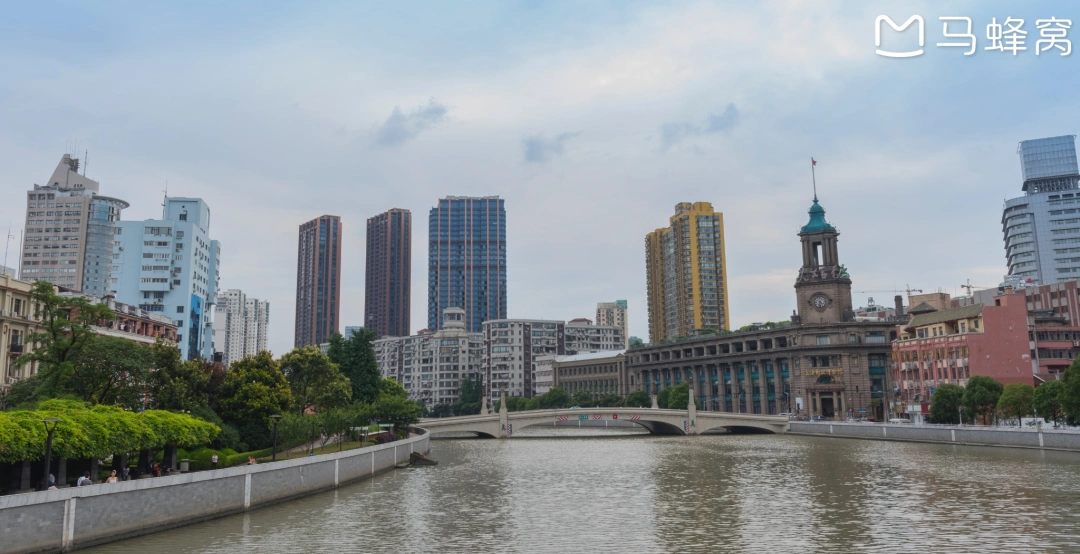
Standing at No. 20 Zhongshan East First Road, looking up at the Peace Hotel's green pyramid roof, you recall its title as the "First Building of the Far East." Completed in 1929, it was originally called the Cathay Hotel, a masterpiece of the Sassoon family. Its Gothic spire and Art Deco lines made it an instant icon of Shanghai. Legend has it that Charlie Chaplin, George Bernard Shaw, and Lu Xun once walked through its doors.
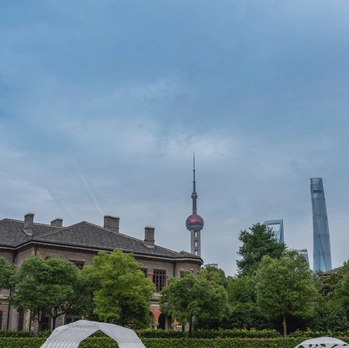
Inside the lobby, the stained-glass dome of the Octagonal Hall still dazzles. An old doorman told me the ceiling is made of 200,000 hand-cut glass pieces, each from France. I reached out and touched the marble walls—cool and smooth, as if I could feel the warmth of the gentlemen in suits and ladies in qipao from eighty years ago.
Pro tip: The Peace Hotel's afternoon tea is a must-try experience. Book in advance, as tables fill up quickly. [Link: Shanghai afternoon tea experiences]
The Customs House: Hearing Time's Chime on the Bund
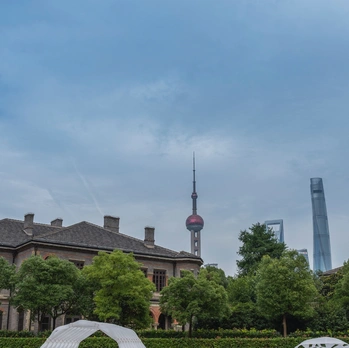
The bell of the Customs House is the most recognizable sound on the Bund. Every 15 minutes, it plays the melody of "The East Is Red." The bell tower stands about 79 meters tall, one of the tallest on the Bund. When it was completed in 1927, its bell was the largest in Asia and the third largest in the world.
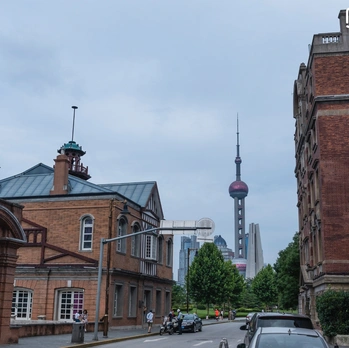
I stood beneath the tower at the stroke of the hour. As the chime rang out, the entire Bund fell silent. That heavy, lingering sound cut through traffic and crowds, through the dust of time, as if reminding every passerby: time flows on, but some things remain eternal.
The Bund Origin: Where the Story Began
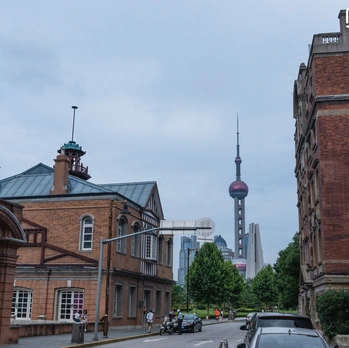
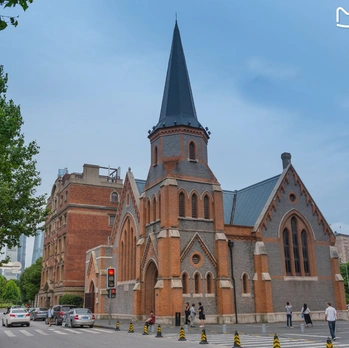
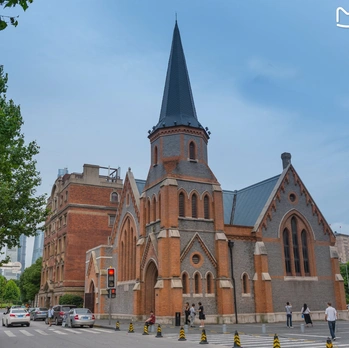
Heading north across the Garden Bridge, you arrive at the Bund Origin. This is where the Bund began, and where Shanghai's modern history started. In 1845, the British Consulate was established here, setting the stage for the Bund's development.
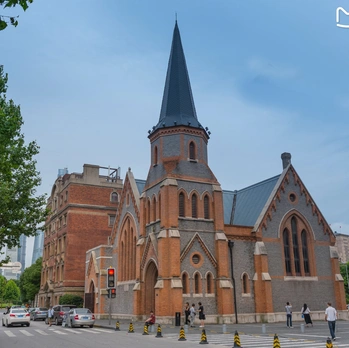
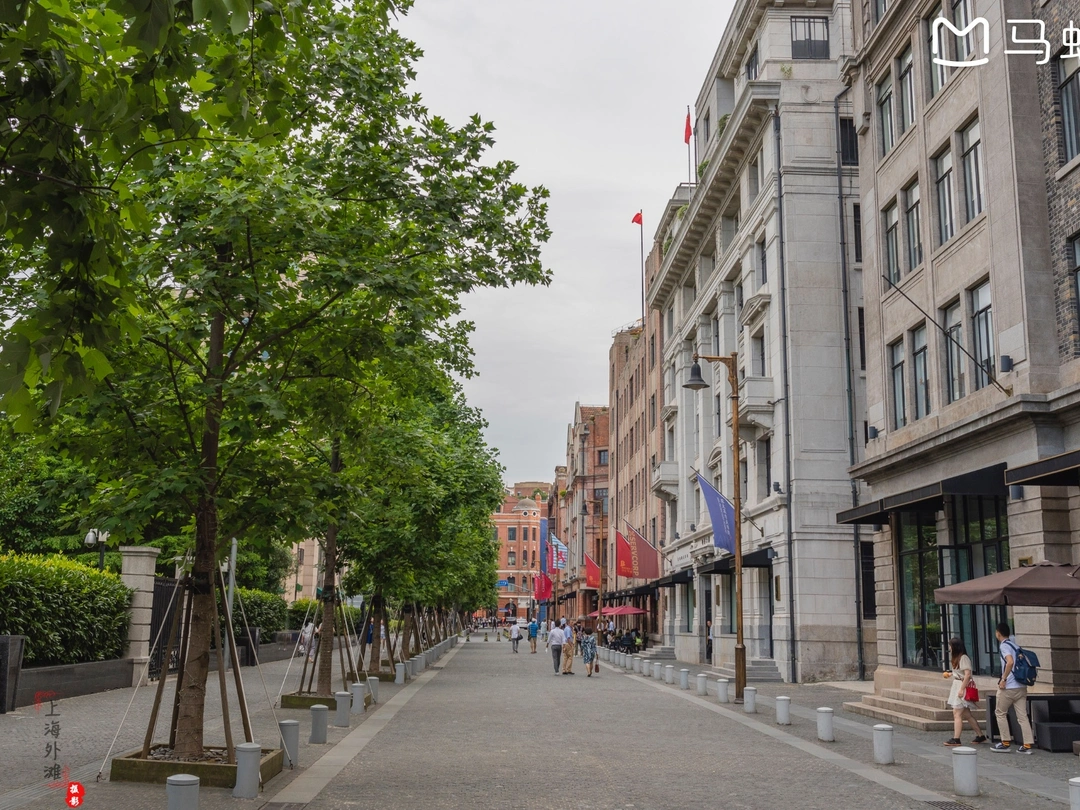
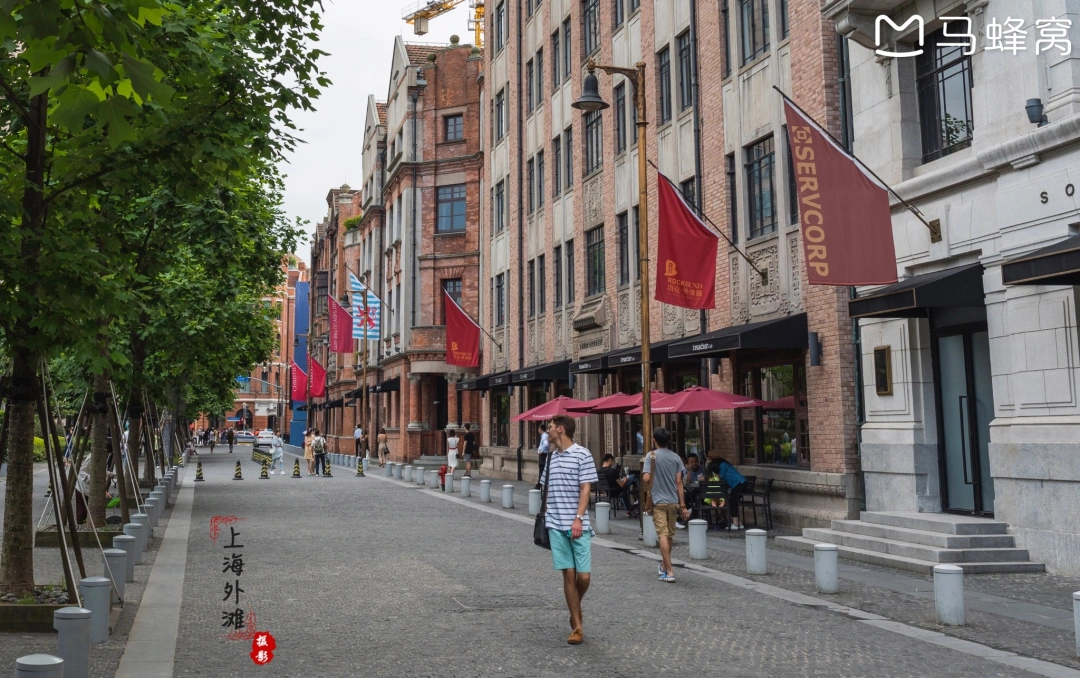
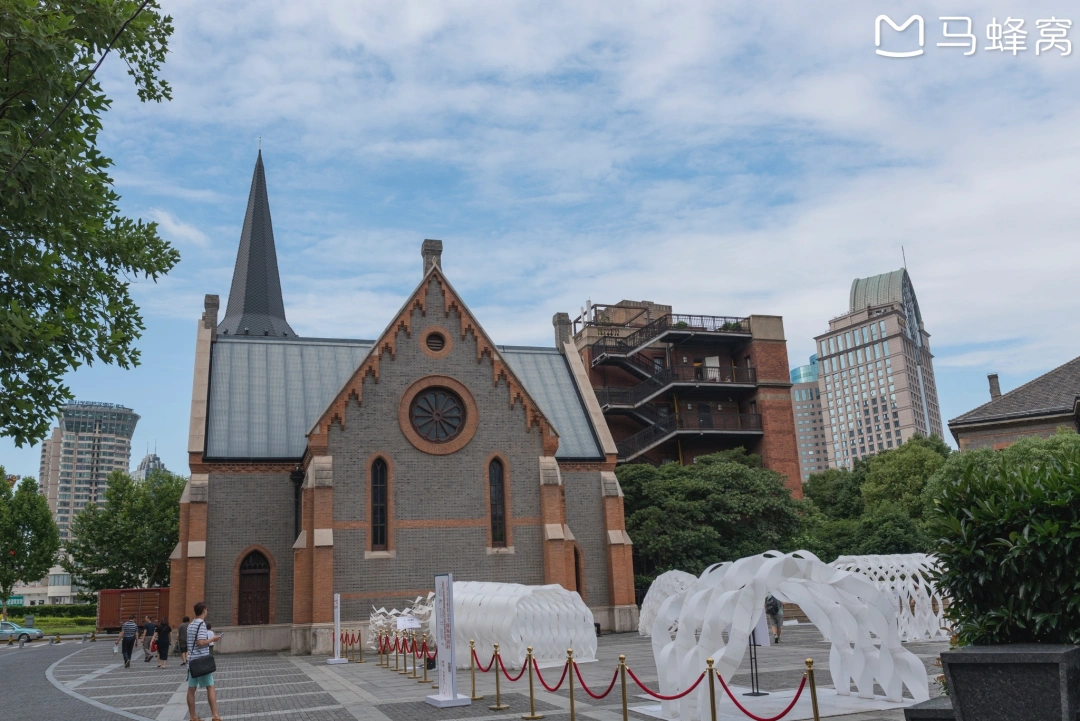
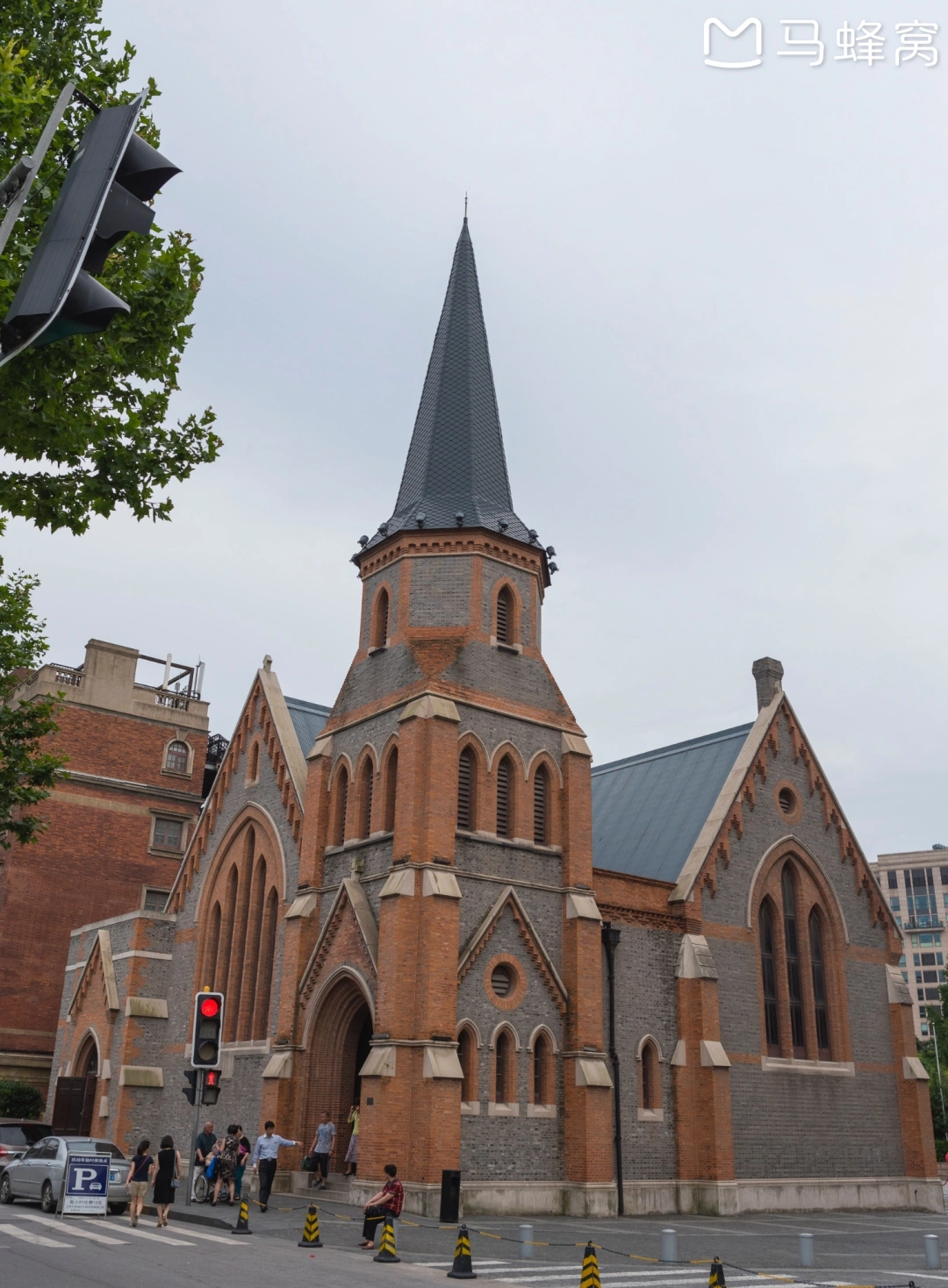
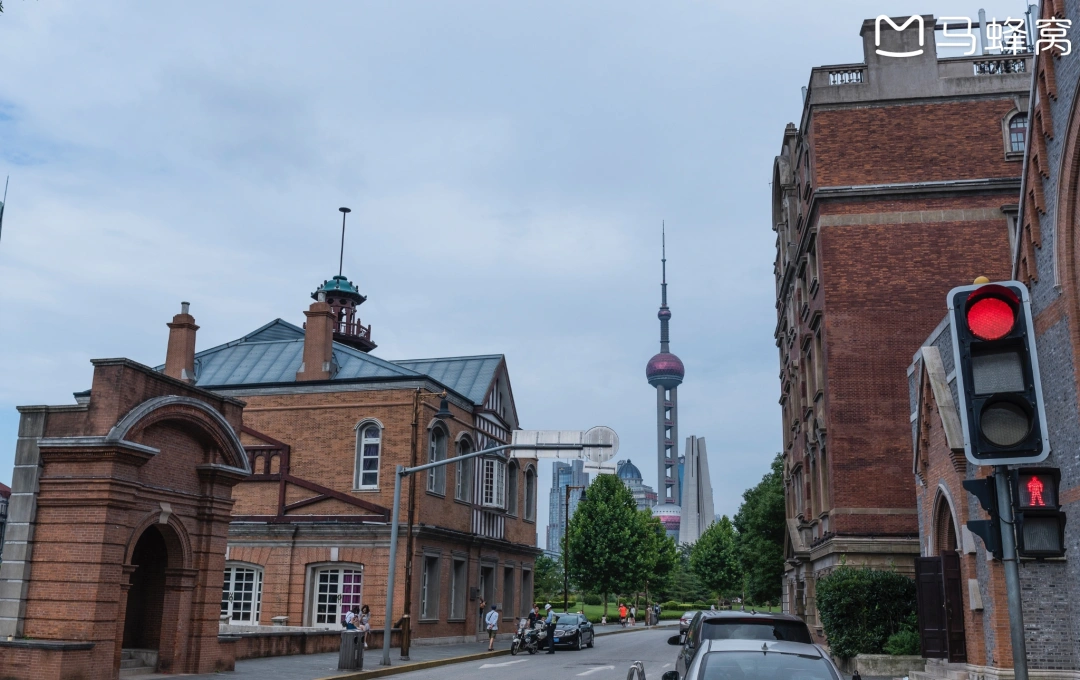
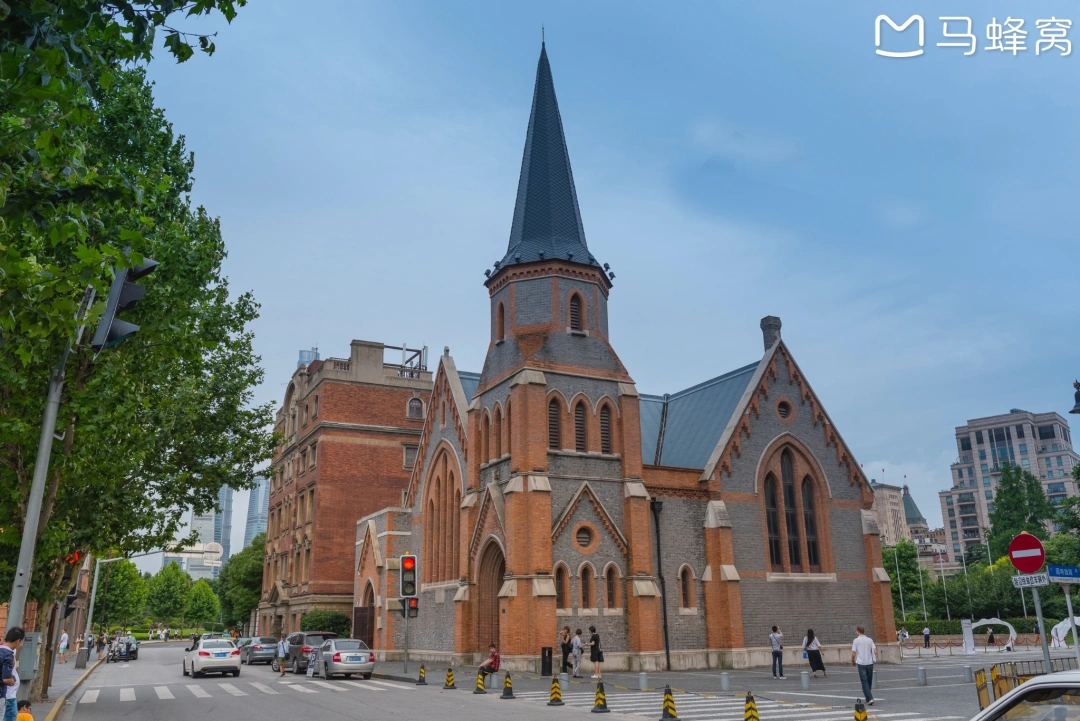
Today, the Bund Origin preserves the original consulate buildings. Red brick walls, arched windows, green lawns—it feels as though you've stepped into Victorian London. Interestingly, this area has now become one of Shanghai's trendiest coffee districts. History and modernity coexist here in a fascinating harmony.
Along the Huangpu: From "Wall Street of the East" to "World's Living Room"
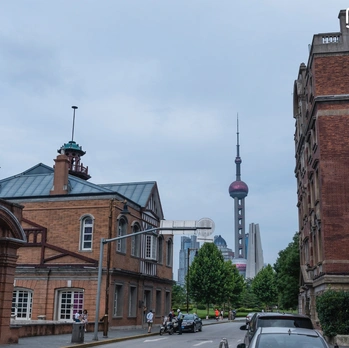
The Bund's transformation mirrors the evolution of Shanghai itself.
A Financial Center's Memory: The Bund's Banking Legacy
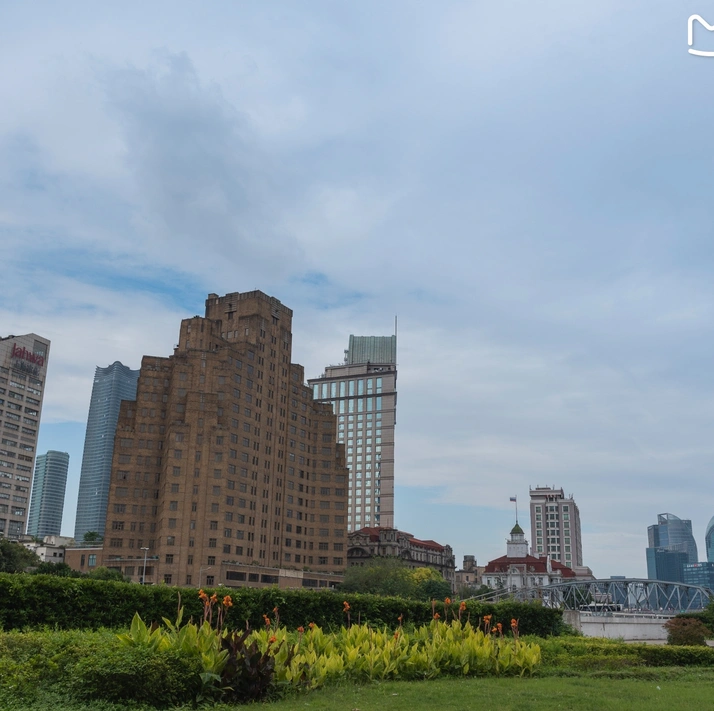
From the late 19th to early 20th century, the Bund was known as the "Wall Street of the East." HSBC, Citibank, Standard Chartered—almost every foreign bank had its headquarters here. Walking among these bank buildings, you can imagine the maiban (Chinese compradors) in long gowns and foreign managers in top hats conducting deals that shaped the Far East's economy.
The HSBC Building (now the Shanghai Pudong Development Bank) is one of the Bund's most lavish structures. Its octagonal dome features murals of the sun god, moon goddess, and the 12 zodiac signs, earning it the title "the finest dome in the Far East." It's said that over 20 colors of marble were used in its construction, all imported from Italy.
A New Chapter of Reform: The Bund vs. Lujiazui
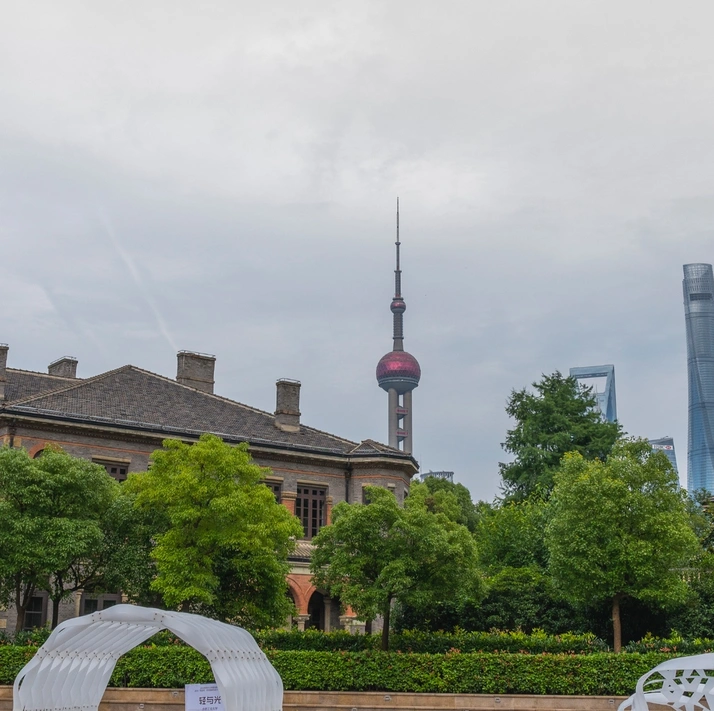
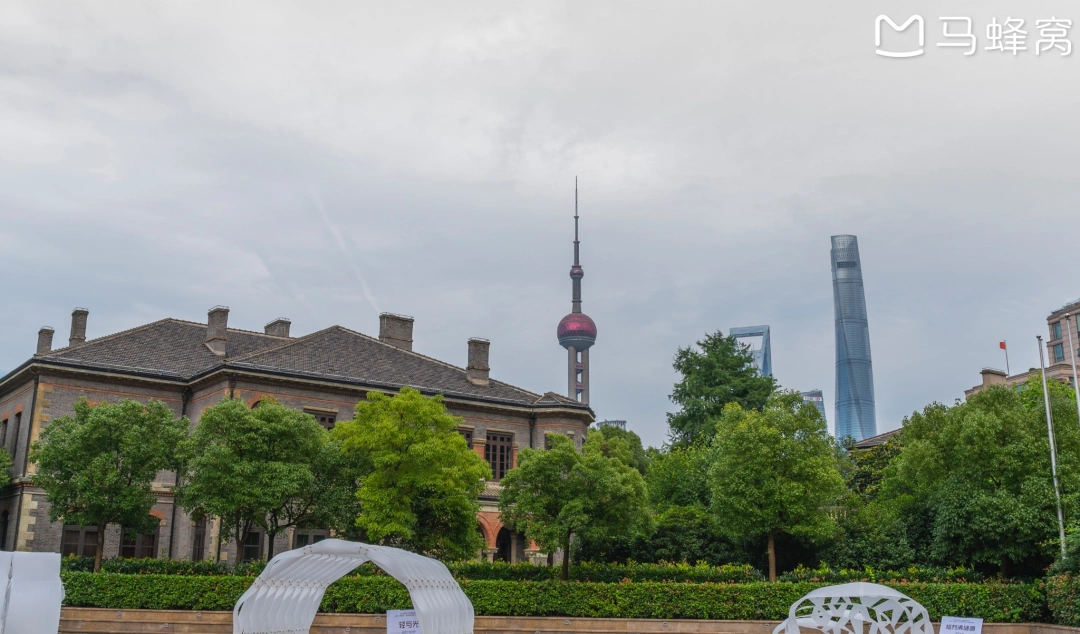
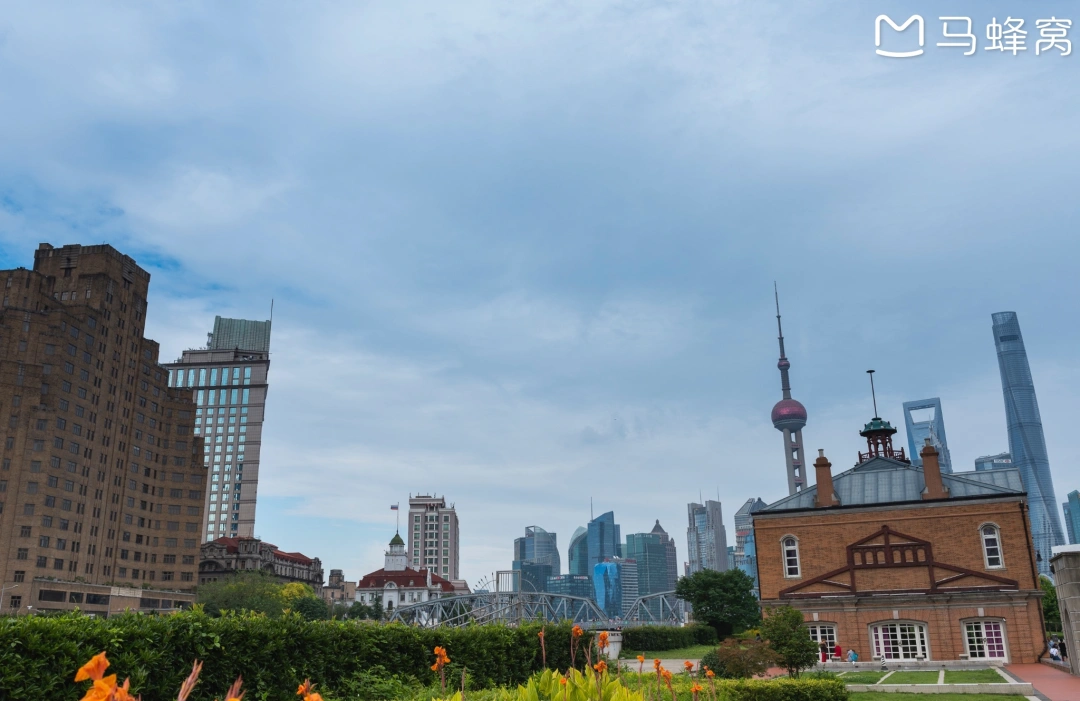
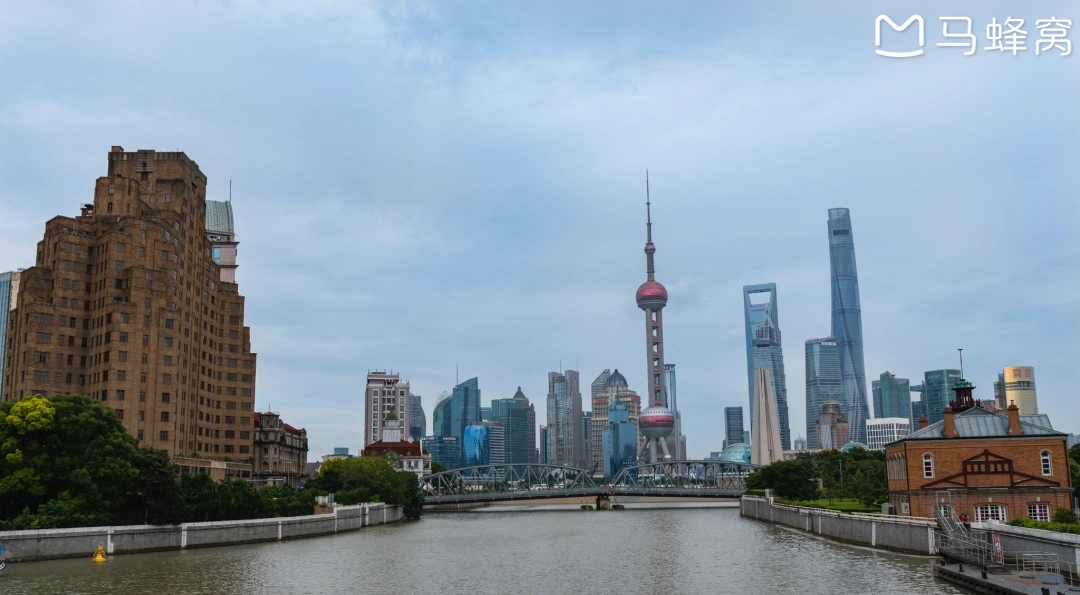
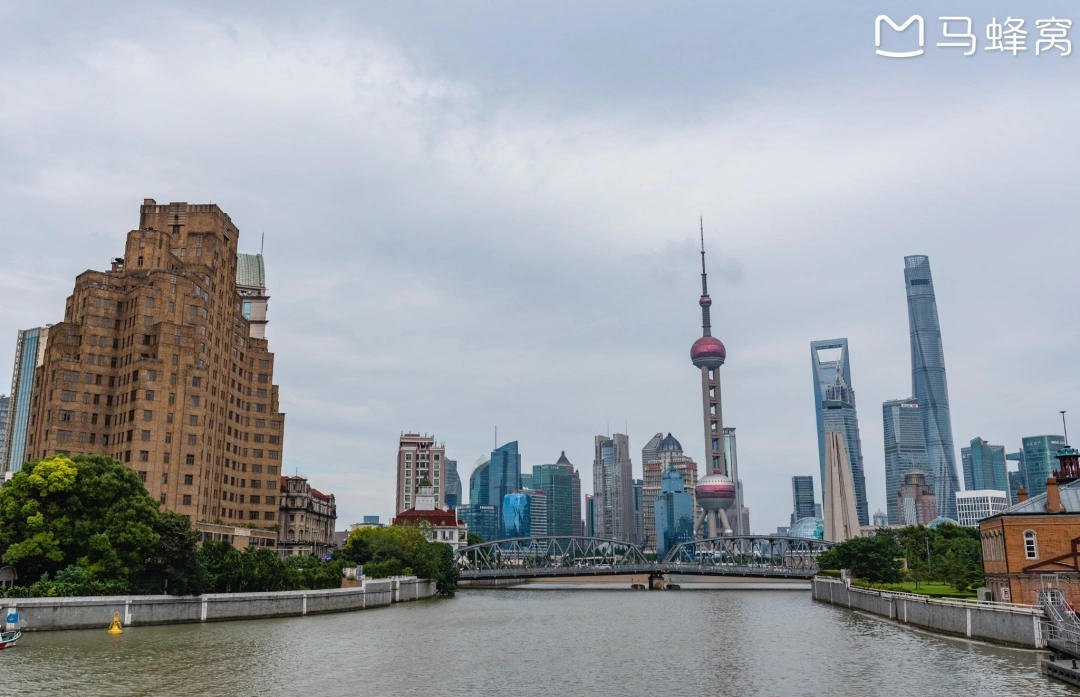
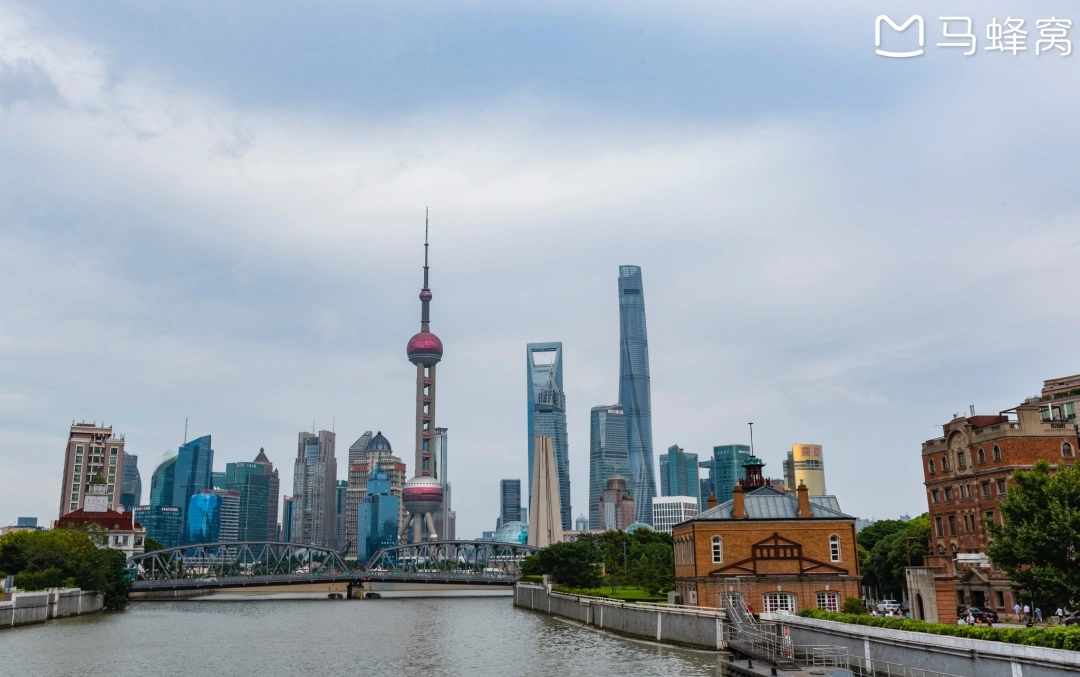
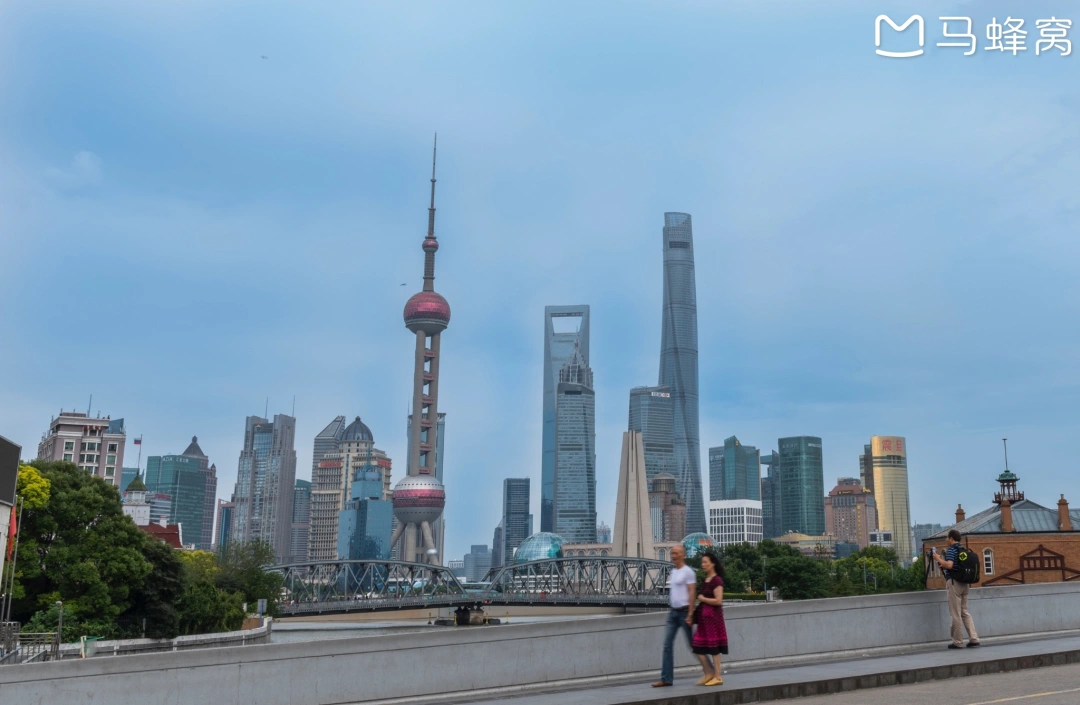
After Pudong's development and opening in 1990, the Bund's role shifted. Across the river, Lujiazui rose rapidly, with skyscrapers sprouting like bamboo after rain. The Oriental Pearl Tower, Jin Mao Tower, Shanghai Tower—these modern structures face the century-old buildings on the opposite bank, creating a surreal "past and present" tableau.
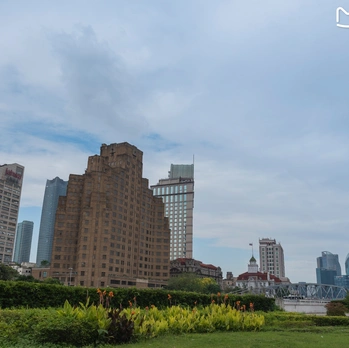
Standing on the Bund and looking at Lujiazui, you feel a powerful visual impact: 19th-century classicism on one side, 21st-century futurism on the other. This temporal collision is hard to find in any other city.
The Bund's Everyday Life: More Than a Tourist Spot
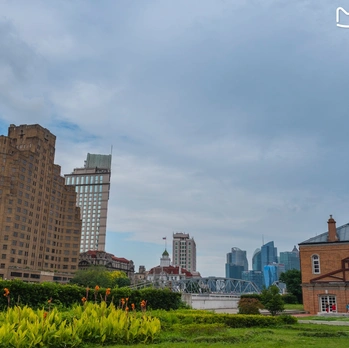
Many think the Bund is only for tourists, but that's not true. Shanghai locals have their own Bund memories.
A Runner's Paradise: Morning Jogging on the Bund
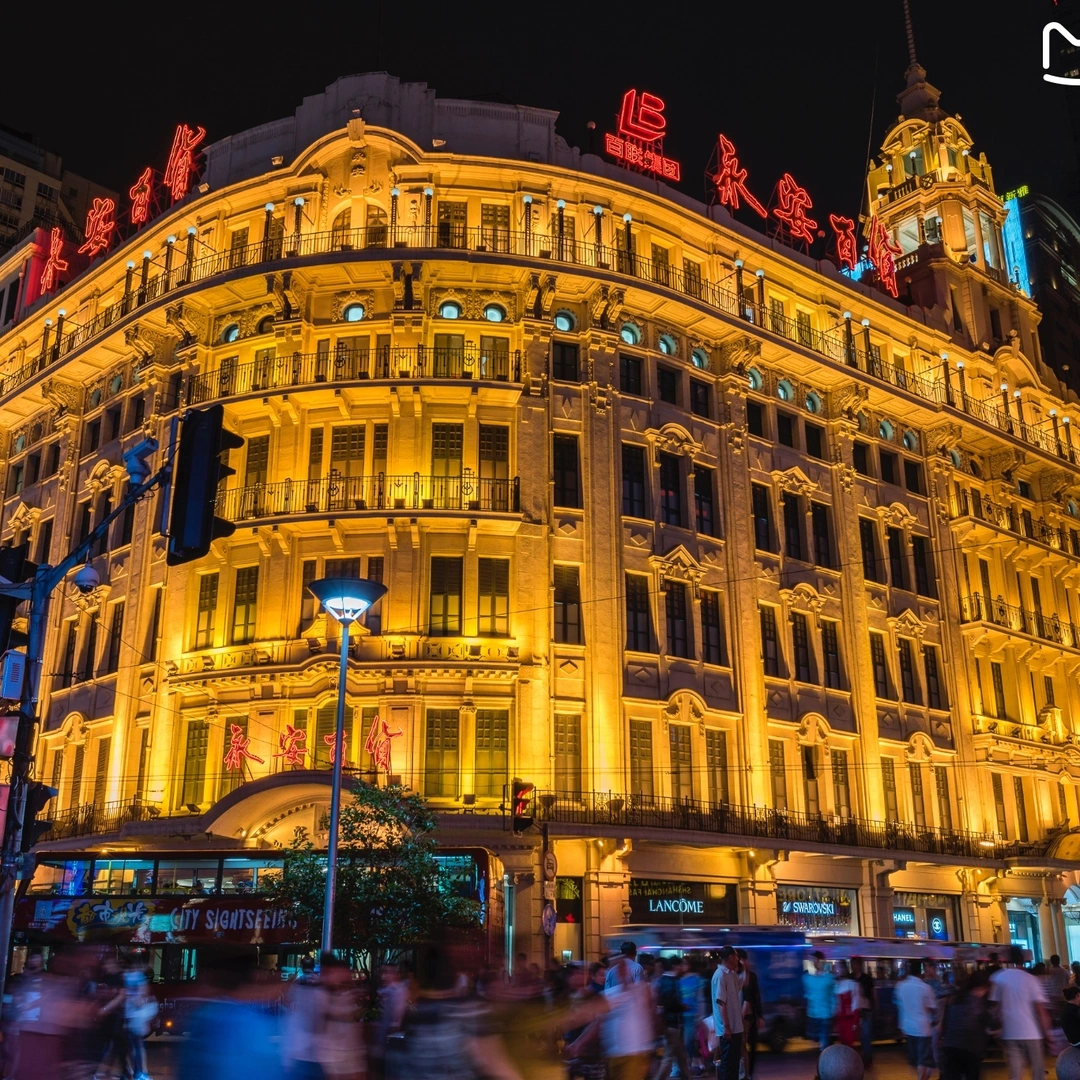
Every morning, joggers appear on the Bund's waterfront path. Dressed in sportswear with earphones in, they run along the Huangpu. From the Garden Bridge to Jinling East Road is exactly 3 kilometers—one of Shanghai's classic running routes. A local ayi (auntie) who runs here regularly told me: "I've been running here for ten years. I've watched the buildings across the river go up one by one, and the trees on the Bund grow taller year by year. This is my 'second living room.'"
An Evening Date Spot: Romance on the Huangpu River
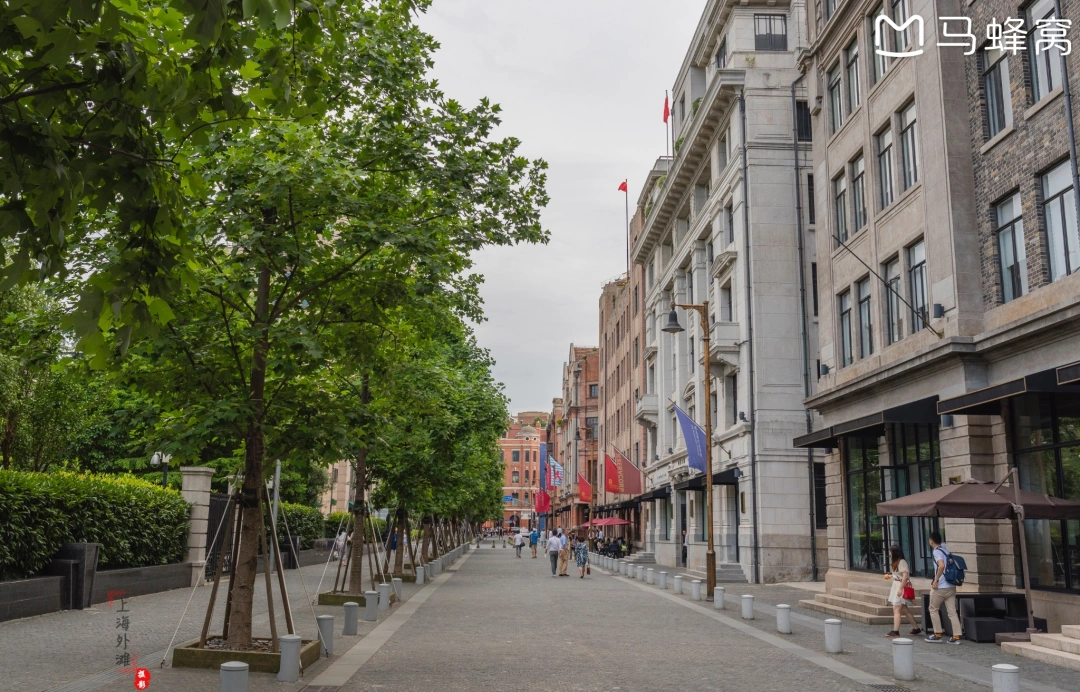
At dusk, the Bund belongs to couples. The setting sun turns the Huangpu gold, and cruise ships leave ripples on the water. Young people lean on the railings or sit on the steps, sharing conversations only they understand. A young man on a date said: "The Bund has a magic that slows down time. You don't need to do anything special—just stare at the river and it feels incredibly romantic."
A Late-Night Space for Reflection: The Bund After Midnight
At 1 a.m., the Bund shows another face. The crowds are gone, the lights dim, leaving only the sound of waves lapping against the shore. Then you see solitary walkers—maybe office workers just off their shifts, or insomniac artists. A photographer who often visits late at night told me: "The Bund at midnight is the city's most honest moment. It sheds its daytime makeup and shows its true self."
FAQ: Everything You Need to Know About Visiting the Bund
1. What is the best time to visit the Bund?
 The best times are early morning (6:00–8:00 a.m.) for solitude and soft light, evening (5:00–7:00 p.m.) for sunset and nightscape, or late night (after 10:00 p.m.) for tranquility. Each offers a completely different experience.
2. How long does it take to walk the Bund?
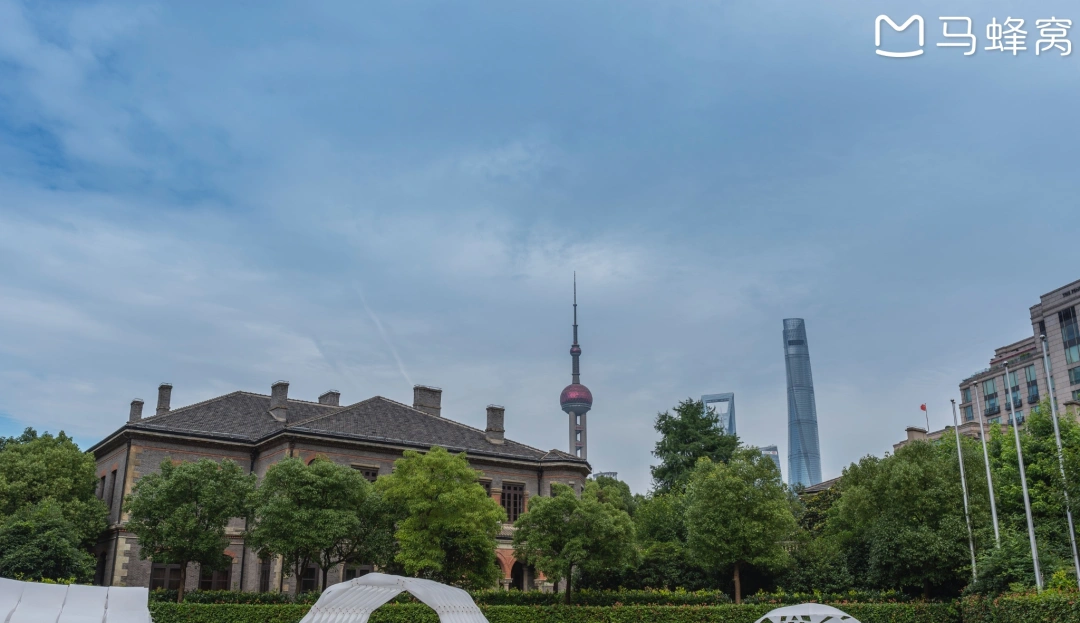 The classic route from Garden Bridge to Jinling East Road is about 1.5 kilometers and takes roughly 30 minutes at a leisurely pace. For an in-depth exploration including the historic buildings behind the Bund, allow 2–3 hours.
3. Is the Bund free to visit?
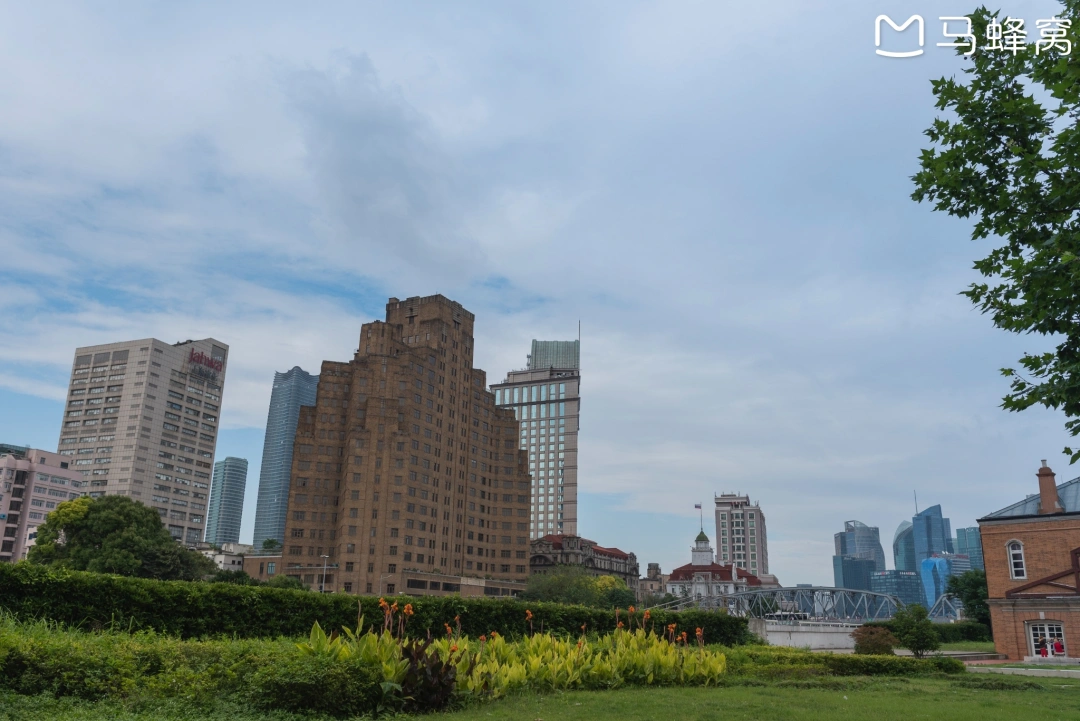 Yes, the Bund is completely free and open to the public 24/7. There are no entry fees or barriers.
4. What are the best photography spots on the Bund?
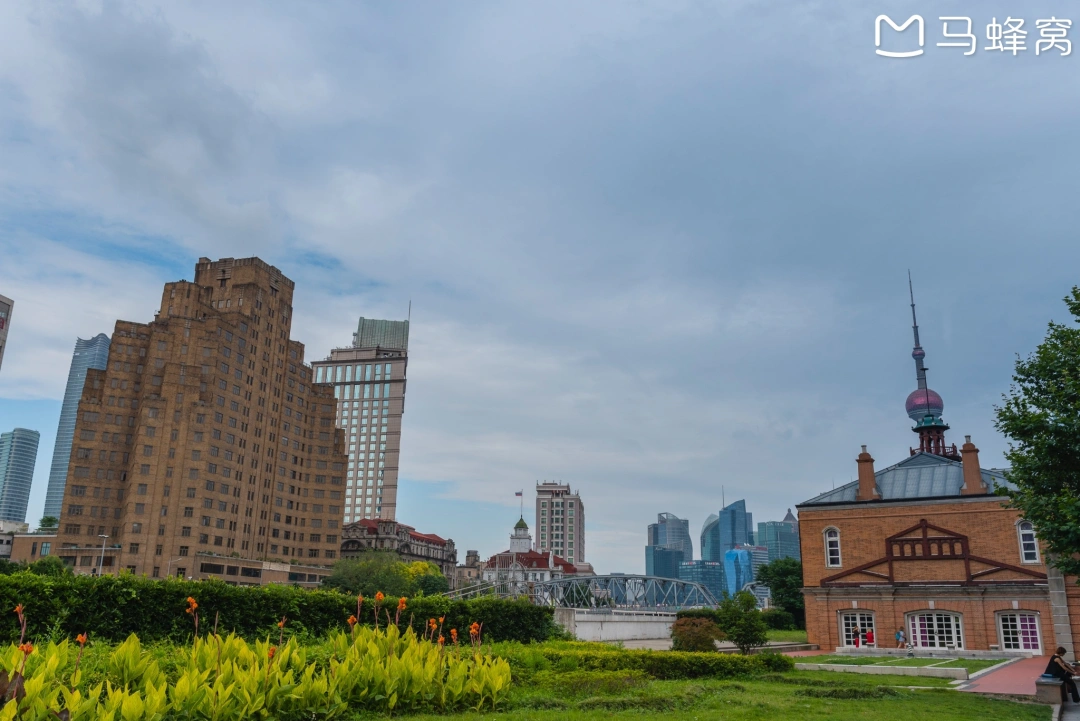 Top spots include the Garden Bridge, in front of the Peace Hotel, and the steps of the Customs House. The best time is during blue hour (about 30 minutes before and after sunset). Use building lines as leading lines, or a telephoto lens to compress space between the Bund and Lujiazui.
5. How do I get to the Bund by public transport?
Take Metro Line 2 or Line 10 to East Nanjing Road Station (about a 10-minute walk). Buses 20, 37, and 55 also stop nearby. For a unique experience, take the ferry from the Bund at Jinling East Road to Lujiazui for just 2 yuan (about $0.30).
Practical Tips: How to Make the Most of Your Bund Visit
Best Times to Visit the Bund
| Time | Experience | Best For |
|---|---|---|
| 6:00–8:00 a.m. | Few people, soft light | Photography, jogging |
| 5:00–7:00 p.m. | Sunset + nightscape | Couples, tourists |
| After 10:00 p.m. | Tranquility, reflection | Solitude, night photography |
Recommended Routes for Exploring the Bund
- Classic Route: Garden Bridge → Bund Origin → Customs House → Peace Hotel → Jinling East Road (1.5 km, ~30 minutes on foot)
- In-Depth Route: Bund Origin → Yuanmingyuan Road → Beijing East Road → Sichuan Middle Road → Jiujiang Road (explores historic buildings behind the Bund)
Transportation Options
- Metro: Line 2 or Line 10 to East Nanjing Road Station
- Bus: Routes 20, 37, 55
- Ferry: From the Bund at Jinling East Road to Lujiazui (2 yuan)
Photography Tips for the Bund
- Best Spots: Garden Bridge, in front of the Peace Hotel, steps of the Customs House
- Best Time: Blue hour (30 minutes before/after sunset)
- Composition: Use building lines as leading lines; telephoto lens to compress space
[Link: Shanghai photography tours] [Link: Best hotels near the Bund]
Conclusion: The Bund, Shanghai's Eternal Landmark
As I left the Bund, I realized that this waterfront promenade is more than just a tourist attraction—it's the heartbeat of Shanghai. It's where history meets modernity, where locals and travelers share the same space, and where the city breathes in rhythm with the Huangpu River.
Whether you come for the architecture, the photography, the romance, or simply to watch the world go by, the Bund offers an experience that stays with you long after you leave.
Ready to explore the Bund? Plan your visit today. Book a guided walking tour, reserve afternoon tea at the Peace Hotel, or simply pack your camera and head to the waterfront. The Bund is waiting to share its stories with you.
What's your favorite memory of the Bund? Share your photos and stories in the comments below, or tag us on social media with #BundShanghai. We'd love to see how you experience this iconic landmark.
This article was originally published on Mafengwo and has been optimized for SEO. All factual information has been preserved from the source.
You may also like