City Chronicle · Shanghai: Encountering a City's Thousand Faces Amidst Extreme Contrasts
Meta Description: Discover Shanghai's extreme contrasts—from colonial Bund to futuristic Lujiazui, from Tianzifang's creative alleys to the China Pavilion. A 7-day itinerary reveals the city's thousand faces. Plan your trip now!
Introduction: When "Waves Surging" Meets Real-Life Hustle and Bustle
What's your first impression of Shanghai? Is it the turbulent drama of "waves surging, waves flowing" from The Bund, or the undercurrents of Republican-era intrigue in spy thrillers? Perhaps the neon-lit, trendy urban landscape of fashion films?
Before I ever set foot in this city, my mental image of Shanghai was essentially a pile of these labels. However, when I had the fortune to spend a week here, I discovered that this city—often misunderstood as "lacking cultural depth"—actually possesses a unique charm that nowhere else can replicate: extreme contrasts.
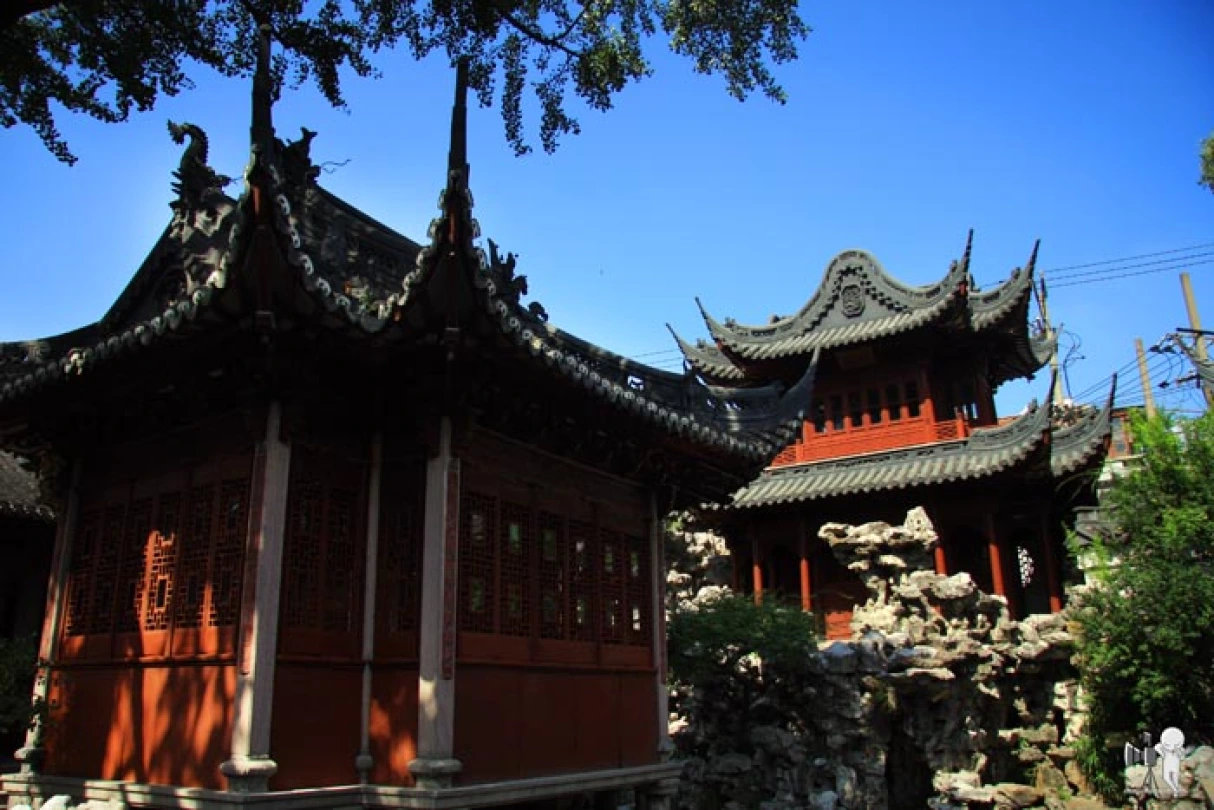
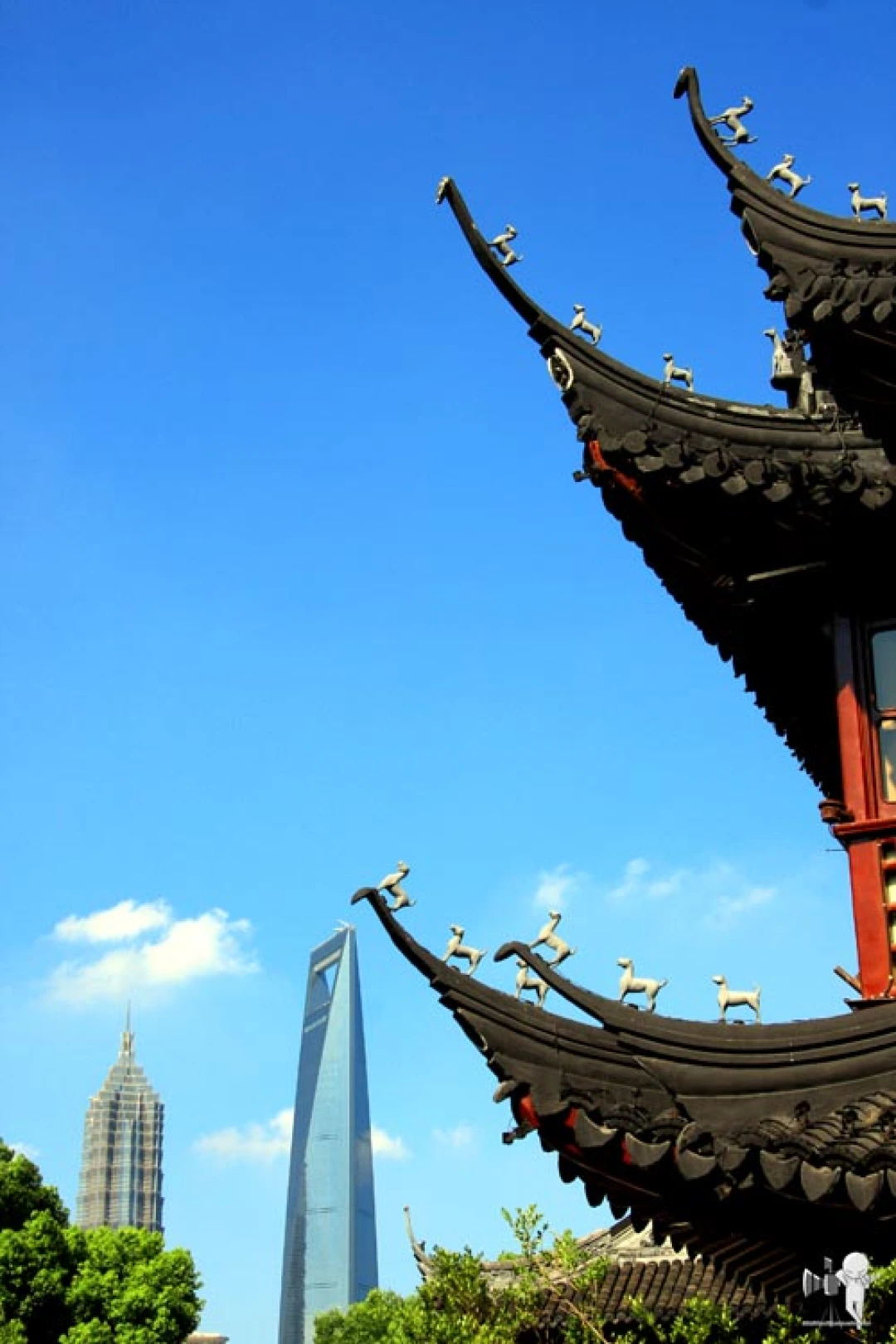
The colonial-era buildings of the Bund stand across the river from the skyscrapers of Lujiazui. The 400-year-old Jiangnan garden Yu Garden neighbors modern glass-curtain-walled high-rises. The romantic, trendy lifestyle of the middle class intertwines with the warm, mundane everyday life of the alleyways. It is precisely these seemingly contradictory yet harmoniously coexisting contrasts that make Shanghai so breathtakingly beautiful.
I. Unexpected Encounter: A Seven-Day Ramble from Xi'an to Shanghai
My trip to Shanghai at the end of July was purely accidental. I had originally gone just for business, planning a same-day return. But upon arrival, I learned I would have to stay for an entire week. As a true northerner, arriving in the south came with some discomfort—my biggest headache was the food. It's not that Shanghai noodles are bad, but those sweet-flavored noodles were simply hard for me to swallow. So for that week, my three meals basically relied on fast food and instant noodles—a tale of woe, I tell you.
Since I had nothing else to do, I figured I might as well explore. And so began a "forced" seven-day tour of Shanghai. Over those seven days, I visited nearly all the core attractions in the city center, shuttling between them by subway every day, with transportation costs around 20 yuan. The bus stop names were all street names—a complete mystery to me—but thankfully the subway was convenient enough.
Nearly 1,000 photos took considerable effort to organize. After more than ten days, I finally managed to pick out nearly 700 to share with everyone, showcasing the city's thousand faces.
My Shanghai Itinerary at a Glance
| Day | Highlights | Key Spots |
|---|---|---|
| Day 1 | Arrival & Check-in | Xi'an → Shanghai, Hanting Express Shangnan Road |
| Day 2 | Modern & Historic | China Pavilion → Tianzifang → CPC First Congress Site → Xintiandi |
| Day 3 | Classic Shanghai | People's Park → Shanghai Museum → Yu Garden → City God Temple → The Bund → Nanjing Road |
| Day 4 | Panoramic Views | Hop-on Hop-off Sightseeing Bus |
| Day 5 | Financial District | Lujiazui → Binjiang Avenue |
| Day 6 | Spiritual & Literary | Longhua Temple → Longhua Martyrs' Cemetery → Duolun Road → Lu Xun Park |
| Day 7 | Farewell | Jing'an Temple → Century Park → Pudong Airport → Xi'an |
While organizing the photos, I kept listening to Chen Sheng's I Won't Let You Be Alone Anymore. The melody unexpectedly matched the city's character—both weathered and warm.
II. China Pavilion: A Legacy of World Expo Memories

Since it was close to where I was staying, I chose the China Pavilion as my first stop, fulfilling a small dream of having missed the World Expo back in the day. I thought that since the Expo was long over, there wouldn't be many people. But the queue to buy tickets was terrifyingly long. To save time, I ended up buying a ticket from a scalper.
Once inside, what interested me most were the displays of past life—old objects, vintage calendars—instantly pulling me back to my childhood. The multimedia exhibit centered on Along the River During the Qingming Festival made me feel like I had traveled back a thousand years to a bustling marketplace.
Looking out through the glass windows of the China Pavilion, the modern city skyline formed a fascinating dialogue with the traditional elements inside. At that moment, I suddenly understood: Shanghai's charm lies in the fact that it never rejects the past and never fears the future.
China Pavilion Visitor Guide
- Opening Hours: Monday–Friday 9:00–17:30 (last entry 17:00); Weekends & Holidays 9:00–19:00 (last entry 18:30)
- Ticket Price: 20 yuan
- Transportation: Metro Line 7 or Line 8, Yaohua Road Station
- Tip: Arrive early to avoid long queues, especially on weekends.
[Link: Best time to visit Shanghai attractions]
III. Tianzifang: Creative Rebirth in Old Houses
Leaving the China Pavilion, I met up with a friend in Shanghai and headed to Tianzifang. To be honest, I wasn't particularly interested in this kind of creative commercial district converted from old houses. But once I actually walked in, I found it had a charm all its own.
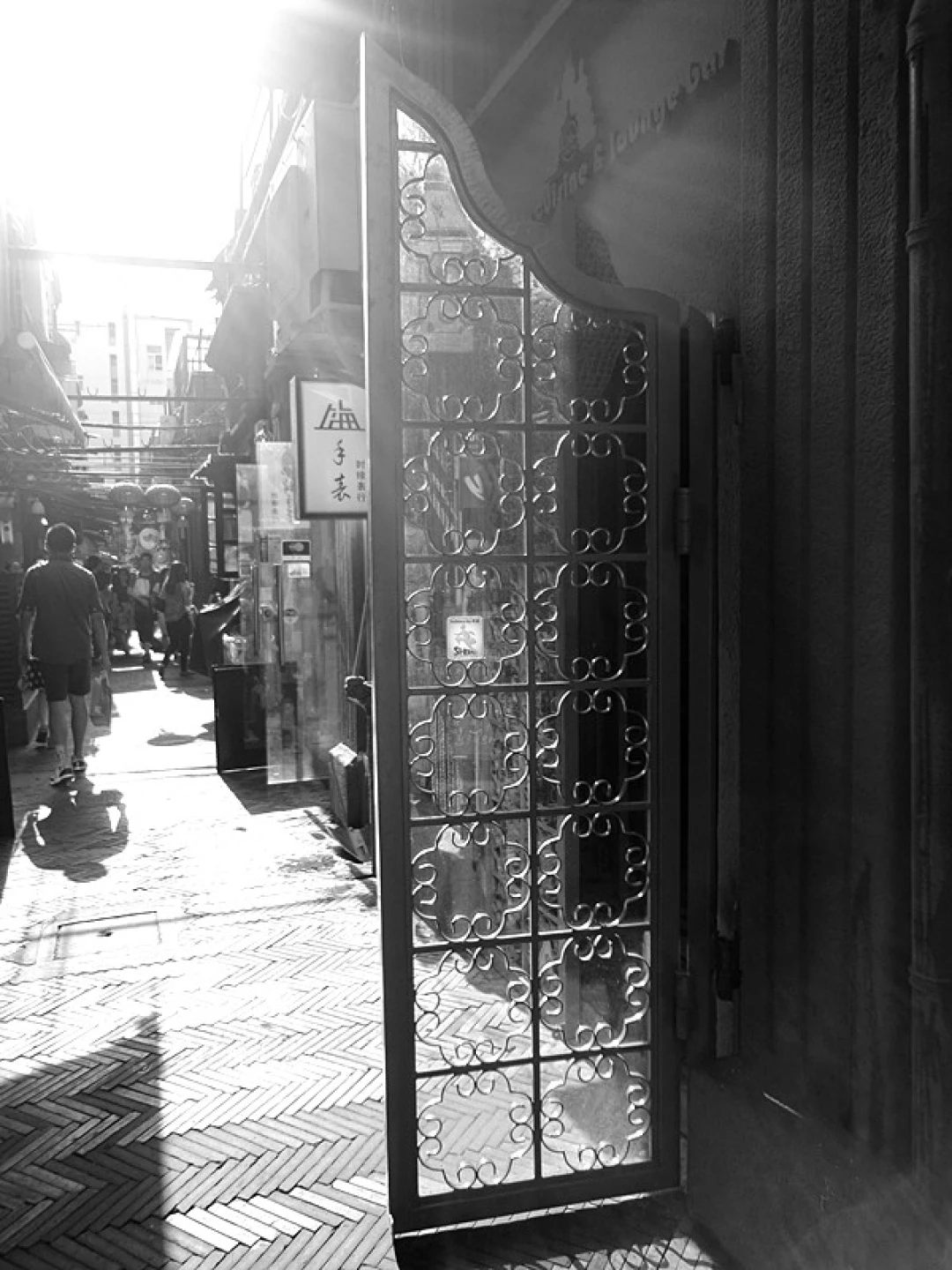
Tianzifang's appeal lies in the fact that it didn't simply tear down the old houses. Instead, it cleverly preserved the marks of time, giving them new life. Those mottled walls and winding alleyways, interwoven with quirky shops and galleries, retain the old Shanghai street atmosphere while injecting the vitality of modern art.
What left the deepest impression on me was the old camera shop, displaying works by Xie Hailong and Chen Haiwen's series on ethnic minorities for Chinese National Geography. And the two cats on the street, sleeping so soundly they were oblivious to the world, became the most popular stars on the whole street—the waitress kept inviting passing girls to come in and sit, but everyone's eyes were on those two cats.
My Most Satisfying Photo: In a small park, sunlight filtered through the leaves, and an elderly man was doing exercises. At that moment, time seemed to stand still.
Directions: Metro Line 9, Dapuqiao Station, Exit 1, a 5-minute walk.
[Link: Top photography spots in Shanghai]
IV. From Tianzifang to Xintiandi: A Dialogue Between Street Life and Fashion
Exiting Tianzifang, my friend and I strolled aimlessly along the surrounding streets. Unlike Xi'an, which is neatly laid out in a grid, here I couldn't tell north from south at all, so I just followed my friend. But it was precisely this aimless wandering that let me see the most authentic Shanghai life.
Along the way, some old houses bore signs reading "Former Residence of Huang Binhong," while others had been turned into elegant cafés or bars. The laundry drying in the alleyways was the most vivid symbol of Shanghai's everyday life; and in a corner tea house, antiques priced in the tens of thousands filled the shelves, making one marvel at the city's depth.
As we walked, a cluster of renovated old buildings appeared before us—Sinan Mansions. This was once Shanghai's most famous garden residential area, home to luminaries like Liu Yazi and Mei Lanfang. Today, the pebble-dashed walls remain, but the interiors have been converted into a commercial district. This is perhaps another kind of Shanghai contrast: history and modernity, coexisting under the veneer of commerce.
Passing the "Former Site of the Provisional Government of the Republic of Korea," a crowd of Korean tourists gathered at the entrance. As a Chinese person, I didn't go in, just snapped a quick photo. This Shikumen (stone-gate) building, once a "sanctuary" for the Korean independence movement, now stands as a testament to Sino-Korean exchange.
By the time I reached the Site of the First National Congress of the CPC, it was almost closing time. I must have been the last visitor to enter. I hurriedly collected my free ticket, passed through security, and did a quick whirlwind tour. Those items I'd seen in middle school history textbooks—the Situation Map, New Writings, Questions to Heaven, and the English typewriter used by Li Dazhao—all sat quietly in display cases, telling the story of those turbulent times.
Xintiandi sits right next to the Congress site, also converted from Shikumen buildings. The commercial atmosphere here is even thicker; the customers are mostly foreigners or tourists. But I have to admit, sitting in the aroma of coffee, watching the crowd flow by, you can feel the pulse of modern Shanghai.
[Link: Walking tour of Shanghai's historic neighborhoods]
V. The Bund & Lujiazui: Where History Meets the Future
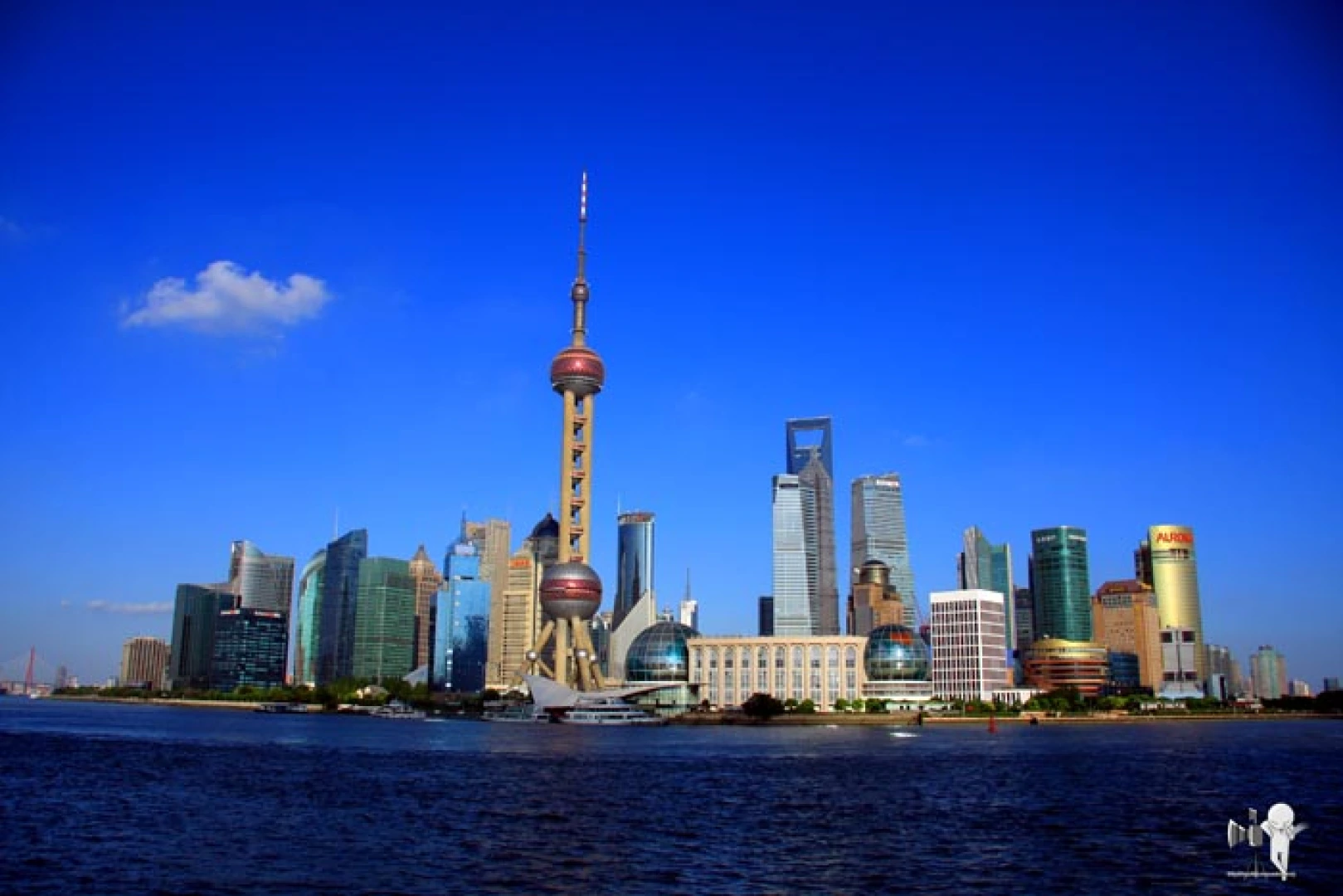
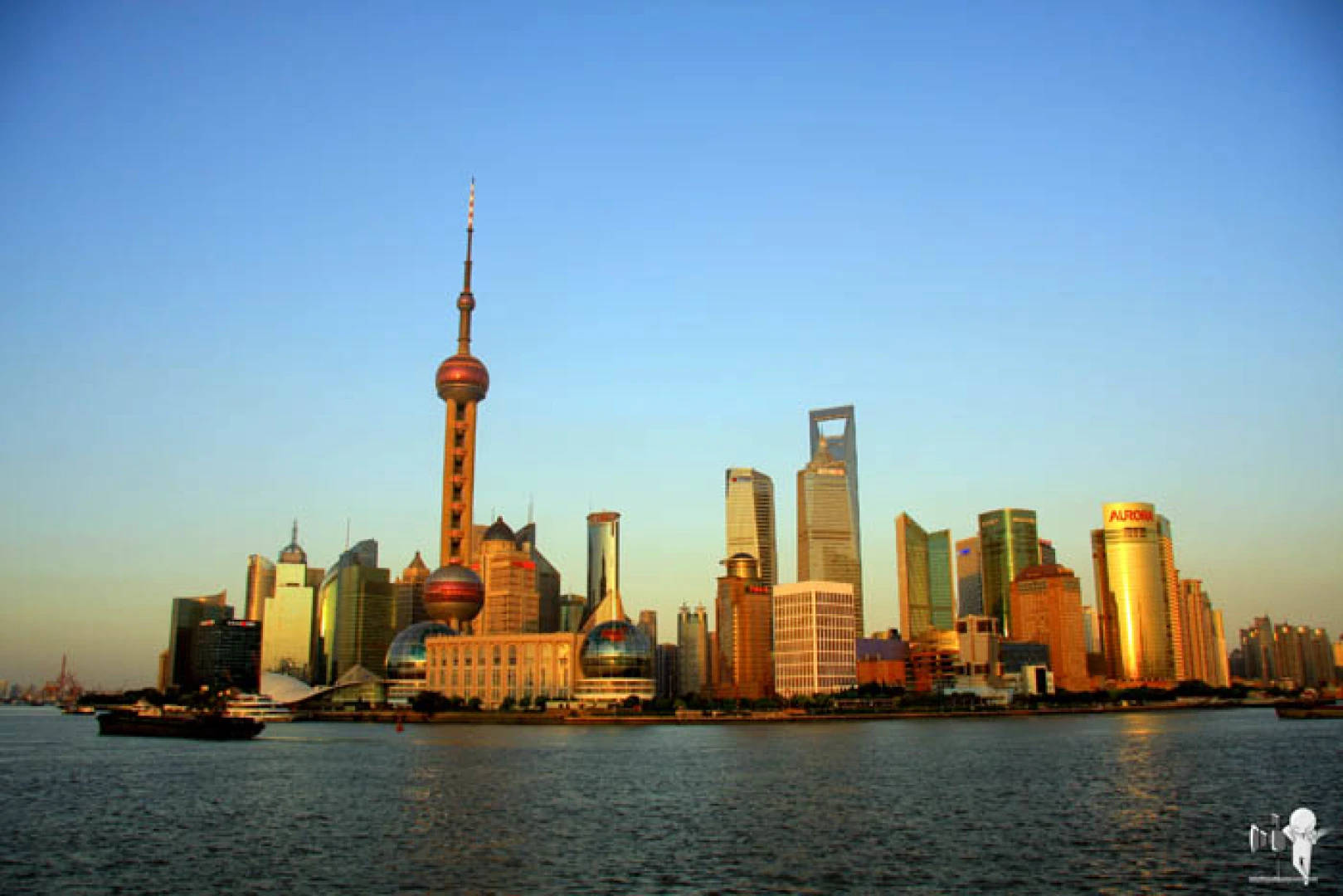
The Bund is Shanghai's most iconic waterfront. Walking along the Huangpu River, the colonial-era buildings on one side and the futuristic Lujiazui skyline on the other create a visual dialogue that spans a century. This is where Shanghai's "extreme contrasts" are most vividly on display.
- Best Photo Spot: Waibaidu Bridge, connecting the Bund to the Hongkou District
- Walking Route: The Bund → Waibaidu Bridge → Yuanmingyuan Road → Nanjing Road Pedestrian Street
- Evening Tip: The skyline lights up at sunset—don't miss the golden hour.
Lujiazui is the financial heart of Shanghai. The Oriental Pearl Tower, Shanghai Tower, and Jin Mao Tower dominate the skyline. For panoramic views, head to the Binjiang Avenue promenade—it's free and offers the best photo opportunities of the Pudong skyline.
[Link: Best views of Shanghai skyline]
VI. Shanghai FAQs: Everything You Need to Know
1. What is the best time to visit Shanghai?
Spring (March–May) and autumn (September–November) offer mild weather and fewer crowds. Summer is hot and humid, while winter can be chilly but less crowded.
2. How many days do I need to see Shanghai?
A 3–4 day trip covers the major attractions. For a deeper experience, 7 days allows you to explore neighborhoods, museums, and day trips.
3. Is Shanghai expensive for tourists?
Shanghai offers options for every budget. Metro rides cost around 3–6 yuan, meals range from 20–100 yuan, and attractions like the China Pavilion are just 20 yuan. Luxury dining and shopping can be pricey.
4. What food should I try in Shanghai?
Don't miss xiaolongbao (soup dumplings), shengjianbao (pan-fried buns), and scallion oil noodles. For sweet tooths, try the famous Shanghai-style mooncakes.
5. How do I get around Shanghai?
The metro is the most efficient way to travel. Buy a Shanghai Public Transportation Card for convenience. Taxis and ride-hailing apps are also widely available.
VII. Final Reflections: Shanghai's Thousand Faces
My seven-day journey through Shanghai was a whirlwind of contrasts. From the solemnity of Longhua Temple to the bustling energy of Nanjing Road, from the artistic alleys of Tianzifang to the towering heights of Lujiazui, this city never ceased to surprise me.
What I learned is that Shanghai is not a city to be understood—it's a city to be experienced. Every alleyway hides a story, every skyscraper reflects a dream, and every street corner offers a new perspective.
If you're planning a trip to Shanghai, I encourage you to:
- Walk the neighborhoods – Get lost in the alleyways; that's where the real Shanghai lives.
- Embrace the contrasts – Visit a temple in the morning and a rooftop bar at night.
- Eat like a local – Skip the tourist traps and try street food in the older districts.
- Capture the moments – Shanghai is a photographer's paradise; don't forget your camera.
Ready to Discover Shanghai's Thousand Faces?
Shanghai awaits you with open arms and endless discoveries. Whether you're a history buff, a foodie, a photographer, or a curious traveler, this city will leave you spellbound.
Start planning your Shanghai adventure today! Book your flights, pack your walking shoes, and prepare to encounter a city where the past and future dance together in perfect harmony.
[Link: Shanghai travel packages and deals]
Have you visited Shanghai? Share your favorite Shanghai experience in the comments below!