The Right Way to Experience Shanghai's Old Houses: Living Like a True "Shanghainese" for a Day in a Century-Old Shikumen
Meta Description: Discover Shanghai's soul beyond the skyscrapers. Experience authentic lilong life by staying in a century-old Shikumen homestay on Huaihai Road. Your guide to living like a true Shanghainese for a day.
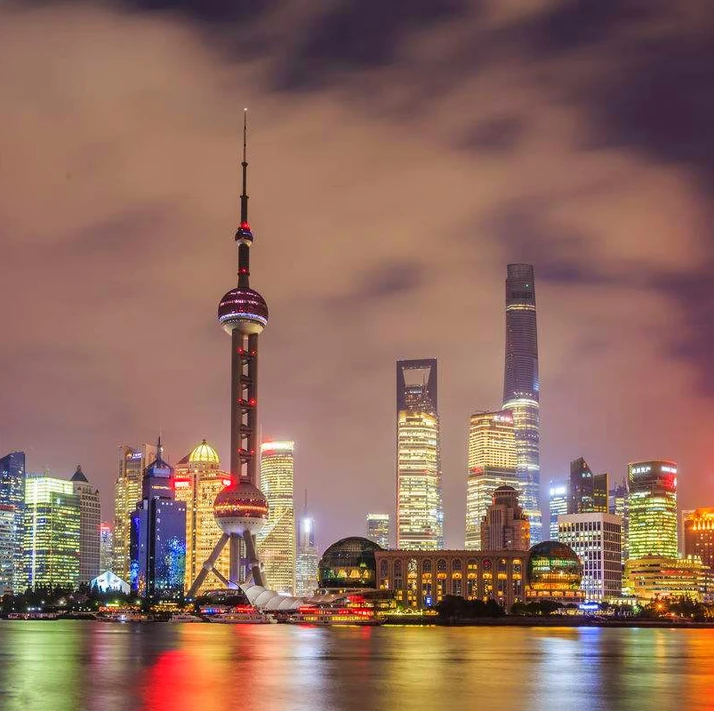
Have you ever wondered that the most enchanting parts of a city are often not found in its gleaming skyscrapers, but hidden deep within its unassuming alleyways?
Shanghai is a city of contradictions and charm. Some say that if you love someone, take them to Beijing, Shanghai, or Guangzhou—because that's where dreams take root. If you hate someone, take them there too—because that's where ideals shatter. As for me, I choose to live here. Sometimes I love it, sometimes I hate it, but I can never seem to leave.
I love it because this city makes everyday life feel full of endless possibilities. Want to go to Disneyland? Just go. Want to see a top-tier concert? A few taps on a ticketing app and it's done. Want to travel abroad? The well-connected transportation network lets you start your next journey anytime. I hate it because it constantly demands things from you, forcing you to keep running. You envy those who live leisurely in smaller cities, yet you can't bear to part with the prosperity and opportunities here.
So, where should you start to truly understand this city known as the "Magic Capital"?
The answer might lie hidden in those century-old mansions that have weathered the passage of time.
Why Shanghai's Old Buildings Are the Key to Its Soul
Once upon a time, Shanghai was the "Ten-Mile Foreign Concession," a city that never slept. Today, it's a rapidly evolving international metropolis. Eastern charm and European flair blend, collide, and coexist here—and the old buildings are the city's most unique cultural symbols, as well as the quickest shortcut to getting to know it.
Behind every old mansion lies a legendary story from old Shanghai. Today, these stories are being rewritten by a new generation of Shanghainese. Homestay culture has taken root in these century-old residences, turning travelers from fleeting visitors into temporary residents of the city.
In Beijing, people yearn for life in the hutongs—old men walking birds at street corners, aunties strolling with their toy poodles. In Shanghai, the lilong (lane neighborhoods) offer the authentic experience. A homestay is the best way to unlock a city. What you experience isn't just "a home away from home," but a genuine sense of belonging within the local community. That's right—here, you're not a guest; you're the host.
This time, I finally made up my mind to experience an old mansion homestay and truly live like a "Shanghainese" for a day.
Choosing the Perfect Shikumen Homestay: "Miss Su" on Huaihai Middle Road

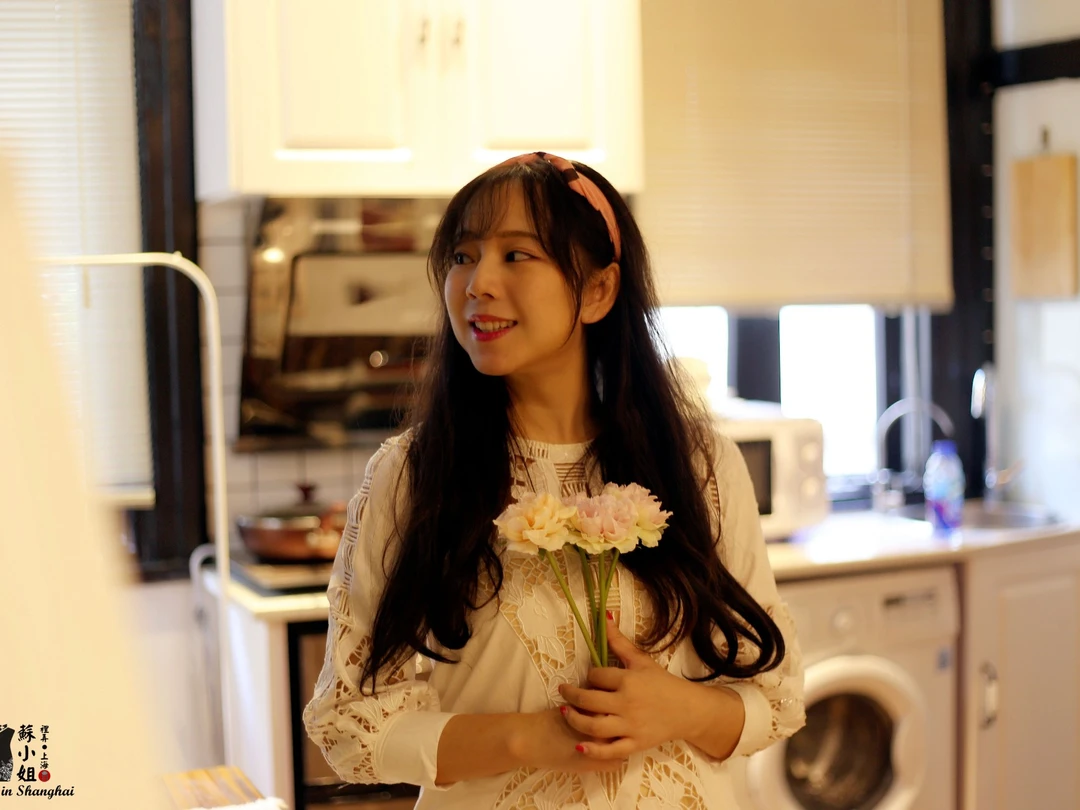
After comparing several options, I settled on "Miss Su's Lilong Shanghai" on Huaihai Middle Road. This homestay has excellent reviews on multiple short-term rental platforms, and three things drew me to it:
- Prime location in the heart of Shanghai's most fashionable avenue
- Affordable price compared to luxury hotels
- Wealth of cultural resources in the surrounding area
After communicating with the host—a very gentle Shanghainese young woman—I received detailed check-in instructions and set off following the map.
Huaihai Road: Shanghai's Most Fashionable Century-Old Avenue
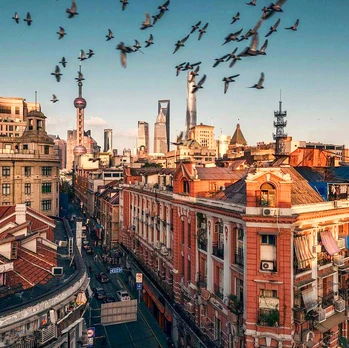
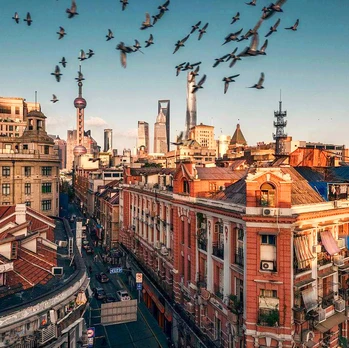
Huaihai Road is an east-west artery in Shanghai, divided into Huaihai West Road, Huaihai Middle Road, and Huaihai East Road. When locals say "Huaihai Road," they usually mean Huaihai Middle Road. Originally built in 1900 as Xijiang Road, it was renamed in 1950 to commemorate the victory of the Huaihai Campaign. It has long been regarded by locals as Shanghai's most stylish, fashionable, and romantic street.
Walking west from Huaihai Middle Road, past Fenyang Road, the atmosphere suddenly becomes quieter. The commercial buildings along the street dwindle, but every structure is worth a pause. Here you'll find Shanghai's most artistic landmark, Wukang Building; the cultural icon of Shanghai Library; and countless buildings with exotic architectural styles. Historical figures like Sheng Xuanhuai, Soong Ching-ling, Du Zhongyuan, Chiang Ching-kuo, and He Yingqin once lived in this area.
On my way to 1200 Huaihai Middle Road, I passed several "old houses with stories":
Pan Chengbo's Former Residence (1131 Huaihai Middle Road)
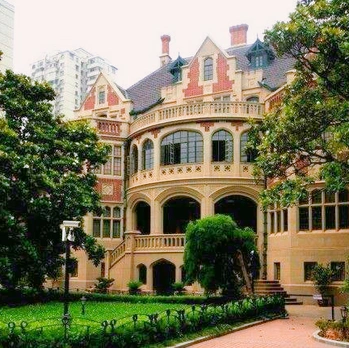
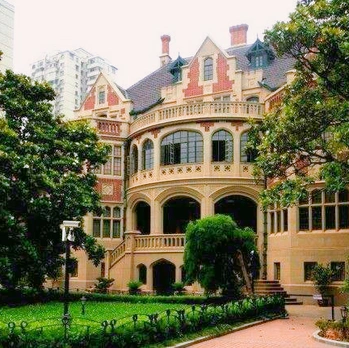
This German Renaissance-style garden residence was built in 1926. Originally the home of Pan Chengbo, the chief comprador of the British firm Jardine Matheson during the Republican era, it was designed by the renowned German architecture firm Becker & Baedeker and later served as the Belgian Consulate.
Huai Zhong Building (1162 Huaihai Middle Road)
Originally known as Henry Apartments, built in 1939, its former residents were mostly foreign merchants. In 1951, the Chinese-Polish Joint Stock Shipping Company—New China's first Sino-foreign joint venture—was established here, marking a new chapter in China's ocean shipping industry.
Ezra Residence (1209 Huaihai Middle Road)
Comprising three buildings, Building A was constructed in 1912 in the French Renaissance style. It was originally the private garden of Edward Ezra, a wealthy Jewish businessman.
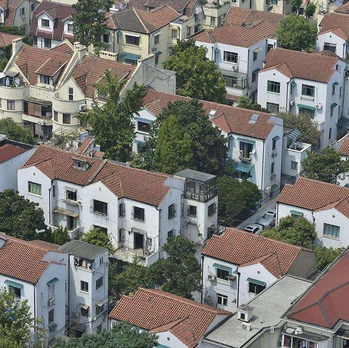
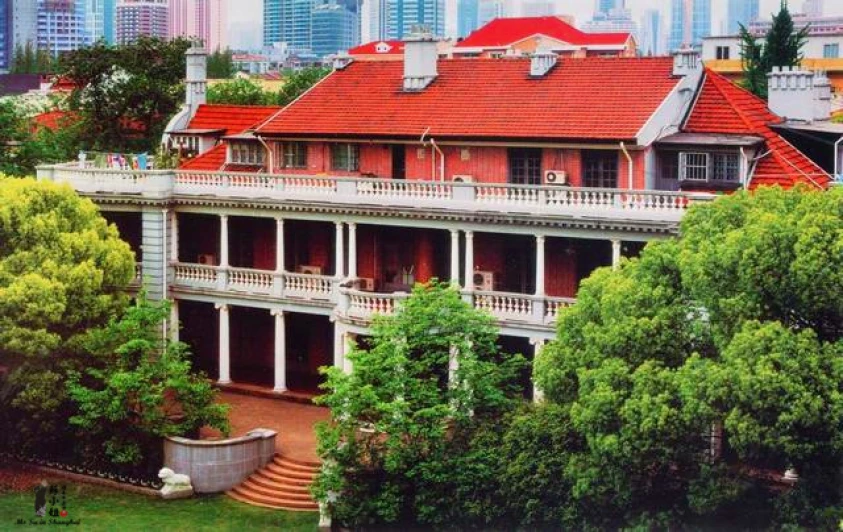
Finally, I arrived at my destination: Lanes 1176, 1178, and 1200 on Huaihai Middle Road. This cluster of Republican-era garden residences, built in 1929, was once owned by Gu Weijun, a renowned Chinese diplomat. These brick-and-wood structured new-style lilong houses are arranged in three rows, with exposed red brick facades, flat tile sloping roofs, and small private gardens at the front. The chimney flues and decorative patterns on the western facade serve as the building's unique visual signature.
[Link: Best historical walking tours in Shanghai's French Concession]
Stepping into "Miss Su": From Key to Home, a Sense of Ritual
Getting There: Transportation Guide
The most convenient way is to take Metro Line 1 or 7 to Changshu Road Station, then walk about three minutes. Other transportation options include:
| Mode | Station/Route | Walking Time |
|---|---|---|
| Metro | South Shaanxi Road Station (Lines 10/12/1) | 7 minutes |
| Metro | Huaihai Middle Road Station (Line 13) | 15 minutes |
| Bus | Routes 920/926 (along Huaihai Road to Puxi's Bund) | Direct |
| Bus | Routes 15, 26, 45, 49, 315, 327, 824, 830 | Various stops |
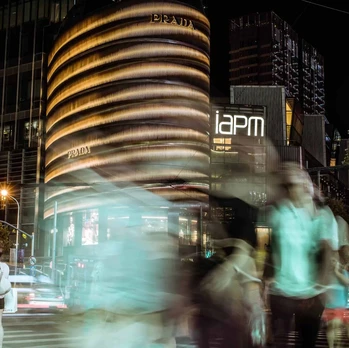
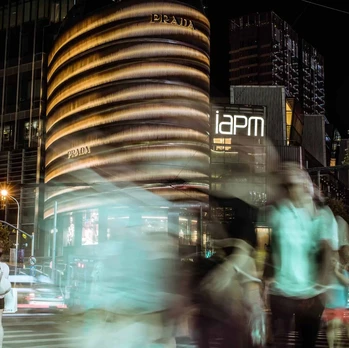
Nearby amenities: Shanghai Conservatory of Music, East China Normal University, iapm Mall, Xiangyang Park, Huashan Hospital, and more.
When you exit Changshu Road Metro Station, you'll notice a special sight—the "Reading Pavilions," a public welfare project by the Xuhui District government. These micro-libraries, converted from phone booths, offer free book lending, free charging, and WiFi, and are open 24 hours a day. There are said to be six in total, five along Huaihai Middle Road and one on Fuxing West Road.
After a five- or six-minute walk, I arrived at Lane 1200 on Huaihai Middle Road. A key lockbox was mounted on the exterior wall of the homestay. Using the password from the check-in guide, I retrieved the key—"one key opens one lock," a ritual full of ceremony.
The Moment I Opened the Door: "I'm Home"
The alley was incredibly quiet, a stark contrast to the hustle and bustle of Huaihai Road outside. Walking into the history-laden courtyard, climbing the creaky wooden stairs, and opening the door, I couldn't help but exclaim inwardly, "I'm home!"
The high, open ceiling gave the entire space a sense of grandeur. The lighting and decor exuded warmth and coziness. The dedicated spot for the key near the entrance showed thoughtful attention to detail.
My favorite spot was the quiet sofa corner—in a house like this, reading an old book while sipping a cup of tea, you could curl up for an entire afternoon. Or, when you return to the room tired from exploring outside, lounging on the sofa and not wanting to get up is a luxury in itself.
The room was fully equipped with all the necessities of daily life. Cooking a bowl of noodles at the stove while watching pedestrians and cars pass by outside—this is what they call "a great hermit in the city." Every inch of space was put to good use; even the bathroom had a little deer decoration. The electric toilet, a perfectly sized bathtub, dark grid-patterned tiles—all added to the charm.
[Link: Top 10 Shikumen homestays in Shanghai for an authentic experience]
Living Like a Shanghainese: A Day in the Lilong
Morning Rituals
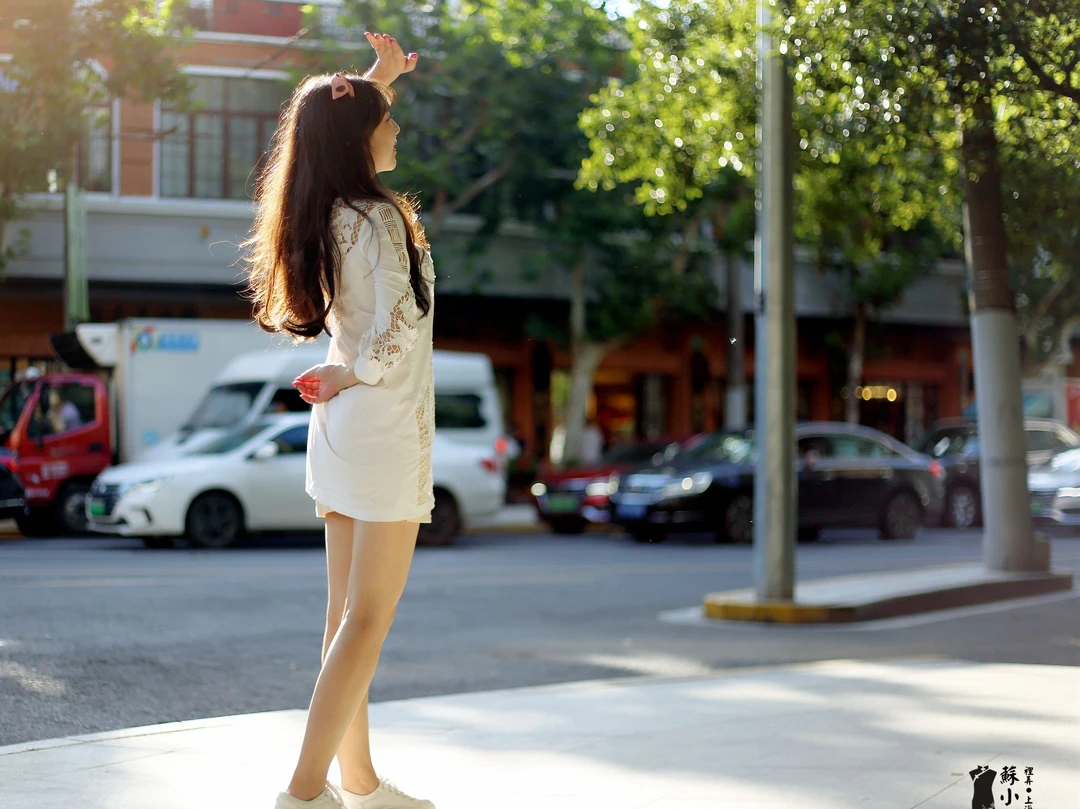
Wake up to the soft morning light filtering through the vintage wooden shutters. The first thing you'll notice is the silence—a precious commodity in Shanghai. Head to the small kitchen and brew a cup of local Longjing tea. If you're feeling adventurous, walk to the nearby Xiangyang Park (just five minutes away) and join the locals practicing tai chi or playing mahjong.
Midday Exploration
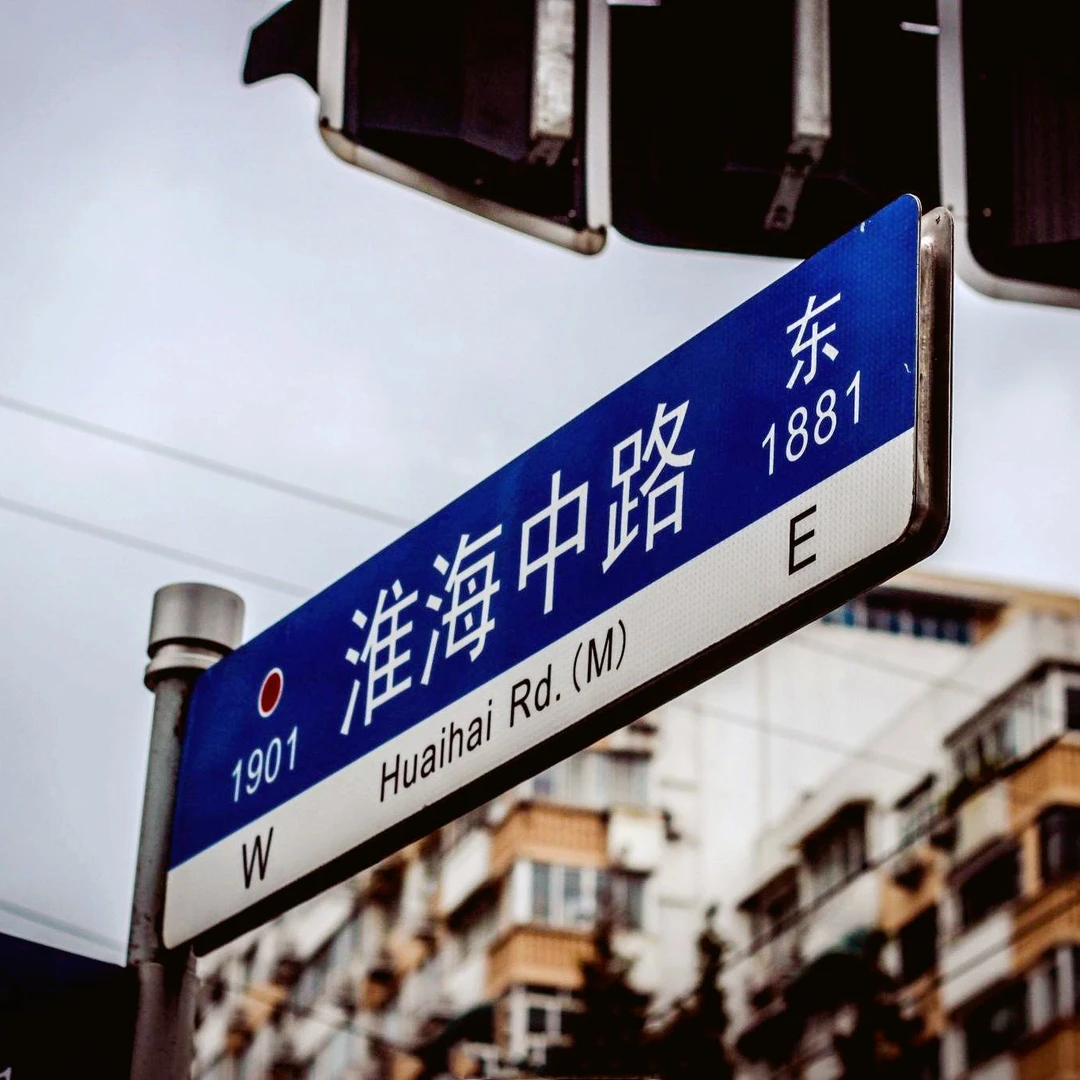
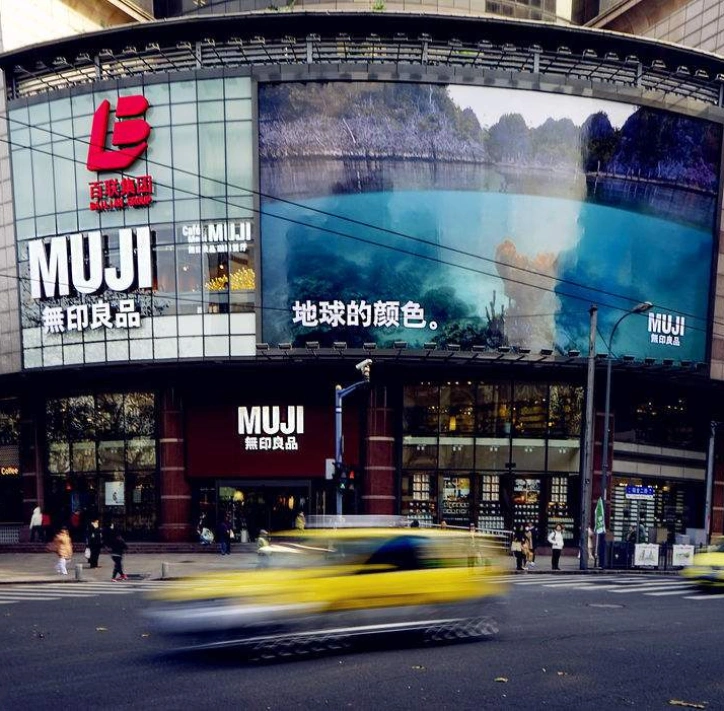
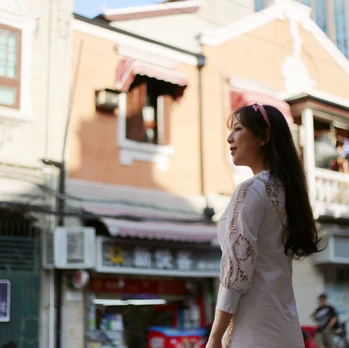
Huaihai Middle Road is a paradise for food lovers and shoppers. For an authentic Shanghainese lunch, try Shengjianbao (pan-fried pork buns) at a local eatery or Xiaolongbao at a nearby dumpling house. After lunch, stroll along the tree-lined avenue and admire the architectural gems you passed on the way in.
Afternoon Relaxation
Return to "Miss Su" for a quiet afternoon. The sofa corner is perfect for reading—I recommend picking up a book about old Shanghai from the homestay's collection. Alternatively, take a short walk to Wukang Road (a 10-minute walk) and explore the boutiques and cafes that have made this area a favorite among locals and expats alike.
Evening Ambiance
As dusk falls, the lilong takes on a magical quality. The warm glow from windows, the sound of neighbors chatting, the aroma of home-cooked dinners—this is the Shanghai that guidebooks rarely show. For dinner, consider cooking a simple meal in the homestay's kitchen, or head to iapm Mall for a more upscale dining experience.
[Link: Shanghai food guide: Where to eat like a local]
Why a Shikumen Homestay Beats a Hotel
| Feature | Hotel | Shikumen Homestay |
|---|---|---|
| Atmosphere | Generic, corporate | Historic, character-filled |
| Location | Often tourist-heavy | Authentic residential neighborhood |
| Cultural immersion | Limited | Deep, lived experience |
| Privacy | Moderate | Complete, with your own entrance |
| Cost | Often higher | Generally more affordable |
| Kitchen access | Rare | Usually available |
Frequently Asked Questions About Shikumen Homestays
Q1: What exactly is a Shikumen house?
A Shikumen ("stone gate") house is a traditional Shanghai architectural style that blends Western townhouse elements with Chinese courtyard living. Built primarily between the 1860s and 1930s, these houses feature a stone-framed entrance, a small front courtyard, and a two- or three-story layout. They are the backbone of Shanghai's famous lilong (lane) neighborhoods.
Q2: Is it safe to stay in a Shikumen homestay?
Absolutely. Reputable homestays like "Miss Su's Lilong Shanghai" are fully licensed, secure, and equipped with modern amenities. The neighborhood is well-lit and patrolled, and most hosts provide detailed check-in instructions with secure key lockboxes. Many homestays also have 24/7 customer support.
Q3: How do I book a Shikumen homestay?
You can find listings on platforms like Airbnb, Booking.com, or local Chinese platforms such as Xiaozhu and Tujia. Search for keywords like "Shikumen homestay Shanghai," "lilong apartment," or "old house stay Huaihai Road." Read reviews carefully and communicate with the host before booking to confirm amenities and location details.
Q4: What should I bring for a Shikumen homestay stay?
Most homestays provide essentials like towels, toiletries, and kitchen basics. However, it's a good idea to bring: - Comfortable walking shoes (for exploring the lilong) - A reusable water bottle - A light jacket (old buildings can be drafty) - Earplugs (some lilong can be noisy at night) - A sense of adventure!
Q5: Are Shikumen homestays suitable for families or solo travelers?
Yes, they work well for both. Solo travelers appreciate the privacy and local immersion, while families enjoy the extra space and kitchen facilities. However, note that many Shikumen houses have steep stairs and may not be wheelchair accessible. Always check the listing details for accessibility information.
Your Turn: Experience Shanghai Like a True Local
Living in a century-old Shikumen homestay isn't just about having a place to sleep—it's about stepping into Shanghai's living history. It's about waking up to the sound of birds in the courtyard, cooking breakfast in a kitchen that's seen a hundred years of meals, and falling asleep knowing you're part of a story that started long before you arrived.
The "Magic Capital" reveals its true magic not in its skyscrapers, but in its alleyways. And the best way to discover that magic is to become, even for a day, a true Shanghainese.
Ready to book your Shikumen homestay? Start your search on your preferred platform and search for "Miss Su's Lilong Shanghai" or similar listings on Huaihai Middle Road. Your authentic Shanghai experience awaits.
Have you stayed in a Shikumen homestay? Share your experience in the comments below, or tag us in your photos using #ShanghaiLilongLife.
[Link: Complete guide to Shanghai's French Concession neighborhood] [Link: Shanghai travel tips for first-time visitors] [Link: Best time to visit Shanghai for cultural experiences]
Disclaimer: This article is based on a personal experience at "Miss Su's Lilong Shanghai." Prices and availability may vary. Always verify details with the host before booking.
You may also like