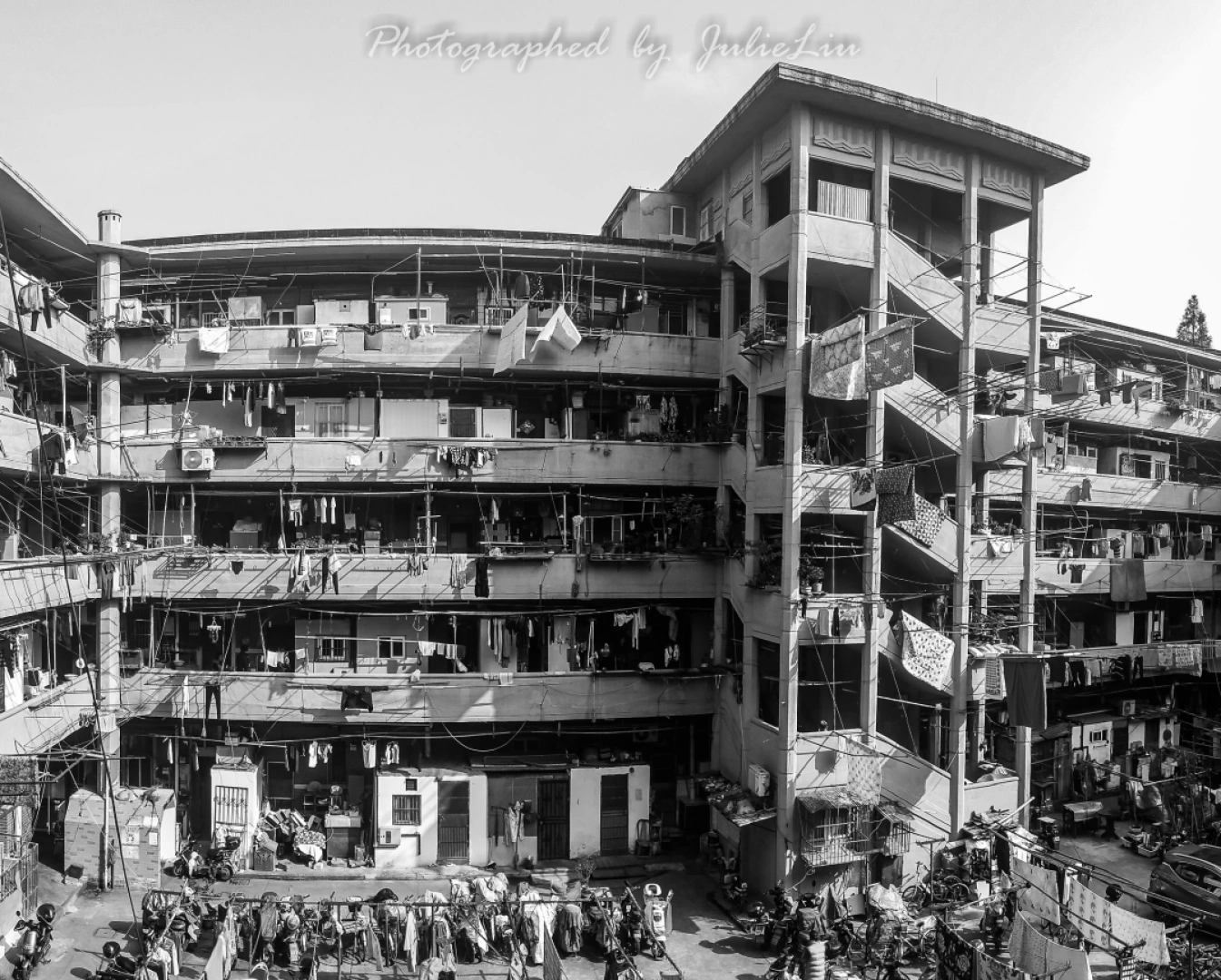
Stepping into the Memorial Hall of the First National Congress of the Communist Party of China: Tracing a Century-Old Original Aspiration in a Shikumen Building
Meta Description: Discover the birthplace of the CPC at Shanghai's Memorial Hall of the First National Congress. Explore exhibits, tour routes, and practical tips for visiting this iconic Shikumen building where 13 delegates ignited China's revolution in 1921.
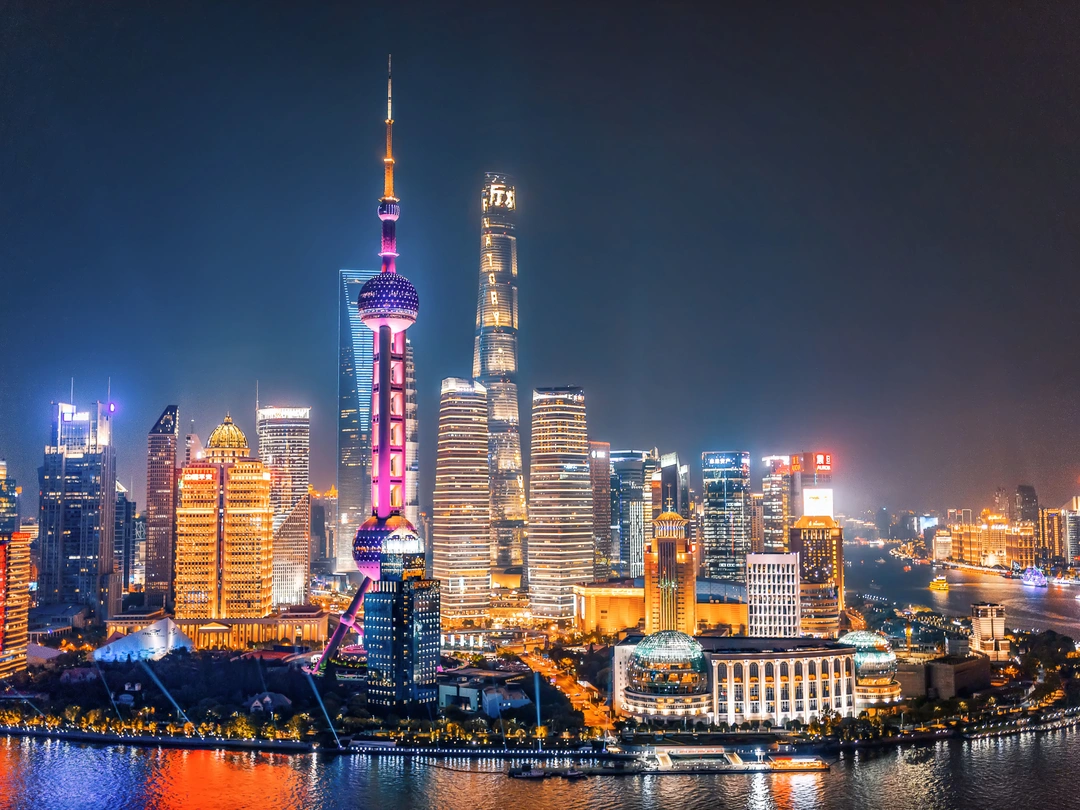
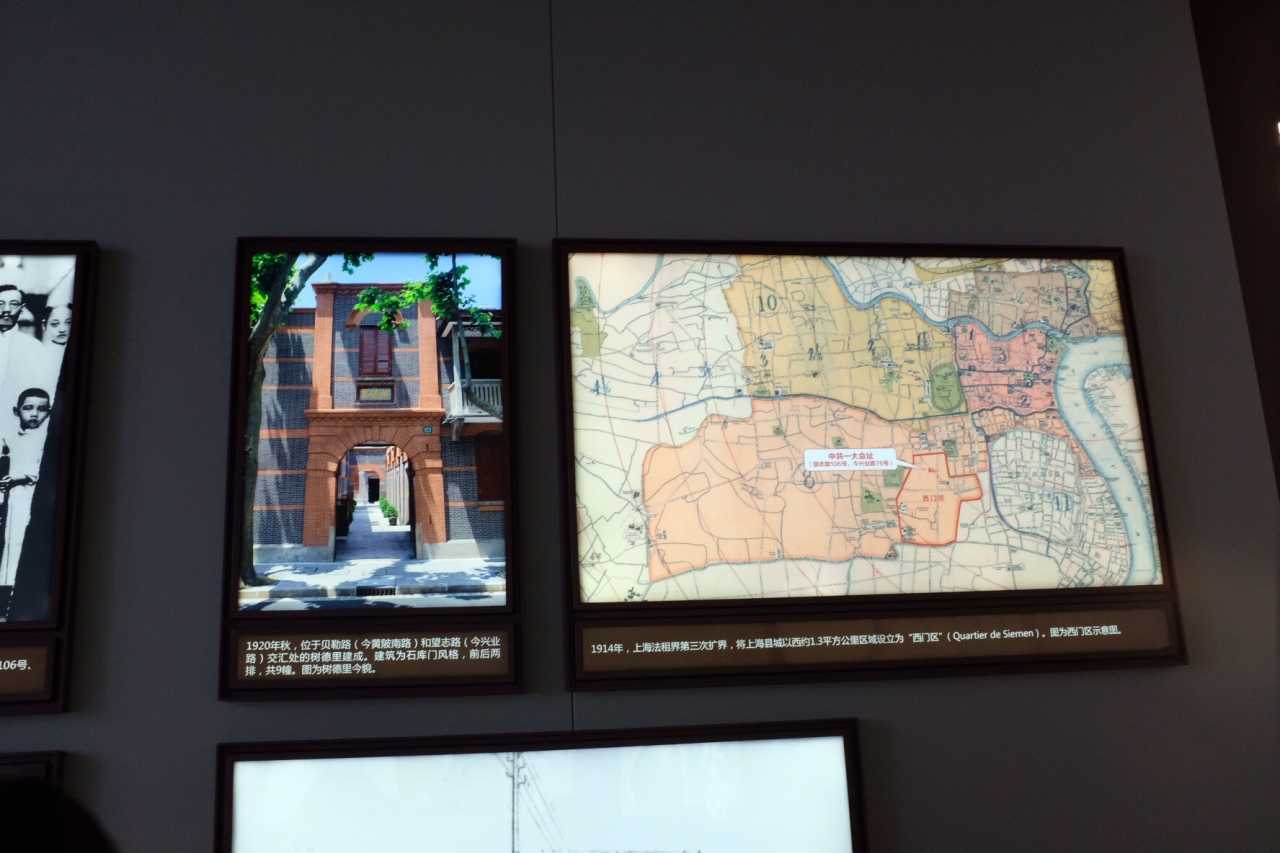
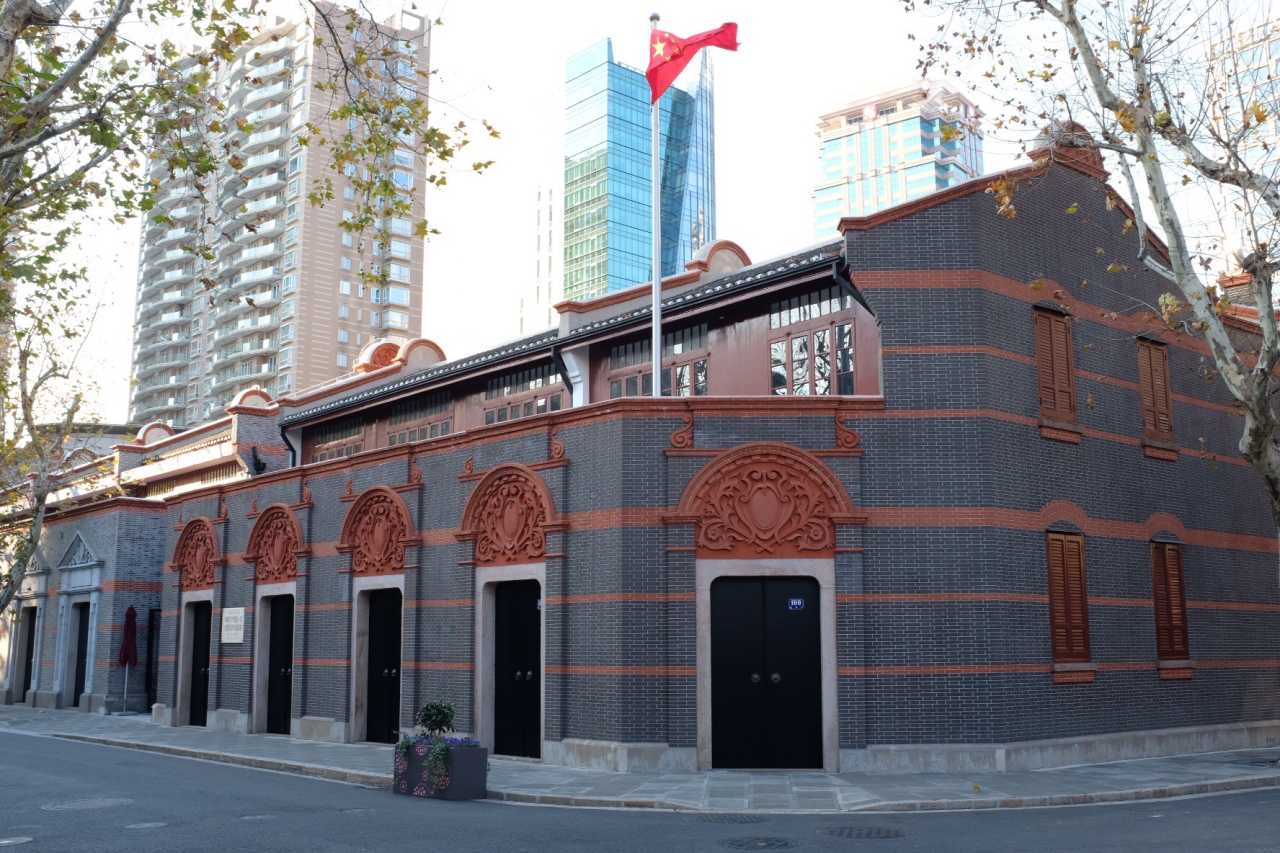
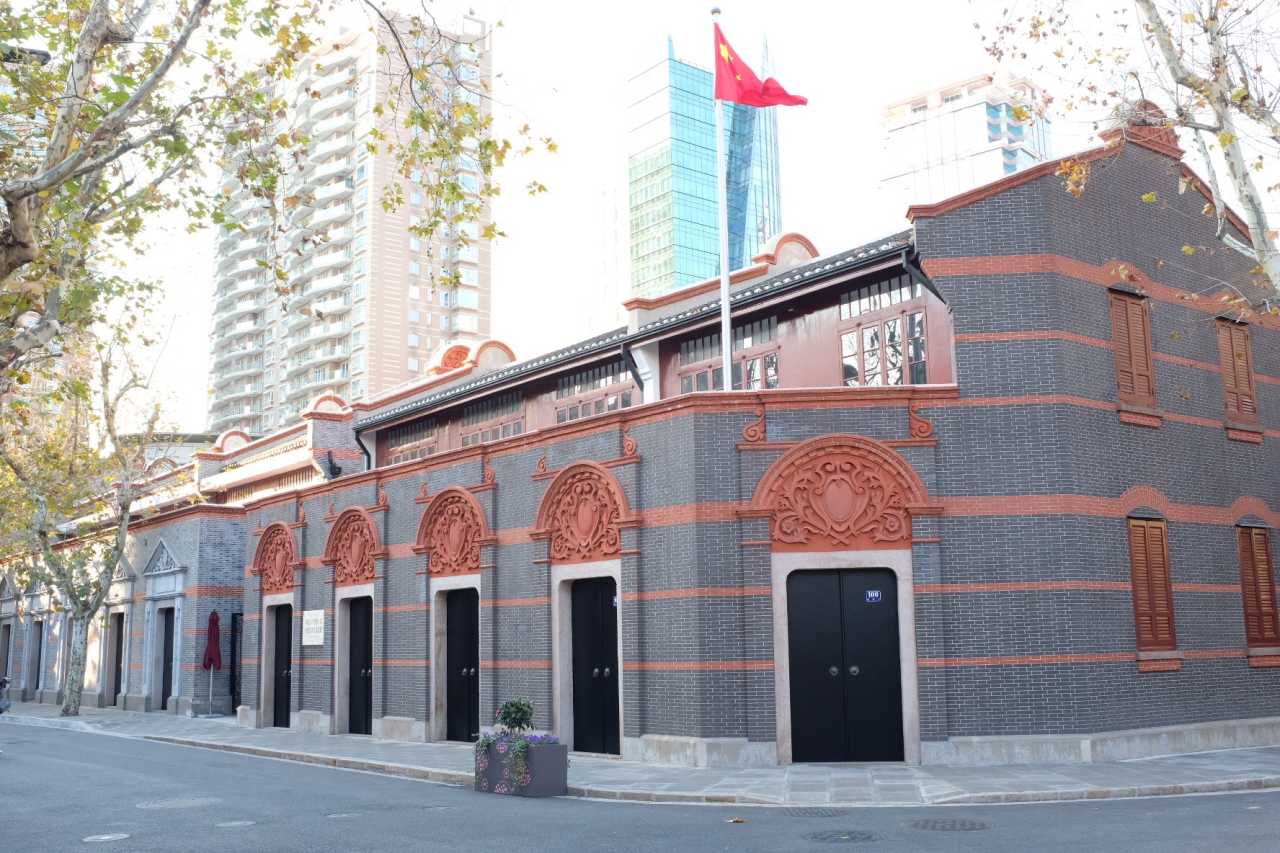
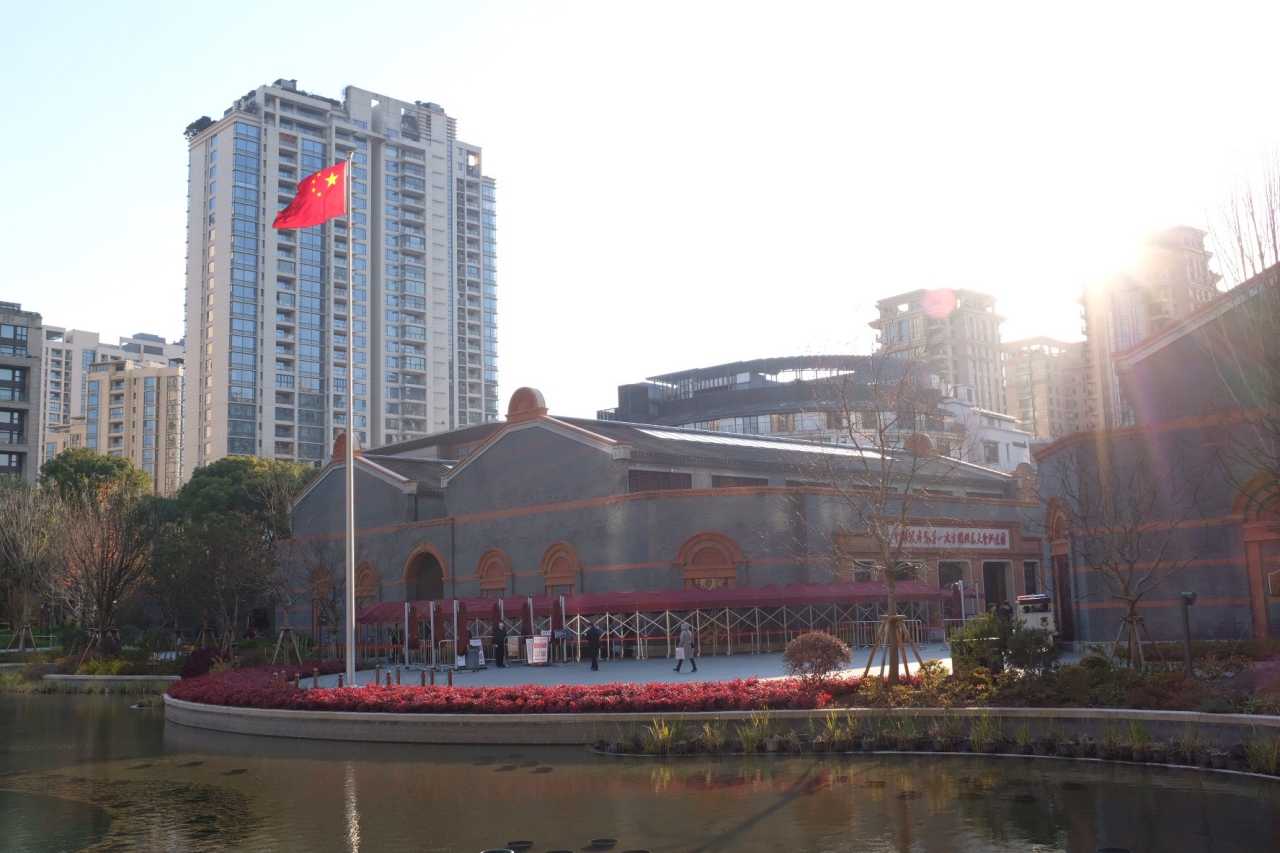
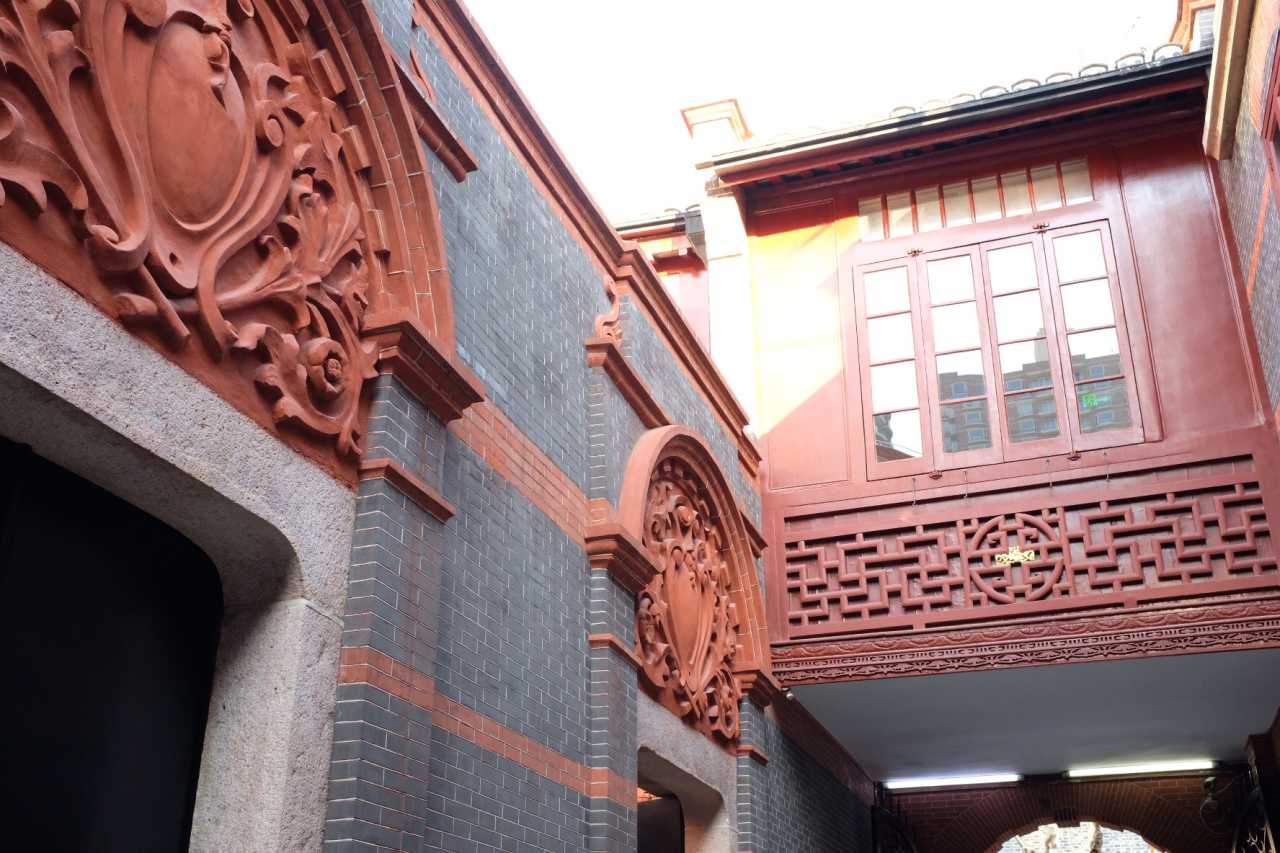
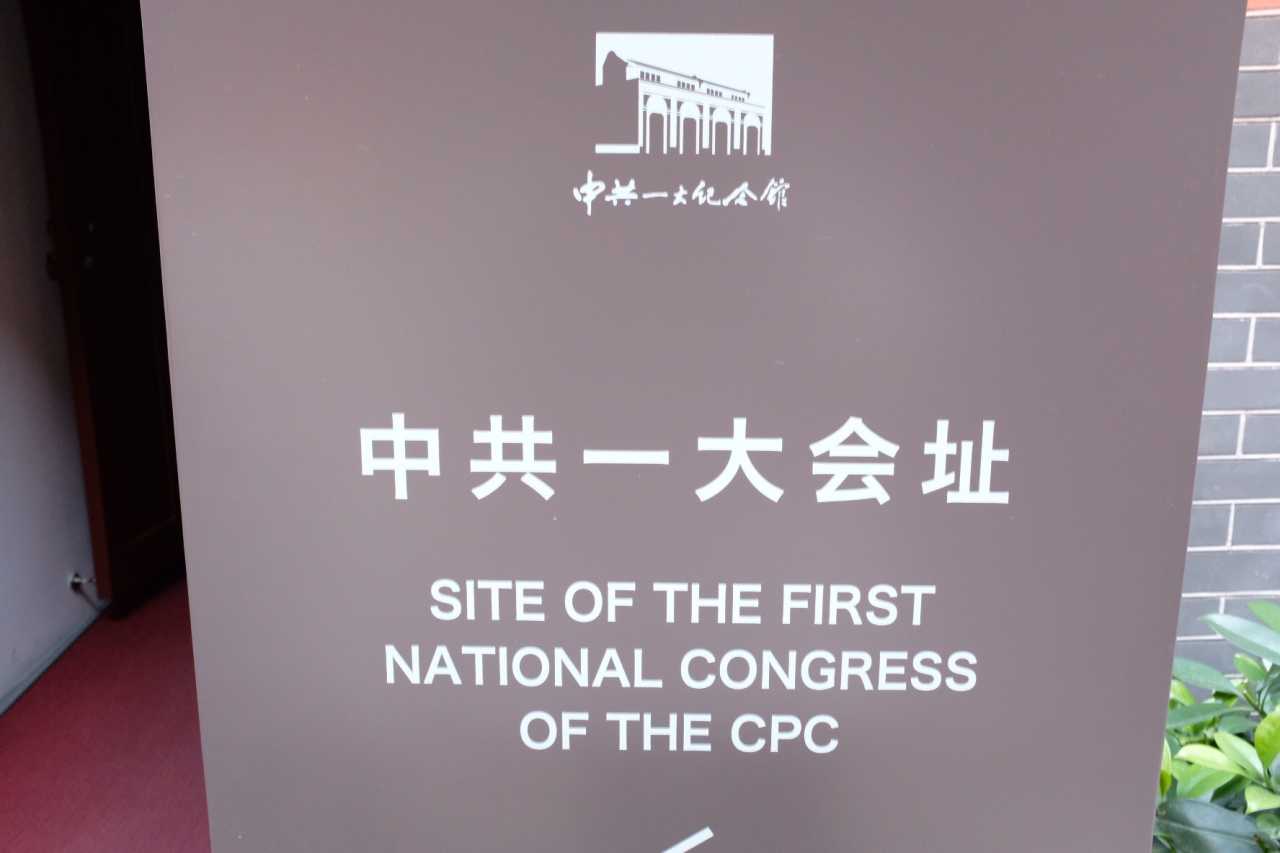
Shanghai, the "Pearl of the Orient," dazzles with the Bund's glittering lights and Lujiazui's soaring skyscrapers. Yet amid this modern metropolis, an unassuming Shikumen building at No. 76 Xingye Road in Huangpu District holds the quiet power of history. Its gray bricks and red tiles whisper secrets of a clandestine meeting a century ago—the birth of the Communist Party of China (CPC). Welcome to the Memorial Hall of the First National Congress of the CPC, a pilgrimage site for those tracing the party's century-old original aspiration.
Why This Shikumen Building Matters: The Birth of a New Era
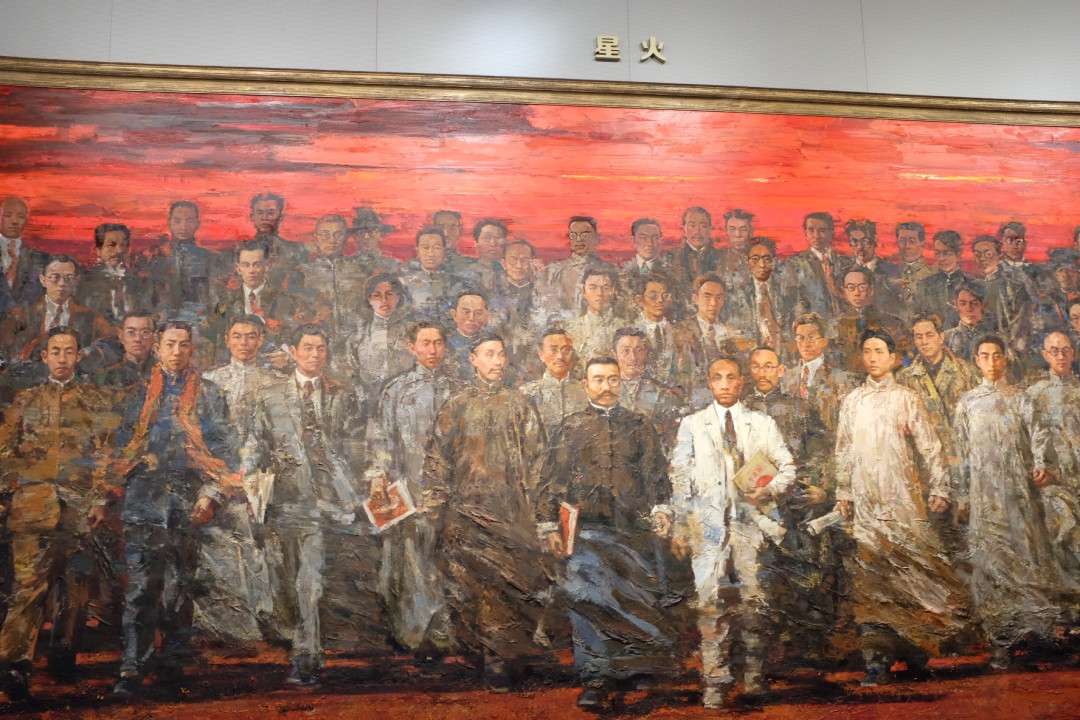
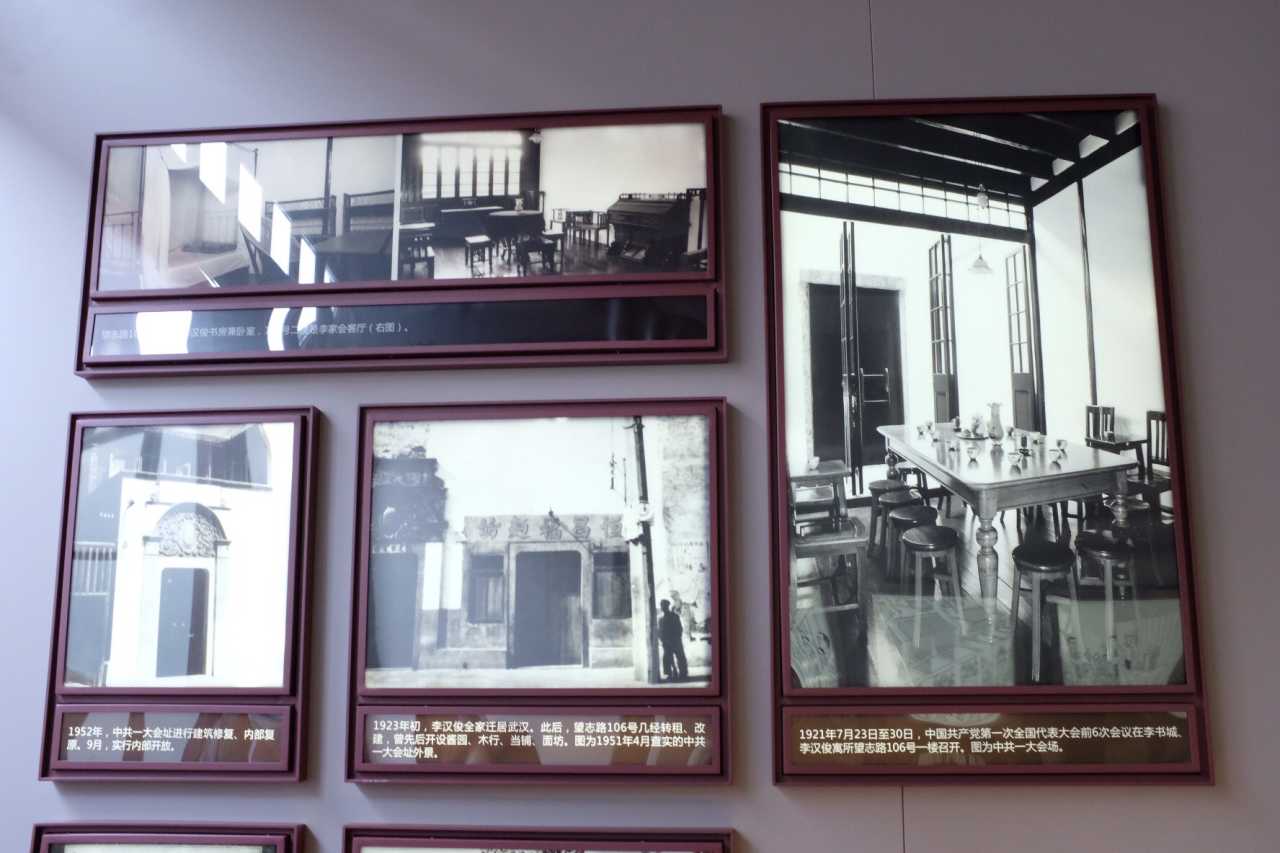
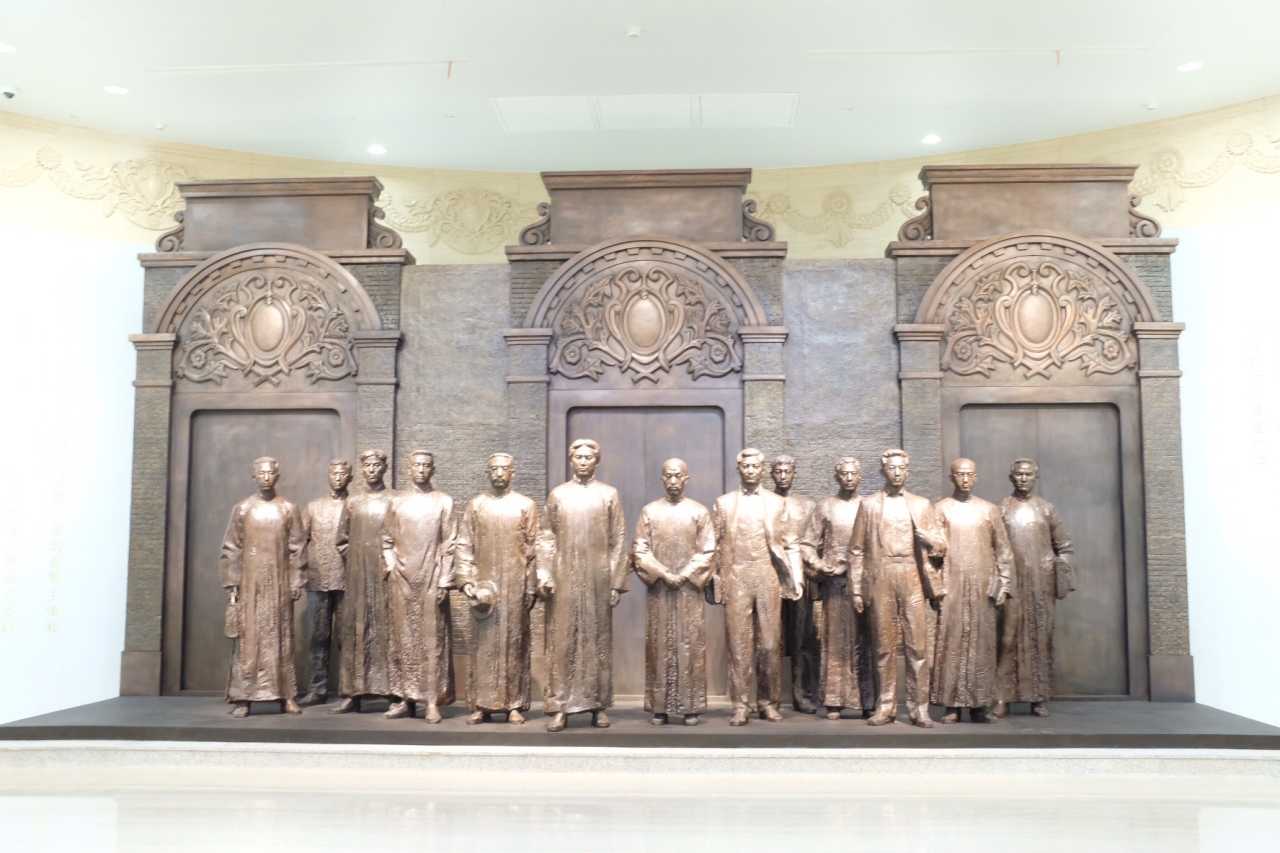
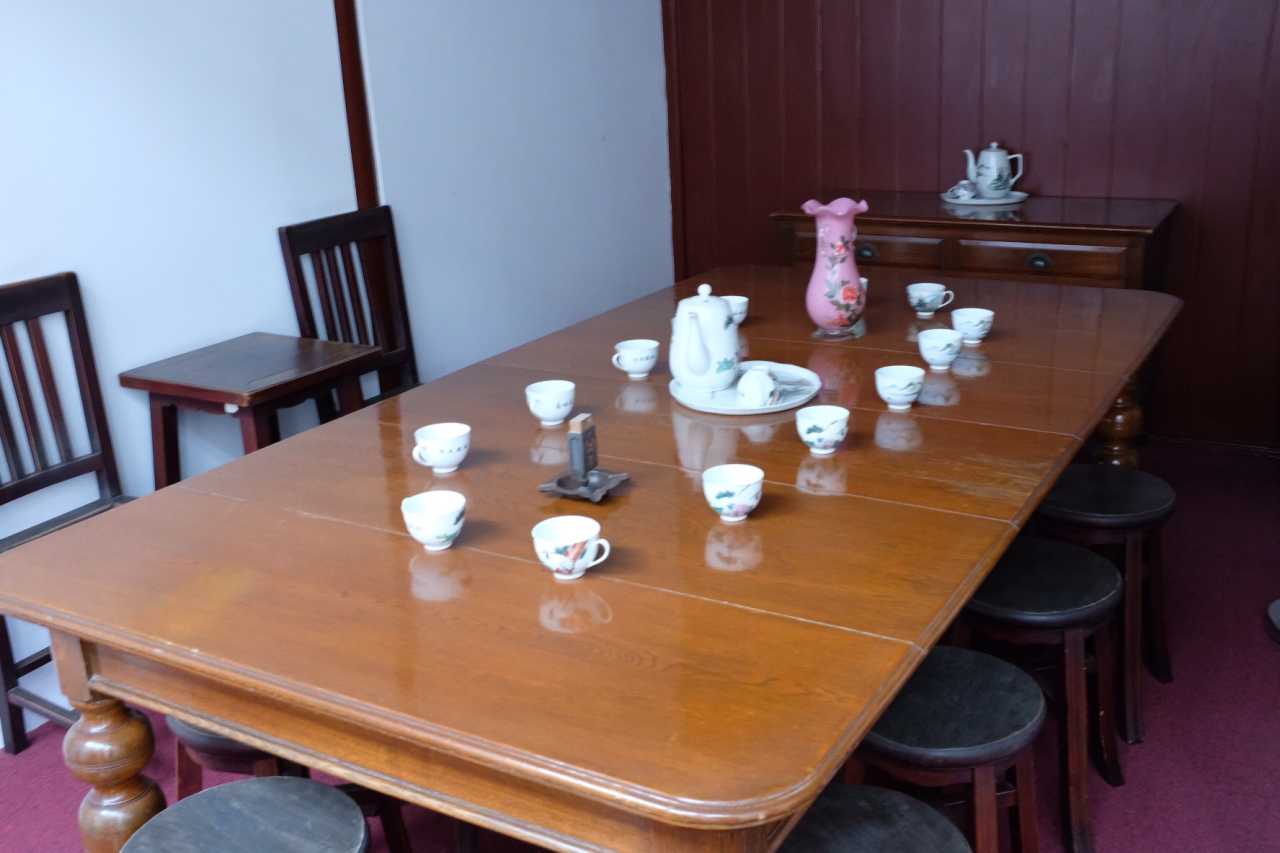
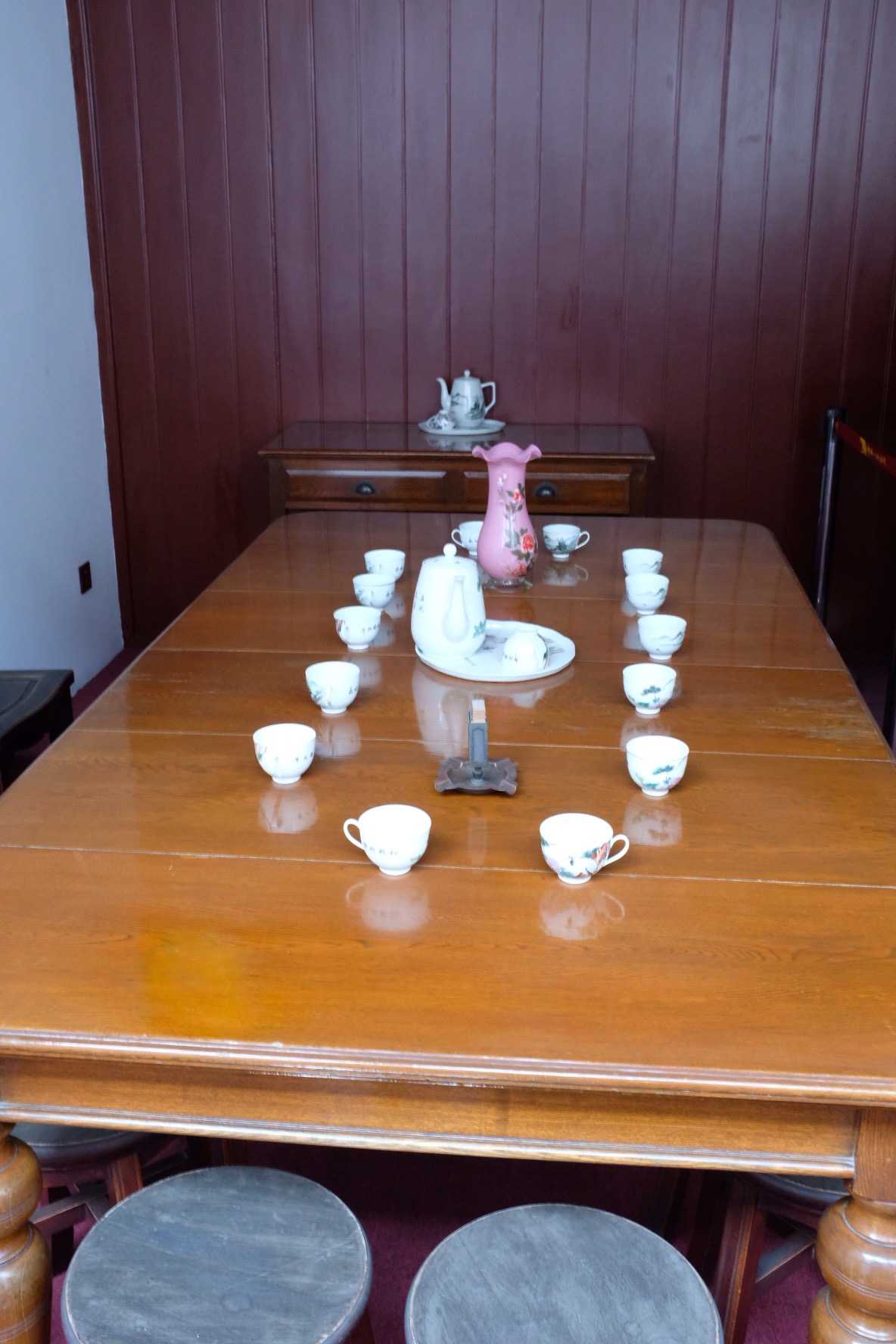
If you think this is just another old Shanghai house, think again. On July 23, 1921, 13 delegates—average age just 28—gathered in the living room. Around a rectangular table, they lit the spark of the Chinese revolution. Among them were Mao Zedong from Hunan, Dong Biwu from Hubei, and Wang Jinmei from Jinan. Though the entire party had only about 50 members, this meeting proclaimed the birth of a great political party destined to transform China.

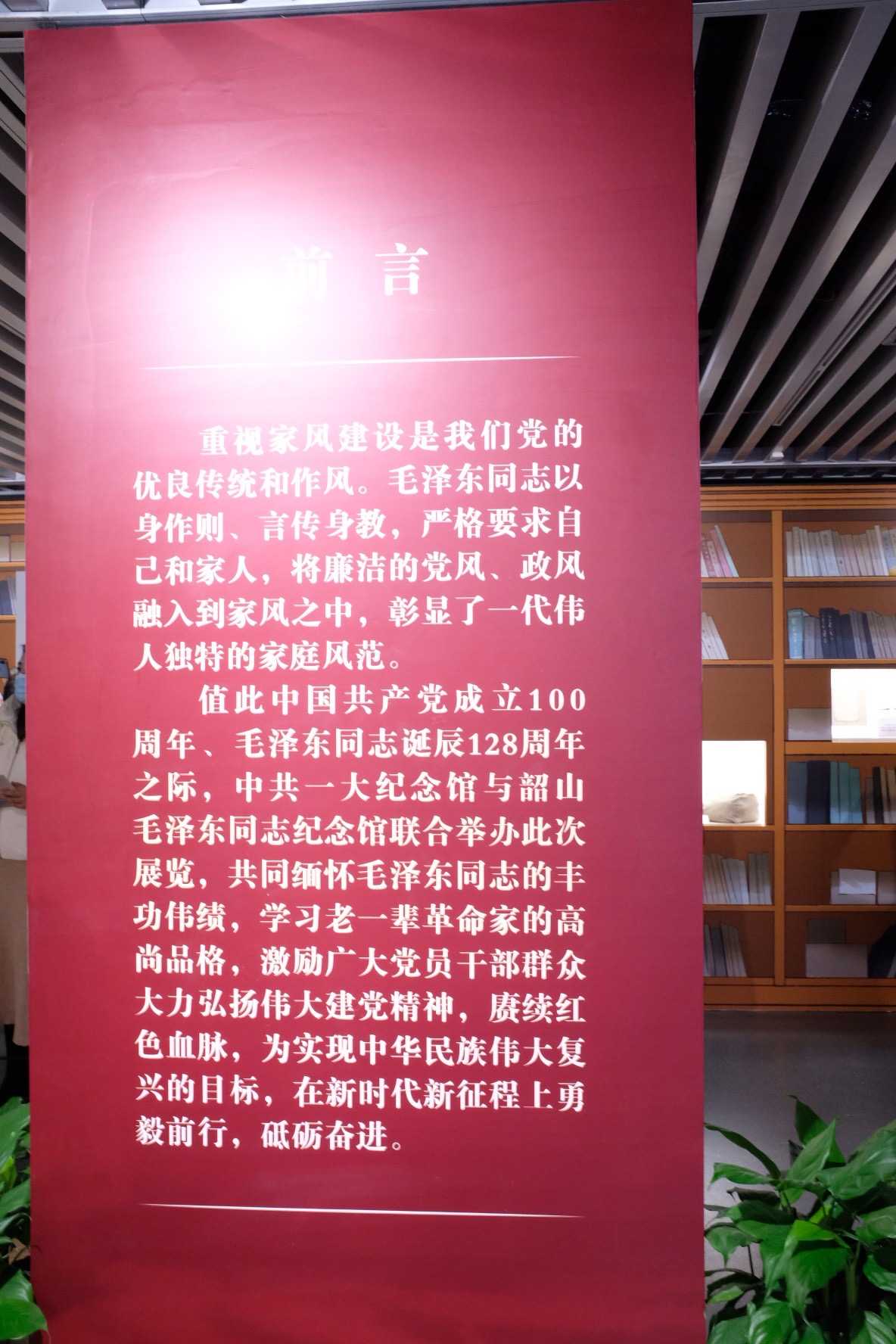
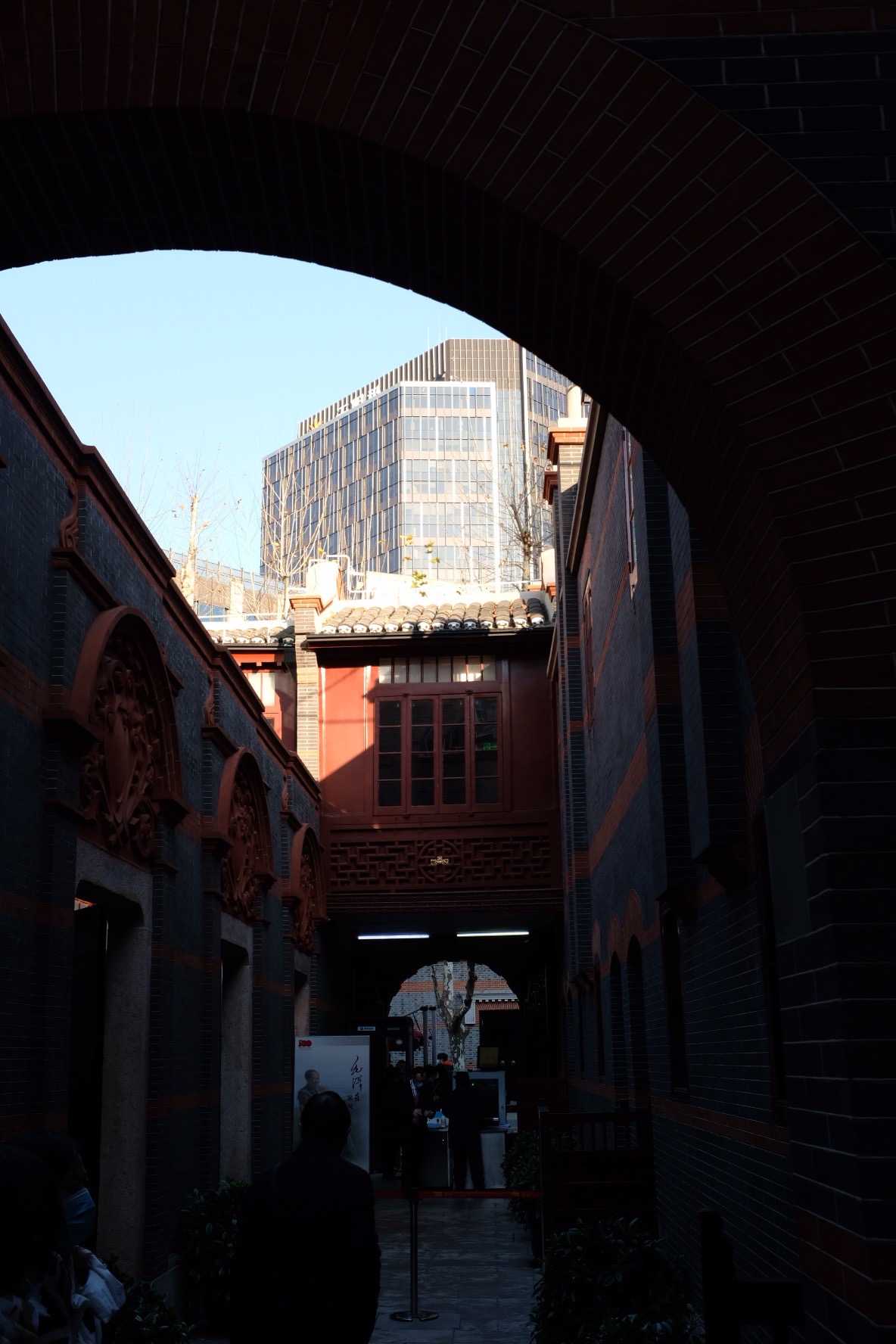
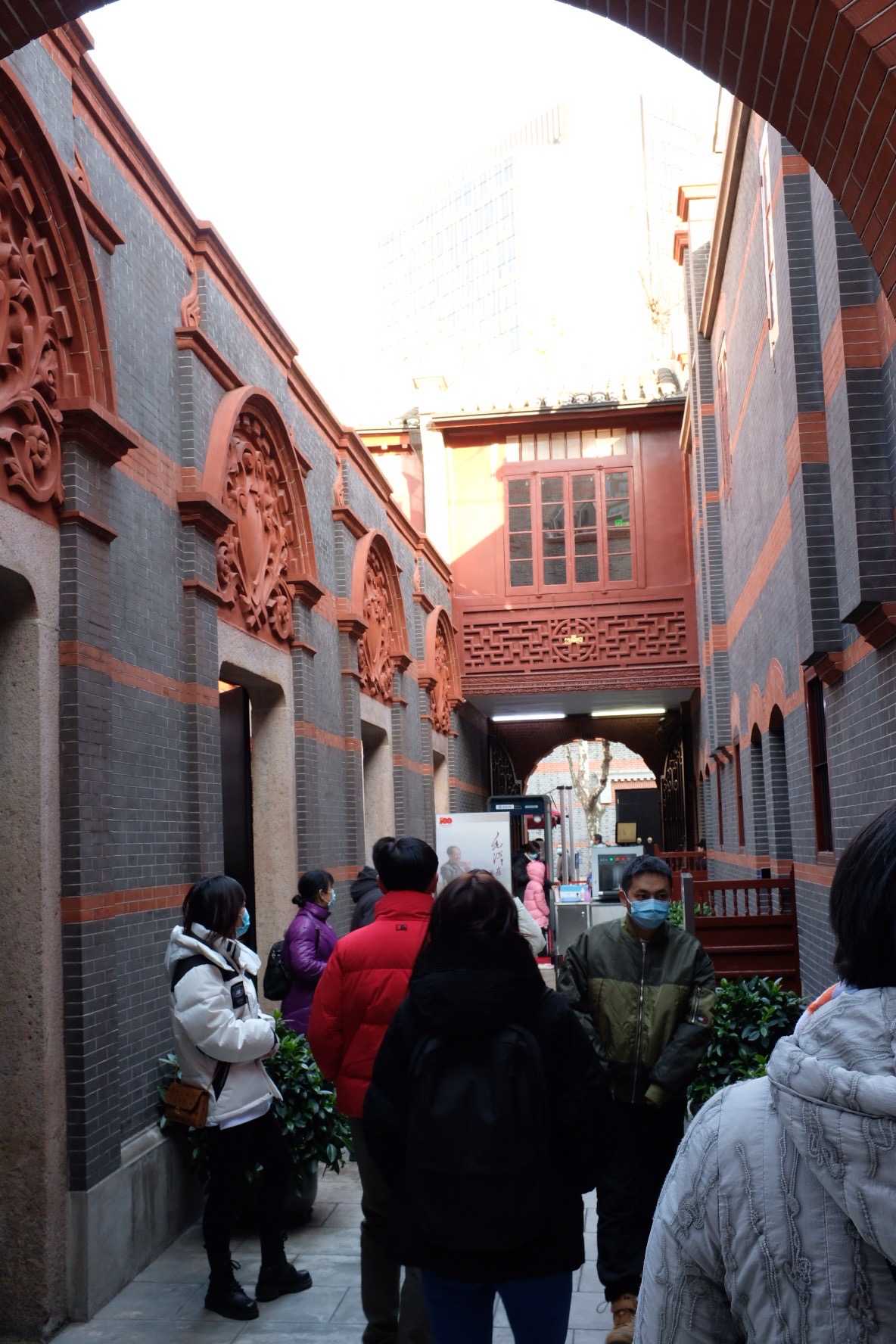
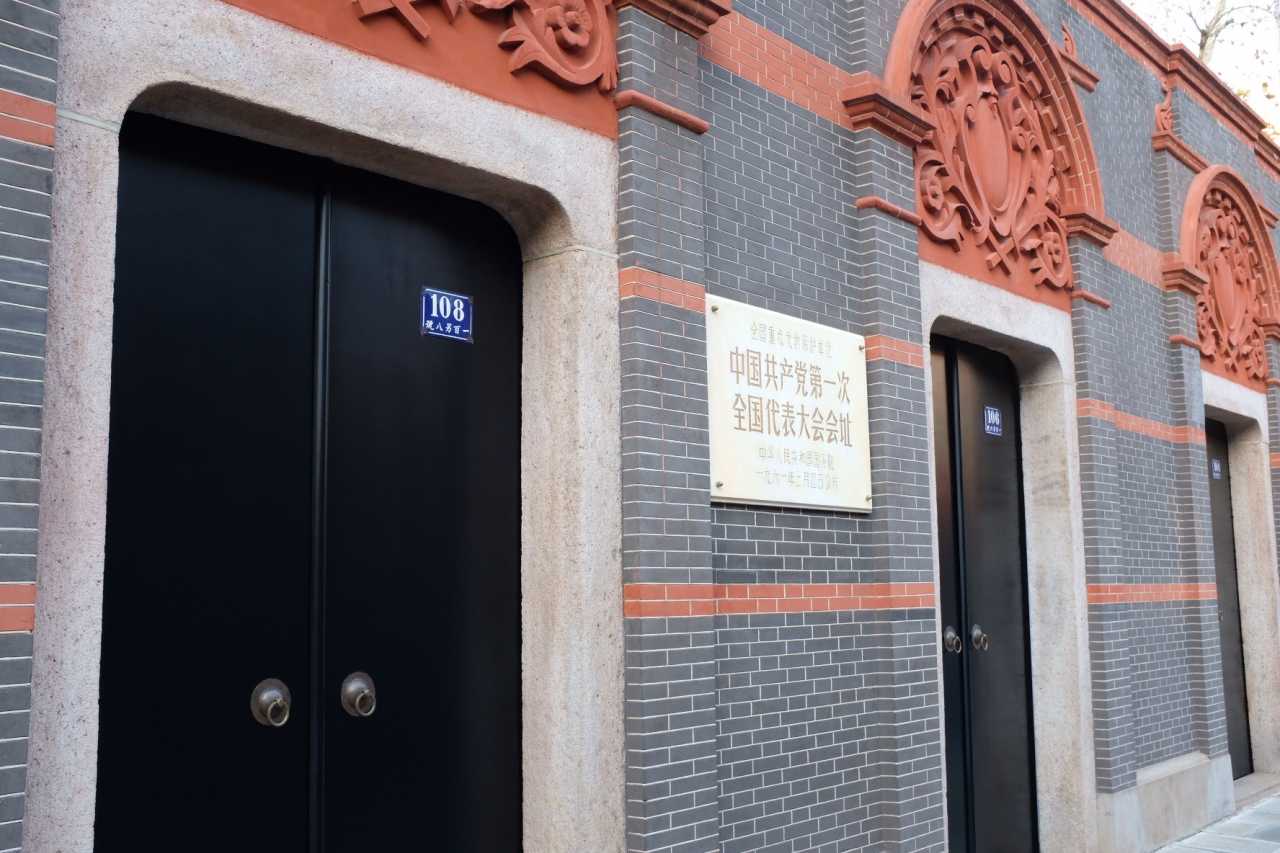
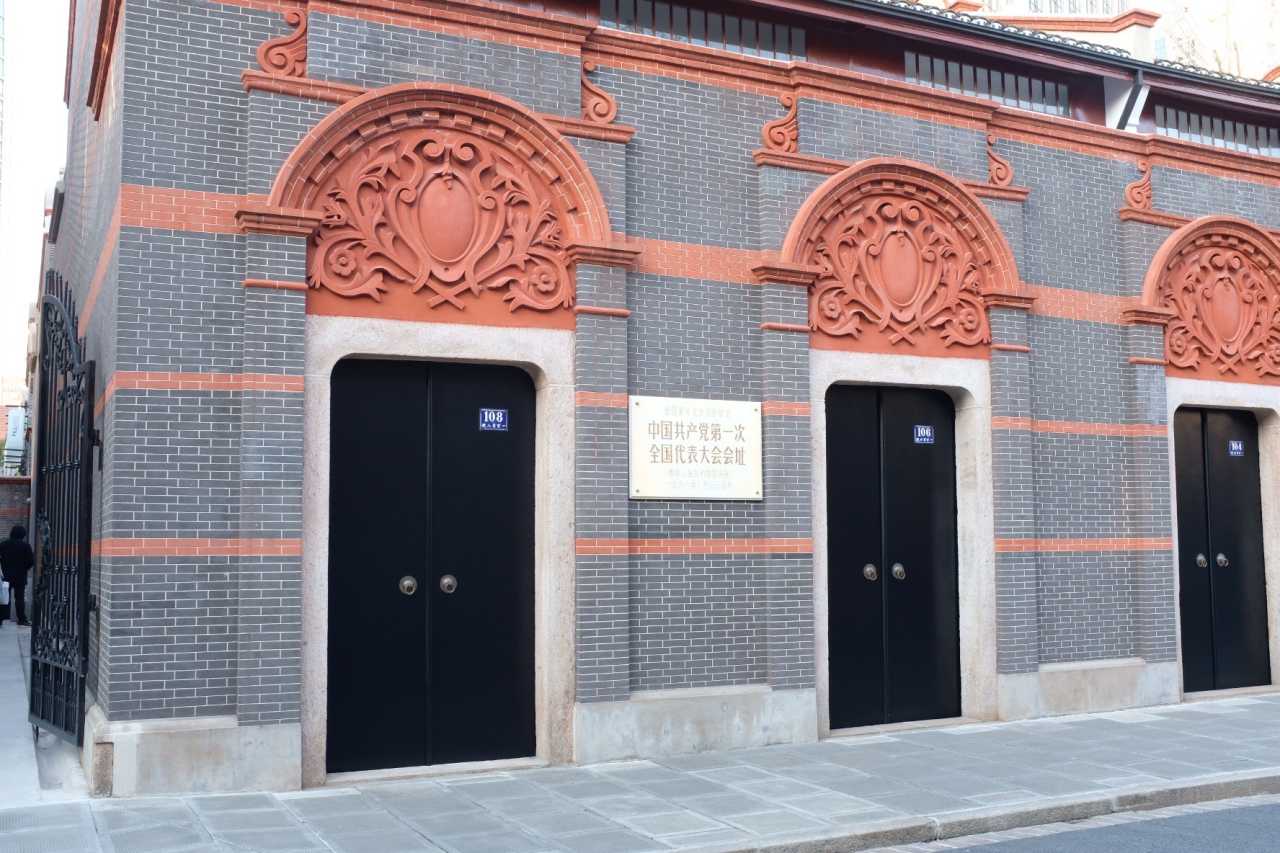
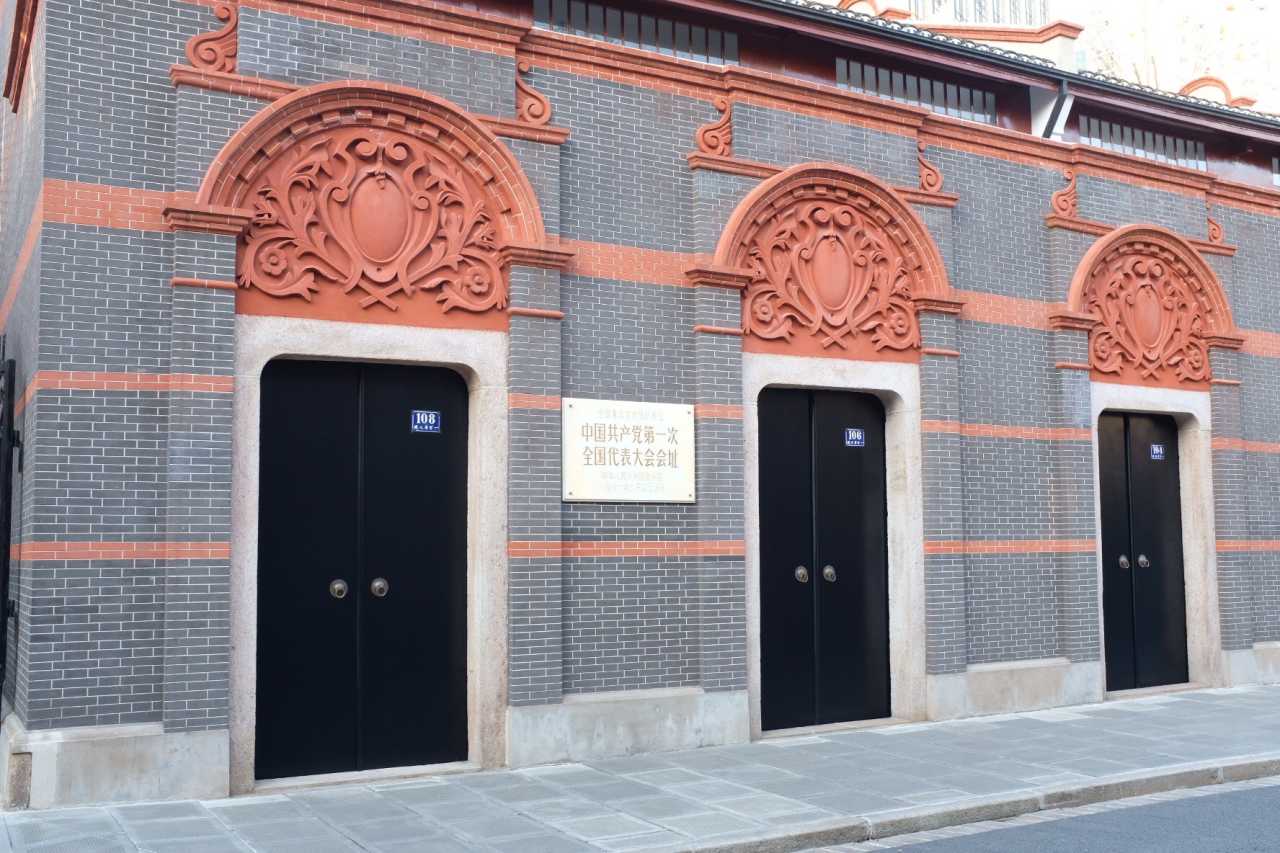
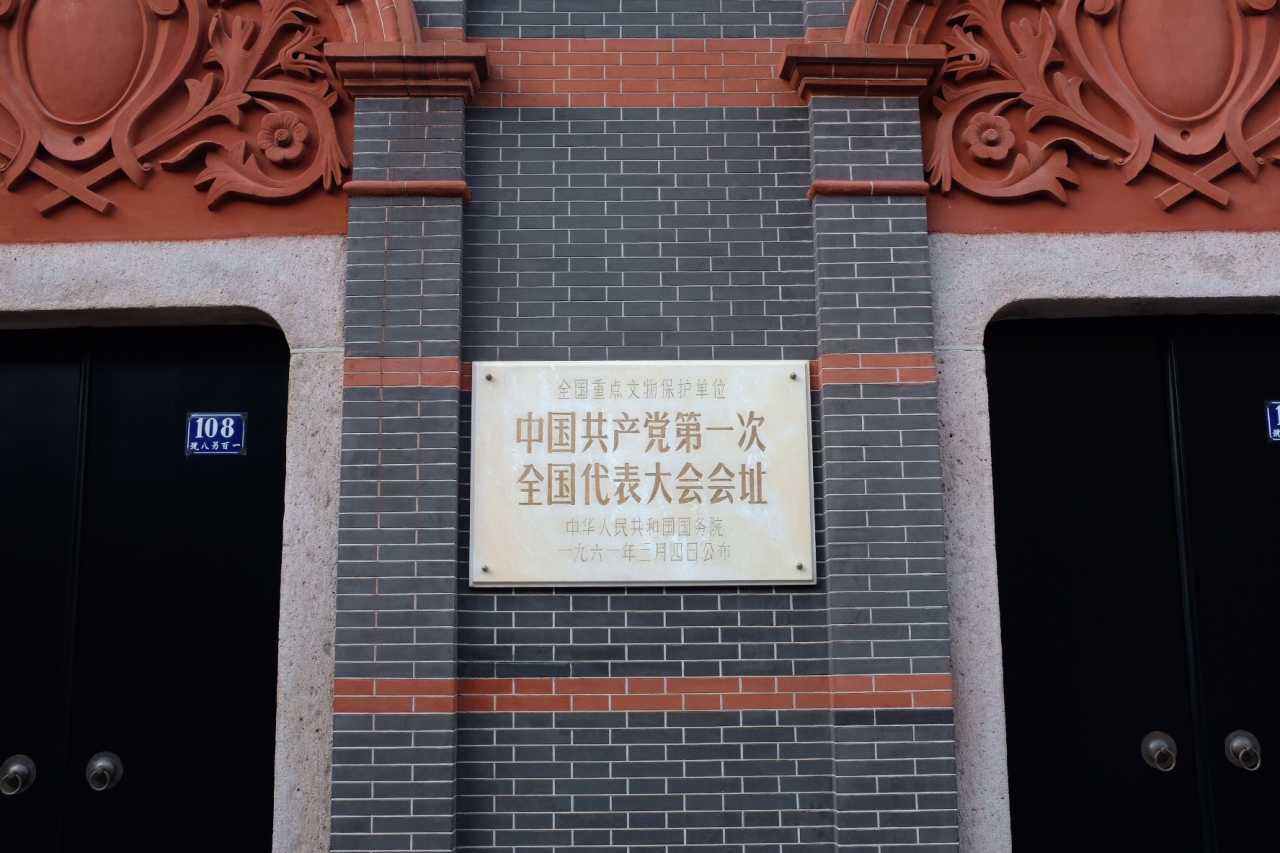
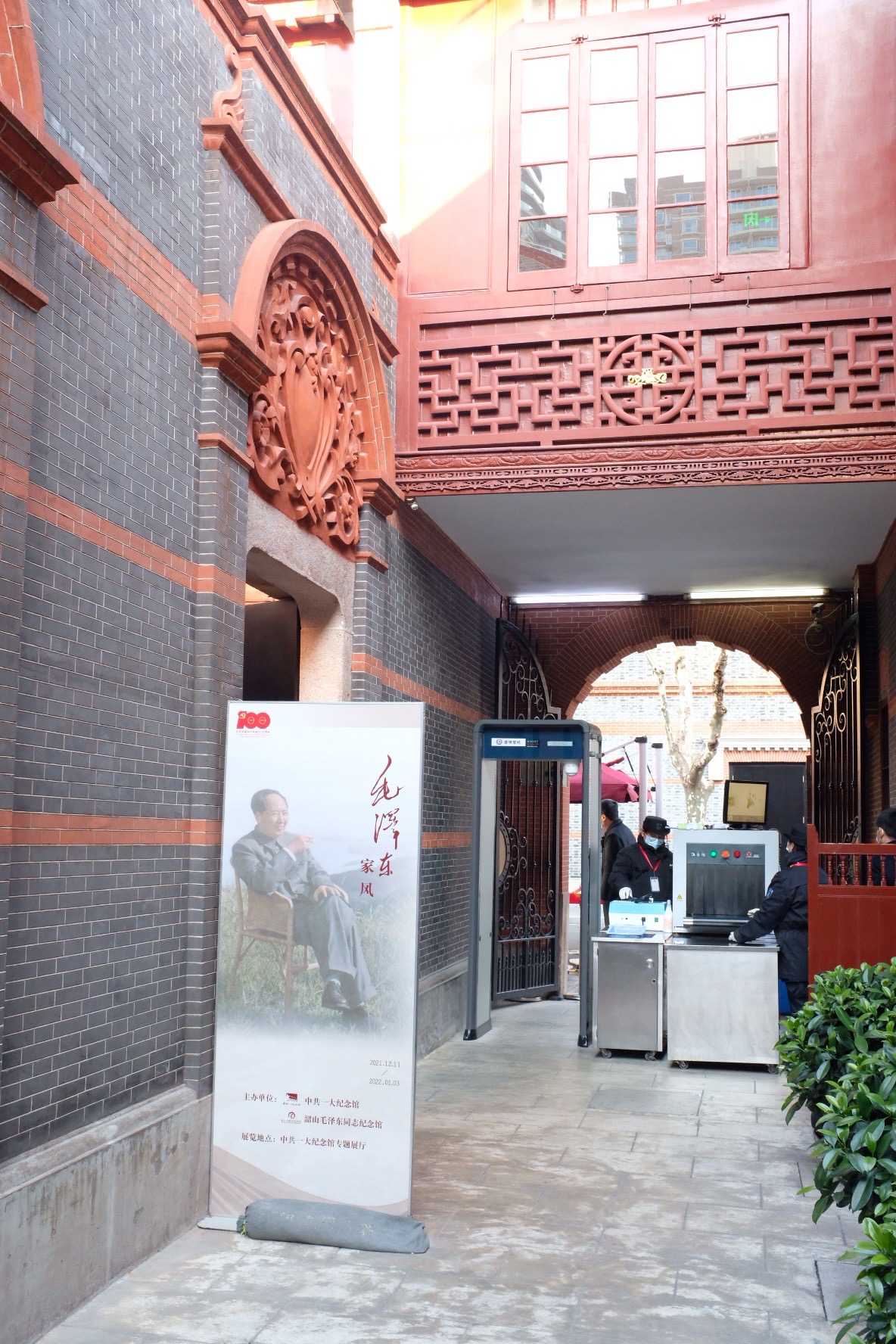
The building is a classic Shanghai Shikumen lane residence: gray brick walls, red door lintels, black wooden doors with brass rings that still gleam with age. Step through the gate into a courtyard where sunlight filters onto bluestone slabs once trodden by the delegates. Inside the living room, tables, chairs, tea sets, and ashtrays are restored to their original state, as if time froze. It's hard to imagine that within this dozen-square-meter room, a party was born that would later change the destiny of 400 million Chinese people.
Tour Route: An Immersive Journey from "Original Aspiration" to "Mission"
Foyer: A Red Boat, a Century-Old Aspiration
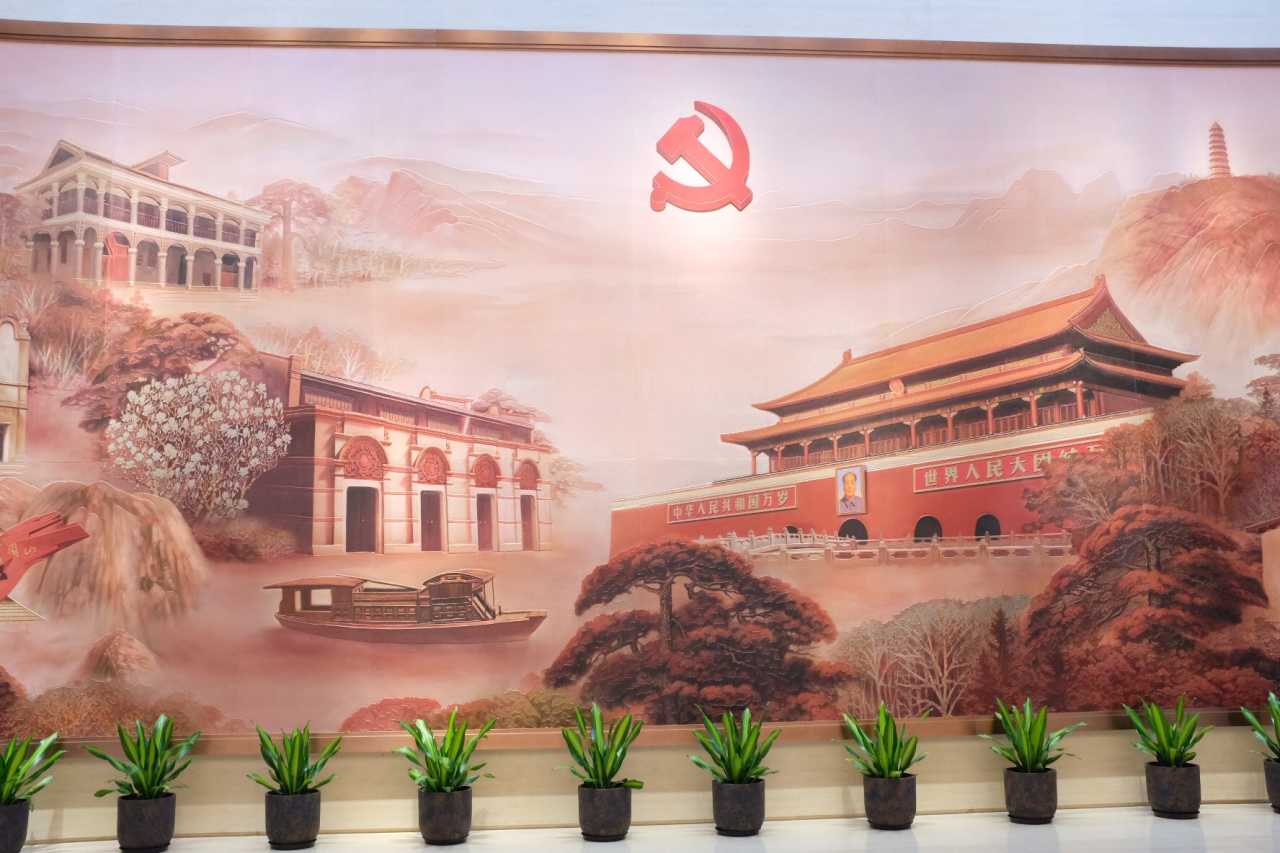
Enter the foyer, and a massive oil painting greets you: Setting Sail: The First National Congress of the CPC. A red boat on South Lake advances through waves, delegates' expressions resolute. This painting is more than art—it's a spirit symbol. From Shanghai's Shikumen to Jiaxing's South Lake red boat, the CPC set sail amid storm.
At the center stands a sculpture named "Original Aspiration": an open copy of The Communist Manifesto engraved with "The taste of truth is very sweet." This detail stems from a true story: When Chen Wangdao translated The Communist Manifesto, he was so engrossed he dipped his glutinous rice dumpling in ink instead of brown sugar, exclaiming, "So sweet!" This "taste of truth" marks the starting point of Communist faith.
First Exhibition Hall: Generations Striving for National Salvation
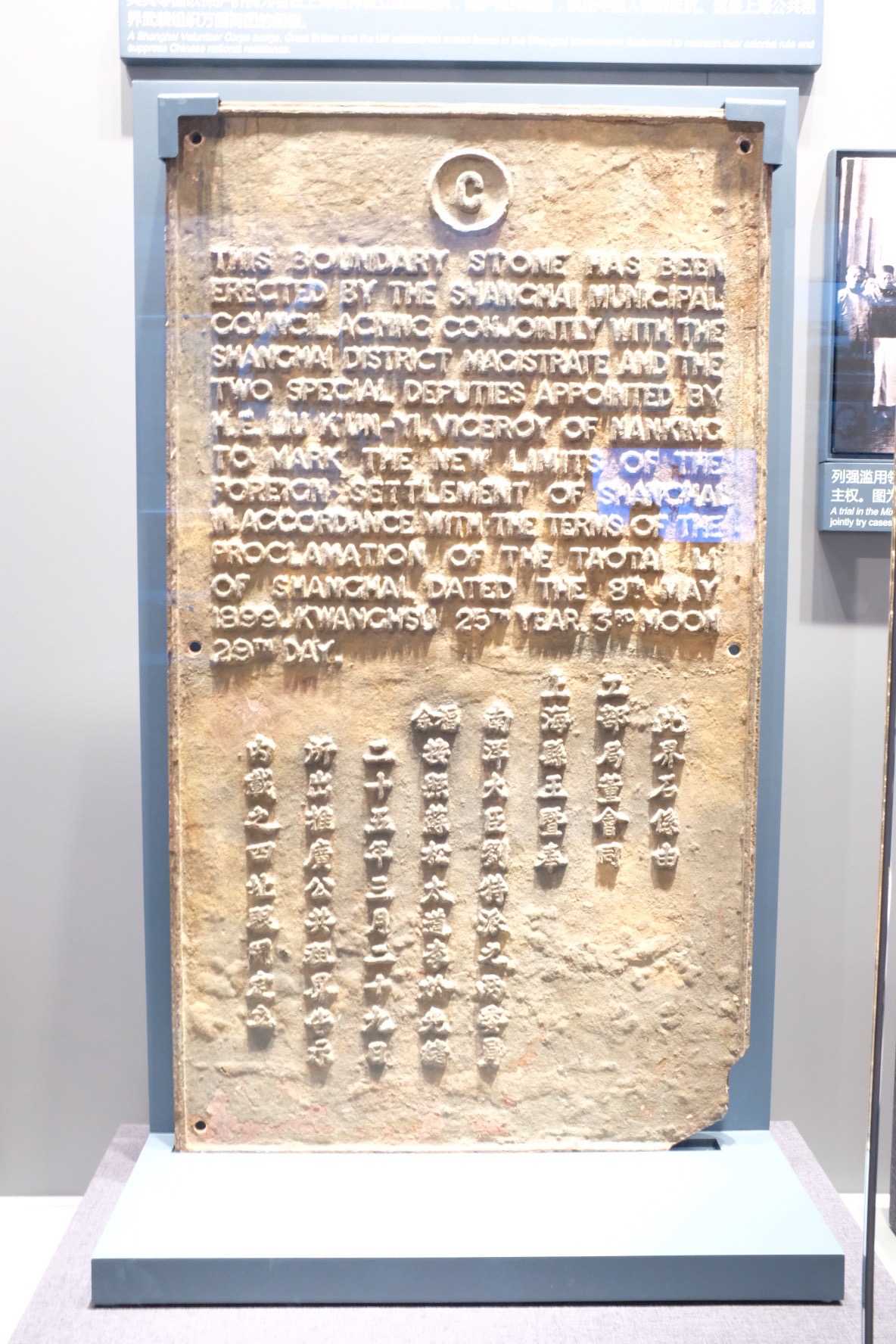
This section uses historical photos, artifacts, and reconstructed scenes to recount China's painful transformation into a semi-colonial, semi-feudal society after the 1840 Opium War. From Lin Zexu's destruction of opium at Humen to the Taiping Rebellion, from the Self-Strengthening Movement to the Hundred Days' Reform, from the Xinhai Revolution to the May Fourth Movement—countless patriots groped in darkness but found no way out.
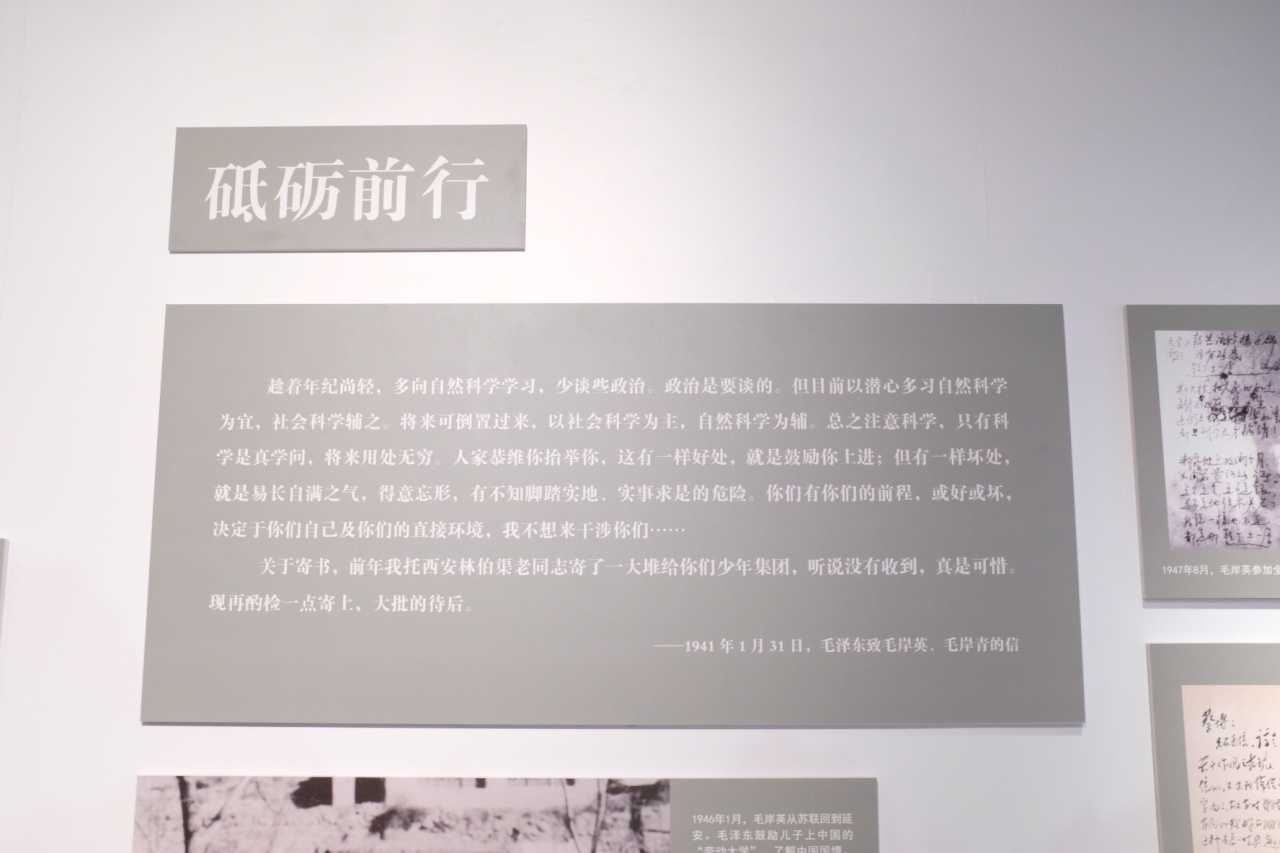
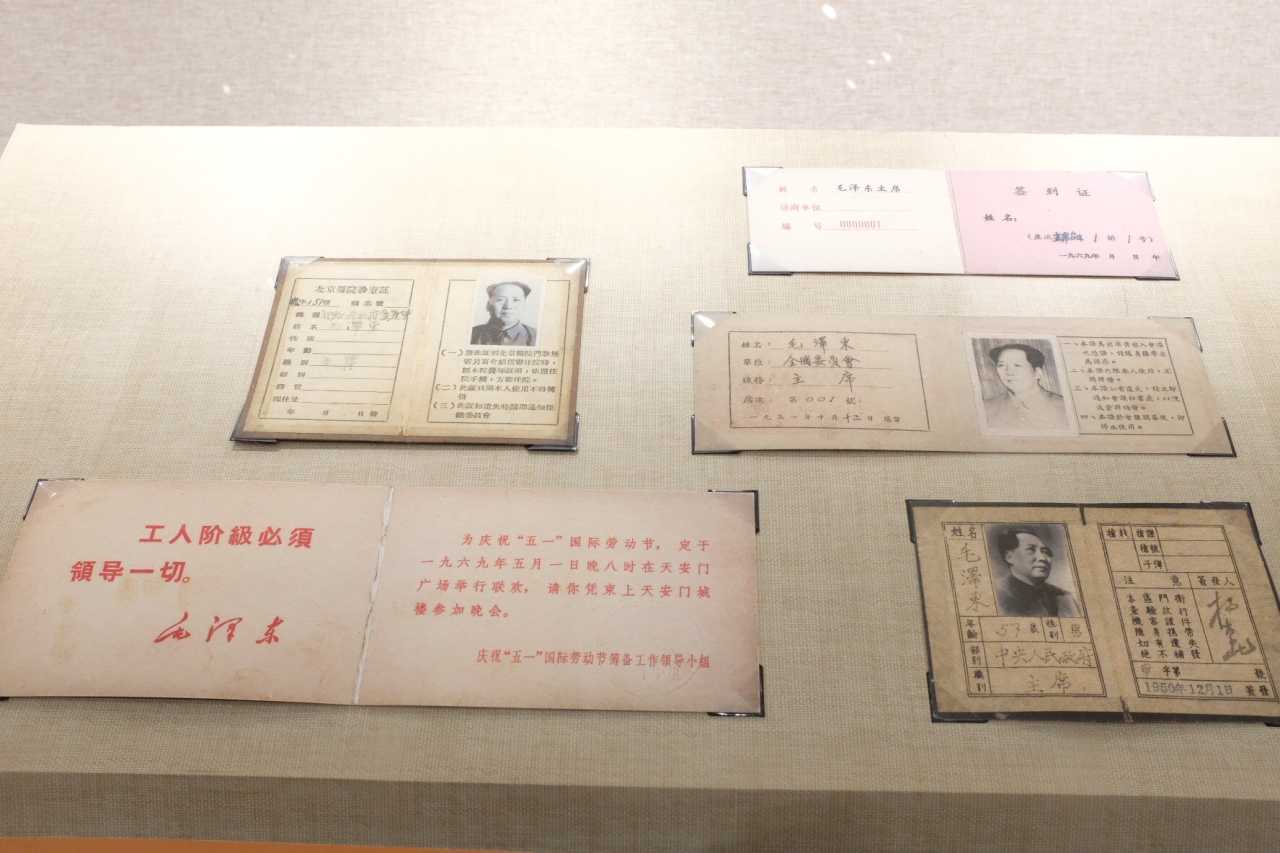
One special exhibit: a yellowed copy of New Youth magazine, cover damaged but title still legible. Founded by Chen Duxiu in 1915, this magazine sounded the clarion call for the New Culture Movement. Like a beam of light, it illuminated that stifling era and paved the intellectual path for First National Congress delegates.
Second Exhibition Hall: A Confluence of Events, Pledging to Found the Party
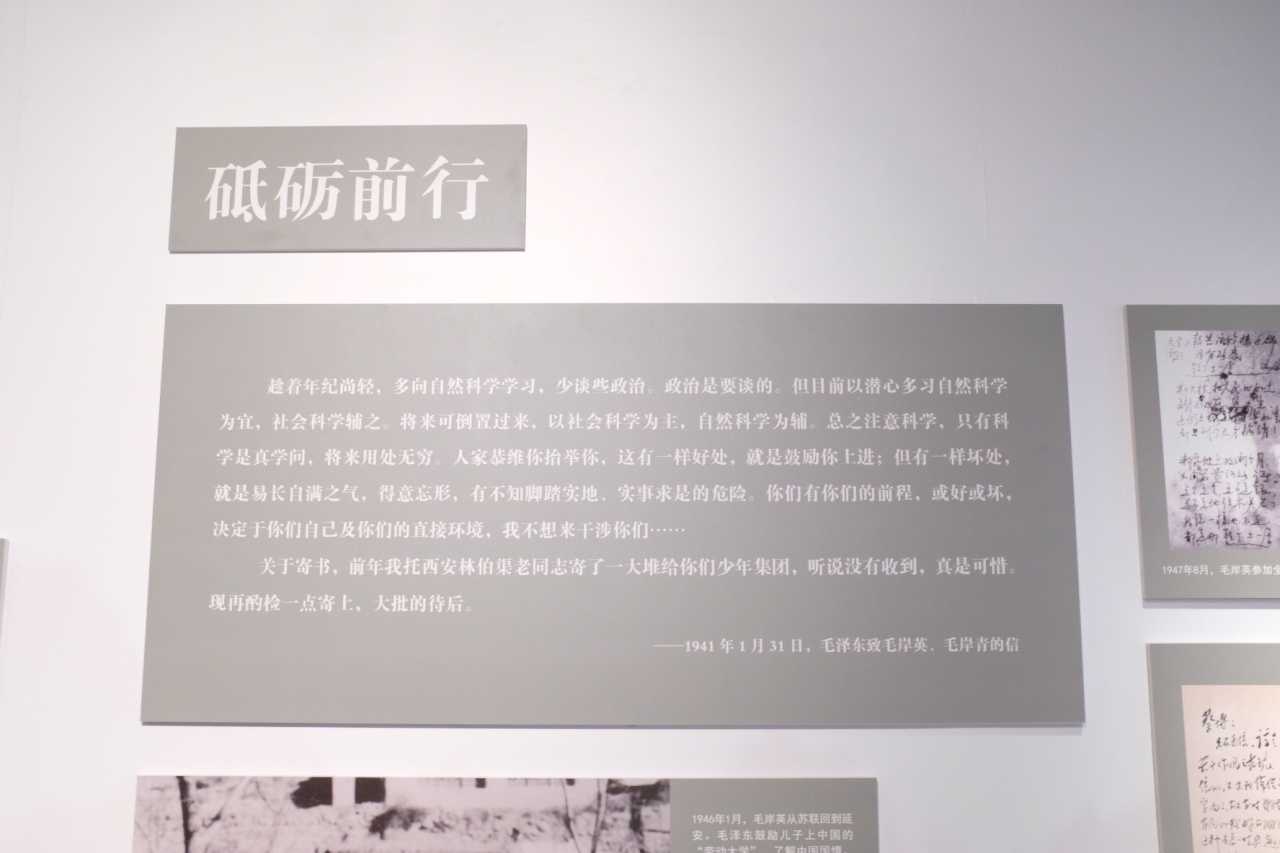
This hall focuses on the establishment of CPC early organizations. In 1920, Chen Duxiu founded the first early Communist organization in Shanghai, followed by others in Beijing, Wuhan, Changsha, and beyond. The hall displays Li Dazhao's manuscripts, Chen Duxiu's letters, and photos of early organizational activities.
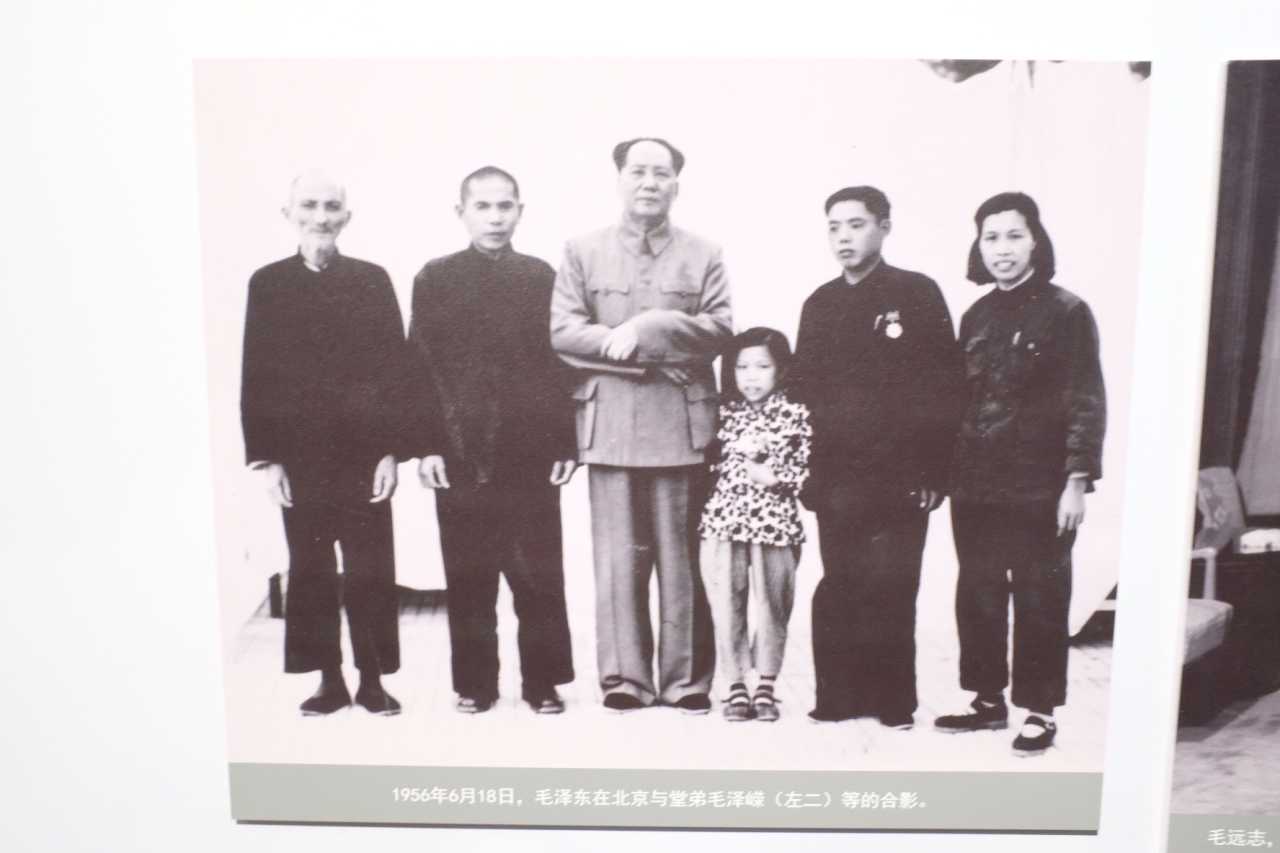
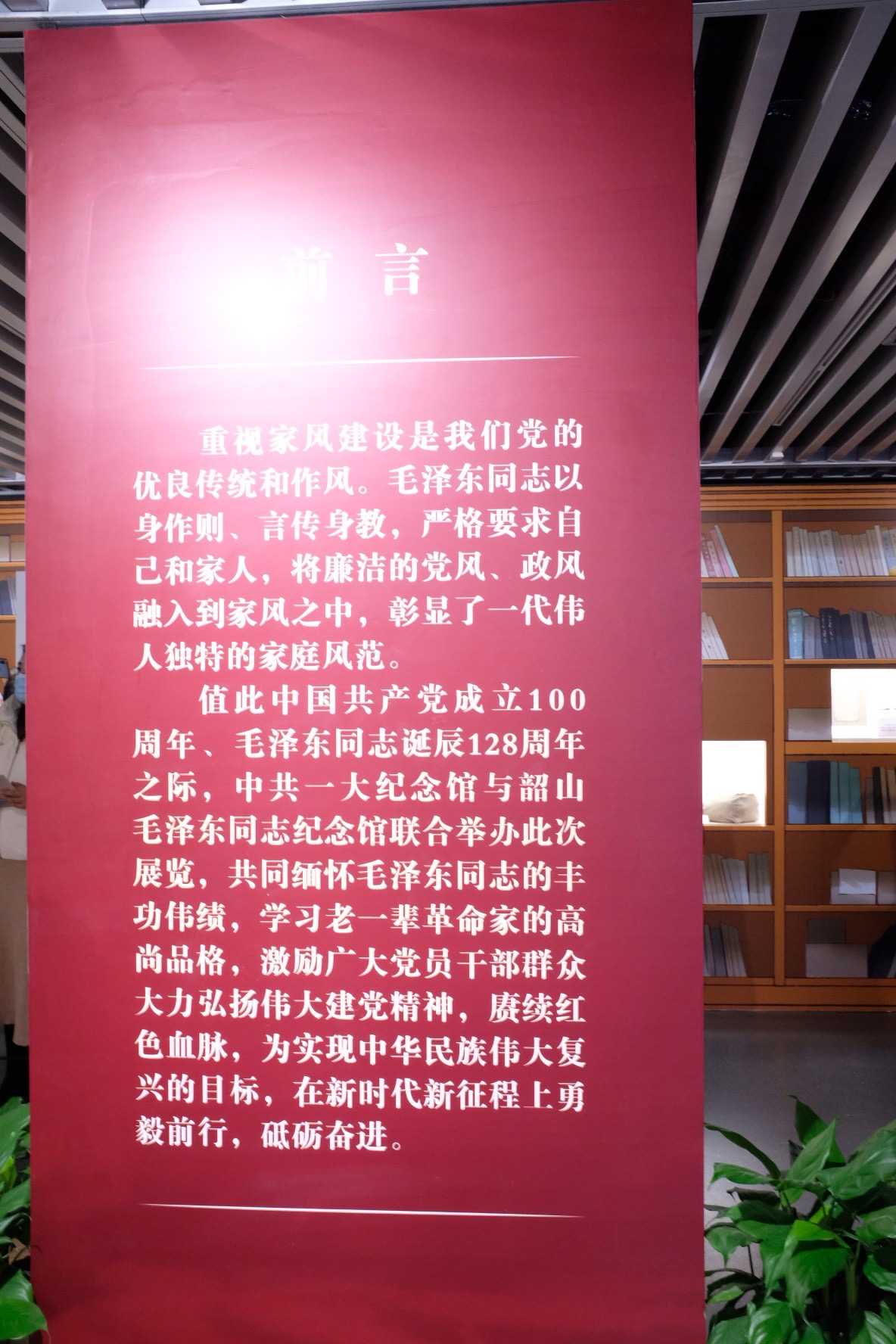
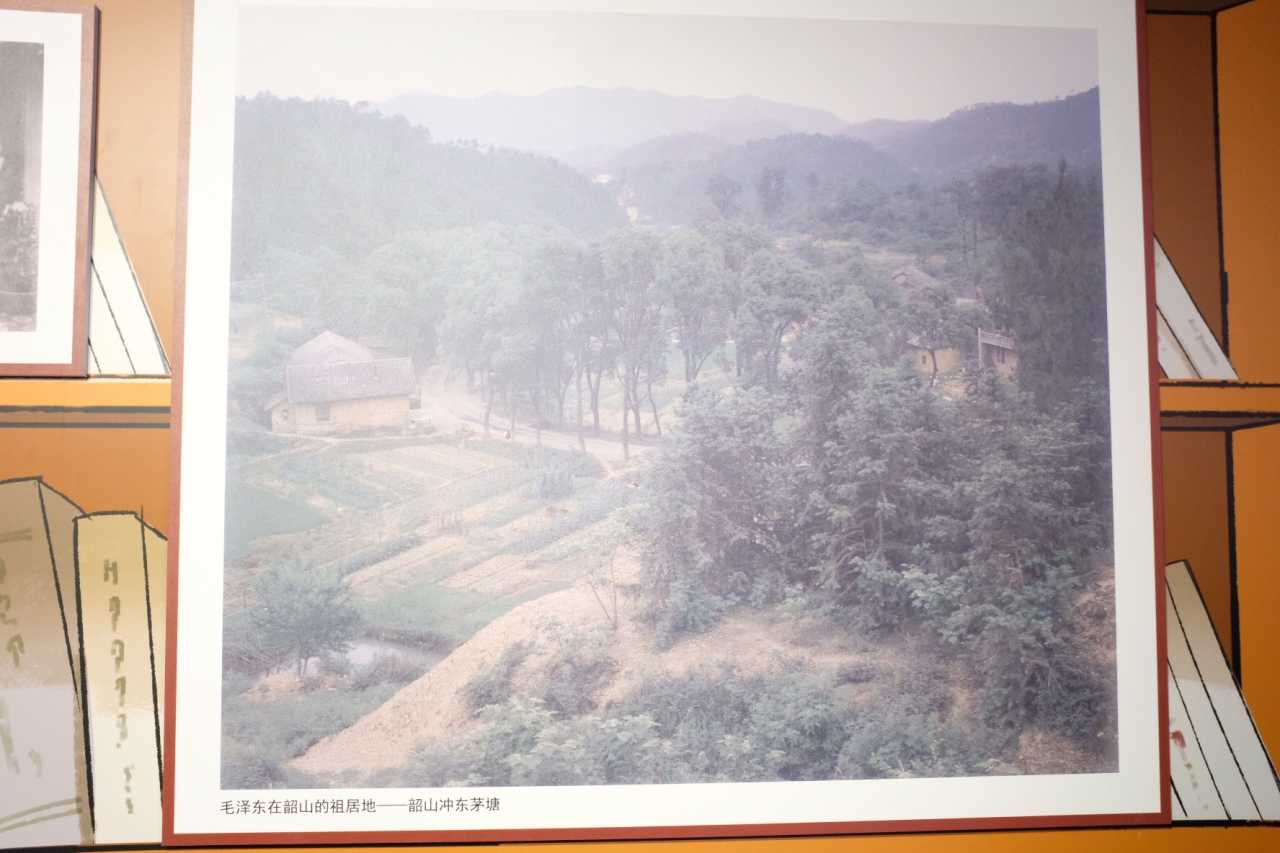
The most captivating feature: a multimedia interactive installation. Touch a screen to see how delegates secretly communicated and prepared for the meeting. The tension of "hearing thunder in silence" under the White Terror transports visitors back to that turbulent era.
Third Exhibition Hall: The Birth of a New Era, Dawn in the East
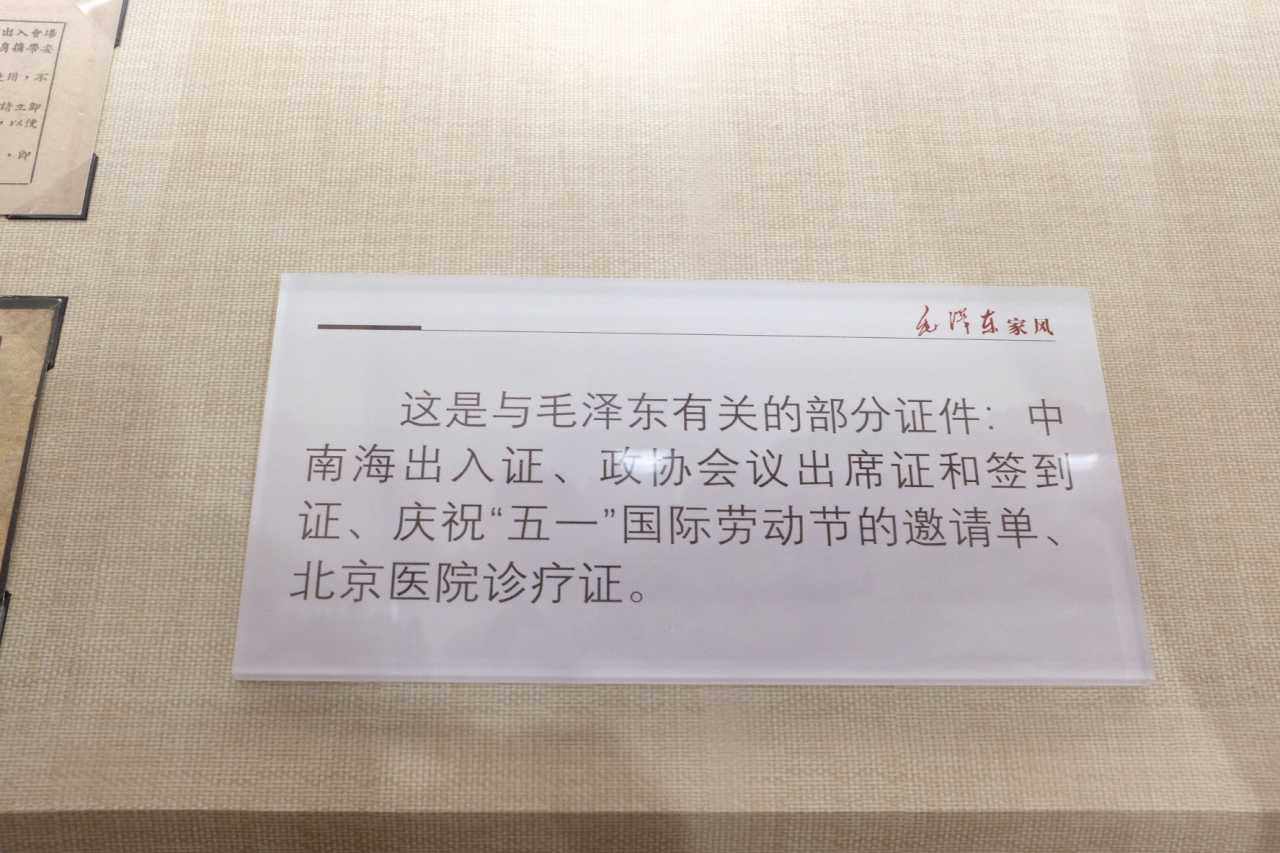
This is the core exhibition area. At its center, holographic projection technology recreates the First National Congress scene: delegates sit around a table, discussing the party platform and resolutions. You can see Li Da presiding, Mao Zedong diligently taking notes, and Zhang Guotao speaking. Though the meeting was interrupted by a raid from the French Concession police and had to relocate to a boat on South Lake in Jiaxing, amid this danger the CPC was born.
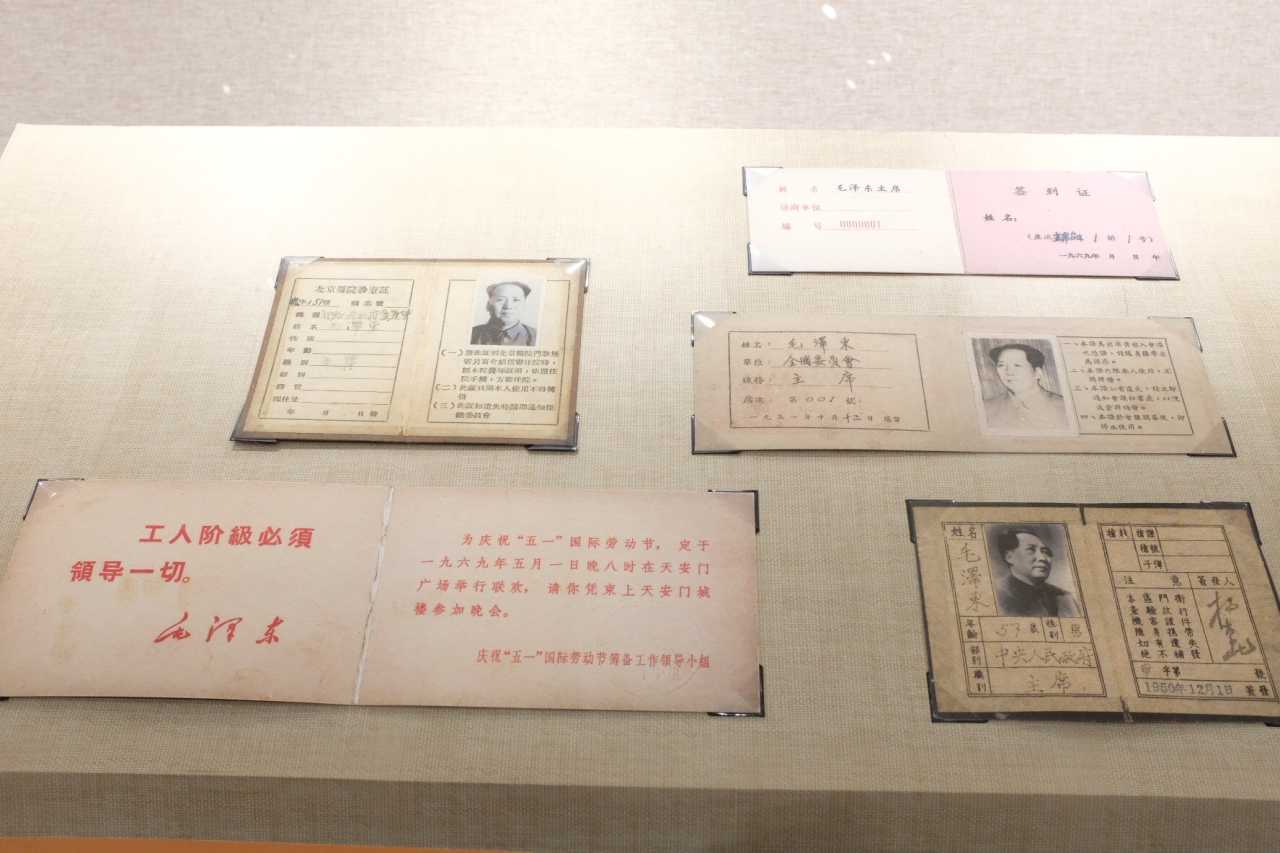
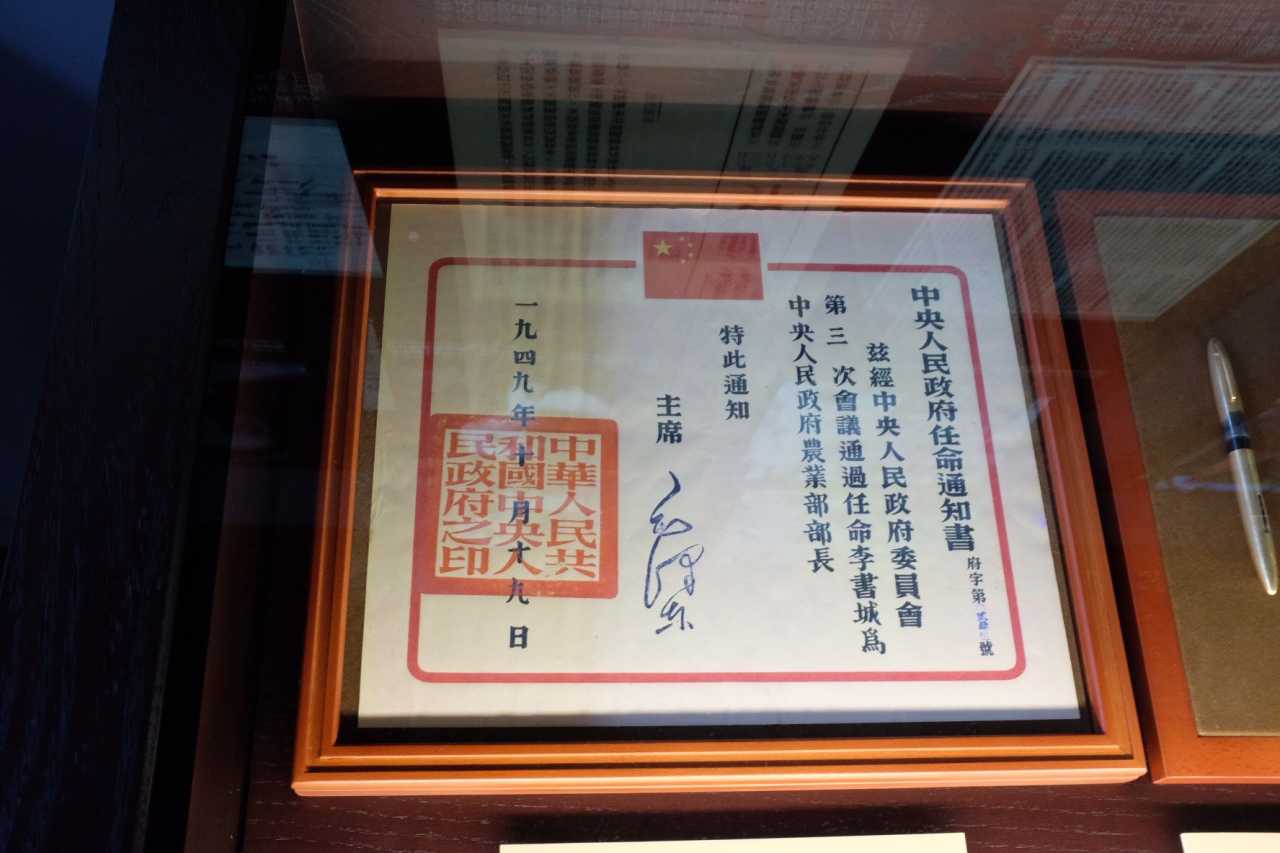
The hall also displays replicas of the First Program of the Communist Party of China and the Resolution on Current Practical Work passed at the First National Congress. Though only a few hundred words long, these documents established the party's name, goals, and organizational principles—earning them the title "the birth certificate of the CPC."
Fourth Exhibition Hall: Forging Ahead, Marching Toward Victory
From 1921 to 1949, the CPC led the Chinese people through 28 years of bloody struggle. This hall uses a timeline to showcase the epic journey from the Jinggangshan struggle to the Long March, and from the War of Resistance Against Japan to the War of Liberation. One wall, the "Wall of Martyrs," bears the names of over 3.7 million revolutionary martyrs—men and women who fulfilled their party membership oath with their lives.
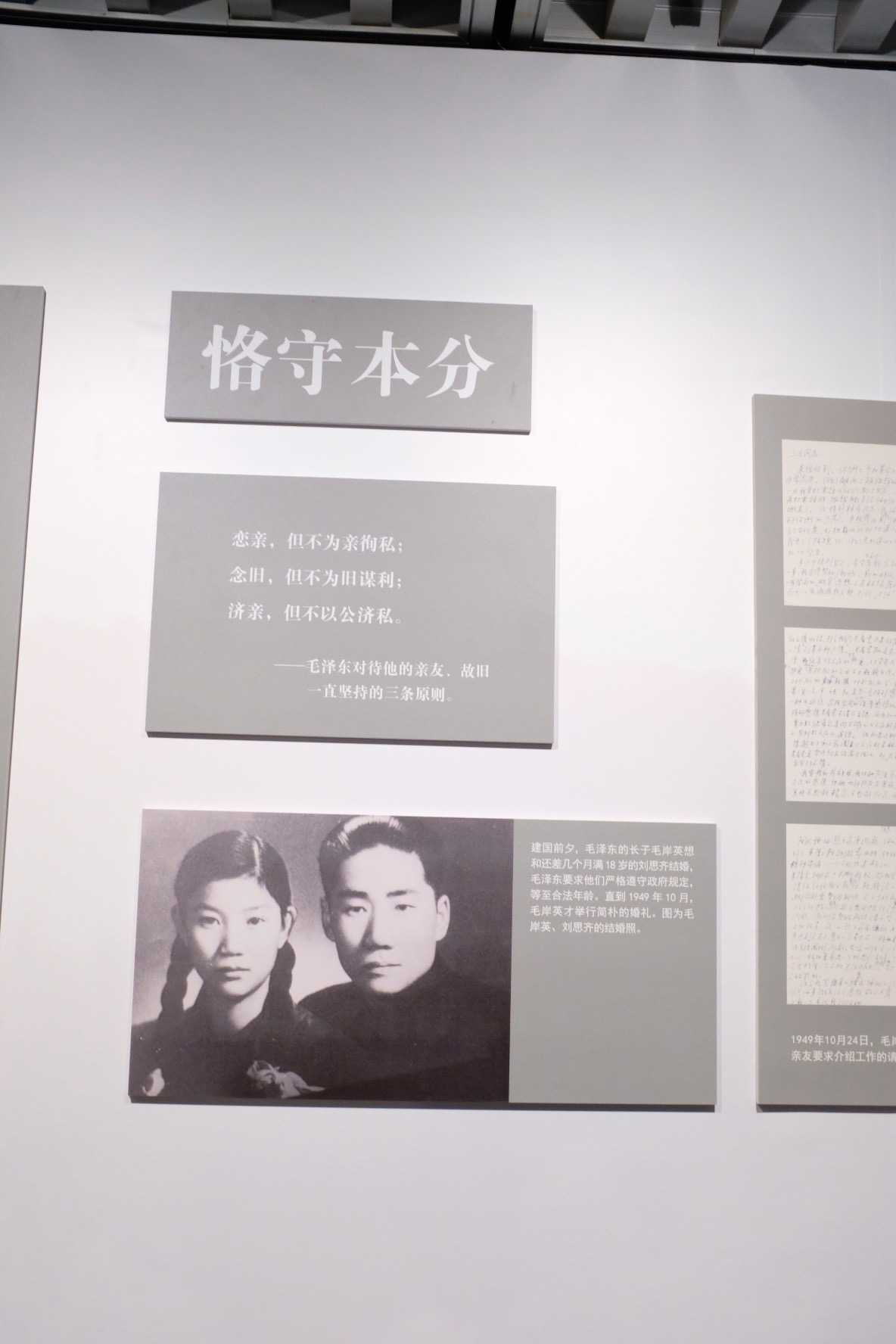
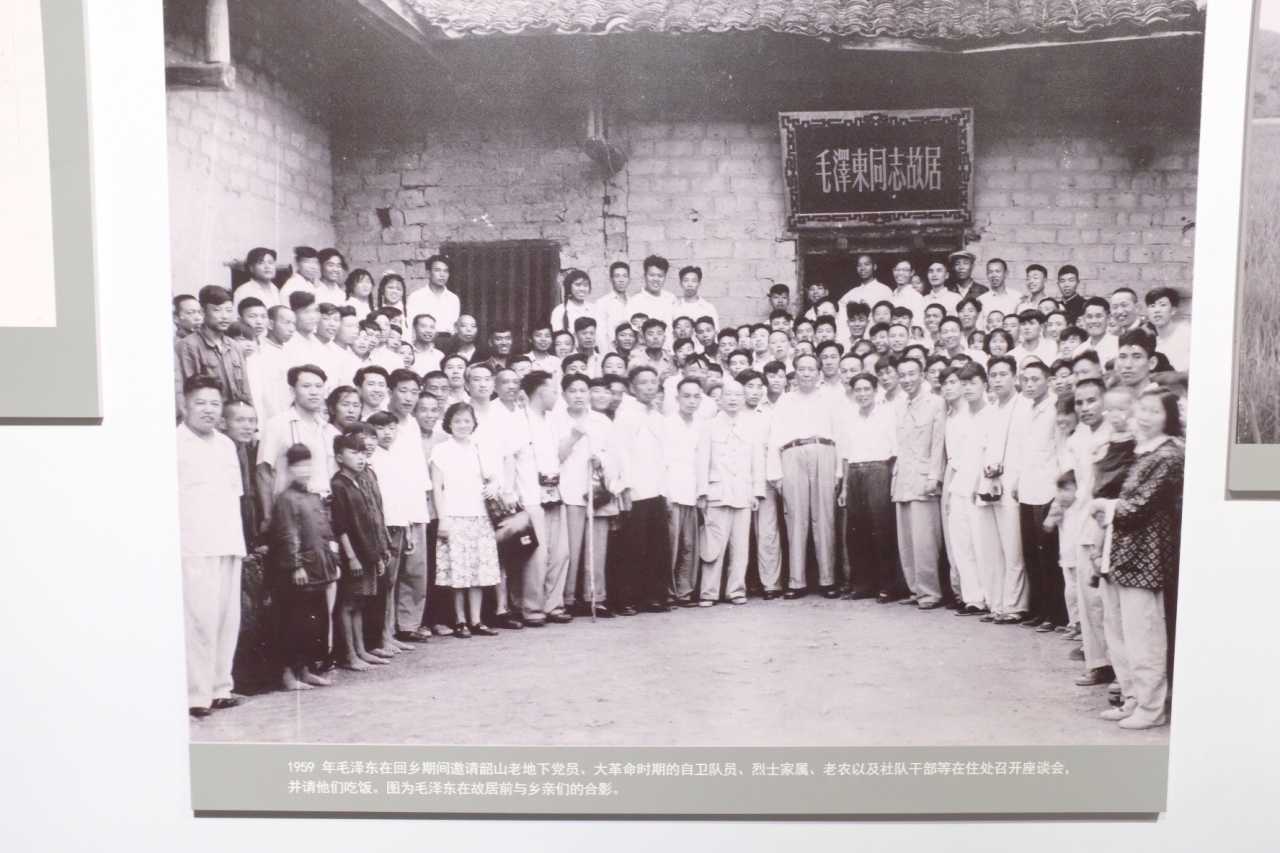
Notably, the hall also features a "Party Oath Area." Many party members solemnly raise their right hands here to reaffirm their oath. In that moment, history and the present converge, and the power of faith flows through the air.
Practical Guide: How to Make Your Visit More Meaningful?
Opening Hours and Reservations
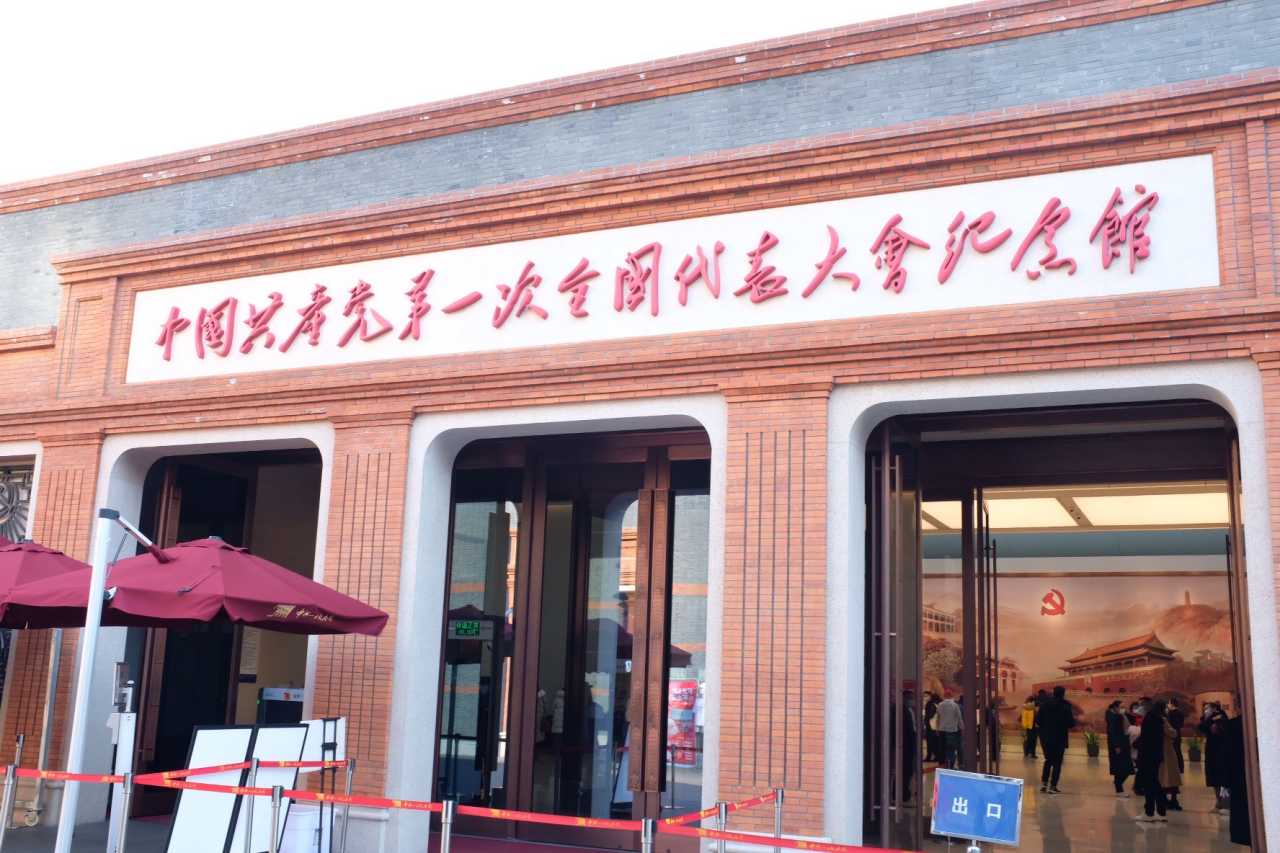
The memorial hall offers free admission but requires advance reservations. Book through the official WeChat public account or website of the "Memorial Hall of the First National Congress of the CPC." Opening hours: Tuesday to Sunday, 9:00 AM to 5:00 PM (last entry at 4:00 PM). Closed on Mondays (except public holidays). Reserve at least three days in advance, as slots are highly sought after, especially during holidays.
Transportation
- Metro: Take Metro Line 1 to "Huangpi South Road" Station, exit via Gate 2, and walk about five minutes.
- Bus: Take buses 17, 24, 109, 146, or 932 to "Huaihai Middle Road at Huangpi South Road" stop.
- Driving: Several parking lots nearby, but spaces are limited; public transportation is recommended.
Visit Duration and Tips
A full tour takes about 1.5 to 2 hours. Arrive at 9:00 AM when doors open—less crowded, more time to explore. If you have extra time, visit the nearby "Former Residence of the Delegates to the First National Congress"—a Shikumen building of similar style where the delegates once stayed. [Link: Shanghai Shikumen architecture walking tour]
Photography and Notes
Photography is allowed inside, but flash and tripods are prohibited. Some exhibition areas have "Do Not Touch" signs—please respect them. Audio guides are available for rent at 20 RMB per use, or scan QR codes next to exhibits for free commentary.
FAQ: Your Questions Answered
1. Is the Memorial Hall of the First National Congress of the CPC free to visit?
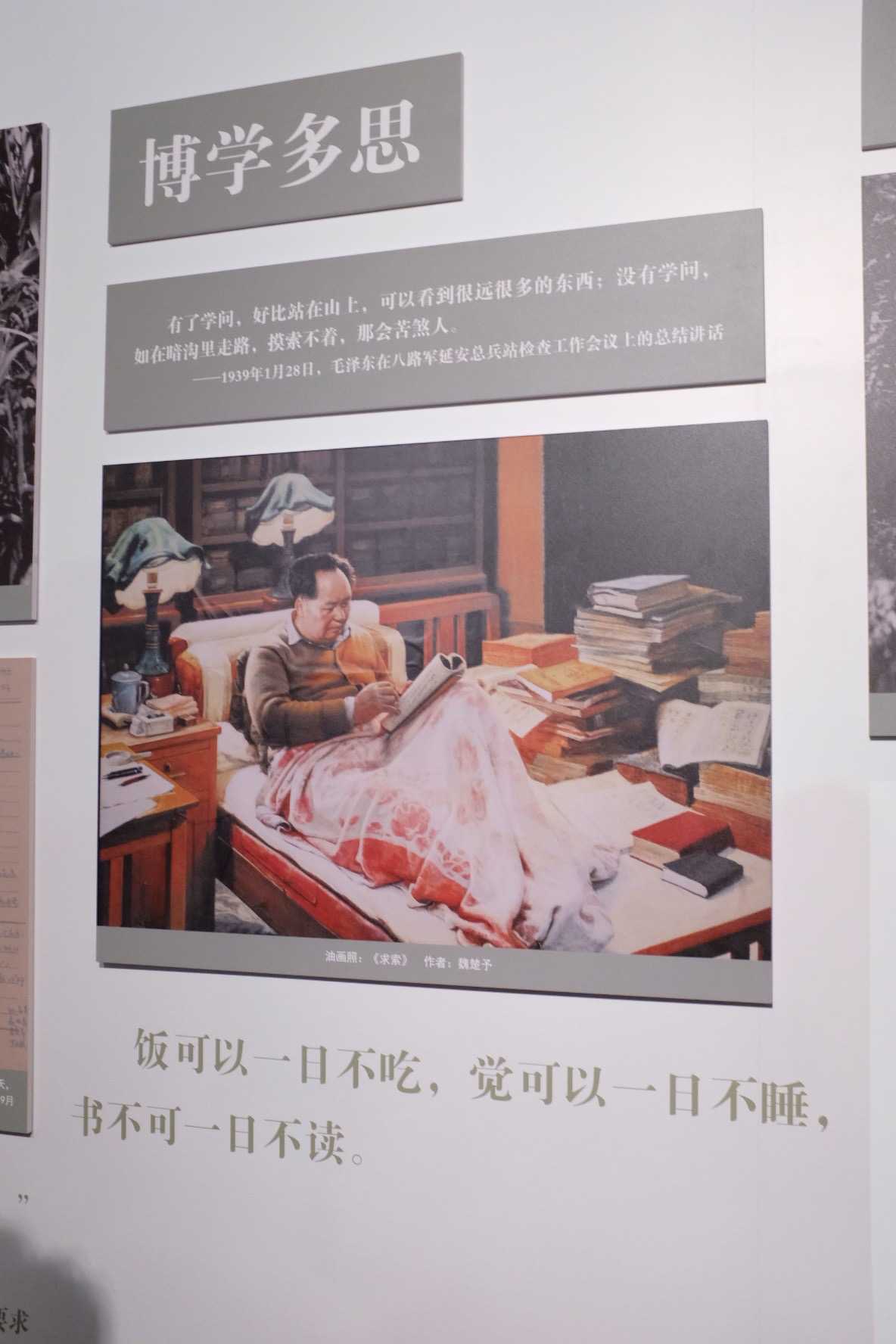
Yes, admission is completely free. However, you must reserve a ticket in advance through the official WeChat public account or website. Slots fill quickly, especially during peak seasons and holidays.
2. How long does it take to tour the memorial hall?
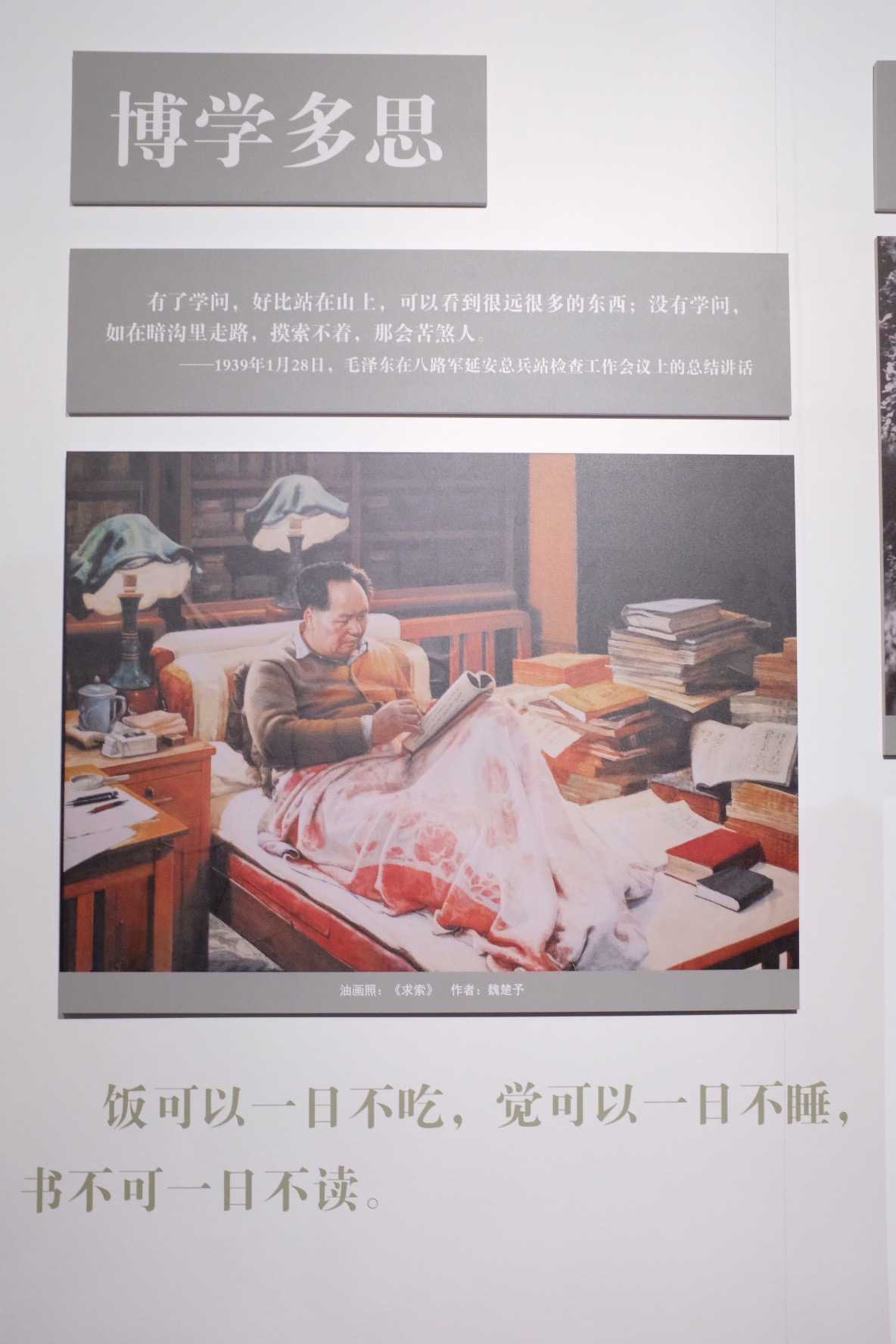
A thorough visit takes about 1.5 to 2 hours. If you want to spend extra time at interactive exhibits or the Party Oath Area, plan for up to 2.5 hours.
3. Can I take photos inside the memorial hall?
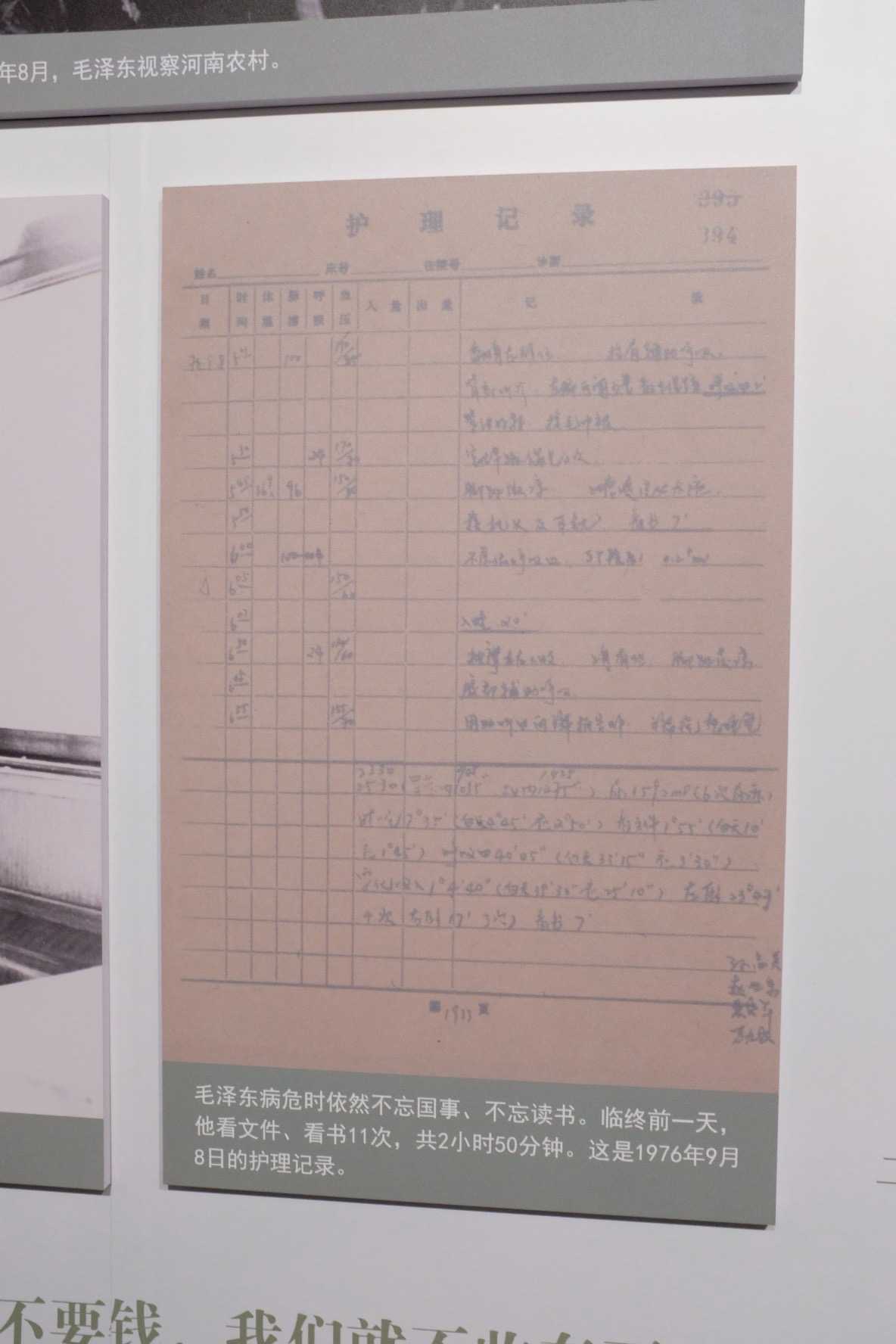
Yes, photography is allowed. But flash and tripods are prohibited to protect the artifacts. Be mindful of "Do Not Touch" signs in certain exhibition areas.
4. What is the best time to visit the memorial hall?
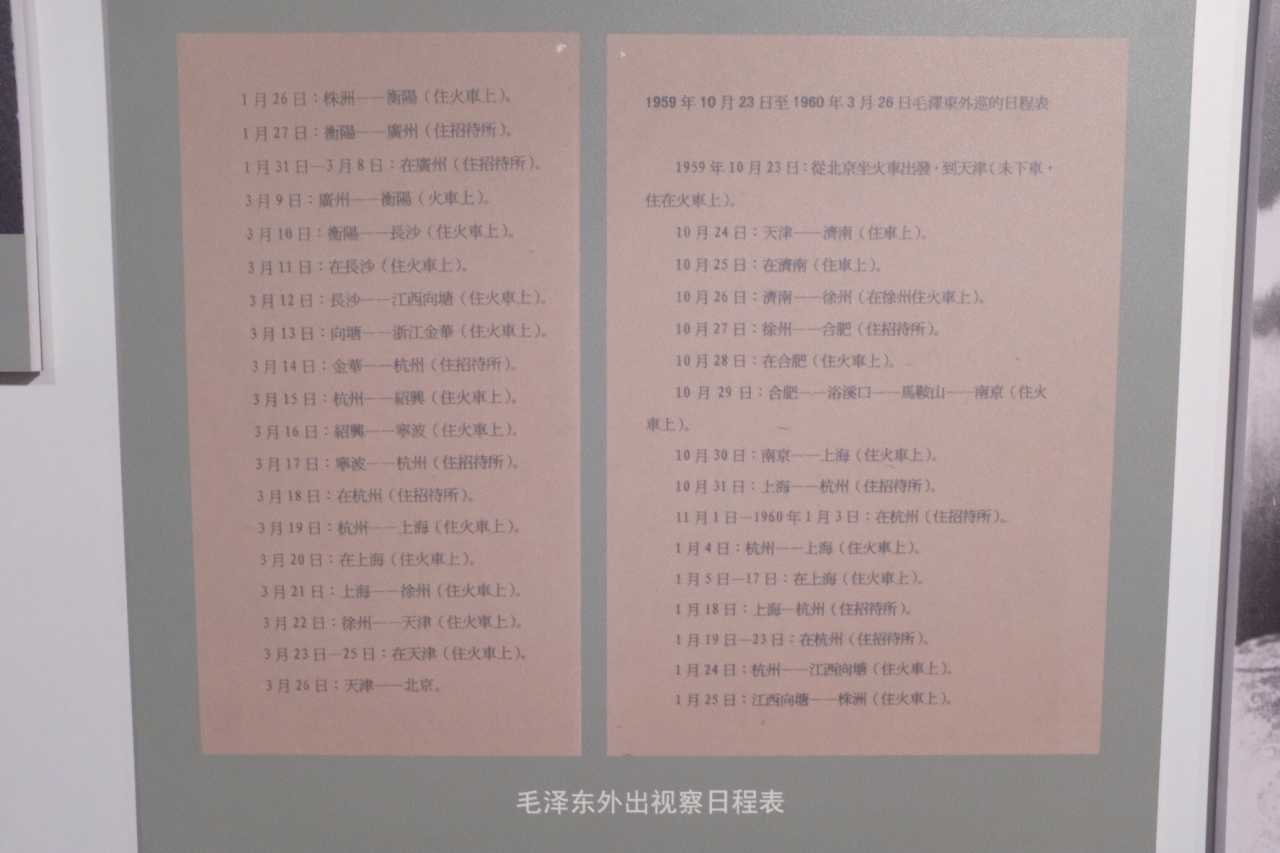
Early morning at 9:00 AM when doors open is ideal—fewer crowds and a quieter experience. Weekdays are generally less busy than weekends. Avoid Chinese public holidays if possible.
5. Are there guided tours or audio guides available?
Yes. Audio guides are available for rent at 20 RMB per use. Alternatively, scan QR codes next to exhibits for free commentary. Guided tours may be available for groups—check the official website for details.
Your Journey to the Birthplace of the CPC Starts Here
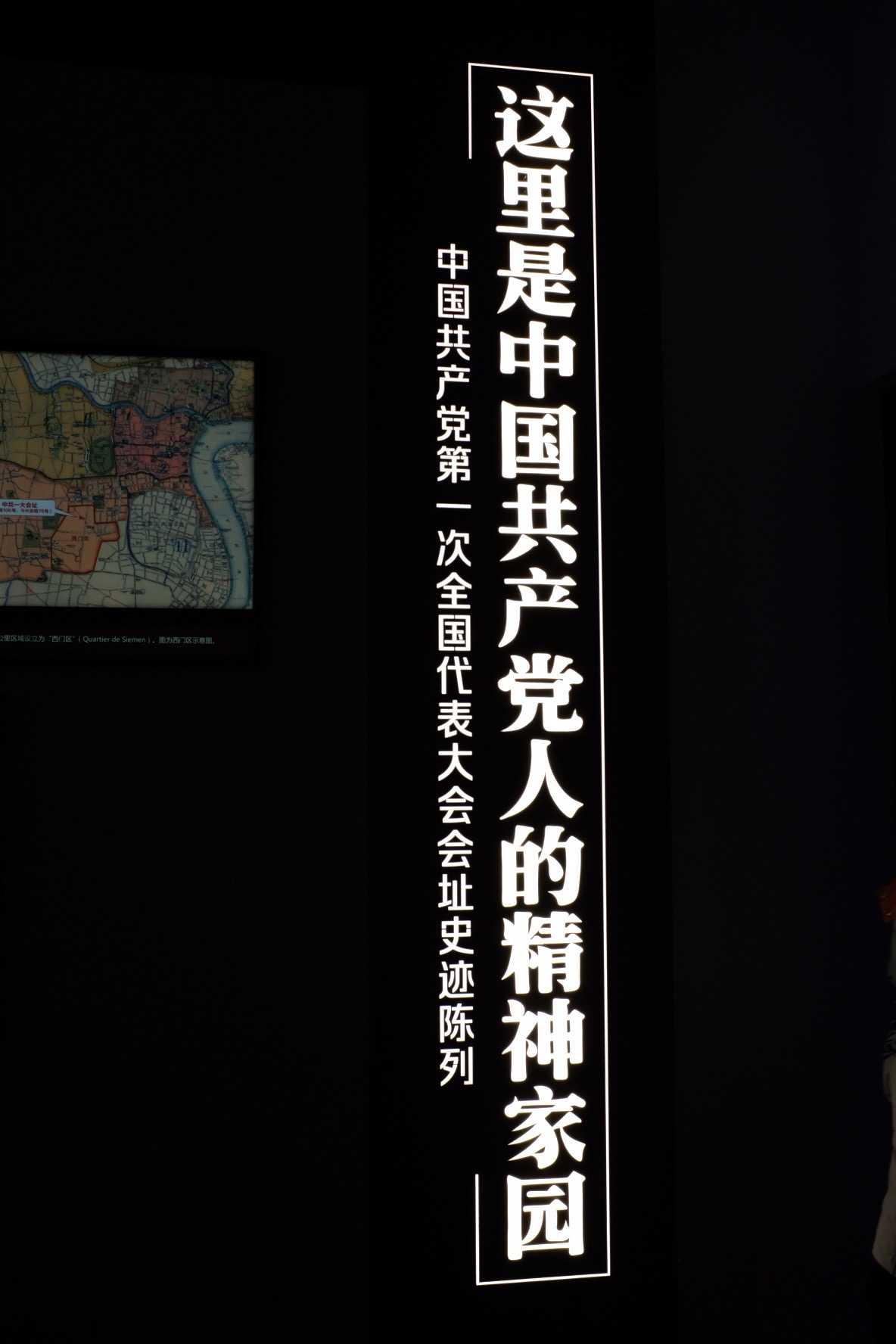
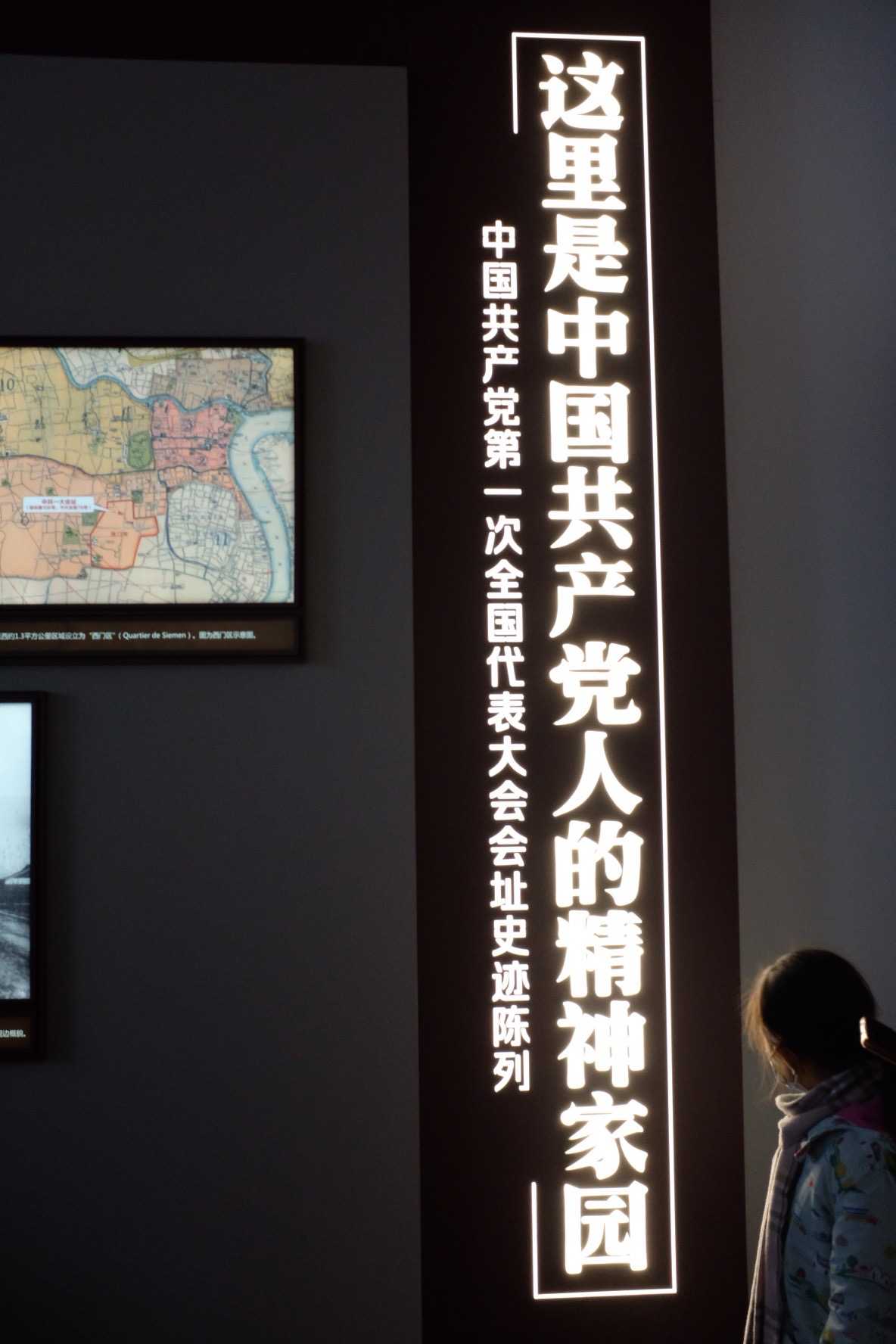
Stepping into the Memorial Hall of the First National Congress of the Communist Party of China is more than a historical tour—it's a journey into the heart of China's modern transformation. From the Shikumen building's gray bricks to the red boat on South Lake, every corner tells a story of courage, faith, and relentless pursuit of a better future.
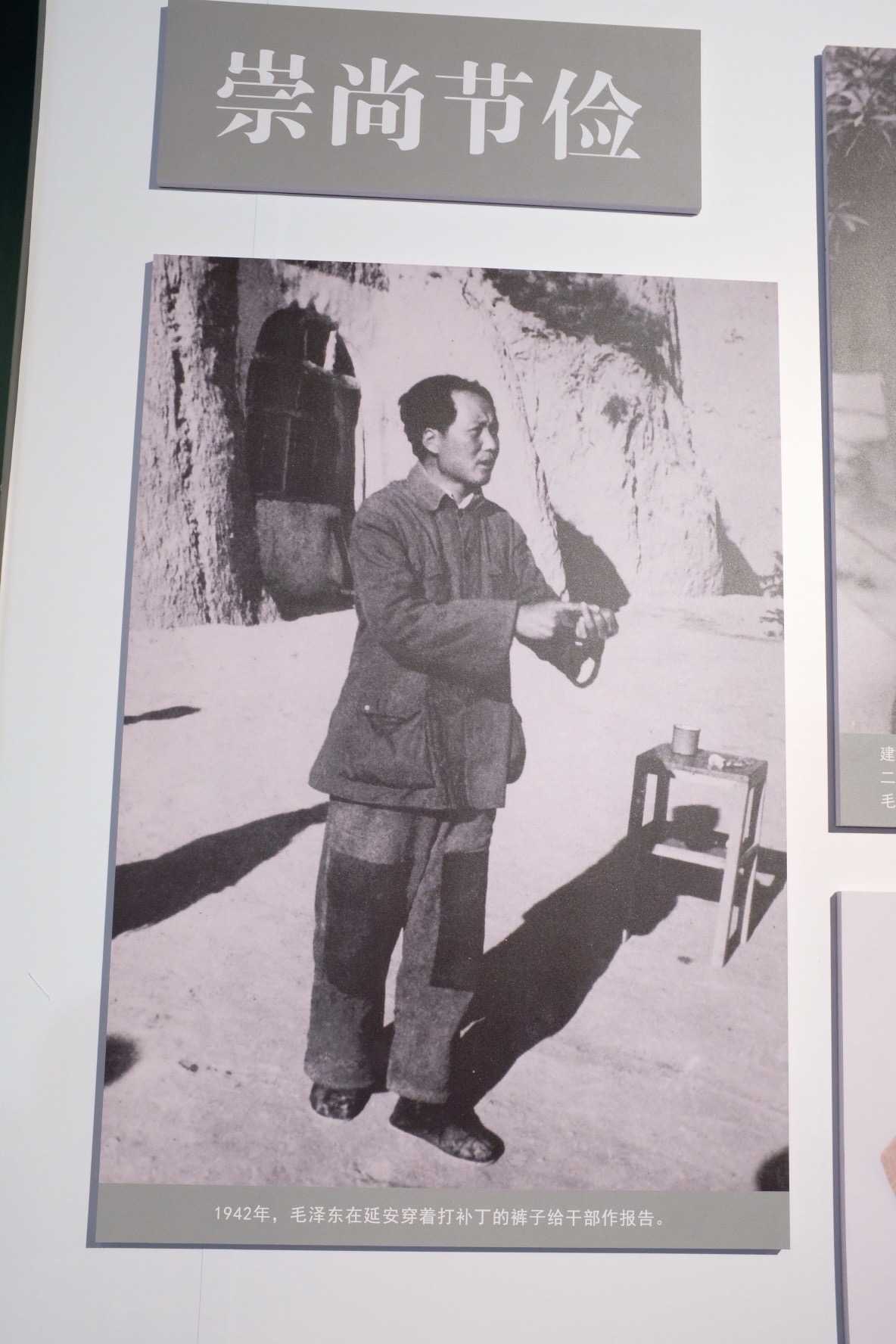
Whether you're a history enthusiast, a student of Chinese politics, or a traveler seeking authentic cultural experiences, this memorial hall offers an unforgettable glimpse into the origins of modern China. Plan your visit today, trace the century-old original aspiration, and feel the power of a new era born in a humble Shanghai lane.
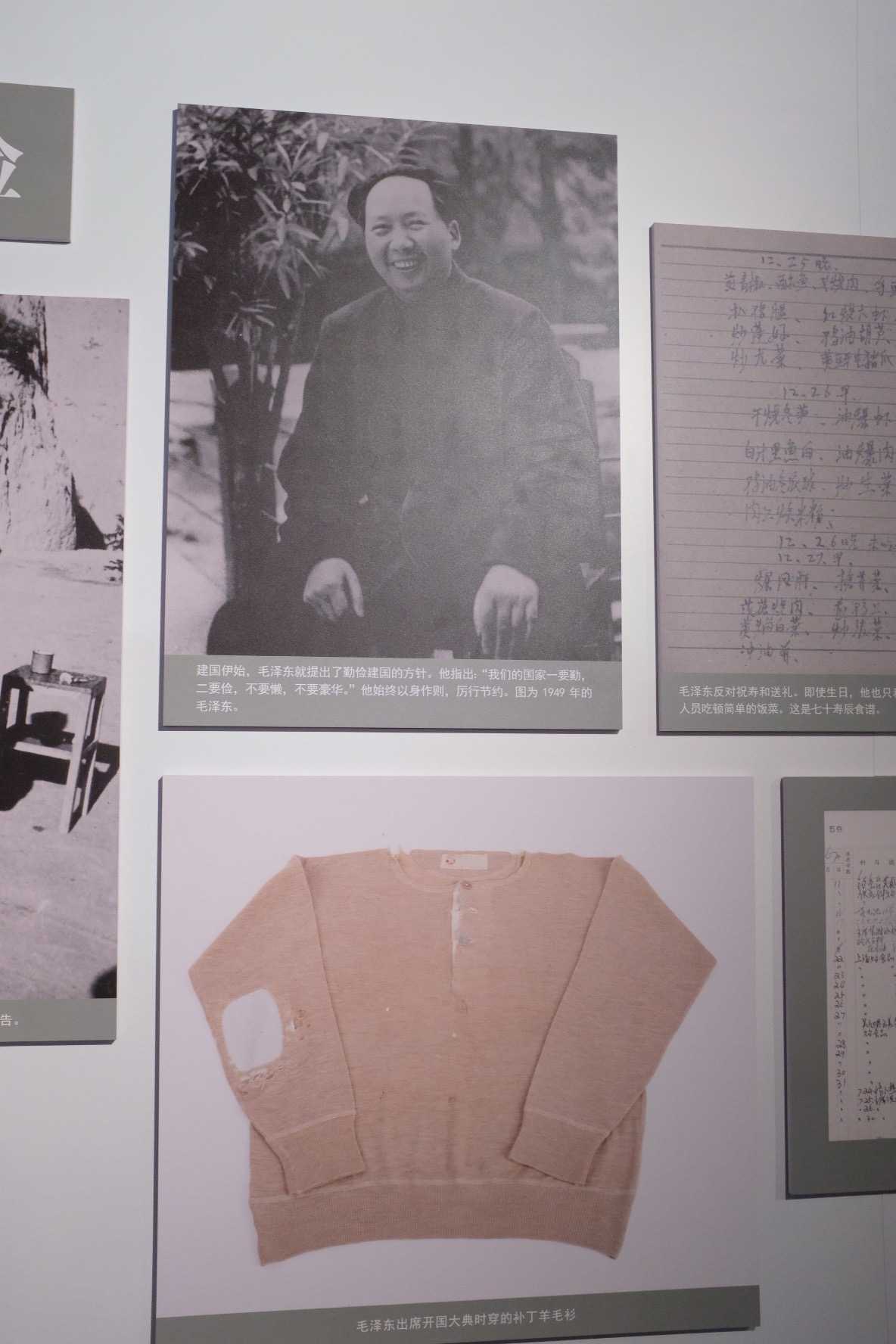
Ready to explore? Reserve your free ticket now through the official WeChat public account. Share your experience with #CPCMemorialHall and inspire others to discover this iconic landmark. For more on Shanghai's revolutionary heritage, check out our guide to [Link: Top 10 revolutionary sites in Shanghai].
You may also like