Recharge Plan: A Two-Day Stroll Through "Old Shanghai" — A Time-Travel from Shikumen to Neo-Jiangnan
Meta Description: Discover Shanghai's hidden gems in this 2-day itinerary: from red revolutionary shikumen alleys to the Bund's century-old drama. Explore French Concession history, Xintiandi's modern revival, and ancient water towns. Perfect for history buffs and culture seekers.
Introduction: Why Shanghai Never Gets Old
Before the Spring Festival holiday ended, I set aside two days to wander slowly through Shanghai, a city I never tire of. It wasn't my first visit, but every time I come, I encounter a different side of Shanghai: the red revolutionary memories tucked inside shikumen (stone-gate houses), the century-old drama along the Bund, the modern reinvention of ancient water towns, and the everyday bustle of old streets. This city is like a book you can never finish reading — each turn of the page reveals a new story.
This two-day Shanghai itinerary is designed for travelers seeking an immersive Old Shanghai experience — blending revolutionary history, architectural heritage, and modern urban renewal. Whether you're a first-time visitor or a returning explorer, this guide will help you uncover Shanghai's hidden layers.
Pre-Trip Preparation: Staying in Hongqiao, Traveling by Metro

I chose to stay in Zhudi, Minhang District, near the Hongqiao transportation hub for convenience. The entire trip relied on the metro (Lines 17, 2, and 10), with occasional taxi rides for emergencies. The two-day theme was clear: Shikumen memories + new look of ancient towns + museums + a stroll through century-old streets.
Pro tip: Purchase a Shanghai Public Transportation Card or use Alipay's metro QR code for seamless travel. [Link: Shanghai Metro Guide for Tourists]
DAY 1: Red Beginnings in Shikumen, a Century of Drama Along the Bund
Stop 1: Middle Fuxing Road — Red Imprints in the French Concession
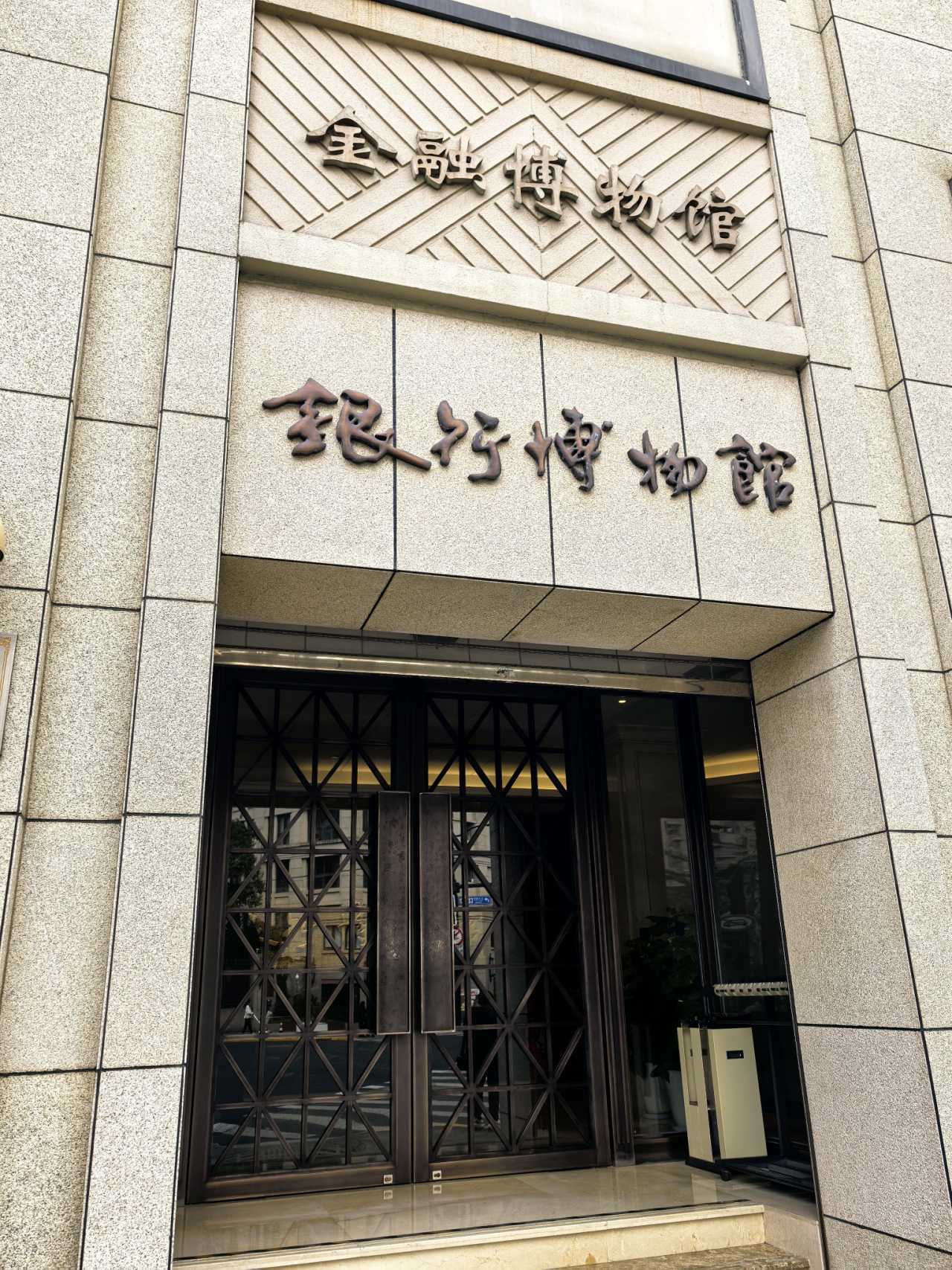
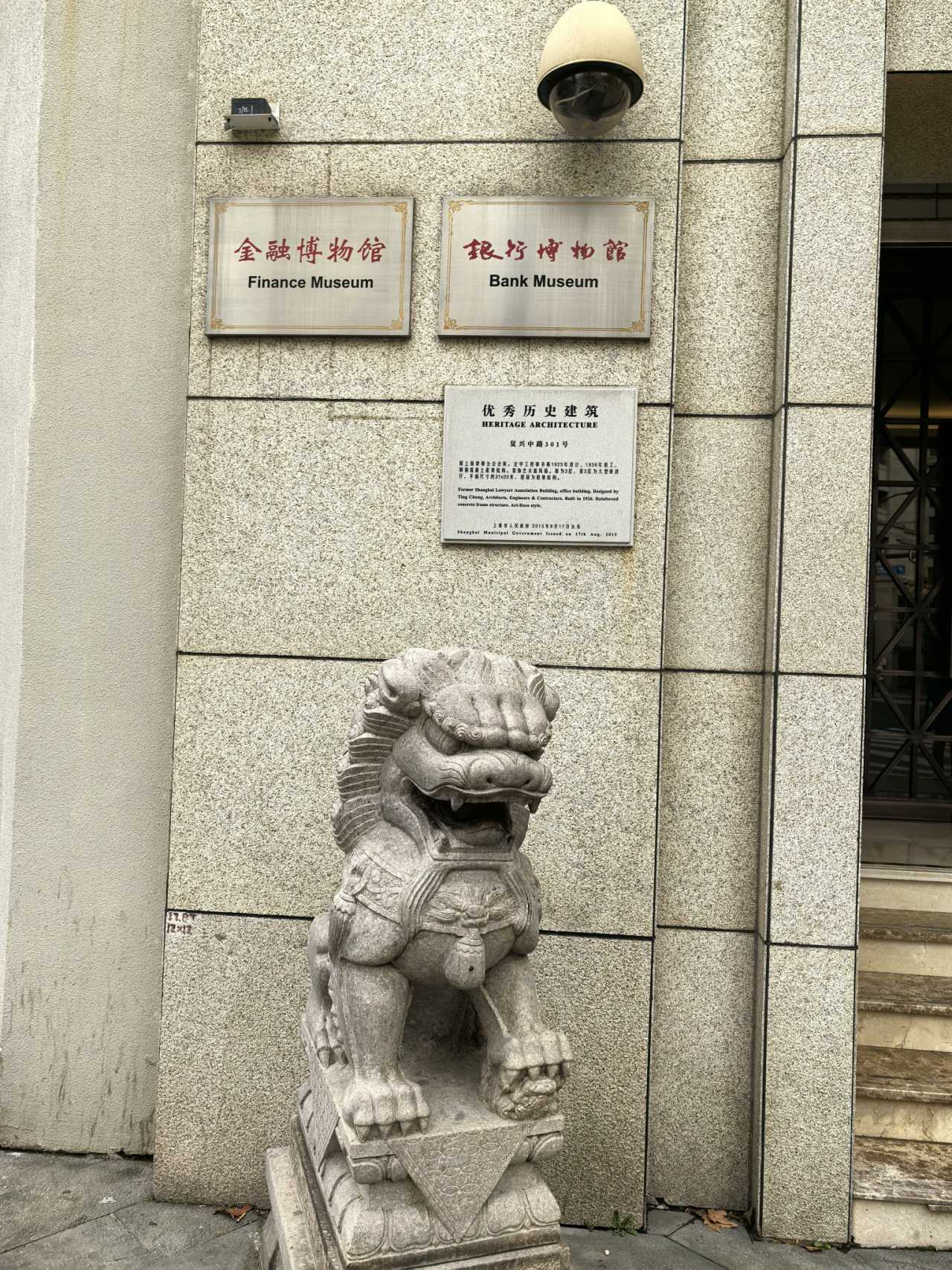
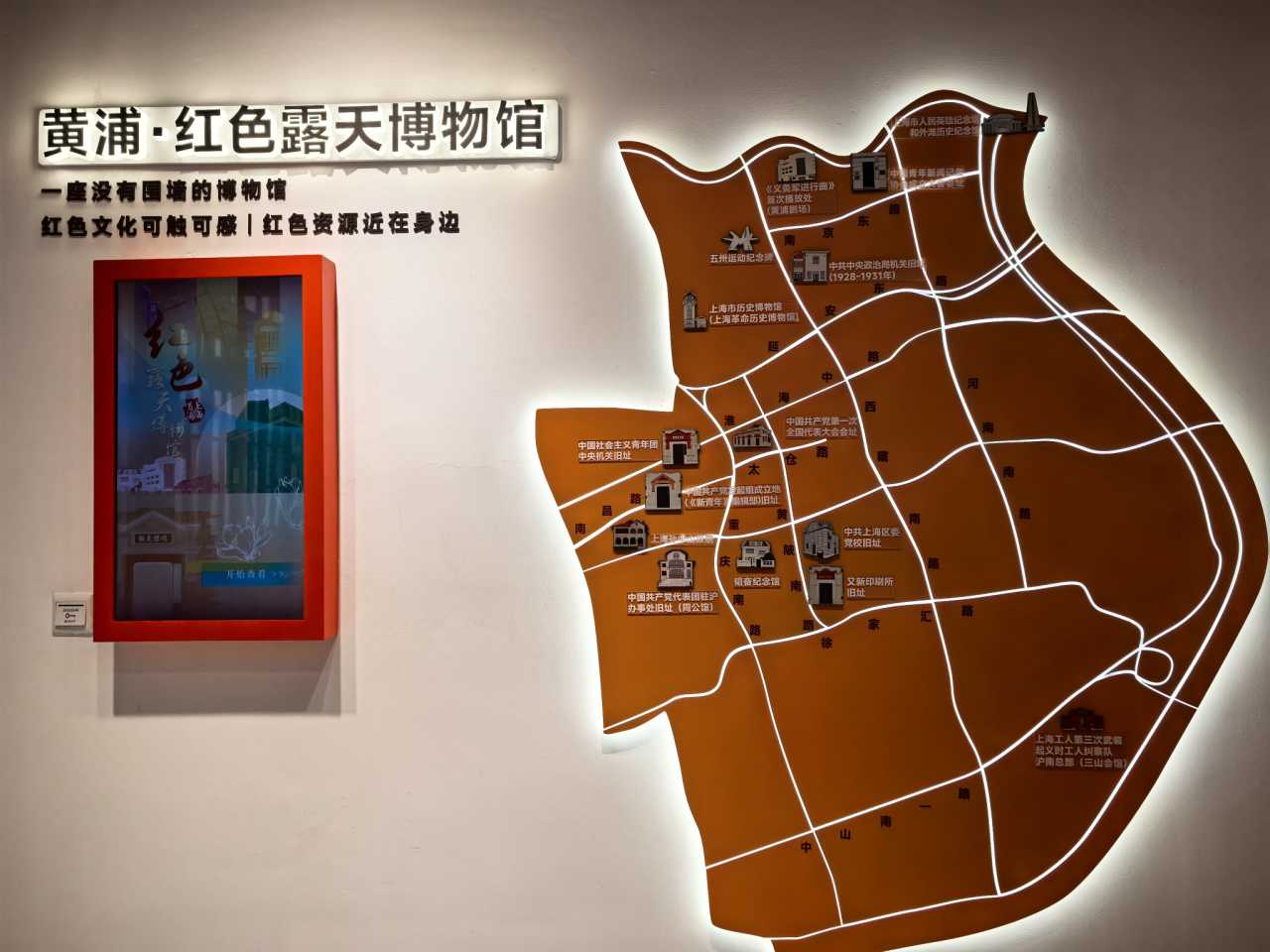
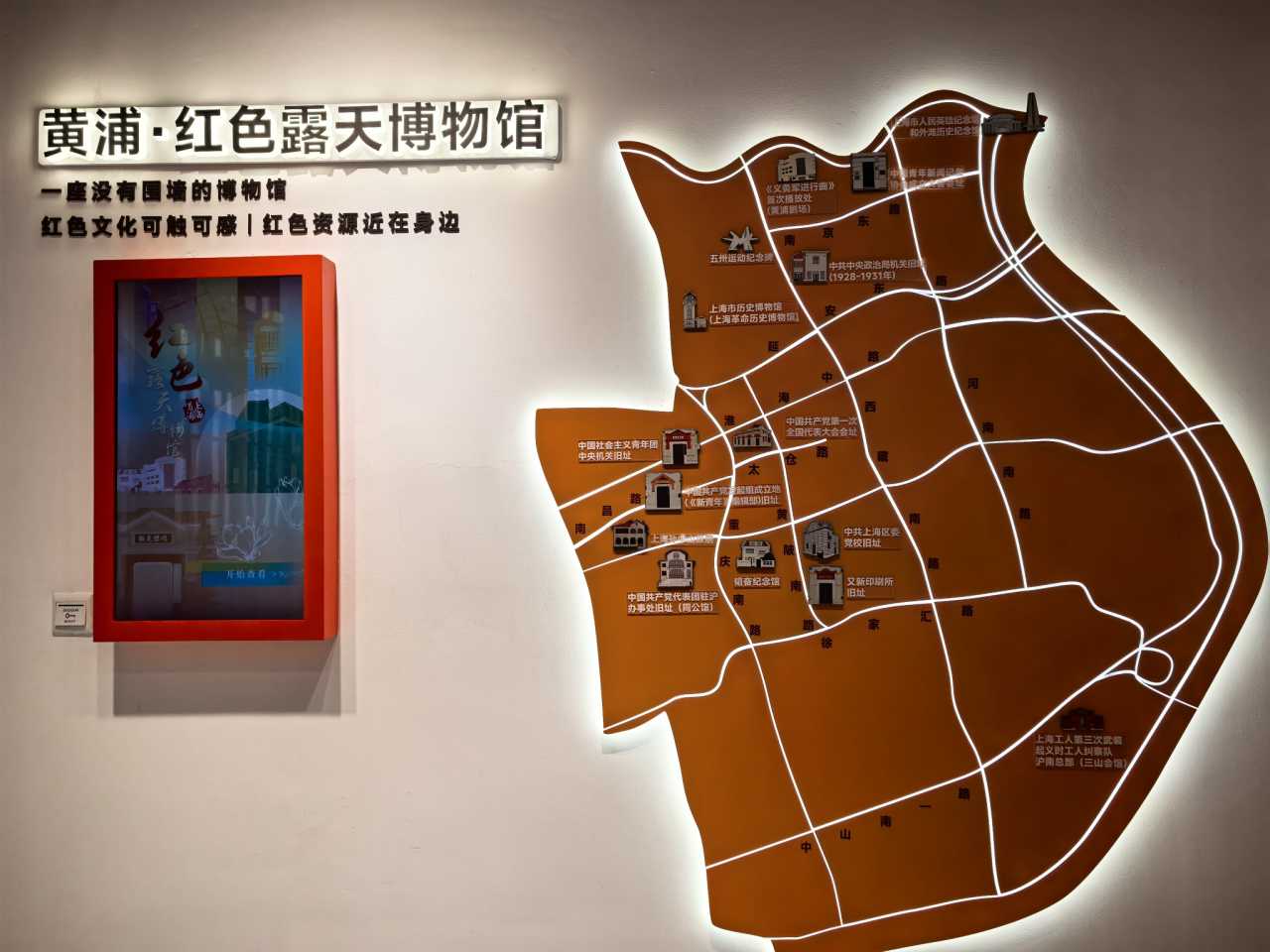
From Hongqiao Railway Station, I took Line 10 to the Site of the First CPC National Congress · Xintiandi Station, arriving in the heart of old Luwan in just 30 minutes. Middle Fuxing Road was a prime area during the French Concession era, with plane trees casting shadows over countless historical secrets.
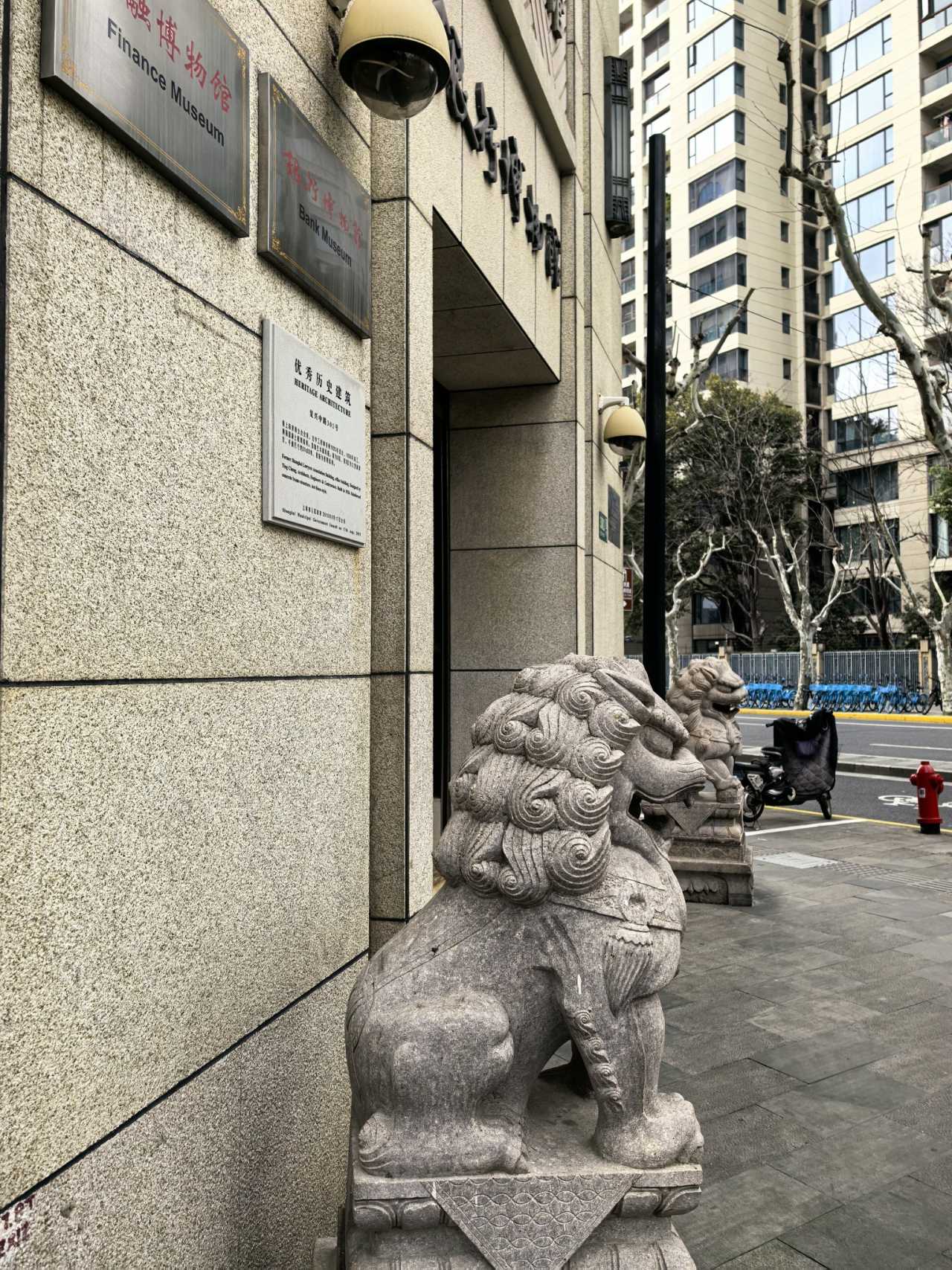
The Shanghai Financial Museum (formerly the Shanghai Bar Association Building) is a hidden gem — open every Tuesday, Thursday, and Saturday, with tickets costing only 5 yuan. Stepping into this Republican-era building feels like entering a time tunnel. Highlights include a 1:1 replica of the "Far East's No. 1 Gold Vault," a steel engraving plate from the American Bank Note Company (a surviving rarity), and the "king of banknotes" — the 10,000-yuan "Herding Horse" note. On the second floor, you can experience a "bank president's office" with vintage telephones and green-shaded desk lamps, instantly transporting you back to the Republican era.
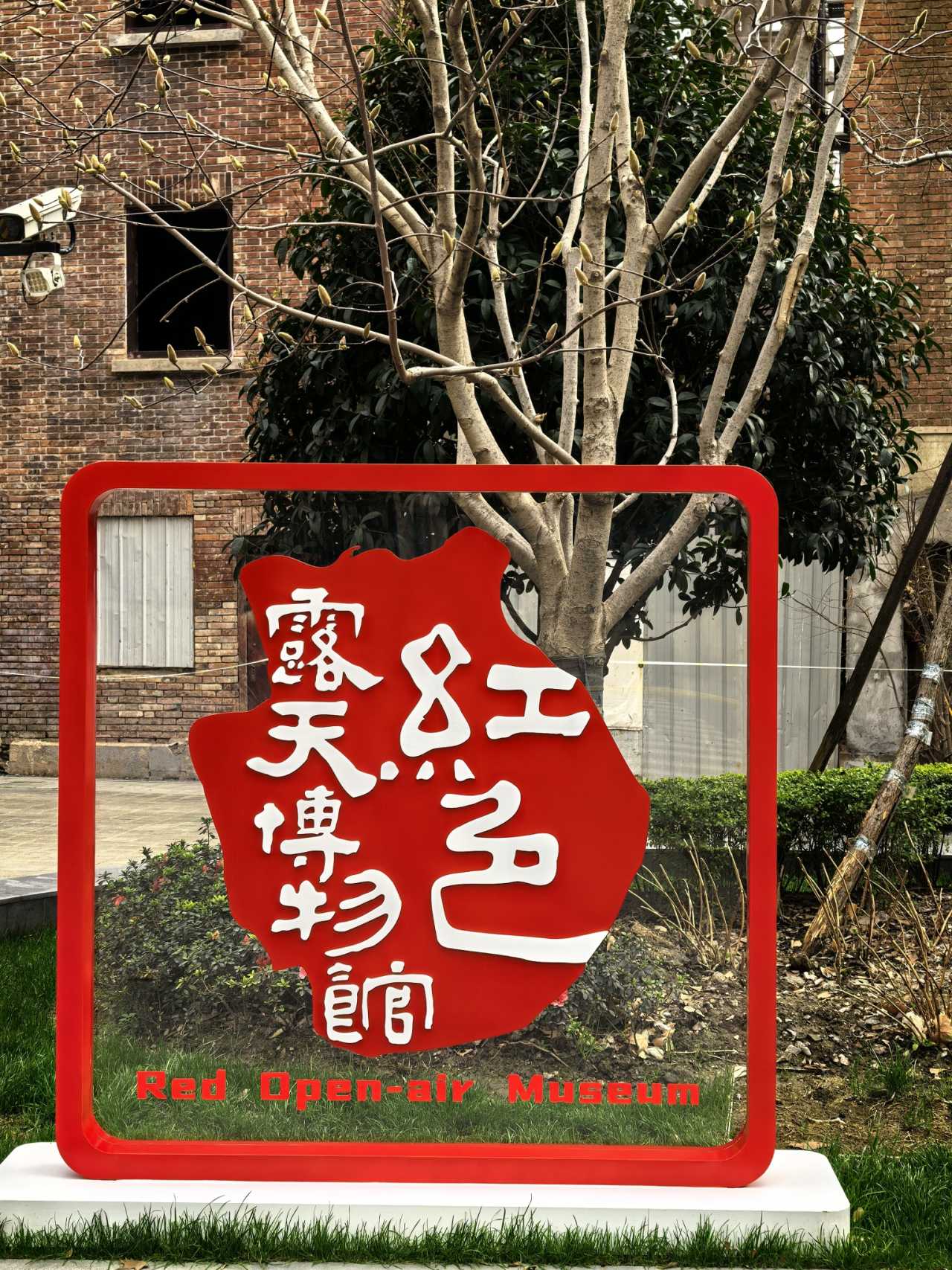
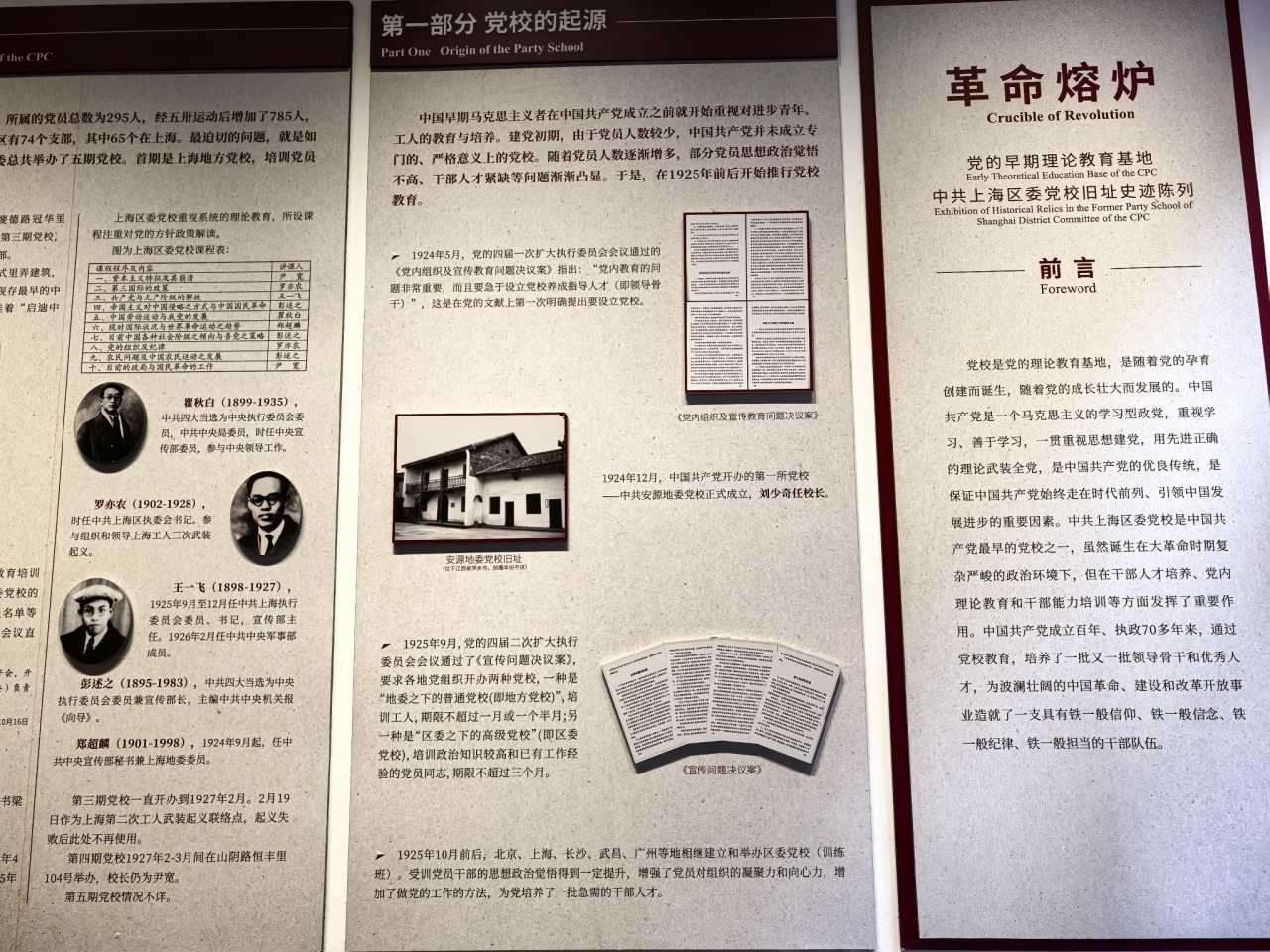
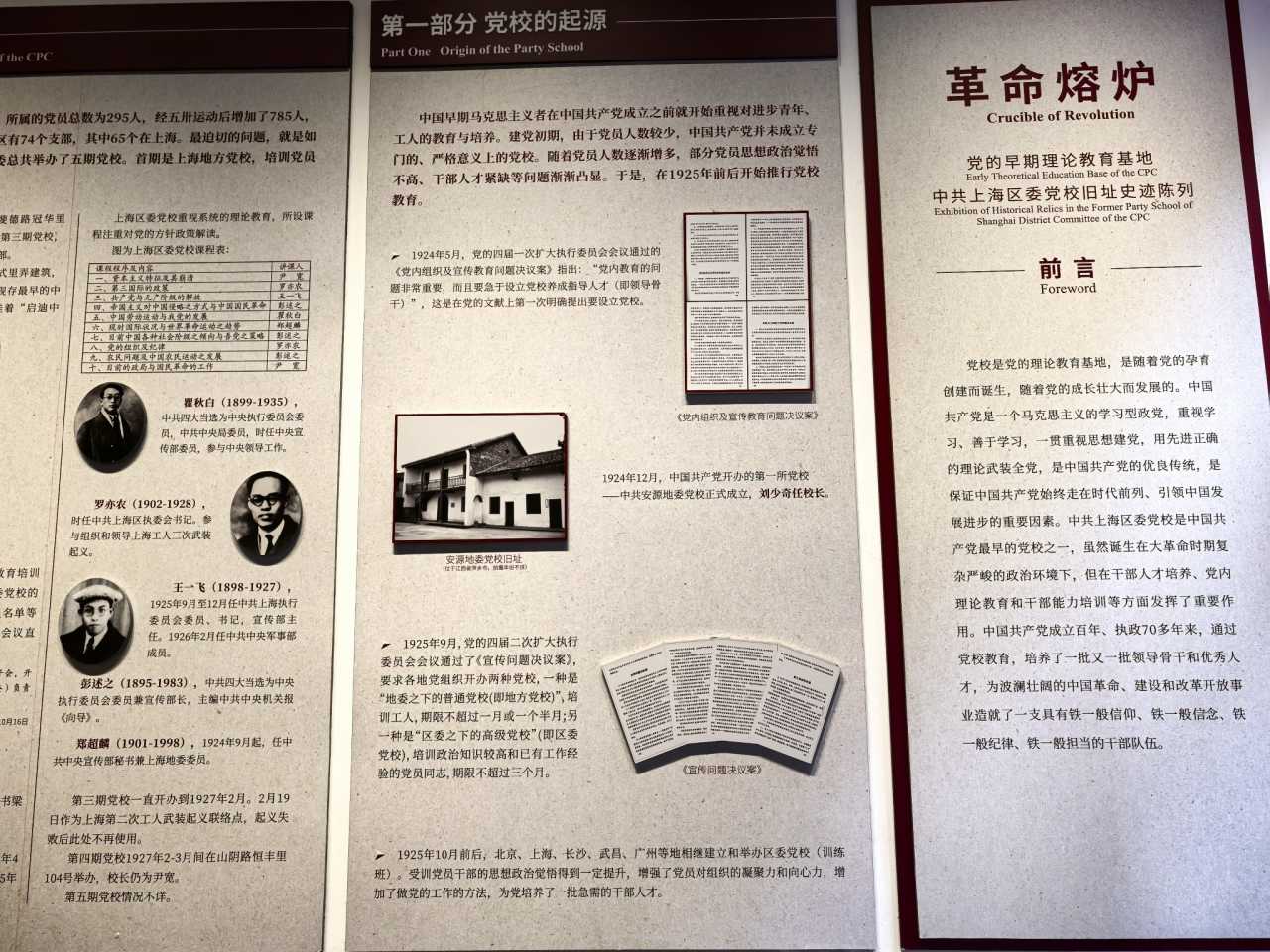
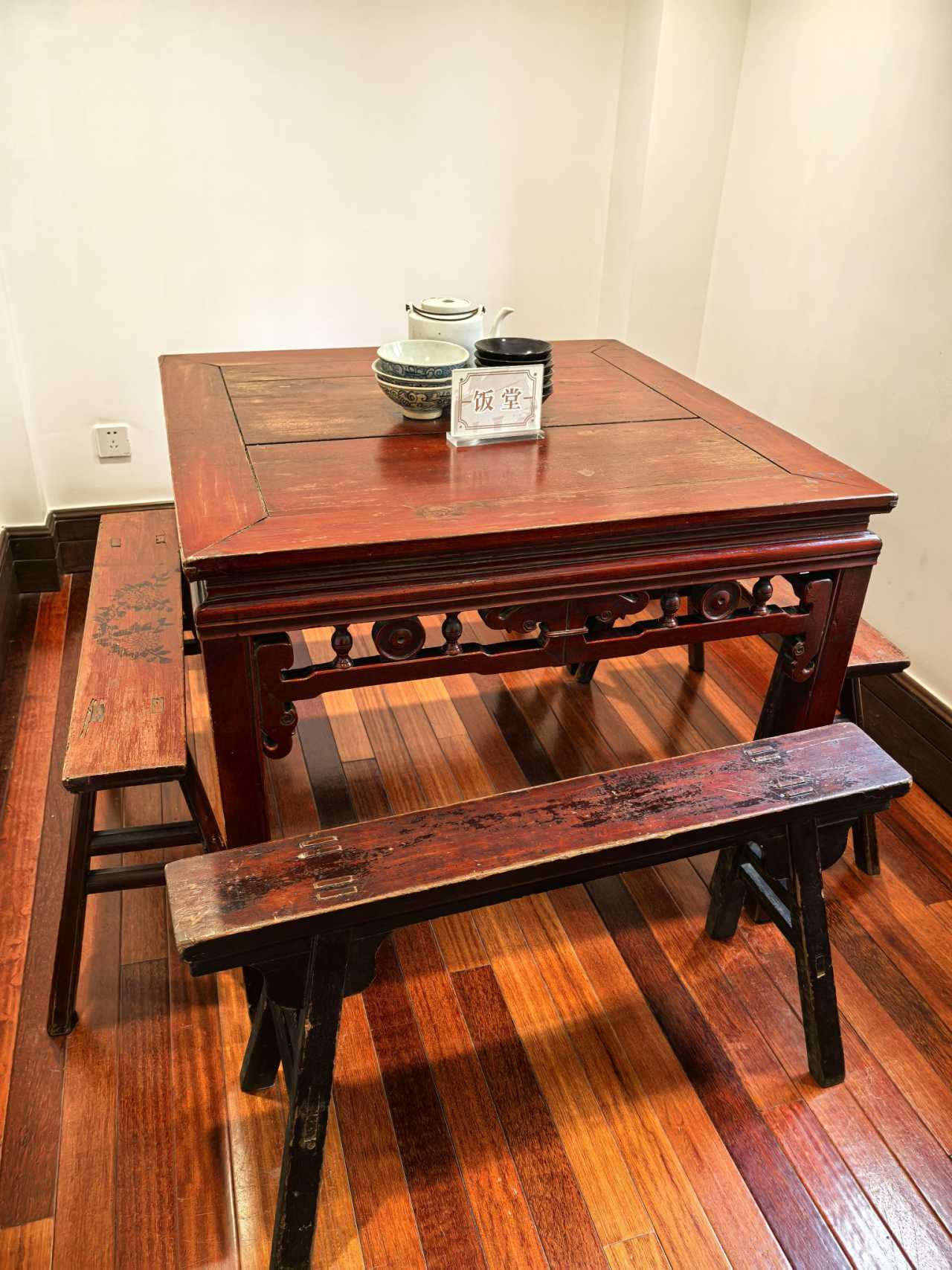
The Former Site of the CPC Shanghai District Committee Party School is one of the earliest party schools of the Chinese Communist Party. Between 1926 and 1927, Zhou Enlai and Qu Qiubai taught here. The second floor recreates the classrooms, teachers' offices, and student dormitories of that time, allowing you to feel the simplicity and passion of that era.
Stop 2: Hefei Road — From Observatory Road to Shikumen Complex
This road was originally named "Observatory Road" and later "Father Lau Road" before being renamed after the capital of Anhui Province in 1943. The western section preserves a rich collection of historical buildings: Ruihua Lane (a 1920s modern lilong alleyway), Yongyi Lane (a 1926 shikumen building complex), the original site of the Tianchu MSG Factory... Every step lands on a brick of history.
Don't miss: The intricate stone gate carvings on Yongyi Lane — each one tells a story of Shanghai's architectural evolution. [Link: Shanghai Shikumen Architecture Guide]
Stop 3: Madang Road — A North-South Artery Connecting Past and Present
The Former Site of the Provisional Government of the Republic of Korea holds special significance for both China and South Korea. From 1926 to 1932, this served as the office of the Korean provisional government, and it is the best-preserved and longest-used site. The preamble of the Constitution of the Republic of Korea explicitly states that it "inherits the legal tradition of the Provisional Government of the Republic of Korea established by the March First Independence Movement." The bustling crowd of Korean speakers at the entrance deterred me from going inside, but standing at the gate, I could still feel the years of shared resistance against Japanese aggression between China and Korea.
Stop 4: South Huangpi Road — The Backbone of the City of First Aspirations
Originally named "Rue de la Porte de l'Ouest" (Belle Road), this was one of the earliest roads built in the French Concession. It is lined with multiple red revolutionary sites and is hailed as the "Place of First Aspirations."
The Memorial Hall of the First National Congress of the CPC is free and reservation-free, housing over 55,000 artifacts. The grand relief sculpture in the entrance hall, titled "Historical Choice, Great Beginning," depicts the 13 delegates to the First Congress with imposing grandeur. Adjacent to it, the Site of the First National Congress of the CPC is a shikumen building constructed in 1920. It was in an approximately 18-square-meter guest hall, where the delegates sat around a rectangular dining table, that the secret meeting changing China's destiny was held.
Meilan Lane, built in 1924, takes its name from one character each of the owners' names, Wu Meixi and Wu Silan, and is a representative example of the modern shikumen lilong. The Li Bai Belle Road Radio Station Site is the real-life inspiration for the film The Eternal Wave. The radio operator Li Bai, using the alias Li Xia, lived on the third floor under the guise of being a relative of the landlord.
Stop 5: Taicang Road — From Bowen Girls' School to a Fashion Landmark
Bowen Girls' School is the most important historical relic on Taicang Road — a two-story, brick-and-wood shikumen building facing south. In July 1921, nine delegates to the First National Congress of the CPC, including Mao Zedong, He Shuheng, and Dong Biwu, stayed here under the guise of a "Summer Study Tour Group of Peking University Faculty and Students."
Shanghai Xintiandi is a model of shikumen renovation. The North Block preserves the old buildings, the South Block is predominantly modern, and the New Block often hosts exhibitions. During the renovation, 140,000 old bricks were numbered and reused. The exteriors were restored to their old appearance, while the interiors were gutted and reinforced, pioneering the concept of "developmental preservation" for historic architecture. The xiaolongbao (soup dumplings) at Nanxiang Steamed Bun Restaurant (with a standard recipe of 9 grams of skin and 21 grams of filling) are a must-try. The Shikumen Open House Museum recreates the living memories of a typical shikumen household.
Insider tip: Visit Xintiandi early morning (before 10 AM) to avoid crowds and capture the best photos of the restored shikumen architecture. [Link: Best Time to Visit Shanghai Xintiandi]
Stop 6: Fuyou Road — The Cultural Vein of the Old City
Yu Garden is Shanghai's best-preserved Ming Dynasty (1559) Jiangnan classical garden. Although I didn't enter the paid garden, the surrounding Old Schoolyard Road and Middle Fangbang Road, with their blend of incense and crowds, were enough to feel the pulse of old Shanghai.
Stop 7: Renmin Road — From Ancient City Wall to Urban Living Room
Old City Park is free to enter and offers the best "historical vantage point" for viewing the modern skyline of Lujiazui — with the old city on one side and Lujiazui on the other, history and the future meet in this moment.
Stop 8: The Bund — An Open-Air Museum of World Architecture
Starting from the Bund at East Yan'an Road, I walked north along Middle Zhongshan Road No. 1, passing one by one the 23 buildings of the "Exotic Building Cluster," including the Asia Building, the Shanghai Club Building, the Peace Hotel, and the Customs House. The Peace Hotel's green, pyramidal copper roof is the most striking landmark on the Bund's skyline. The Customs House's Big Bell, the largest in Asia, chimes melodiously on the hour. The Garden Bridge is a filming location for movies and TV dramas like Romantic Life by the Huangpu River.
Photography tip: The best Bund photo spots are near the Huangpu Park at the northern end, offering unobstructed views of Pudong's skyline. [Link: Shanghai Bund Photography Guide]
Stop 9: Fengjing Road Weekend Pedestrian Street + Shiliupu Pier
Fengjing Road Weekend Pedestrian Street is located in the BFC Bund Financial Center and is the core area of the "Bund Riverside" market, open on weekends and holidays. Shiliupu Pier is the old water gateway of Shanghai, known for the saying "First there was Shiliupu, then there was Shanghai." It has now been transformed into a riverside promenade and cruise terminal. Feeling the river breeze and watching the neon lights of Lujiazui on the opposite bank is the perfect way to end Day 1.
DAY 2: Neo-Jiangnan & Modern Shanghai Highlights
Stop 1: Zhujiajiao Water Town — Ancient Canal Life Reimagined
Take Line 17 from Hongqiao to Zhujiajiao Station (about 40 minutes). This 1,700-year-old water town has been beautifully restored with modern amenities while preserving its Ming and Qing dynasty architecture. The Fangsheng Bridge (放生桥) is the largest five-arch stone bridge in Shanghai's Jiangnan region, offering panoramic views of the canals.
Must-try: Local specialties like zhajiangmian (noodles with soybean paste) and xianrou zongzi (glutinous rice dumplings with pork) from street vendors along the canals. [Link: Zhujiajiao Water Town Travel Guide]
Stop 2: Shanghai Museum — A Journey Through 5,000 Years
Head back to People's Square and visit the Shanghai Museum (free entry, reservation recommended). The museum's collection of ancient Chinese bronzes, ceramics, and calligraphy is world-class. The Gallery of Chinese Ming and Qing Furniture is particularly impressive, showcasing the elegance of Jiangnan craftsmanship.
Stop 3: French Concession Boutique Shopping
End your trip with a stroll through the French Concession (former concession area around Wukang Road and Anfu Road). Today, it's a trendy district filled with boutique shops, art galleries, and specialty coffee shops. The Wukang Mansion (武康大楼) is the most photographed building in the area — a 1924 Norman-style apartment building that has become an Instagram icon.
Shopping tip: Look for independent designer boutiques along Anfu Road for unique Shanghai souvenirs. [Link: Shanghai French Concession Shopping Guide]
FAQ: Your Shanghai Travel Questions Answered
Q1: Is this itinerary suitable for first-time visitors to Shanghai?
 A: Absolutely! This 2-day Shanghai itinerary covers the city's most iconic landmarks while offering hidden gems that even repeat visitors will appreciate. The route is designed for easy metro access and minimal backtracking.
Q2: What's the best time of year to visit Shanghai for this walking tour?
A: Spring (March-May) and autumn (September-November) offer the most comfortable temperatures for walking. Avoid July-August (extreme heat and humidity) and Chinese National Holiday week (October 1-7) when crowds are intense.
Q3: How much walking is involved in this 2-day Shanghai itinerary?
 A: Expect to walk approximately 8-10 km (5-6 miles) per day. Wear comfortable walking shoes and carry water. The metro system is excellent for covering longer distances between stops.
Q4: Are there any entry fees or reservations needed for the attractions mentioned?
A: Most attractions are free or very affordable (5-50 yuan). The Shanghai Museum requires advance reservation (free). Yu Garden has a paid garden section (40 yuan). The Shanghai Financial Museum costs only 5 yuan.
Q5: Can I modify this itinerary for a family with children?
A: Yes! Consider swapping the museum-heavy Day 2 for the Shanghai Science & Technology Museum or Shanghai Disneyland. The Bund and Xintiandi are stroller-friendly, while Zhujiajiao's canals may be challenging with young children.
Your Shanghai Adventure Awaits
This two-day itinerary proves that Shanghai is not just a city of skyscrapers and shopping malls — it's a living museum of Chinese history, architecture, and culture. From the red revolutionary memories of shikumen to the neo-Jiangnan elegance of restored water towns, every corner reveals a new story waiting to be discovered.
Ready to book your Shanghai trip? Start planning today with our [Link: Shanghai Travel Planning Checklist] and [Link: Shanghai Accommodation Guide]. Share your own Shanghai discoveries with us using #OldShanghaiJourney — we'd love to see your photos and hear your stories!
Don't wait — Shanghai's hidden gems are calling. Pack your walking shoes, download the metro app, and get ready for an unforgettable journey through time.