Zhujiajiao Ancient Town Travel Guide: The Perfect Eat-and-Explore Experience in Shanghai's Hidden Water Town
Meta Description (160 characters):
Discover Zhujiajiao, Shanghai's thousand-year-old water town. Beyond the "Blossoms Shanghai" hype, explore ancient bridges, authentic cuisine, and hidden gems. Your ultimate eat-and-explore guide awaits.
Introduction: Why Zhujiajiao Deserves More Than a TV Show Cameo
When the hit drama Blossoms Shanghai put Zhujiajiao on the national spotlight, savvy travelers already knew the secret: this ancient water town never needed a TV show to prove its worth. Nestled in Shanghai's Qingpu District, Zhujiajiao has quietly captivated visitors for centuries with its winding canals, stone bridges, and mouthwatering street food.
In October 2024, I took a spontaneous road trip from downtown Shanghai. Just an hour's drive from the city's neon-lit skyscrapers, I stepped into a living postcard—a Jiangnan water town where time seems to slow down. No staged photo ops, no forced nostalgia. Just authentic life, hidden courtyards, and flavors that linger long after you leave.
[Link: Shanghai day trips from downtown]
The Thousand-Year Legacy: Zhujiajiao's Strategic Importance
A Transportation Hub Since Ancient Times
Zhujiajiao sits at the northern foot of the Nine Peaks, along the shores of Dianshan Lake—Shanghai's only freshwater lake. Its waterways connect directly to the Huangpu River and the Taihu Lake system, making it a vital transportation hub for Jiangsu, Zhejiang, and Shanghai since antiquity.
Historically, this town has weathered remarkable changes. Since 1949, it has undergone thirteen administrative splits and mergers. At different times, it belonged to Kunshan in Jiangsu, then Qingpu in Shanghai, and briefly to Songjiang District. Its name evolved from Zhujia Village to Zhufeng Market, Zhuxi Town, and finally Zhujiajiao. Yet through every boundary shift, the town's character remained intact.
The Imperial Post Office: A Postal Gem Older Than the Official System
One of Zhujiajiao's most underrated attractions is the only surviving Qing Dynasty post office site in East China. Built in 1862 (the first year of the Tongzhi reign), it predates China's official Imperial Post Office by 34 years. In 1903, this courier station was converted into an Imperial Postal Agency.
The best part? That old mailbox still works today. Check the collection times, drop a postcard to yourself, and imagine receiving a letter sent from the 19th century. That time-travel feeling? No smartphone can replicate it.
[Link: Qing Dynasty history in Shanghai]
Water Town Life: Romance Meets Reality
The Truth About "Opening Windows to the River"

Many dream of Jiangnan water towns where "opening the window means seeing the river." Let me be honest: reality isn't always poetic. During rainy seasons, houses become damp enough to wring water from the walls. Before modern cleaning efforts, summer brought odors that kept windows firmly shut.
But this imperfection is precisely what makes Zhujiajiao authentic. It's not a theme park—it's a living, breathing ancient town. Locals wash clothes by the canal, gossip on the bridges, and haggle at the morning market. This everyday vitality is more captivating than any curated experience.
The Ancient Stage and Wind-and-Rain Bridge: Hidden Architectural Treasures
Zhujiajiao's City God Temple, built in 1763 (Qianlong reign), has survived fires, wars, and the Cultural Revolution. What remains most precious is the ancient stage—its entrance sits directly beneath the stage, and the ceiling features 160 interlocking brackets forming a spiral dome, a rare engineering marvel.
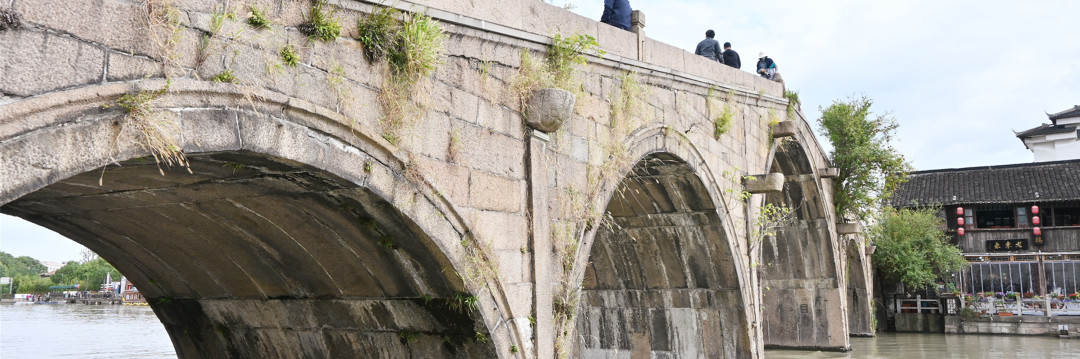
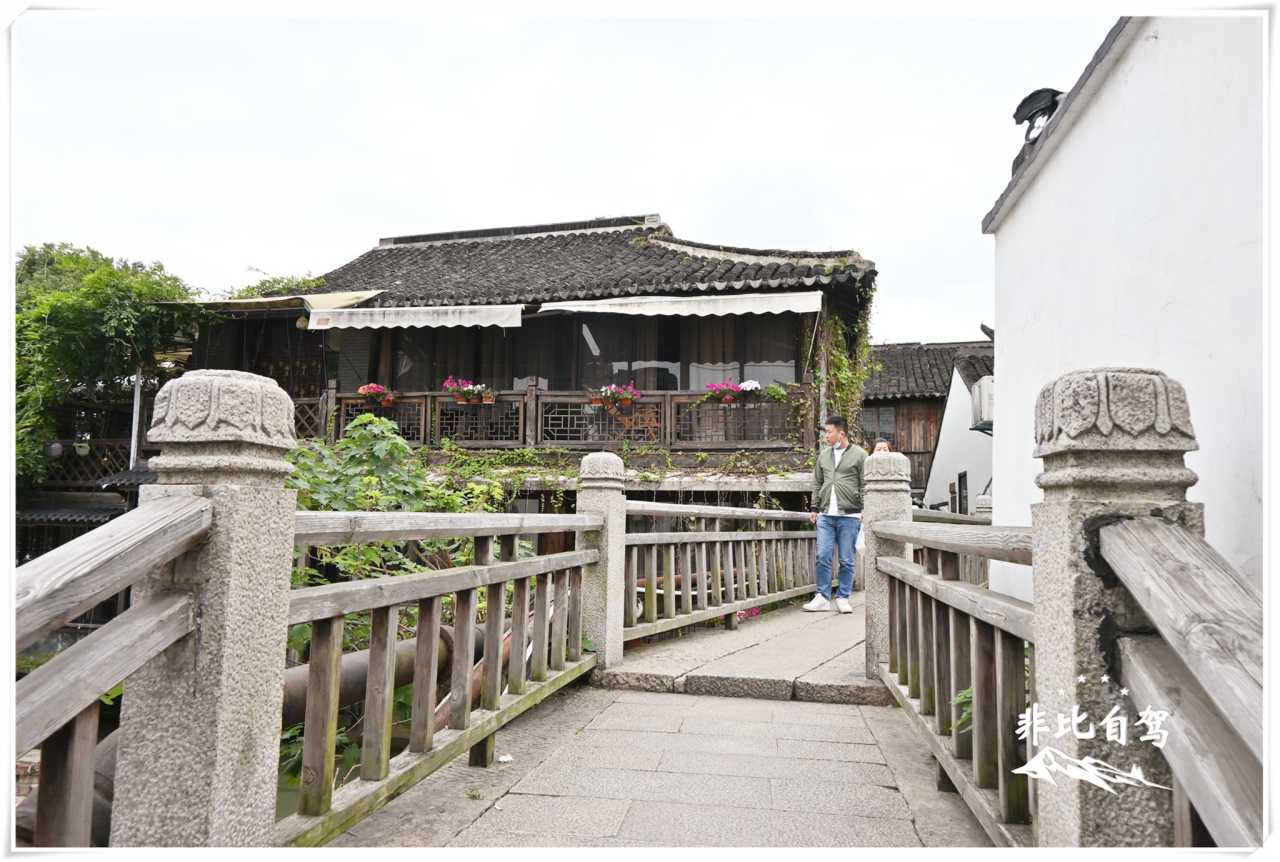
Surprisingly, you'll also find a wind-and-rain bridge here in Jiangnan! Unlike the colorful versions in Guizhou's Miao villages, Zhujiajiao's bridge is elegantly understated, blending seamlessly with the water town's aesthetic. Stand on it, watch the river flow, and let history whisper.
[Link: Jiangnan water town architecture guide]
Yuanjin Zen Temple and Kezhi Garden: A Cultural Duet
Qinghua Pavilion: The Best Panoramic View
Yuanjin Zen Temple, built in 1341 during the Yuan Dynasty, originally enshrined Guanyin, the Bodhisattva of Compassion—hence its local nickname, "The Goddess Temple." Over 600 years of warfare destroyed most of its original structures, including the Buddha statues. The current temple was rebuilt in May 2000.
Climb to Qinghua Pavilion for the best panoramic view of Zhujiajiao. From here, you see both the delicate beauty of Jiangnan water towns and the grand scale of a historic water-and-land port. On my visit, a childhood nursery rhyme came to mind: "Rock, rock, rock the boat, rock to Grandma's bridge..." Eighteen years after leaving home for Beijing, scenes like this still stir deep nostalgia.
Kezhi Garden: Where Scholarship Meets Agriculture
Kezhi Garden (also called "Ma Family Garden") embodies the philosophy of balancing study with farming. The name "Kezhi" means "study while never forgetting to farm." Inside, you'll find both a library and actual rice paddies.
A couplet in the reception hall reads: "Study classics and learn a thousand truths; plant rice and wheat, harvest nine and save three." The hidden characters "Ke" and "Zhi" reveal the family's core values.
The garden's highlight is the "Moon-Viewing Tower" —a rare four-sided diamond-shaped pavilion topped with a small four-cornered roof. The Ma family once climbed here to gaze at Dianshan Lake and survey their estate. And yes, the rice paddies are real—during my visit, the rice ears were already forming.
[Link: Qingpu District historical gardens]
Zhujiajiao Food Guide: From Blossoms Shanghai to Real-Life Flavors
The Little Wontons That Stole Bao's Heart
In Blossoms Shanghai, the character Bao travels to Zhujiajiao specifically for a bowl of little wontons. This isn't fictional embellishment—Zhujiajiao's rice, vegetables, watermelons, and snacks have been famous for centuries.
The town's aquatic bounty is especially impressive: perch, clear-water hairy crabs, river shrimp, eels, softshell turtles, whitebait, sand gobies—the variety is staggering. Freshness is guaranteed, as most ingredients come from Dianshan Lake or the surrounding waterways.
Must-Try Street Foods: Braised Pork, Meat Zongzi, and Drunken Goose
Braised trotters and "walking-off-oil" pork belly were once Chinese New Year luxury dishes. Now, they're everyday street snacks in Zhujiajiao. The walking-off-oil pork looks greasy, but one bite reveals melt-in-your-mouth tenderness and rich soy aroma. The fat literally "walks off" during cooking—hence the name.
Don't miss the century-old shop's giant meat zongzi (glutinous rice dumplings). Stuffed with generous chunks of marinated pork, these are a meal in themselves. The combination of sticky rice, savory meat, and bamboo leaf aroma is unforgettable.
Other local specialties include: - Drunken goose (marinated in Shaoxing wine) - Stinky tofu (fried to golden perfection) - Green rice balls (sweet or savory, made with mugwort) - Osmanthus cake (fragrant and delicate)
[Link: Shanghai food guide for travelers]
FAQ: Everything You Need to Know About Visiting Zhujiajiao
1. How do I get to Zhujiajiao from Shanghai?
Zhujiajiao is about 50 kilometers from downtown Shanghai. You can take: - Metro Line 17 to Zhujiajiao Station, then a short bus or taxi ride - Direct bus from Shanghai South Station or People's Square (about 1 hour) - Private car/taxi (around 1 hour via G50 Expressway)
2. What is the best time to visit Zhujiajiao?
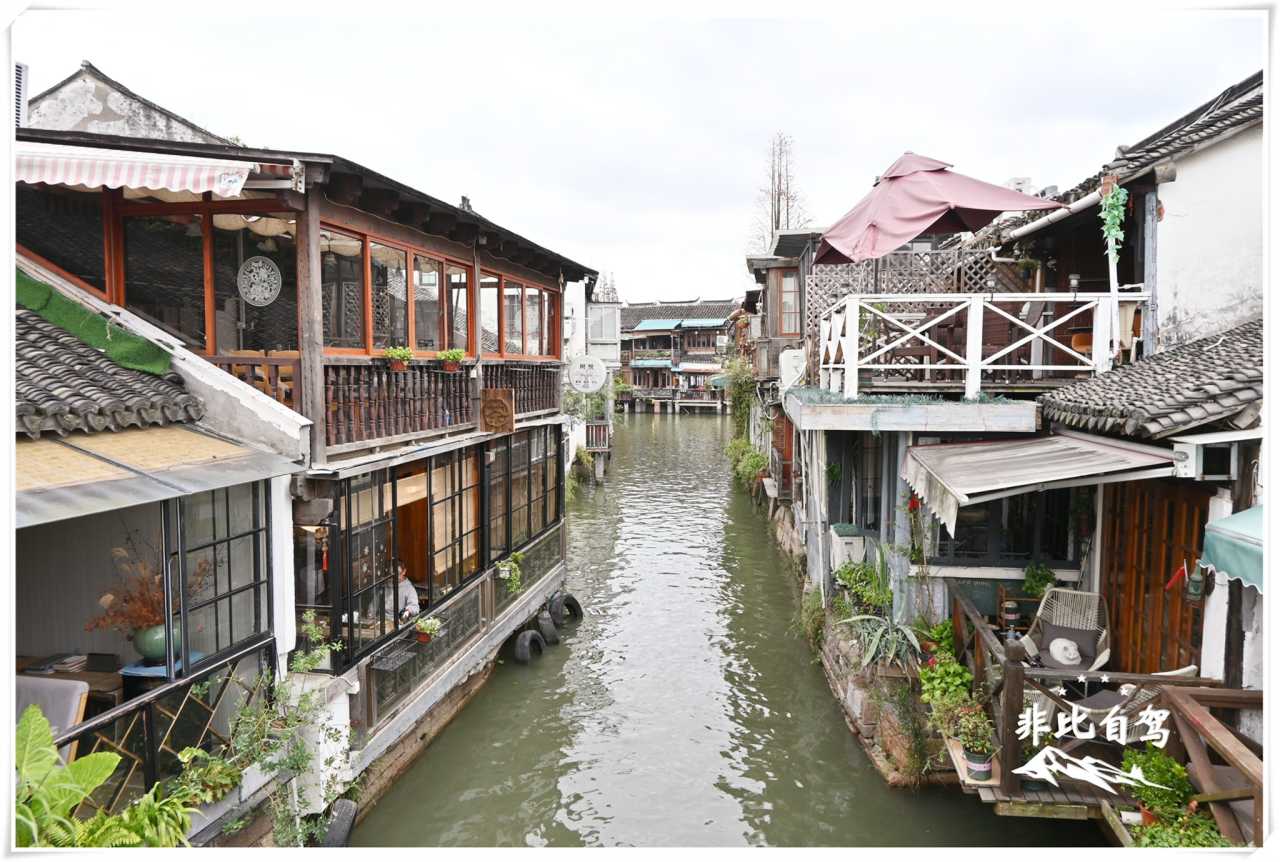
Spring (March-May) and autumn (September-November) offer the most pleasant weather. Weekdays are less crowded than weekends. For photography, visit early morning (before 9 AM) to capture misty canals and empty bridges.
3. How much time should I spend in Zhujiajiao?
A half-day trip (4-5 hours) covers the main attractions. For a deeper experience, stay overnight in a canal-side guesthouse—you'll enjoy the town after day-trippers leave and experience the magical sunrise over the water.
4. Is Zhujiajiao expensive?
Compared to Shanghai's city center, Zhujiajiao is very affordable. Street food costs 5-20 RMB per item. Main attraction tickets range from 10-30 RMB. Accommodation starts at around 200 RMB per night for budget options.
5. Can I visit Zhujiajiao as a day trip from Shanghai?
Absolutely. The 1-hour travel time makes it perfect for a day trip. Start early, spend 4-5 hours exploring, and return to Shanghai by evening. However, staying overnight allows you to experience the town's peaceful nighttime atmosphere.
Conclusion: Your Zhujiajiao Adventure Awaits
Zhujiajiao isn't just another water town—it's a living museum of Jiangnan culture, where every bridge, alley, and bowl of wontons tells a story. Whether you're a food lover, history buff, or simply seeking an escape from Shanghai's urban frenzy, this thousand-year-old gem delivers.
Skip the tourist traps. Come hungry. Come curious. Let the canals guide you.
Plan your visit today. Book your transport, pack your camera, and prepare for an experience that no TV show can fully capture. Zhujiajiao has been waiting a thousand years—your turn is now.
[Link: Book Shanghai to Zhujiajiao day tours] [Link: Top 10 Shanghai water towns to visit]
Have you visited Zhujiajiao? Share your favorite memory or food recommendation in the comments below!
You may also like