Strolling Through Ancient Capitals in Late Autumn: A Solo Travel Journal Through Kyoto, Osaka, and Nara
Meta Description: Discover the magic of solo travel through Kyoto, Osaka, and Nara in late autumn. From maple leaf reflections at Rurikoin to feeding polite deer in Nara—an honest, practical guide for solo adventurers.
Introduction: When the Maple Leaf Season Fades, the Real Journey Begins
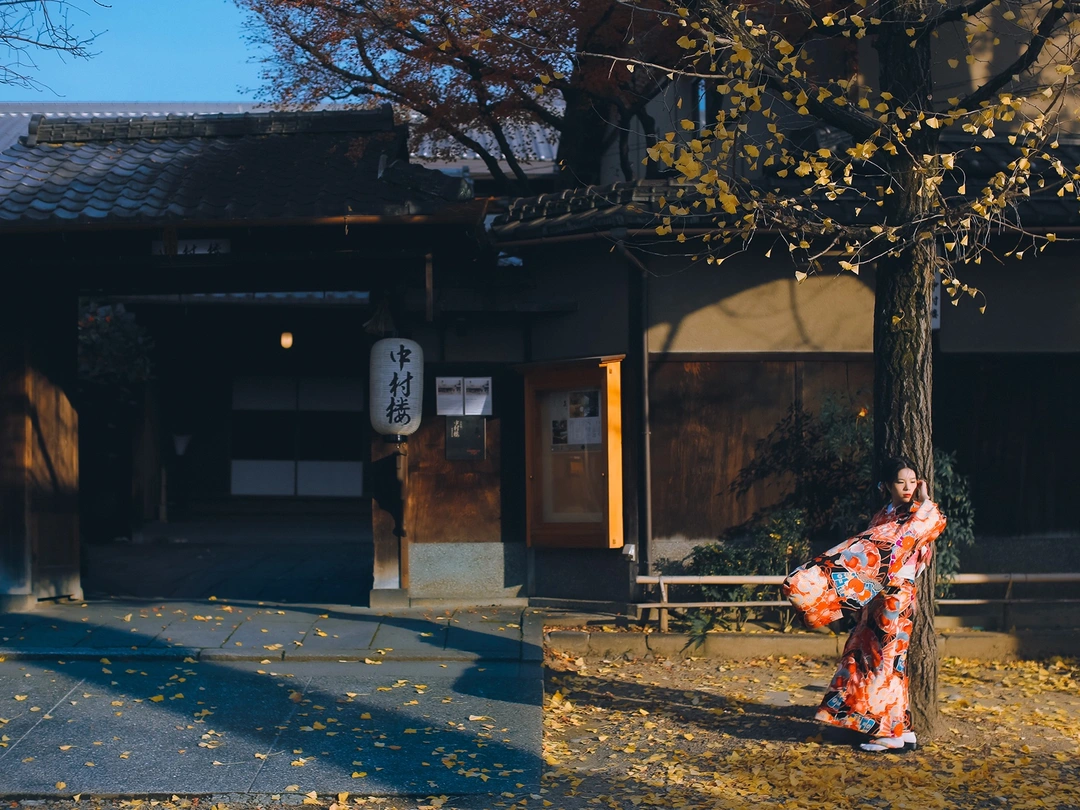
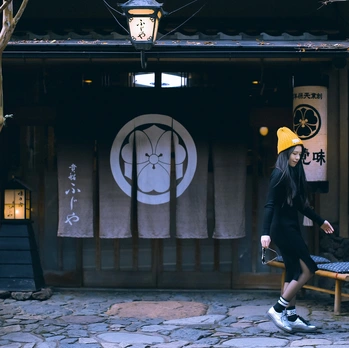
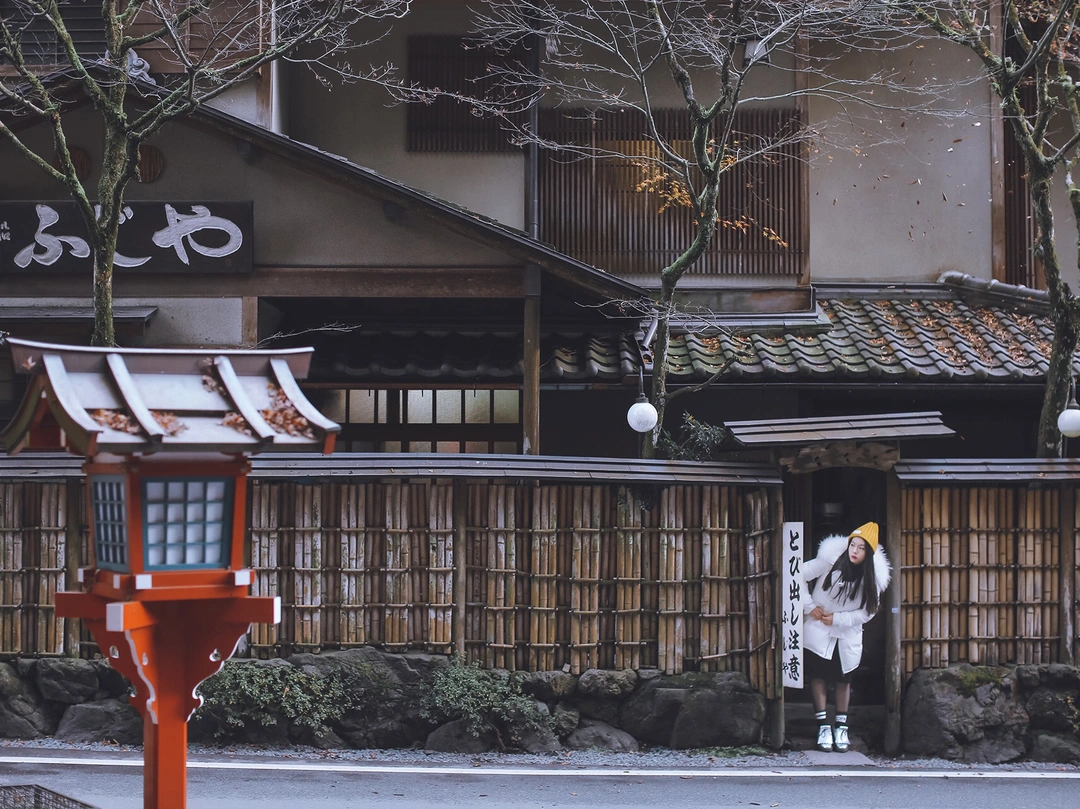
Late November in Kansai. The chill has settled onto the treetops, and the maple leaves glow with a deep, tender warmth—their final curtain call before winter. I had booked my flight three months in advance, dreaming of a fiery autumn foliage spectacle. But the true protagonist of this journey wasn't the crimson leaves. It was me—alone on foreign streets, wearing a kimono, clacking along in wooden geta sandals, braving the cold wind, walking paths that were mine alone.
If you're wondering whether solo travel to Kyoto during maple season feels like a missed opportunity, I'll be honest: sometimes it does. Especially when you see groups of friends laughing together in vibrant kimonos, and you can only ask a stranger to snap a photo that makes you "look happy too." But here's the truth: being alone has its own kind of freedom. And in this solo travel journal through Kyoto, Osaka, and Nara, I'll show you exactly why.
Pre-Trip Preparation: Practical Details You Absolutely Need to Know

Timing the Maple Leaf Season: Don't Make My Mistake
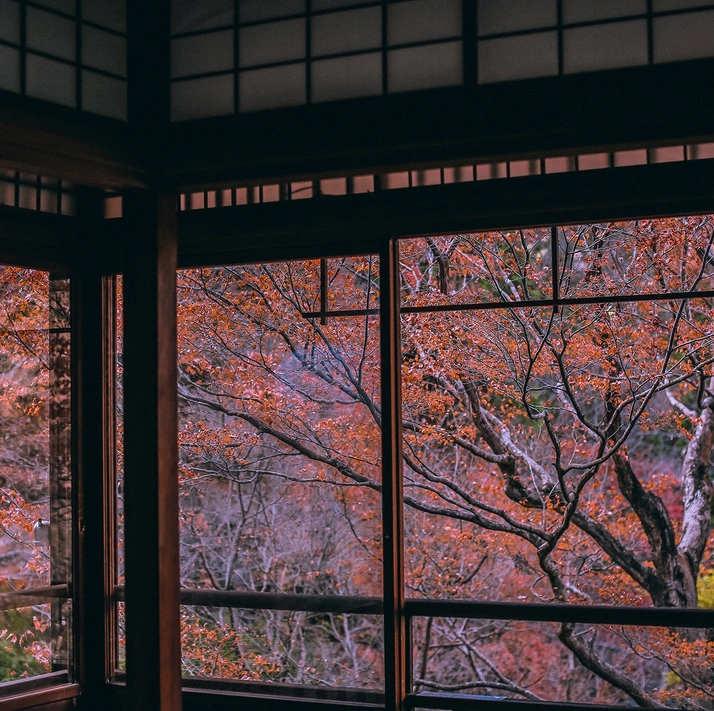
The blooming and falling of maple leaves vary every year. That's not empty advice—it's a hard-earned lesson. If you're chasing autumn foliage, check the year's koyo zensen (maple front) forecast before you book. Japan's prediction system is just as reliable as its cherry blossom forecast. I arrived at the tail end of the season. Beautiful? Yes. Overwhelming? Not quite. [Link: Best time to visit Japan for autumn foliage]
Choosing Your Transportation Pass: Save Money, Travel Smart
Since I was staying for a week, I bought a COCO Card (easily found on Taobao). For shorter stays, consider a Kansai Thru Pass. After landing at Kansai Airport in Osaka, my first move was to purchase a JR line ticket and a Sagano Romantic Train ticket. But honestly? I don't think the Sagano train is necessary. I'll explain why later.
Rurikoin Temple: Sutra Copying, Wooden Floors, and Bone-Chilling Cold
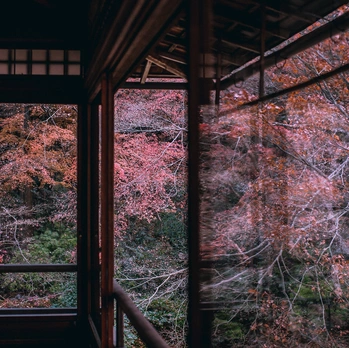
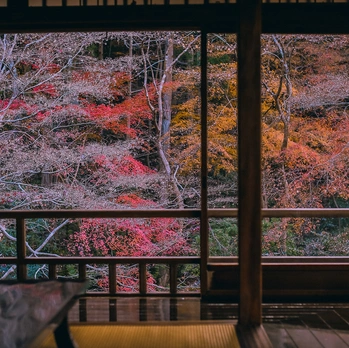
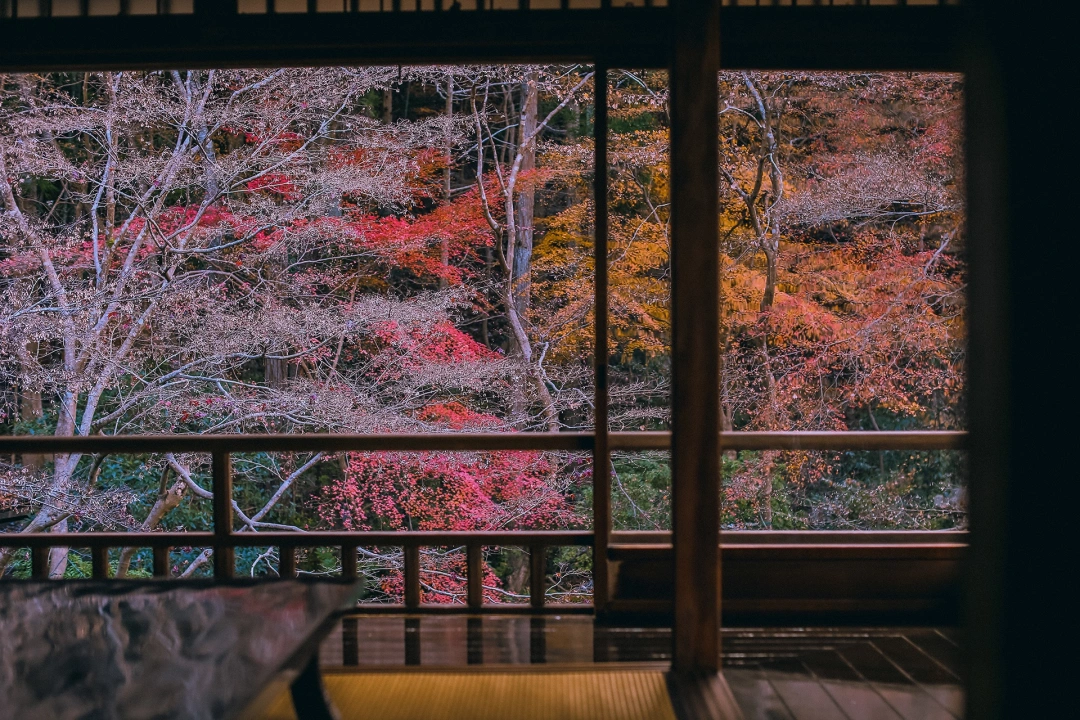
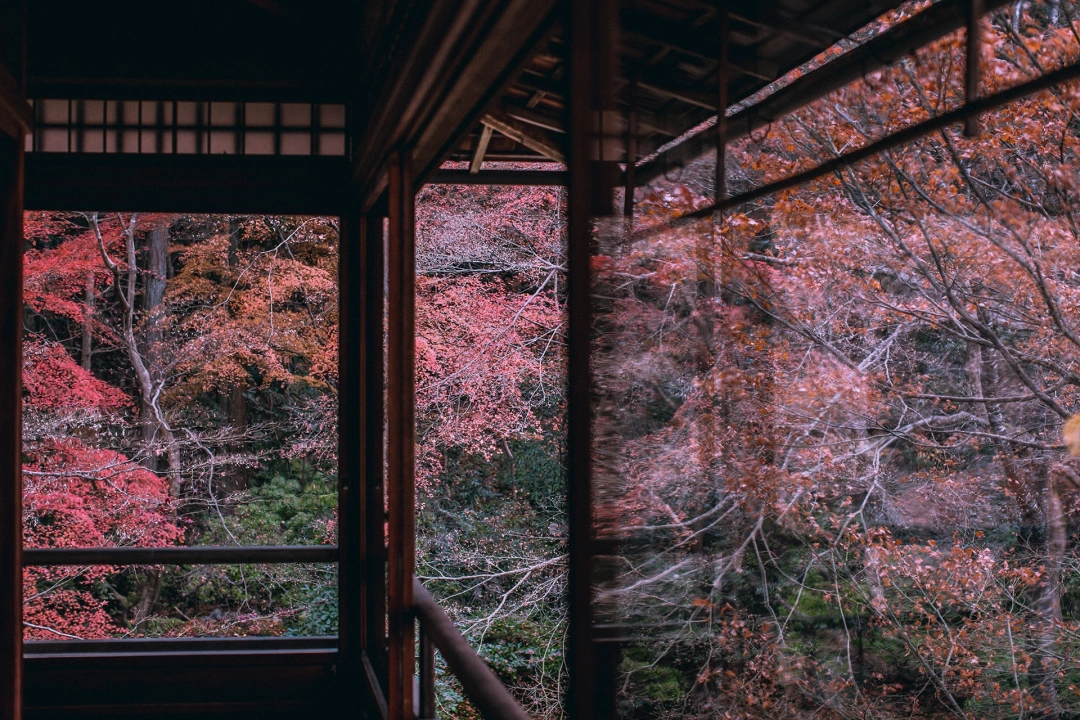
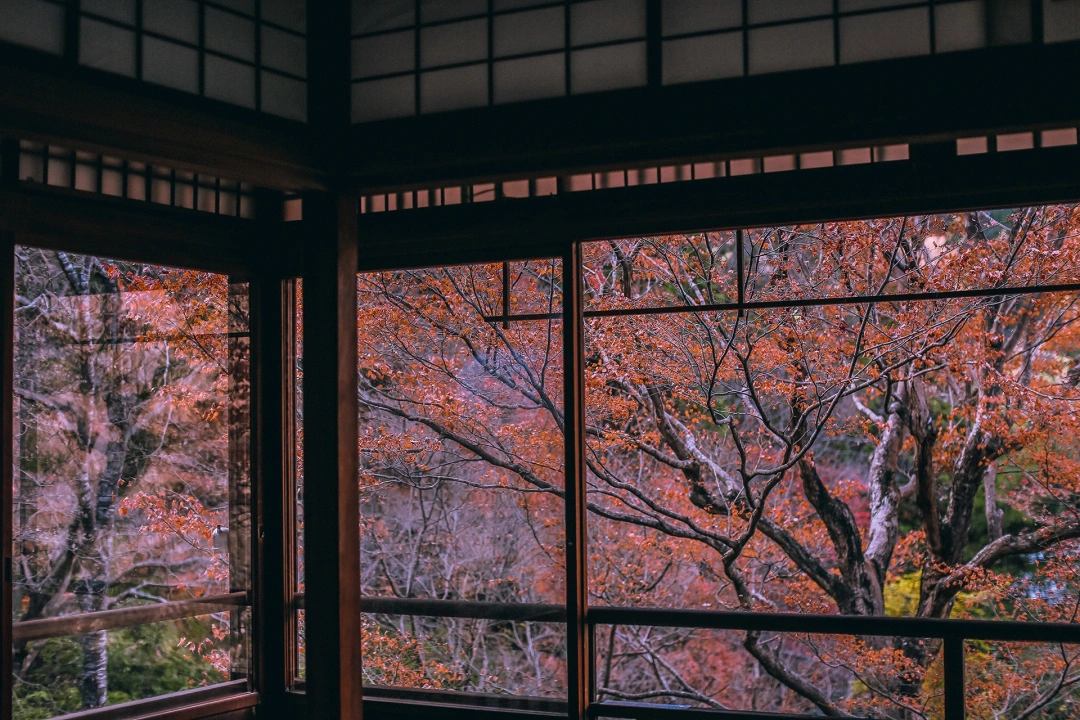
Rurikoin Temple was my first stop—and it remains one of the most breathtaking places I've ever visited. Before you go, check the official website for opening hours. This temple is famous for its maple leaf reflection: lacquered tabletops indoors mirror the crimson leaves outside, creating an image so surreal it feels like a dream.
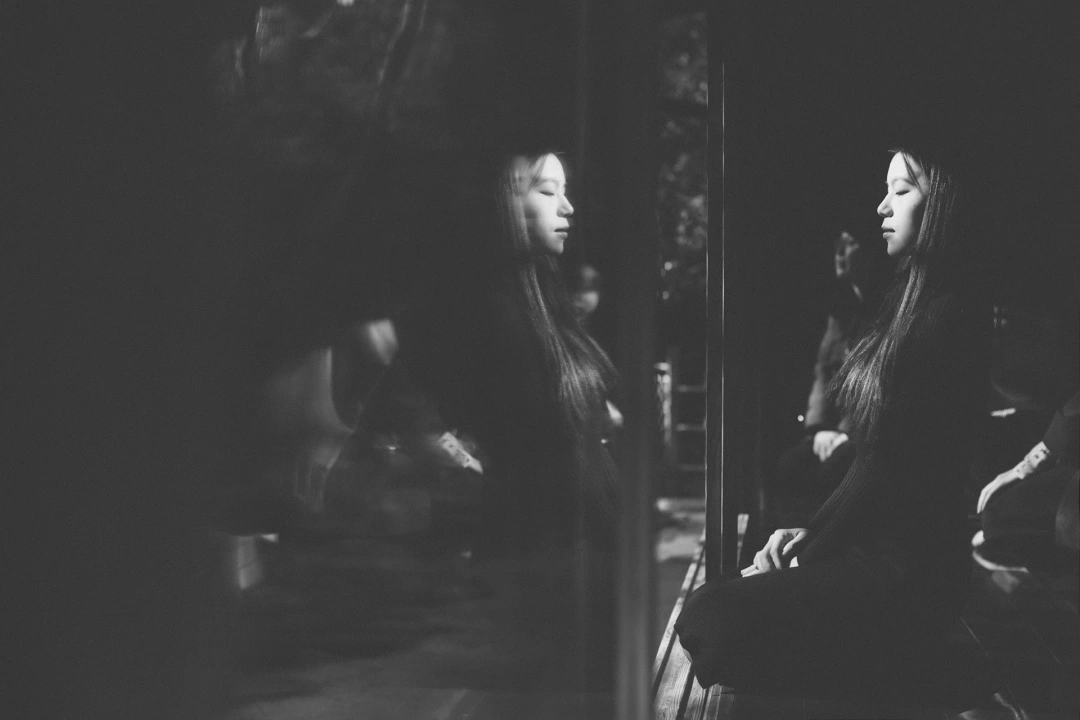
By December, Kyoto is freezing. Dress warmly. You need a ticket to enter the temple grounds, and there's often an exhibition where visitors can sit and copy Buddhist sutras. I just took in the scenery and snapped photos. But here's a crucial detail: because the temple is near the mountains, the temperature drops significantly. Walking barefoot on the wooden floors—the cold penetrates straight through your soles and shoots up to your skull. I practically tiptoed through the pain. Pro tip: Bring thick socks if you visit in winter.
Kifune Shrine: A "Go If You Have Time, Skip If You Don't" Kind of Place
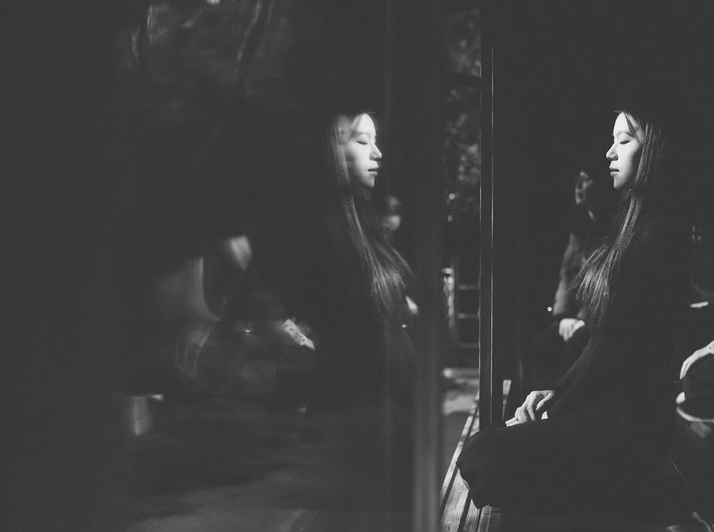
Kifune Shrine was my Day Two destination. There's a free shuttle bus from the station, but I chose to walk—about 30 minutes. The shrine itself is small and delicate. If you have extra time, it's a lovely place to soak in mountain tranquility. But if your schedule is tight, honestly, you won't miss much by skipping it. It's a spot for slowing down and daydreaming, not a must-see landmark. [Link: Off-the-beaten-path temples in Kyoto]
Arashiyama: The Little Train, a Wasteland, and a Long-Awaited Bowl of Unagi Don
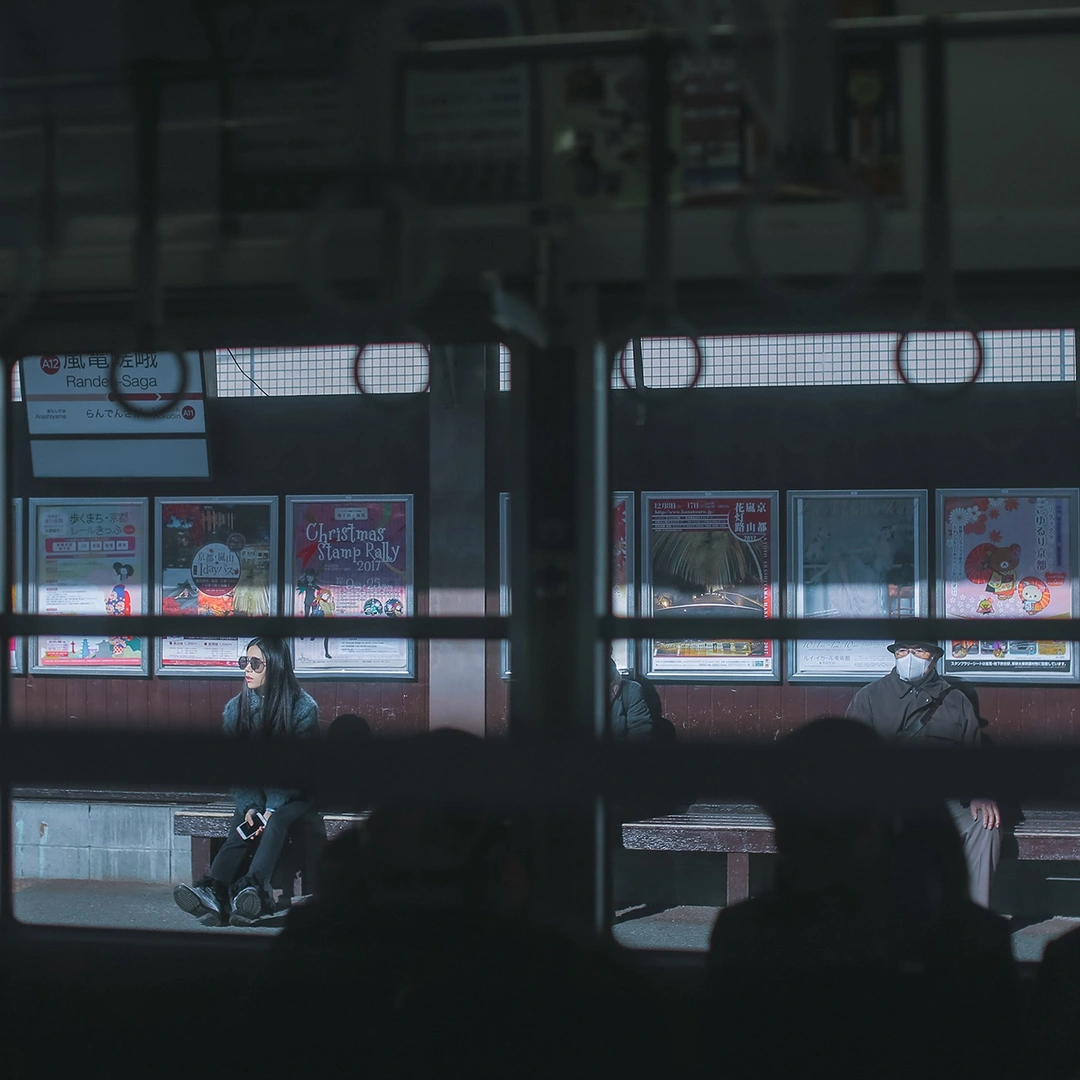
I took the Sagano Romantic Train straight to Kameoka Station. But as I mentioned earlier, I really don't think the train ticket is worth it. Arashiyama's beauty is best explored on foot—strolling along the bamboo grove path, feeling the light dance through the leaves, is far more profound than rushing past in a train car.
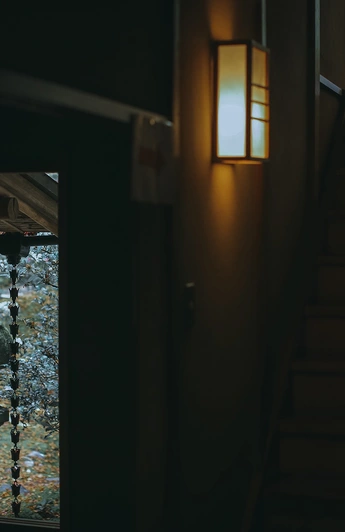
When the train reached its final stop, I found myself in a barren field with a maternity hospital nearby. I wandered around this "wasteland" and discovered it was quiet, uncrowded, and perfect for photos. If you enjoy that "deserted world" feeling, linger here a while.
Then came the most obsessive moment of my trip: waiting an entire hour in the cold wind for a bowl of unagi don (grilled eel over rice). You can find the restaurant on Dianping, and the hours are clearly posted. Arrive early—the line is long. By the time I finished eating, the sun had set, and the streets were empty. Yet just an hour earlier, they had been packed with people. That feeling—"the liveliness belongs to them; I only have my bowl of eel rice"—was both satisfying and lonely, impossible to fully describe.
Fushimi Inari Shrine: At the End of the Thousand Torii Gates Lies a Path Less Traveled
Fushimi Inari Taisha is always crowded. That's inevitable. But if you're willing to climb higher, the higher you go, the fewer people you'll encounter. For photos, you absolutely must go up! The iconic shots of the thousand vermillion torii gates are taken at higher elevations because the lower sections are swarming with tourists.
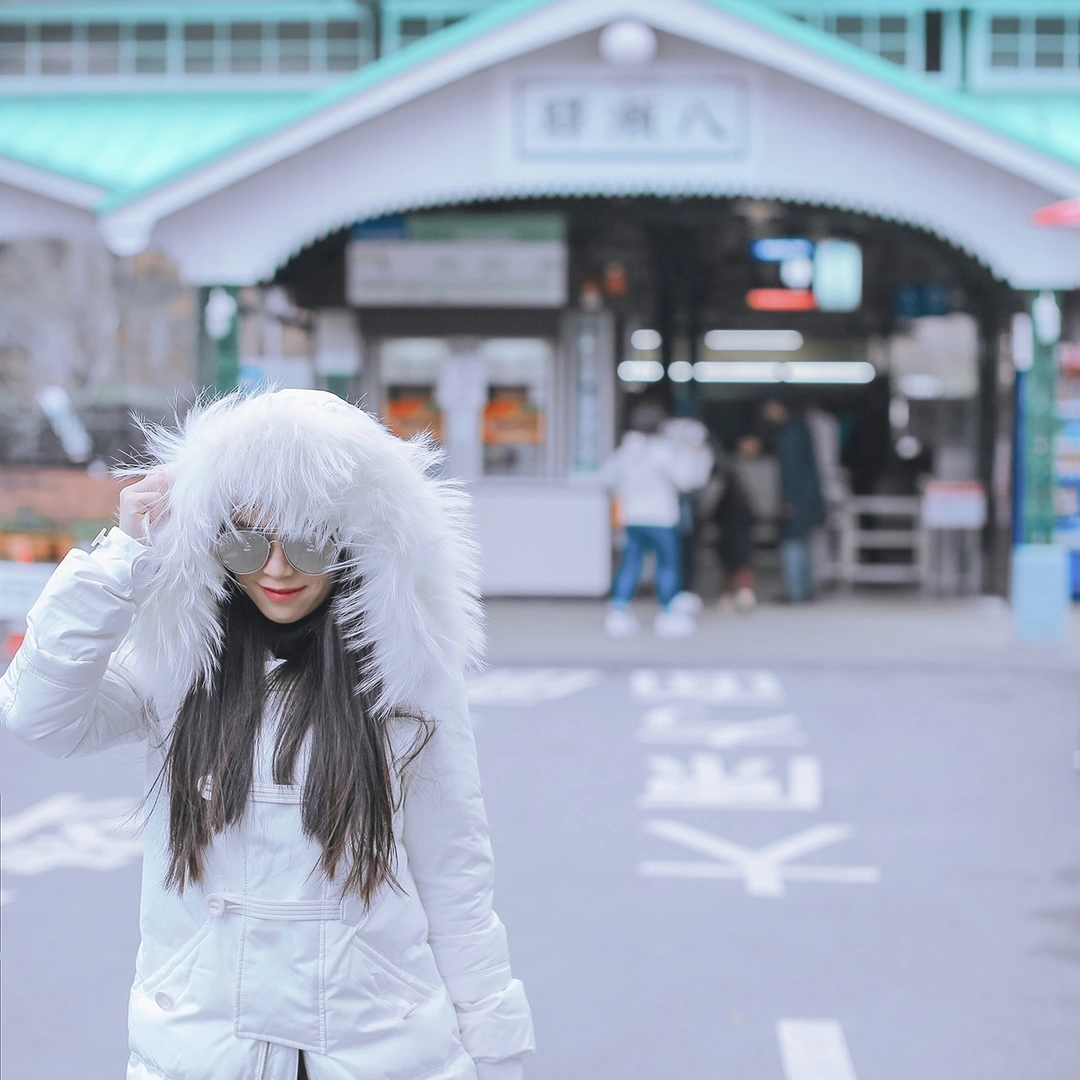
Let me say a bit more about wearing a kimono solo. At Fushimi Inari, there weren't as many people wearing kimonos as I expected. At first, I felt self-conscious—wearing a kimono alone always feels like something's missing: those girlfriends to laugh and pose with. I found a kimono rental shop on the street (searchable on Dianping), with Chinese translation services and various price tiers. Since it was my first time, I went for the most expensive option, and the quality and design were noticeably better. But once dressed, I didn't use the restroom for five hours—it's just too much trouble! Kimono rentals usually last six hours, and I couldn't even bend over to eat a bowl of noodles. Walking around in winter, no coat over the kimono, taking the subway and walking the streets—looking back, I'm kind of impressed with myself.
I've worn a kimono now, and I probably won't again. Not because I didn't like it, but because it's simply too inconvenient. But if you love photography and have a group of wonderful girlfriends, you absolutely must wear them together once. That's my only regret from this trip—no one to share a kimono photo with under the thousand torii gates. [Link: Best kimono rental shops in Kyoto]
Nara: Winter Deer Are More Polite (and Smarter) Than You'd Expect
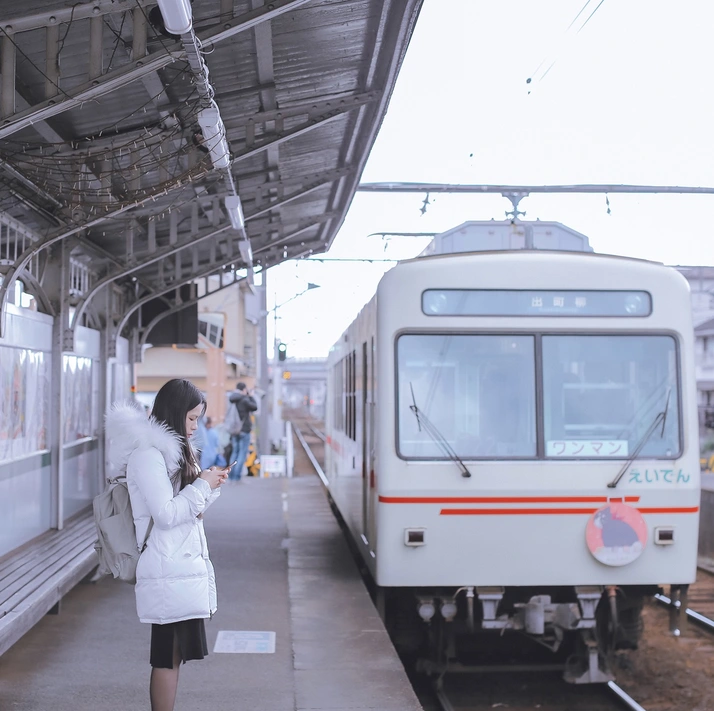
In winter, Nara's lawns are bare, but the deer are still there. They're very polite—when you feed them, they bow to you. Of course, that only happens if you have food in hand. Don't be too obvious, or a whole herd will surround you because they know you've got snacks. When you're not feeding them, they couldn't care less. Clever creatures.
I watched several deer approach visitors' strollers and snatch food right out of their hands. You can buy deer crackers (shika senbei) from roadside stalls, but never put them in your pocket—a deer will shove its head right in to help itself. I'm naturally afraid of animals, so I just watched from a distance, too scared to get close. Nara is small; half a day is enough. The streets are narrow, and if you're shopping, drugstores in Nara and Kyoto tend to be cheaper than in Osaka. [Link: How to feed deer in Nara safely]
Osaka: Kuromon Market, Pineapple Buns, and Taiyaki on Orange Street
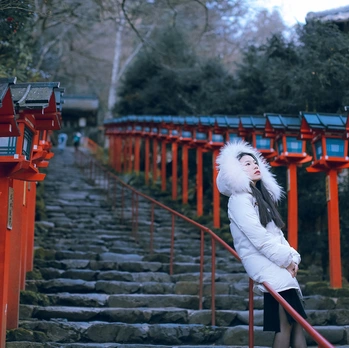
In Osaka, my main activities were shopping and eating. I stayed near Kuromon Market, so I could wake up early and head straight for grilled meat and sushi. Fresh, delicious, and reasonably priced—not cheap, but not outrageous either. If you love sushi, this is the place.
But let me warn you about one thing: the pineapple bun (a sweet pastry) and taiyaki (fish-shaped cake) on Orange Street are dangerously addictive. I ate three in one afternoon. No regrets.
FAQ: Solo Autumn Travel in Kansai
1. Is late November a good time to see autumn foliage in Kyoto?
 Yes, but it's the tail end of the season. Check the koyo zensen forecast before booking. Late November offers deep, warm colors rather than blazing reds.
2. Can I wear a kimono alone in Kyoto?
 Absolutely! But be prepared for the inconvenience—kimonos are tight, difficult to move in, and you won't use a restroom for hours. Bring thick socks for cold weather.
3. Do I need the Sagano Romantic Train ticket?
 In my opinion, no. Arashiyama is best explored on foot. The train ride is short and the views are similar to walking. Save your money for unagi don.
4. Are Nara deer aggressive in winter?
 No, they're polite and bow when fed. But they're smart—don't put deer crackers in your pocket, or they'll help themselves.
5. Which city is cheapest for shopping?
Nara and Kyoto drugstores tend to be cheaper than Osaka. For food, Kuromon Market in Osaka offers great value sushi and grilled meat.
Conclusion: Your Solo Autumn Adventure Awaits
Solo travel through Kyoto, Osaka, and Nara in late autumn isn't about perfect photos or flawless itineraries. It's about the moments that catch you off guard—the bone-chilling cold at Rurikoin, the hour-long wait for eel rice, the deer that bow to you, and the quiet freedom of walking alone through thousand-year-old streets.
Yes, you'll feel lonely sometimes. Yes, you'll wish for friends to share a kimono photo with. But you'll also discover something irreplaceable: the courage to be your own companion.
Ready to plan your solo autumn adventure? Start by checking the maple leaf forecast, book your COCO Card or Kansai Thru Pass, and pack those thick socks. The ancient capitals are waiting—and so is the person you'll become along the way.
[Link: Complete solo travel itinerary for Kyoto, Osaka, and Nara] [Link: Best budget-friendly accommodations in Kansai for solo travelers]
Have you traveled solo through Japan's ancient capitals? Share your story in the comments below—I'd love to hear about your own maple leaf moments.
You may also like