Israel Travel Guide: Standing at History’s Crossroads – A Journey Through a Contested Land
Meta Description: Discover Israel travel insights from Jerusalem to the Dead Sea. Explore holy sites, modern cities, and ancient history in this comprehensive guide to a nation at the crossroads of faith and conflict.
Introduction: Why Israel Remains the World’s Most Fascinating Destination
"Mom, I want to visit Jerusalem."
Those words, spoken over a casual dinner, sparked a journey that would redefine my understanding of history, faith, and conflict. When my mother heard the news—"Fifty-five Palestinians killed in Gaza border clashes as US Embassy opens in Jerusalem"—she questioned my sanity. But I had already made up my mind.
Israel is a country that, at 70 years old, is younger than my own mother, yet carries a history older than most civilizations on Earth. It's a destination that forces you to confront the extraordinary—where every stone tells a story of conquest, resilience, and hope.
This guide will take you through the heart of Israel, from the ancient streets of Jerusalem to the surreal salt waters of the Dead Sea. Whether you're a history buff, a spiritual seeker, or a curious traveler, Israel offers an experience unlike any other.
What Exactly Is Israel? Understanding the Paradox
Israel is a paradox wrapped in desert sand and olive branches. Geographically, it sits at the crossroads of three continents: Asia, Africa, and Europe. It's the dividing line between the Red Sea and the Mediterranean—a sliver of land that has nurtured civilizations for millennia.
Spiritually, it's the holy ground of Judaism, Christianity, and Islam—the only place on Earth where three major religions claim the same city as their sacred center. Jerusalem alone is home to the Western Wall, the Church of the Holy Sepulchre, and the Dome of the Rock.

But Israel is also a blade. A narrow, jagged edge thrust into the heart of the Arab world, surrounded by nations that have, at various points, sought its destruction. It has been invaded, occupied, and reborn. It has fought wars that reshaped borders and redefined alliances.
Key Israel travel facts: - Capital: Jerusalem (disputed) - Official languages: Hebrew, Arabic - Currency: Israeli Shekel (1 ILS ≈ 1.8 RMB) - Population: ~9.5 million - Best time to visit: March–May or September–November for mild weather
[Link: Israel travel safety tips]
First Impressions: The Shock of Normalcy in Israel
Landing at Ben Gurion Airport in Tel Aviv, the heat hit me like a wall. But my travel companion was sweating for a different reason—he had visited Iran the year before, a red flag in Israeli immigration.
We watched from a safe distance as the female officer flipped through his passport. She paused. She frowned. She called over a male colleague. Time stretched into eternity. Then, with a shrug and a few keystrokes, the man stamped the passport and handed it back. No interrogation. No drama.
Welcome to Israel: where the ordinary and extraordinary coexist in the same breath.
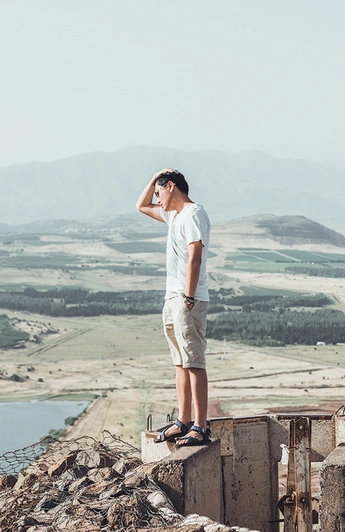
On the drive to Jerusalem, the landscape told its own story. Massive barbed-wire fences sliced through the hills like scars. Checkpoints dotted the roads, manned by soldiers who looked young enough to be in high school, their fingers never far from their triggers.
For a moment, I felt like I had stepped into the center of the world—a stage where the drama of human history was still unfolding.
Jerusalem Travel Guide: The City of Gold and Grief
Entering the Old City: A Living History Book
Jerusalem is divided into East and West, both now under Israeli control. But the city I encountered was not the dusty, chaotic war zone of news reports. West Jerusalem was clean, orderly, and almost mundane. Trams glided through modern streets. Cafés bustled with patrons. Children played in parks.
The Old City, however, is where the magic—and the madness—truly begins.
Barely one square kilometer in size, it is divided into four quarters: Jewish, Christian, Muslim, and Armenian. Each quarter has its own rhythm, its own scent, its own God. Walking through its narrow alleys is like flipping through a living history book—every stone, every archway, every faded sign tells a story of conquest, faith, and resilience.
"God gave the world ten parts of beauty, and nine went to Jerusalem," goes the ancient saying. But the world also gave Jerusalem ten parts of sorrow, and nine of those stayed too.
The Western Wall: Prayers in Stone
The Western Wall—known to the world as the "Wailing Wall"—is the last remnant of the Second Temple, destroyed by the Romans in 70 CE. Today, it is the holiest site in Judaism, a place where the faithful come to weep, pray, and slip handwritten notes into the ancient cracks.
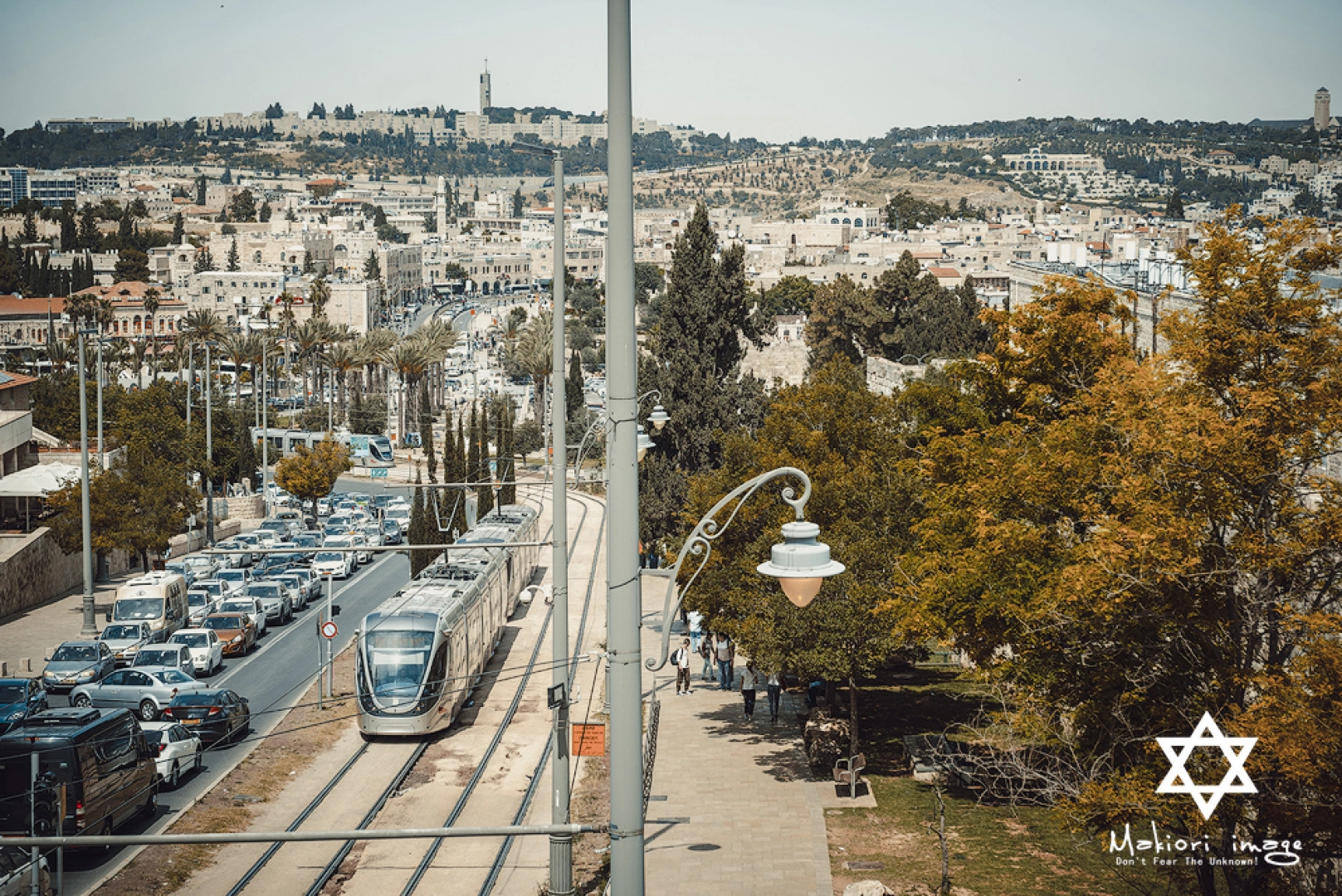
I watched as a man in a black suit pressed his forehead against the stone, his lips moving in silent prayer. Beside him, a young woman in jeans and a t-shirt did the same. The wall, it seemed, did not discriminate. It absorbed the hopes of the devout and the doubts of the curious alike.
Visitor tips for the Western Wall: - Dress modestly: Shoulders and knees covered - Separate sections: Men and women pray in different areas - Bring a note: Slip written prayers into the cracks - Best time: Early morning or late evening to avoid crowds
[Link: Jerusalem holy sites itinerary]
The Church of the Holy Sepulchre: Christian Soul of Jerusalem
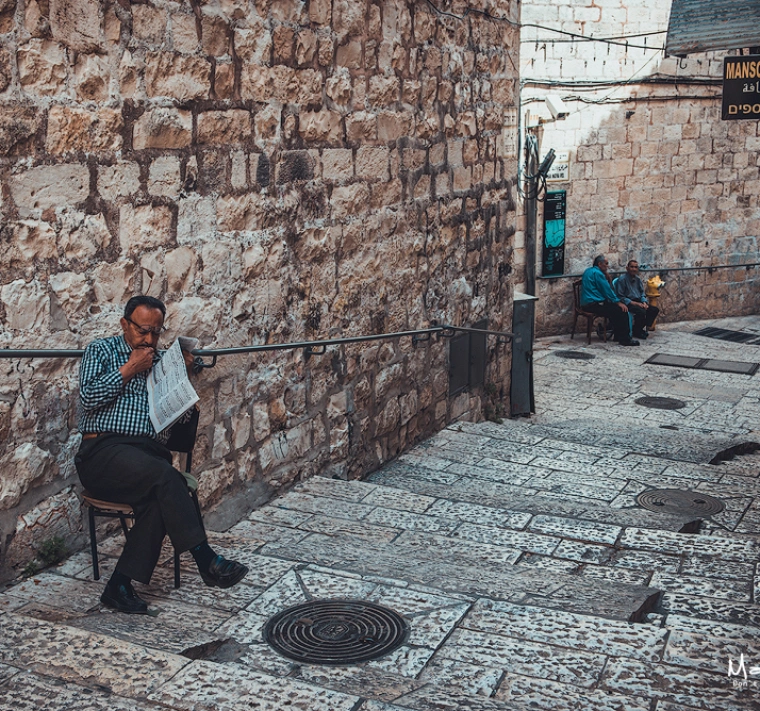
If the Western Wall is the heart of Jewish Jerusalem, the Church of the Holy Sepulchre is its Christian soul. According to tradition, this is where Jesus was crucified, buried, and resurrected.
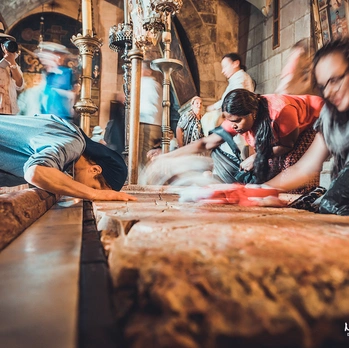
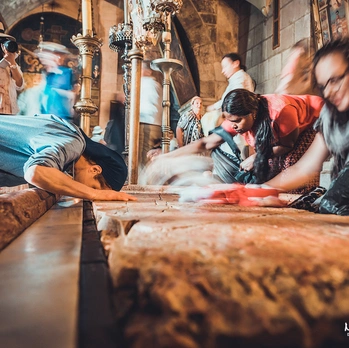
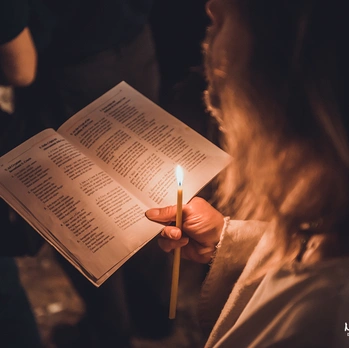
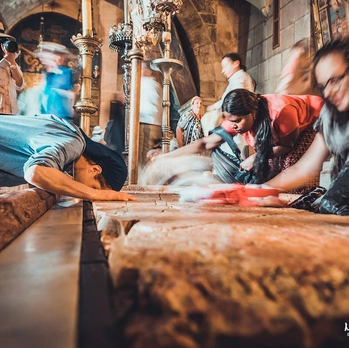
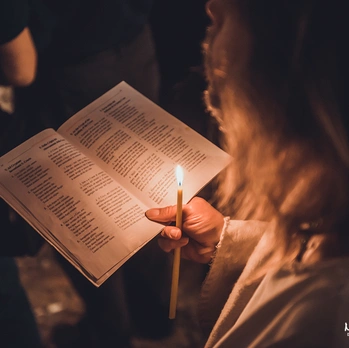
Inside, the air is thick with incense and candle smoke. Pilgrims kneel before the Stone of Anointing, where Jesus' body was prepared for burial. Some weep openly. Others chant hymns in languages I couldn't identify. Even as a non-believer, I felt my breath catch. There is something profoundly moving about witnessing faith so raw, so unguarded.
Mahane Yehuda Market: A Feast for the Senses
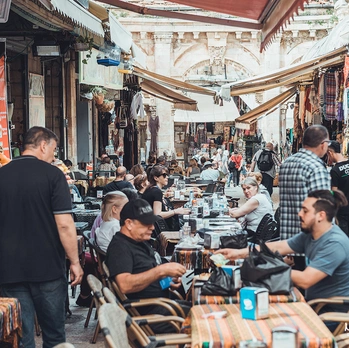
For a break from the sacred, head to the Mahane Yehuda Market. This is Jerusalem's beating heart—a chaotic, colorful bazaar where vendors hawk everything from fresh pomegranates to spiced pastries. The air hums with the shouts of merchants, the sizzle of frying falafel, and the laughter of locals.
Bargaining tip: Start at 50% of the asking price. I settled on 80 shekels for a hand-painted ceramic plate after the vendor's mock horror at my initial offer of 50.
The Dead Sea: Floating on Liquid Time
The Dead Sea is the lowest point on Earth—430 meters below sea level. I had read about it in elementary school textbooks, but nothing prepared me for the reality.
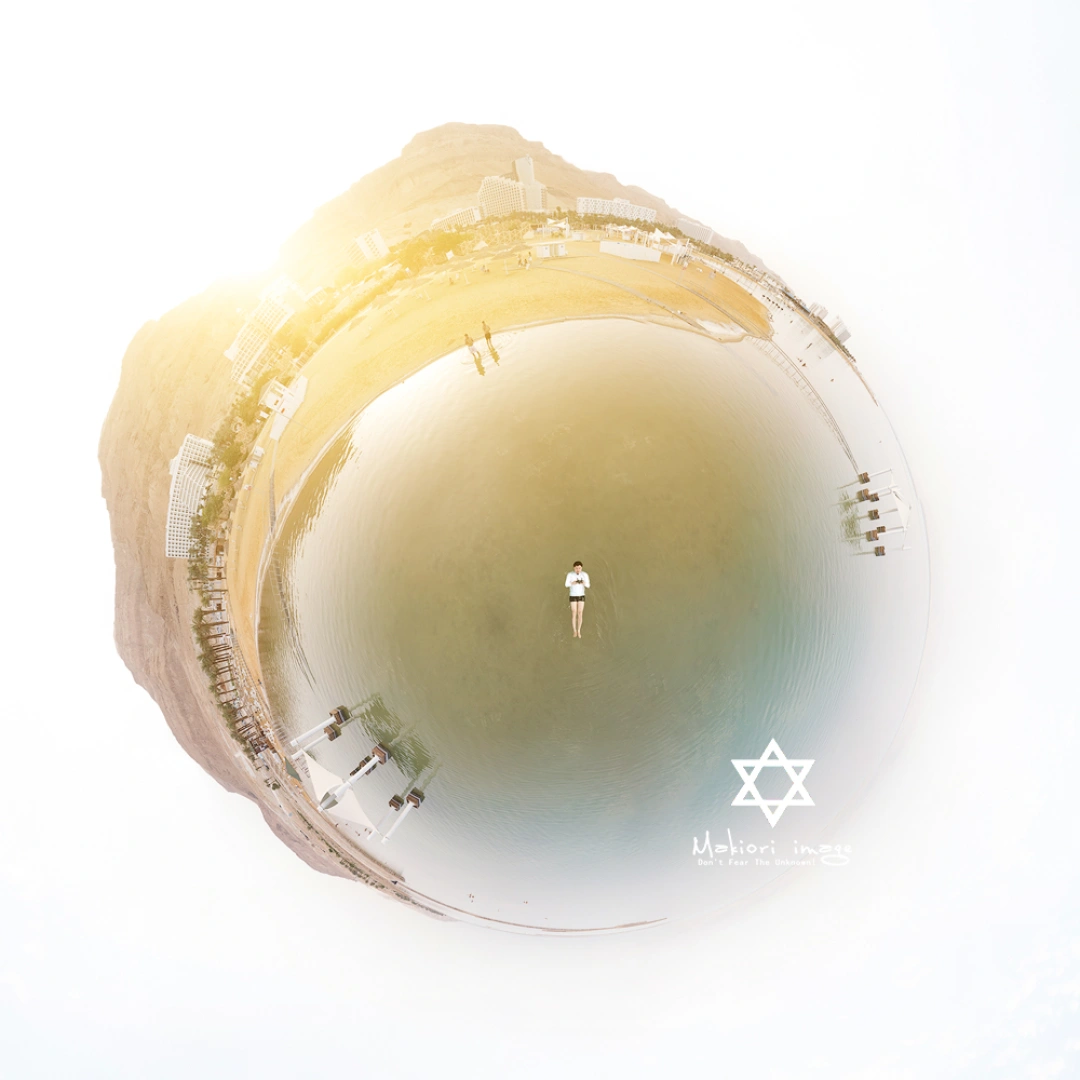
From ground level, the water looks gray and unremarkable. But from the air—thanks to my drone—it transforms into a stunning gradient of red, yellow, and green, like a watercolor painting come to life.
Dead Sea travel tips: - Don't shave 24 hours before: The salt will sting - Don't splash: Saltwater in eyes is excruciating - Float naturally: The buoyancy is incredible - Bring fresh water: For rinsing off - Cover cuts: The salt burns like fire
I was, I believe, the first person to fly a drone while lying on the Dead Sea. The experience was equal parts surreal and painful. As I struggled to keep my neck above water, a splash of saltwater hit my eye. The pain was immediate and blinding. I spent the next ten minutes rinsing my face with fresh water, vowing never to take my eyes for granted again.
Nearby, a group of Arab tourists waved at my drone. "Take our picture!" they shouted. I obliged, and they immediately flopped onto their backs, arms and legs splayed, hamming it up for the camera. In that moment, the Dead Sea felt less like a biblical landmark and more like a giant, salty playground.
Masada: Where Defiance Became Legend
Perched on a rocky plateau overlooking the Dead Sea, Masada is Israel's Alamo—a symbol of resistance against impossible odds.
In 73 CE, nearly 1,000 Jewish rebels fled to this fortress after the Romans destroyed Jerusalem. For three years, they held out. When the Romans finally breached the walls, the defenders chose death over enslavement. They drew lots to select ten men who would kill the others, then one man who would kill the remaining nine before taking his own life.
"Masada shall never fall again," they shouted as they died.
Today, the site is a pilgrimage destination for Israeli soldiers and schoolchildren. Standing atop the ruins, with the desert wind whipping around me, I understood why. This is a place where history's ghosts still whisper.
Visiting Masada: - Best time: Sunrise (avoid midday heat) - Hike up: The Snake Path takes about 45 minutes - Cable car available: For those short on time - Bring water: At least 1 liter per person
[Link: Masada hiking guide]
Galilee and the Golan Heights: Northern Israel's Hidden Gems
The Sea of Galilee (Lake Kinneret) is where Jesus is said to have walked on water. Today, it's a peaceful retreat where locals and tourists alike come to swim, fish, and relax. The surrounding Golan Heights offer stunning views of the Syrian border and some of Israel's best hiking trails.
Things to do in Galilee: - Visit Capernaum (Jesus' ministry base) - Take a boat ride on the Sea of Galilee - Explore the ancient city of Tiberias - Hike the Golan Heights trails
Israel Travel FAQ
1. Is Israel safe for tourists?
 Yes, most tourist areas are safe. While the region has political tensions, major cities like Jerusalem, Tel Aviv, and Haifa have low crime rates. Stay informed about current events and avoid border areas near Gaza and Syria.
2. What is the best time to visit Israel?
 Spring (March–May) and autumn (September–November) offer mild weather perfect for sightseeing. Summer can be extremely hot, especially in the desert.
3. Do I need a visa to visit Israel?
Many nationalities (including US, UK, EU, and Chinese passport holders) get a free 90-day tourist visa on arrival. However, having an Israeli stamp may affect travel to some Arab countries. Ask for a separate paper entry card instead.
4. What should I pack for Israel?
 - Modest clothing for religious sites (cover shoulders and knees) - Comfortable walking shoes - Sunscreen and hat - Reusable water bottle - Power adapter (Type H, 230V)
5. How expensive is Israel?
Israel is a developed country with prices comparable to Western Europe. A basic meal costs around 100 RMB ($14 USD). Budget for at least $100–150 USD per day for mid-range travel.
Final Thoughts: Why Israel Deserves a Place on Your Bucket List
Israel is not an easy destination. It challenges your assumptions, tests your patience, and forces you to confront uncomfortable truths. But it also rewards you with moments of profound beauty—the golden light over Jerusalem at sunset, the surreal sensation of floating in the Dead Sea, the echo of ancient prayers at the Western Wall.
This is a country where history is not confined to museums. It lives in the streets, the stones, and the people. Whether you come for faith, history, or simply curiosity, Israel will leave an indelible mark on your soul.
Ready to plan your Israel adventure? Start by checking flight deals to Tel Aviv, book accommodation in Jerusalem's Old City, and prepare for a journey that will challenge and transform you.
Have you visited Israel? Share your experience in the comments below!
This article is based on firsthand travel experiences and historical research. For the latest travel advisories, check your government's travel website before booking.