Grand Tour of Shanghai's Churches, Architecture, and Shikumen: Measuring a City by Foot and Bicycle
Meta Description: Discover Shanghai's hidden architectural treasures—from Bund landmarks to Shikumen lanes—on a five-day walking and cycling pilgrimage. Explore churches, colonial buildings, and local life in this SEO-optimized travel guide.
Introduction: Why Measure Shanghai by Foot and Bicycle?
Every journey deserves to be remembered, and this time, I chose the simplest way—by foot and bicycle—to measure the soul of a city. Shanghai, a metropolis blending Eastern charm with Western flair, offered me a brand-new perspective on my third visit. On my first two trips, I rushed through the classics: Nanjing Road Walkway, the Shanghai Museum, and Yuyuan Garden were all must-sees. But this time, I stayed for a week, determined to delve deep into the architectural treasures hidden in its alleys and lanes.
If you're searching for an off-the-beaten-path Shanghai itinerary, this guide is for you. We'll explore Shanghai's churches, colonial architecture, and Shikumen houses—measuring the city not by kilometers, but by stories etched in stone and brick.
Origins: From Miniature Models to Real-Life Pilgrimage
During my first visit to Shanghai, I had been to the Shanghai Urban History Development Exhibition Hall inside the Oriental Pearl Tower. One room displayed miniature models of the city's famous old buildings and former residences of notable figures. The strikingly diverse architectural styles from various countries caught my eye, and from that moment, I was determined to find the real-life counterparts of these models.

Before setting out, I did thorough research. During its history as a treaty port, foreign concessions in Shanghai left deep imprints on local lifestyles, traditional architecture, and even religious beliefs—influences vividly reflected in building designs and styles. [Link: Shanghai Concession History Guide]
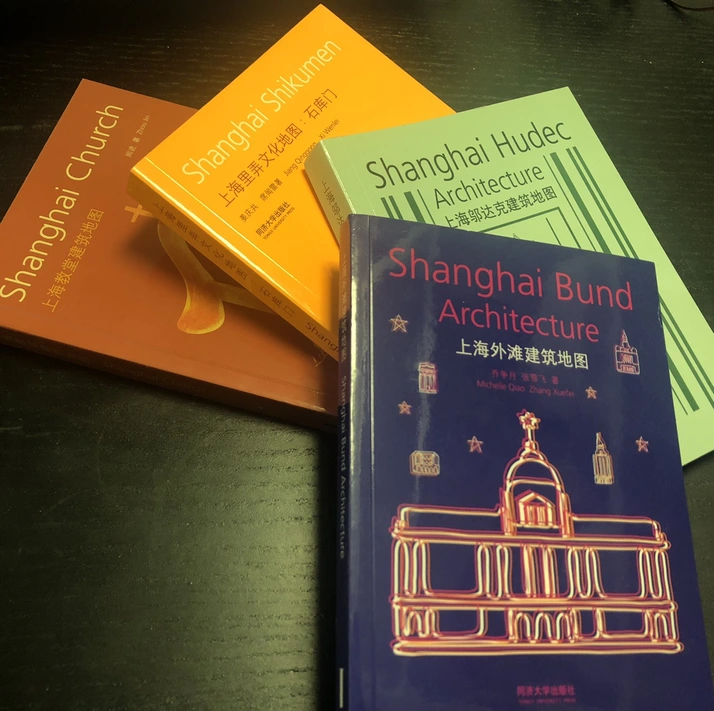
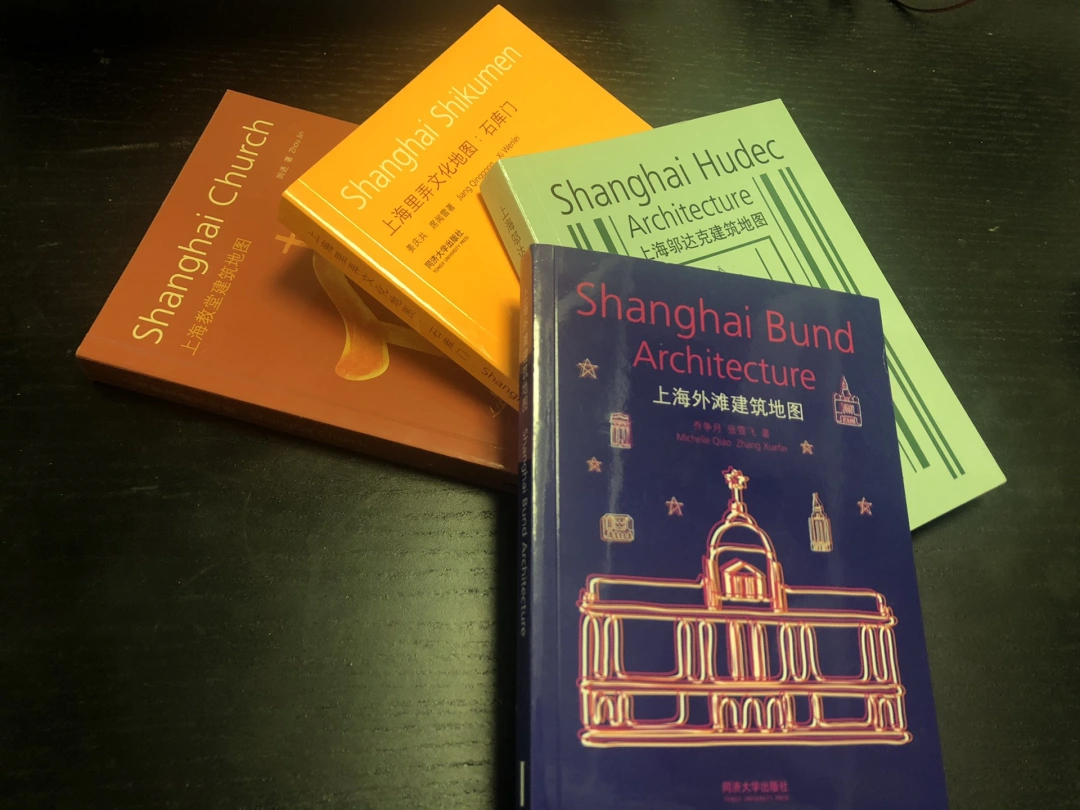
By chance, I discovered a set of five books, each covering the Bund's buildings, Shikumen (stone-gate houses), church architecture, and the collected works of renowned designer László Hudec. These five books became my guide for a five-day trip, filling my itinerary with clear goals and making my exploration both fulfilling and enlightening.
Streamlined Itinerary: Five Days of Urban Wandering
Day 1: The Bund Architecture Tour—From Asia to the Peace Hotel
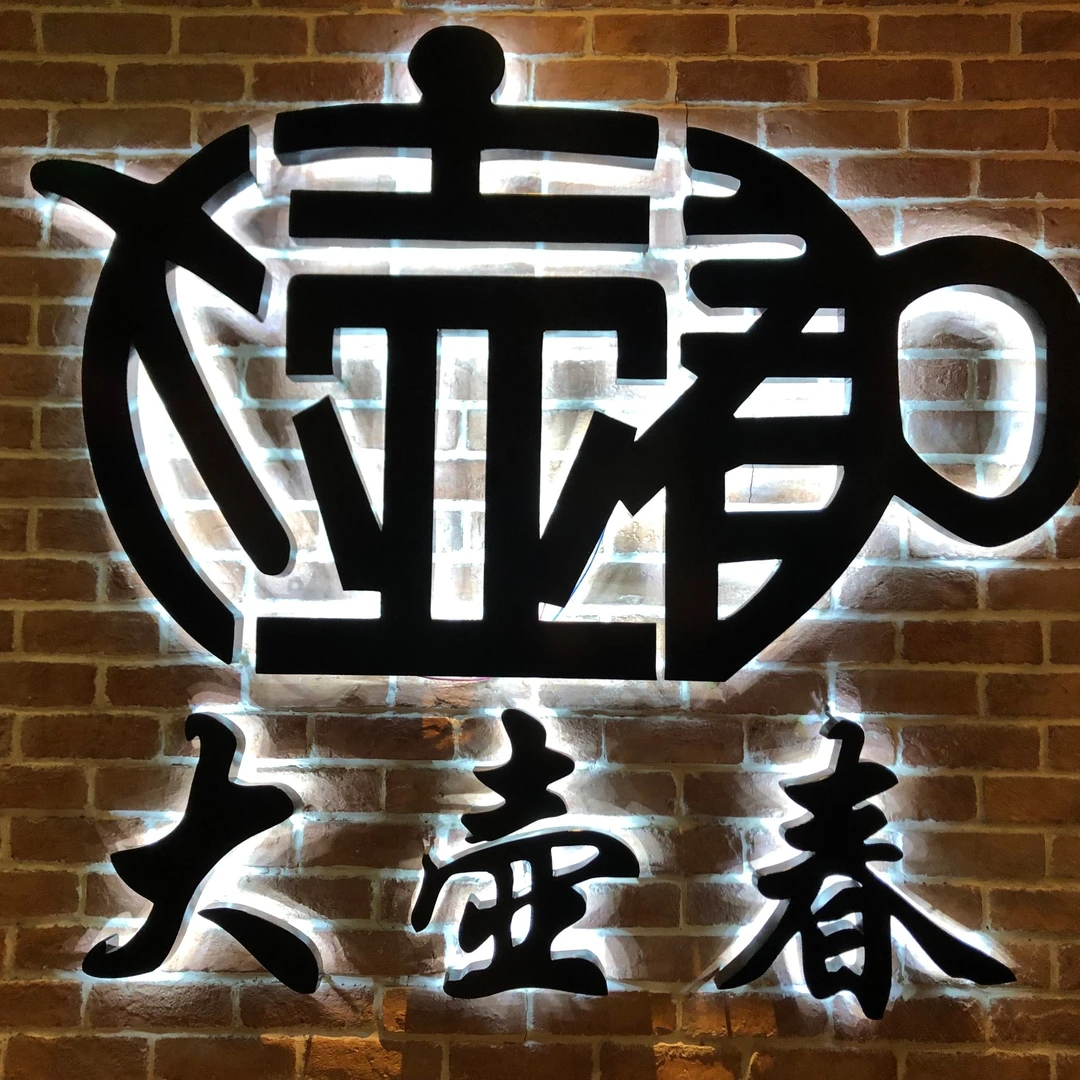
Before starting the tour, I had to eat authentic shengjianbao (pan-fried pork buns). This time, I decided to eat local specialties for every meal, starting with Dachunhua. Their shengjianbao uses no pork skin gelatin, so there's no soup inside, but the texture is firm and the aroma fills the air.
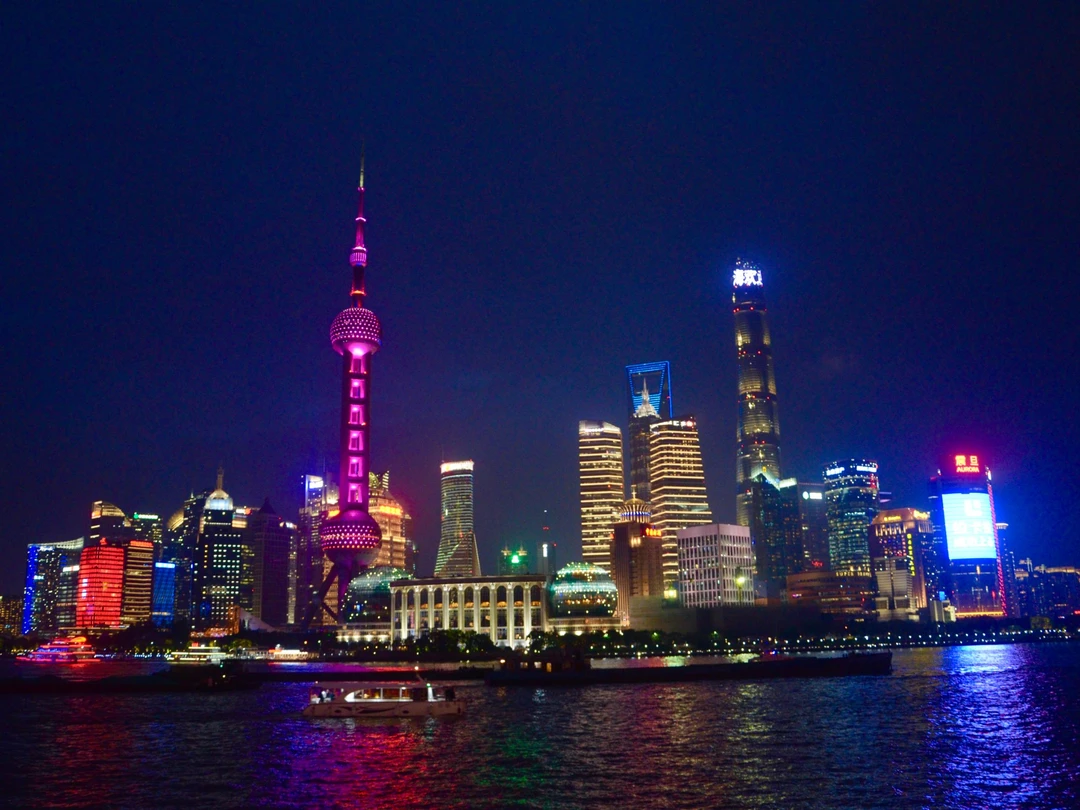
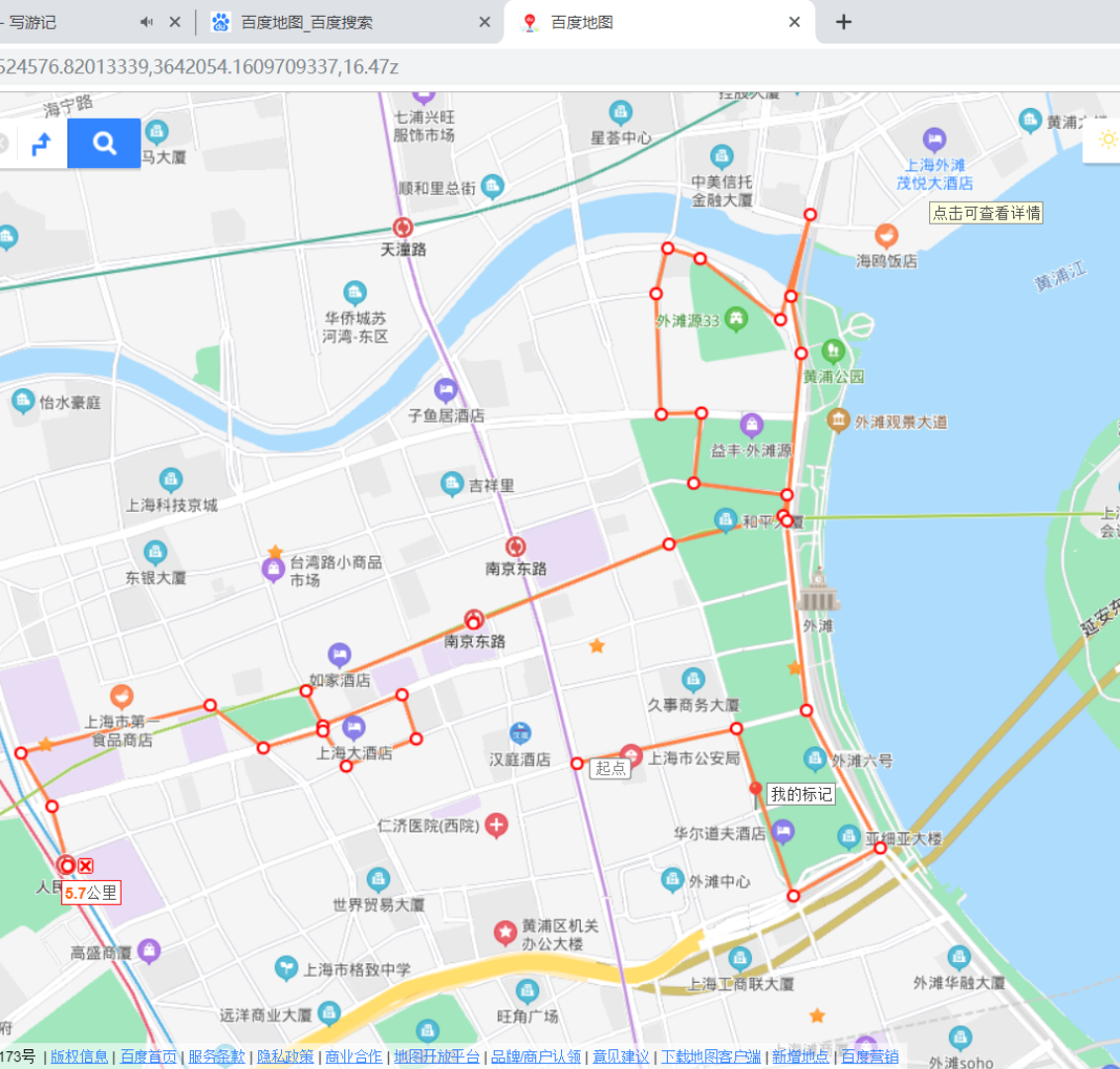
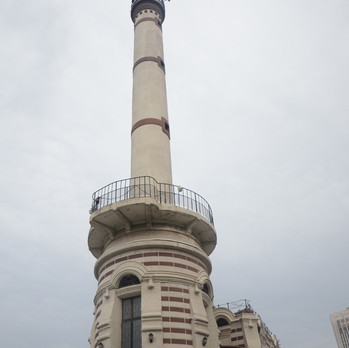
The Bund Signal Tower marks the beginning of the International Architecture Group. Along Zhongshan East First Road, I explored these century-old buildings one by one.
Key Bund Buildings You Can't Miss
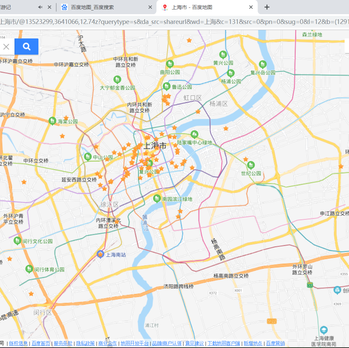
- No. 1 The Bund: Asia Building – Once the office of the Asia Petroleum Company, now under renovation.
- No. 2 The Bund: The Club – Originally the Shanghai Club, transformed into the Waldorf Astoria in 2011. The L-shaped bar inside is said to have been restored to its original design.
- No. 3 The Bund: Palmer & Turner – Designed by British architect George Wilson, long used by the Mercantile Bank of India.
- No. 5 The Bund: Cathay Holdings Group – The first building completed on the Bund during Shanghai's boom between WWI and WWII.
- No. 6 The Bund: Imperial Bank of China旧址 – A典型的 Gothic structure with famous small spires and dormer windows.
- No. 7 The Bund: Telegraph Building – Features Greek Ionic columns and two French Baroque black domes.
At No. 9 The Bund, a small red building stood in stark contrast to the grand structures around it, exuding a quiet calm. No. 12 The Bund: SPD Bank, another masterpiece by Wilson, has two stone lions quietly guarding the entrance.
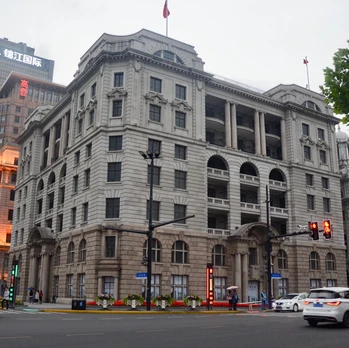
No. 13 The Bund: Customs House – From whose clock tower the deep chimes still ring, featuring Doric colonnades inspired by the Greek Parthenon. No. 14 The Bund: Shanghai Federation of Trade Unions – A clean, simple design that stands apart from surrounding Baroque and Gothic styles.
No. 18 The Bund originally housed the Chartered Bank of India, Australia and China—inspiring a song called "Bund No. 18." No. 19 The Bund: Peace Hotel South Building once boasted Shanghai's earliest rooftop garden. No. 20 The Bund: Peace Hotel is famous for its nine themed suites showcasing exotic styles. I arrived just at 7 PM, when the lights came on—a stunning, breathtaking moment.
No. 23 The Bund: Bank of China – The only building along the Bund's waterfront designed with Chinese architect involvement. No. 24 The Bund: Shanghai Branch of ICBC – Once the Yokohama Specie Bank, where Hudec once had his studio.
Continuing along the Bund, I reached the famous Waibaidu Bridge. Since there were few bridges in old Shanghai, this one was free to cross, hence the name "Baidu" (meaning "free crossing"). Shanghai Mansion, formerly known as Broadway Mansions, was a famous skyscraper of its time. At a corner of the Bund, I encountered New Trinity Church, the only remaining waterfront church in Shanghai.
Day 2: Chedun Film Base and Shikumen Exploration
On the second day, I took the metro to Shanghai South Station, then boarded a train toward Jinshanwei, getting off at Chedun Station. This mini-train ticket could only be bought at the station—not on 12306.

Chedun Film Base is a must-visit for film buffs and architecture enthusiasts. It recreates old Shanghai streetscapes with stunning accuracy. Afterward, I explored Sida Lane, Hengfeng Lane, Neishan Bookstore旧址, Beichuan Apartment, and Duolun Road.
Duolun Road is famous for its literary heritage and preserved Shikumen architecture. Hongde Church and Moses Hall are two notable churches worth visiting. Fu Family Rose天主堂 is a hidden gem often overlooked by tourists.
[Link: Shanghai Shikumen Architecture Guide]
Day 3: Churches, Museums, and Hidden Lanes
Day three started at Shanghai Museum, then moved to Dongjiadu天主堂, one of Shanghai's oldest Catholic churches. I explored Maode Lane, Zi Garden, Longmen Village, Confucian Temple, and Jixian Village.
Yangjingbang St. Joseph's Church and Holy Trinity Church are architectural marvels. The Paper-thin Building (390 Ningbo Road) is a fascinating example of adaptive reuse in old Shanghai.
Day 4: French Concession and Shikumen Gems
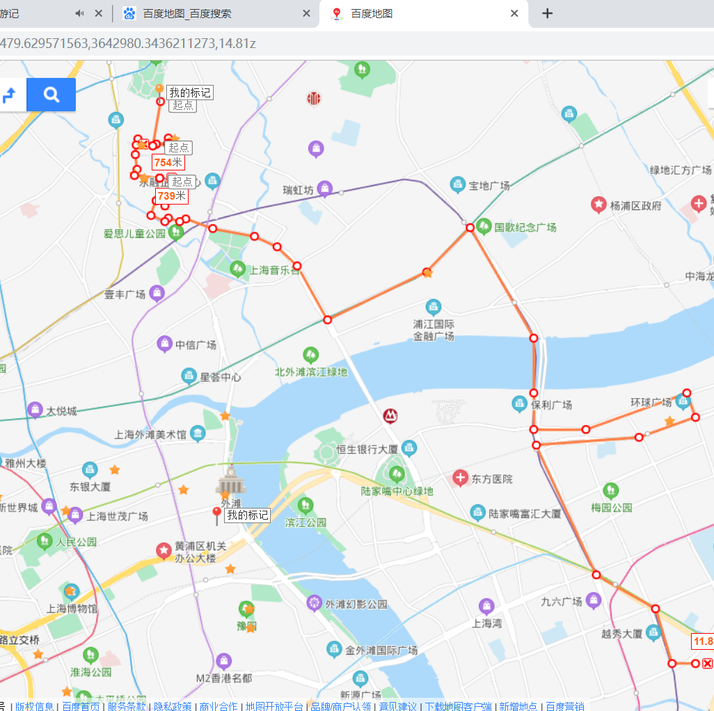
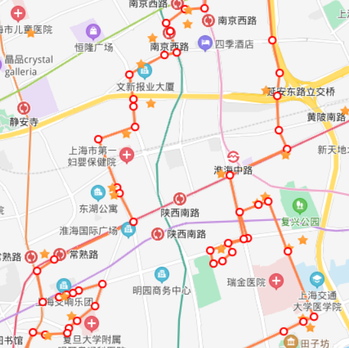
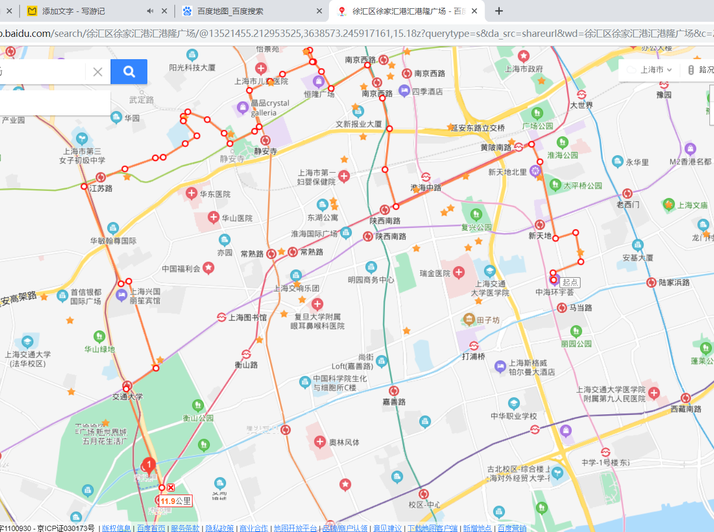
Day four focused on the French Concession area. I visited Fude Lane, Yuyang Lane, Le'an Lane, Shanghai Hong Kong Sanlian Bookstore, Ruijin Apartment, and Ruijin Hotel.
St. Nicholas Church and Sinan Mansions are highlights. French Concession Mixed Court旧址 offers a glimpse into colonial legal history. Bugao Lane, International Church, Ai House, Bai Mansion, Blackstone Apartment, and Clemens Apartment are architectural treasures.
Moller Villa and Jing'an Villa are must-sees. Zhang Garden and Gonghui Hospital round out the day's exploration.
Day 5: Final Discoveries and Departure
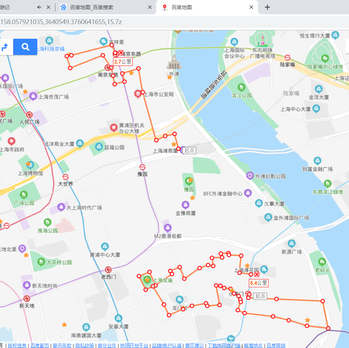
On the final day, I visited Diandude, Jingye Lane, Meilan Lane, Shude Lane, Shangxian Lane, Ximo Villa, and Huaien Church. Ho Tung's Former Residence, Bei House, and Wu Tongwen Residence are beautiful examples of Shanghai's architectural diversity.
Jing'an Temple and Paramount are iconic landmarks. Xinen Church and Yongquan Lane offer peaceful moments. I ended at Xujiahui before heading to Shanghai Hongqiao Railway Station for my departure.
Shanghai Church Architecture: A Spiritual and Aesthetic Journey
Shanghai's churches are not just places of worship—they are architectural masterpieces reflecting the city's multicultural history. From Gothic spires to Baroque domes, each church tells a story of faith and cultural exchange.
Key churches to visit: - Holy Trinity Church – Neo-Gothic style, one of Shanghai's oldest Anglican churches - St. Joseph's Church – Baroque influence with stunning stained glass - Huaien Church – A hidden gem in the French Concession - Xinen Church – Modernist design with traditional elements
[Link: Shanghai Religious Architecture Tour]
Shikumen Houses: The Soul of Old Shanghai
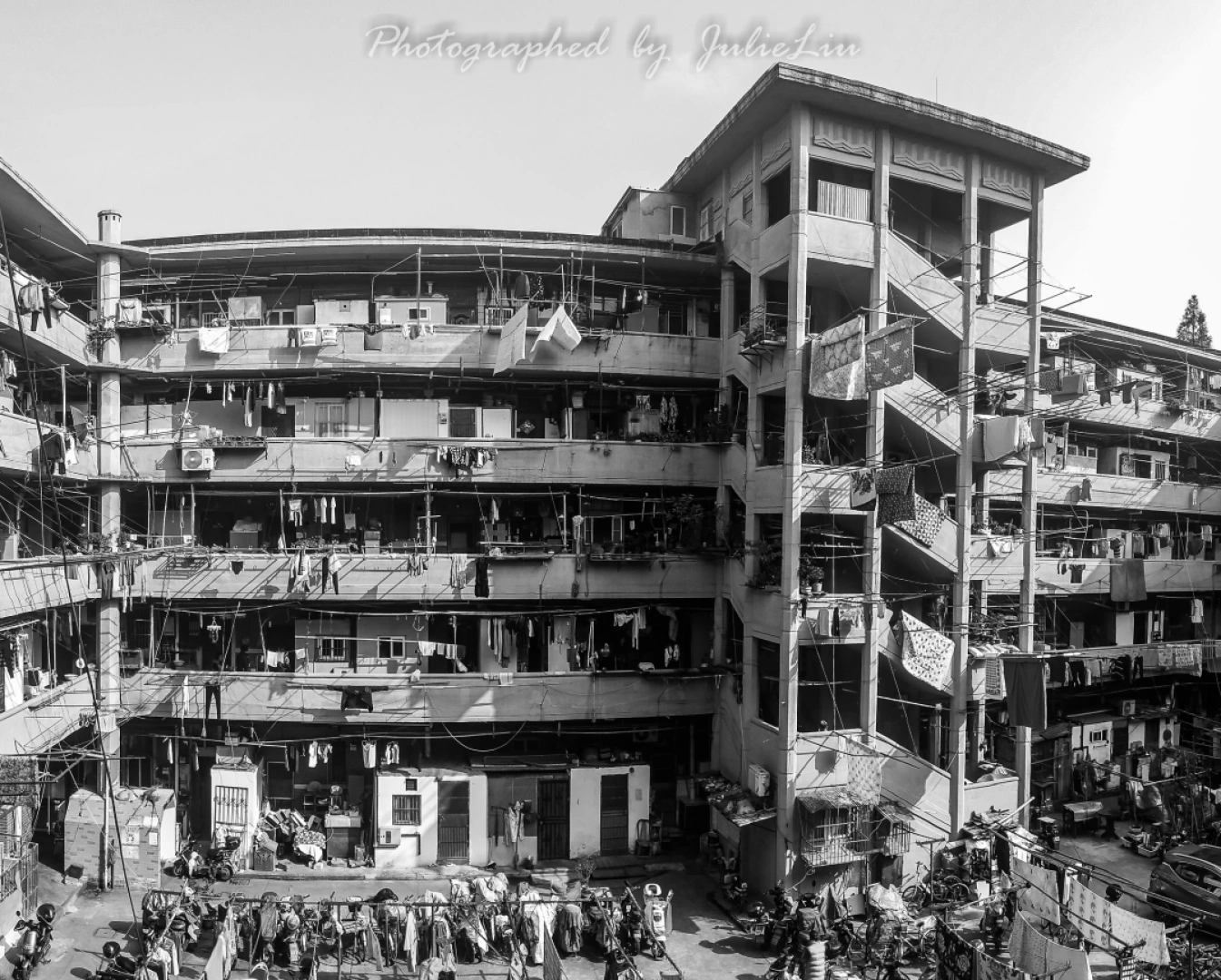
Shikumen (stone-gate houses) are unique to Shanghai, combining Western architectural elements with traditional Chinese courtyard designs. These houses were built in the late 19th and early 20th centuries, primarily in the French Concession and International Settlement.
Best Shikumen lanes to explore: - Sida Lane – Well-preserved examples of classic Shikumen - Maode Lane – Known for its intricate carvings - Fude Lane – A favorite among photographers - Jingye Lane – Quiet and less touristy
FAQ: Planning Your Shanghai Architecture Tour
1. What is the best time to visit Shanghai for architectural tours?

Spring (March-May) and autumn (September-November) offer mild weather ideal for walking and cycling. Avoid summer heat and winter cold.
2. How long does it take to explore the Bund buildings?

A thorough exploration of Bund buildings (No. 1-30) takes 3-4 hours. Add another hour for Waibaidu Bridge and Shanghai Mansion.
3. Are bicycles easily available for rent in Shanghai?
Yes. You can rent bicycles through apps like Mobike or HelloBike. Many hotels also offer bike rentals. Cycling is ideal for exploring Shikumen lanes and the French Concession.
4. Which Shanghai church is the most photogenic?
Holy Trinity Church and St. Joseph's Church are the most photographed. Huaien Church offers a quieter, equally beautiful experience.
5. Can I visit Shikumen houses that are still residential?
Some Shikumen lanes are private residential areas. Respect residents' privacy and avoid entering without permission. Many converted Shikumen now house cafes, galleries, and boutiques.
Conclusion: Your Shanghai Architecture Adventure Awaits
Shanghai is a city that rewards slow travel. By foot and bicycle, you can uncover layers of history hidden in plain sight—from the grandeur of the Bund to the intimate charm of Shikumen lanes. This five-day itinerary is just the beginning. Each building, each church, each lane tells a story waiting to be discovered.
Ready to measure Shanghai by your own footsteps? Start planning your trip today. Book your accommodation near the Bund or French Concession for easy access to these architectural treasures. Pack comfortable walking shoes and a camera—you'll need both.
Pro tip: Download offline maps and bookmark this guide. Shanghai's hidden gems are best discovered with a plan—and a sense of adventure.
Have you explored Shanghai's architecture? Share your favorite discovery in the comments below! For more in-depth guides, check out our [Shanghai Travel Guide] and [Shanghai Food Tour].
You may also like