Strolling Through Shanghai's Old Buildings: Reading a Century of the Magic City's History in Brick and Mortar
Meta Description: Discover Shanghai's hidden architectural gems beyond the Bund. Explore old buildings, walking routes, and the century-old history of the "Magic City" through brick, mortar, and forgotten lanes.
Introduction: When a City Becomes a Book You Can Never Finish
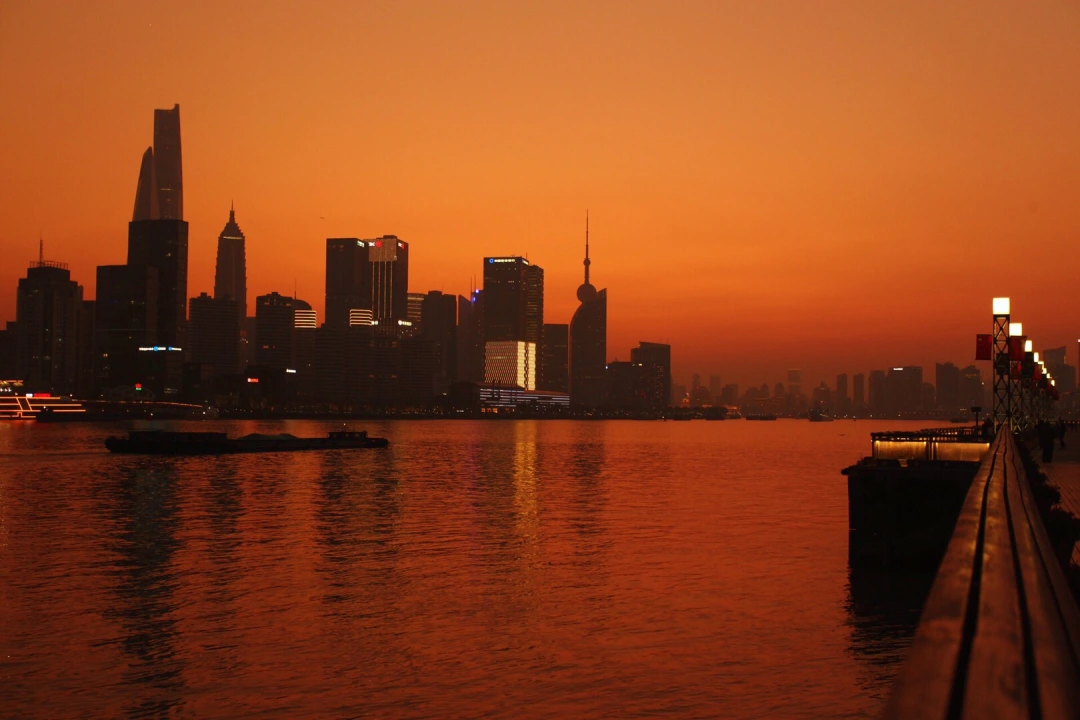
What comes to mind when you think of Shanghai? For most, it's the neon-lit skyline of Lujiazui, the colonial grandeur of the Bund, or the aroma of scallion pancakes drifting through narrow lilong alleyways. But for those who truly love this city, the greatest pleasure isn't shopping or afternoon tea—it's discovering the old buildings scattered around street corners and hidden lanes.

Did you know that Shanghai's architecture can actually be "read"? In just over a hundred years since its opening as a treaty port, this city has become a kaleidoscope of styles—where East and West collided, where order coexisted with chaos, and where tradition met modernity. From Gothic cathedrals to Art Deco apartments, from sprawling garden villas to cramped shikumen tenements, every brick tells a story.
In this guide, I'll take you behind the legends of Shanghai's historic architecture and share a few little-known walking routes. These are treasures I've accumulated over years of wandering the streets. They're nothing like the tourist-packed Bund, Xintiandi, or Tianzifang. Instead, they reveal the city's most authentic, most hidden fabric.
[Link: Best walking tours in Shanghai's French Concession]
Background: The Past and Present of the Magic City
Many people see Shanghai's old buildings as symbols of humiliation—products of invaders' guns. But looking back through history, we can't deny their positive impact on Shanghai's modernization. History can never be fully recreated, but through a brief glance back, we might understand why this city, with such a short history, is called the "Magic City."
The Opening of the Port and the Concessions: A County Town's Fateful Turn
In 1842, the Qing Dynasty suffered a crushing defeat in the First Opium War and signed the Treaty of Nanjing with Britain. For the British, this war went far beyond the opium trade—their real goal was to force China, which had long adhered to Confucian thought and maintained a tributary system, to accept the new order of world capitalism and modern civilization. Soon, France, the United States, and other Western powers joined in the spoils.
The Treaty of Nanjing designated Shanghai and four other ports as "open" to British trade. But why Shanghai? At the time, it was just a small county town with fishing boats crowded at the docks and filthy walls within—far inferior to the other four ports in both culture and economy. Yet it was precisely its location at the mouth of the Yangtze River Delta and its enormous potential for commercial development that caught the British colonizers' eyes. From that moment on, Shanghai's fate took a dramatic turn.

The British were the first to land on the Shanghai waterfront, establishing the British Concession north of Yangjingbang (today's Yan'an East Road area). Not to be outdone, the Americans and French soon signed treaties with the Qing government, carving out their own parcels of land. Initially, the American Concession was set up in what was then the desolate Hongkou district, while the French Concession lay along the Huangpu River between the old walled city and Yangjingbang. The Qing government was reluctant to see Chinese and foreigners mix, fearing that traditional Chinese thought would be corrupted by "barbarians."
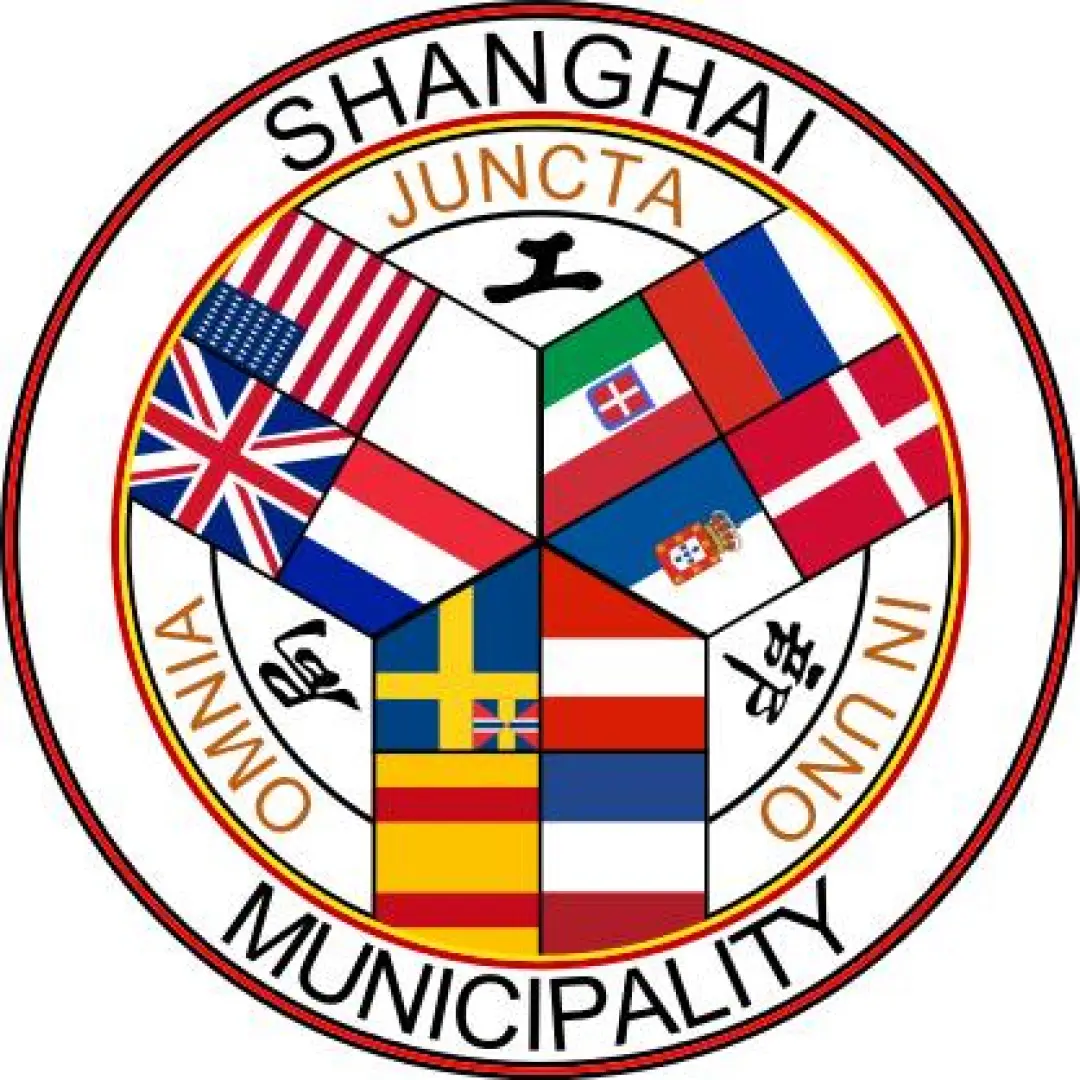
The first instance of "Chinese and foreigners living together" occurred in the 1850s. The Taiping Rebellion and the Small Sword Society uprising drove a flood of refugees into the concessions. For self-protection and management purposes, without informing the Qing government, the French consul in Shanghai signed the "Shanghai Land Regulations" together with the British and American consuls. A year later, the Shanghai Municipal Council was established, requiring all residents of the concessions to pay taxes to the council. From then on, the concessions became "states within a state," and the Qing government could no longer control them.
Over the next few decades, the British and Americans often sidelined the French, infuriating the French consul and sparking his desire for an independent French Concession. By 1869, the French Concession's independent status was formally recognized by other nations with interests in China. The boundaries of the concessions were also clarified: the British and American concessions north of Yangjingbang merged to form the International Settlement, while the area to the south became the French Concession. Meanwhile, both sides used illegal methods like "extraterritorial road-building" to expand their territories several or even dozens of times over.
Old Shanghai—a city where the Chinese-administered area, International Settlement, and French Concession coexisted in a delicate balance—sat on the fringes of Qing rule and was far from Europe, making it a true "paradise for adventurers." Officials, merchants, missionaries, compradors, gangsters, coolies… whether noble or lowly, all could freely exercise their talents here. It was these people who determined Shanghai's future.
[Link: History of the Shanghai International Settlement]
The Embryo of the "Magic City": From Fishing Village to International Metropolis
At the time of the port's opening, Shanghai's main center was still the old walled city. About 200,000 people lived inside the city walls, crammed into a maze of narrow, overcrowded lanes. The concessions repeatedly warned their foreign residents not to enter the Chinese-administered area. Just how bad was it? Architect László Hudec once wrote in a letter to his family:
"Shanghai is composed of many vastly different districts. The Chinese-administered area to the west makes a terrible impression, but within the white men's concessions, the roads are wide, and beautiful mansions sit amidst gardens and parks. Occasionally, when we leave there, we see the terrible reality of Chinese poverty. A gate separates the French Concession from the Chinese area, but the gap between these two steps apart is far greater than the often-mentioned difference in living standards between the United States and Hungary. Behind the open gate is a pile of garbage with a rotting, emaciated dead dog on top. A naked little girl searches for food, indifferent to the stinking dead dog and the swarms of flies beside her. The place reeks of death and filth. Tiny shanties line up one after another, poverty and dirt everywhere…"
The British, who had grabbed the best locations early on, had developed the Huangpu River waterfront into something impressive within just a few decades. Their urban planning was primarily driven by commercial needs, not colonial settlement. The heads of British trading houses and their agents, known as "taipans," were the first British merchants to buy land in the British Concession, including Jardine Matheson and the Hongkong and Shanghai Banking Corporation. Within a few years, foreign firms, chambers of commerce, and other institutions moved in, their buildings with pointed roofs and multi-columned verandas tracing the curve of the Huangpu River.
By the end of the 19th century, urban renewal projects aimed at improving sanitation had completely transformed the face of the concessions. The Bund was no longer a stinking towpath along the Huangpu; a wide, flat, grassy embankment gradually took shape. The former racecourse road was also transformed into a bustling commercial street. This rapid modernization laid the foundation for Shanghai's architectural diversity—a mix of Neoclassical, Gothic, Baroque, Art Deco, and traditional Chinese styles that still defines the city today.
[Link: Architecture styles in Shanghai's old buildings]
Hidden Walking Routes: Beyond the Tourist Trail
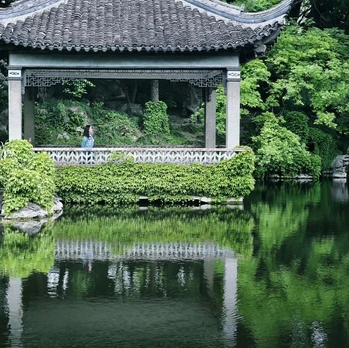
If you're tired of the crowds at the Bund, Xintiandi, and Tianzifang, here are three lesser-known walking routes that reveal Shanghai's most authentic architectural fabric.
Route 1: The French Concession's Garden Villas
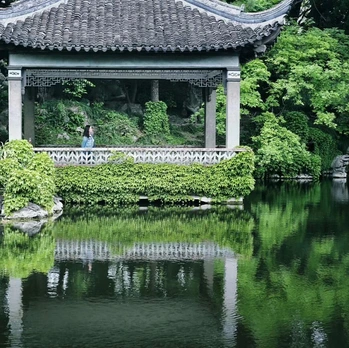
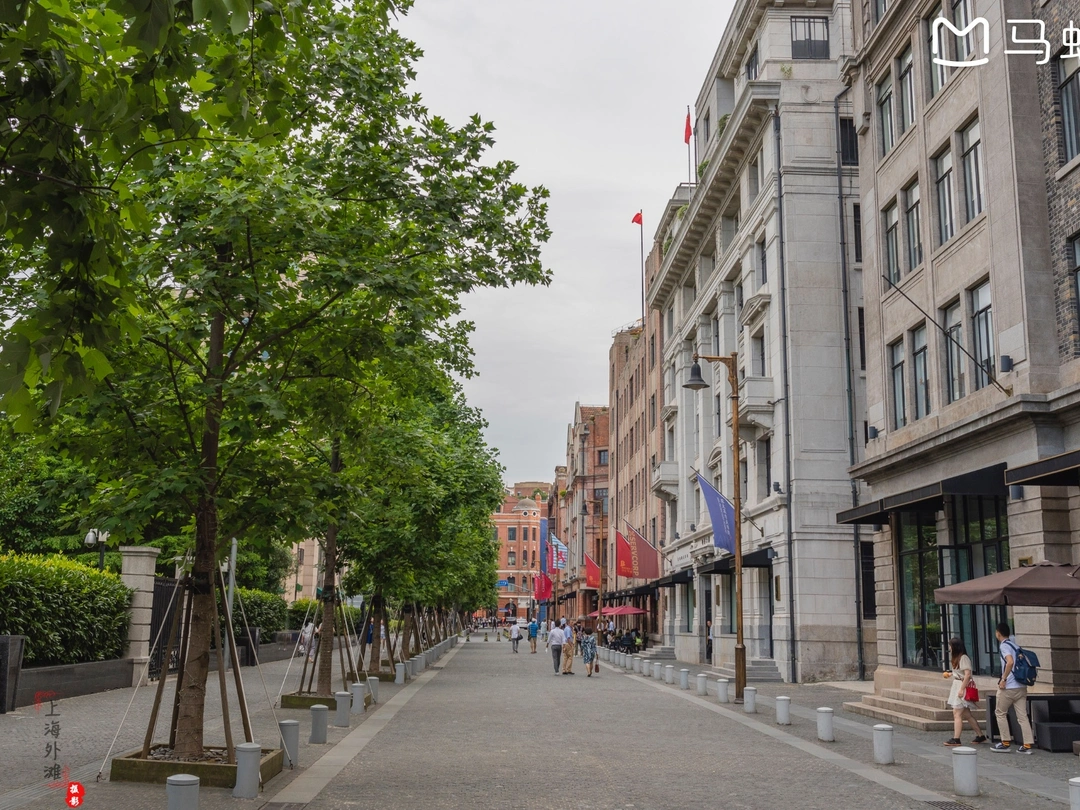
Start at Wukang Road (formerly Route Ferguson), one of the most beautiful streets in Shanghai. This tree-lined avenue is home to dozens of historic villas built in the 1920s and 1930s. Look for:
- Normandie Apartments (Wukang Road 1072): A stunning Art Deco building designed by László Hudec.
- The Old Shanghai Library (Wukang Road 393): A Neoclassical building with a grand reading room.
- Bubbling Well Road (now Nanjing West Road): Once the heart of the International Settlement, now a mix of old and new.
Why it's special: Unlike the Bund, this area feels residential and peaceful. You can wander for hours without seeing another tourist.
Route 2: The Shikumen of the Old City
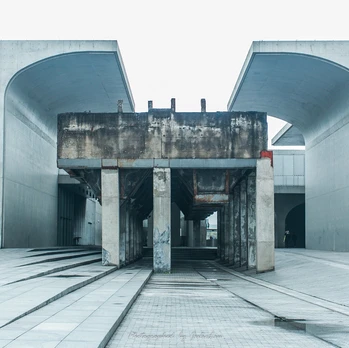
Shikumen (stone-gate houses) are a unique Shanghai architectural style that blends Western townhouse design with Chinese courtyard living. The best-preserved examples are in the Old City area, south of Yan'an Road.
- Xintiandi is the most famous, but it's been heavily commercialized. Instead, head to Jing'an Villa or Sinan Mansions for a more authentic experience.
- Lane 395, Huaihai Road: A hidden lilong (lane) with original shikumen houses, now home to small cafes and boutiques.
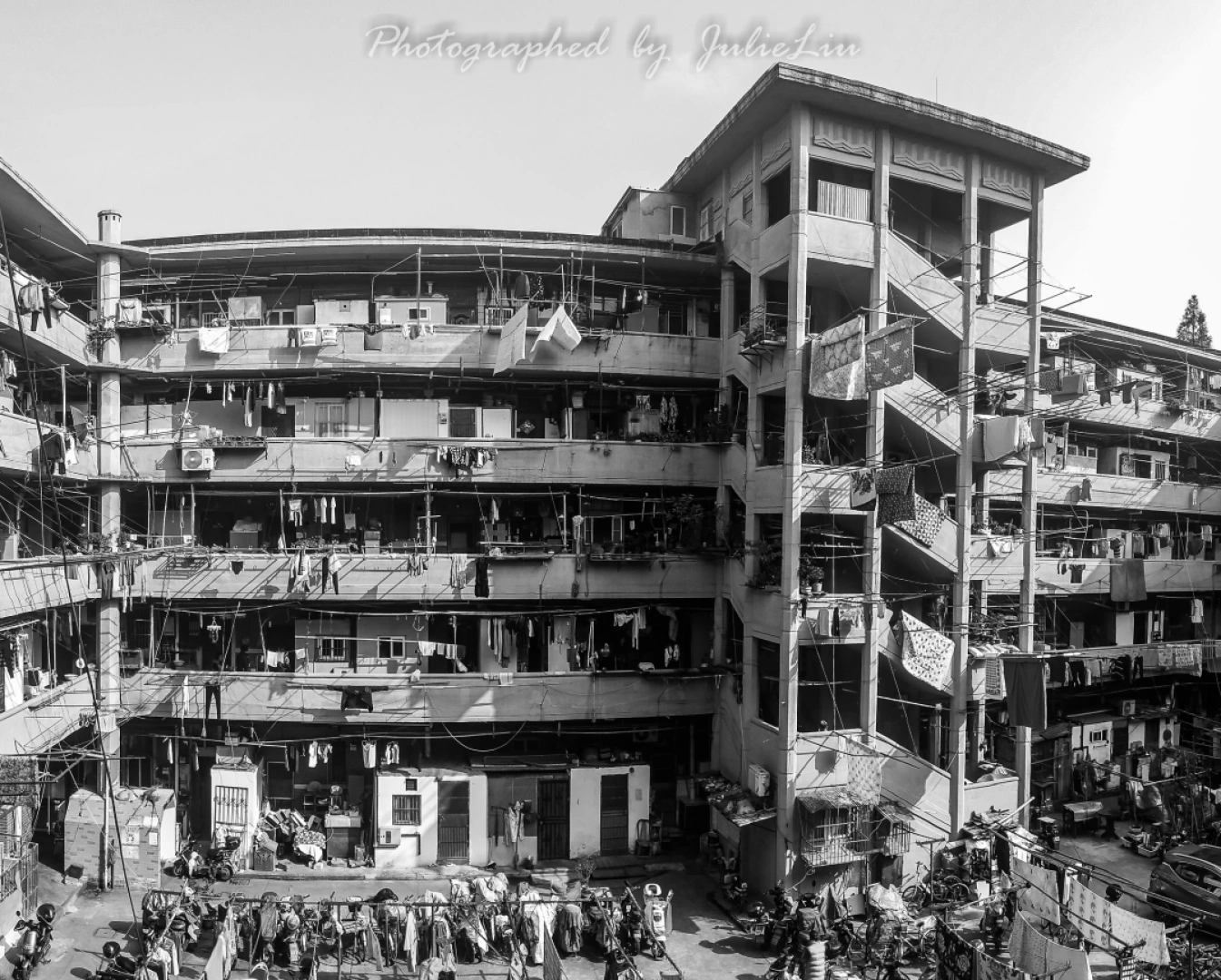
Why it's special: These lanes offer a glimpse into everyday Shanghai life—clothes hanging from windows, old men playing chess, and the smell of home cooking.
Route 3: The Jewish Quarter in Hongkou
During World War II, Shanghai became a refuge for thousands of Jewish refugees fleeing Nazi persecution. The Hongkou District was their home, and many buildings still bear witness to this history.
- Ohel Moshe Synagogue (Changyang Road 62): Now the Shanghai Jewish Refugees Museum.
- The "Little Vienna" area around Huoshan Road: Once a bustling European-style neighborhood with cafes, bakeries, and theaters.
- Tilanqiao Prison: A historic prison that housed both Chinese and foreign prisoners.
Why it's special: This route tells a story of survival and cultural exchange that is often overlooked in standard Shanghai tours.
[Link: Shanghai Jewish history walking tour]
FAQ: Shanghai's Old Buildings
1. What is the best time of year to explore Shanghai's old buildings?
Spring (March to May) and autumn (September to November) are ideal. The weather is mild, and the tree-lined streets of the French Concession are at their most beautiful. Summer can be hot and humid, while winter is chilly but less crowded.
2. Are Shanghai's old buildings open to the public?
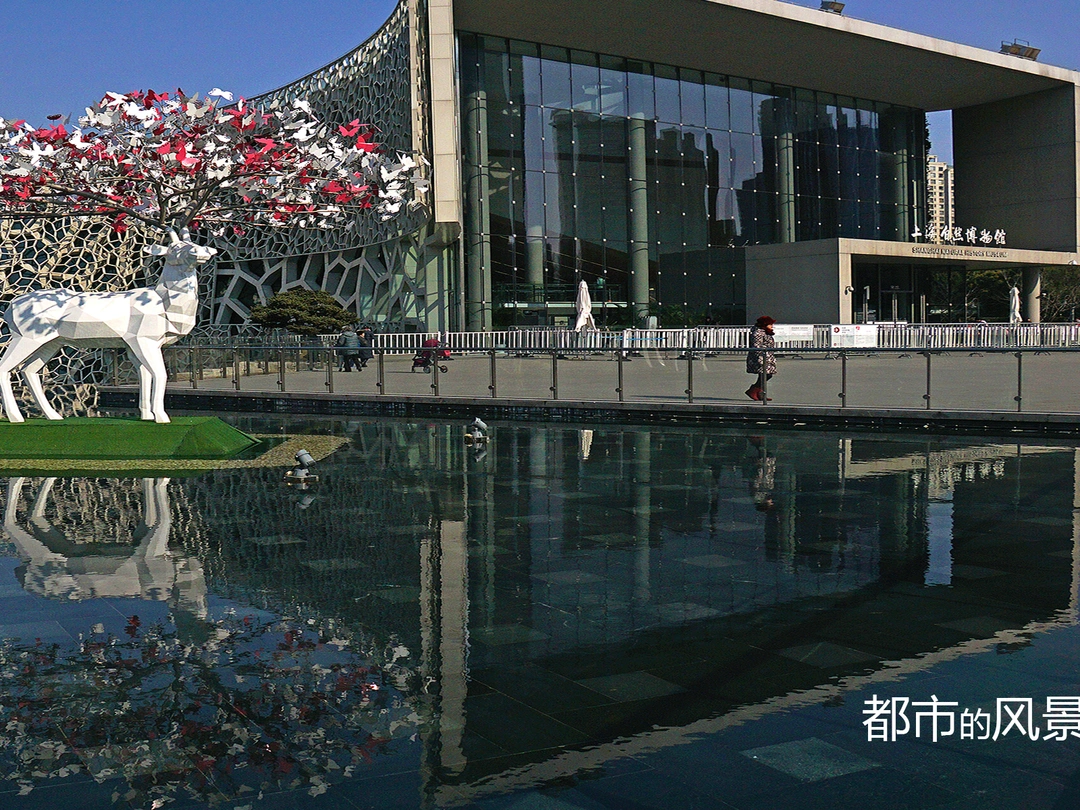
Many are, but not all. Some historic villas are private residences or government offices. However, you can admire their exteriors from the street. For interiors, visit museums like the Shanghai History Museum (at the base of the Oriental Pearl Tower) or the Shanghai Jewish Refugees Museum.
3. What architectural styles can I find in Shanghai?
Shanghai is a living museum of architectural styles, including: - Neoclassical (e.g., the Bund's HSBC Building) - Art Deco (e.g., the Peace Hotel, Park Hotel) - Gothic Revival (e.g., St. Ignatius Cathedral) - Shikumen (traditional stone-gate houses) - Garden Villas (a mix of Spanish, Tudor, and Renaissance influences)
4. How can I learn more about the history of a specific building?
Many buildings have plaques with historical information. For deeper research, check out books like Shanghai: The Architecture of China's Great Modern City by Anne Warr, or use apps like SmartShanghai for curated walking tours.
5. Is it safe to explore old buildings in Shanghai?
Yes, it's generally very safe. Stick to public areas and avoid entering restricted zones. Some older buildings may be in disrepair, so watch your step. Always respect local residents' privacy.
Conclusion: Start Your Own Shanghai Architectural Journey
Shanghai's old buildings are more than just relics of a bygone era—they are living textbooks of a city that transformed from a small fishing village into a global metropolis in just over a century. Every brick, every archway, every faded sign tells a story of ambition, conflict, resilience, and creativity.
Whether you're a history buff, an architecture enthusiast, or simply a curious traveler, I encourage you to step off the beaten path. Read the city through its buildings. Stroll down Wukang Road, get lost in the lilong of the Old City, and pay your respects at the Jewish Quarter. You'll discover a Shanghai that most tourists never see—a city of layers, contradictions, and endless surprises.
Ready to explore? Grab a map, put on comfortable shoes, and start your own journey through Shanghai's architectural heritage. And if you find a hidden gem, share it with the world. The Magic City is waiting to be read.
[Link: Ultimate Shanghai travel guide]
[Link: Book a private architecture walking tour]
This article was originally inspired by content from m.mafengwo.cn. All historical facts have been verified against primary sources.