Shanghai Citywalk: Measuring the City with Your Steps, Understanding History Through Walking
Meta Description: Discover Shanghai through immersive Citywalk routes. Explore literary sanctuaries, Art Deco architecture, and hidden alleyways in this 4-day walking guide. Step into history and feel the heartbeat of old Shanghai.
Introduction: Why Shanghai Citywalk Is the Ultimate Way to Explore
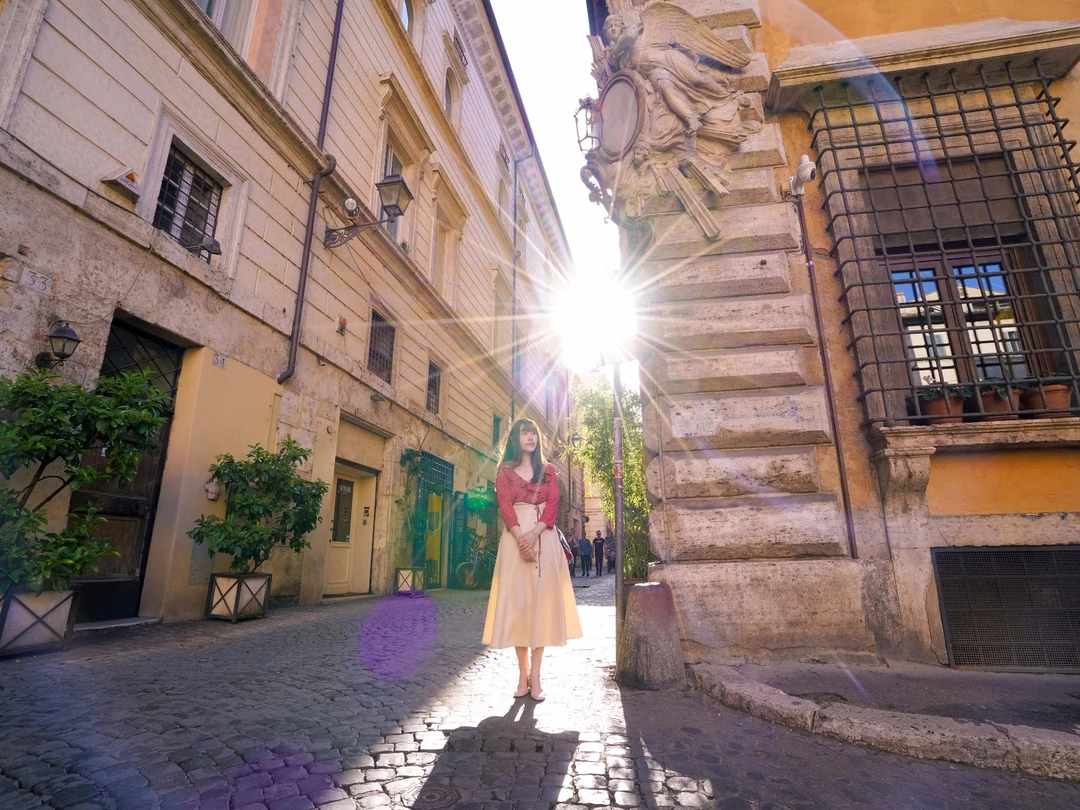
Every city has its own rhythm of breathing. Shanghai—this legendary metropolis once called "the First City of the Far East"—keeps its heartbeat hidden deep in the alleyways shaded by plane trees, etched into the brick-and-stone patterns of century-old buildings. To truly understand this city, there is no more profound way than a Shanghai Citywalk—not a hurried check-in at tourist spots, but a journey measured by footsteps and felt with the heart.
Here, every European-style villa carries memories of the concession era, and every Art Deco building bears witness to the splendor of the modern age a century ago. As you stroll among the International Architecture Cluster on the Bund, wander through the dappled light of plane trees in the Hengshan-Fuxing Historical Area, and touch the weathered walls of century-old buildings, it feels as though you can hear echoes of history and see that golden age of East-West fusion and turbulent change.
Shanghai's urban fabric unfolds layer by layer in the folds of these historic buildings. From the financial legends of the Bund to the literary stories of the French Concession, from the commercial bustle of Nanjing Road to the industrial memories of Suzhou Creek, every turn of a corner might reveal a microcosm of an era. This is not merely a simple city walk—it is a cultural dialogue that crosses time and space. When your footsteps align with the historical imprints of this city, Shanghai's story truly comes alive in your heart.
[Link: Best guided Shanghai walking tours]
Route Overview: Four Days of Strolling Across a Century
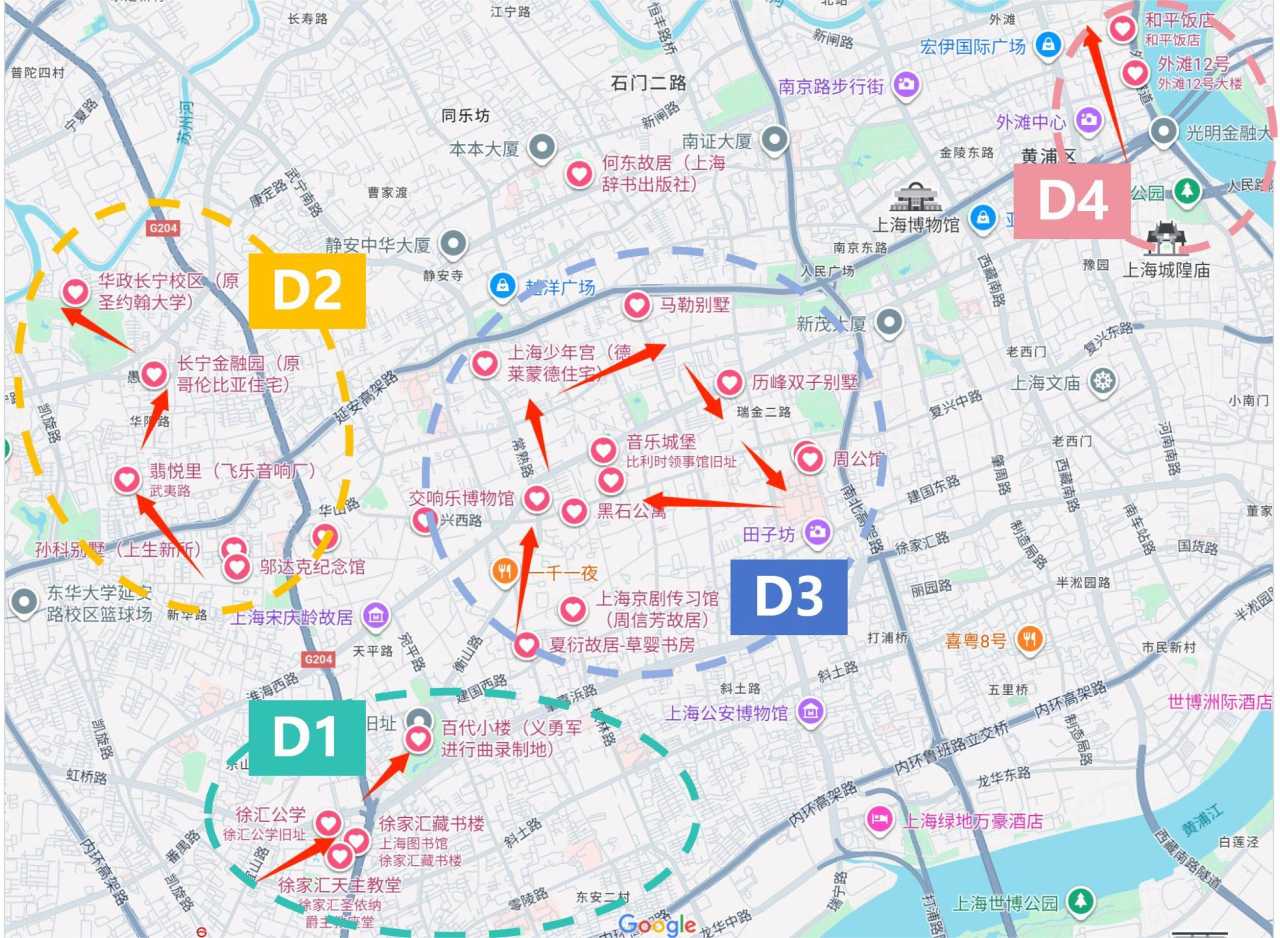
This Shanghai Citywalk route spans four days. Some locations require advance reservations and can be adjusted based on personal interests. From literary residences to architectural treasures, from music halls to sacred sites, every step is an echo of history.
Day One: Literary Sanctuaries in the Depths of Plane Trees
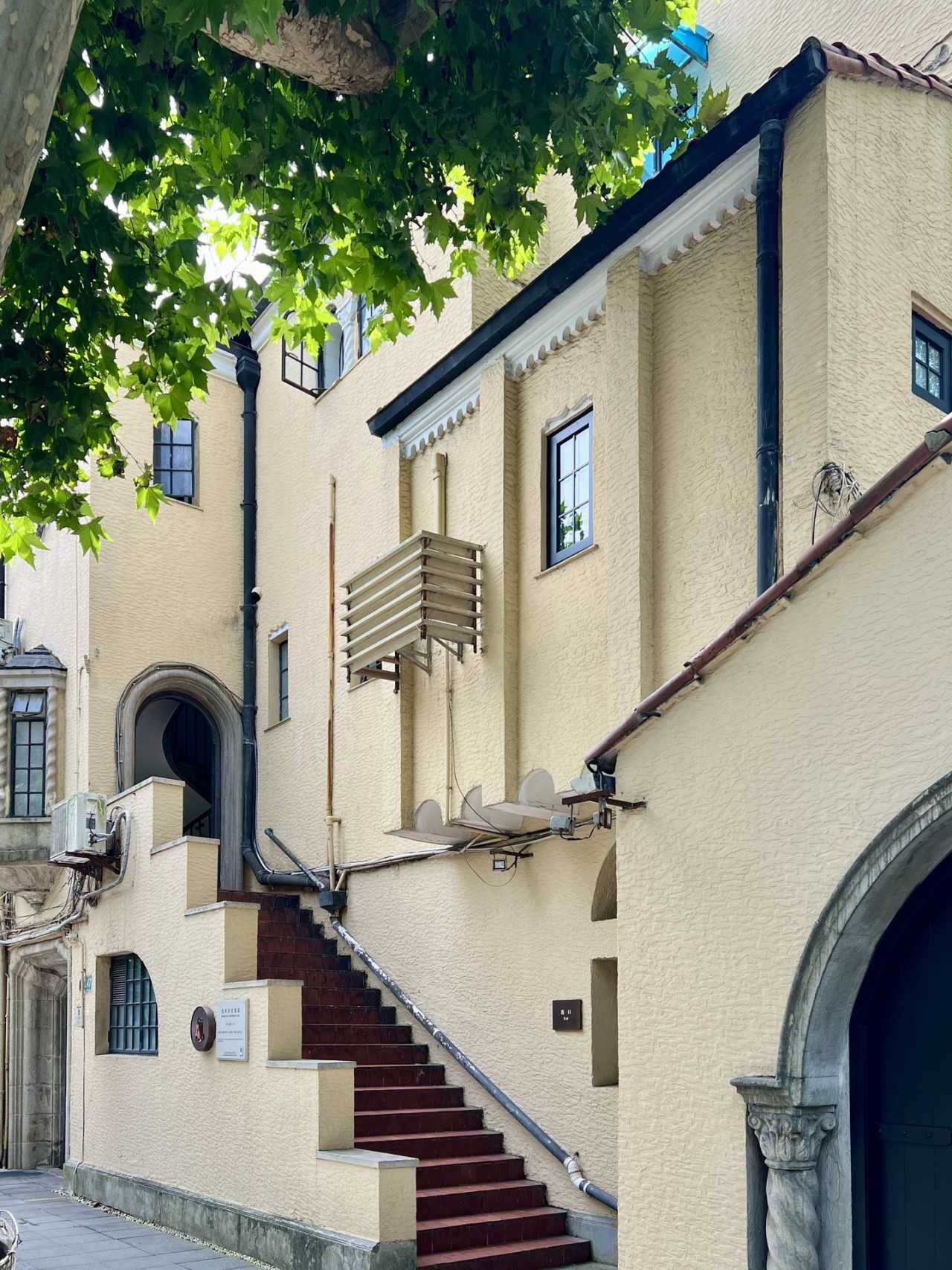
Ke Ling's Former Residence: A Literary Sanctuary Hidden in Greenery
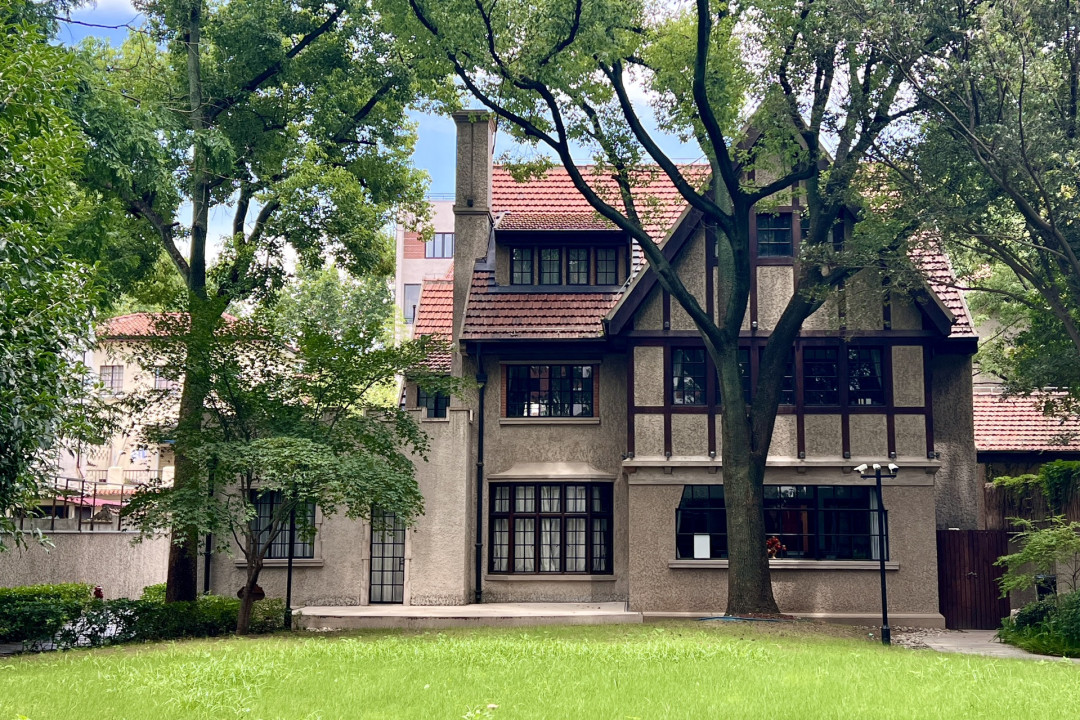
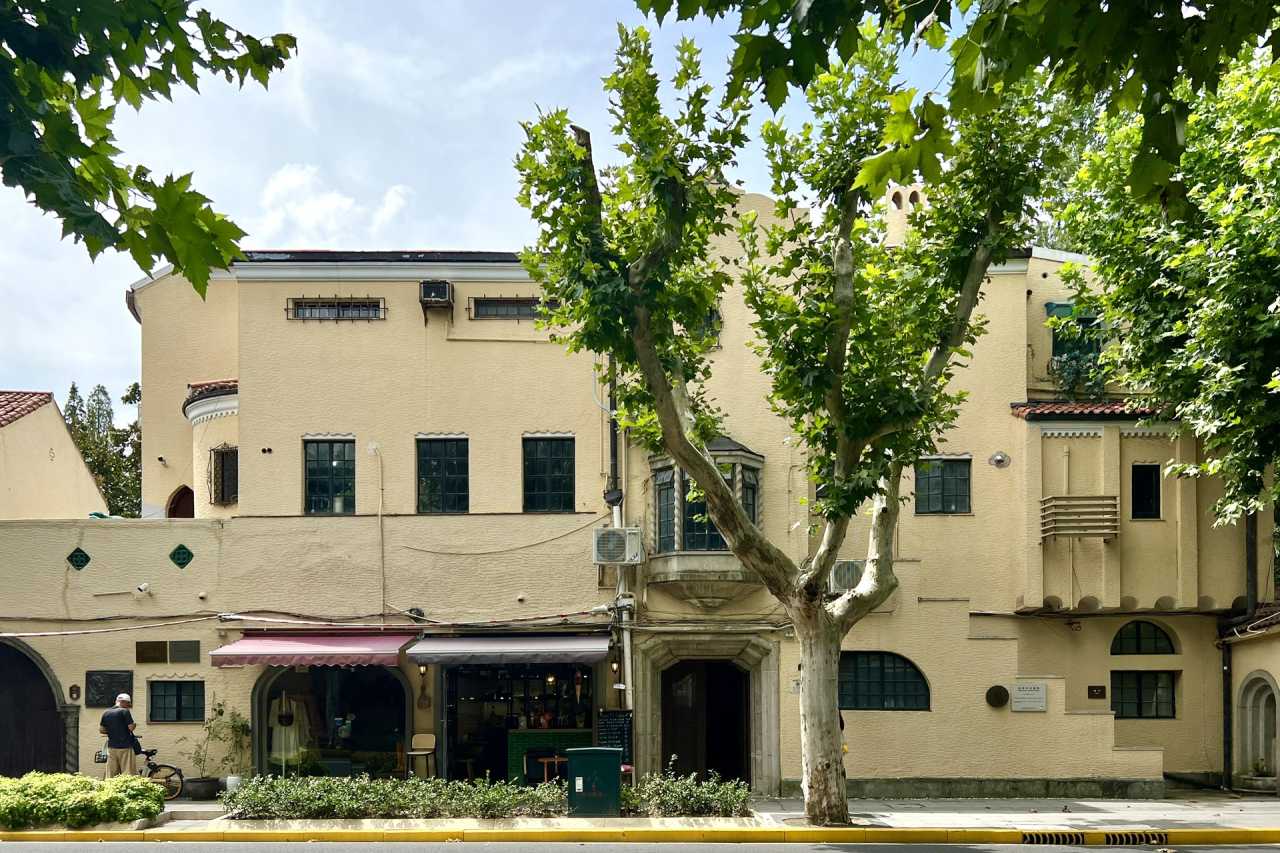
On Fuxing West Road in Xuhui District, nestled among the shade of plane trees, lies a tranquil literary sanctuary—the former residence of Ke Ling. This cream-yellow Spanish-style garden villa was the home of the renowned writer Ke Ling in his later years (1959–2000) and has now become one of Shanghai's rare literary figure museums.
The beige textured plaster walls contrast charmingly with the red tile sloping roof, while arched doors and windows evoke the flavor of the Mediterranean coast. The study on the second floor remains as it was during his lifetime, with a pen and magnifying glass quietly resting on the worn solid wood desk. Ke Ling once hosted literary giants such as Ba Jin, Xia Yan, and Zhang Leping here, and produced numerous classic works, including the film scripts The Sleepless City and Biography of Qiu Jin, as well as essays like Fragrant Snow and Plum Blossoms and Everlasting Longing.
This residence, hidden deep among the plane trees, is much like the Shanghai that Ke Ling described in his writing: "Gorgeous yet restrained, noisy yet serene." When you gently push open that lacquered wooden door, you unlock not just a literary memory, but a dialogue across time with the spirit of old Shanghai's literati.
"The True Taste of Life" — Ke Ling
Time is cruel, and also kind. Time has taken much from me, and also given much.
I have lived through a great and difficult era. Not a single step has been easy.
The times have tested me, and also nurtured me. This is both misfortune and great fortune.
Life is a great book that can never be fully read. Life is finite; each person can only read limited chapters. Therefore, one must read carefully.
Address: No. 147 Fuxing West Road, Xuhui District, Shanghai
Opening Hours: Tuesday, Thursday, Sunday 10:00–16:30 (Free admission)
[Link: Shanghai literary walking tours]
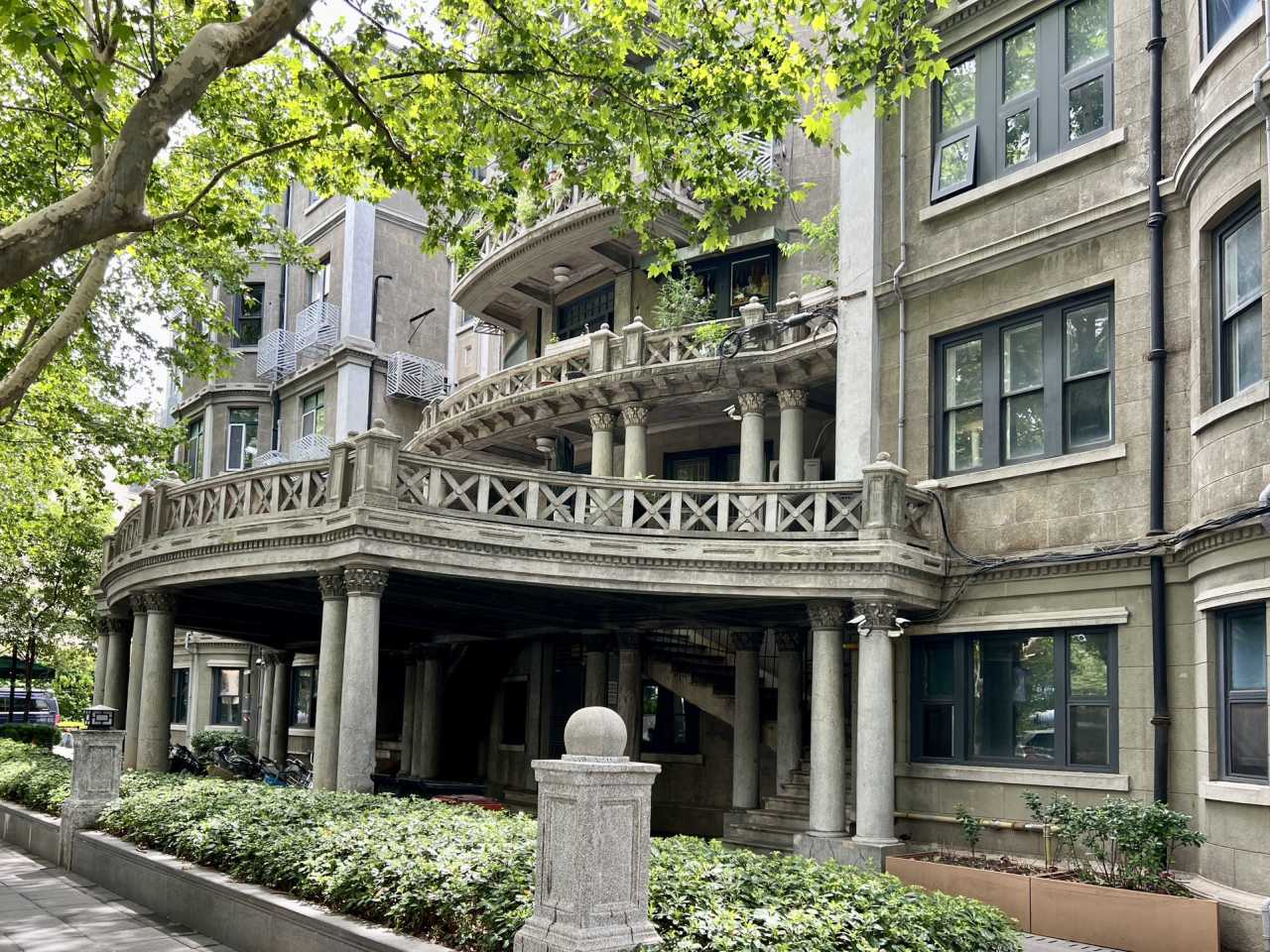
Blackstone Apartments: The Past and Present of "China's Finest Apartment Building"
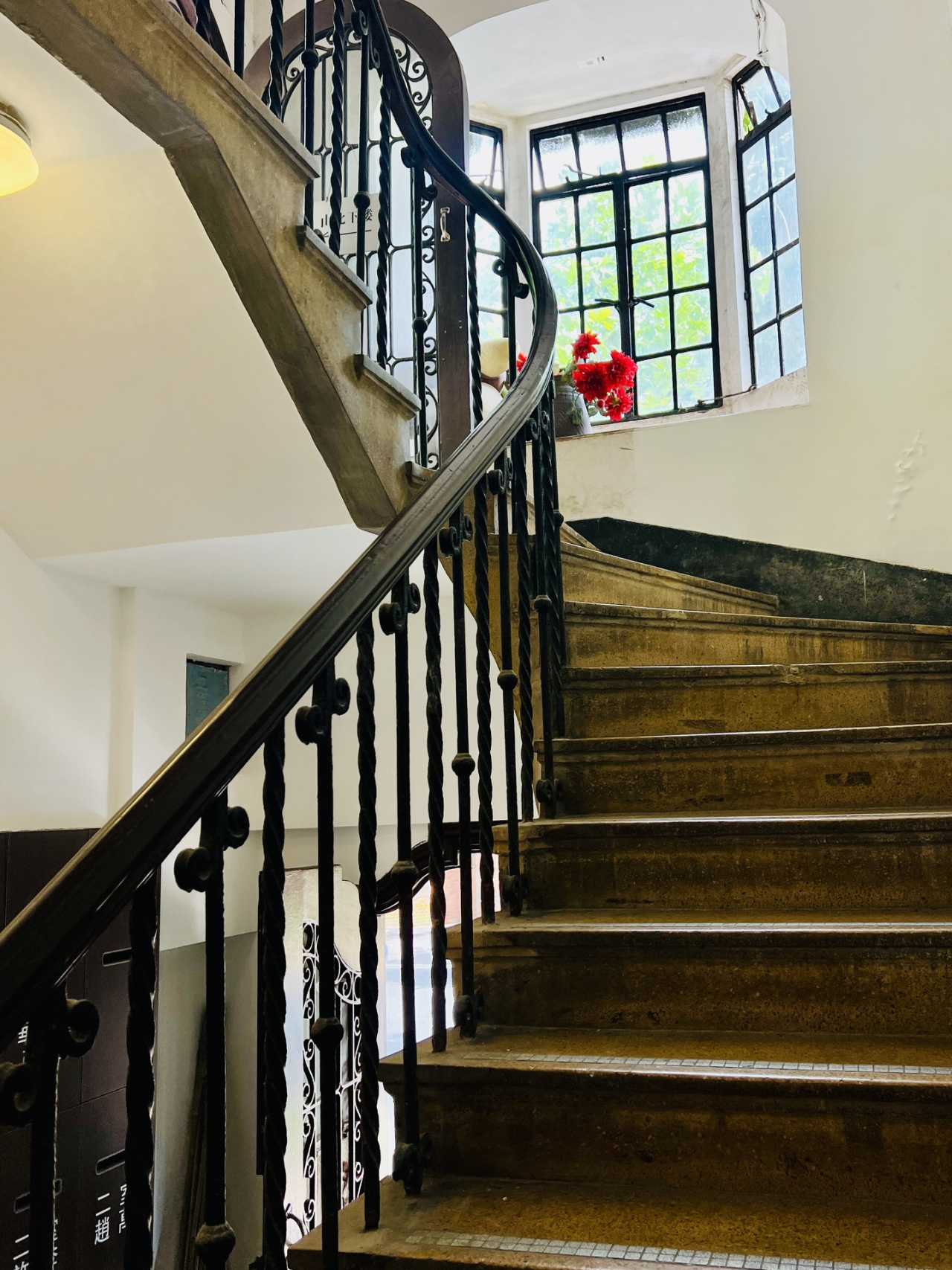
Blackstone Apartments, built in 1924 and named for the black stone used on its exterior, was one of Shanghai's first luxury apartment buildings. This eclectic architectural work blends Baroque and Art Deco elements, featuring a symmetrical structure, curved balconies, mosaic floor tiles, and an old-fashioned elevator. In 2005, it was listed as an Outstanding Historical Building of Shanghai.
Once hailed as "China's finest apartment building," it contained 31 suites and boasted a heated swimming pool, restaurant, ballroom, and elevators. The rooms were equipped with refrigerators, gas, and central heating. The top floor featured a rooftop garden with panoramic views of most surrounding neighborhoods. Outdoors, there were tennis courts and 12 parking spaces. The building served as a filming location for the movies Lust, Caution and Shanghai Fortress.
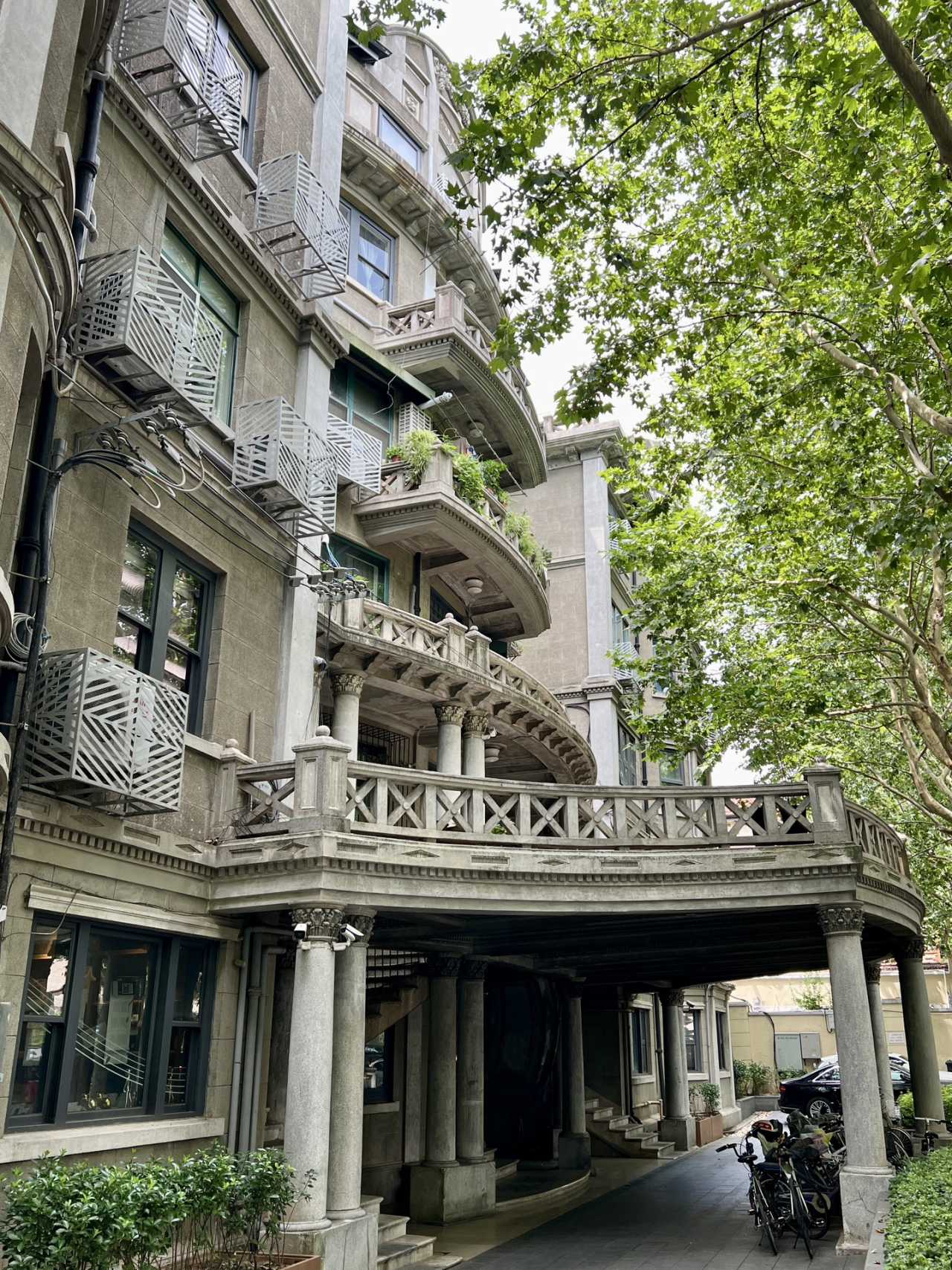
In 2020, the ground floor of this 96-year-old building was transformed into a music-themed bookstore called "Happiness Collection Blackstone Store" (reportedly now closed, unfortunately), reintroducing the space to the public as an urban cultural living room. Currently, only the first floor is open to visitors; floors 2 through 6 remain residential and office spaces.
Address: No. 1331 Fuxing Middle Road, Xuhui District, Shanghai (near Fenyang Road)
Opening Hours: Happiness Collection Bookstore 10:00–22:00
Across from Blackstone Apartments, a saddle-shaped building houses the Jaguar Shanghai Symphony Hall (formerly the Shanghai Symphony Orchestra Concert Hall). Designed by world-renowned architect Arata Isozaki and acoustics expert Yasuhisa Toyota, the building uses terracotta bricks and a curved roof that harmonizes with the surrounding historical preservation area.
[Link: Art Deco architecture Shanghai guide]
Day Two: A Legacy of Culture, Resonating Through China
Xia Yan's Former Residence: A Century-Old Mark of Literature and Film
Xia Yan's former residence in Shanghai was one of the homes of the celebrated writer and film screenwriter Xia Yan (1900–1995). It has now become an important cultural landmark in the Hengshan-Fuxing Historical Area of Xuhui District. Built in 1932, this brick-and-wood structure is an English-style garden villa incorporating Spanish architectural elements, with a steep red tile roof and, on the south side, a large lawn and camphor trees.

Xia Yan lived here from 1949 to 1955, during which time he produced several important works, such as the film script The People's Mighty Palm and the play The Trial. The exhibition focuses on the theme "Xia Yan and Shanghai," showcasing his revolutionary and literary activities in the city, including joining the Chinese Communist Party, helping establish the League of Left-Wing Writers, and founding the National Salvation Daily. It also highlights his literary works such as Indentured Laborers and Under Shanghai's Eaves, as well as his film adaptations of New Year's Sacrifice and The Lin Family Shop.
Address: Building 2, No. 178 South Wulumuqi Road, Xuhui District, Shanghai (within the Hengshan-Fuxing Historical Area)
Opening Hours: Tuesday, Thursday, Saturday 10:00–16:30
[Link: French Concession walking route]
Cao Ying's Former Residence: A Spiritual Lighthouse of Literary Translation
Cao Ying (1923–2015), born Sheng Junfeng, was a renowned Chinese translator, famous for his translations of Russian literary classics. His translated works include Tolstoy's War and Peace and Anna Karenina, as well as Sholokhov's And Quiet Flows the Don.
Cao Ying once lived in this detached garden villa built between the 1920s and 1940s, featuring a low-pitched red barrel-tile roof, beige textured cement walls, and arched porch designs that evoke a Southern European ambiance.
"If Life Disappoints You"
By Alexander Pushkin, Translated by Cao Ying
If life disappoints you, don't be angry, don't grieve! In days of hardship, keep calm, And believe: a joyful day will surely come. The present may lo
Address: No. 147 Fuxing West Road, Xuhui District, Shanghai
Opening Hours: Tuesday, Thursday, Saturday 10:00–16:30 (Free admission)
Day Three: Architectural Wonders and Sacred Spaces
St. Ignatius Cathedral: A Gothic Masterpiece in Xuhui
Built in 1910, St. Ignatius Cathedral is one of Shanghai's most impressive Gothic Revival churches. Its twin spires rise 57 meters above Xujiahui, making it a landmark visible from across the district. The cathedral features stunning stained glass windows, intricate stone carvings, and a serene interior that invites quiet contemplation.
The church is part of the larger Xujiahui Catholic complex, which includes a library, observatory, and the Tushanwan Orphanage workshop. This area was once a center of Sino-French cultural exchange in the late 19th and early 20th centuries.
Address: No. 158 Puxi Road, Xuhui District, Shanghai
Opening Hours: Daily 8:00–17:00 (Free admission)
[Link: Shanghai religious architecture tour]
The Bund: Walking Through a Century of Finance and Power
No Shanghai Citywalk is complete without the Bund. This 1.5-kilometer stretch along the Huangpu River is home to 52 buildings of various architectural styles, including Gothic, Baroque, Romanesque, Classicism, and Art Deco. Known as the "International Architecture Cluster," the Bund represents Shanghai's rise as a global financial center in the early 20th century.
Key highlights include: - The HSBC Building (1923): Once the largest bank building in the Far East - The Customs House (1927): Famous for its clock tower modeled after Big Ben - The Peace Hotel (1929): Art Deco masterpiece designed by László Hudec
Best Time to Visit: Early morning (6:00–8:00 AM) for sunrise and fewer crowds, or evening (7:00–10:00 PM) for the illuminated skyline.
[Link: Bund walking tour itinerary]
Day Four: Suzhou Creek and Industrial Heritage
Suzhou Creek: From Industrial Artery to Cultural Corridor
Suzhou Creek was once Shanghai's industrial lifeline, lined with warehouses, mills, and factories. Today, it has been transformed into a cultural corridor, with many former industrial buildings repurposed as art galleries, museums, and creative spaces.
The Suzhou Creek Walking Path offers a peaceful route along the water, passing by: - M50 Art District: A former textile mill turned contemporary art hub - Shanghai's Post Office Museum: Housed in a 1924 building with a stunning observation deck - Sihang Warehouse: A memorial to the 1937 Battle of Shanghai
This route is perfect for those interested in Shanghai's industrial history and contemporary art scene.
Address: Suzhou Creek, from Waibaidu Bridge to Changning Road
Best Time: Late afternoon for golden hour light
[Link: Suzhou Creek art walk]
FAQ: Your Shanghai Citywalk Questions Answered
1. What is the best time of year for a Shanghai Citywalk?
Spring (March–May) and autumn (September–November) offer the most pleasant weather for walking, with mild temperatures and lower humidity. Avoid summer (June–August) due to heat and rain, and winter (December–February) for cold winds.
2. How long does a typical Shanghai Citywalk route take?
Each day's route in this guide takes approximately 3–5 hours, including stops at attractions and rest breaks. You can combine multiple days into a single day if you're short on time, but we recommend spreading them out for a more relaxed experience.
3. Are these walking routes suitable for solo travelers?
Absolutely! Shanghai is a safe city for solo travelers, and these routes are designed to be self-guided. Many sites offer English signage or audio guides. [Link: Solo travel Shanghai tips]
4. Do I need to book tickets in advance for these attractions?
Some sites, like Ke Ling's Former Residence and Xia Yan's Former Residence, require advance reservations. Check official websites or call ahead. Larger attractions like the Bund and St. Ignatius Cathedral do not require bookings.
5. What should I wear for a Shanghai Citywalk?
Comfortable walking shoes are essential. Dress in layers, as Shanghai's weather can change quickly. Bring an umbrella in spring and autumn, and sunscreen in summer. For religious sites like St. Ignatius Cathedral, dress modestly (cover shoulders and knees).
Conclusion: Start Your Shanghai Citywalk Today
Shanghai Citywalk is more than a travel trend—it's a way to connect with the soul of this extraordinary city. By measuring the city with your steps, you'll uncover stories that guidebooks can't tell: the whisper of plane trees in the French Concession, the echo of literary giants in their former homes, the grandeur of the Bund at sunrise.
Whether you're a history buff, architecture enthusiast, literature lover, or simply a curious traveler, these routes offer something for everyone. So lace up your walking shoes, grab your camera, and step into the story of Shanghai.
Ready to explore? Download our free Shanghai Citywalk map [Link: Free Shanghai walking map] or book a guided tour with a local expert [Link: Book Shanghai walking tour]. Your adventure awaits.
Note: Opening hours and availability may change. Please verify with official sources before visiting.