2025 Shanghai Architecture Tour: Reading History at Wujin Road, Securities Museum & Sihang Warehouse
Meta Description: Explore Shanghai's "Architecture You Can Read" in 2025. Discover the Ba Jin Library on Wujin Road, the Shanghai Securities Museum, and the iconic Sihang Warehouse. A personal journey through century-old buildings that tell the story of modern China.
Introduction: Why Shanghai's Architecture Speaks to the Soul
Shanghai is a city that keeps calling you back. In the deep autumn of 2025, my husband and I returned—not for the glittering Bund or the crowded Nanjing Road, but for something quieter and more profound. We came to "read" the buildings that have stood silently for a century, each brick and beam holding stories of literary giants, financial revolutions, and wartime heroism.
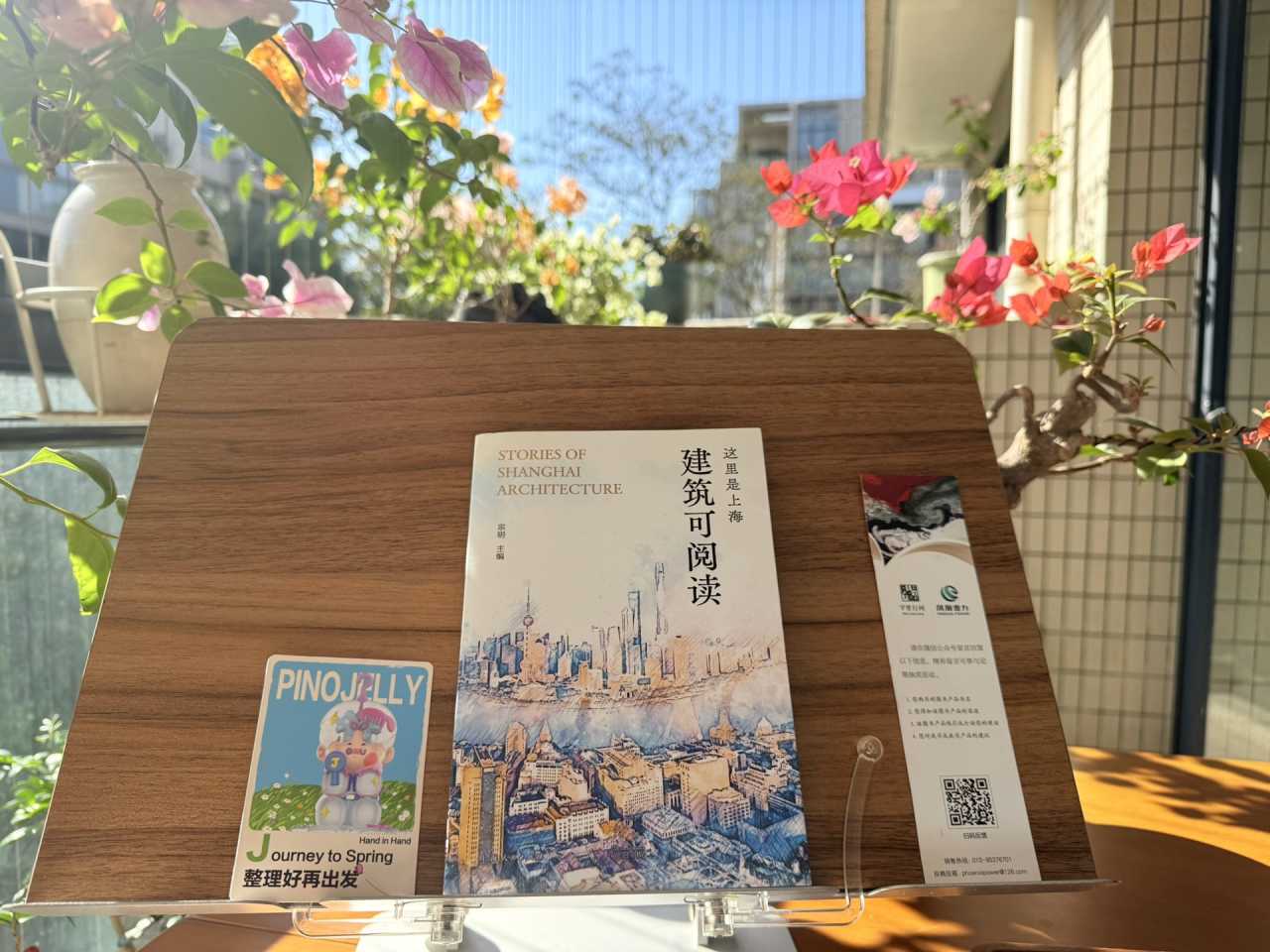
This trip marked our 29th wedding anniversary. Last year we celebrated in Shanghai, and this year my husband curated an itinerary around Wujin Road architecture tours and the Bund's historic district. As we've grown older, we've learned to find ritual in the ordinary and warmth in shared discovery. And there's no better place for that than Shanghai's "Architecture You Can Read" initiative—a citywide effort to open historic buildings to the public.
[Link: Shanghai Architecture You Can Read initiative]
Wujin Road: A Street Carved by Time

Wujin Road in Hongkou District is one of Shanghai's most underrated treasures. Unlike the tourist-packed Bund, this street offers an intimate encounter with history. Our journey began at the Ba Jin Library, followed by the trendy Jinchao 8 Lane, and later extended to the Shanghai Securities Museum and the Sihang Warehouse Memorial.
Ba Jin Library: A Literary Giant's Shanghai Legacy
Address: No. 455 Wujin Road
Opening Hours: Tuesday–Sunday, 9:00–17:00 (closed Mondays)
Admission: Free, no reservation required
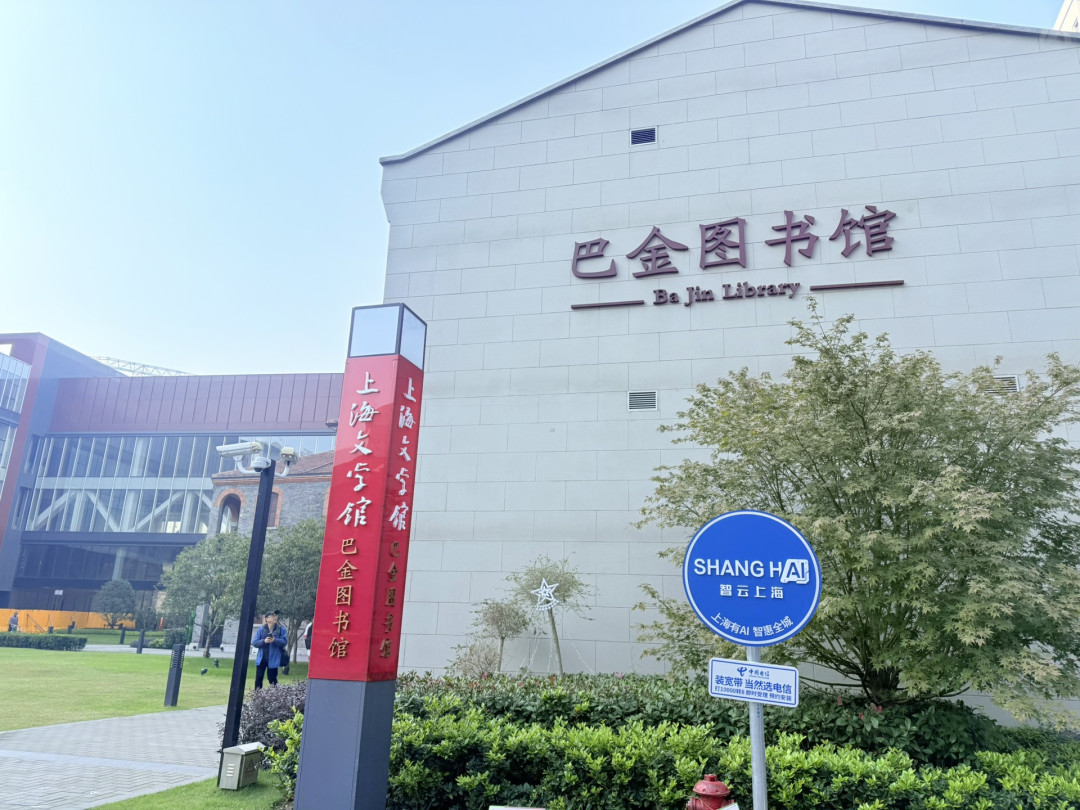
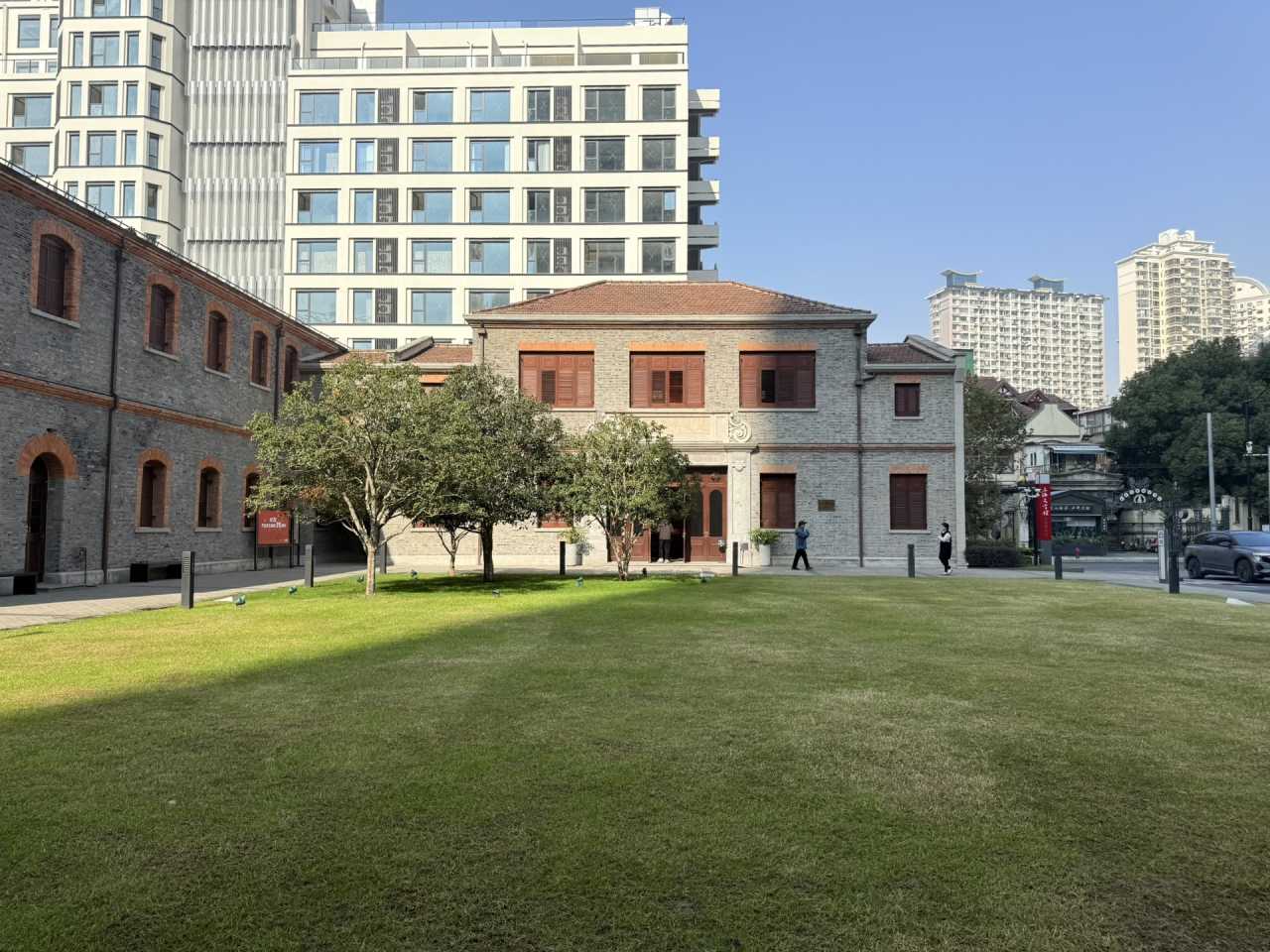
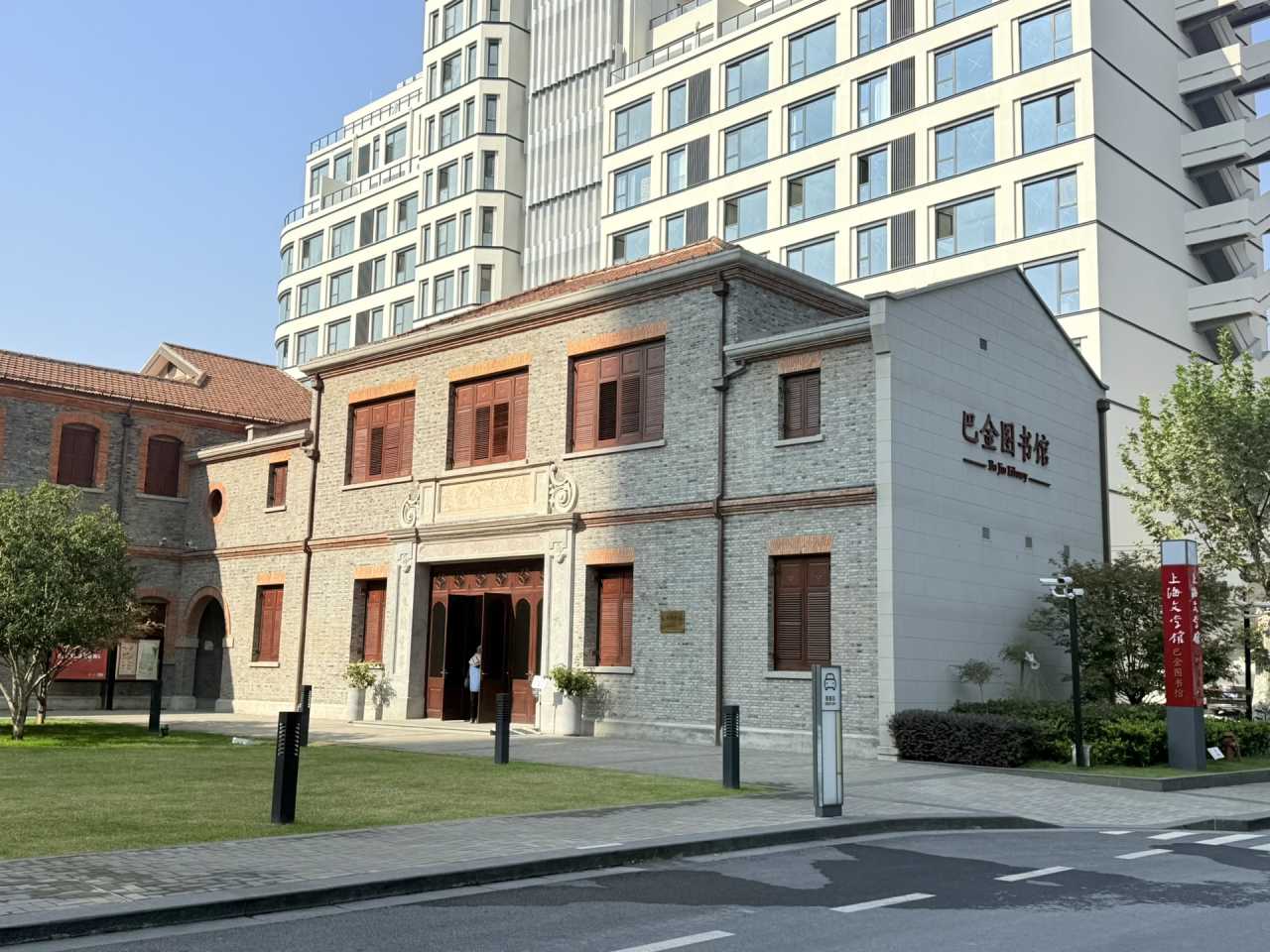
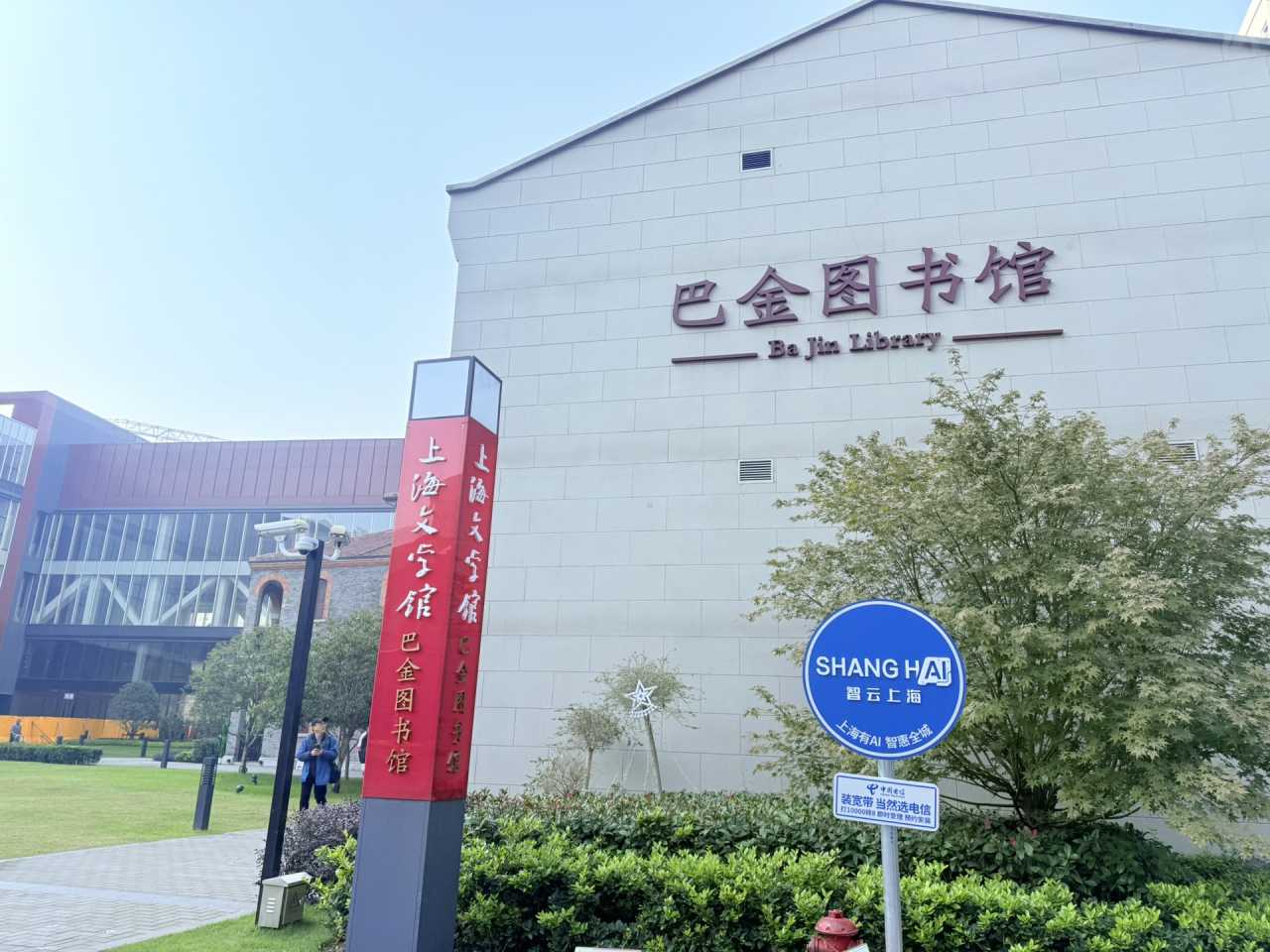
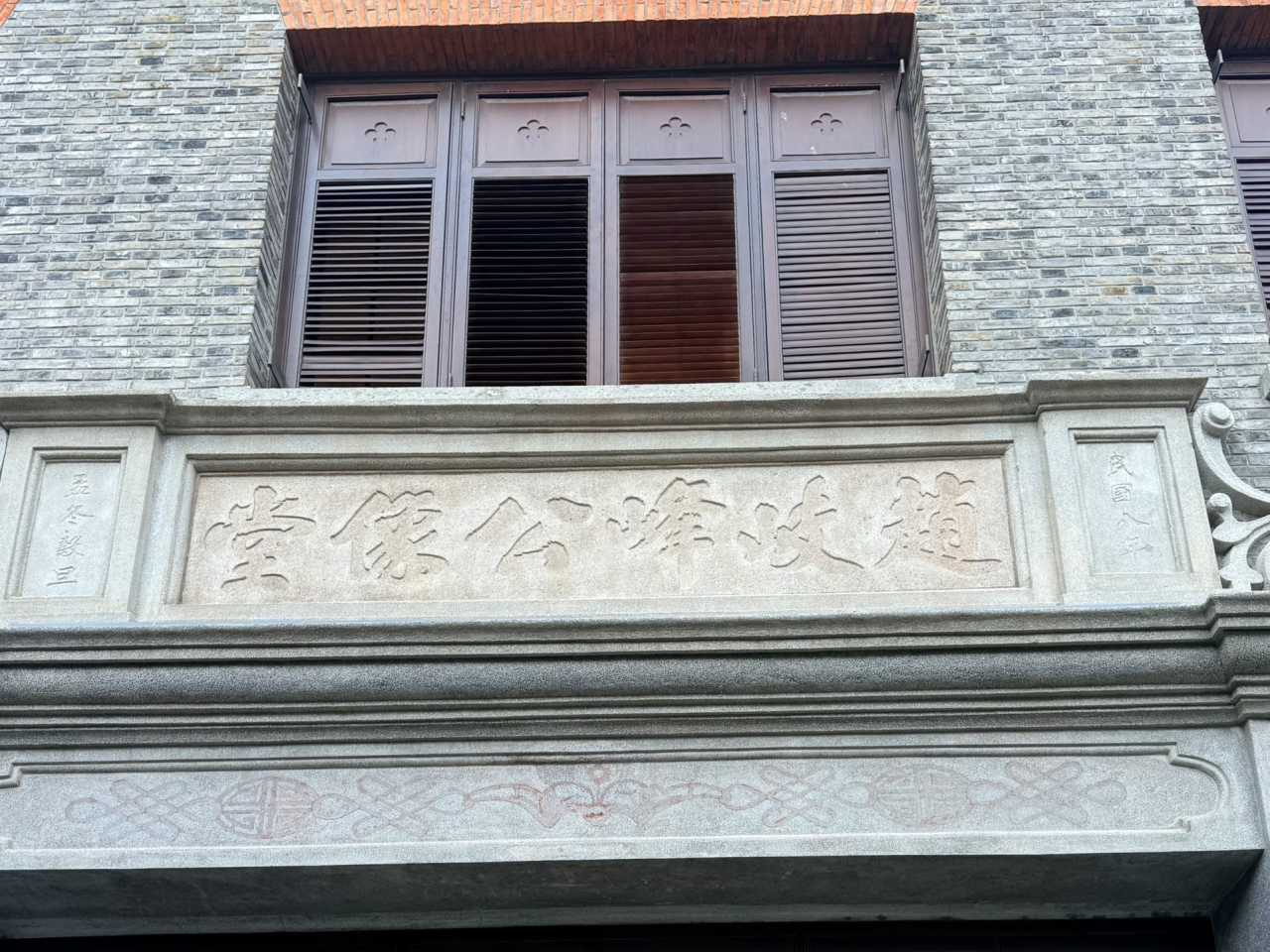
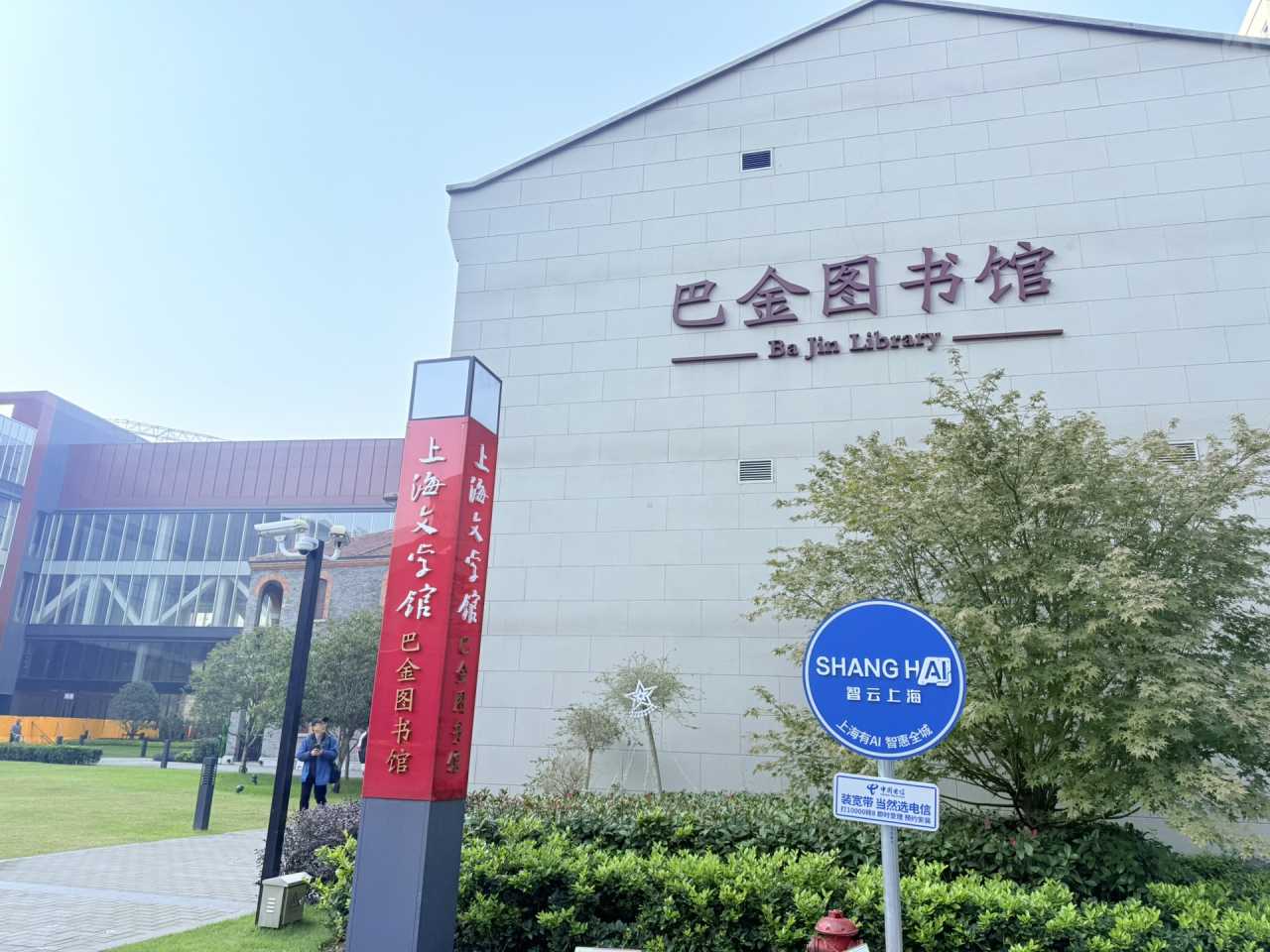
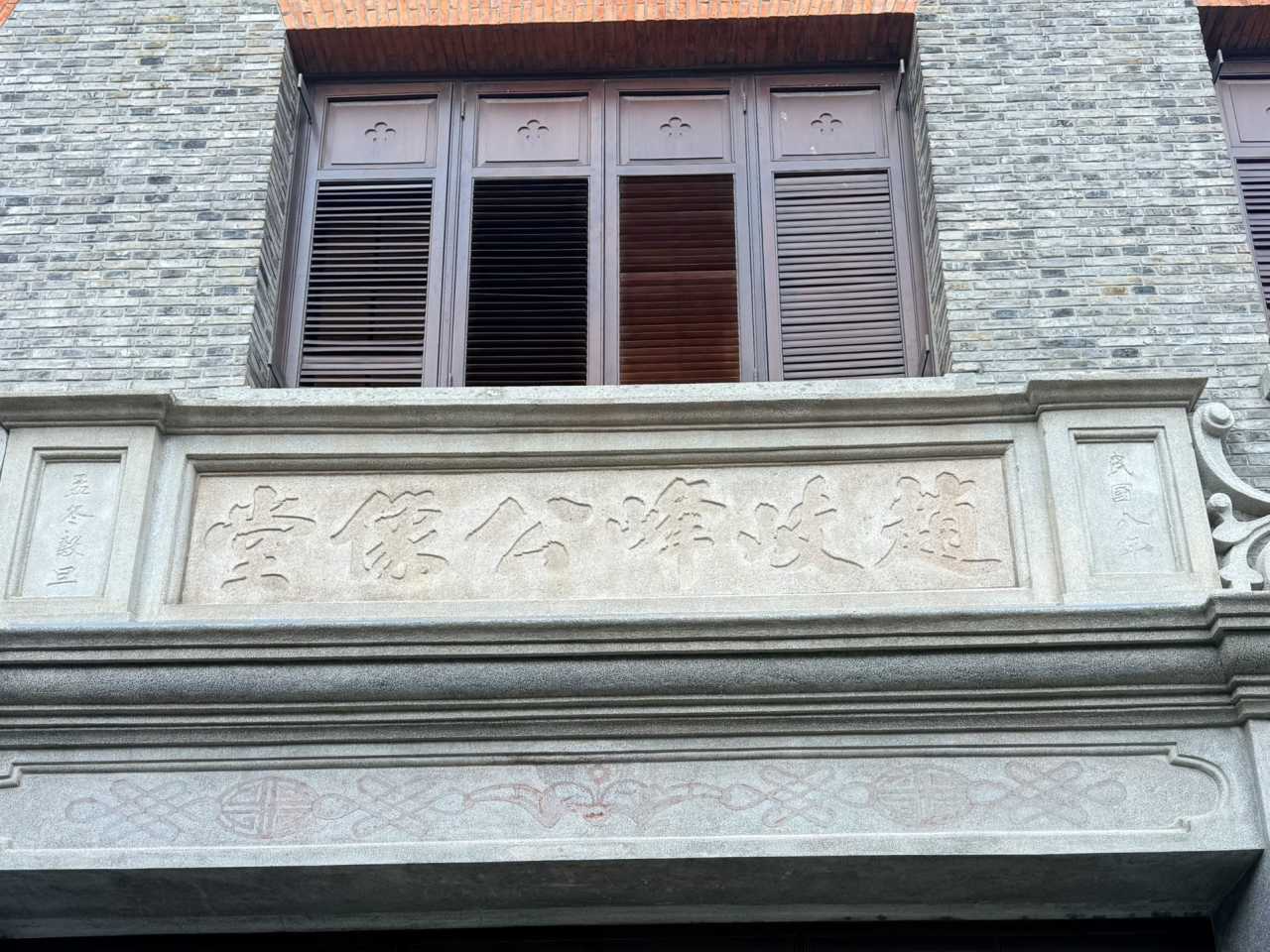
A five-minute walk from our hotel on North Sichuan Road brought us to the Ba Jin Library. This building is part of Yihong Garden, also known as the Zhao Family Garden, built during the late Qing Dynasty's Guangxu period by Cantonese merchant Zhao Qifeng and his son. This private garden, blending Chinese and Western architectural styles, once hosted social elites of the Republic of China era. Dr. Sun Yat-sen visited three times, and the wedding of Tang Shaoyi—the Republic's first Prime Minister—was held here.
After 1949, the property changed hands multiple times: a tuberculosis prevention center, a plywood parts factory, then residential housing. By 2022, when the Shanghai Literature Museum moved in, Yihong Garden underwent protective restoration. Today, the façade, curved verandas, wrought-iron railings, and fireplaces gleam with renewed splendor.
The Ba Jin Library officially opened on November 25, 2024. Its creation stems from an unfulfilled wish of Ba Jin himself—to establish a "Yao Lin Library" in memory of his third elder brother, Li Yaolin, who passed away in 1945. Ba Jin and his brother came to Shanghai together in 1923 to study, sharing a bond that moved me deeply. In an era where family ties often fray, this fraternal affection feels precious.
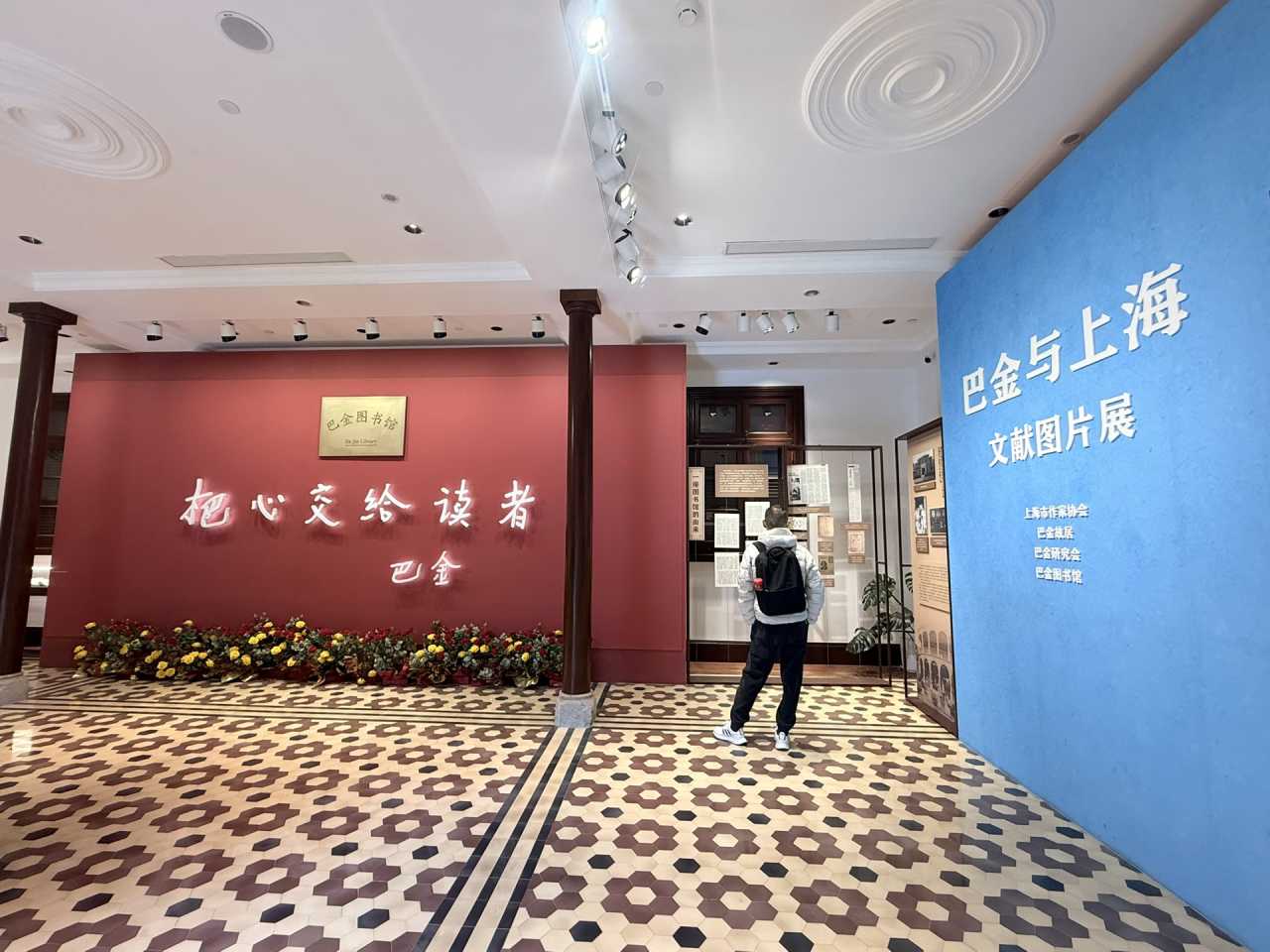
The library building is L-shaped, two stories high, with a clean brick façade. Inside, a square central courtyard opens into a rear balcony with a continuous arched colonnade and red brick flooring in a grid pattern. Entering the main gate, Ba Jin's famous quote glows in letters: "Give your heart to the readers."
The exhibition traces Ba Jin's journey from arriving in Shanghai in 1923 to his death at age 101 in 2005. He lived in 16 different residences across Shanghai, the longest being No. 59 Xiafei Lane (now No. 59 Huaihai Lane, 927 Huaihai Middle Road), where he lived for 18 years, and No. 113 Wukang Road, where he resided for 50 years. The latter has been converted into the Ba Jin Former Residence, temporarily closed for renovation until 2026.
Second Floor Highlights: - Magazine Reading Room: Hosting "Living Up to the Nation's Trust—A Revisit of the 'Sanmao Joins the Army' Picture Exhibition," showcasing Zhang Leping's comic collections and film adaptations. - Cultural Leisure Space: Displays Ba Jin's daily life—furniture from his Wukang Road home, his pinstriped suit from a 1979 France visit, his rattan chair, and his granddaughter's bicycle. Drawers contain ration coupons, bankbooks, and a 1980 food bill from the Writers' Association banquet: 8 yuan per table, beer at 0.54 yuan per bottle, Moutai at 8 yuan per bottle. - Book Reading Room: A quiet space for reflection.
[Link: Ba Jin Former Residence Wukang Road]
Jinchao 8 Lane: From "Cantonese Alley" to Trendy Landmark
Address: 8 Lanes, Wujin Road (near North Sichuan Road)
The name "Jinchao 8 Lane" initially puzzled me. Its predecessor, Gongyi Lane, was built in 1928 by Cantonese real estate developer Chen Qize. The complex is laid out in a "丰" (abundance) character shape, comprising 119 two-story shikumen (stone-gate) buildings—a classic example of Shanghai's new-style shikumen residential architecture. Walls are clean gray brick with red waistlines, with simple Western-style decorations on gateheads and gable peaks. Each unit had a courtyard, gas, sanitary facilities, and telephones—high-standard lane housing for its time. Most buyers were Cantonese, earning it the nickname "Cantonese Alley."
During the 1930s, this area gathered left-wing cultural figures. Publishing houses like Nanqiang Bookstore and Xinken Bookstore operated here, and figures such as Lu Xun, Feng Xuefeng, and Chen Geng were frequent visitors. After the 1937 Battle of Shanghai, Gongyi Lane was damaged by artillery fire. It later became a high-density residential area with extensive illegal construction.
In 2014, Gongyi Lane completed urban renewal. After years of restoration, it re-emerged in 2021 as Jinchao 8 Lane—8 alleys and 66 old buildings (60 shikumen), blending Haipai culture with trendy elements. Today, it's a landmark popular with young people, elderly residents, and families. Wandering through the alleys, you'll find boutique cafes, art galleries, and design studios nestled within century-old walls.
Must-See Spots in Jinchao 8 Lane: - The restored shikumen architecture with original brickwork - Hidden courtyard cafes perfect for photography - Local artisan shops selling Shanghai-style crafts
Shanghai Securities Museum: Where China's Financial History Lives
Address: No. 1 Huangpu Road, on the Bund
Opening Hours: Tuesday–Sunday, 9:30–16:00
Admission: Free (ID required)
From Wujin Road, we headed to the Bund to visit the Shanghai Securities Museum, housed in the historic Shanghai Stock Exchange Building at No. 1 Huangpu Road. This building, completed in 1934, was originally the headquarters of the Shanghai Stock Exchange—the first stock exchange in modern China.
The museum opened in 2021 as part of Shanghai's "Architecture You Can Read" program. It traces China's financial history from the late Qing Dynasty to the present, with exhibits on: - The origins of Chinese stock trading in the 1860s - The "Shanghai Rubber Stock Crisis" of 1910 - The reopening of China's stock markets in 1990 - Interactive displays showing how trading worked in the 1930s
The building itself is a masterpiece of Art Deco architecture, with a grand marble lobby, original trading floor, and a rooftop offering panoramic views of the Bund and Pudong. Standing where brokers once shouted orders, you can almost hear the echoes of a century of financial drama.
[Link: Shanghai Bund architecture tour]
Sihang Warehouse Memorial: A Testament to Wartime Courage
Address: No. 1 Guangfu Road, near Suzhou Creek
Opening Hours: Tuesday–Sunday, 9:00–16:30
Admission: Free (reservation recommended)
No journey through Shanghai's architectural history is complete without visiting the Sihang Warehouse Memorial. This four-story concrete building, originally built in 1931 as a bank warehouse, became the site of one of the most heroic battles of the Second Sino-Japanese War.
In October 1937, during the Battle of Shanghai, 800 Chinese soldiers (actually 420, but the number was inflated for propaganda) held off thousands of Japanese troops for four days and nights. The building's thick walls, pockmarked with bullet holes, still bear witness to the ferocity of the fighting.
The memorial, opened in 2015, is a deeply moving experience. Visitors can: - See the original bullet holes and shell impacts preserved on the exterior - Walk through recreated barracks and command posts - View artifacts including weapons, uniforms, and personal letters - Watch a 15-minute documentary on the battle
The rooftop flagpole, where a Chinese flag was raised daily to inspire resistance, has been reconstructed. Standing there, looking over Suzhou Creek toward the modern skyscrapers of Pudong, I felt the weight of history—and the resilience of the human spirit.
[Link: Battle of Shanghai historical sites]
FAQ: Shanghai's "Architecture You Can Read" Tours
1. What is Shanghai's "Architecture You Can Read" program?
 It's a citywide initiative launched in 2018 to open historic buildings to the public. Over 100 buildings, including banks, museums, and former residences, offer free guided tours or self-guided exploration. Visitors can scan QR codes on building facades to access audio guides in multiple languages.
2. How do I visit the Ba Jin Library?
 The library is at No. 455 Wujin Road, open Tuesday–Sunday 9:00–17:00. Admission is free with no reservation required. It's a 5-minute walk from North Sichuan Road Station (Metro Line 10). Closed on Mondays.
3. Can I take photos inside the Securities Museum?
 Yes, photography is allowed in most areas. Flash photography is prohibited near sensitive exhibits. The rooftop offers excellent photo opportunities of the Bund skyline.
4. Is the Sihang Warehouse suitable for children?
Yes, but the content is intense. The memorial includes graphic depictions of war. Recommended for children aged 10 and above. There's a small outdoor area with benches for younger visitors.
5. What's the best time to visit Wujin Road?
Weekday mornings (9:00–11:00) are quietest. Autumn (October–November) offers pleasant weather and fewer crowds. Avoid Chinese public holidays when lanes can be packed.
Practical Tips for Your Shanghai Architecture Journey
Getting Around: - Metro Line 10 connects Wujin Road (North Sichuan Road Station) to the Bund (East Nanjing Road Station) - Walking is best for Wujin Road and Jinchao 8 Lane - Taxis or ride-hailing apps (DiDi) are affordable for longer distances
Best Time to Visit: - Autumn (October–November) and spring (March–May) offer mild weather - Weekdays are less crowded - Allow 3–4 hours for Wujin Road and Jinchao 8 Lane - The Securities Museum and Sihang Warehouse each require 1.5–2 hours
Nearby Attractions: - North Sichuan Road: Historic shopping street with art deco buildings - Lu Xun Park & Museum: Dedicated to the great writer, a 10-minute walk from Wujin Road - Duolun Road: "Cultural Street" with former residences of literary figures
[Link: Shanghai Hongkou District attractions]
Conclusion: Your Turn to Read Shanghai's Architecture
Shanghai's buildings are not silent monuments. They are living books, waiting for you to turn their pages. Whether you're tracing the footsteps of Ba Jin, standing where China's financial markets were born, or honoring the heroes of the Sihang Warehouse, each structure offers a chapter in the city's extraordinary story.
Your next step: Plan your own "Architecture You Can Read" journey. Start with Wujin Road's literary heritage, then explore the Bund's financial district, and end at the Sihang Warehouse for a powerful historical perspective. Bring comfortable shoes, a curious mind, and a willingness to let the past speak to you.
Book your trip today—and discover why Shanghai's architecture is the city's most eloquent storyteller.
Have you visited any of these sites? Share your experience in the comments below, or tag us in your photos with #ShanghaiArchitectureReads.