Elegance Across Time: Encountering Mucha's "Beautiful Era" at the Pearl Art Museum
Meta Description: Discover Alphonse Mucha's Art Nouveau masterpieces at Shanghai's Pearl Art Museum. Explore 200+ works from the Czech master in Tadao Ando's iconic "Light of Space" – a cultural exchange celebrating 70 years of China-Czech relations.
Introduction: A Century of Art Meets Modern Shanghai
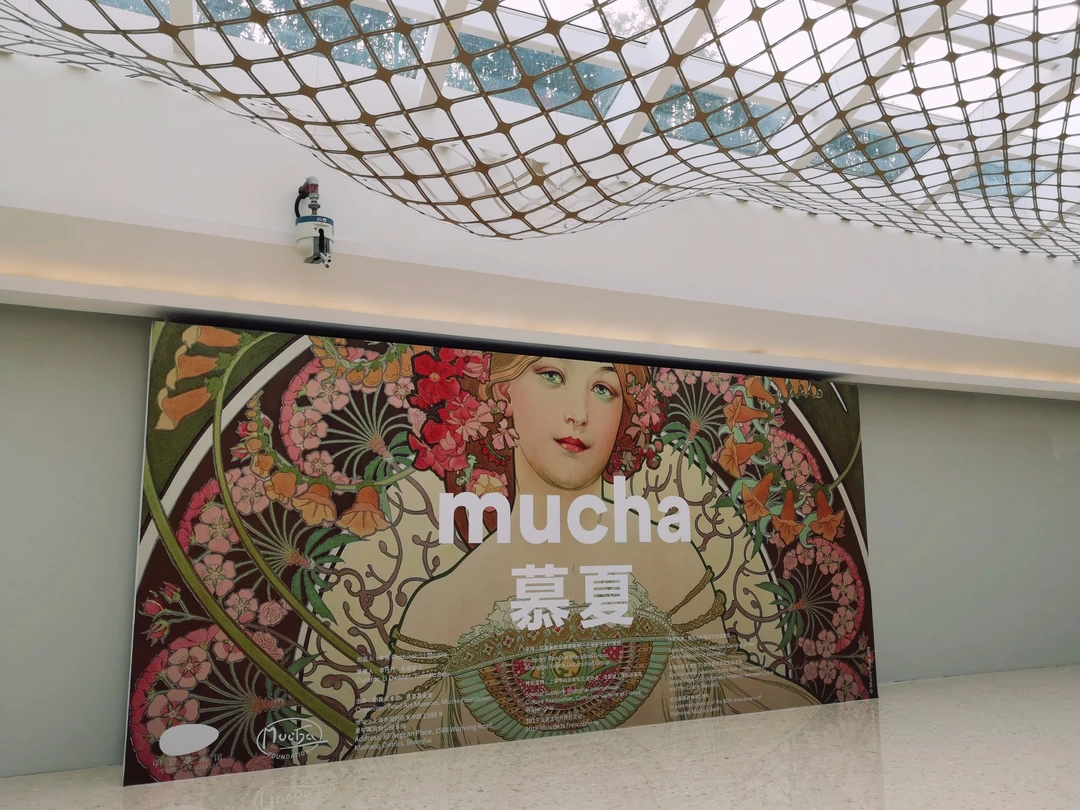
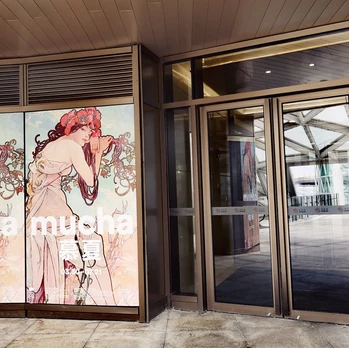
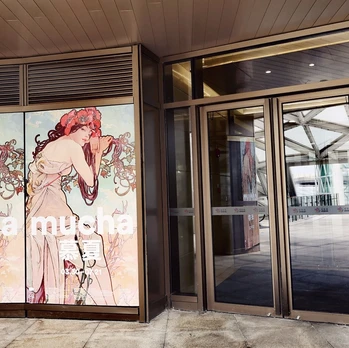
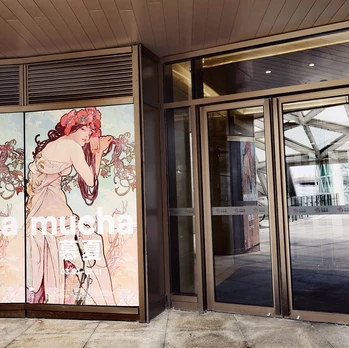
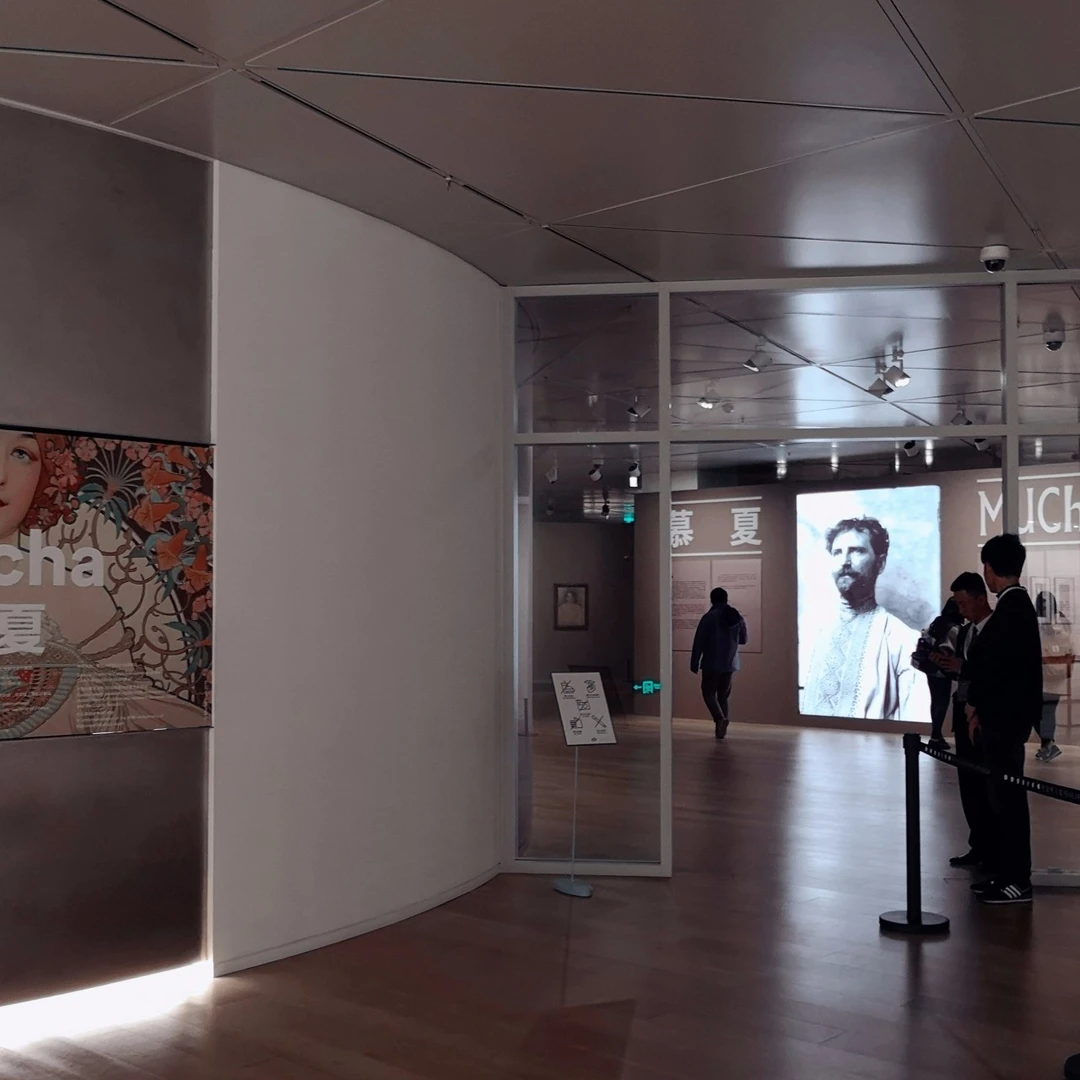
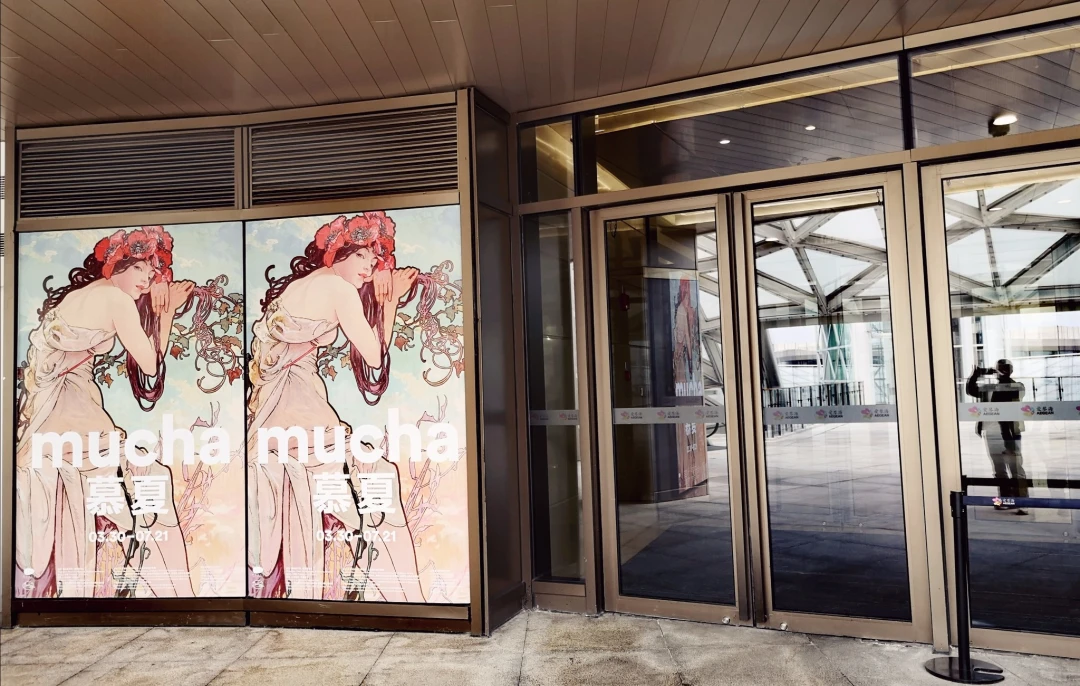
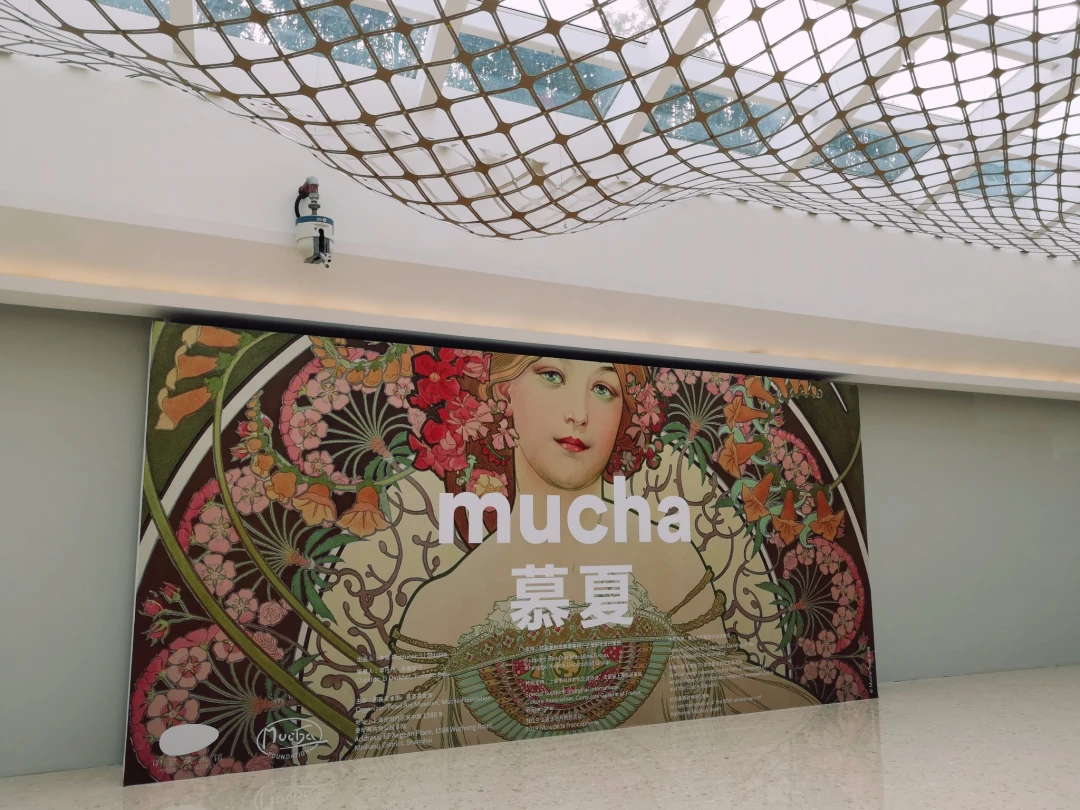
In early spring 2019, art lovers in Shanghai were treated to an extraordinary cultural event. On the eighth floor of the Aegean Sea Shopping Park, inside a stunning space designed by world-renowned architect Tadao Ando, an artistic dialogue spanning more than a century quietly unfolded. The exhibition, titled "Mucha: Classic Works Retrospective," commemorated the 80th anniversary of the death of Alphonse Mucha, the Czech Republic's national treasure artist. It also served as a key cultural exchange project celebrating the 70th anniversary of diplomatic relations between China and the Czech Republic.

For just 40 RMB (original price 120 RMB), visitors could embark on a deep dialogue with one of the pinnacle figures of the Art Nouveau movement. Over 200 treasures from the Mucha family collection were presented on an unprecedented scale in China for the first time. This article explores the exhibition, the artist's life, and the enduring legacy of the "Mucha style."
Tadao Ando's "Light of Space": The Museum as Art
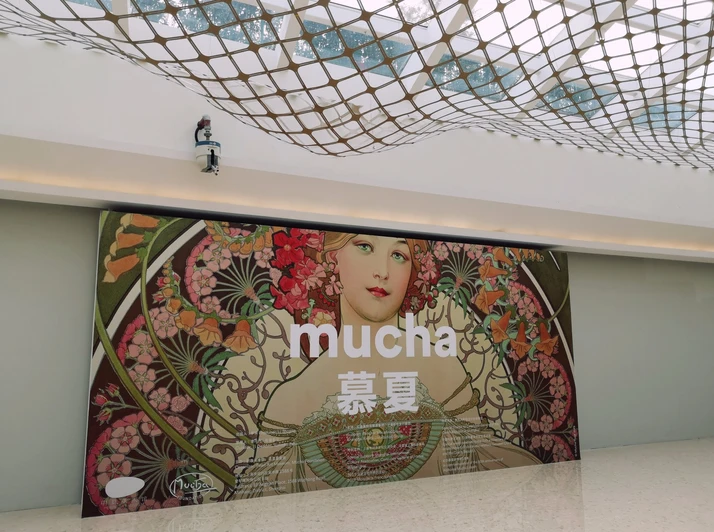
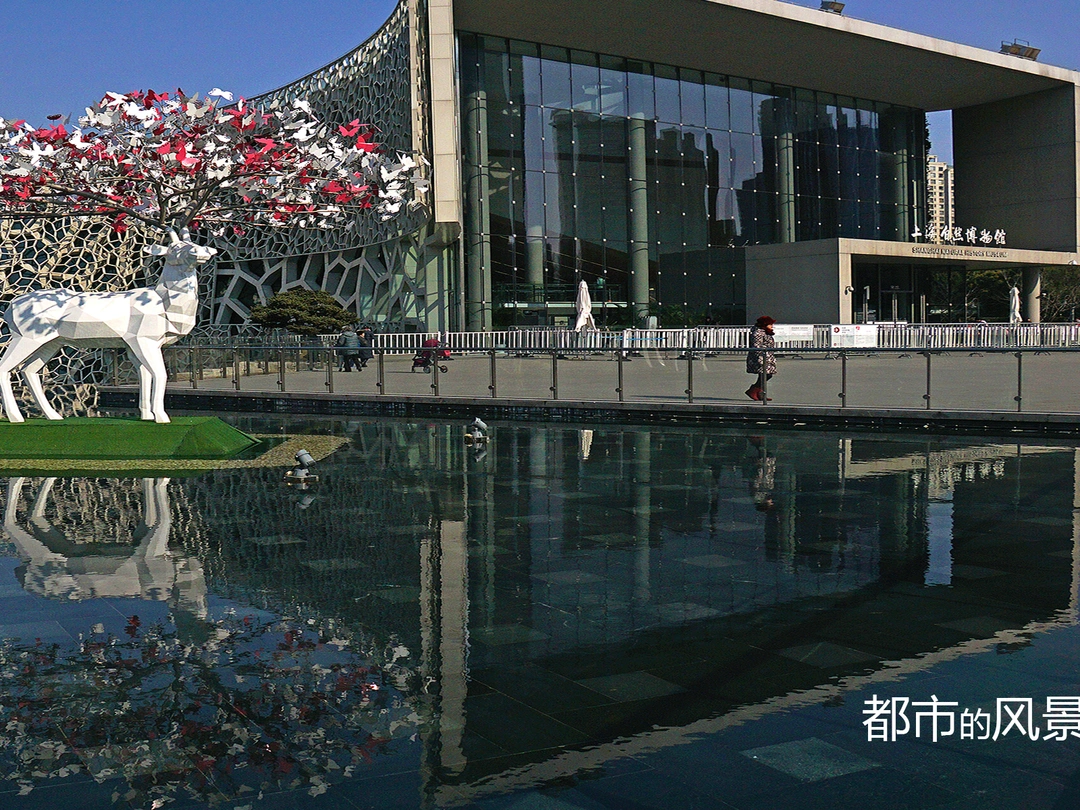
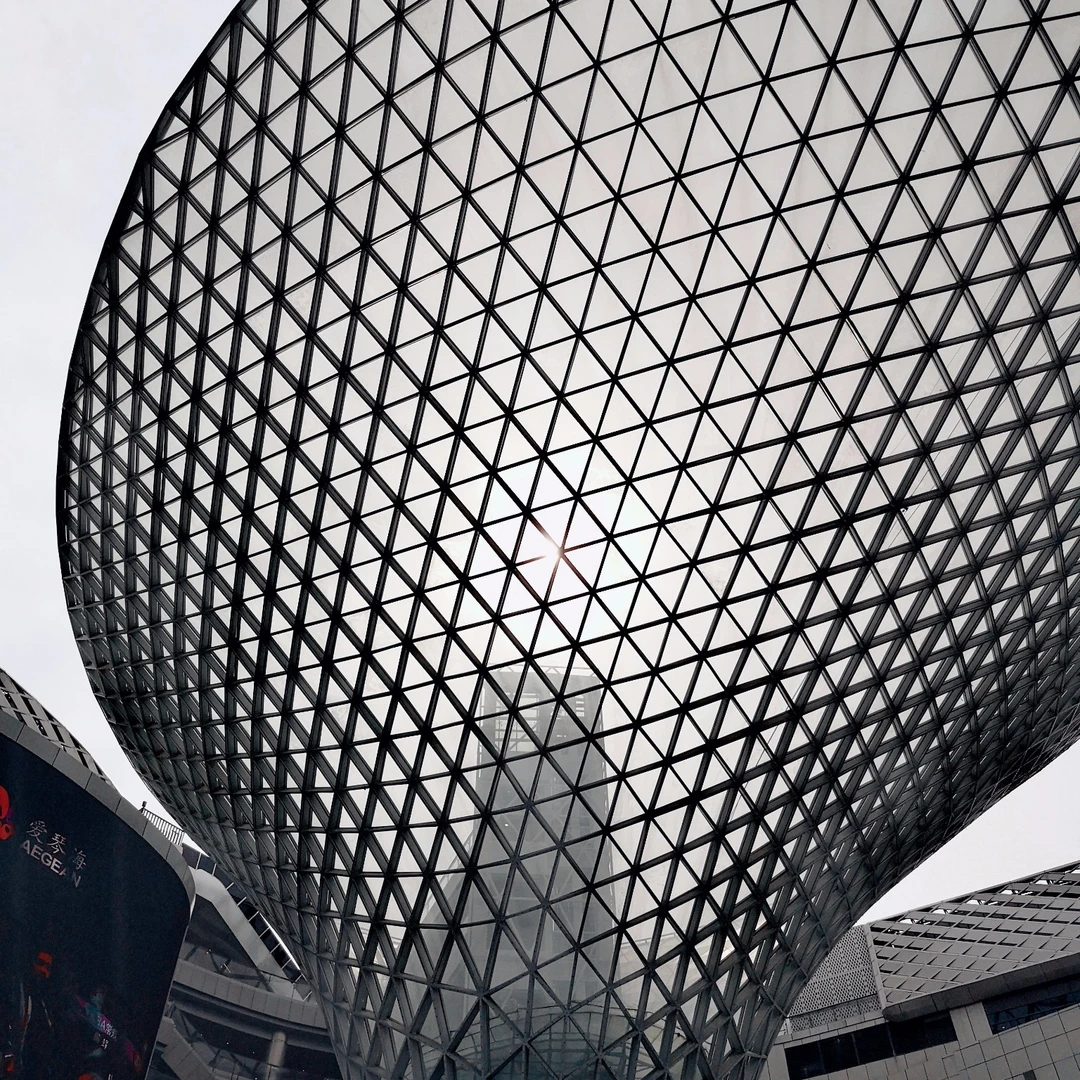
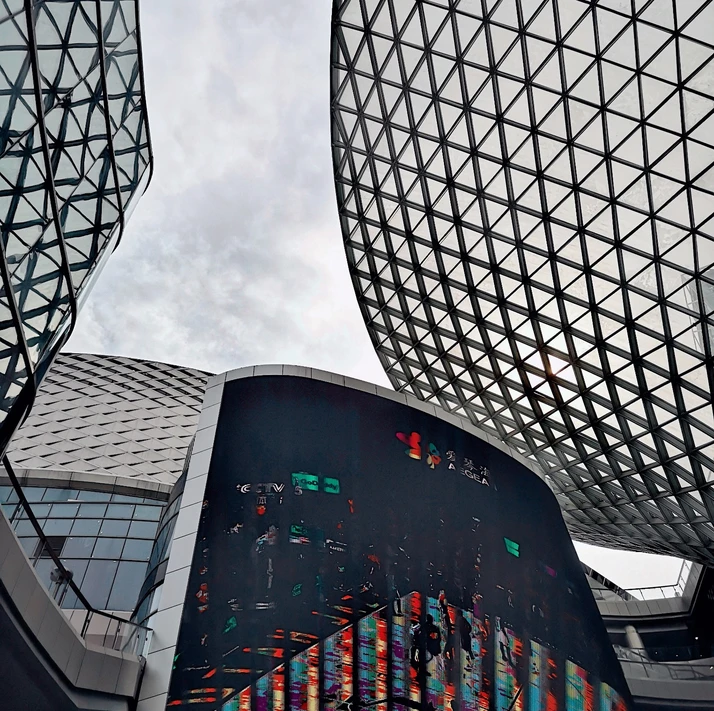
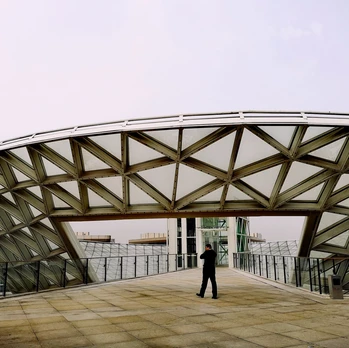
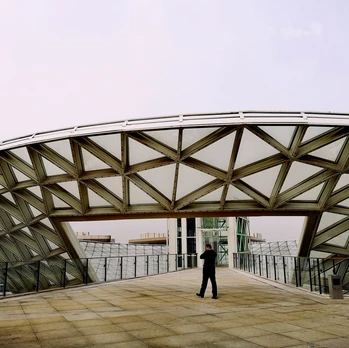
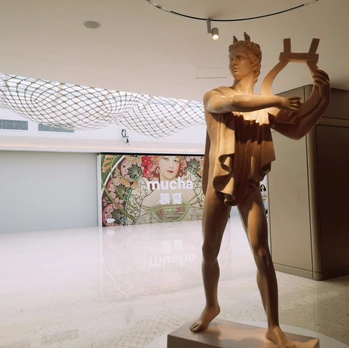
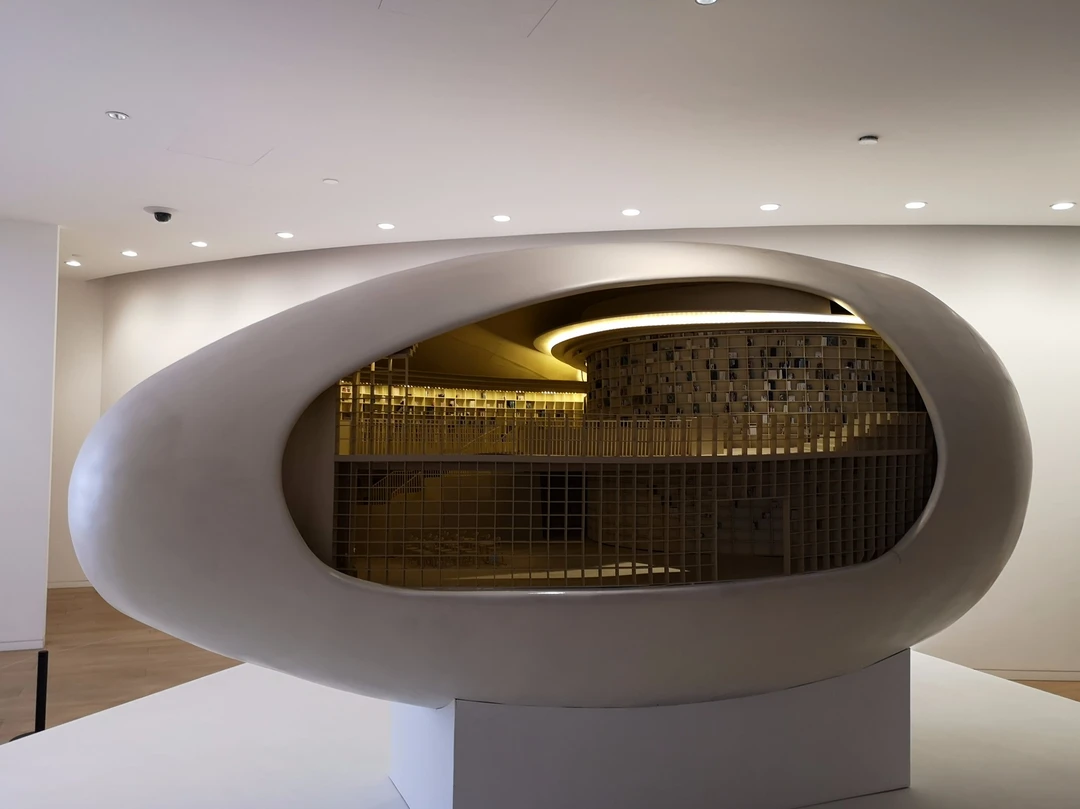
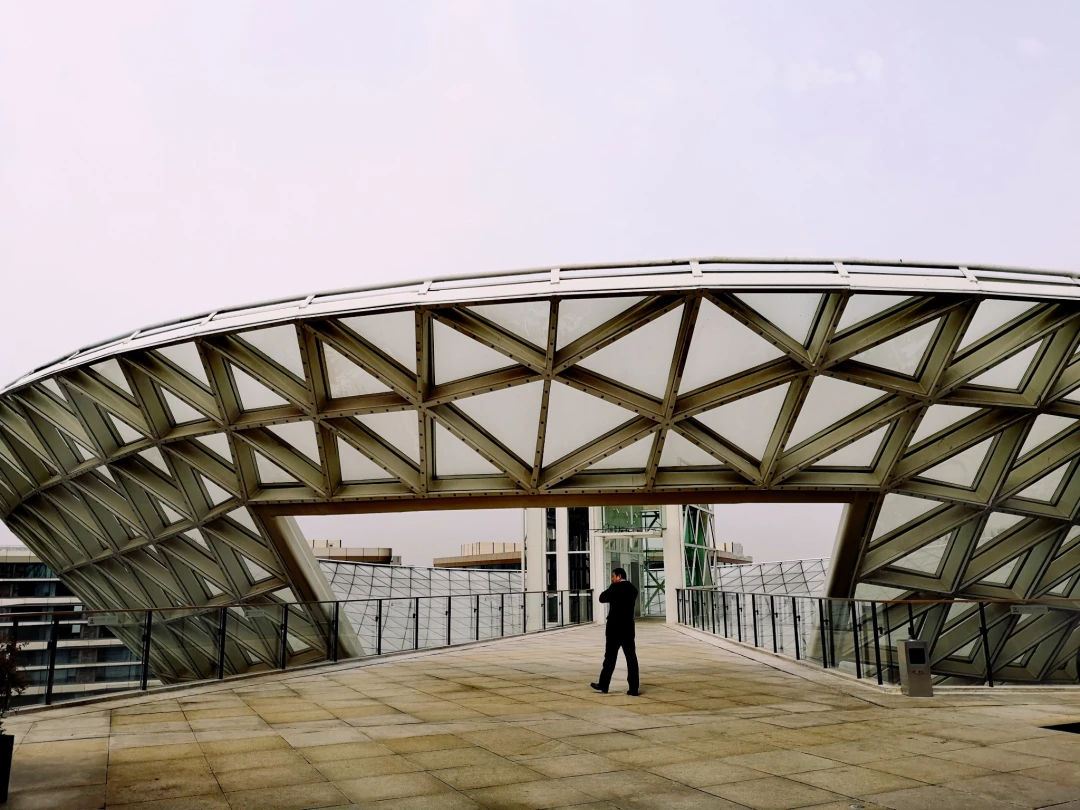
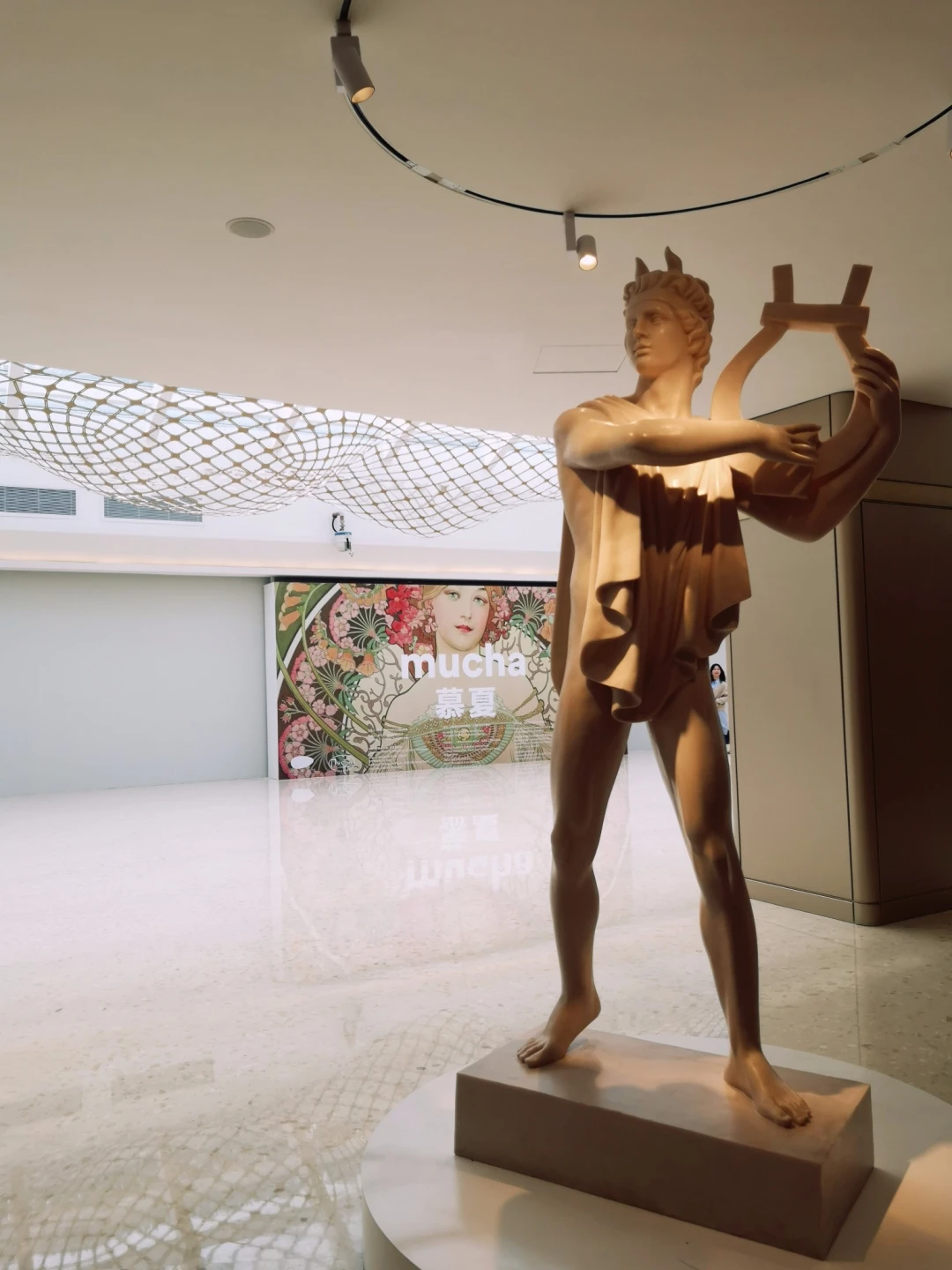
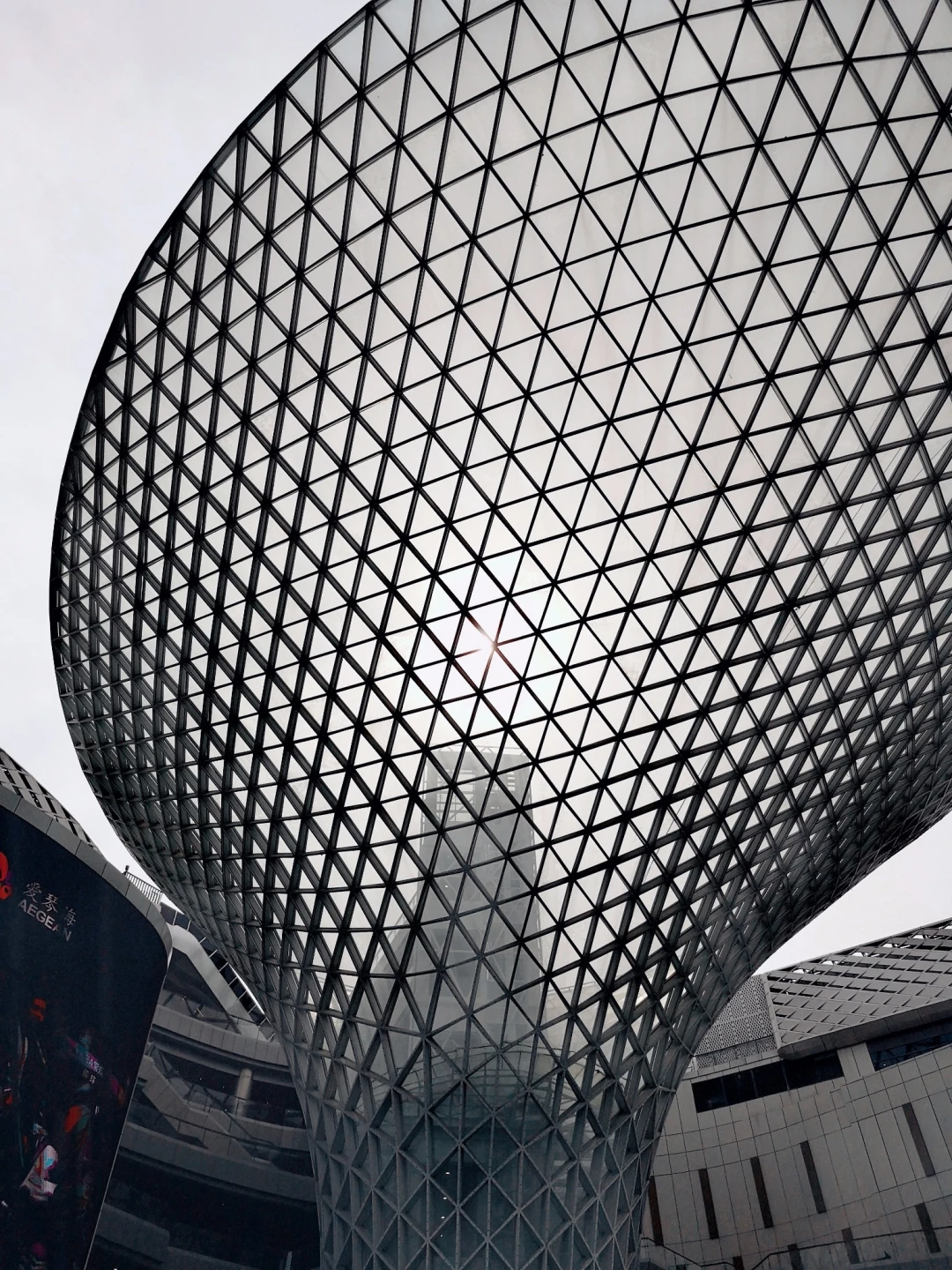
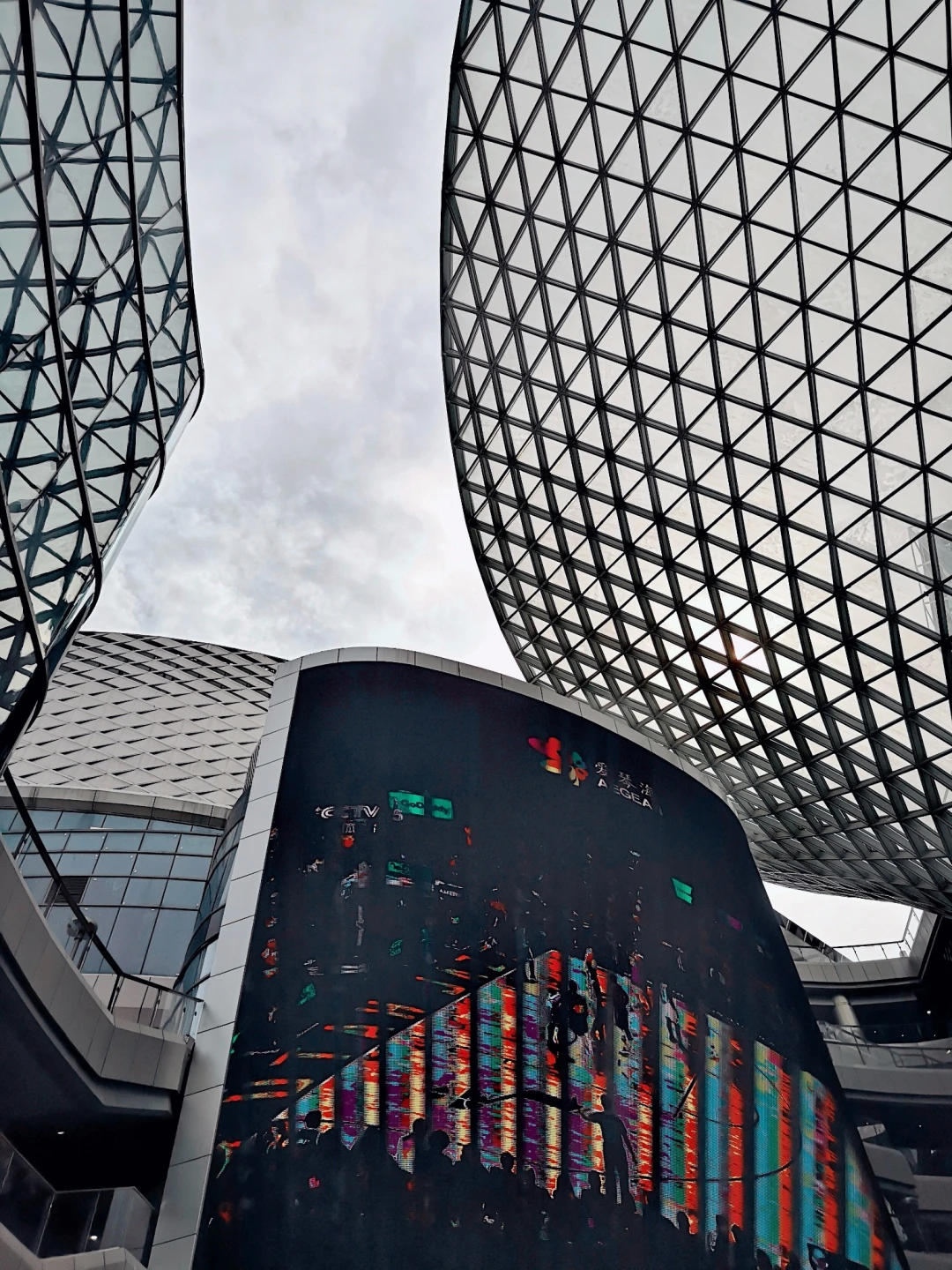
Before stepping into the exhibition, the architecture of the Pearl Art Museum itself deserves attention. Designed by Japanese architectural master Tadao Ando, this "Light of Space" ingeniously stacks the museum atop a Xinhua Bookstore, creating a unique composite space for art and culture.

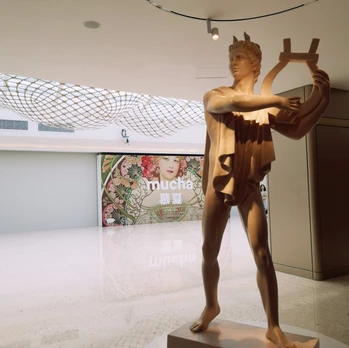
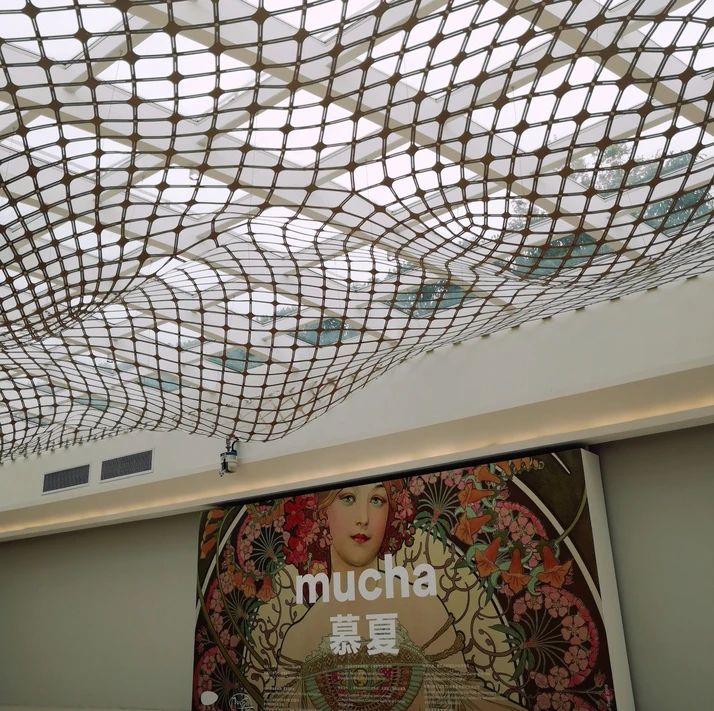
Taking the elevator—wrapped in a net-like megaphone—from the shopping mall to the eighth floor, visitors are greeted by the museum entrance. The texture of exposed concrete and the subtle introduction of natural light seem to announce: you are about to enter a meticulously crafted world of art. This architectural experience sets the perfect tone for encountering Mucha's elegant, organic forms.
[Link: Tadao Ando architecture in Shanghai]
Who Was Mucha? From Bohemian Boy to "Greatest Decorative Artist in the World"
Alphonse Mucha was born in 1860 in the small Moravian town of Ivančice. His rise to fame is legendary. In late 1894, a down-and-out Czech painter designed a theater poster for the most sought-after actress in Paris—Sarah Bernhardt—for the play Gismonda. The poster became an overnight sensation across the city. Collectors would secretly cut it down from billboards late at night to take home and treasure.
From that moment, Mucha's name became inextricably linked with the Art Nouveau movement. The "Mucha style" he created—harmonious compositions, organic lines, soft colors, and elegant female figures—became the aesthetic symbol of an era.
However, Mucha was far more than a poster designer. He was a painter, sculptor, photographer, designer, teacher, and a steadfast patriot. He strongly advocated for Czech independence from Habsburg rule. In his later years, he spent 15 years creating 20 monumental historical paintings titled The Slav Epic, expressing his deep longing for Slavic unity. When he first traveled to the United States in 1904, he was hailed as the "greatest decorative artist in the world" and welcomed like a returning hero.
Six Chapters of the Exhibition: Entering Mucha's Multifaceted Life
This exhibition, with artifacts provided by the Mucha Foundation in Prague, was divided into six sections. Each focused on a different facet of Mucha: the Bohemian, the portraitist, the international artist, the mystic, the patriot, and the philosopher. Every piece on display bore witness to the trajectory of his life.
Part One: The Bohemian in Paris—From Poverty to Overnight Fame
In 1887, Mucha arrived in Paris. The city was in the midst of the economic boom of the "Belle Époque," with artists flocking from around the world. Mucha initially received formal training at the Académie Julian and the Académie Colarossi. However, in 1889, his patron suddenly stopped funding him, forcing him to make a living as a commercial illustrator.
He lived at 13 Rue de la Grande Chaumière and became a boarder at Madame Charlotte's restaurant—a famous gathering place for struggling artists. It was there he met Paul Gauguin and Swedish writer August Strindberg, among others.
Within this section, early sketches and illustration manuscripts recorded his solid academic foundation. But the most captivating piece was undoubtedly the poster that changed his fate: Gismonda.
Poster for Gismonda (1894, Color Lithograph)
In the image, Sarah Bernhardt stands tall and central, draped in a Byzantine-style, gold-embroidered robe adorned with floral and bird motifs. She wears a pink floral crown and holds a palm frond. A small human head emerges at her feet, resting on a balustrade formed by text, its eerie expression hinting at the drama's tension. The extensive use of floral imagery makes Sarah appear like a fairy emerging from a forest—this would become a hallmark of the "Mucha style."
Mucha later recalled: "The poster was on the wall. She stood before it, motionless, for a long time. When she finally looked at me, she came over and embraced me... She was not disappointed. I had succeeded."
The success of this poster led Sarah to sign a six-year contract with Mucha. From then on, Mucha not only extended Sarah's artistic life through his visual language but also laid the foundation for the entire painting style of the Art Nouveau period.
[Link: Art Nouveau history and characteristics]
Sarah Bernhardt: Mucha's Muse and Benefactor
Sarah Bernhardt (1844–1923) was the most famous dramatic actress of the late 19th century in France. Mucha created a series of iconic posters for her, each a masterpiece in its own right.
Poster for La Dame aux Camélias (1896)
This is one of the most representative works of the Mucha-Bernhardt collaboration. In the image, the Lady of the Camellias, dressed in a white robe, leans against a balustrade with her eyes half-closed, against a pale purple background dotted with stars. A heart entwined with flower stems and a golden crown at the corner of the paper foreshadows the bound love and tragic fate of Alexandre Dumas fils's character. A mysterious hand in the lower left corner gently holds a single white camellia, symbolizing her purity and nobility. Sarah herself was particularly fond of this piece and used it again during her 1905 tour of the United States, influencing American poster design of the time.
Poster for Medea (1898)
This is the most shocking piece. To avenge her lover's betrayal, Medea furiously kills her two children. In the poster, her eyes are wide open with terror, her lifeless children lie at her feet, she clutches a blood-stained dagger, and a black snake coils around her other hand. A massive crown above her head seems about to crush her, while a dying sun sets behind her—the tragic dramatic tension is palpable. The viewer feels like a witness and accomplice to her infanticide.
Poster for Hamlet (1899)
This was the last poster Mucha created with Sarah. Hamlet, in a tight black costume and dark green cloak, wears a grave expression. The drowned Ophelia lies at his feet, and behind him, within a semicircular window frame, is the ghost of his father. The eerie blue tones contrast sharply with the red and yellow background, creating a dark and sinister atmosphere.
Jewelry and Personal Items: Traces of the Artist's Life
Beyond posters and paintings, the exhibition also featured jewelry designed by Mucha, personal items, and family portraits. Among them, a necklace Mucha gave to his wife, Maruška, on their wedding anniversary was particularly moving—a combination of gold, enamel, and semi-precious stones, delicate and full of emotion. There was also a pocket watch, a pair of pince-nez glasses, and photographs and portraits of Mucha with his wife and children, offering us a glimpse of the tender side of this artistic master as a husband and father.
Art Nouveau: Bidding Farewell to Tradition, Moving Toward Modernity
From the end of the 19th century until World War I, Europe and America experienced economic prosperity. The demand for newspapers, books, and magazines surged, and the development of color printing made posters a new art form. The wealthy middle class sought opulence and luxury, craving innovative products.
Art Nouveau was a reaction against the academic art of the 19th century. It embraced natural forms, curved lines, and decorative elements. Mucha's work perfectly embodied this spirit. His posters, jewelry, furniture, and interior designs all featured flowing, organic shapes inspired by nature.
The "Mucha style" became synonymous with the Belle Époque—the "Beautiful Era." It represented a world of elegance, beauty, and sophistication. Today, Mucha's influence can still be seen in everything from graphic design to fashion, from jewelry to architecture.
[Link: Belle Époque art and culture]
FAQ: Everything You Need to Know About Mucha and the Exhibition
1. What is the "Mucha style" exactly?
The "Mucha style" is characterized by harmonious compositions, organic lines, soft colors, and elegant female figures. Mucha often used floral motifs, Byzantine-inspired patterns, and decorative borders. His women are typically depicted with flowing hair, draped in classical robes, and surrounded by natural elements. This style became the defining aesthetic of the Art Nouveau movement.
2. Why was Sarah Bernhardt so important to Mucha's career?
Sarah Bernhardt was the most famous actress of her time. When Mucha designed the poster for Gismonda, it was an instant success. Bernhardt was so impressed that she signed a six-year contract with him. This partnership gave Mucha unprecedented visibility and allowed him to create some of the most iconic posters in art history. Bernhardt was both his muse and his benefactor.
3. What is the significance of the Pearl Art Museum's architecture?
The Pearl Art Museum was designed by Tadao Ando, a Pritzker Prize-winning architect. The "Light of Space" concept uses exposed concrete and natural light to create a serene, contemplative environment. The museum is stacked atop a Xinhua Bookstore, creating a unique cultural complex. Ando's architecture itself is considered a work of art, making the museum visit a holistic experience.
4. How many works were on display in this exhibition?
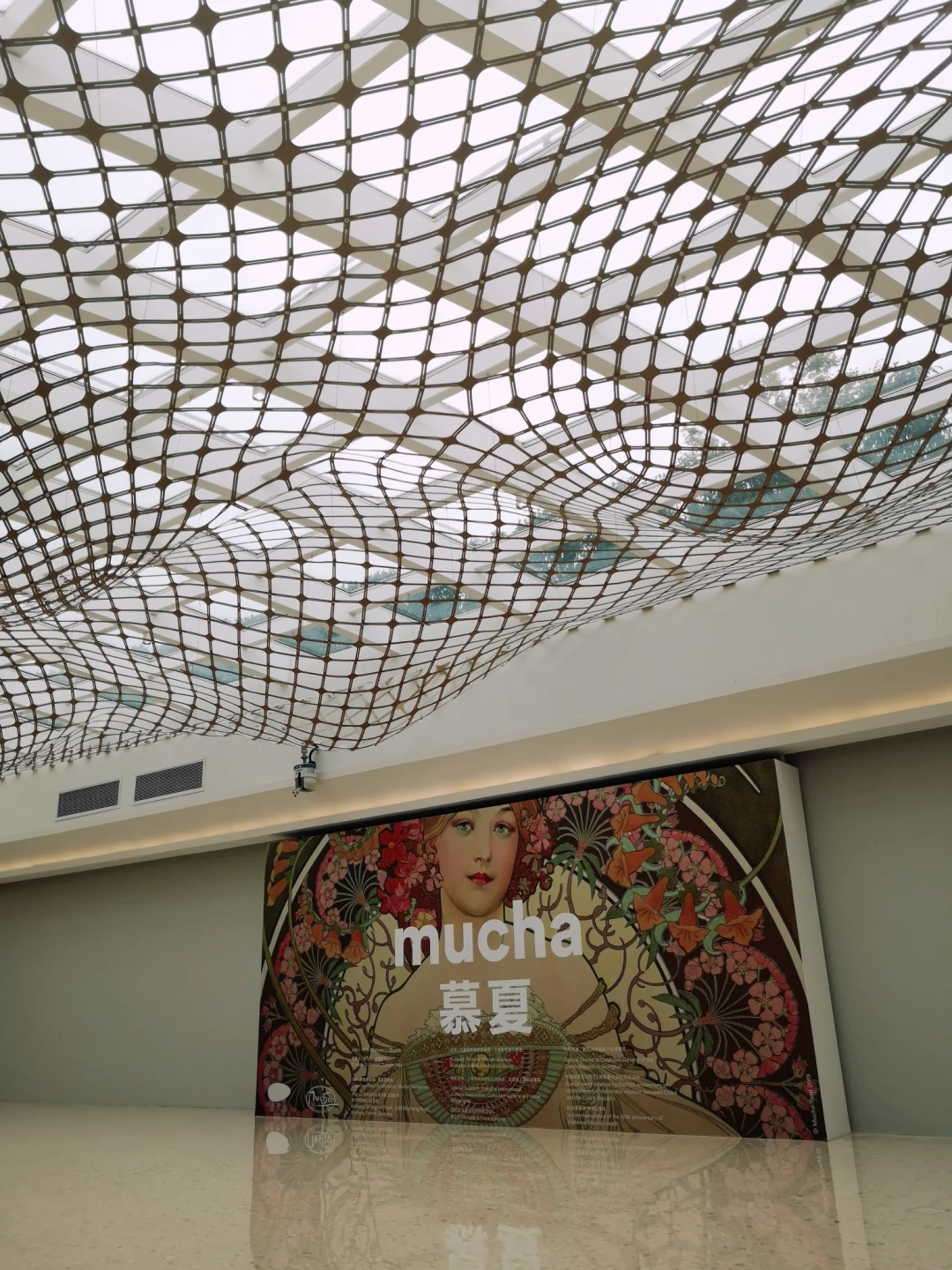
The exhibition featured over 200 treasures from the Mucha family collection. This was the first time such a large collection of Mucha's works was presented in China. The pieces included posters, paintings, sketches, jewelry, personal items, and family photographs.
5. What is The Slav Epic and why is it important?
The Slav Epic is a series of 20 monumental historical paintings that Mucha created over 15 years. It depicts the history and mythology of the Slavic peoples. Mucha was a passionate patriot who wanted to celebrate Slavic unity and independence from Habsburg rule. This series is considered his magnum opus and a testament to his dedication to his homeland.
Conclusion: Your Invitation to the "Beautiful Era"
The "Mucha: Classic Works Retrospective" at the Pearl Art Museum was more than an exhibition—it was a journey through time. It allowed visitors to experience the elegance, beauty, and innovation of the Belle Époque through the eyes of one of its greatest artists.

For those who missed it, Mucha's legacy lives on. His works continue to inspire designers, artists, and art lovers around the world. Whether you're a seasoned art enthusiast or a curious newcomer, exploring Mucha's world is an invitation to rediscover the beauty of the "Beautiful Era."
Ready to dive deeper into Art Nouveau? Visit our [Art Nouveau Collection Guide] to discover more masterpieces from this transformative period. Or, plan your next cultural trip to Shanghai and explore the city's vibrant art scene.
Don't let the elegance of the past fade away. Start your journey today.
[Link: Shanghai art museum guide] [Link: Art Nouveau jewelry design history]
You may also like