Shanghai Liuli (Glass) Art Museum: A Dazzling Journey Where Glass Meets the Soul
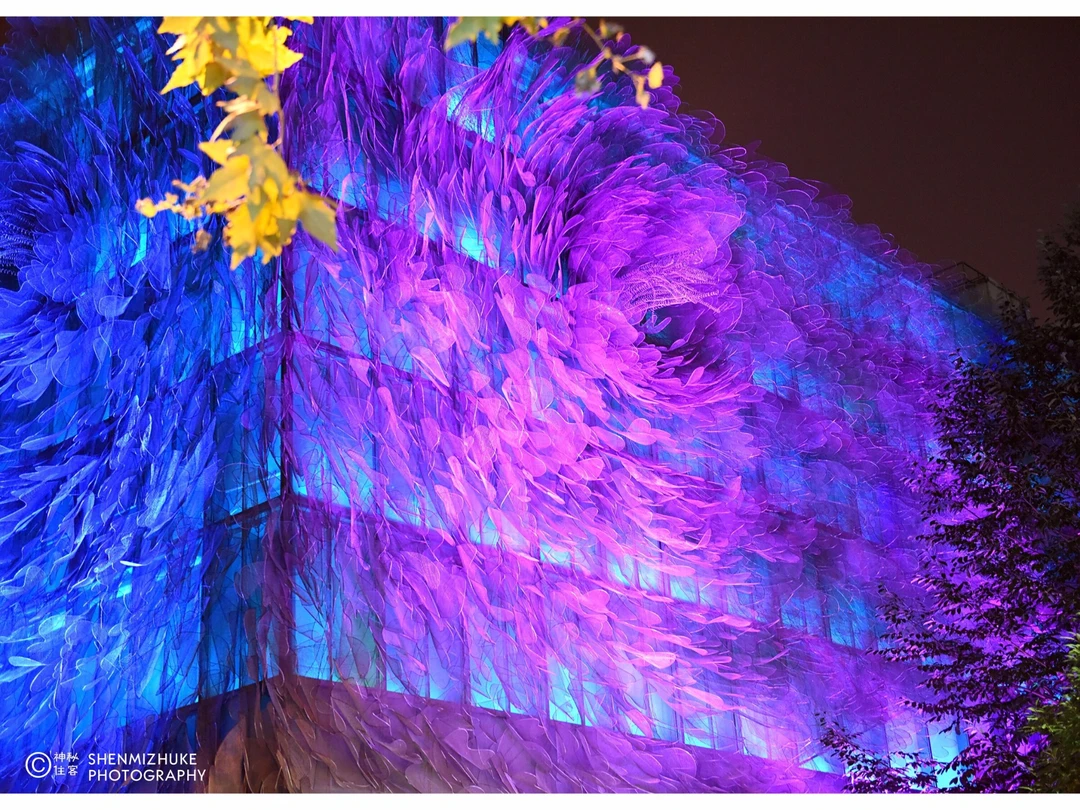
Meta Description: Discover Shanghai Liuli Art Museum—a breathtaking glass peony in Tianzifang. Explore Lino Tagliapietra's masterpieces, from "Angel's Tears" to "Africa." Your ultimate guide to this artistic gem. [150 characters]
Introduction: An Unforgettable Artistic Adventure in Shanghai
Some places are destined to cross your path—it's only a matter of time. The Shanghai Liuli (Glass) Art Museum is one such destination. Nestled in the vibrant Taikang Road area, adjacent to the artsy Tianzifang, this museum isn't just a gallery—it's a living, breathing work of art. From its stunning glass-brick facade shaped like a blooming peony to the soul-stirring masterpieces within, every corner whispers a story of craftsmanship, passion, and the boundless possibilities of glass.
Whether you're an art enthusiast, a curious traveler, or someone seeking a unique Shanghai experience, the Liuli Art Museum promises an unforgettable journey. In this guide, we'll walk you through its history, highlights, and the magical world of Venetian glass master Lino Tagliapietra. Plus, we'll answer your burning questions and help you plan the perfect visit.
Why the Shanghai Liuli Art Museum is a Must-Visit
A Building That Breathes Art

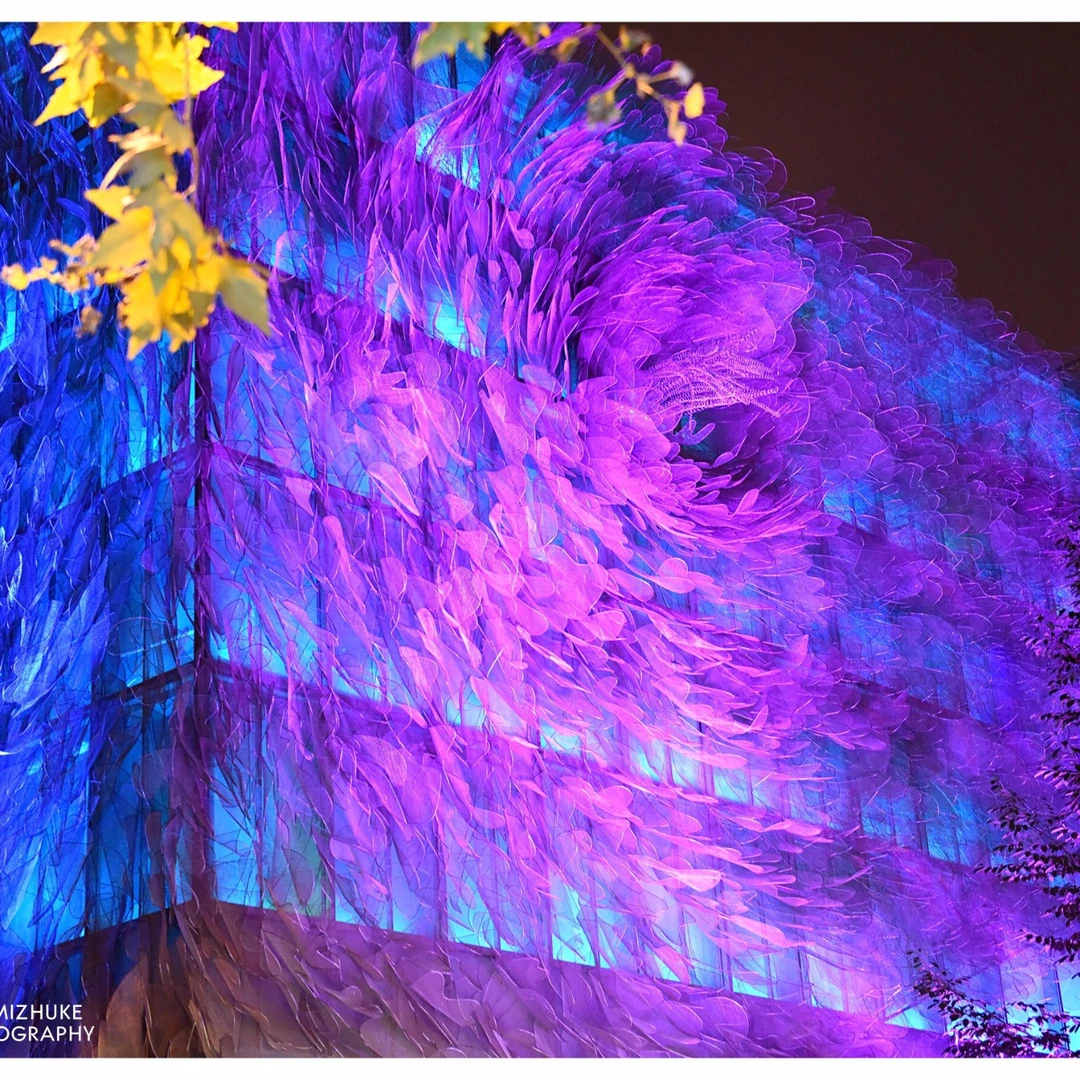
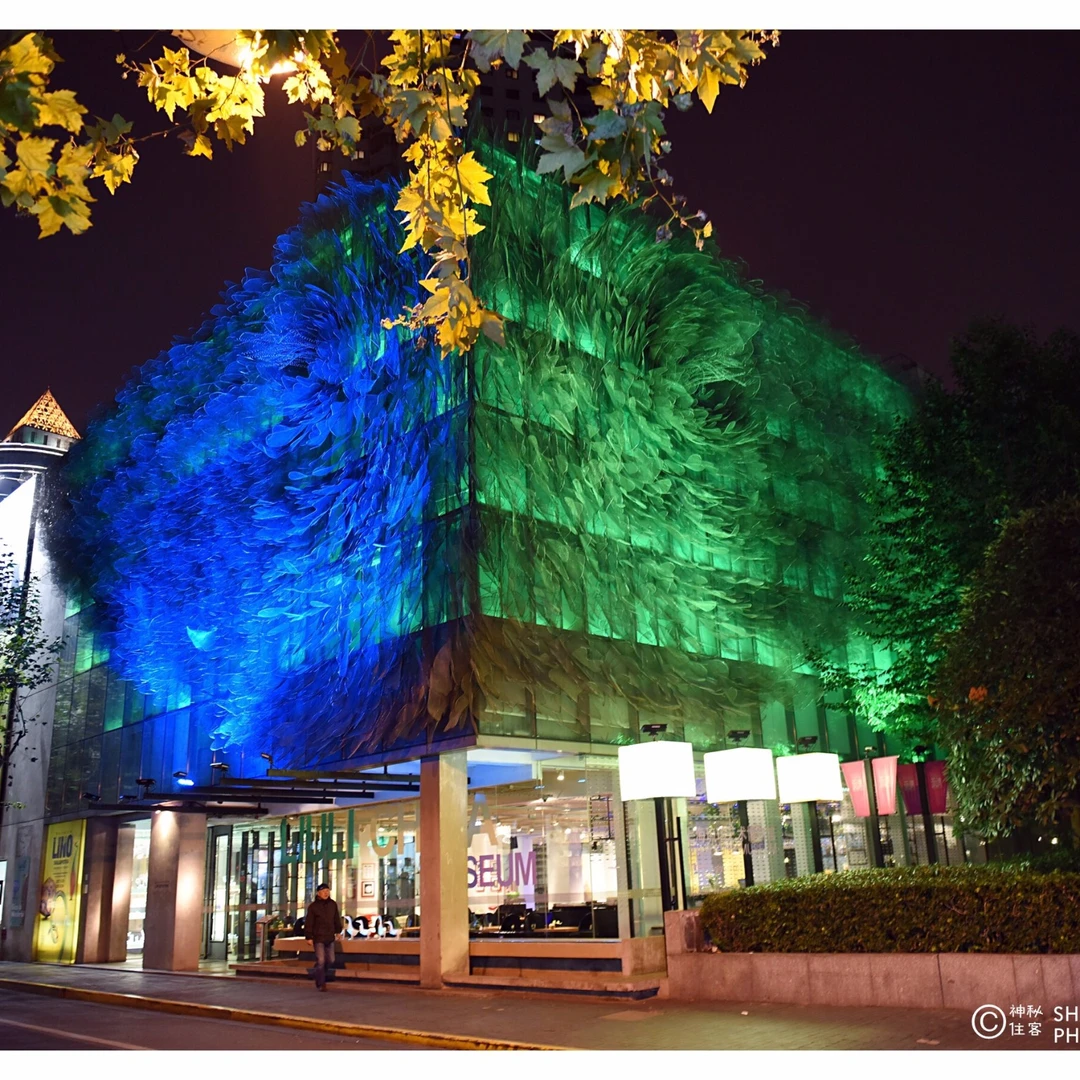
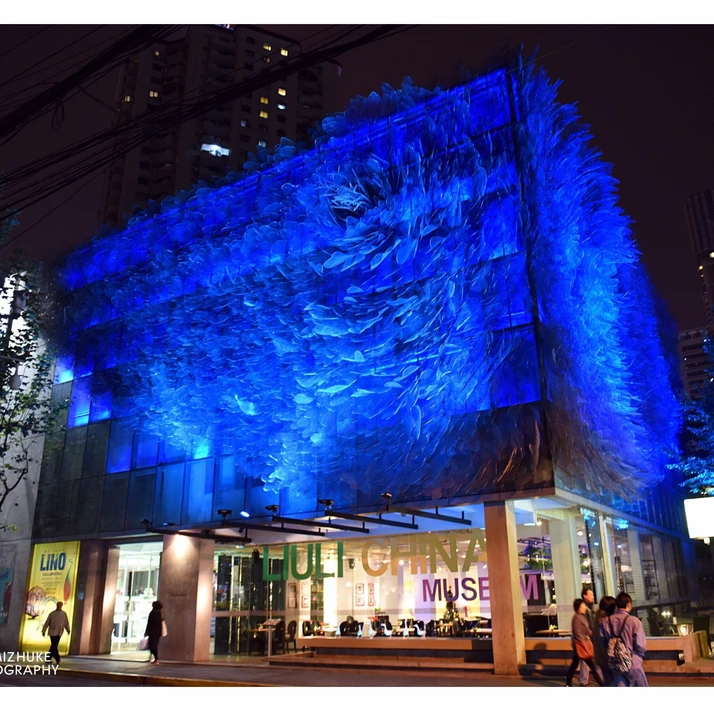
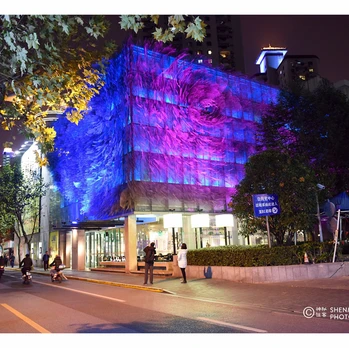
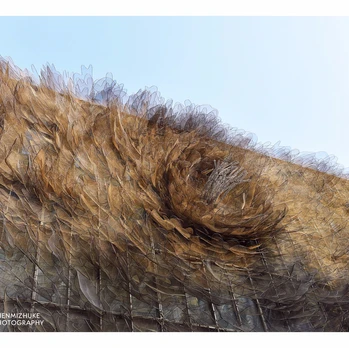
From the moment you approach No. 25 Taikang Road, the museum captivates. Its exterior is a glass peony in full bloom—a bold architectural statement. By day, thousands of glass bricks refract sunlight, creating a shimmering, ever-changing display. By night, the building transforms: multicolored lights radiate from within, making the structure glow like a luminous flower in the dark. It's a sight that embodies the museum's philosophy: glass is not just a material; it's a medium for the soul.
A Brief History: From Vision to Reality
Founded in 2006 by Zhang Yi and Yang Huishan, the creators of Liuli Gongfang, the museum was born from a shared dream: to elevate glass art to its rightful place in the contemporary art world. Yang Huishan, a renowned artist, brought a Zen-inspired sensibility, while Zhang Yi contributed business acumen and a deep appreciation for craftsmanship. Together, they created a space where traditional Chinese aesthetics meet global glass artistry.
Ticket Price and Value
At 120 RMB (about $17 USD), the ticket might seem steep at first. But once you step inside, you'll understand: this isn't just a museum—it's an experience. The exhibits, spread across the second and third floors, are meticulously curated. Each piece tells a story, and the value lies in the depth of artistry and the emotional connection you'll forge with the works.
Inside the Museum: A Journey Through Glass Masterpieces
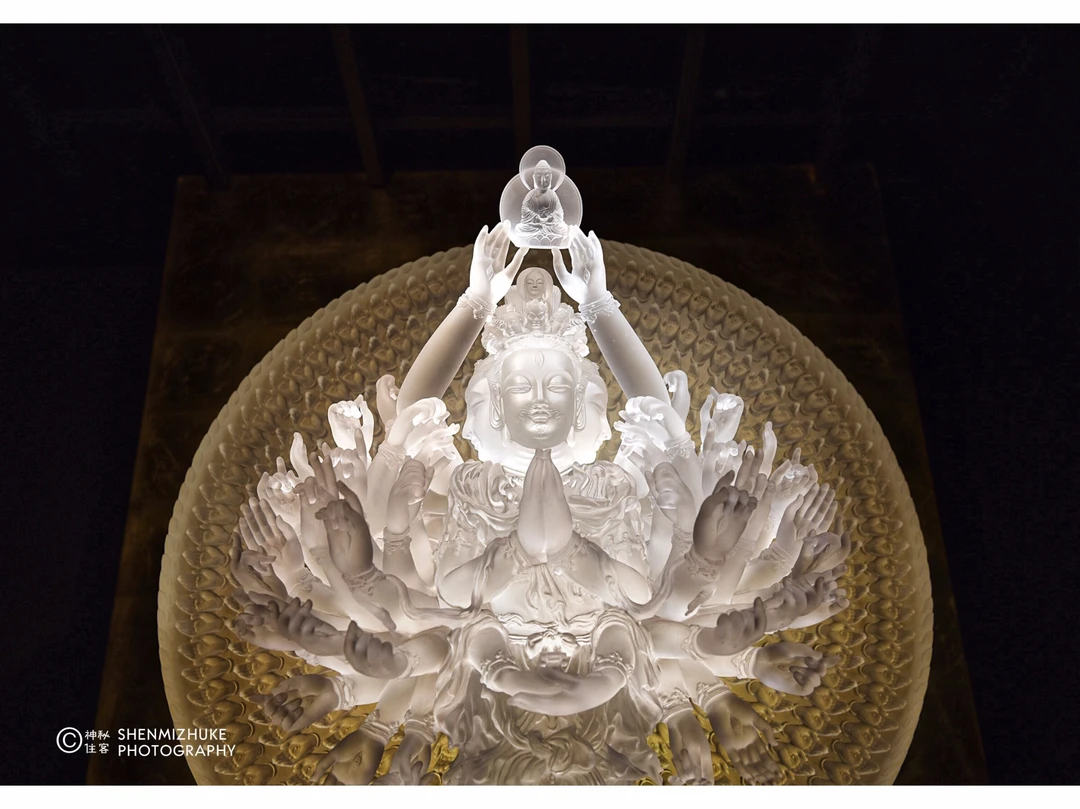
The Special Exhibition: Lino Tagliapietra's Magical World
During my visit, I had the privilege of catching the special exhibition running from August 30, 2017, to March 4, 2018, featuring the legendary Venetian glass master Lino Tagliapietra. Before stepping in, I knew little about him. But standing before his works, I was speechless.
Lino once said, "Glass is my life." And he gives glass life. His pieces seem to breathe, to move, to whisper secrets. He switches effortlessly between abstraction and realism, as naturally as breathing. The exhibition featured crowd-favorites like the "Angel's Tears" series alongside innovative new techniques. Here are some highlights:
Maui: A Dance of Flame and Feathers
Inspired by Hawaii's volcanic island, Maui captures the raw energy of fire and earth. Fiery reds and yellows evoke molten lava, while deep black symbolizes volcanic ash. Under the light, the piece shimmers like a peacock feather—iridescent, vibrant, alive. The delicate textures defy belief; it's as if nature itself crafted this glass.
Africa: Two Colors, Two Interpretations
This blown-glass series comes in two themes: blue and red.
- The blue piece initially seems disconnected from Africa's scorching heat. But once you learn the background, it clicks: blue represents the life-giving rainy season. The sky is the same blue; the rain nourishes the same land. The craftsmanship is mind-boggling—weaving mesh-like patterns while blowing glass is no small feat.
- The red piece evokes the rising sun over the African plains, igniting passion like flames. Or perhaps it mirrors the vibrant, bold patterns of African tribal attire—intense, full of energy.
Numea: Light as a Cicada's Wing
Numea—both a French port and a woman's name—is a study in delicacy. Lino interweaves yellow and blue glass rods into intricate patterns, creating a piece as light and fragile as a cicada's wing. One wrong move, and it might shatter. The rhythm of the piece makes you hold your breath.
Dinosaur: A Dying Craft
The "Dinosaur" series was created specifically for Lino's Shanghai exhibition. As automation replaces human skill, some techniques are fading away. This set is rare because it was produced by a team with decades of experience. Over time, such works may become impossible to replicate. The three pieces, arranged at different heights and in different colors, are equally stunning.
Kama: A Halloween Pumpkin?
When I first saw Kama, I thought of a Halloween pumpkin—the shape was that similar. But the technique is far more impressive. It's called "millefiori" (thousand flowers) glass: glass rods are cut into small sections, shaped into patterns, then fused and polished. For a layperson, "extremely complex craftsmanship" is the only way to describe it.
Hopi: Art Without Borders
Hopi draws from Native American culture. When a Venetian artist absorbs American indigenous influences, the resulting spark is wonderfully inclusive. Art knows no boundaries—this piece proves it.
Osaka: A Symphony of Ukiyo-e and Neon
I've never been to Osaka, but in this piece, I see echoes of ukiyo-e (Japanese woodblock prints) . Lino uses a pointillist painting technique to express something deeply Eastern. Yet a city isn't just its history; modern colors are equally essential. The dazzling neon lights are another side of Osaka, captured in glass.
Angel's Tears: Lino's Signature
This is Lino's signature series. A slender neck, a wide body, a narrow base—these are his hallmark features. The colors are brilliant and ever-changing. Lino's understanding of color is profound; though the palette is rich, every hue blends seamlessly without clashing. Each piece is worth lingering over for a long time. That, perhaps, is the magic of art.
Giudecca Island: The Color of Nostalgia
"Nearer home, timider heart; dare not ask the traveler." Lino drew inspiration from Giudecca Island in Venice to create this series. The lines are smooth and graceful, like crystal-clear lake water, translucent and pure. That faint sense of longing reaches straight into your soul through the glass.
Queen of Sheba: Exotic Flair
The colors of Queen of Sheba are intensely exotic. The inspiration comes from a story about the Queen of Sheba in East Africa. Africa—that magical land, though barren in places, always has fascinating stories wherever people gather.
Stromboli: Disaster and Nurture
Inspired by Italy's volcanic islands. Volcanoes bring disaster, but they also nurture the land. The fertile soil from volcanic ash is nature's gift. The stark contrasts in this piece make you appreciate the wonders of nature.
Piccadilly: Dazzling Under the Night Sky
This 2008 work by Lino captures the dazzling energy of London's Piccadilly Circus. The piece is a whirlwind of color and movement, reflecting the city that never sleeps.
The Third Floor: Yang Huishan's Zen-Inspired Series
The third floor primarily showcases the Zen-inspired series by Yang Huishan, co-founder of Liuli Gongfang. Her works are meditative, minimalist, and deeply spiritual. Unlike Lino's vibrant explosions, Yang's pieces invite quiet contemplation. They are a perfect counterpoint—a reminder that glass can be both loud and silent, both fiery and serene.
Interactive Features: QR Codes and Staff Stories
One thing worth mentioning: every piece has a QR code next to it. Scan it, and you'll get detailed background information and the story behind its creation. If you prefer, you can also ask the staff on-site—they always have fascinating anecdotes about the works that you won't find anywhere else. [Link: How to Use QR Codes in Museums for Enhanced Experiences]
Practical Tips for Your Visit
Location and Hours
- Address: No. 25 Taikang Road, near Tianzifang, Shanghai
- Hours: Check the official website for current hours (typically 10:00 AM to 5:00 PM, closed on Mondays)
Best Time to Visit
- Daytime: For the full effect of the glass-brick facade and natural light on the exhibits
- Evening: For the magical nighttime glow—the building truly shines after dark
Nearby Attractions
- Tianzifang: A labyrinth of art studios, cafes, and boutiques—perfect for a post-museum stroll
- Taikang Road: A hub for contemporary art and creative culture
[Link: Top 10 Art Museums in Shanghai] [Link: A Day in Tianzifang: Art, Food, and Culture]
FAQ: Everything You Need to Know
1. Is the Shanghai Liuli Art Museum worth the ticket price?
Absolutely. At 120 RMB, the museum offers an unparalleled experience. You're not just paying for entry—you're investing in a journey through world-class glass artistry. The Lino Tagliapietra exhibition alone is worth the price.
2. How long should I spend at the museum?
Plan for 1.5 to 2 hours to fully appreciate the exhibits. If you're an art enthusiast, you might want to linger longer.
3. Can I take photos inside?
Yes, photography is generally allowed. However, avoid using flash, as it can damage the glass and disturb other visitors.
4. Is the museum accessible for wheelchair users?
The museum is located on the second and third floors. Check with the staff about elevator access before your visit.
5. Are there guided tours?
While not always available, the staff are incredibly knowledgeable and happy to share stories. You can also use the QR code system for self-guided tours.
Conclusion: Your Artistic Adventure Awaits
The Shanghai Liuli (Glass) Art Museum is more than a museum—it's a testament to the power of human creativity. From the building itself, a glass peony that blooms under the sun and stars, to the masterpieces within, every element is designed to move you. Lino Tagliapietra's works will leave you breathless; Yang Huishan's Zen pieces will quiet your mind. And the stories behind each piece will stay with you long after you leave.
So, what are you waiting for? Plan your visit today. Whether you're a seasoned art lover or a curious traveler, this museum promises an experience you'll never forget.
Ready to be amazed? Book your ticket now and step into a world where glass meets the soul.
Have you visited the Shanghai Liuli Art Museum? Share your thoughts in the comments below!
You may also like