Shanghai Natural History Museum: A Complete Guide to the Green Nautilus in Jing'an Sculpture Park
Meta Description: Discover the Shanghai Natural History Museum's stunning green nautilus architecture, ticket prices, best visiting times, and must-see exhibits. Your ultimate guide to a soul-recharging pilgrimage in Jing'an Sculpture Park.
Some say travel recharges the soul, while photography archives life. In Shanghai's relentless pace, we rarely pause to listen to nature. But hidden within Jing'an Sculpture Park lies a breathtaking universe of life—the Shanghai Natural History Museum, a giant green nautilus that transforms the concrete jungle into a sanctuary of wonder. Whether you're a family planning a weekend outing, a budget traveler seeking affordable culture, or a photography enthusiast chasing magical light, this guide covers everything you need.
First Encounter: From Endless Queues to an Accidental Breakthrough
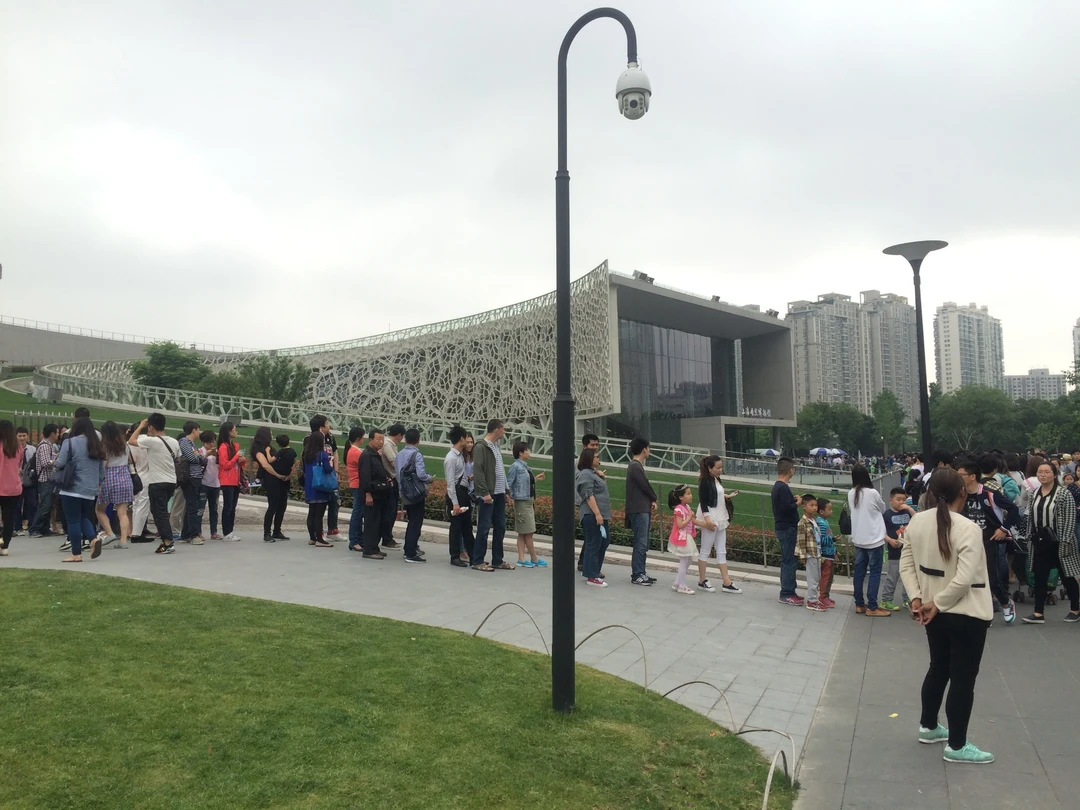
Mention the Shanghai Natural History Museum, and most locals groan: "Too crowded." For years, I passed Jing'an Sculpture Park, watching serpentine queues snake outside the entrance. The old museum on Henan Road and Yan'an Road was a dim, dusty relic—narrow corridors, outdated specimens. As a child, I'd followed my parents to see dinosaur skeletons and touch minerals, never imagining this museum would be reborn.
Then came that spring day. I'd brought my macro lens to photograph plum blossoms. Passing the museum, I noticed the entrance was empty—no queue at all. A once-in-a-lifetime opportunity. I bought a ticket and rushed inside.
Pro tip: Weekdays offer the best experience. The museum is closed every Monday, so plan accordingly.
Architecture: The Breathing Green Nautilus

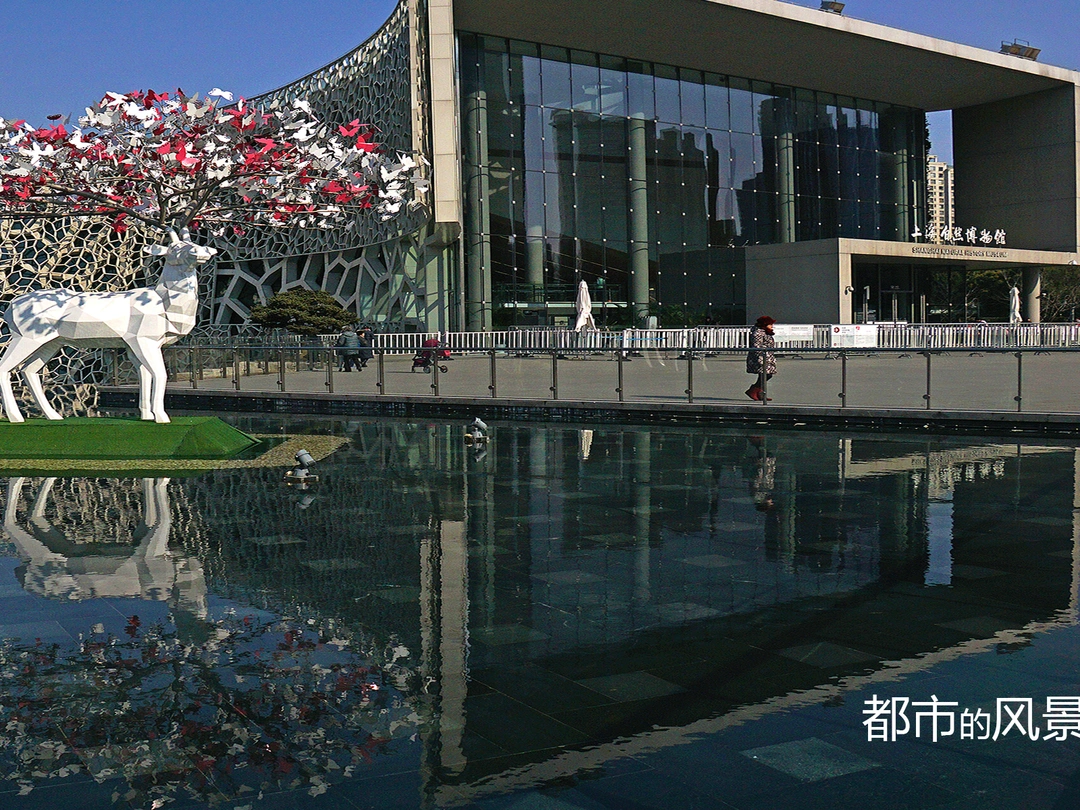
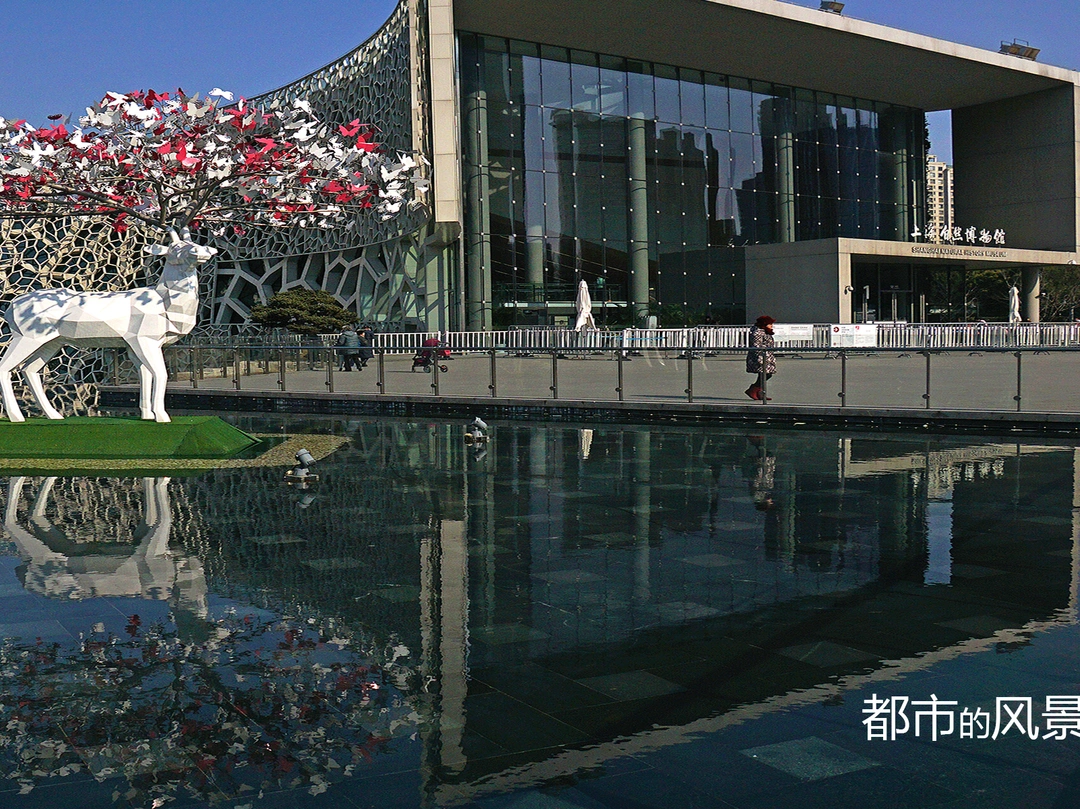
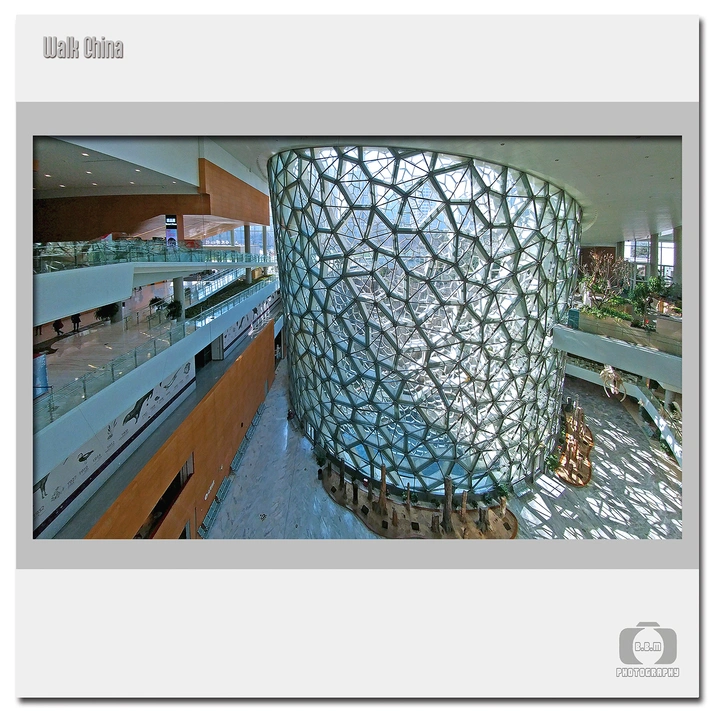
Co-designed by PERKINS+WILL and Tongji University, the new museum spans 45,086 square meters—three stories above ground (18 meters high) and two below (15 meters deep). It opened on April 19, 2015.
From outside, the green spiral roof reflects in the surrounding pool like a sleeping nautilus. But inside? The spiral structure extends from floor to ceiling, with sunlight streaming through a glass dome, creating a dance of light and shadow. Walking in feels like entering a living, breathing organism. That's the magic of this Shanghai Natural History Museum architecture—a world of wonder hidden in plain sight.
Practical Information: Complete Guide for Families and Budget Travelers
Shanghai Natural History Museum Ticket Prices
- Adult ticket: 30 RMB/person (incredible value)
- Student ticket: 12 RMB (ages 6–18, with valid student ID)
- Senior ticket: 25 RMB (ages 60+, with ID)
- Free admission: Children under 6 (under 1.3 meters; taller kids need household registration booklet), seniors 70+ (with senior card)
Best Time to Visit Shanghai Natural History Museum
Avoid holidays and weekends. Weekdays are ideal. The museum closes every Monday, so Tuesday through Friday offer the quietest experience. Spring and autumn are perfect for combining with a stroll through Jing'an Sculpture Park.
How to Get to Shanghai Natural History Museum
- Metro: Line 13, Natural History Museum Station, Exit 1 (direct access); Line 1, Xinzha Road Station, Exit 1; Line 2, Nanjing West Road Station, Exit 2
- Bus: Routes 36, 19, 64, 136, 41, 109, 927, 104, 955
Tips for Your Visit
- Plan 3–4 hours—the two basement levels are packed with exhibits
- Great for families—kids love the dinosaur and marine life zones
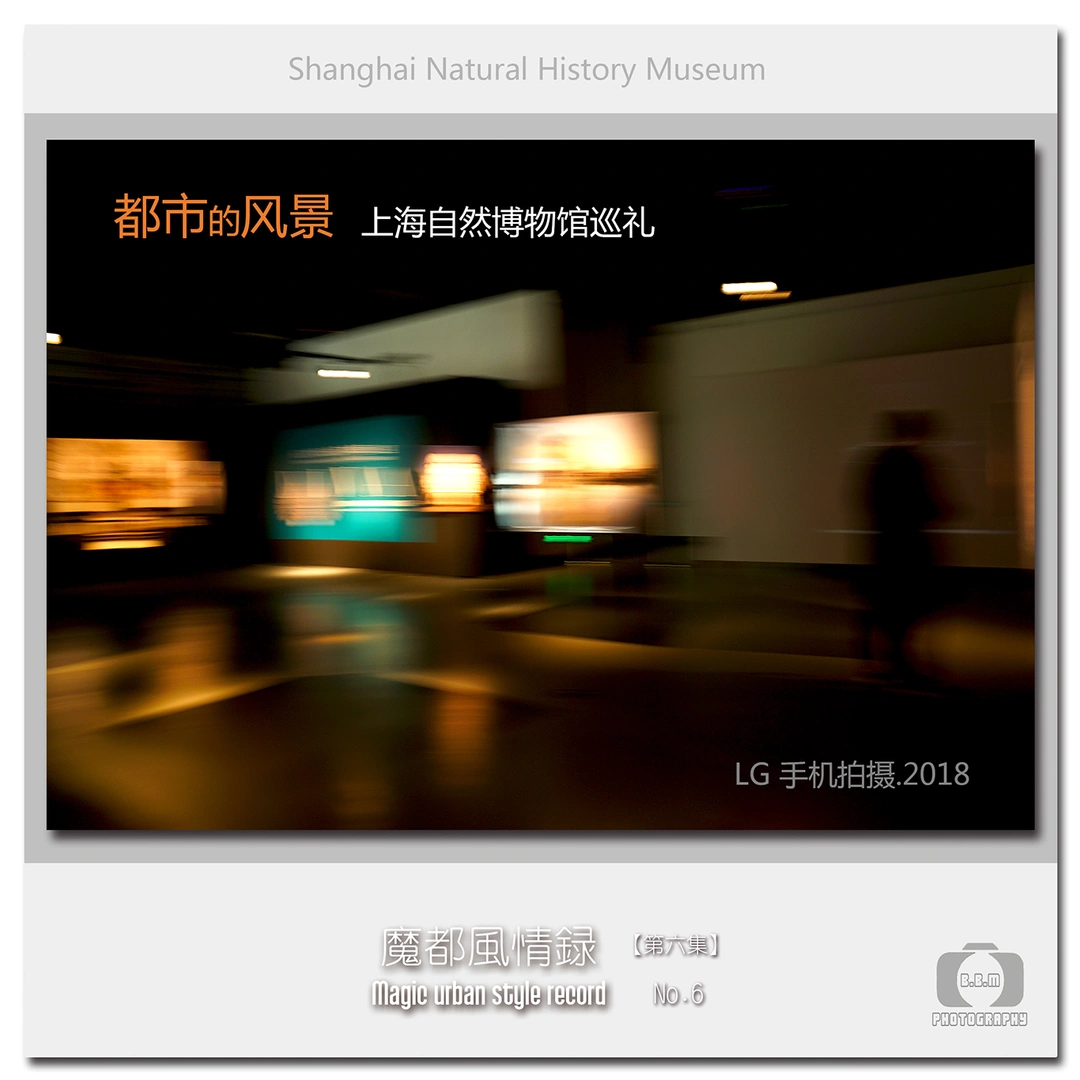
- Lighting is dim—for phone photography, switch to night mode
- Bring a wide-angle lens if you're a photographer; macro lenses are useless here
Gallery Tour: From the Origin of the Universe to the Miracle of Life
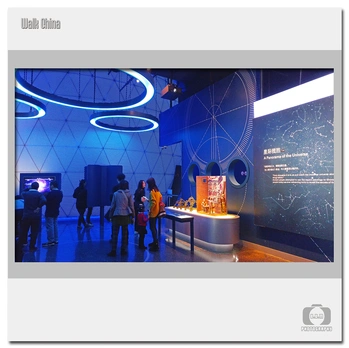
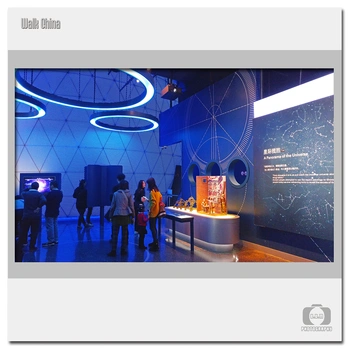
Stepping into the exhibition halls feels like time travel. From the Big Bang to the dawn of life, from the Cambrian Explosion to the age of dinosaurs, then to human civilization—each zone is a feast for the eyes.
The "River of Life" Exhibition
The most awe-inspiring zone is on the second basement level. Towering dinosaur skeletons loom before you, as if they might come alive. Nearby, the marine life zone features a massive whale model suspended in midair, bathed in blue light with sound effects that plunge you into the deep ocean.
The Insect Specimen Wall

Rows upon rows of butterflies and beetles arranged in perfect order—both stunning and strangely beautiful. This is a photographer's dream, even with a phone.
The Mineral Zone

Crystals and gems sparkle under the lights, showcasing nature's extraordinary craftsmanship. [Link: Best museum exhibits in Shanghai]
Magical Moments Through a Phone Lens
Without a professional camera, I focused more on seeing with my own eyes. The phone lens had limits, but it captured authentic moments:
- The spiral staircase in light: From the first floor, the spiral stairs rise layer upon layer, with sunlight pouring down like a tunnel of light into the unknown.
- The majesty of the dinosaur skeleton: Standing beneath the enormous Mamenchisaurus skeleton, you can almost hear an ancient roar.
- The colors of the butterfly wall: Hundreds of butterfly specimens arranged in a rainbow gradient—each wing pattern completely unique.
- The brilliance of the mineral zone: Crystals and gems sparkling under the lights.
Photography tip: Use night mode on your phone. For DSLR users, bring a fast lens (f/1.8 or wider) and increase ISO. [Link: Shanghai photography spots]
FAQ: Your Questions Answered
1. Is the Shanghai Natural History Museum worth visiting?
Absolutely. For 30 RMB, you get world-class exhibits, stunning architecture, and a soul-recharging experience. It's one of Shanghai's best budget-friendly attractions.
2. How long does it take to visit the Shanghai Natural History Museum?
 Plan for 3–4 hours. The two basement levels are extensive, and you'll want time to explore each zone thoroughly.
3. Can I take photos inside the Shanghai Natural History Museum?
Yes, photography is allowed. However, lighting is dim, so use night mode on phones or bring a fast lens for DSLRs. Flash photography may be restricted in some areas.
4. What are the best exhibits for kids?
 The dinosaur skeletons, marine life zone (with the giant whale model), and the insect specimen wall are huge hits with children. The interactive displays in the "River of Life" zone are also engaging.
5. How do I avoid crowds at the Shanghai Natural History Museum?
Visit on weekdays (Tuesday–Friday). Avoid holidays, weekends, and school breaks. The museum is closed every Monday, so plan accordingly.
A Final Thought: Give Your Soul a Chance to Recharge
When I walked out, dusk was settling. The plum blossoms in Jing'an Sculpture Park were in full bloom, and the setting sun painted the building gold. I turned back to look at that green nautilus, and a sense of indescribable contentment welled up inside me.
The Shanghai Natural History Museum is more than a science attraction. It's a place to rediscover nature and develop reverence for life. Thirty RMB for a ticket, a few hours of awe—this "soul recharge" was more than worth it.
If you're tired of the city's noise, find a weekday and step into this green nautilus. Bring your curiosity, bring your kids, or just bring yourself. You'll discover that within the concrete and steel of Shanghai, a world of wonders is waiting.
Your Next Step: Plan Your Visit Now
Before you go: Follow the official WeChat account to check opening hours and special exhibitions. If you have extra time, take a stroll through Jing'an Sculpture Park—the plum blossoms in spring and the ginkgo trees in autumn make perfect companions.
Book your tickets online to skip the queue (even on quiet days, it's worth it). And don't forget to share your experience—tag your photos with #ShanghaiNaturalHistoryMuseum to inspire others.
Ready to explore? [Link: Shanghai travel guide] [Link: Best museums in China for families]
Your soul needs a recharge. The green nautilus is waiting.
You may also like