The Time Capsule Hidden in Shanghai’s Trendiest Quarter: Shikumen Open House Museum, the Ultimate Bonus Attraction
Meta Description: Discover the Shikumen Open House Museum in Xintiandi, Shanghai—a hidden 1920s time capsule with seven rooms of old Shanghai life. Entry just 20 RMB. Your ultimate offbeat attraction bonus.
If you ask an out-of-town friend where to go in Shanghai, nine times out of ten you’ll get the standard answer: the Bund for the colonial architecture, Nanjing Road for the shopping frenzy, and City God Temple for the soup dumplings. The more trend-conscious might add Disneyland, Xintiandi, and Tianzifang to the list. These spots are certainly worth visiting, but let’s be honest—after ticking off all the “big-name” attractions, don’t you start feeling a bit of tourist fatigue?
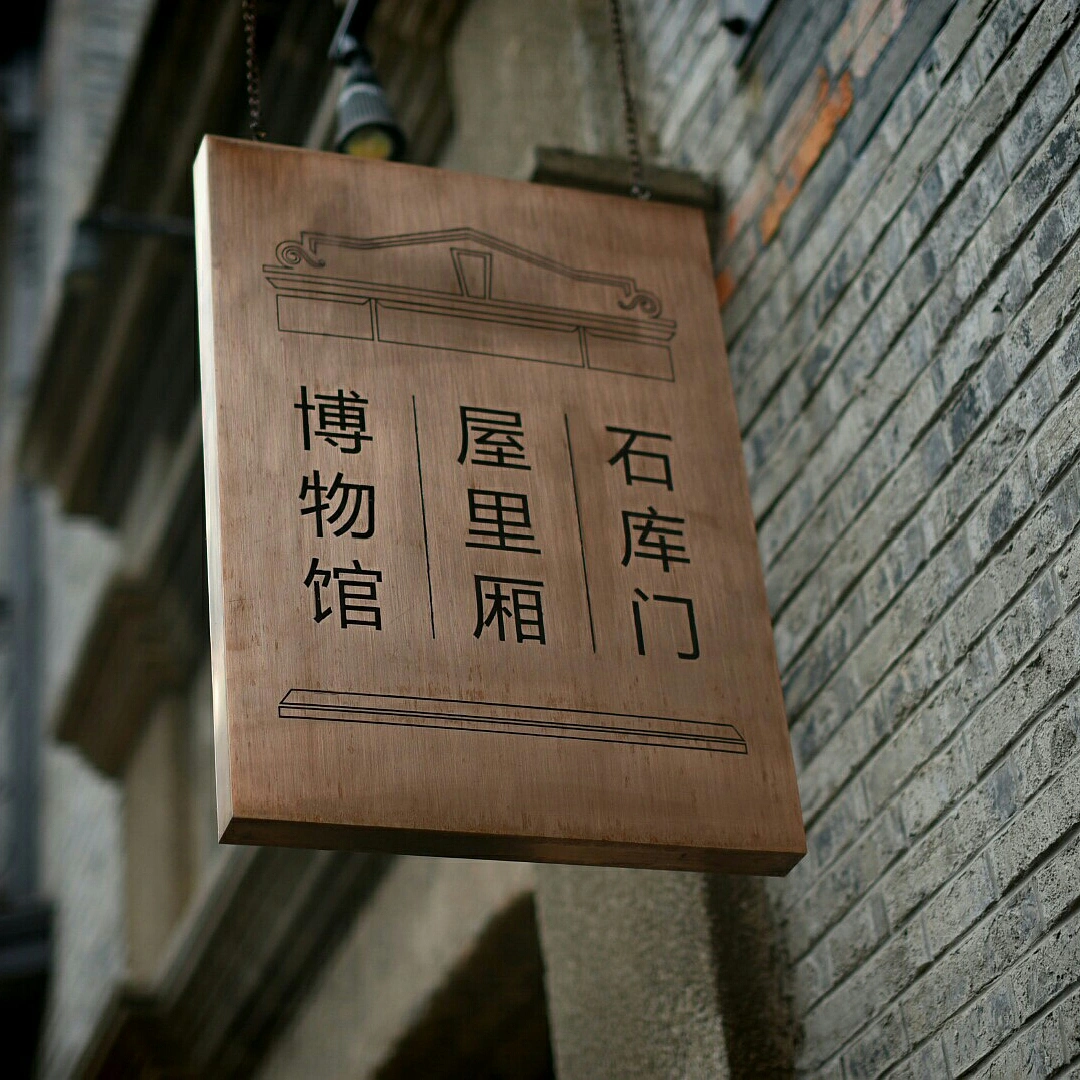
The truth is, Shanghai’s real charm lies in its unassuming corners—the “scraps” that don’t make it onto the postcards. Think of it like hotpot: the main ingredients are essential, but it’s the little side dishes that complete the meal. After hitting the major sights, if you can “bonus” in a few offbeat, lesser-known gems, your trip will truly come alive. Today, I want to introduce you to a time capsule buried in the heart of glamorous Xintiandi—the Shikumen Open House Museum (石库门屋里厢博物馆).
Xintiandi’s Two Faces: One Modern, One Dreamlike
First, a word about Xintiandi. This is one of Shanghai’s most successful urban regeneration projects. Old shikumen buildings have been transformed into cafés, restaurants, and boutique shops. By day, it’s a lunchtime haunt for office workers; by night, it’s a tipsy paradise for the city’s fashionable crowd. Walking along the cobblestone lanes lined with gray brick walls, you can’t help but be charmed by that “old bottle, new wine” atmosphere—glass curtain walls sit beside wooden lattice windows, and Starbucks faces off against a traditional tea house.
But most people experience Xintiandi only on the surface—eating, drinking, and snapping photos. What they don’t know is that tucked away in a corner of this style hub lies a real old Shanghai home: the Shikumen Open House Museum.
“屋里厢” (wū lǐ xiāng) is Shanghainese for “at home.” And the name is perfect, because as soon as you step inside, you truly feel like you’ve walked into the living room, bedroom, and kitchen of a middle-class family from the 1920s or 1930s. You can even catch the faint scent of camphor wood drifting from old trunks.
Practical Info—Save It Now

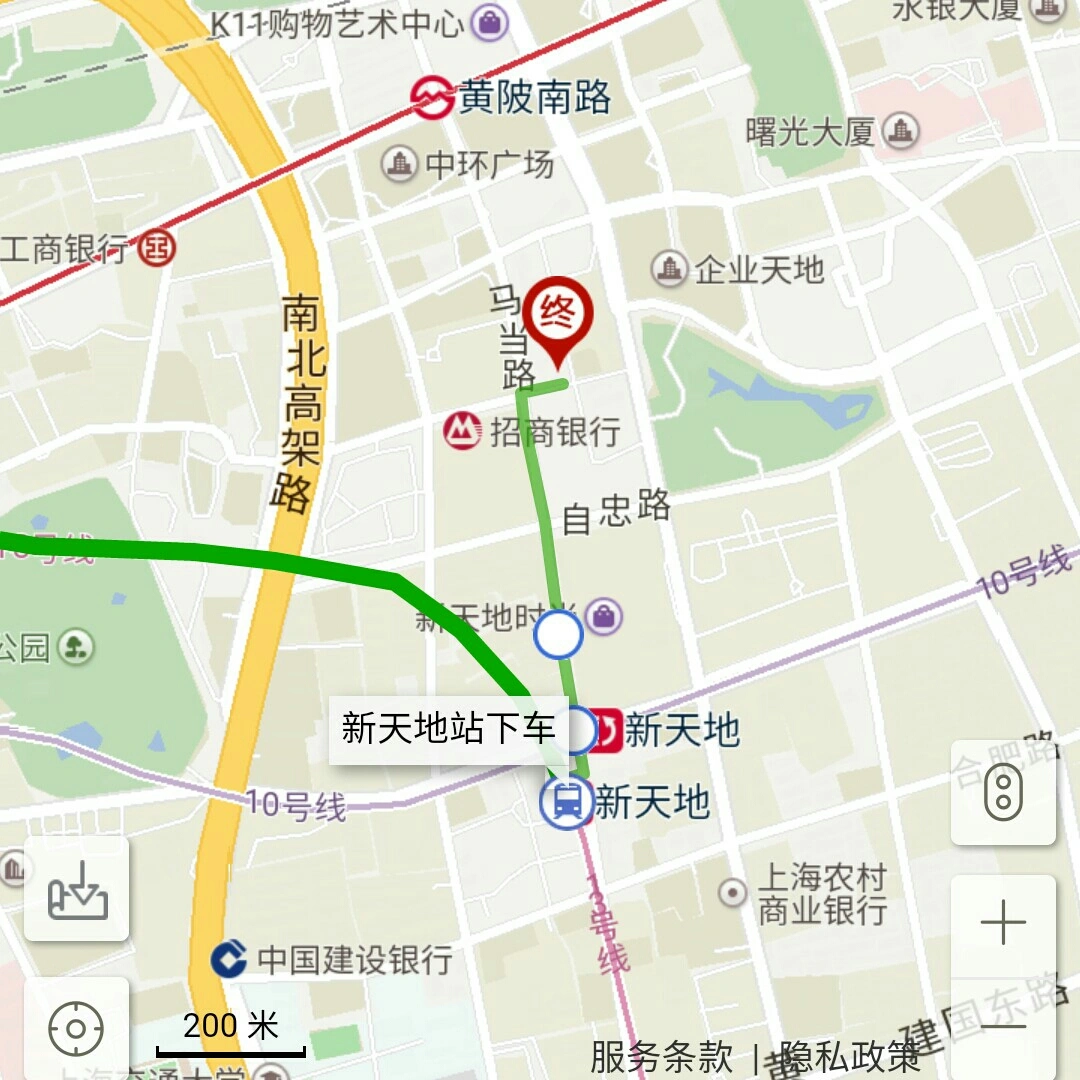
- Address: No. 25, North Block, Xintiandi, Lane 181, Taicang Road, Huangpu District, Shanghai
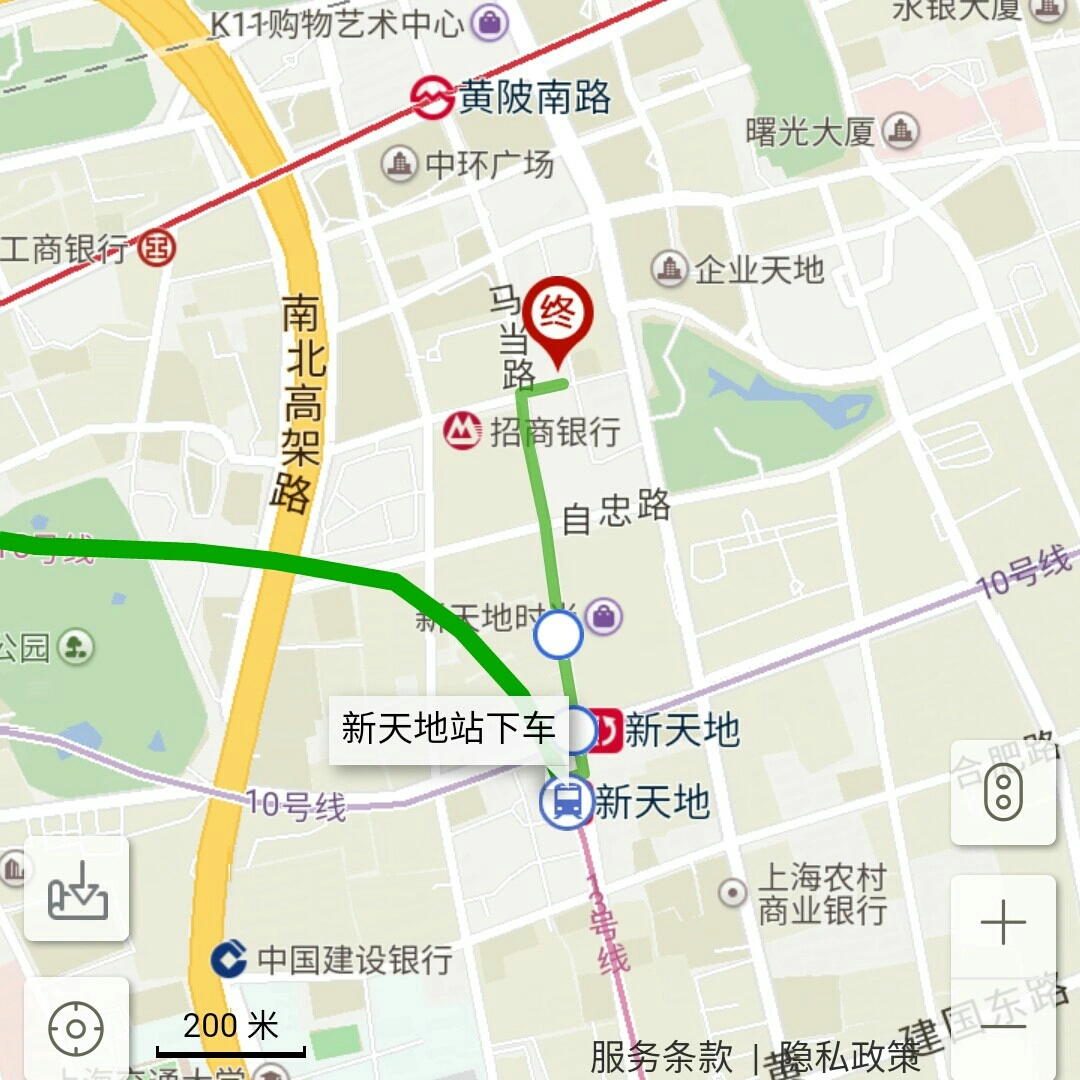
- Transport: Take Metro Line 10 or 13 to Xintiandi Station, or Line 1 to Huangpi South Road Station—just a few minutes’ walk from any exit
- Admission: 20 RMB per person; half price (10 RMB) for students and seniors aged 60+
- Recommended visit time: 30 minutes to 1 hour (it’s small, but worth a close look)
To be honest, 20 RMB isn’t exactly cheap for a museum that only has three floors and seven rooms. But if you have any interest in shikumen architecture or old Shanghai life, it’s money well spent. After all, a coffee at a Xintiandi café will set you back 30 or 40 RMB—and here, you get a ticket back in time a hundred years.
One Old Shikumen House, Seven Stories of Life
This house was built in the 1920s and is a classic example of shikumen architecture. What exactly is shikumen? Simply put, it’s a uniquely Shanghai style of lane house—Western-style terraced housing on the outside, with a traditional Chinese courtyard layout inside. The gate is framed with stone (“石” shí means stone, “库” kù means warehouse, and “门” mén means door), and fitted with a heavy black lacquered wooden door. This architectural form is the product of East-West cultural collision, and it holds some of the city’s most distinctive residential memories.
The museum preserves the house’s original layout across three floors and seven rooms:
- Guest Hall (客堂间): The living room, used for entertaining guests and holding ceremonies. Old-fashioned rosewood furniture, a pendulum clock, vases, scroll paintings on the walls, and patterned floor tiles—every detail speaks to the respectability of a middle-class family of that era.
- Study (书房): A desk with brush, ink, paper, and inkstone; bookshelves holding thread-bound Chinese classics alongside English-language books. The owner was clearly a cultured person, reading both the Four Books and Five Classics and Western literature.
- Elder’s Room (老人房): A south-facing room bathed in sunlight. An old carved wooden bed, a thermos, an enamel washbasin—the details are painstakingly recreated.
- Master Bedroom (主人房): The master’s bedroom, with more Western-influenced furniture: a dressing table, a large wardrobe, and even an old radio.
- Daughter’s Room (女儿房): Decorated in pink tones, with movie star posters on the walls and a doll on the bedside table. Clearly, the daughter of the house was a fashionable young lady—she might even have played the piano.
- 亭子间 (Tingzijian): This is the most distinctive space in shikumen architecture—a small room located at the turn of the staircase. It’s tiny, usually north-facing, and freezing in winter, sweltering in summer. In old Shanghai, such rooms were often rented out to single tenants, students, or impoverished writers. Literary giants like Lu Xun, Mao Dun, and Ba Jin all lived in tingzijian at some point. You could say the tingzijian was the “spiritual cradle” of Shanghai’s bohemian youth.
- Kitchen (灶披间): The kitchen. An old coal-brick stove, a water vat, vegetable baskets, a cupboard, and bottles of soy sauce and cooking oil on the counter. Behind the kitchen, there’s usually a back door leading out to the lane.
These seven rooms, strung together, paint a complete picture of an old Shanghai family’s life. As you walk from the guest hall to the kitchen, you can almost imagine the gentleman of the house reading the newspaper in his study, the lady of the house cooking in the kitchen, the daughter listening to a gramophone in her room, and the tenant in the tingzijian writing by the dim light of a desk lamp.
Camphor Scent and Multimedia: An Old House with New Tricks
On the afternoon I visited, as soon as I reached the third floor, I was greeted by a pleasant, woody scent of camphor. It turned out that during the 2018 “Design Shanghai” collaboration with Xintiandi’s design festival, a small exhibition had been set up here. The wooden floor was covered in camphor leaves, which crunched underfoot like walking on an autumn forest path.
I loved the tone of this exhibition. It didn’t disrupt the historical feel of the old house; instead, it used modern multimedia to blend classical ink-wash aesthetics with digital art. Flowing ink paintings were projected on the walls, real camphor leaves lay on the floor, and the air was filled with a woody fragrance. Standing there, you felt as if one foot was in the Republican era and the other in the future.
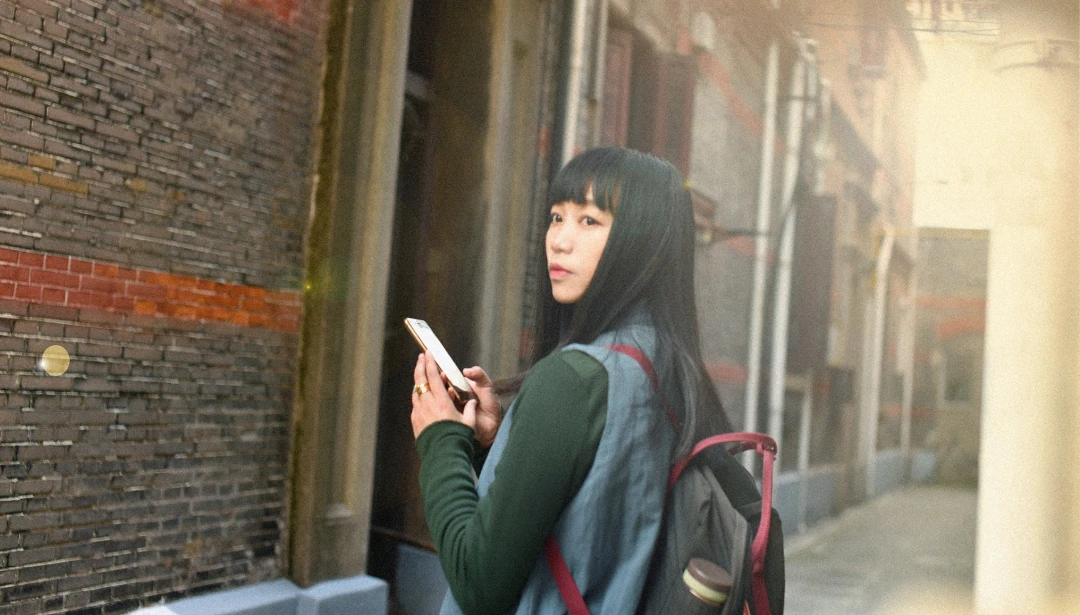
Even better, the young woman setting up the exhibition kindly offered to take my photo. In such an atmospheric space, every shot looks like a masterpiece—no filters needed, no color correction. The old house’s natural light and shadow are the best filters of all.
Why Is It Called the “Ultimate Bonus Attraction”?
You might think that spending 20 RMB to see a “showroom” with only seven rooms isn’t worth it. But I’d argue that the real value of travel lies in seeing what’s invisible.
The Bund is beautiful, but do you know who once lived inside those grand buildings? Nanjing Road is bustling, but do you know what it looked like a hundred years ago? Xintiandi is stylish, but do you know how many ordinary joys and sorrows these old houses once held?
The Shikumen Open House Museum opens that invisible door for you. It shows you that behind the skyscrapers and trendy shops, Shanghai had—and still has—another kind of life. A life of drying quilts in the lane, lighting coal stoves in the kitchen, and writing novels in a tiny tingzijian. That life may be gone, but its traces remain in every brick and tile of this old house.
And its location couldn’t be more convenient.
Frequently Asked Questions About the Shikumen Open House Museum
Q: Is the Shikumen Open House Museum worth visiting if I’m short on time? A: Absolutely. The museum takes only 30 minutes to 1 hour to explore, making it a perfect bonus attraction after visiting Xintiandi. It’s small but richly detailed—you’ll leave with a genuine feel for 1920s Shanghai life.
Q: Are there guided tours available in English? A: The museum is self-guided, but English signage and descriptions are provided in most rooms. The layout is intuitive, and you can easily follow the path from the guest hall to the kitchen without assistance.
Q: Can I take photos inside the museum? A: Yes, photography is allowed. The natural light and period interiors make for stunning photos—no filter needed. The camphor leaf exhibition on the third floor is especially photogenic.
Q: Is the museum accessible for wheelchair users? A: The museum is housed in a traditional shikumen building with narrow staircases and no elevator. Wheelchair access is limited. Visitors with mobility concerns may find the upper floors challenging.
Q: How do I combine the museum with other Xintiandi attractions? A: Start with a coffee at a Xintiandi café, visit the museum for 30–40 minutes, then explore the shopping and dining in the North and South Blocks. [Link: Xintiandi travel guide] [Link: Best things to do in Xintiandi]
Final Call: Your Bonus Attraction Awaits
The Shikumen Open House Museum is more than just a museum—it’s a time capsule, a hidden gem, and the ultimate bonus attraction in Shanghai’s trendiest quarter. For just 20 RMB, you step back a hundred years into a middle-class Shanghai home that tells seven stories of life, love, and loss.
So next time you’re in Xintiandi, skip the overpriced cocktail for one hour. Walk past the boutique shops, turn into Lane 181, and find No. 25. Push open that heavy black lacquered wooden door, and let the scent of camphor and the whisper of history welcome you home.
Your adventure in old Shanghai starts here. Grab your ticket—and your camera—and go.
Have you visited the Shikumen Open House Museum? Share your experience in the comments below. And if you’re planning a Shanghai trip, don’t forget to pin this article for easy reference.
You may also like