Drunk in the Green Waves and Lantern Lights of Guizhou's Summer: A Self-Drive Journey Through the Province's Landscapes and Culture
Meta Description: Explore Guizhou's summer beauty on a 6-day self-drive itinerary from Anshun to Huangguoshu and Libo. Discover 22°C weather, sour-spicy cuisine, and emerald-green landscapes in this SEO-optimized travel guide.
Introduction: Escaping Beijing's Heat for Guizhou's Emerald Summer
Summer in Beijing wraps the city in suffocating heat and noise. By late spring, I was exhausted—carrying my camera during the day, editing photos at night, day after day. When I desperately craved a trip that would empty my mind, fate handed me a plane ticket. In June, outside peak season, a round-trip flight from Beijing to Anshun cost just 1,000 yuan ($140). Guizhou—that mysterious, blank spot on my travel map—suddenly burst into view.
I quickly searched for travel guides and was drawn by Guizhou's lush green landscapes and cool summer temperatures. I called a friend, booked tickets and a rental car, and crossed out six days in my notebook for my birthday week. I knew how much work I'd turn down, but at that moment, I only asked myself: How much money is enough?
Photography gear for this trip: Huawei P20 Pro phone, Canon 5D4 with 24-105 F4 lens and 16-35 F4 lens.
Day 1: Anshun's Cool Embrace and Huangguoshu's Awe

Arriving in Anshun: A 22-Degree Summer Surprise
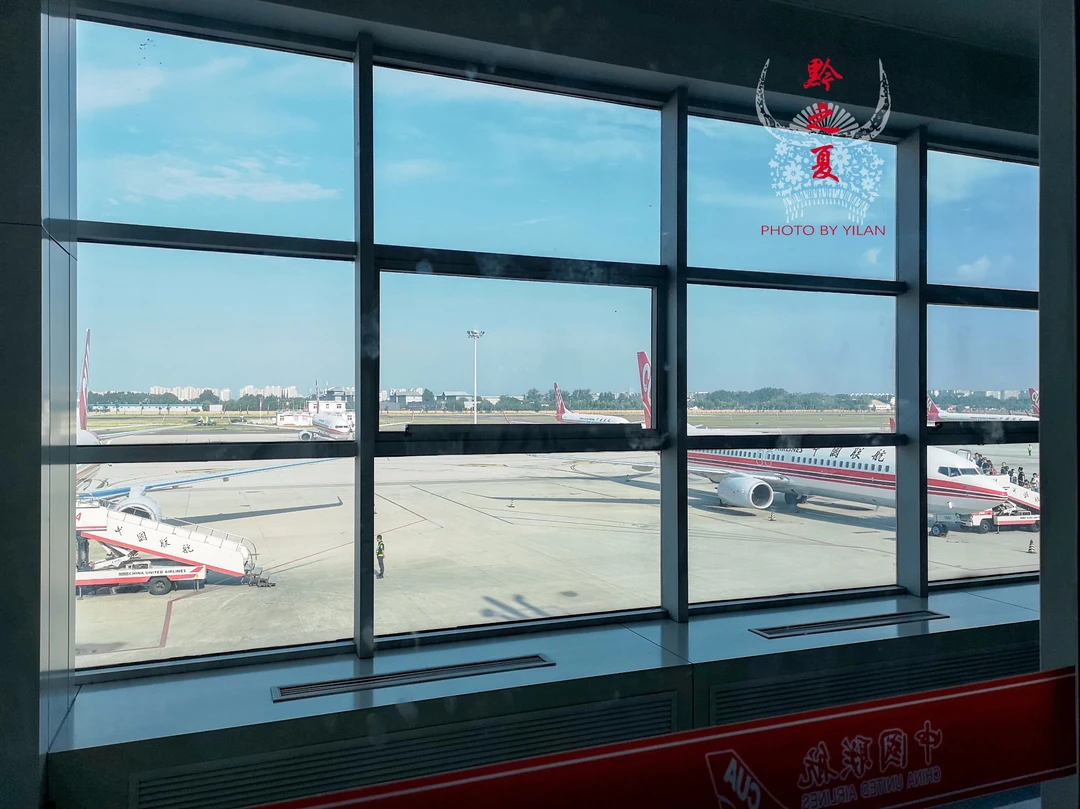
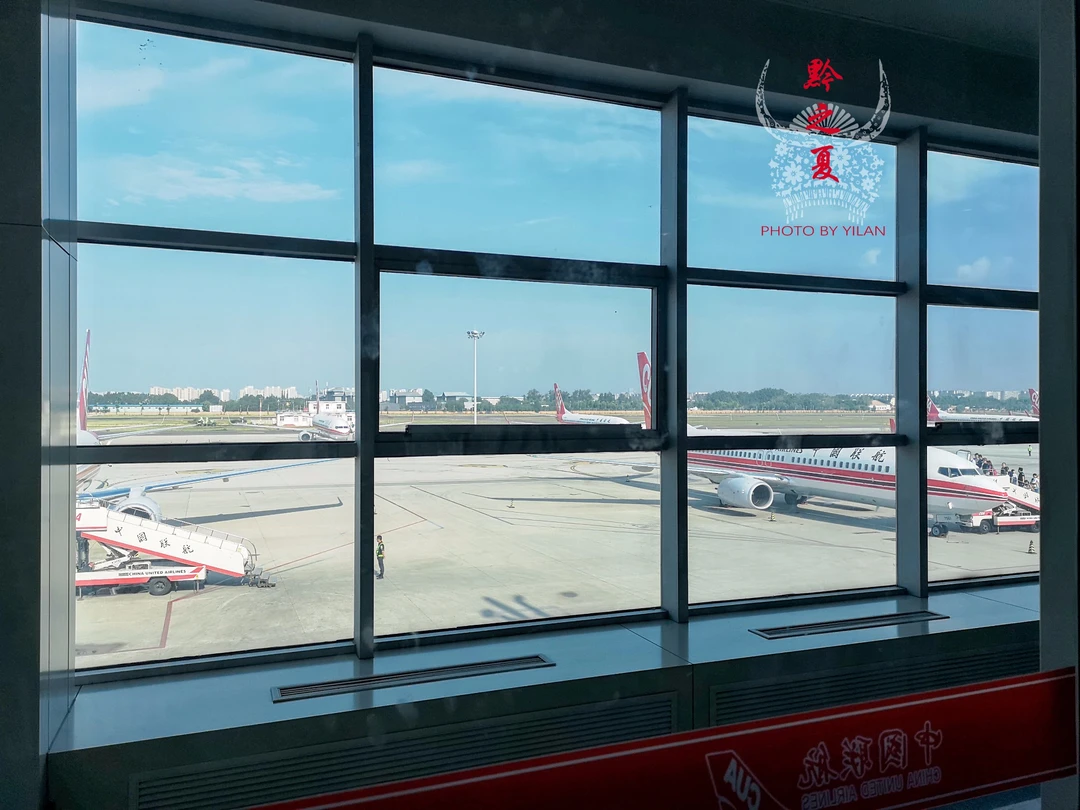
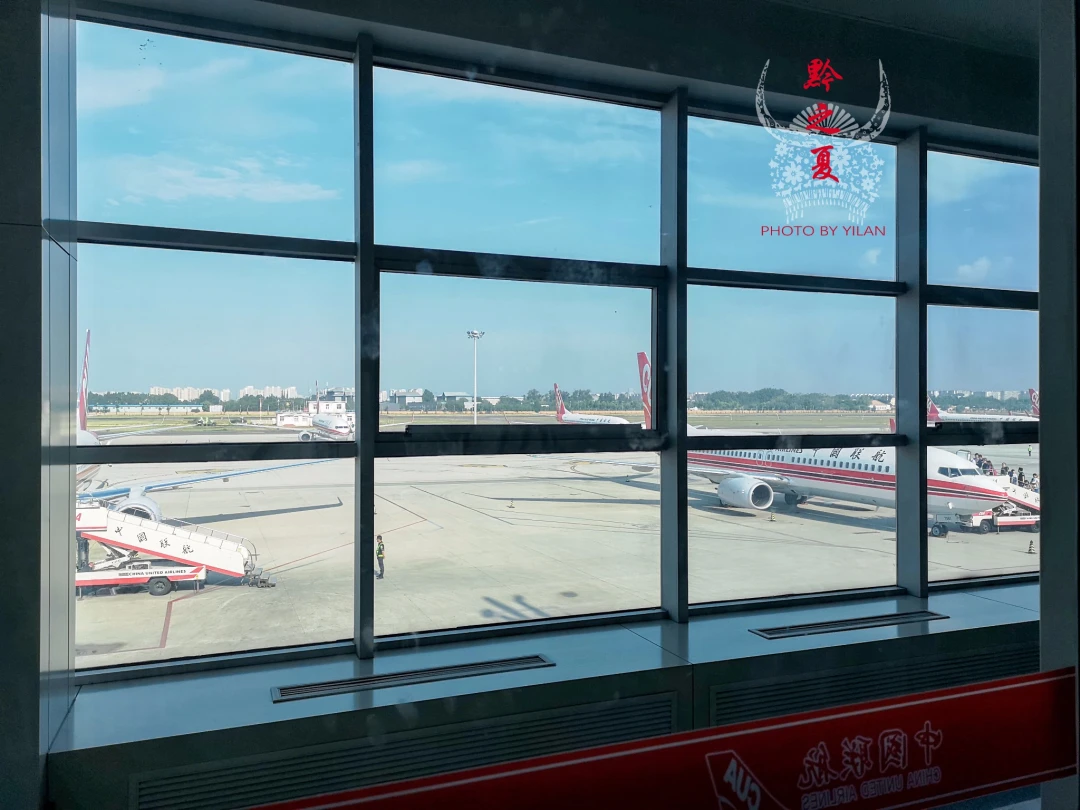
At 11:45 a.m., the plane landed at Anshun Huangguoshu Airport. The moment the cabin door opened, a long-missed coolness hit me—Anshun was only 22°C (72°F) that day. After collecting luggage, I contacted Yihai Car Rental and waited about 30 minutes. The car they gave me was a brand-new, unlicensed white Beijing Hyundai Elantra with only 145 kilometers on the odometer—rented out for the first time. The staff explained the Lavida I'd originally booked was extended by the previous customer, so they swapped it for this one.
Once in the car, we still didn't know where to go. The young man who handed over the car suggested: "If you hurry, you can still make it to Xingyi, Huangguoshu, Libo, and Kaili. If you go to Huangguoshu this afternoon and move fast, you'll have enough time." Done. We headed straight for Huangguoshu.
Bean and Rice Hotpot: Guizhou's First Taste of Sour and Spicy
Food and accommodation are things I never compromise on during travels. I searched for the top-rated bean and rice wild vegetable hotpot in Anshun. At the restaurant in the city center, we ordered a bean and rice pork knuckle hotpot, adding tofu skin and pickled vegetables. A nearby cooler was stocked with fresh greens and wild vegetables, free for the taking.
The bean and rice hotpot is a signature Guizhou-style sour soup hotpot, made with tomatoes and the locals' beloved kidney beans, paired with chopped pork knuckles. It was sour, spicy, and incredibly appetizing. When the bill came, it was just over 30 yuan ($4) per person—so cheap it was touching.
[Link: Best Guizhou street food to try on a road trip]
Huangguoshu Waterfall: An Intimate Conversation with Nature
After a hearty meal, we navigated toward Huangguoshu Waterfall. The GPS showed heavy traffic on the main road, so it directed us down a rural path. Villagers charged 20 yuan ($3) for parking, then another 5 yuan ($0.70) per person for a bumpy ride to the scenic area entrance.
Huangguoshu offers free entry to residents of certain provinces (Jiangsu, Anhui, Qingdao), but Beijing residents like us had to buy tickets. The ticket plus sightseeing bus came to 210 yuan ($29)—the biggest single expense of the trip.
Doupotang Waterfall: Since we arrived after tour group hours, the area was almost empty. We had the boardwalk all to ourselves. The waterfall was impressive, but there wasn't much beyond it, so we snapped photos and moved on.
Tianxingqiao (Star Bridge): This turned out to be my favorite part of Huangguoshu. As soon as I entered, I was overwhelmed by a sea of lush green—the first time Guizhou's green trees and waters truly moved me. Volcanic rocks of all shapes, carved by hand, combined with winding waterways to create hidden, picturesque landscapes. When no one was around, the only sound was the ethereal whisper of wind through volcanic rocks. The stone steps along the waterway were marked with the 365 days of the year. I found June 10th and took a photo—a special birthday moment, full of ritual.
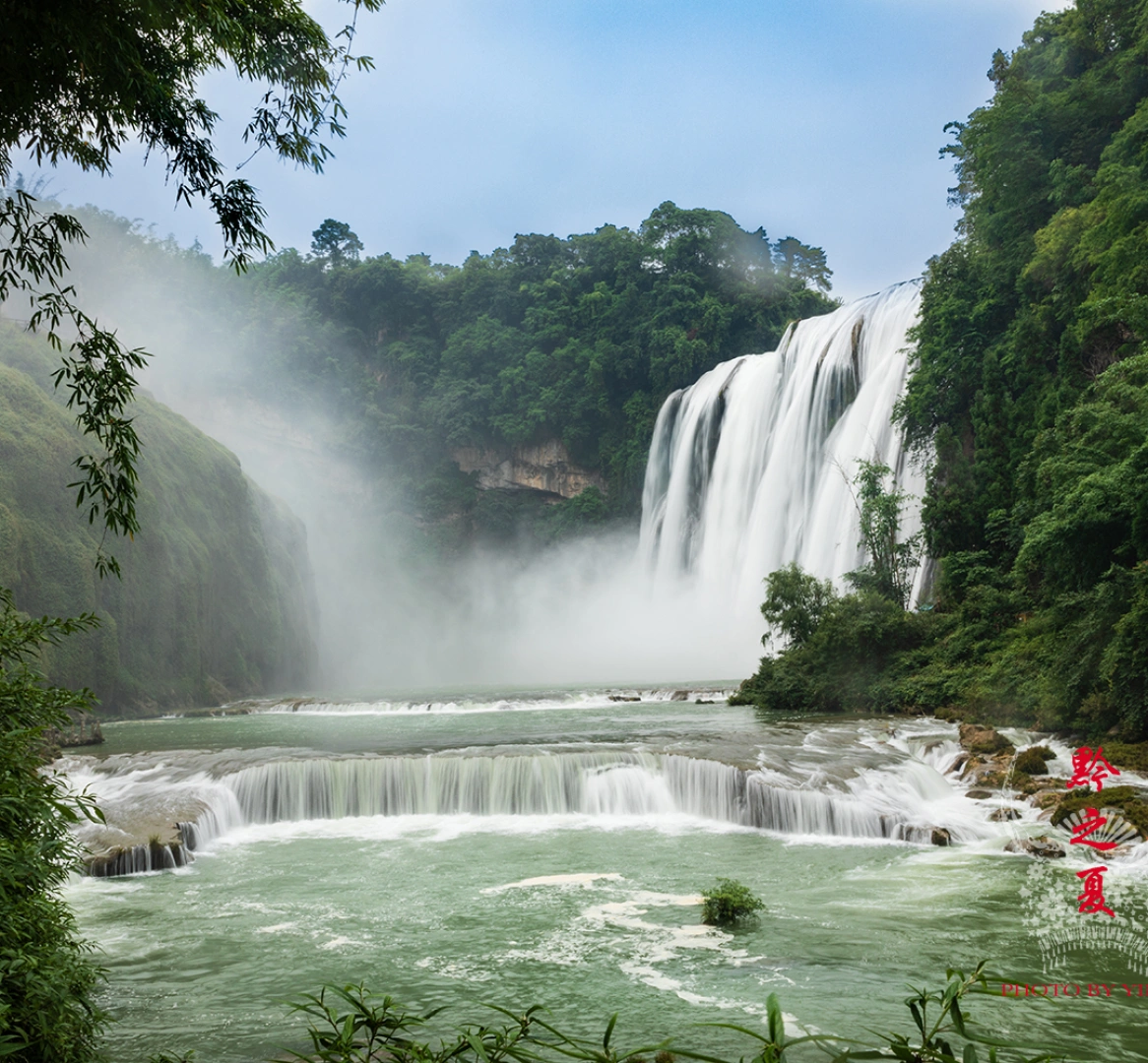
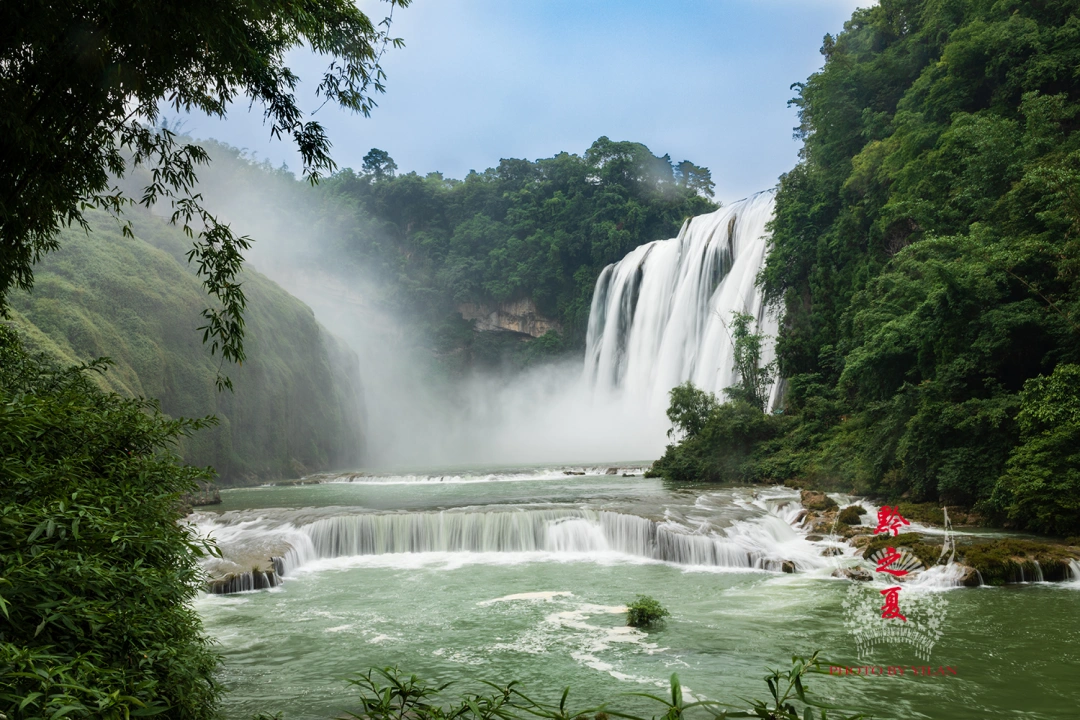
The Great Waterfall: After 5:30 p.m., there were almost no tourists at the entrance. We walked through the bonsai garden, bought round-trip escalator tickets (50 yuan, $7), and rode several long escalators down. It was the flood season, with abundant rainfall. The Huangguoshu Waterfall roared with breathtaking power. Standing on the boardwalk, bathed in fine mist, with hardly any other visitors, I could freely enjoy the coolness and listen to nature's thunderous sound.
Baling River Bridge: An Unexpected Surprise
After leaving the scenic area, we asked a villager and learned that the Baling River Bridge was nearby. This is a single-span steel truss stiffening girder suspension bridge with a main span of 1,088 meters, a total length of 1,564 meters, and a height of 370 meters from the bridge deck to the Baling River surface. When completed, it was the longest span of its kind in China and the sixth longest in the world. It looked magnificent from afar, and I regretted not being able to drive across it on the expressway.
When I navigated to the hotel, I found that the hotel—only 5 kilometers away in a straight line—was actually more than 30 kilometers by road. We had to go back the same way to get on the Shanghai-Kunming Expressway. But then I thought: Doesn't that mean we can drive over the Baling River Bridge? With hope and excitement, we hit the road. Sure enough, not long after getting on the expressway, we saw the sign. After crossing it, we got off at the Guanling exit, and the hotel was right next to the ramp—perfect for getting back on the expressway the next morning.
[Link: Top self-drive routes in Guizhou province]
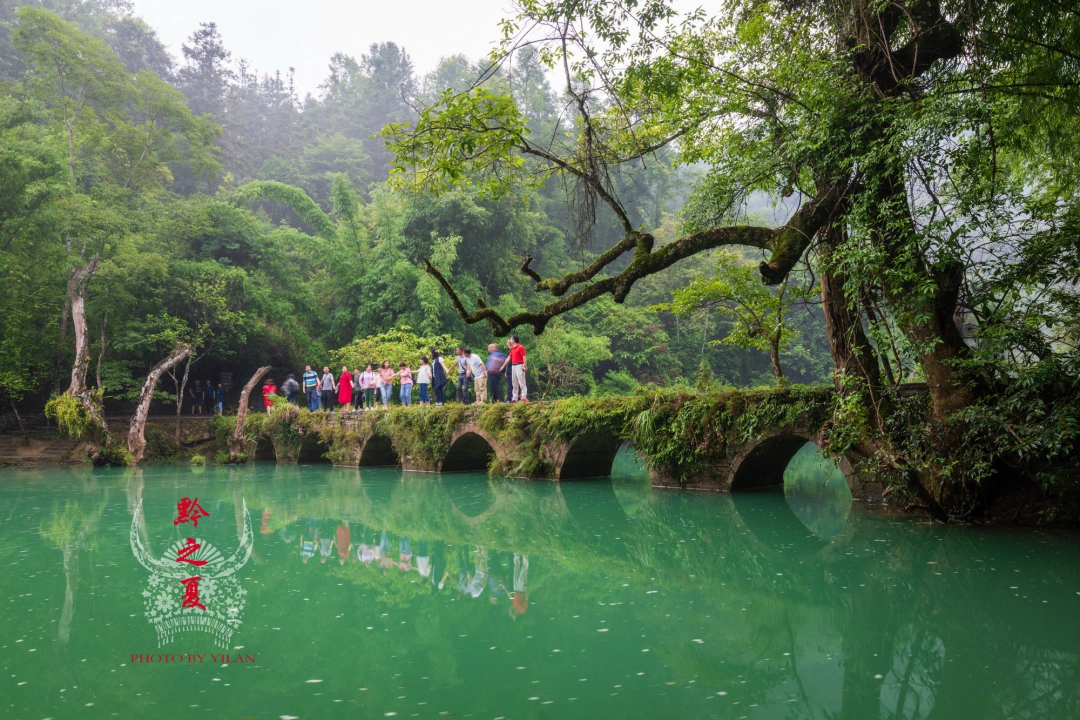
Day 2: Libo's Seven Small Arches—A Summer Love Song of Emerald Green
Racing Through the Rain
When I woke up, it was raining heavily. The weather forecast said Libo would have scattered showers that day, with moderate rain for the next two days. Afraid of missing that pool of emerald green, we decided we had to go to the Seven Small Arches (Xiaoqikong) that day. The hotel breakfast was as simple as it gets, but we ate our fill and set off immediately, setting the GPS for the west gate of the scenic area—a journey of over 380 kilometers, estimated at 5.5 hours.
As we left the hotel and got on the expressway, we crossed the Baling River Bridge again. The rain grew heavier—we could barely see the car ahead, just the faint glow of taillights flickering through a white wall of water. Luckily, there were few cars on the expressway and the road conditions were good. The rolling green hills on both sides had strange, striking shapes, like pointed steamed buns, neatly arranged and beautiful in the rain and mist. After passing Guiyang, the rain gradually eased.
FAQ: Planning Your Guizhou Self-Drive Adventure
1. When is the best time for a Guizhou self-drive trip?
Summer (June to August) offers the coolest temperatures—22-28°C (72-82°F)—and the most dramatic waterfall views during the flood season. However, expect afternoon showers. Spring (March-May) and autumn (September-October) provide milder weather and fewer crowds.
2. How much does a 6-day Guizhou self-drive trip cost?
Based on this itinerary, expect to spend approximately: - Flights: 1,000 yuan ($140) round-trip from Beijing to Anshun - Car rental: 200-300 yuan ($28-42) per day for a compact car - Fuel: 500-800 yuan ($70-112) total for 6 days - Accommodation: 150-300 yuan ($21-42) per night - Food: 30-80 yuan ($4-11) per meal - Entry fees: 210 yuan ($29) for Huangguoshu; similar for other attractions
Total estimate: 4,000-6,000 yuan ($560-840) per person.
3. Is it safe to drive in Guizhou during summer rains?
Yes, but exercise caution. Guizhou's expressways are well-maintained, but mountain roads can be winding and slippery. Reduce speed during heavy rain, use fog lights, and avoid driving at night in rural areas. Always check weather forecasts before setting out.
4. What should I pack for a Guizhou summer road trip?
- Lightweight rain jacket or umbrella (daily showers are common)
- Comfortable walking shoes for waterfall trails
- Camera with waterproof protection
- Sunscreen and insect repellent
- Light layers (temperatures drop in the evenings)
- Power bank for navigation apps
5. Can I visit Huangguoshu and Seven Small Arches in one day?
It's possible but not recommended. The two scenic areas are about 380 kilometers apart (5.5 hours driving). A better plan is to spend Day 1 at Huangguoshu, stay overnight near Anshun or Guanling, then drive to Libo on Day 2 for Seven Small Arches.
Practical Tips for Your Guizhou Self-Drive Journey
- Rental car booking: Reserve through reputable companies like Yihai Car Rental. Check for car upgrades if your original vehicle is unavailable.
- Navigation: Use GPS apps like Baidu Maps or Gaode Maps. Rural roads may be narrow; trust the GPS but verify with locals.
- Entry fees: Some attractions offer free entry to residents of specific provinces. Check official websites before visiting.
- Food: Don't miss Guizhou's sour-spicy cuisine—bean and rice hotpot, fish in sour soup, and rice noodles are must-tries.
- Photography: Early morning and late afternoon offer the best light for waterfall shots. Bring a tripod for long exposures.
[Link: Essential packing list for Guizhou summer travel]
Conclusion: Why Guizhou Should Be Your Next Summer Escape
Guizhou's summer is a revelation—22°C days, emerald-green landscapes, roaring waterfalls, and a culture steeped in sour-spicy flavors and warm hospitality. This self-drive journey through Anshun, Huangguoshu, and Libo offers the perfect escape from city heat and noise. Whether you're standing beneath the mist of the world's largest waterfall group or tracing the 365 steps of Tianxingqiao on your birthday, Guizhou delivers moments of pure, unfiltered wonder.
Ready to plan your own Guizhou adventure? Book your flights to Anshun, reserve a rental car, and set out to discover why this "blank spot on the map" is one of China's best-kept summer secrets. The green waves and lantern lights are waiting—all you have to do is drive.
Have you experienced Guizhou's summer magic? Share your own travel tips and favorite spots in the comments below!
You may also like