A Time-Travel Journey Through Shanghai’s Ancient Towns: Jiading’s Lutang, West Street, and Anting Old Street in May 2026
Meta Description: Explore Shanghai’s hidden ancient towns—Lutang, West Street, and Anting Old Street—in this 2026 travel guide. Discover 600-year-old history, unique food culture, and architectural wonders in Jiading District.
Introduction: Rediscovering Shanghai’s Jiangnan Soul
When travelers think of Shanghai, they picture the futuristic skyline of Pudong, the bustling Nanjing Road, or the historic Bund. But beneath this modern metropolis lies a network of 33 ancient towns that preserve the true essence of Jiangnan water town culture. From Nanhui’s Datuan to Qingpu’s Zhujiajiao, each town tells a unique story of Shanghai’s rich heritage.
In May 2026, I embarked on a one-day time-travel journey through three of Jiading District’s most captivating ancient towns—Lutang Ancient Town, West Street’s Lianchuan Park, and Anting Old Street. Having visited 26 of Shanghai’s 33 ancient towns, this trip brought me closer to completing my personal mission of exploring every corner of this city’s historical heart.
Why Visit Shanghai’s Ancient Towns in 2026?
Shanghai’s ancient towns offer a perfect escape from the city’s relentless pace. Unlike heavily commercialized tourist spots, Jiading’s historical districts retain authentic local charm. The May 2026 holiday period provides ideal weather—warm spring temperatures, blooming flowers, and the famous Jiangnan misty rain that inspired centuries of poetry.
What Makes Jiading’s Ancient Towns Special?
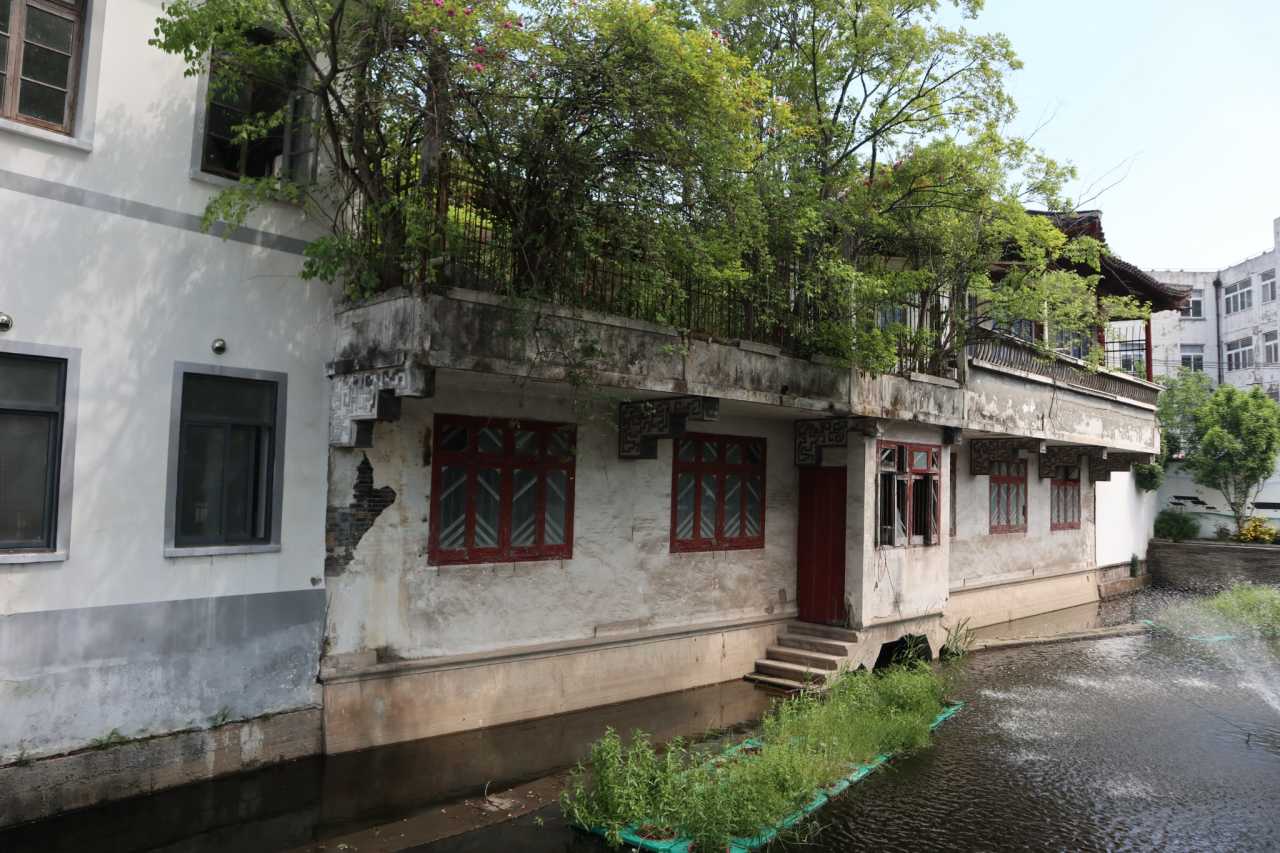
Jiading District, known as “Cultured Jiading” in local folklore, boasts a unique blend of: - 600+ years of continuous history in Lutang - Rare Chinese-Western architectural fusion in religious buildings - Authentic local cuisine that earned Lutang its “foodie paradise” reputation - Recently restored historical sites like Lianchuan Park (opened December 2025)
Day Trip Itinerary: Three Ancient Towns in One Day
Getting There: Transportation Guide
Starting point: Downtown Shanghai
Metro: Line 11 to Jiading North Station
Bus transfer: Bus 59 or 890 to Jiatang Highway-Louzhu Highway stop
Walking time: 5 minutes to Lutang Ancient Town
This efficient route allows you to experience three distinct historical districts in a single day, perfect for weekend travelers or holiday explorers.
Lutang Ancient Town: A 600-Year-Old Food Lover’s Paradise
History and Cultural Significance

Lutang Ancient Town, located in northern Jiading, has preserved its historical character for over six centuries. A local rhyme captures the essence of Shanghai’s towns: “Golden Luodian, Silver Nanxiang, Copper Jiangwan, Iron Dachang, Cultured Jiading, Foodie Lutang, Martial arts champions from Xujiaxing.”
This rhyme reveals Lutang’s most celebrated attribute—its extraordinary culinary heritage. Unlike other ancient towns known for silk or handicrafts, Lutang developed a reputation as a destination for food lovers, with culinary traditions passed down through generations.
War Scars and Resilience: Lutang’s Memorial Archway
Walking through Lutang, history feels tangible. On March 3, 1932, Japanese forces occupied Lutang, destroying 90% of homes along East Street. When residents returned after the Japanese withdrawal in May 1932, they found their community in ruins.
The story of Lutang’s recovery is remarkable. Overseas Chinese in Singapore donated funds for rebuilding homes. By autumn, prominent figures including Li Fusun, Zhang Gongquan, and Huang Yanpei initiated fundraising for a memorial archway. Designed by Shen Enfu, this 6.10-meter-tall, 8.5-meter-wide structure was renovated in 1985 and stands today as a testament to both wartime suffering and the warmth of compatriot solidarity.
Religious Architecture: Zion Church and St. Peter’s Catholic Church
Lutang’s religious buildings offer a fascinating glimpse into cross-cultural exchange.

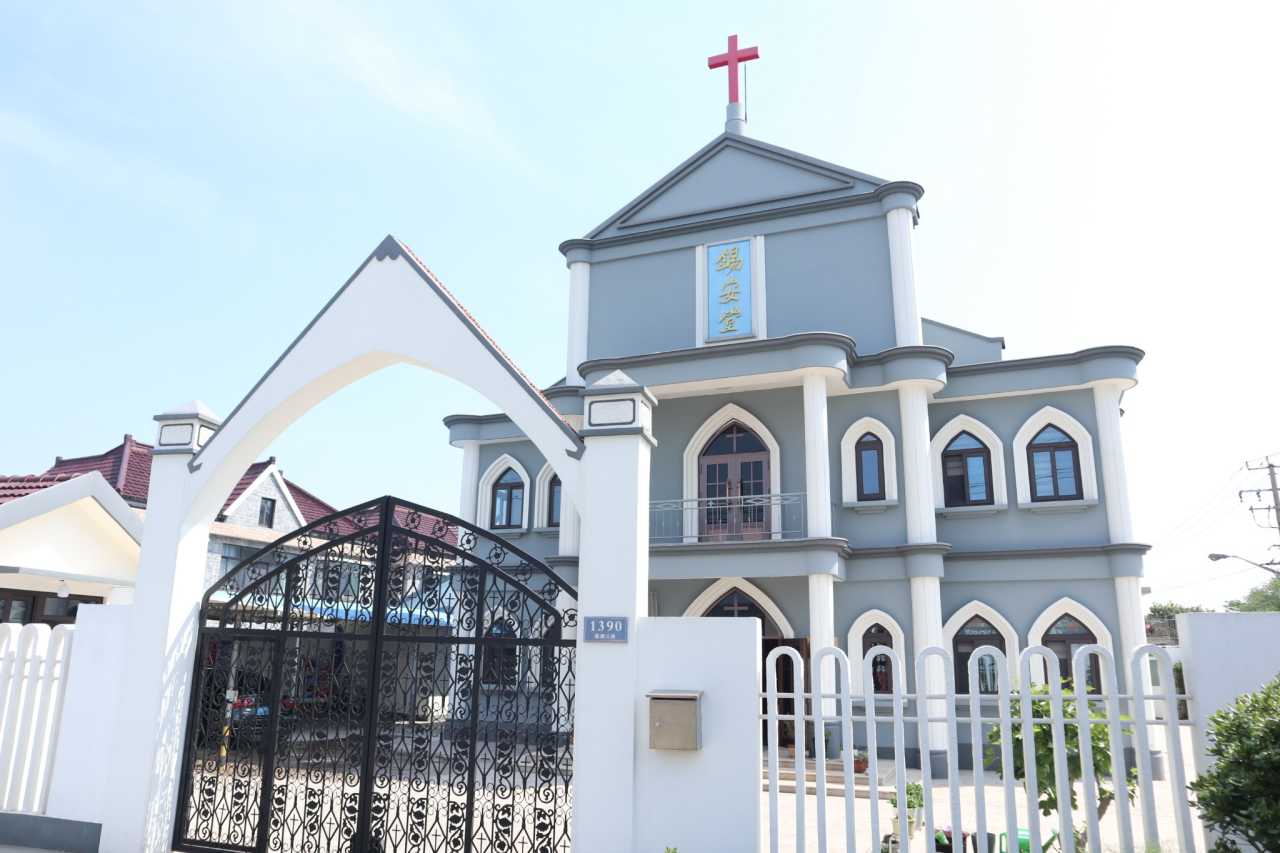
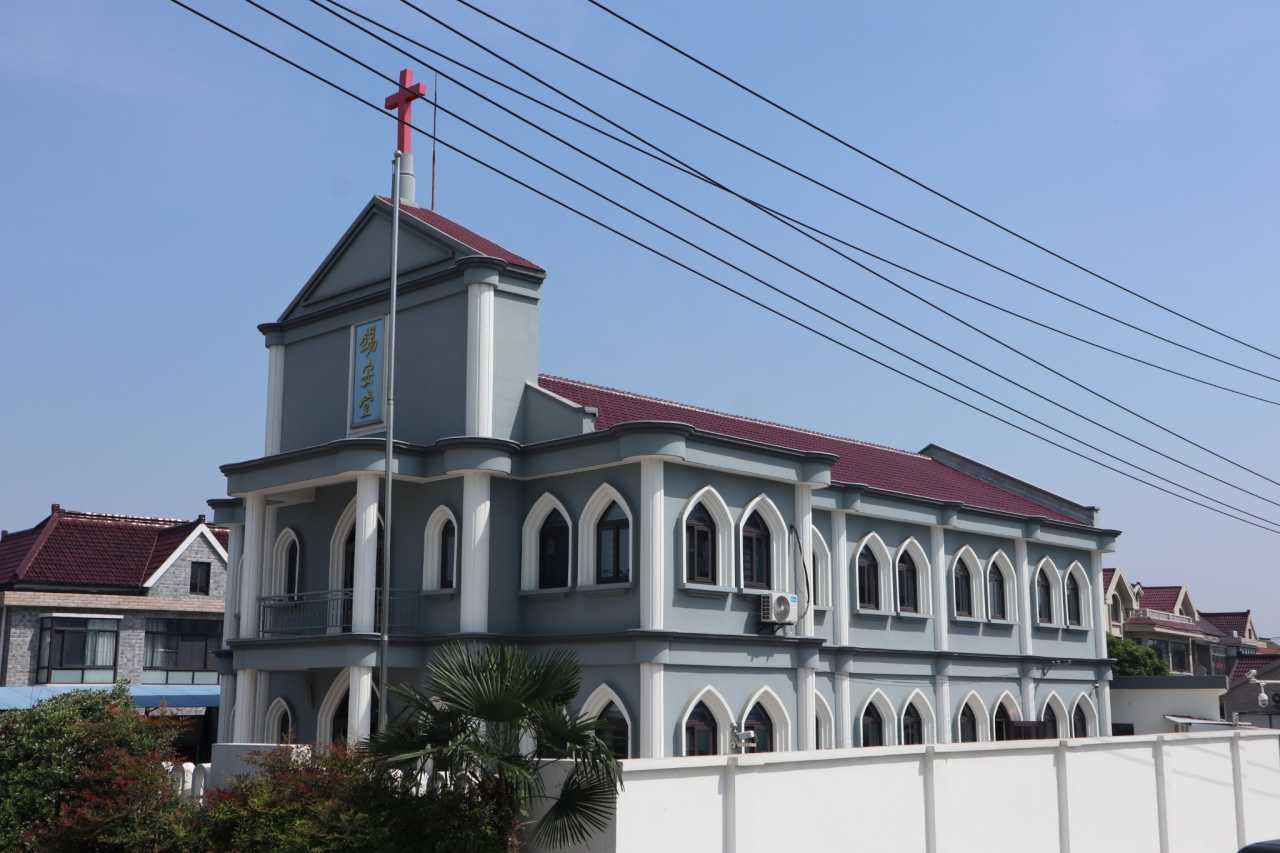
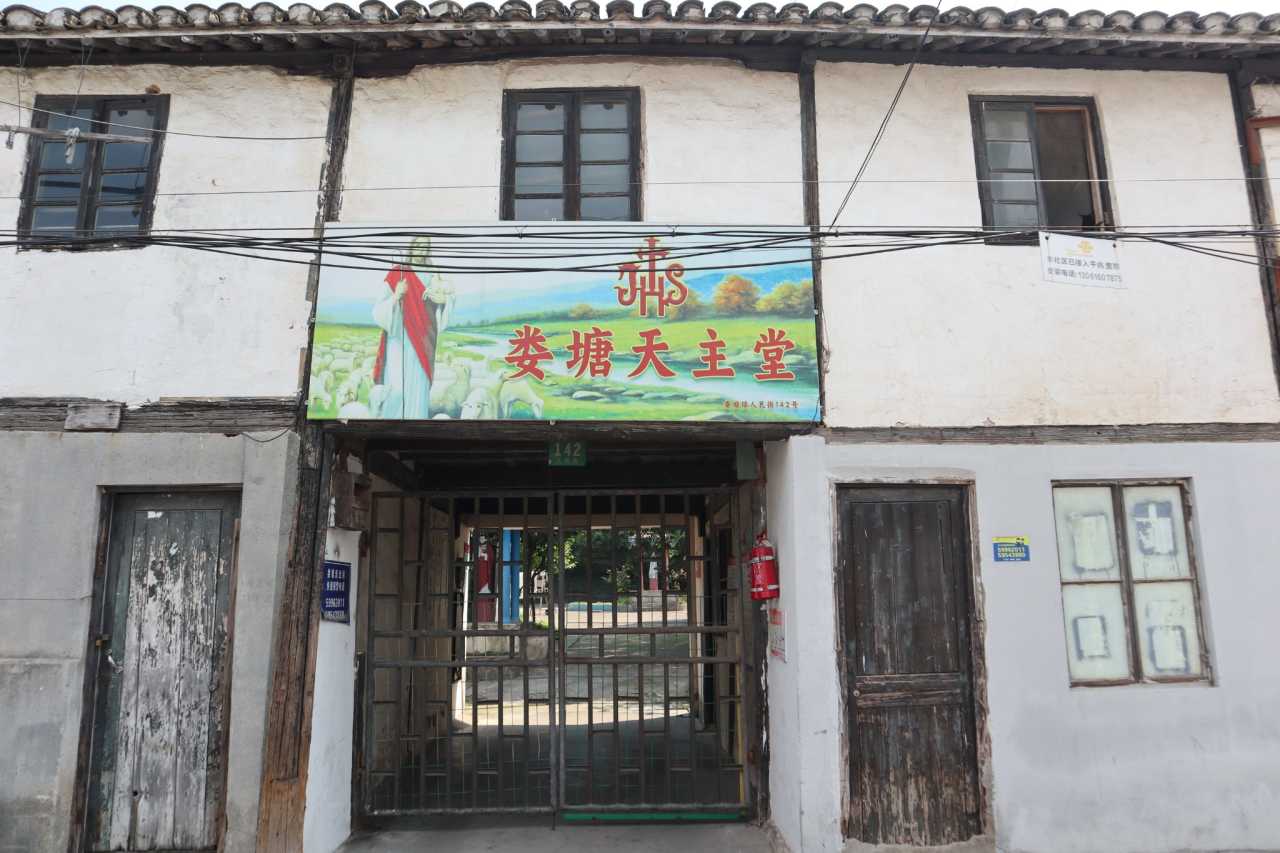
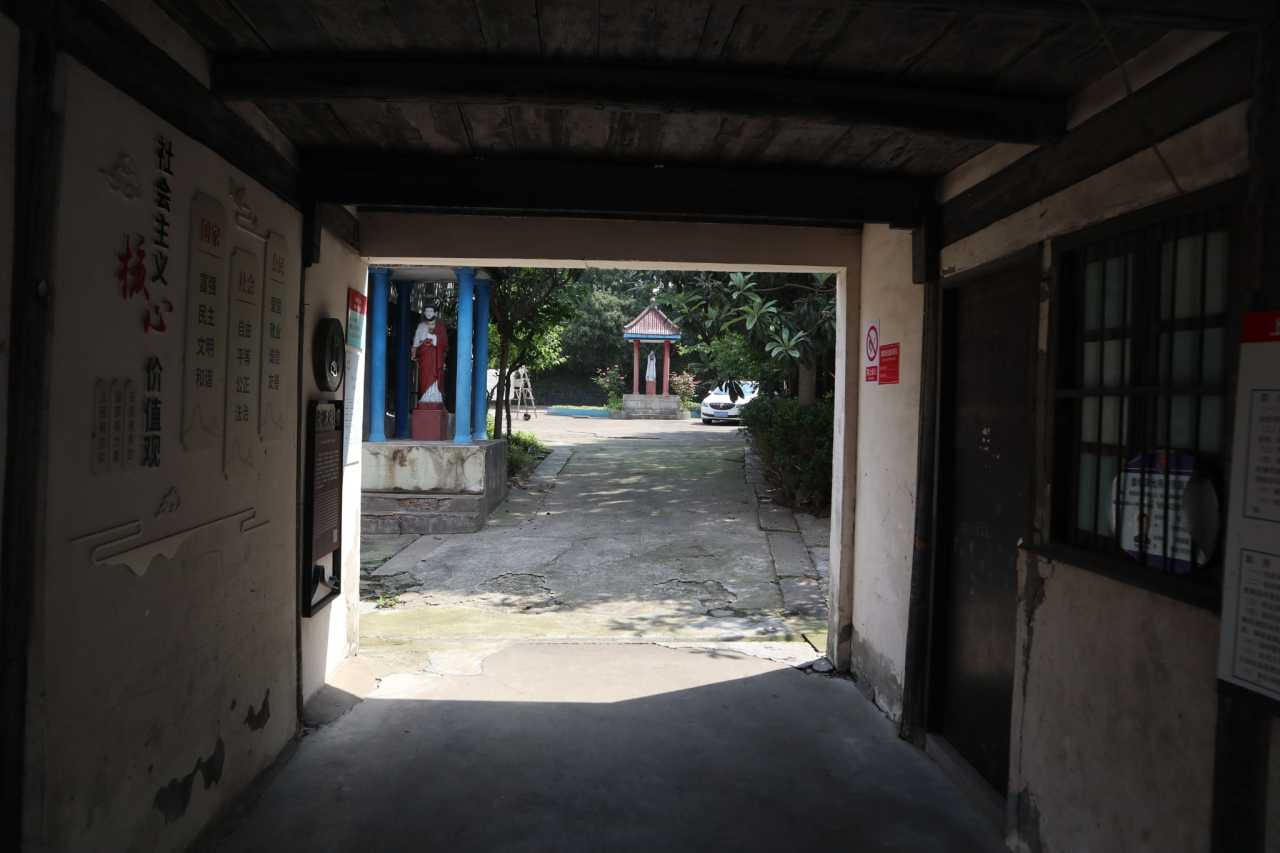
St. Peter’s Church (Lutang Catholic Church) was first built in 1877 (third year of Guangxu reign) and resumed religious activities in 1990. What makes this church extraordinary is its architectural fusion:
- Traditional Chinese folk-style roof and eaves
- Dragon and phoenix carvings—Chinese auspicious symbols—on the spire beneath the cross
- A statue of St. Peter greeting visitors at the entrance
This Chinese-Western fusion reflects Jiading’s early missionary history. Wu Li, one of the Qing Dynasty’s “Six Great Painters,” preached in Lutang as early as the 18th century. Local fishermen converted to Catholicism, and priests adapted by delivering sermons in the Jiading dialect—a localized approach to evangelism that shows remarkable cultural sensitivity.
Yin Family Residence: Home of a Publishing Tycoon
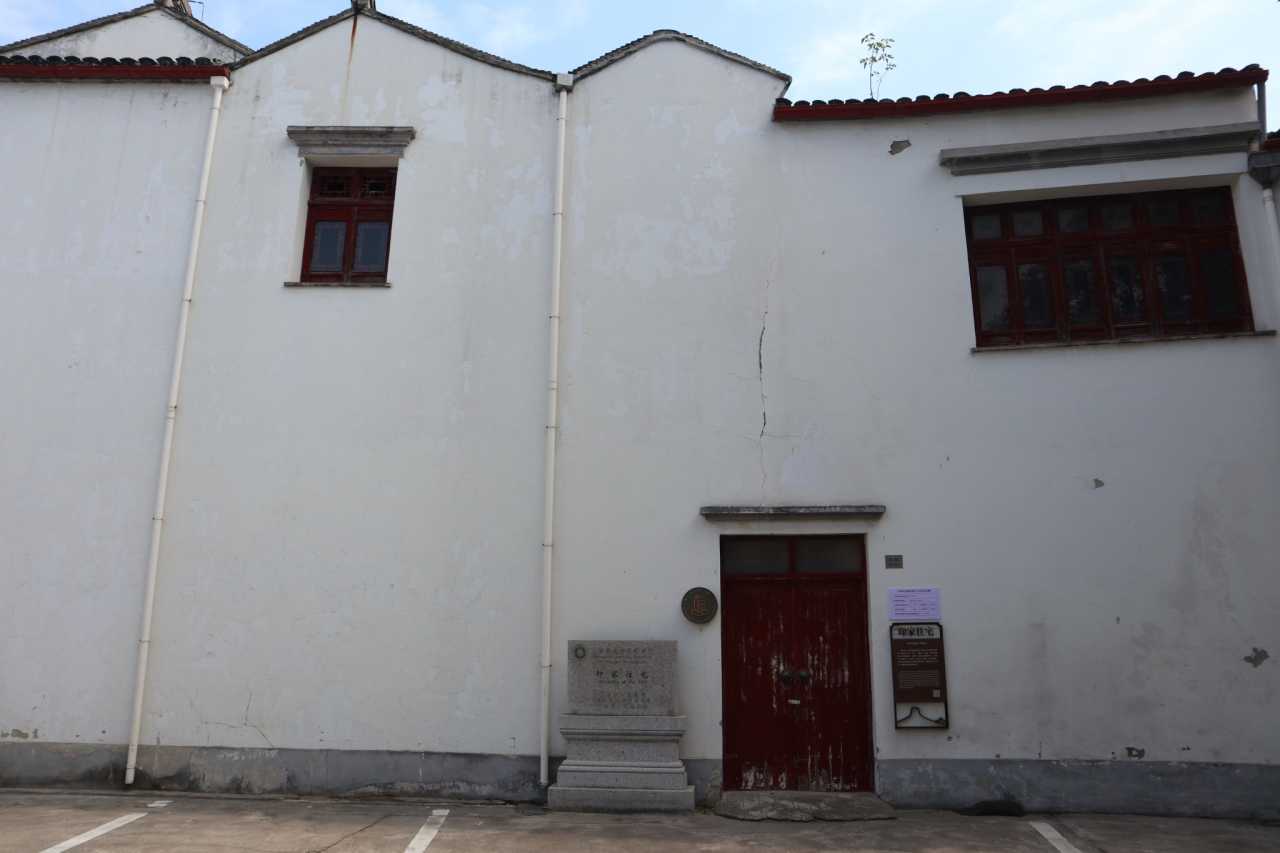
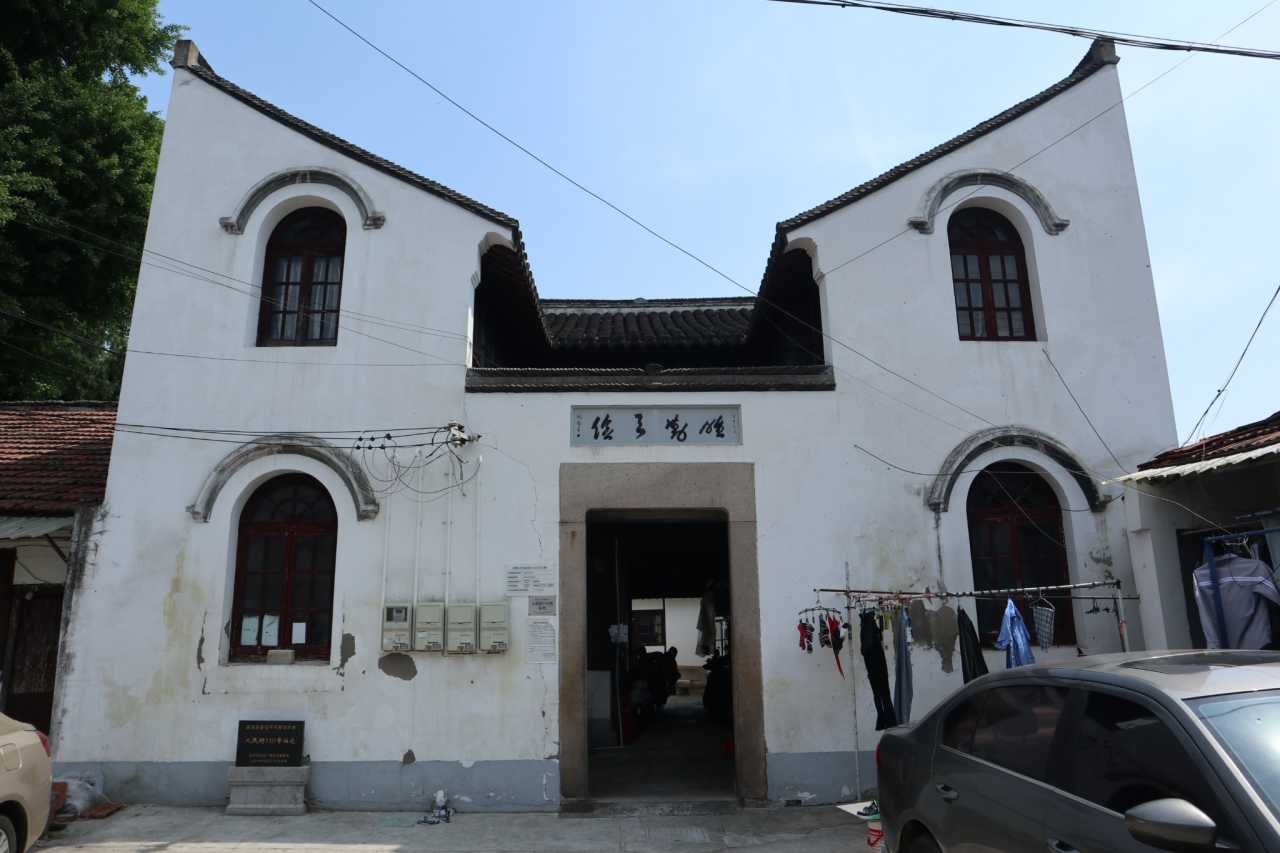
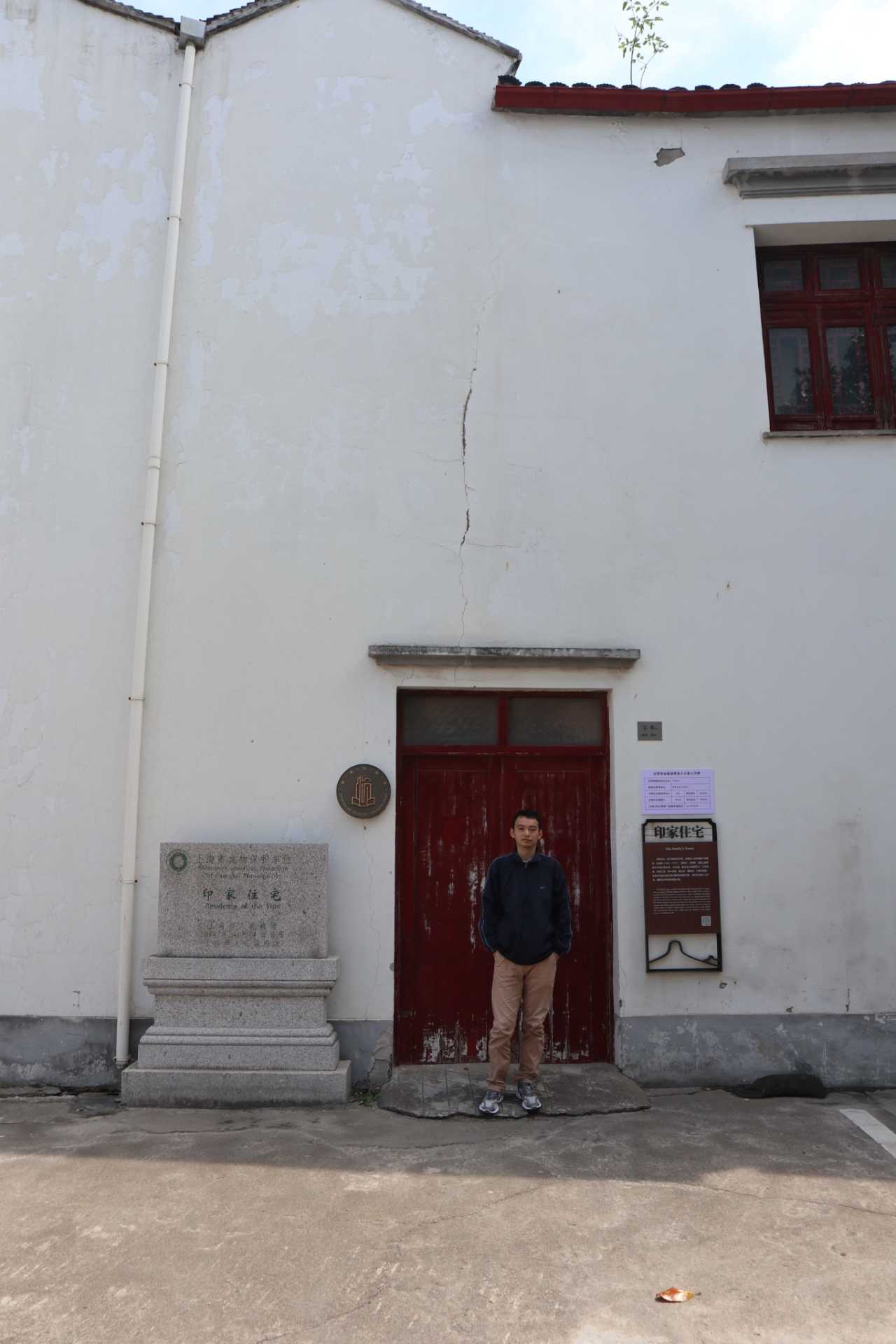
The Yin Family Residence, built in the early Republic of China period, belonged to Yin Youmo (1863–1915), a publishing industry magnate who served as general manager and major shareholder of the Commercial Press.
Yin’s story reflects China’s modernization journey. After studying business in Shanghai, he established cotton mills, traveled to Europe and America, and returned to revolutionize Chinese printing. In 1903, the Commercial Press formed a joint venture with Japan’s Kinkodo, becoming China’s largest printing house. Yin collaborated with cultural giants like Cai Yuanpei and Zhang Yuanji, editing, translating, and distributing books that shaped modern Chinese education.
Today, the residence is a municipal-level protected cultural relic, renovated in 2008 by the Jiading District Government.
Lianchuan Park: A “Temple Within a Garden” Experience
Location and Access
From Lutang, take Bus 59 to Pingcheng Road-Chengbei Road stop, transfer to Bus 9, and alight at Xiangjing Bridge stop. A short walk leads to Lianchuan Park.
Park Features and Design
Lianchuan Park, part of the “Impression West Street” initiative, opened on December 31, 2025. Located in the core of Jiading’s West Gate Historical and Cultural District, this 1.15-hectare park is unique for being wall-less.
The park’s theme, “Smoky West Gate, Elegant Painting,” blends traditional Jiangnan garden design with modern urban planning. Key features include: - Two axes, two veins design philosophy - Eight scenic spots for exploration - Seven preserved historical buildings integrated into the landscape
Huguo Temple: A 1,500-Year-Old Sanctuary
Huguo Temple, at 215 Qinghe Road, was first built during the Liang Dynasty (503–519 AD), making it one of Shanghai’s earliest existing Buddhist temples—over 1,500 years old.
The temple has survived dynastic changes, wartime destruction, and the Cultural Revolution. Restoration began in recent years, with Phase One completed and opened in August 2023. The existing complex includes the Mahavira Hall, Guanyin Hall, and Ksitigarbha Hall, designed in Jiangnan garden style with preserved Ming Dynasty stone components.
Historical significance: Huguo Temple was the study place of Huang Chunyao, a leader of the anti-Qing resistance in the late Ming Dynasty. During the Qing Dynasty, it became a hub for Jiading School scholars. The “Inscription on the Restoration of Huguo Temple” records lectures by Confucian scholars who gathered here.
The “Temple Within a Garden” Concept
What makes Lianchuan Park truly remarkable is its integration of historical preservation with modern landscape design. The park’s layout creates a “temple within a garden, garden within a temple” configuration—a rare example of how urban development can honor historical heritage while creating public spaces for contemporary use.
Anting Old Street: Automotive Heritage Meets Ancient Charm
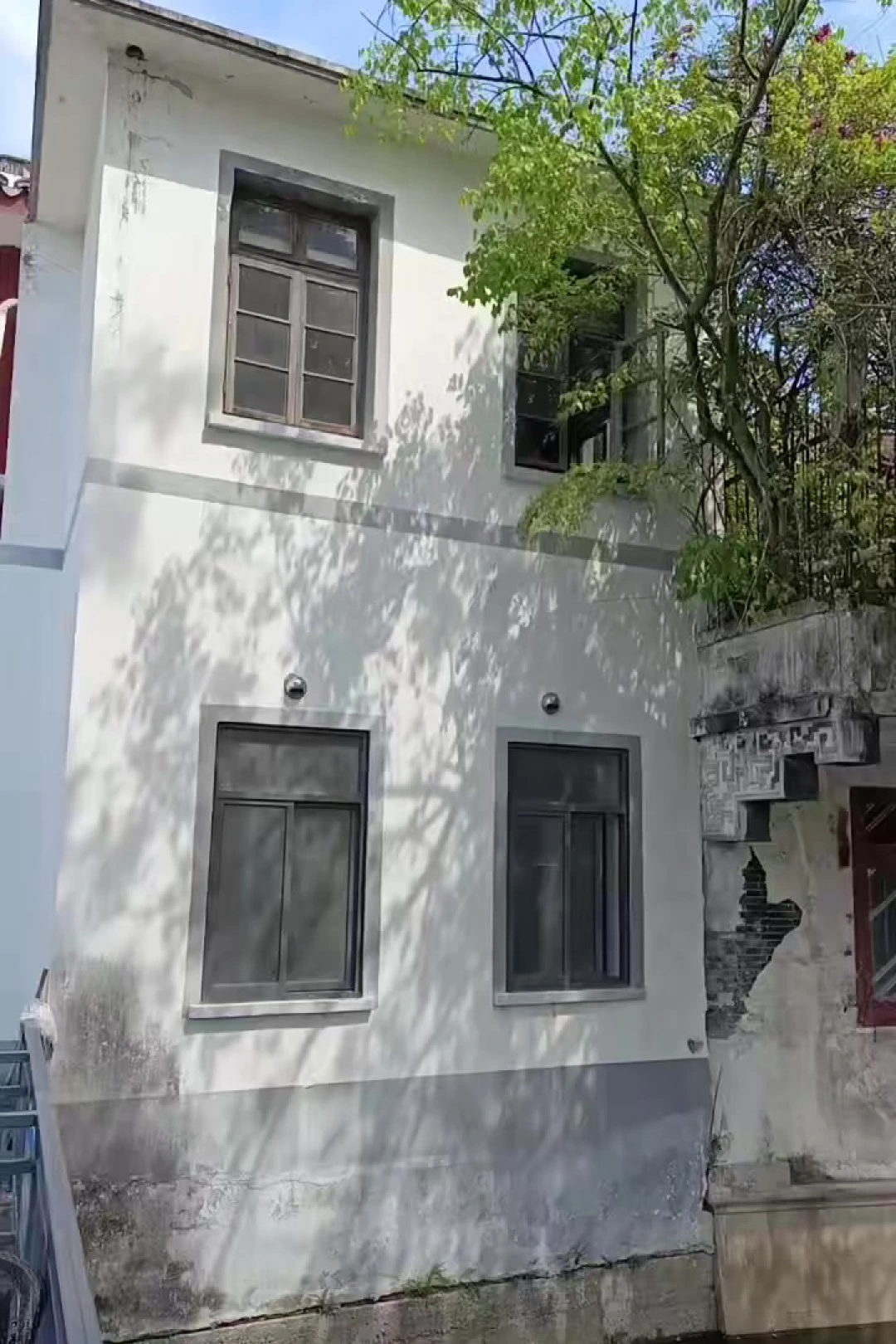
While Lutang focuses on food and West Street on culture, Anting Old Street offers a different perspective. Known as Shanghai’s “Automotive City,” Anting combines its ancient street heritage with modern automotive industry significance.
[Link: Shanghai ancient town itineraries for history lovers]
Practical Tips for Visiting Jiading’s Ancient Towns
Best Time to Visit
- May 2026: Perfect weather, blooming gardens, and holiday atmosphere
- Weekdays: Fewer crowds for a more authentic experience
- Early morning: Capture misty Jiangnan scenery at its best
What to Eat in Lutang
Lutang’s “foodie” reputation means you shouldn’t miss: - Local dim sum specialties - Traditional Jiangnan pastries - Street food from family-run stalls
Photography Tips
- Golden hour: Late afternoon light enhances ancient architecture
- Misty days: Capture the poetic Jiangnan atmosphere
- Architecture details: Focus on dragon-phoenix carvings and Chinese-Western fusion elements
Frequently Asked Questions
Q1: How many ancient towns are there in Shanghai?
Shanghai has 33 officially recognized ancient towns across districts including Nanhui, Qingpu, Pudong, and Jiading. Popular ones include Zhujiajiao, Qibao, and the less-visited Lutang featured in this guide.
Q2: Is one day enough to visit Lutang, West Street, and Anting Old Street?
Yes, with efficient planning. Start early from downtown Shanghai, use Metro Line 11 and local buses, and allocate 2-3 hours per location. The itinerary described in this article covers all three in a single day.
Q3: Are these ancient towns free to enter?
Most areas of Lutang Ancient Town, Lianchuan Park, and Anting Old Street are free to enter. Some specific attractions like Huguo Temple may have nominal entrance fees. Check current prices before visiting.
Q4: What makes Lutang different from Zhujiajiao or Qibao?
Lutang is less commercialized and known specifically as a “foodie paradise.” Its culinary culture, combined with unique Chinese-Western religious architecture and war memorials, offers a more authentic, less touristy experience than larger ancient towns.
Q5: Is Lianchuan Park suitable for families with children?
Absolutely. The park’s open design, eight scenic spots, and historical buildings provide educational value and exploration opportunities for all ages. The “temple within a garden” concept is particularly engaging for children learning about Chinese history.
Conclusion: Your Shanghai Ancient Town Adventure Awaits
Shanghai’s ancient towns offer something that skyscrapers and shopping malls cannot—a tangible connection to centuries of Chinese history, culture, and daily life. Lutang’s food heritage, West Street’s architectural fusion, and Anting’s unique charm create a day trip that feels like time travel.
Plan your visit for May 2026 to experience Lianchuan Park in its first year of operation, enjoy spring weather, and explore these hidden gems before they become mainstream tourist attractions.
Your Next Steps:
- Book Metro Line 11 tickets in advance during holiday periods
- Download offline maps for Jiading District
- Pack comfortable walking shoes—you’ll cover significant ground
- Bring an empty stomach for Lutang’s culinary treasures
- Share your experience using #ShanghaiAncientTowns2026
Start planning your time-travel journey today—Shanghai’s ancient soul is waiting to be discovered.
Have you visited Shanghai’s ancient towns? Share your favorite discoveries in the comments below, or contact us for personalized itinerary recommendations.
You may also like