Shanghai 4 Days 3 Nights Itinerary: A Culinary & Street Art Journey Through Alleys and Neon Lights
Meta Description: Discover Shanghai in 4 days—from Michelin-starred surprises to hidden alleyway gems. This Shanghai travel guide blends food, culture, and neon-lit nights. Perfect for first-timers and food lovers.
A Note Before You Go: Two Rhythms of One City
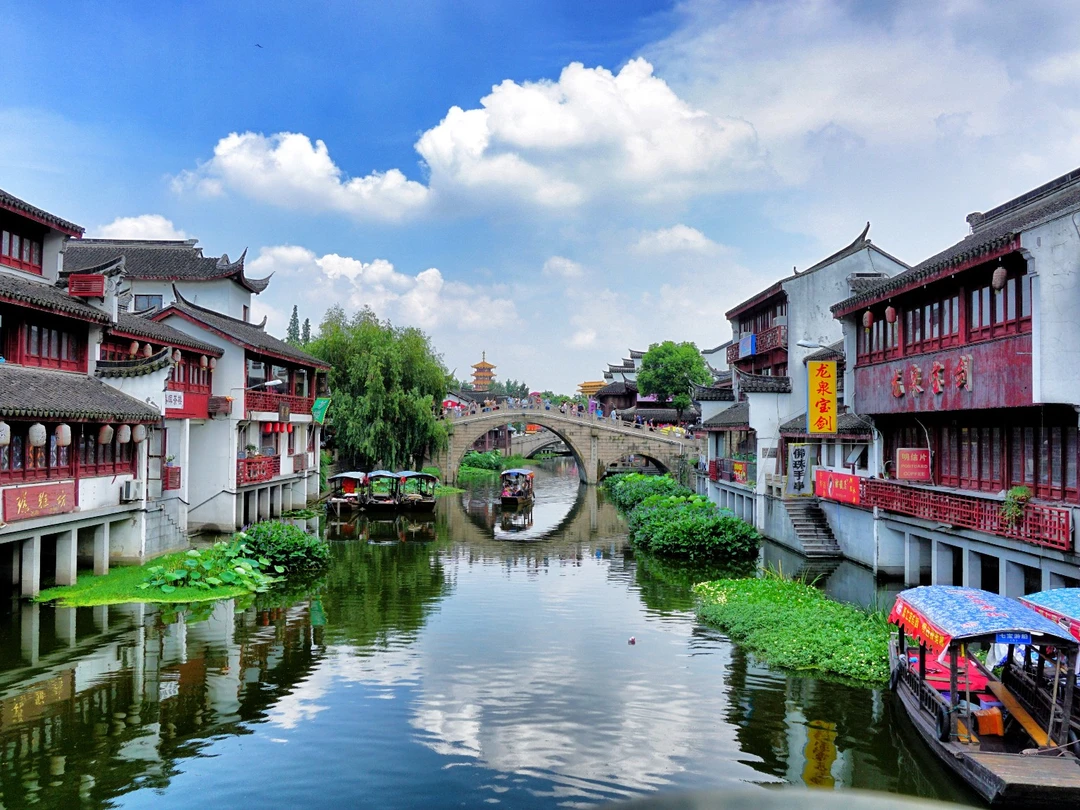
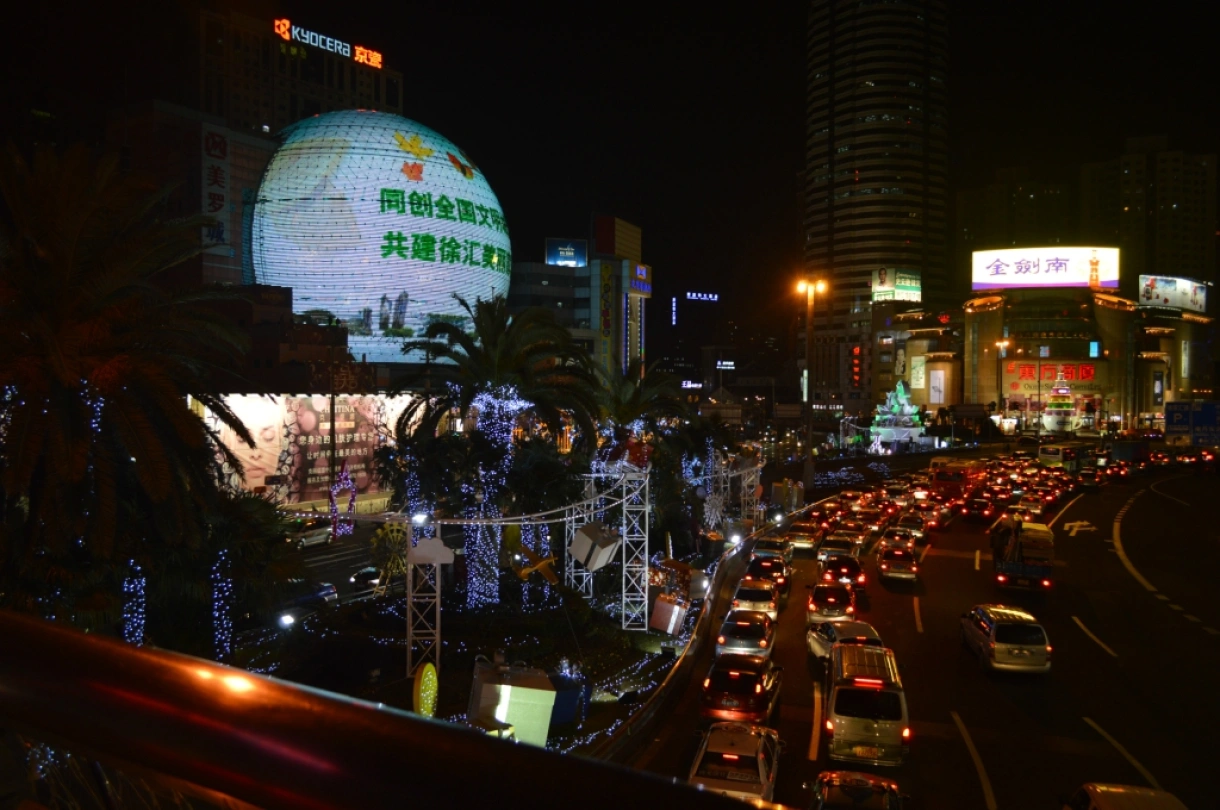
In May, Shanghai's plane trees unfurl their leaves across the streets. The scent of pan-fried buns (生煎, shengjian) wafts from deep within the alleyways, while around the corner, skyscrapers begin to glow with neon. This is a city of contradictions—and that's precisely what makes it so captivating. It offers the refined elegance of Michelin-starred restaurants alongside the smoky, bustling energy of street-side stalls. It has the dazzling chaos of the Bund, and the serene, artsy quiet of Wukang Road.
This past Labor Day holiday, my partner and I set off from Beijing, hopping on a high-speed train for a four-day, three-night Shanghai adventure. The round trip by train was convenient and fast, though the crowds at Hongqiao Railway Station gave us an immediate taste of the holiday "vibe." If you're planning to use the metro, here's a practical tip: after exiting the station, you can buy the "I Love Shanghai" three-day metro card at the Hongqiao station ticket booth. It costs 45 RMB and offers unlimited rides for 72 hours. During a peak holiday period like this, that card is a lifesaver, saving you the hassle of queuing for tickets every time. I can't recommend it enough.
[Link: Shanghai Metro Tips for Tourists]
Day 1: A First Taste of Michelin and the Night on the Huangpu River

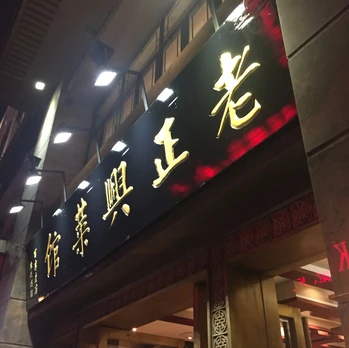
First Stop: Lao Zheng Xing (老正兴) – The "Surprise" and "Disappointment" of a One-Star Michelin
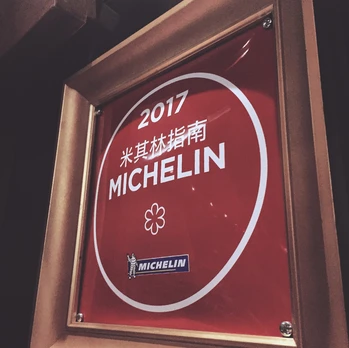
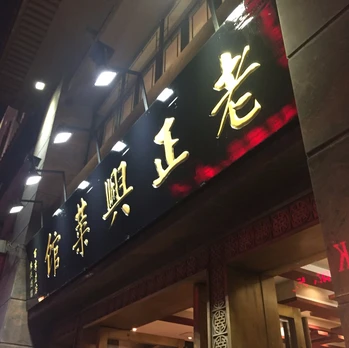
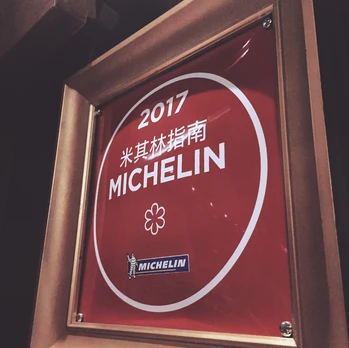
Our first day in Shanghai was all about one thing: food. After all, Shanghai is one of the cities in mainland China with the highest concentration of Michelin-starred restaurants. We targeted a few places that didn't require reservations months in advance, and our first stop was Lao Zheng Xing at 556 Fuzhou Road.
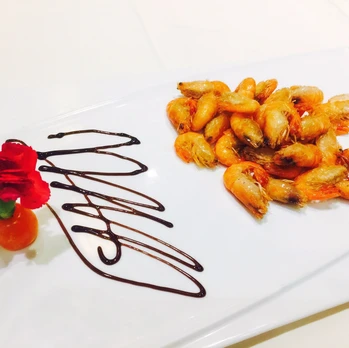
We arrived at 5 PM to find a long line already forming. Over an hour later, we finally sat down at 9 PM. But as they say, the higher the expectation, the greater the disappointment. For a Michelin one-star restaurant, the food at Lao Zheng Xing could only be described as "average." Shanghai cuisine is famous for its rich, dark soy sauce and oil (浓油赤酱, nong you chi jiang), but the flavors here were disappointingly bland. The service was also lacking, no doubt stretched thin by the massive crowd. After our meal, we just looked at each other and laughed: a one-star Michelin restaurant, we decided, meant "you've been once, and that's enough."
Key Takeaway: Not every Michelin star guarantees a memorable meal. Sometimes, the real gems are hidden in plain sight.
Night Cruise on the Huangpu River: Romance in the Crowds
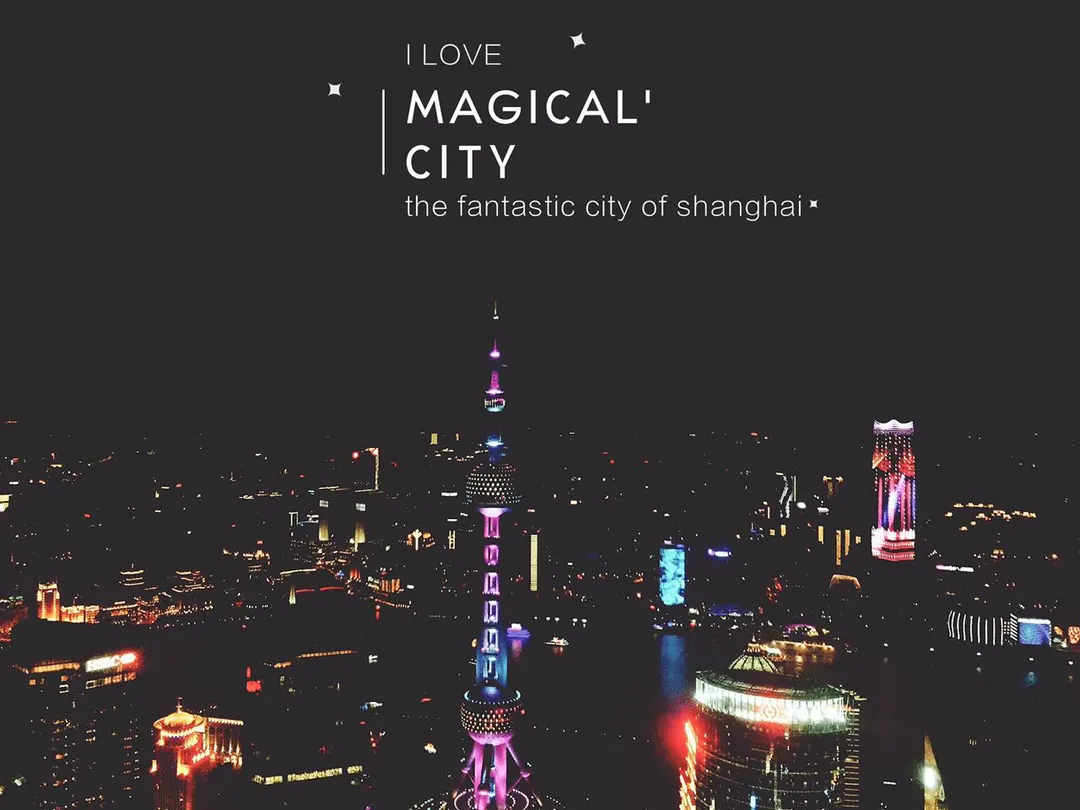
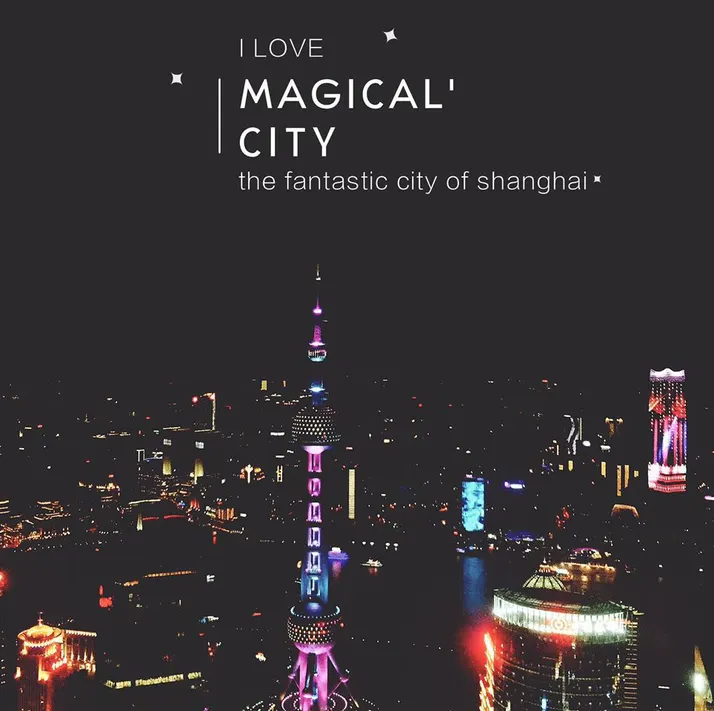
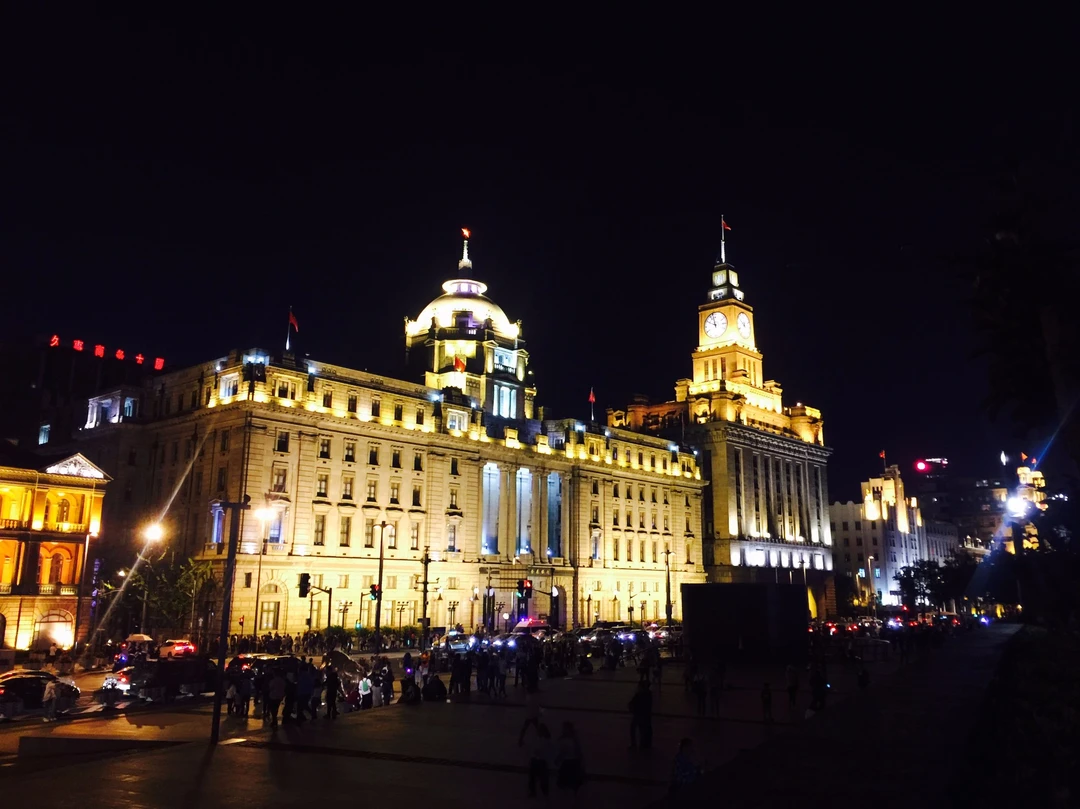
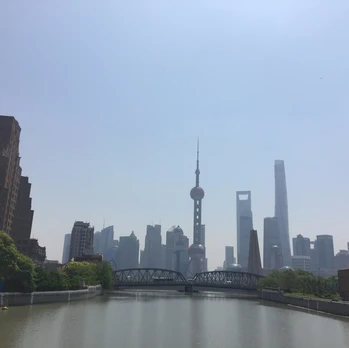
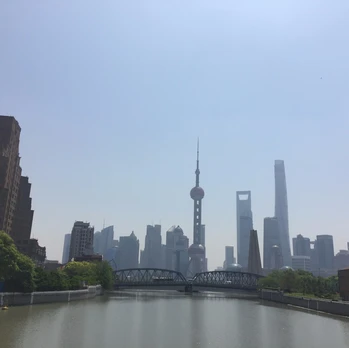
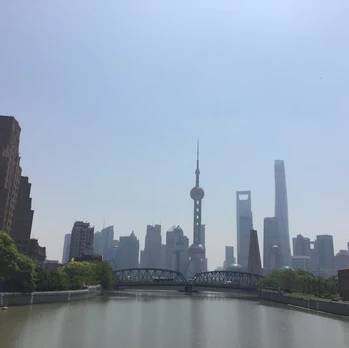
After dinner, we took a stroll along the Huangpu River to walk off our meal. During the holiday, the riverfront was packed, making it nearly impossible to move. But even so, when the lights of Lujiazui on the opposite bank flickered to life and the Oriental Pearl Tower sparkled in the night sky, the unique blend of glamour and romance that defines Shanghai still managed to take our breath away. We walked a bit, snapped a few photos, and then headed back to the hotel to rest – after all, the next day's itinerary held even more promise.
[Link: Best Night Views in Shanghai]
Day 2: The Delight of a Local Shanghai Dish and the Charm of the Alleys
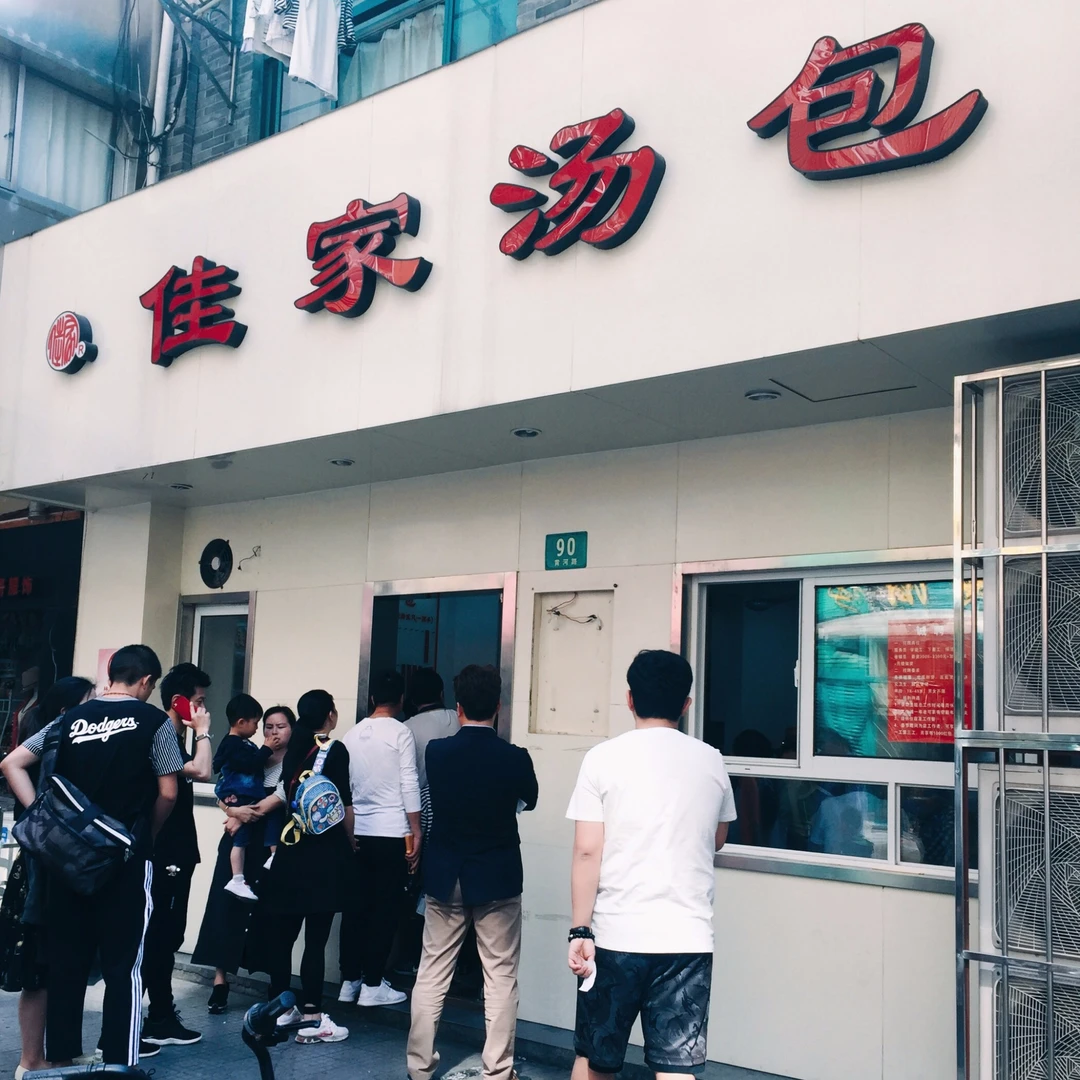
Breakfast: Jia Jia Tang Bao (佳家汤包) – The Joy of a Soup-Filled Bun
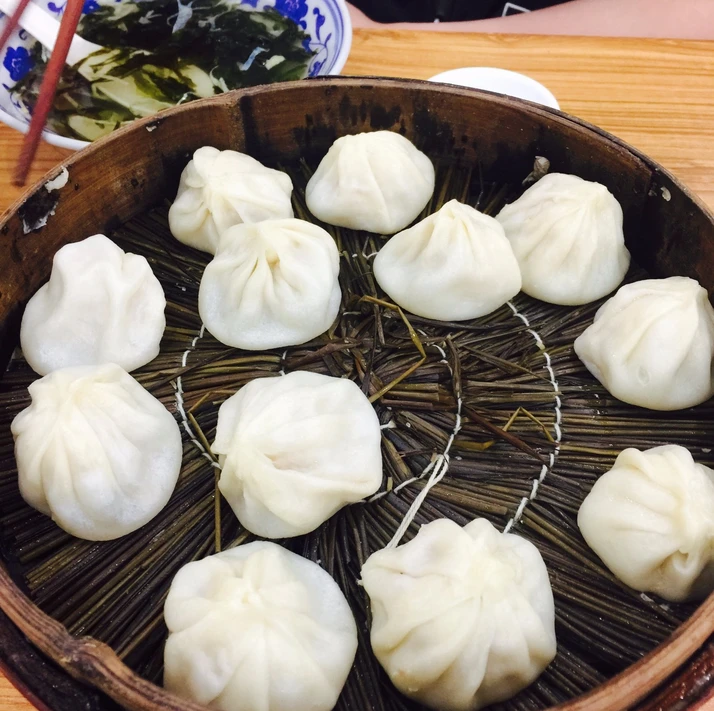
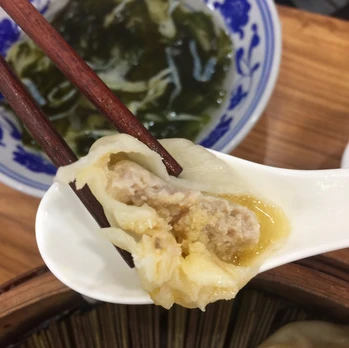
Early the next morning, we headed straight for Jia Jia Tang Bao at 90 Huanghe Road. The shop is tiny, but the line outside was already long. After a 20-minute wait, we finally got to taste the legendary soup dumplings (灌汤包, guan tang bao). The skin was thin, the filling was tender, and when you bit into it, the scalding hot, savory-sweet soup exploded in your mouth. It lived up to its reputation – it was one of the best breakfasts we had in Shanghai.
Pro Tip: Go early to avoid the peak lunch crowd. The soup dumplings sell out fast.
1933 Old Millfun (1933老场坊): From Slaughterhouse to Creative Hub
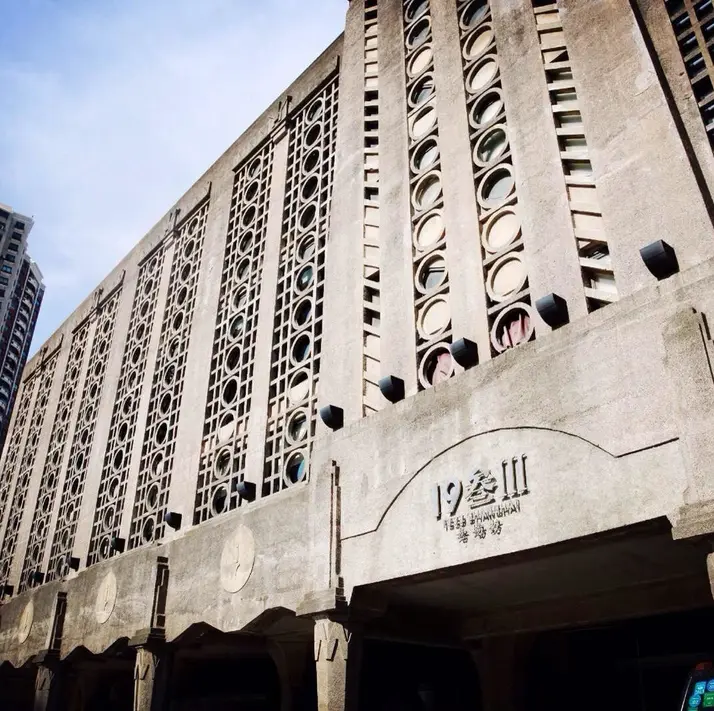
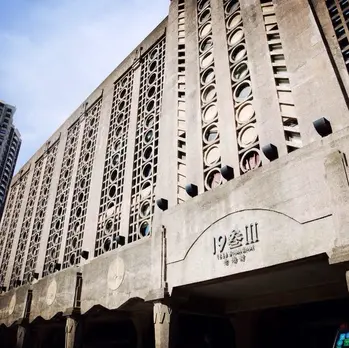
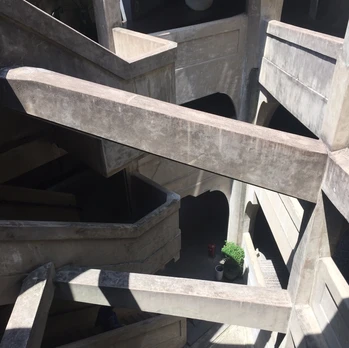
Well-fed and happy, we hopped on shared bikes and cycled to 1933 Old Millfun at 611 Liyang Road in Hongkou District. Originally a slaughterhouse built by the Shanghai Municipal Council, it has been transformed into a creative industrial park. The architecture is incredibly distinctive – a square exterior with a circular interior, crisscrossing bridges and walkways, and mottled concrete walls that exude the raw, stark beauty of the industrial era. Today, it's a paradise for photography enthusiasts, with every corner offering a perfect shot.
[Link: Shanghai's Best Photo Spots]
Lu Xun Park and Sweet Love Road (甜爱路): Slow Time Under the Trees
Leaving 1933 Old Millfun, we biked over to Lu Xun Park. On a May afternoon in Shanghai, a gentle breeze brushes your face. The streets are lined with French plane trees, their dappled shadows falling on the elegant little Western-style houses (xiao yang lou) basking in the sunlight. These moments of cycling through the city are some of the most delightful parts of any trip.
Exiting Lu Xun Park brings you to Sweet Love Road (甜爱路, Tian'ai Lu). Based on the name, I'd expected a street full of dessert shops. Instead, it's a narrow lane filled with graffiti and a romantic, artsy atmosphere. The walls are covered in love poems and colorful murals, and couples stop every few steps to take photos, capturing sweet moments together.
Tianzifang (田子坊) and the Power Station of Art: A Clash of Artistic Styles
We made a detour to Tianzifang to find a famous bookshop, but it was already closed. Still, Tianzifang itself is a place worth exploring – the alleyways are packed with tiny shops, handicraft stalls, and food vendors. We weren't hungry, though – those soup dumplings from breakfast were still sitting heavy.
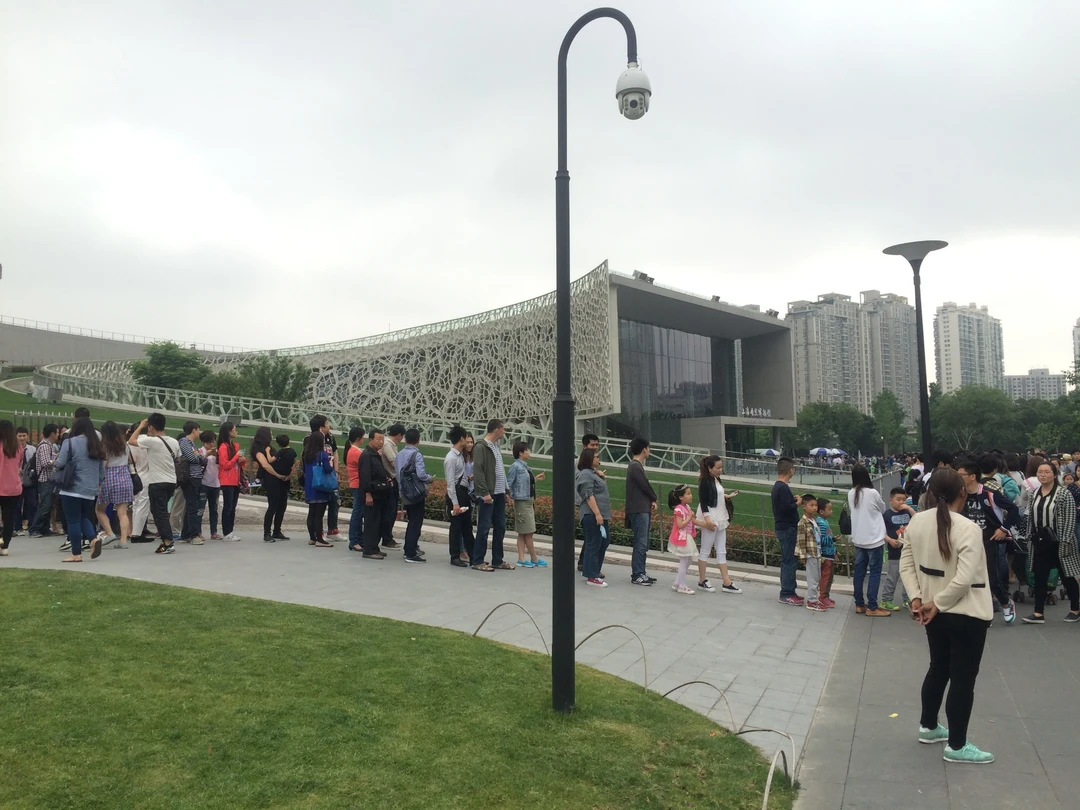
In the afternoon, we headed to the Power Station of Art (上海当代艺术博物馆) at 200 Huayuan Gang Road in Huangpu District. It took half an hour just to get through security. The museum had several exhibitions running simultaneously, some free and some ticketed. It was crowded, but the exhibitions themselves were genuinely artistic, rewarding those who took the time to appreciate them.
Dinner: A Serendipitous Discovery – Ming Chu Ben Bang Guan (名厨本帮馆)
For dinner, we had originally set our sights on the two-Michelin-starred Xi Yue 8 (喜粤8号). But when we arrived at 5 PM, the restaurant was already full and not taking any more seatings for the evening. Disappointed, we wandered into a small restaurant right across the street called Ming Chu Ben Bang Guan (名厨本帮馆). And this turned out to be the biggest surprise of the entire trip.
The food far exceeded our expectations. The braised pork belly (红烧肉, hong shao rou) was rich and fatty but not greasy. The sweet and sour spare ribs (糖醋排骨, tang cu pai gu) had the perfect balance of flavors. Every dish was so good we couldn't help but ask for more rice. Later, I looked it up and discovered it's a time-honored establishment (老字号, lao zi hao) whose head chef is a legendary figure in Shanghai cuisine. We had stumbled upon a true gem. Address: 118 Ru Nan Street (near Ju Men Road). Highly recommended.
[Link: Best Local Shanghai Restaurants]
Day 3: Pan-Fried Buns, Michelin, and a Sky-High Night View
Breakfast: Da Hu Chun (大壶春) – An Old Shanghai Classic
On the third morning, we went to the Da Hu Chun flagship store at 136 Sichuan Middle Road. The bottom of their pan-fried buns (生煎, shengjian) was golden and crispy, while the meat filling was juicy and tender. One bite and the soup spills out. Compared to Xiao Yang Sheng Jian (小杨生煎), Da Hu Chun's buns have a thicker, more substantial skin, offering a heartier texture. It's an authentic taste of old Shanghai.
Lunch: Goose夫人 (鹅夫人) – The Sweet Burden of a Michelin Star
Lunch was at Goose夫人, a Michelin one-star restaurant located on the 4th floor of the Zhong Sheng World Mall at 5001 Dushi Road. To avoid the same disappointment as Xi Yue 8, we called twice to confirm the queuing process and ticket system. We arrived right before they opened. Their signature roast goose (烧鹅, shao e) was indeed excellent – crispy skin and tender meat. However, the overall flavor profile of the dishes was very sweet, which can get a bit cloying after a while. Overall, it's worth a try, but don't expect it to be a repeat visit.
Evening: The Bund at Night – Neon Lights and Skyscrapers
For our final evening, we returned to the Bund to soak in the skyline one last time. The neon lights of Pudong reflected off the Huangpu River, creating a mesmerizing dance of color and movement. We found a quiet spot near the Peace Hotel and just watched the city breathe. It was the perfect end to a whirlwind trip.
[Link: Shanghai Nightlife Guide]
Day 4: Last Bites and Goodbyes
Breakfast: A Final Bowl of Noodles
Before heading to the train station, we grabbed a quick bowl of noodles at a local shop near our hotel. Nothing fancy, but it was the kind of simple, comforting meal that makes you want to stay just a little longer.
Departure: Hongqiao Railway Station
We took the metro back to Hongqiao Railway Station, grateful for the three-day metro card that had saved us so much time. The train back to Beijing was smooth and fast, and as the city faded into the distance, we knew we'd be back.
Shanghai Travel FAQ
1. What is the best time to visit Shanghai?
 Spring (March to May) and autumn (September to November) offer mild weather and fewer crowds. Avoid Chinese public holidays (like Labor Day or National Day) if you can, as popular spots get extremely crowded.
2. How many days do you need in Shanghai?
Four days and three nights is a solid amount of time to cover the main attractions, try local food, and explore a few hidden gems. If you have more time, add a day trip to Zhujiajiao Water Town or Shanghai Disneyland.
3. Is the Shanghai metro easy to use?
 Yes, the metro is clean, efficient, and well-signposted in English. The "I Love Shanghai" three-day metro card (45 RMB) is a great value for unlimited rides over 72 hours.
4. What are the must-try Shanghai dishes?
 - Shengjian (生煎) – Pan-fried pork buns - Xiaolongbao (小笼包) – Soup dumplings - Hongshao rou (红烧肉) – Braised pork belly - Shrimp with Longjing tea (龙井虾仁) – A delicate local specialty - Cold noodles (冷面) – Perfect for summer
5. Are Michelin-starred restaurants in Shanghai worth it?
Some are, but many are overhyped and overpriced. Our advice: try one or two, but don't skip the local eateries and time-honored establishments (lao zi hao). They often deliver better value and more authentic flavors.
Final Thoughts & Call to Action
Shanghai is a city that rewards the curious traveler. Whether you're chasing Michelin stars or stumbling into hidden alleyway gems, every meal and every street corner tells a story. The contrast between old and new, between neon-lit skyscrapers and quiet plane-tree-lined lanes, is what makes this city unforgettable.
Ready to plan your own Shanghai adventure? Start by booking your high-speed train tickets, grab that metro card, and leave room for serendipity. The best discoveries often happen when you least expect them.
Have you been to Shanghai? Share your favorite food or hidden spot in the comments below!
This article was originally published on Mafengwo. All experiences and opinions are based on a personal trip during the Labor Day holiday.
You may also like