The Charm of Shanghai's Small Streets, Part 3: Hunan Road – Deep Among the Plane Trees, Time Stands Still
Meta Description: Discover the timeless beauty of Shanghai's Hunan Road, a tranquil lane lined with plane trees and historic villas. Explore the former homes of artists, politicians, and collectors in this hidden gem of Shanghai's French Concession.
Introduction: A Street Where Time Slows Down
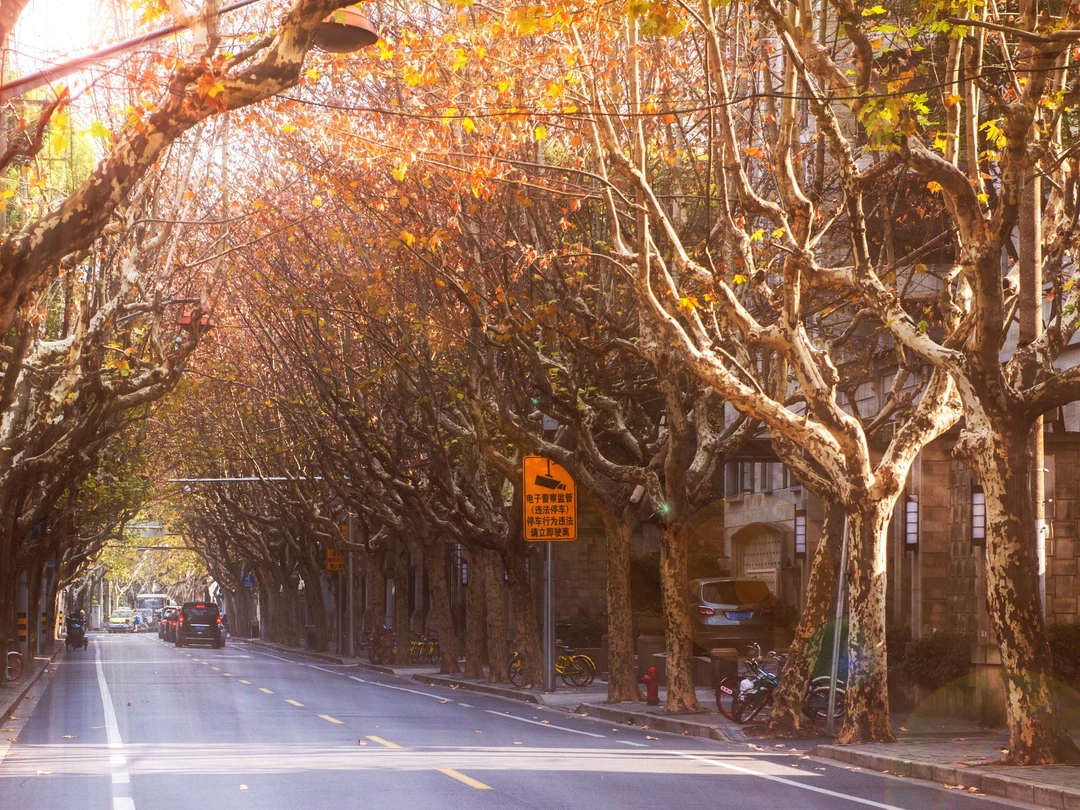
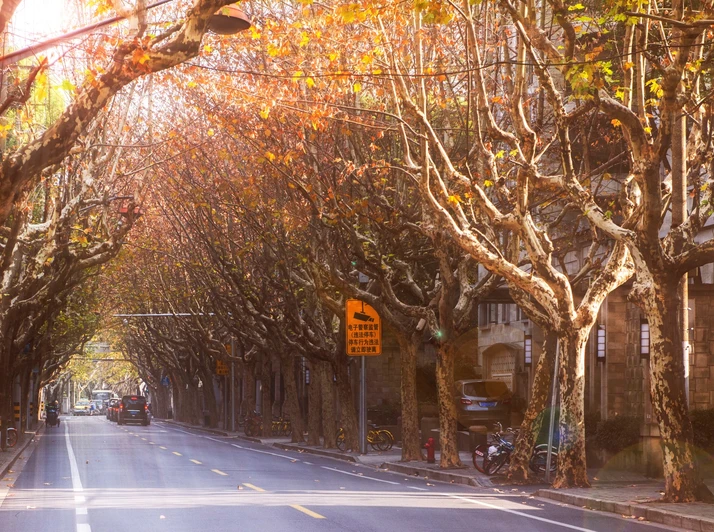
In the bustling, clamorous metropolis of Shanghai, there are always corners where time seems to slow down. Hunan Road is one such small street, seemingly forgotten by the passage of time. It is not long—barely over a kilometer—yet it carries nearly a century of historical currents. It is not wide, but because no bus routes run through it, it possesses an extraordinary tranquility, like a time tunnel guarded by plane trees.
For travelers seeking hidden Shanghai streets and quiet Shanghai lanes, Hunan Road offers a rare escape from the city's relentless pace. Here, the rustle of leaves and the dappled sunlight create an atmosphere that feels almost sacred.
The Birth and Transformation of a Street: History of Hunan Road
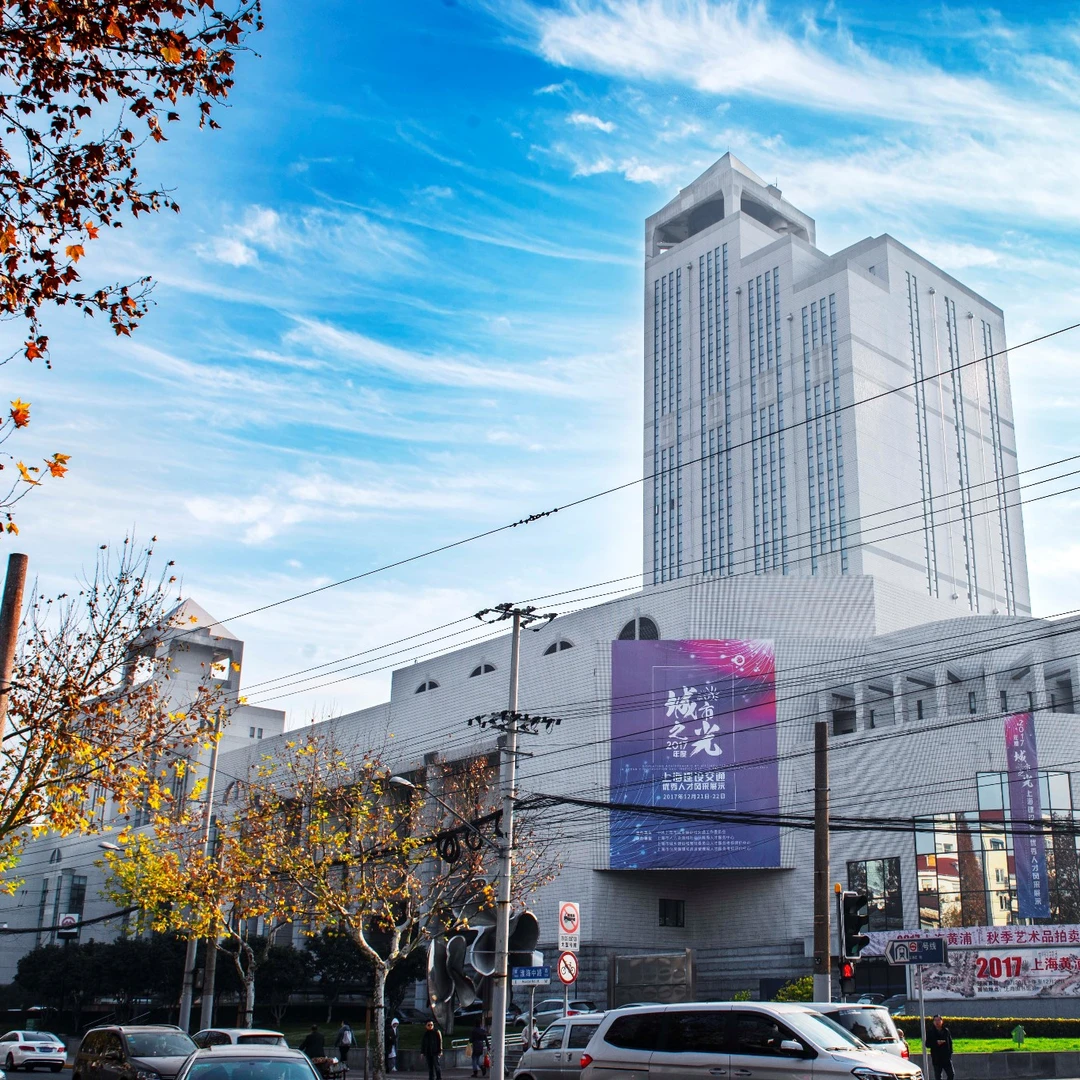
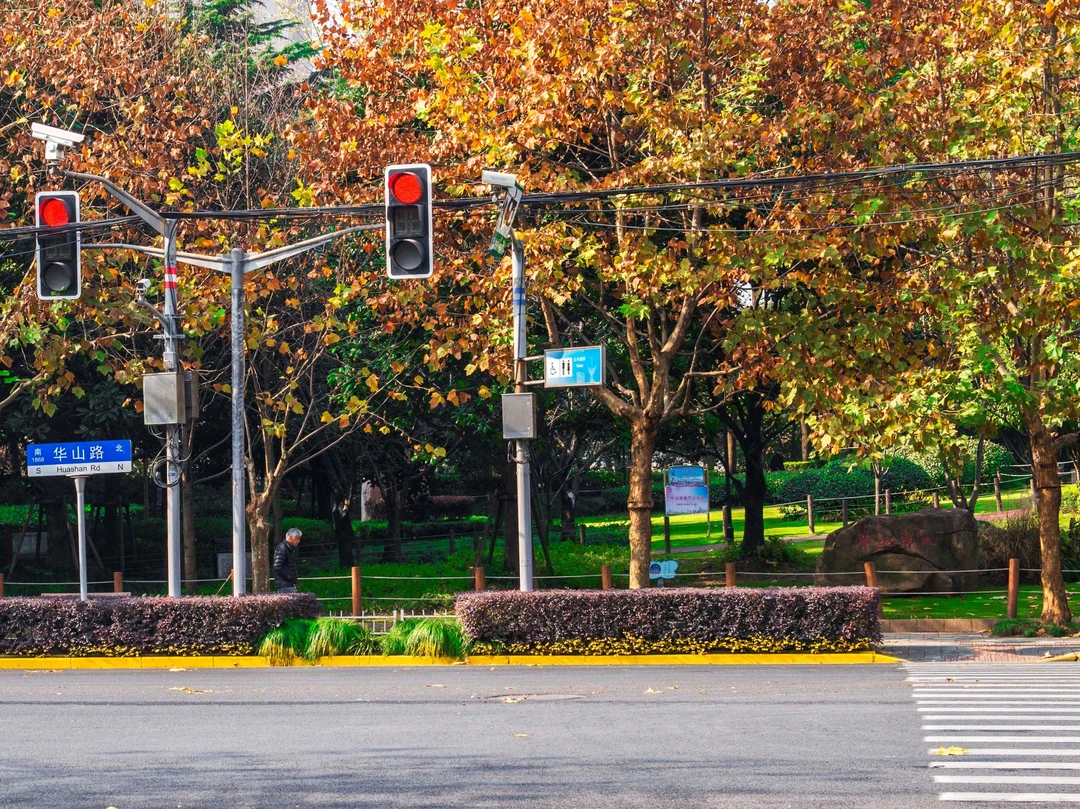
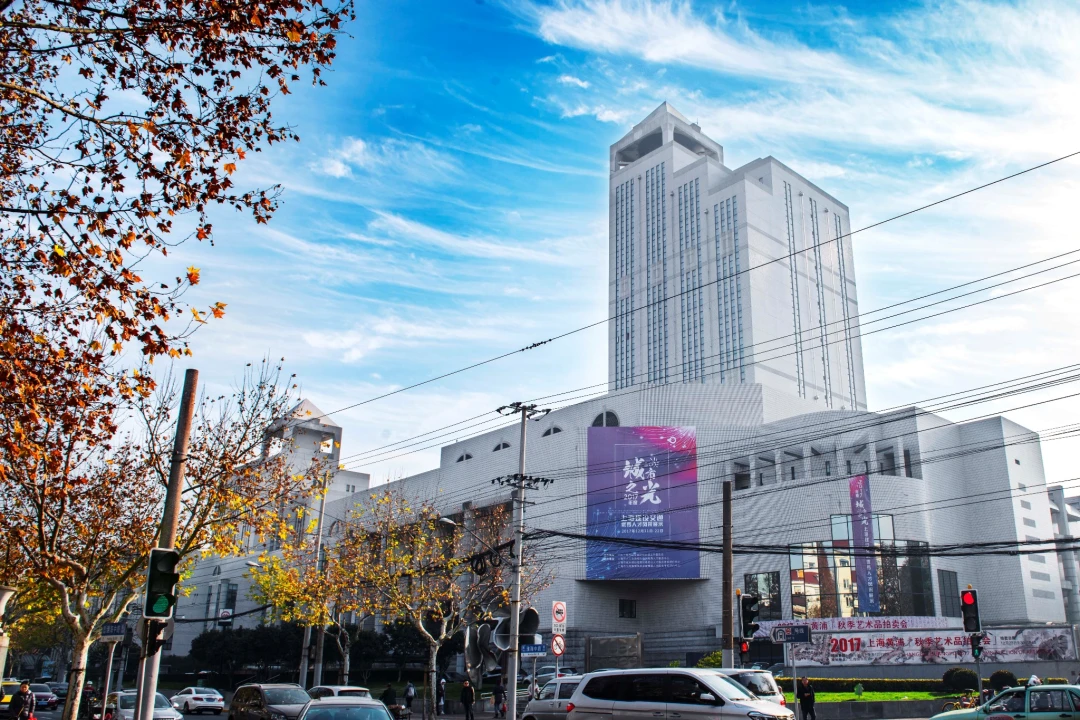
Hunan Road begins in the east at Huaihai Middle Road, neighboring the Shanghai Library, and ends in the west at Huashan Road, connecting to Huashan Greenbelt. It straddles two districts—Xuhui and Changning—intersecting with Yongfu Road, Wukang Road, Gaoyou Road, and Xingguo Road, like a quiet ribbon tying together these story-filled lanes.

The road was built between 1918 and 1921, when it belonged to the Shanghai French Concession. It was originally named "Route A. Charles Culty" after Sir John Newell Jordan, the British ambassador to China. In 1943, when the Wang Jingwei regime took over the French Concession, it was renamed Hunan Road, a name that has endured to this day.
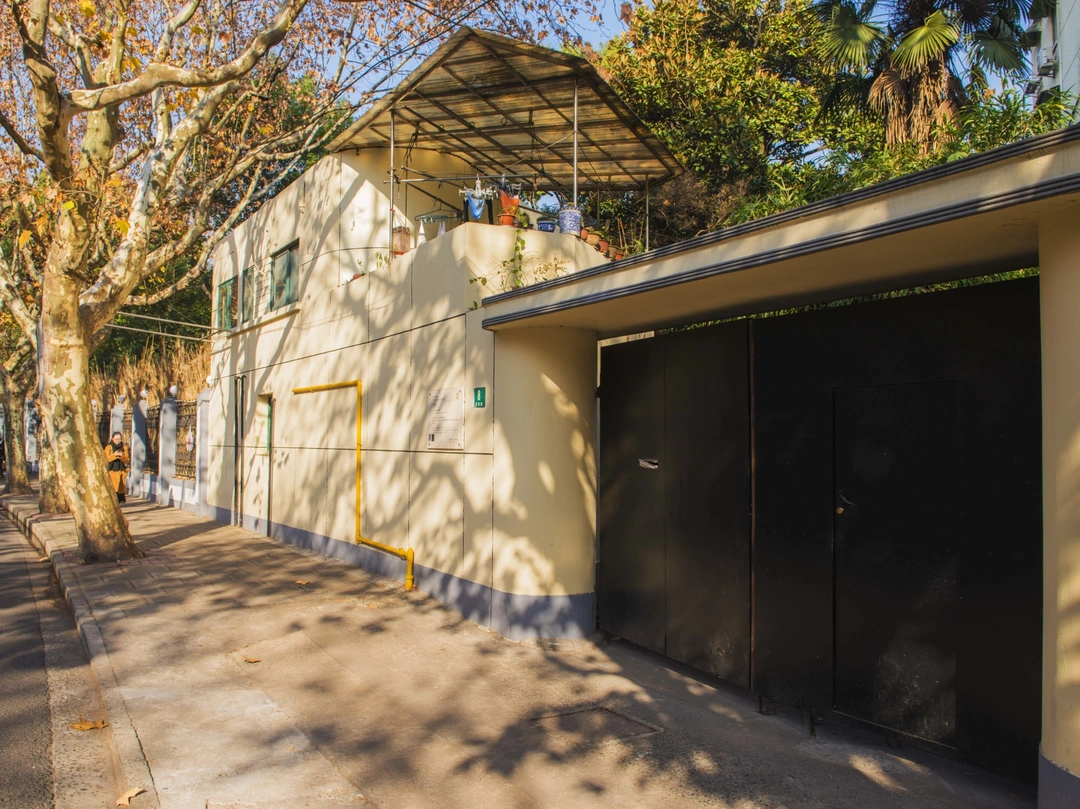
Late December on Hunan Road is at its most enchanting. The towering plane trees have already shed most of their leaves, revealing the elegant silhouettes of the old buildings lining the street. The winter morning sunlight filters through the sparse foliage, casting a pale golden glow over the small road. Mottled shadows of branches fall on the pavement, creating an atmosphere of profound stillness. There is no roar of buses, no din of shops—only the occasional private car and the footsteps of pedestrians. It feels as though time has slowed its pace here.
An Artist's Haven: No. 8 Hunan Road – Zhao Dan and Meng Bo's Former Residence
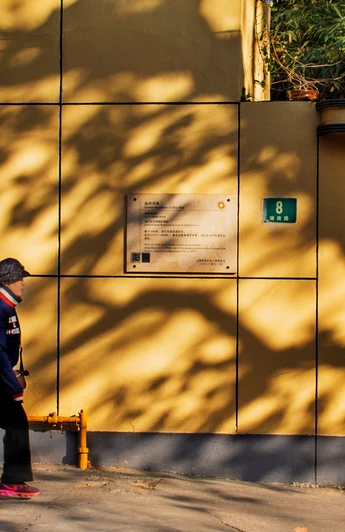
Not far from the Shanghai Library stands No. 8 Hunan Road, a three-story modern-style garden villa. Built in 1930 and designed by architect Ding Shengbao, it features a reinforced concrete structure, floor-to-ceiling steel-framed windows, and a bare cement facade now covered in creeping ivy. The south-facing balcony is enclosed by semicircular iron railings. The building is clean and simple in design, yet it reveals the architect's profound professional skill.
This was once the home of the renowned actor Zhao Dan. In 1962, when semi-official channels of contact and exchange opened between China and Japan, the Shanghai Film Bureau arranged for Zhao Dan to move into the third floor of No. 8 Hunan Road, as his previous residence was deemed inconvenient for hosting visiting Japanese film industry colleagues.
Zhao Dan lived on the third floor, while the second floor was occupied by the celebrated musician Meng Bo, composer of the ballet The White-Haired Girl and then-director of the Shanghai Cultural Bureau. Meng Bo (1916–2015), born in Changzhou, Jiangsu, was not only the creator of popular works like Sacrifice Has Reached Its Final Moment and Raise High the Great Revolutionary Banner but also played a key role in the creation of the violin concerto Butterfly Lovers. Two masters of the arts living in the same building—one can only imagine how No. 8 Hunan Road must have buzzed with artistic inspiration and creative friction.
In fact, the earliest resident of No. 8 Hunan Road was Wu Zhongyi (1911–2006), who served as manager of the China No. 1 Knitting Factory, chairman and professor of the China Textile Printing and Dyeing College, and deputy general manager of the joint public-private Shenxin Cotton Textile Mill No. 9. He was also a standing committee member of the Shanghai Municipal Political Consultative Conference and vice chairman of the Shanghai Federation of Industry and Commerce. A single small building, changing hands several times, with each owner leaving the imprint of their era.
[Link: Explore more historic homes on Wukang Road]
High Walls and Deep Courtyards: History Behind Closed Doors on Hunan Road
Lane 20 on Hunan Road is a clean and tidy alley, spacious and well-maintained. It contains both older public housing and garden villas. The lane is marked by towering walls and tightly shut gates, rumored to have housed many historical figures. Even today, government offices and military compounds are located here.
No. 2 in Lane 20: Chen Guofu's Former Residence
No. 2 in Lane 20 is the former residence of Chen Guofu, a British-style country cottage built in 1940. Chen Guofu was once the head of the Organization Department of the Kuomintang Central Committee. The upper part of the house is enclosed by brown bamboo fencing; the first floor features bare red brick walls, while the second floor is painted cream yellow with dark brown vertical and horizontal timber framing. The steep triangular roof is covered with red tiles. Today, several families live here, with laundry hanging to dry in the courtyard—a vivid contrast to the political storms that once swirled around this place.
No. 3 in Lane 20: A Government Compound
No. 3 in Lane 20 is the compound of the Organization Department of the Shanghai Municipal Committee of the Chinese Communist Party. Behind those high walls lies a world of its own.
The Mysterious Old Building: No. 30 Hunan Road
No. 30 Hunan Road has its gate firmly shut. It is said to house a computer company, but it feels deeply enigmatic. The building's exterior is covered in climbing vines. Through the gaps in the iron gate, one can vaguely glimpse the garden and the outline of the structure. It stands like a silent sentinel, refusing to reveal its secrets to passersby.
For those who love mysterious Shanghai architecture and hidden Shanghai courtyards, this building is a must-see—even if you can only admire it from the street.
The Home of the "King of Ancient Coins": No. 105 Hunan Road – Zhang Shuxun's Legacy
The house at No. 105 Hunan Road was built in 1931 and is a modern-style garden residence. Originally flat-roofed, it was later converted to a pitched roof. The south-facing balcony on the second floor is treated as a horizontal line, visually separating the first and second floors. A circular sunroom on the second floor adds to the building's modernist feel. The overall design is simple, with free and irregular forms and no superfluous decoration, embodying the essence of modernist architecture.
According to Shanghai modern history experts, this was once the home of Zhang Shuxun, known as the "King of Ancient Chinese Coins." Zhang Shuxun was the nephew of Zhang Jingjiang, a founding father of the Republic of China. In 1931, he purchased this land from a British owner and commissioned a foreign friend to design and build two houses. The eastern one was for his own family, while the western one belonged to his nephew, Zhang Congyu, who later became a renowned master of calligraphy and painting authentication. The Shanghai Symphony Orchestra was also once housed here, adding a musical note to the building's history.
[Link: Discover more about Shanghai's modernist architecture]
Hunan Villa: A Witness to History at No. 262 Hunan Road
No. 262 Hunan Road, also known as "Hunan Villa," sits at the intersection of Hunan Road and Wukang Road. It is a Spanish-style garden villa built in 1931. This was once the residence of Zhou Fohai, a key figure in the Wang Jingwei regime. It is a Western-style independent garden residence. Judging by the scale of the building and garden, the architectural layout and style, and the spatial relationship between the garden and the street, it is a quintessential example of the independent garden villas built during Shanghai's boom years of the 1920s and 1930s, reflecting the privileged lifestyle of the city's wealthy elite.
After 1949, it became a guesthouse of the Shanghai Municipal Committee. Chen Yi and Deng Xiaoping once stayed here. A precious photograph captures a moment in the summer of 1949, showing Chen Yi (fourth from left), his wife Zhang Qian (second from left), Deng Xiaoping (second from right), his wife Zhuo Lin (standing), and their children at the Hunan Villa in Shanghai. The Deng family lived on the second floor, while the Chen family occupied the first floor. These two founding fathers of the People's Republic spent unforgettable times here.
According to local legend, He Zizhen, Mao Zedong's former wife, spent her final years here.
[Link: Explore more historical villas in Shanghai's French Concession]
FAQ: Exploring Shanghai's Hunan Road
1. Where is Hunan Road located in Shanghai?
Hunan Road runs from Huaihai Middle Road (near the Shanghai Library) in the east to Huashan Road in the west, crossing through the Xuhui and Changning districts. It intersects with several famous streets, including Wukang Road, Yongfu Road, and Xingguo Road.
2. What are the best times to visit Hunan Road?
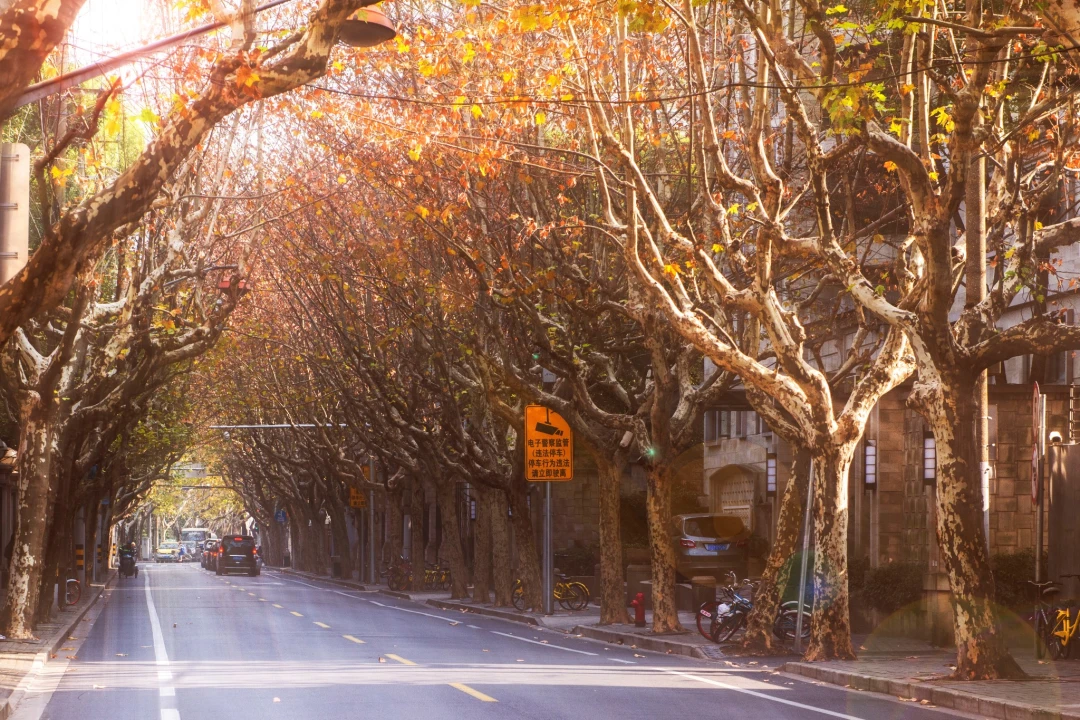 Late autumn and winter (November to February) are particularly enchanting, as the plane trees shed their leaves, revealing the historic architecture. Morning hours (8:00–10:00 AM) offer the best light for photography and the quietest atmosphere.
3. Which historical figures lived on Hunan Road?
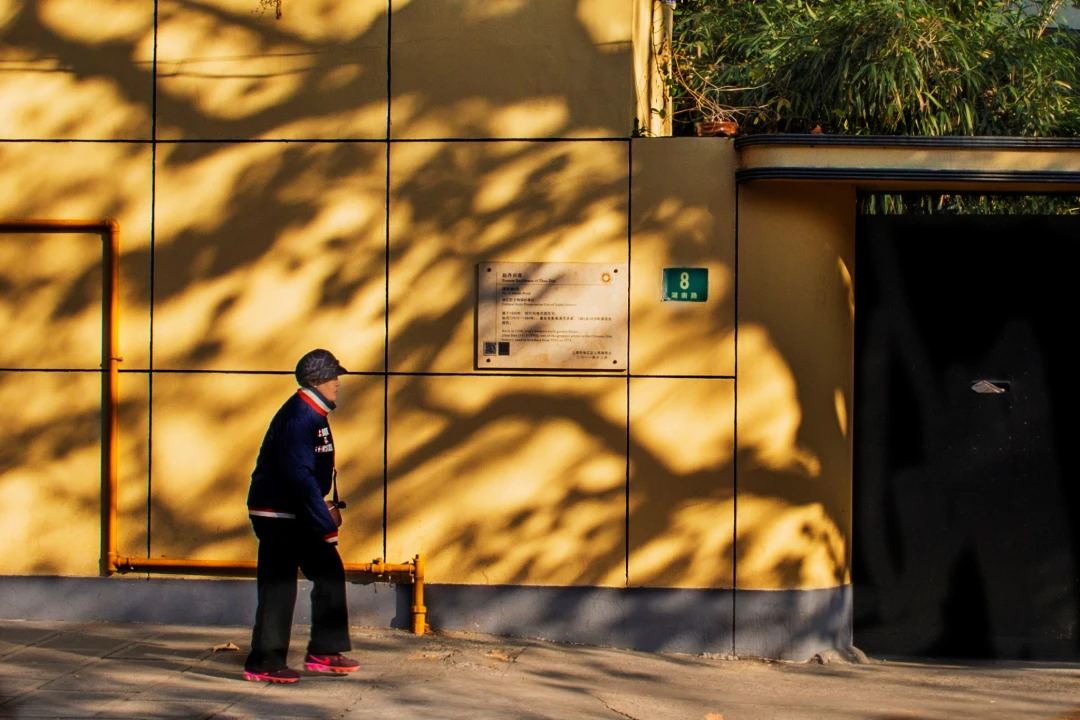 Notable residents include actor Zhao Dan, musician Meng Bo, coin collector Zhang Shuxun, politician Chen Guofu, and Wang Jingwei regime figure Zhou Fohai. Later, leaders Chen Yi and Deng Xiaoping stayed at Hunan Villa.
4. Can I enter the historic buildings on Hunan Road?
Most buildings are private residences or government compounds and are not open to the public. However, you can admire their exteriors from the street. The Shanghai Library at the eastern end is publicly accessible.
5. How long does it take to walk the full length of Hunan Road?
The street is just over one kilometer long, so a leisurely walk takes about 15–20 minutes. Plan for at least 1–2 hours if you want to stop for photos and explore the intersecting lanes.
Conclusion: A Timeless Walk Through Shanghai's History
Hunan Road is more than just a street—it is a living museum of Shanghai's layered past. From the plane trees that guard its length to the historic villas that whisper stories of artists, politicians, and collectors, every step reveals a new chapter in the city's rich history.
Whether you are a history buff, an architecture enthusiast, or simply someone seeking a quiet escape from Shanghai's urban frenzy, Hunan Road offers an unforgettable journey through time.
Ready to explore more hidden Shanghai streets? Discover the charm of Wukang Road, the elegance of Fuxing Road, or the artistic vibe of Moganshan Road. Each lane has its own story waiting to be told.
[Link: The Charm of Shanghai's Small Streets – Complete Series]
Have you walked along Hunan Road? Share your favorite hidden Shanghai street in the comments below, or tag us in your photos using #ShanghaiSmallStreets!
You may also like