A Millennium of Radiance: How Silver Shaped China’s Monetary Legend
Meta Description: Discover how silver transformed from decorative metal to the backbone of China’s economy over 1,000 years. Explore the silver standard, ancient ingots, and the rise & fall of silver currency in Chinese history.
Introduction: Silver’s Cinderella Story in Chinese History
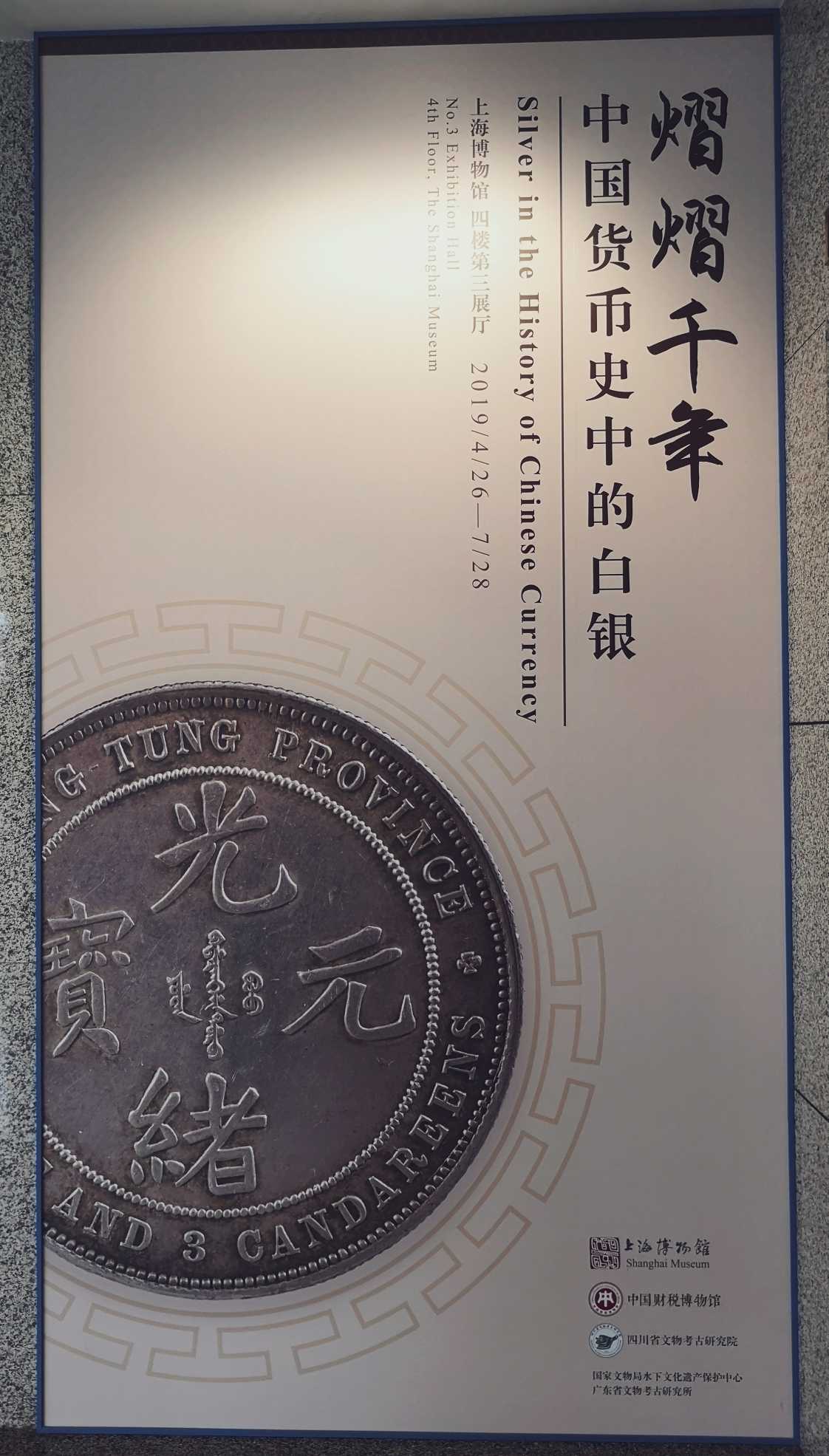
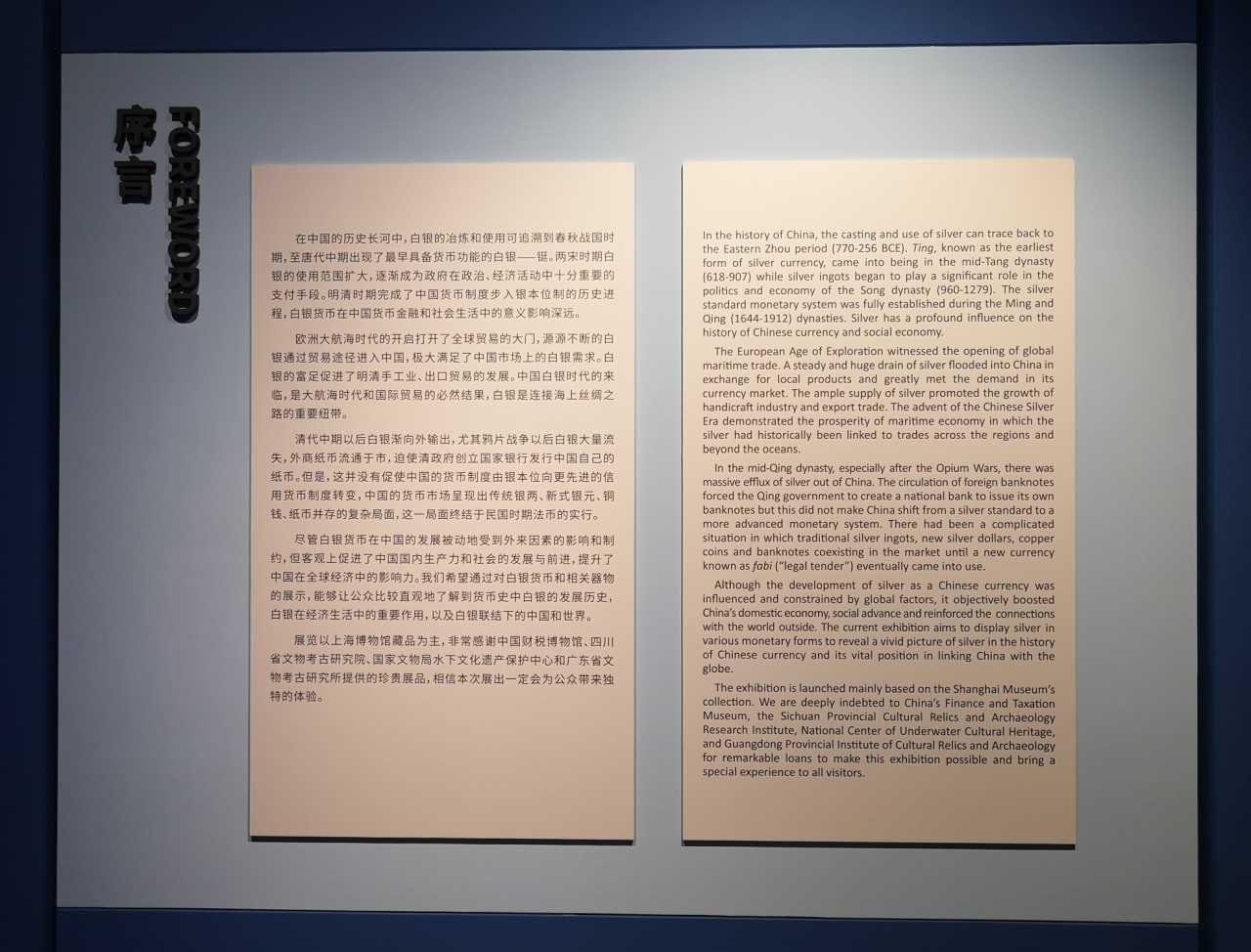
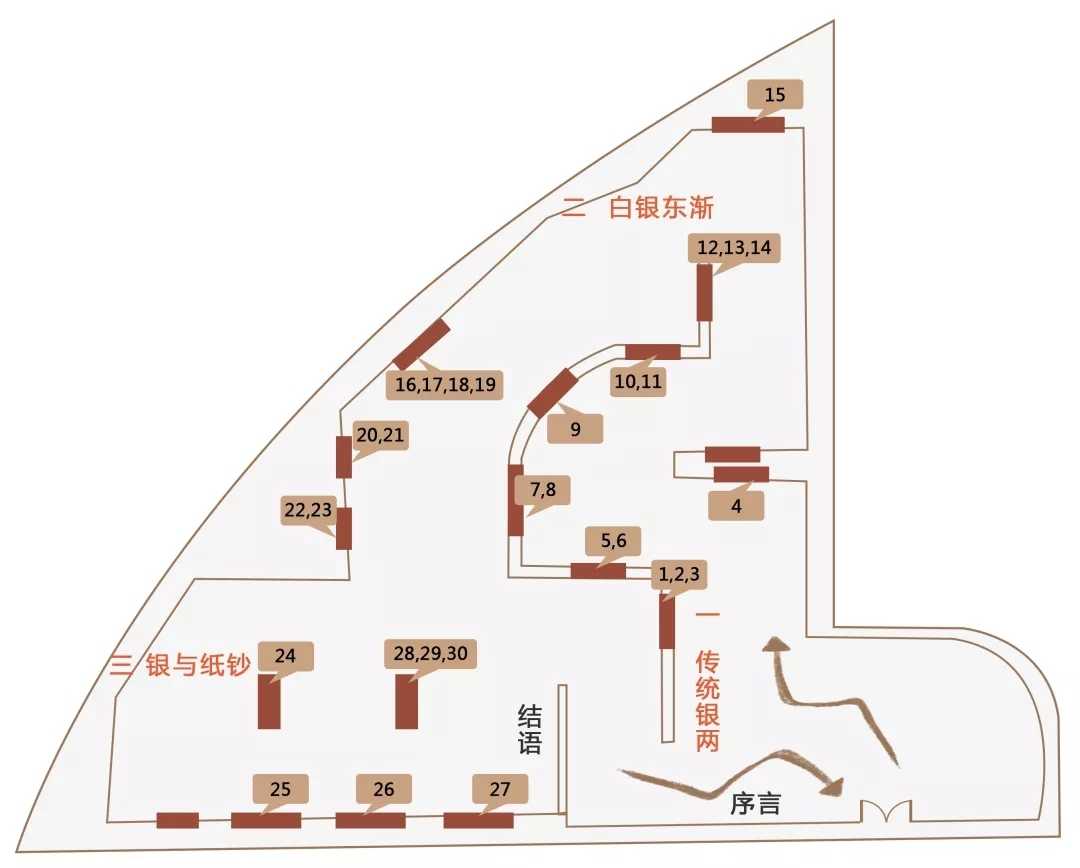
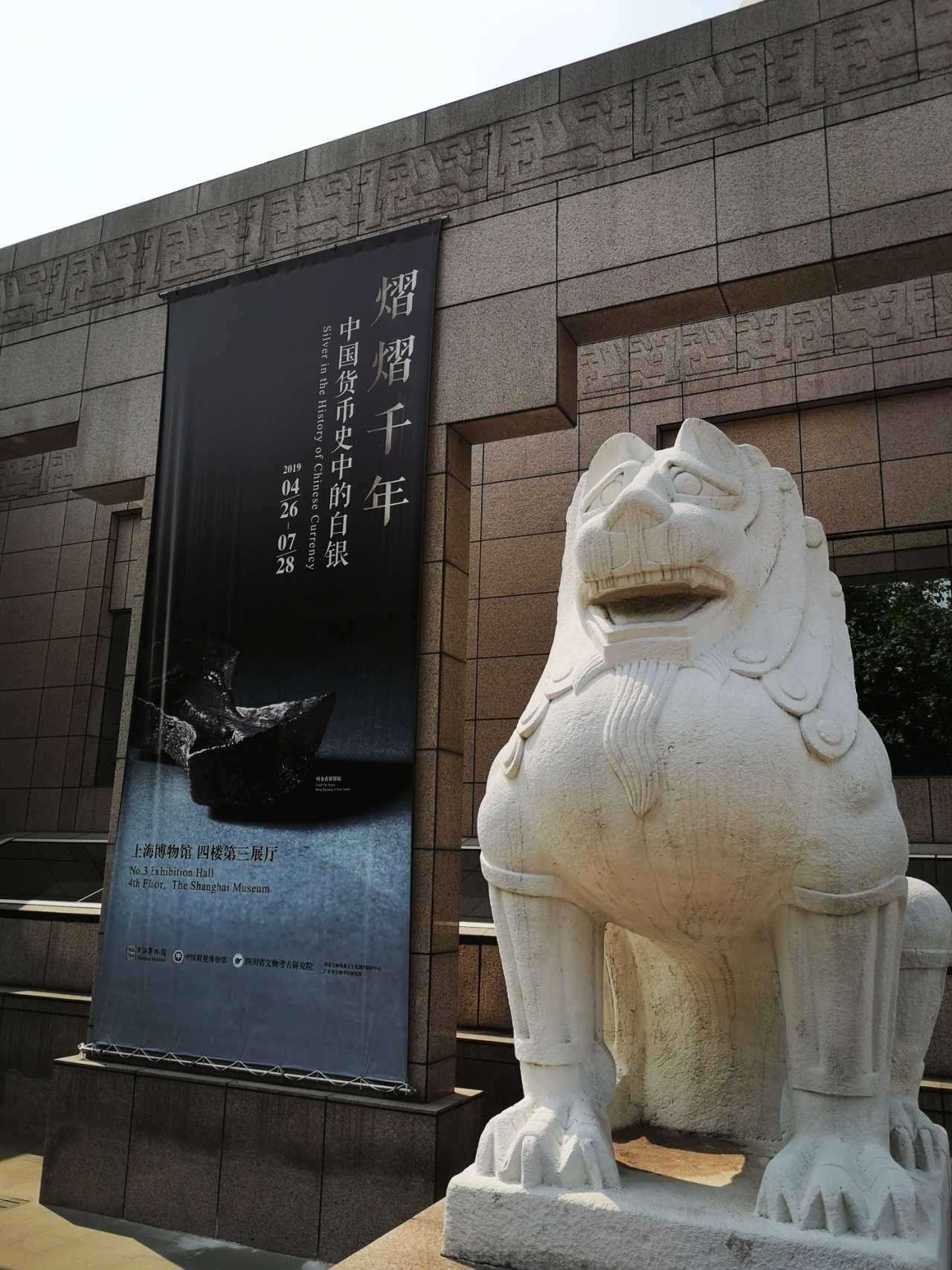
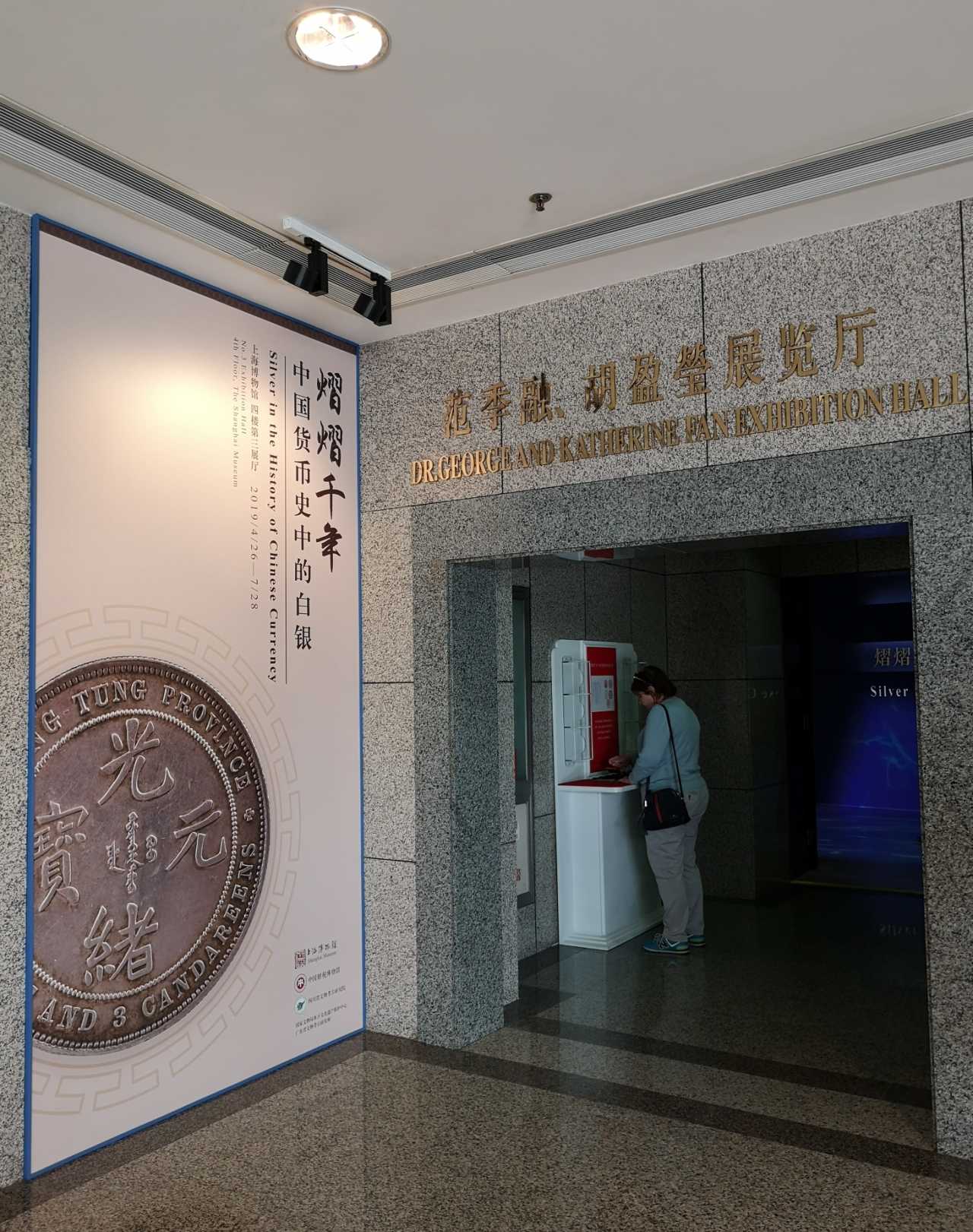
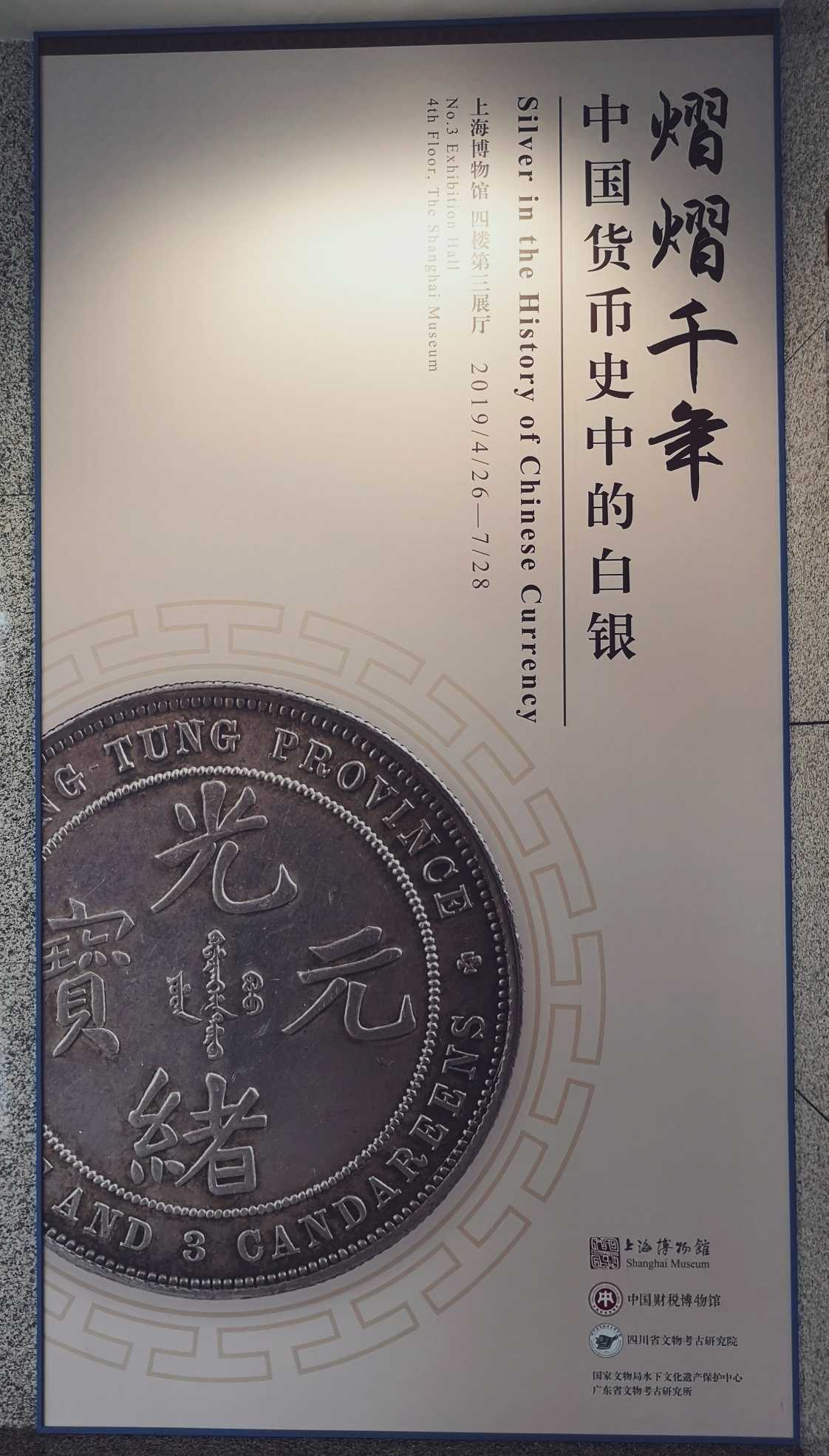
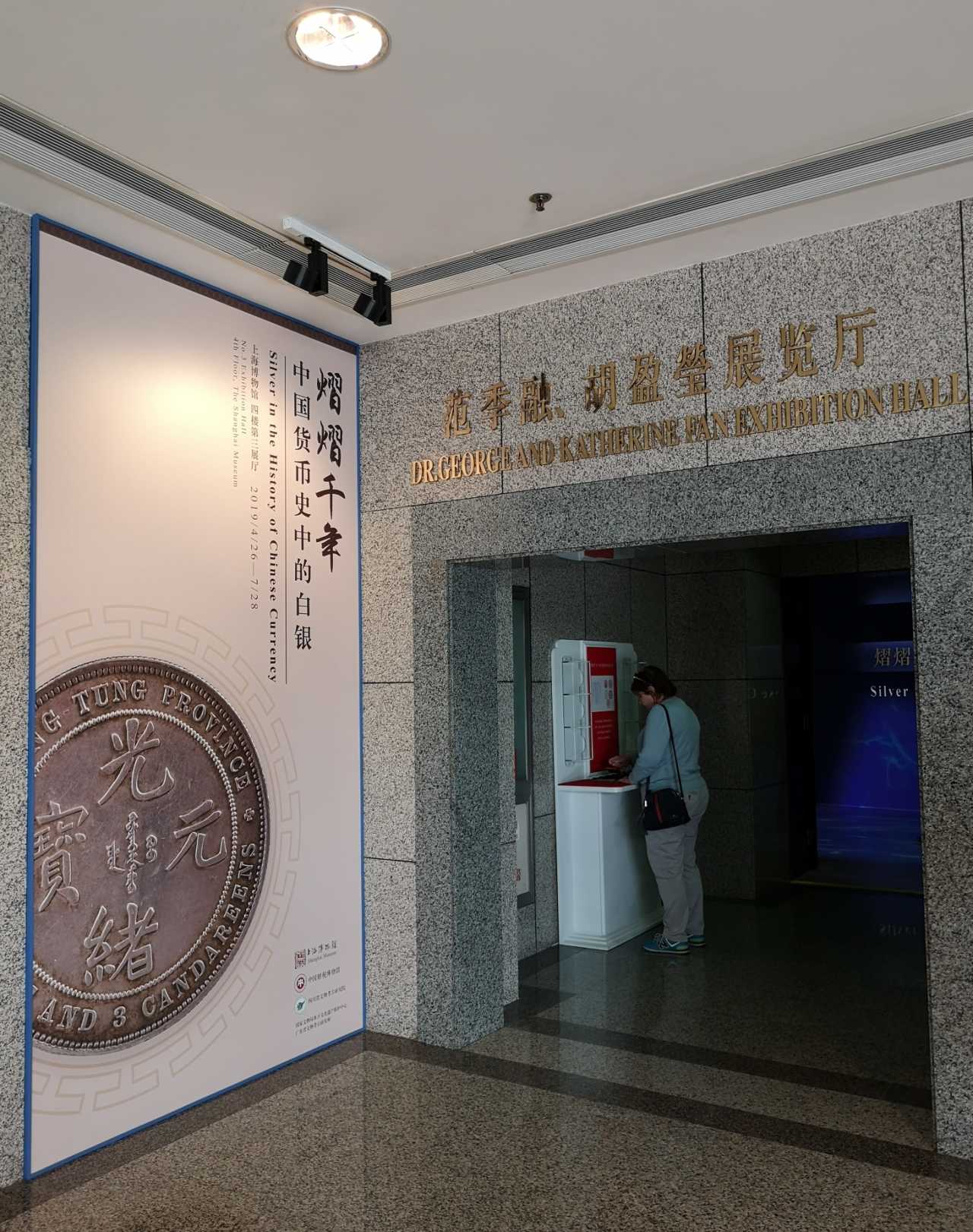
In the spring of 2019, the Shanghai Museum unveiled a remarkable exhibition titled “A Millennium of Radiance: Silver in China’s Monetary History.” Featuring 131 precious artifacts, the exhibition traced silver’s extraordinary journey from an obscure precious metal to the very lifeblood of China’s national economy.
Why did China shift from copper coins to a silver standard? And why did it eventually abandon silver altogether? This article explores a millennium of monetary evolution, revealing how silver shaped China’s financial destiny—and why its legacy still resonates today.
[Link: History of Chinese Currency]
Part One: Traditional Silver Ingots – The Road to the Silver Standard from Tang to Qing
The Tang Dynasty: Silver’s First Cry as Currency (618–907 CE)
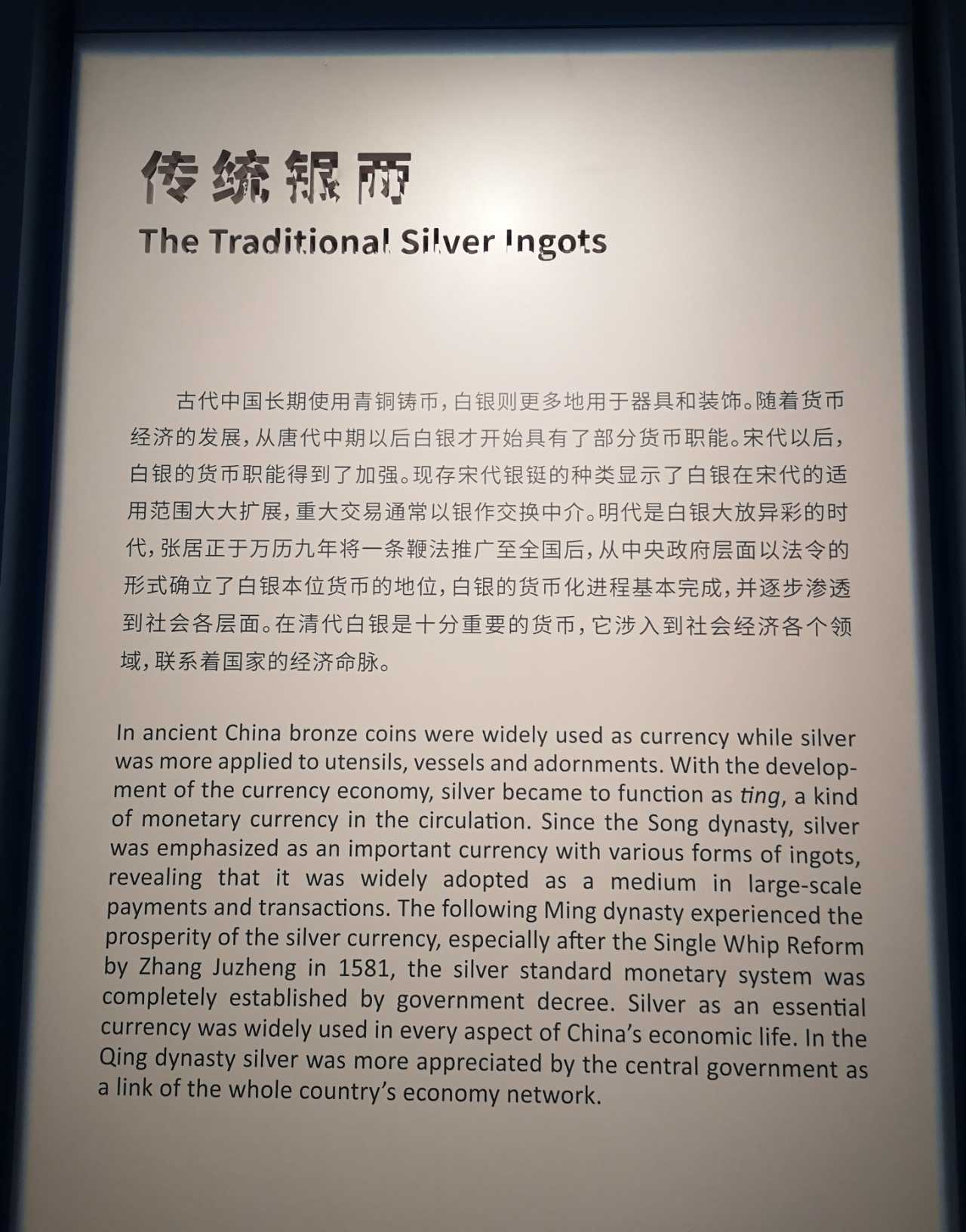
During the Tang Dynasty, silver began its tentative steps toward becoming currency. While earlier dynasties used silver primarily for ornaments and vessels, the mid-Tang saw the emergence of silver ingots (yin ting). One exhibit featured a 50-tael boat-shaped ingot, plain yet revolutionary. These ingots were used for large transactions and tax payments, marking silver’s “infancy” as a monetary instrument.
Key takeaway: Tang silver ingots were functional but limited—a precursor to the silver revolution to come.
The Song Dynasty: Silver’s Adolescence (960–1279 CE)
The Song Dynasty witnessed a dramatic expansion of silver’s monetary role. Exhibits included Southern Song silver ingots with detailed inscriptions recording weight, place names, and artisans’ names. For example, one ingot read: “East of Ba Street, South Side, Weight 25 Taels, Yao Qilang.” These ingots were cast by gold-and-silver exchange shops (jinyin jiaoyin pu) in Lin’an (modern Hangzhou)—officially recognized private financial institutions.
Song silver ingot specifications: - Large ingots: 50 taels - Medium ingots: 25 taels - Small ingots: 12.5 taels
Notably, the “Nanhai I” shipwreck yielded 290 kilograms of Song silver ingots, along with porcelain and ironware. These ingots bore witness to the Maritime Silk Road and the flourishing commodity economy of the Song Dynasty.
[Link: Maritime Silk Road Trade History]
The Yuan Dynasty: The Birth of the “Yuanbao” (1271–1368 CE)
The Yuan Dynasty gave silver its most iconic form: the yuanbao. A 50-tael silver ingot from Yangzhou, dated 1276, bears the characters “Yuan Bao” on its reverse—the earliest known example. According to historical records, after conquering the Southern Song, Chancellor Boyan ordered captured silver melted and cast into 50-tael ingots. From that moment, yuanbao became synonymous with silver ingots for centuries.
The Ming Dynasty: Silver’s Golden Age (1368–1644 CE)
The Ming Dynasty marked silver’s true ascendancy. In 1581, Grand Secretary Zhang Juzheng implemented the Single Whip Law (yitiao bianfa), establishing the silver standard as law. Silver monetization penetrated all levels of society.
Notable Ming silver ingot types: - Gold Flower Silver (jinhua yin): Originally denoting high purity, later a general term for silver collected in lieu of grain tax in the Jiangnan region. - Straw Price Silver (caojia yin): Silver paid in place of fodder tax, created by official Zhou Chen in 1449 to reduce transport losses. - Silver Workshop 5-Tael Ingot: Cast by the Ming imperial household for bestowal and rewards. - Capital Service Silver Ingot: Reflected changes in the Ming artisan system.
Part Two: The Global Silver Trade and China’s Economic Transformation
How Silver Connected China to the World
The rise of silver in China was not an isolated event. Europe’s Age of Exploration flung open global trade routes, and an endless stream of silver poured into China via the Maritime Silk Road. This abundance of silver directly fueled the prosperity of Ming and Qing handicraft industries and export trade.
Silver became the “financial bond” connecting China with the world economy. Chinese tea, silk, and porcelain were exchanged for silver from the Americas and Japan, creating a global trade network centered on Chinese demand.
[Link: History of Global Silver Trade]
The Qing Dynasty: Silver’s Decline and Monetary Chaos
After the mid-Qing Dynasty, silver began to flow outward. Following the Opium Wars (1839–1842, 1856–1860), vast quantities of silver drained away, and foreign banknotes became rampant. The Qing government established a national bank and issued paper currency, but the monetary system remained chaotic:
- Traditional silver ingots (liang)
- New-style silver dollars
- Copper coins
- Paper notes
All coexisted, creating a complex and unstable financial landscape. This situation persisted until the introduction of the fabi (legal tender) under the Republic of China.
Part Three: Why China Abandoned the Silver Standard

The Silver Crisis of the 1930s
China’s abandonment of the silver standard was driven by global economic forces. During the Great Depression, the United States passed the Silver Purchase Act of 1934, which drove up silver prices. China, still on the silver standard, saw massive silver outflows as holders sold their silver abroad for profit. This caused severe deflation and economic contraction.
The Transition to Fabi (Legal Tender)
In 1935, the Republic of China government introduced the fabi system, replacing silver with government-issued paper currency. This marked the end of China’s millennium-long relationship with silver as the primary monetary metal. While silver continued to be used in jewelry and industry, its role as the backbone of the economy was over.
FAQ: Silver in Chinese Monetary History
1. When did silver first become currency in China?
Silver began functioning as currency during the mid-Tang Dynasty (618–907 CE), appearing in the form of silver ingots. However, its widespread use as a monetary standard didn’t occur until the Ming Dynasty.
2. What is a yuanbao?
A yuanbao is a type of silver ingot that originated in the Yuan Dynasty (1271–1368). The term literally means “original treasure” and became synonymous with silver ingots for centuries. Today, yuanbao-shaped items are still used in Chinese New Year celebrations as symbols of wealth.
3. Why did China switch from copper coins to silver?
China’s shift to silver was driven by economic growth, international trade, and government policy. The Single Whip Law of 1581 mandated tax payments in silver, accelerating its adoption. Additionally, silver’s high value-to-weight ratio made it ideal for large transactions and long-distance trade.
4. How did the Opium Wars affect China’s silver supply?
The Opium Wars caused massive silver outflows from China. Before the wars, China enjoyed a trade surplus with Europe, receiving silver in exchange for tea and silk. After the wars, British opium imports reversed this flow, draining China’s silver reserves and destabilizing its economy.
5. When did China abandon the silver standard?
China officially abandoned the silver standard in 1935 with the introduction of the fabi (legal tender) system. This was driven by global silver price fluctuations and the need for a more stable monetary system.
Conclusion: Silver’s Enduring Legacy in Chinese History
Silver’s journey in China is a story of transformation—from decorative metal to monetary backbone, from global trade driver to abandoned standard. Yet its legacy endures. The silver ingots, yuanbao, and coins of ancient China are not just artifacts; they are witnesses to a millennium of economic evolution.
The “A Millennium of Radiance” exhibition reminded us that silver was more than money. It was a medium of cultural exchange, a driver of global trade, and a reflection of China’s changing place in the world.
Want to explore more about China’s monetary history? [Link: Chinese Coin Collection Guide] or [Link: History of Chinese Banking]
Your Turn: What Fascinates You About Silver’s Role in History?
Did this article spark your curiosity about silver’s place in Chinese history? Perhaps you’re interested in collecting ancient Chinese coins, or you want to learn more about the global silver trade.
Share your thoughts in the comments below! And if you found this article valuable, consider sharing it with fellow history enthusiasts. Together, we can keep the radiance of silver’s story alive.
[Subscribe to our newsletter] for more deep dives into the fascinating intersections of history, economics, and culture.
You may also like