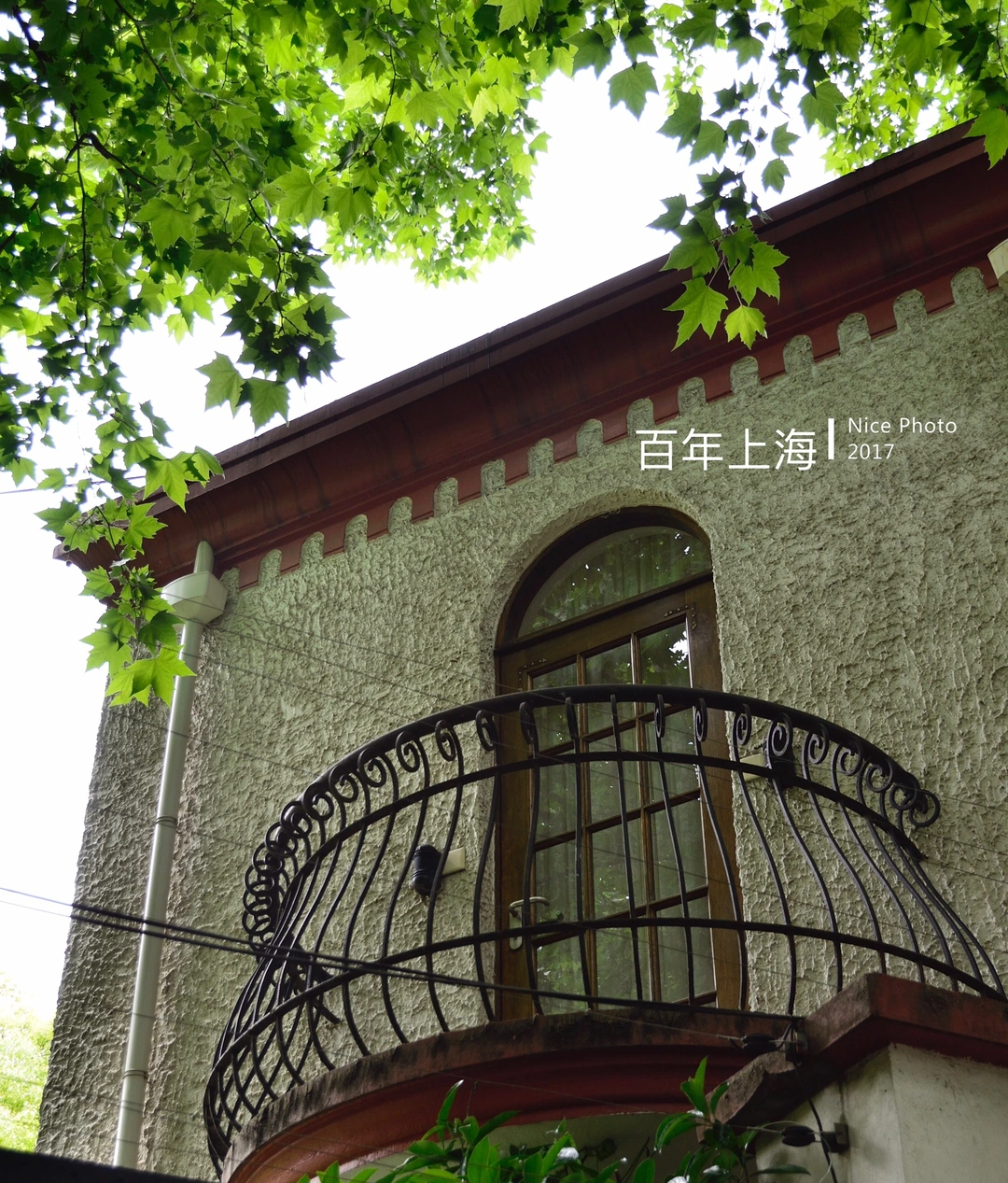
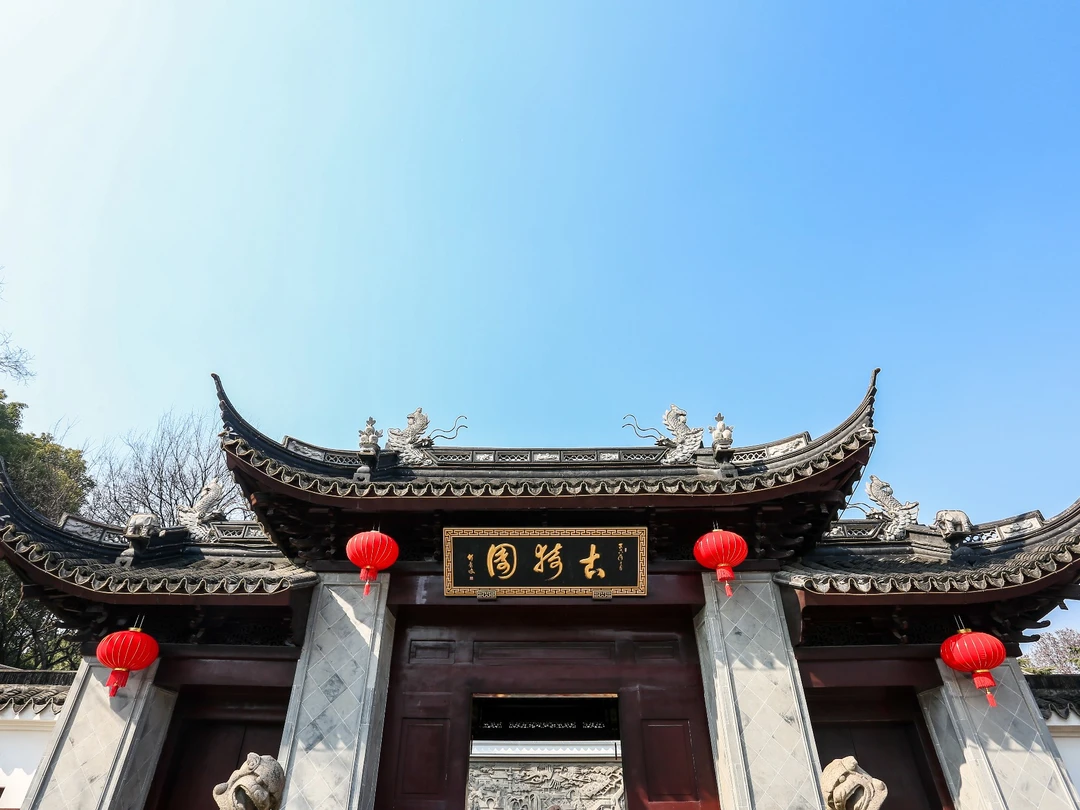
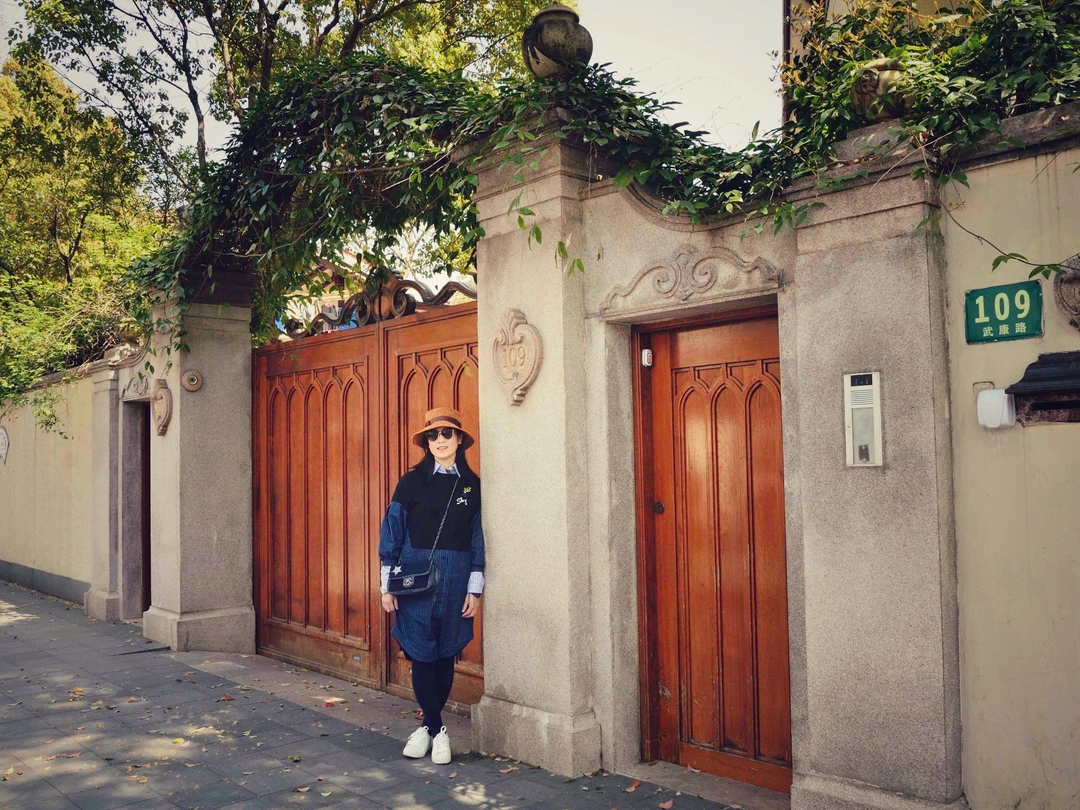
Wukang Building Deep Dive Guide: Shanghai's Most Photogenic Century-Old Ship-Shaped Landmark
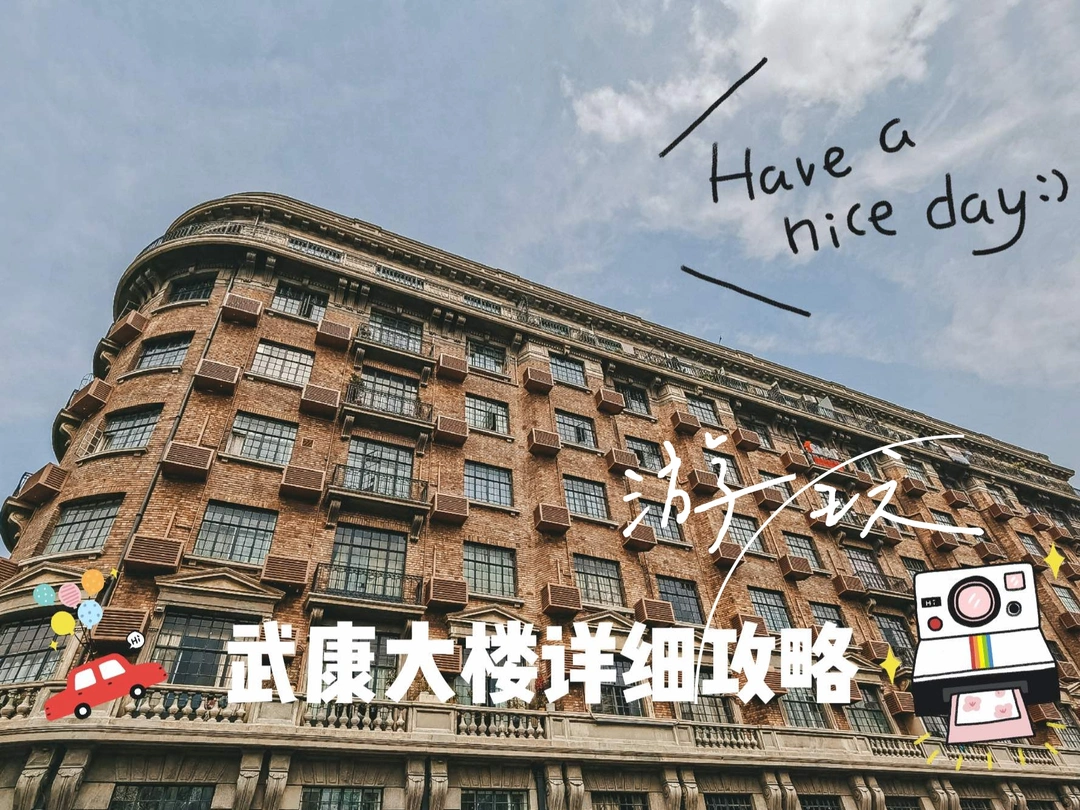
Meta Description: Discover Shanghai's iconic Wukang Building – a 1924 ship-shaped landmark by architect László Hudec. Get photography tips, history, and neighborhood guide for the perfect visit.
Introduction: More Than a Photo Backdrop
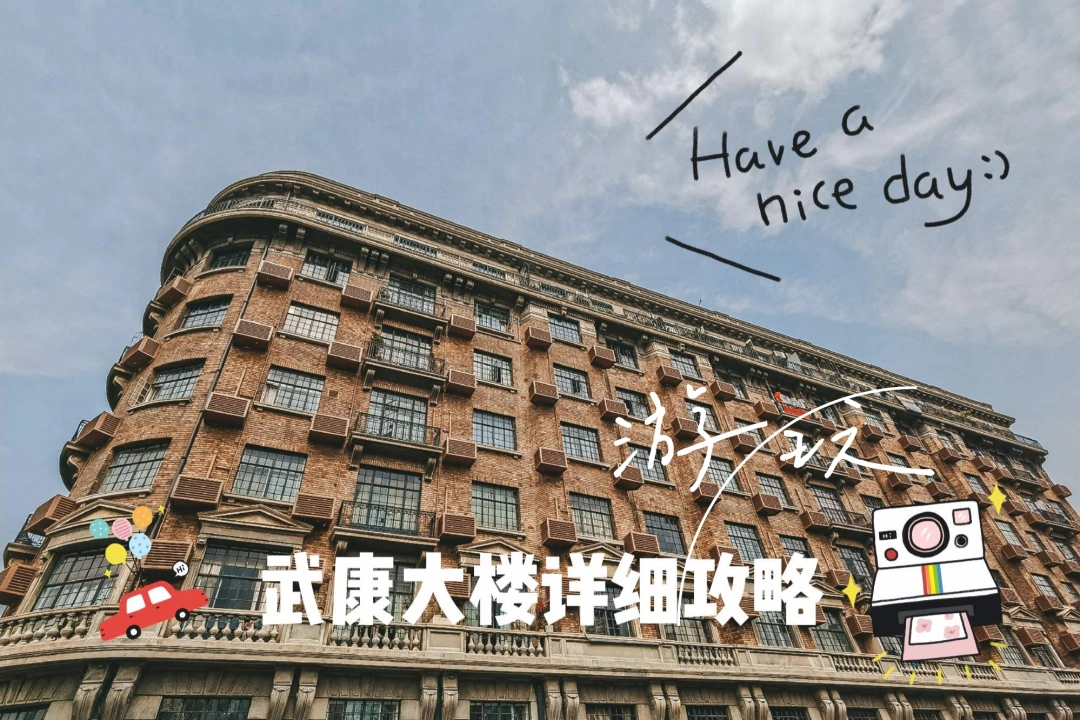
If you scroll through Xiaohongshu or Douyin while exploring Shanghai, you'll inevitably see images of a striking red-brick, ship-shaped building. It sits like a giant vessel docked at the intersection of Middle Huaihai Road and Wukang Road, where crowds gather daily with phones and cameras, searching for the perfect angle. That building is Wukang Building – but treating it as merely a "photo backdrop" misses its true significance.
Completed in 1924, this historic structure holds within its walls a microcosm of modern Shanghai history, the ingenious design of master architect László Hudec, and the artistic soul of an entire neighborhood. In this comprehensive guide, we'll explore everything – from its century-old legend to practical photography tips and nearby discoveries – so you can experience Wukang Building to the fullest.
A Century of Legend: From Normandie Apartments to Internet-Famous Landmark

The Birth: Shanghai's First Modern Apartment Building
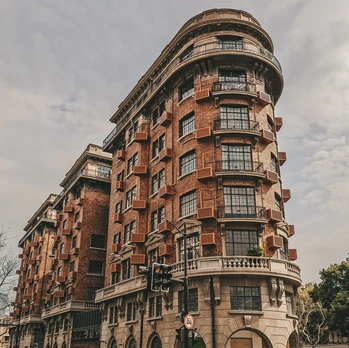
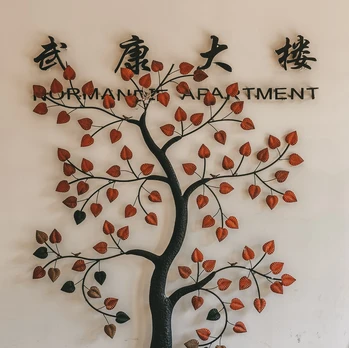
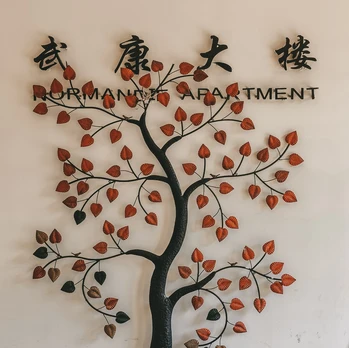
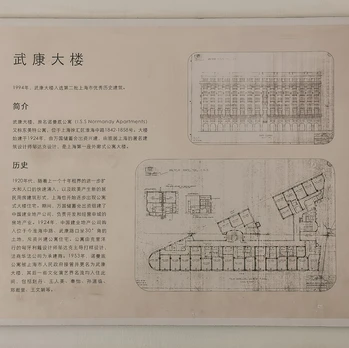
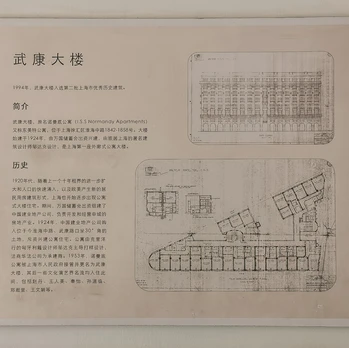
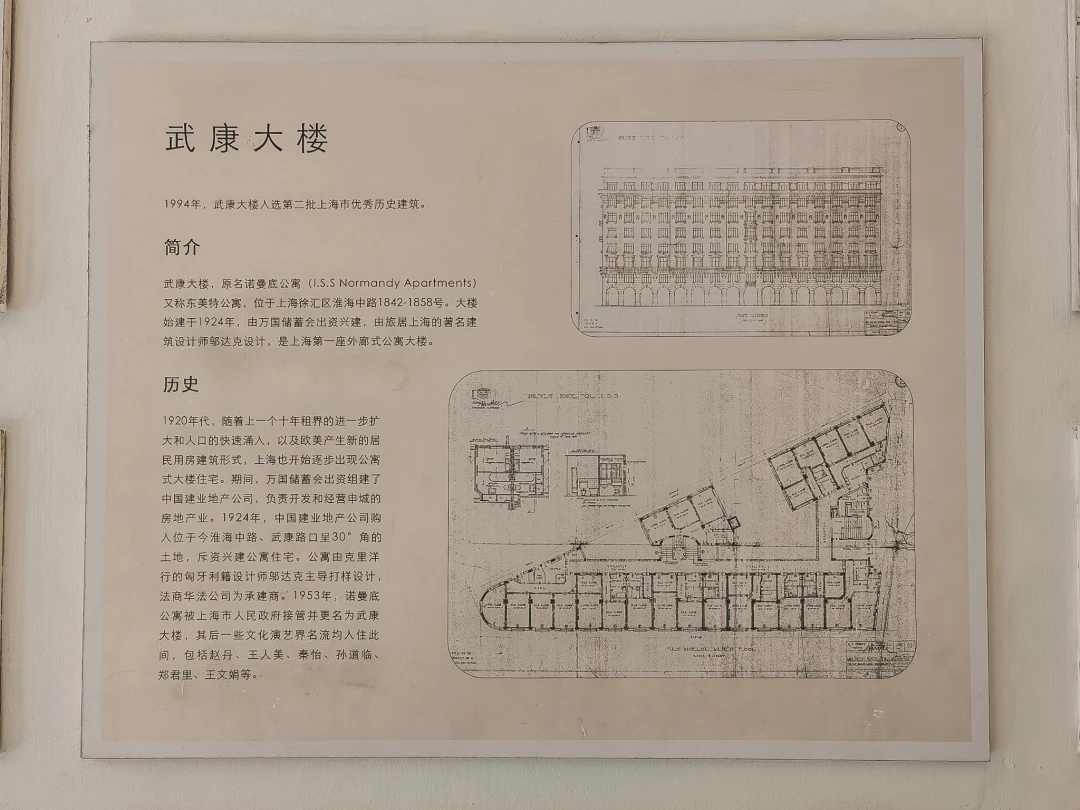
Wukang Building was originally named "Normandie Apartments", after the Normandy Peninsula in northwestern France. In the 1920s, Shanghai's foreign concessions experienced a population explosion, prompting the emergence of new European-style apartment buildings. The China Real Estate Company, a subsidiary of the International Savings Society, invested in constructing this apartment building on a sharp triangular plot at the intersection of Middle Huaihai Road and Wukang Road.
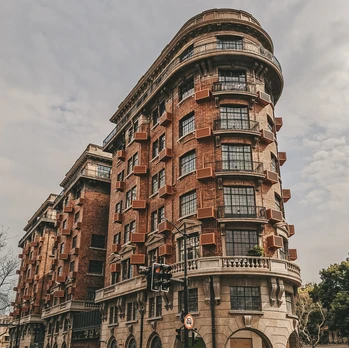
The designer was Hungarian-born architect László Hudec, who would later create other Shanghai landmarks like the Park Hotel and the Grand Cinema. The contractor was the French-Chinese company Société Française de Construction. Completed in 1924, it became Shanghai's first apartment building with an exterior corridor design and remains one of only three surviving ship-shaped buildings in the world.
The Residents: From Foreign Executives to Cultural Icons
In its early years, Wukang Building's residents were almost exclusively upper-class expatriates. A 1937 edition of The China Directory lists tenants including the general sales agent for Standard Oil's kerosene division, the Shanghai office manager of American Asiatic Underwriters, and the Shanghai manager of Siemens. After the outbreak of the Pacific War, British, American, and French expatriates were either interned or deported by Japanese forces. By 1945, occupancy had dropped to just one-third.
After the war, the International Savings Society went bankrupt, and the Shanghai municipal government purchased the building, allocating units to civil servants. In 1953, the building was renamed "Wukang Building". Over the following years, it became home to a who's who of Shanghai's entertainment world: actors Zhao Dan, Wang Renmei, Qin Yi, Sun Daolin, director Zheng Junli, and opera star Wang Wenjuan, among others. You could say half of old Shanghai's performing arts scene lived here.
Architectural Details: 63 Rooms and a Semi-Circular Elevator Indicator
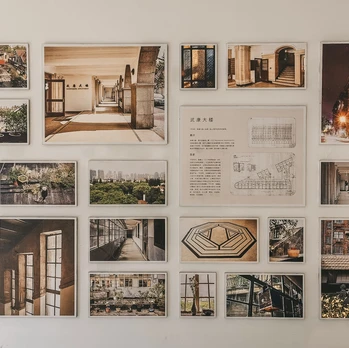
The first two floors of Wukang Building house shops, while the floors above are residential. The interior layout includes studio apartments, one-bedroom, two-bedroom, and three-bedroom units – 63 apartments in total, plus over 30 servant quarters. All living rooms face south, while hallways run along the north side. Kitchens and bathrooms are typically located on the north side, with dedicated ventilation shafts for the bathrooms.

The building is equipped with three elevators (one passenger, one service, plus a spiral staircase). The most charming feature is the elevator floor indicator, which still uses a mid-20th-century semi-circular pointer design. The red brick facade has undergone multiple renovations, and even the air conditioning units have been uniformly painted brick-red – attention to detail at its finest.
[Link: Shanghai's Best Art Deco Architecture Walking Tour]
Practical Guide: How to Get There, Take Photos, and Explore
Visitor Information for Wukang Building
- Opening Hours: 24/7 (Note: The building's interior is private residential property – no entry allowed)
- Admission: Free (The ground floor has cafes, vintage shops, etc. – voluntary spending welcome)
- Recommended Visit Duration: At least 2 hours for a thorough experience (including nearby shops)
Getting to Wukang Building Shanghai
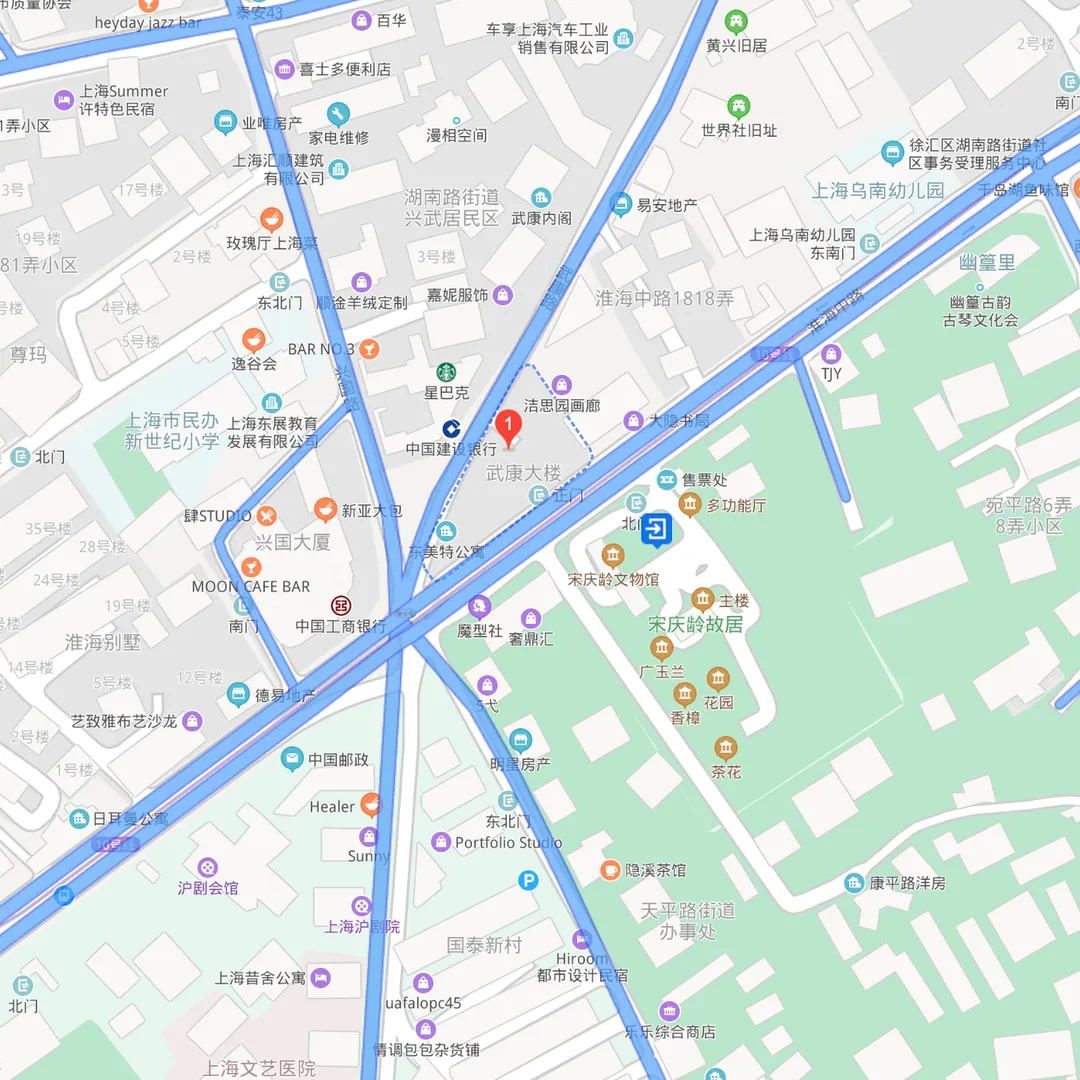
By Bus: Take routes 26, 911, 920, or 926 to the "Middle Huaihai Road & Wukang Road" stop.
By Metro: - Line 1 to "Hengshan Road Station" - Line 10 to "Jiaotong University Station" or "Shanghai Library Station" - Line 11 to "Jiaotong University Station" All stations require about a 500-meter walk from the exit.
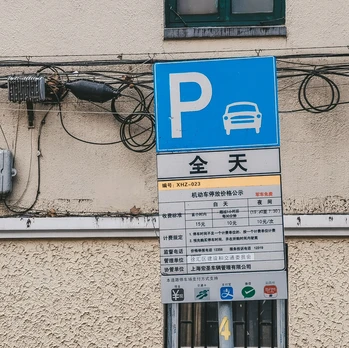
By Car: Park at Yuqing Road Parking Lot (Caution: The surrounding area has many intersections, one-way streets, and a 30 km/h speed limit – be careful not to get a ticket).
By Bike: ⚠️ Cycling is prohibited on Middle Huaihai Road. If caught by traffic police, you'll be lectured and fined 30–100 RMB (or more if you're argumentative).
[Link: Shanghai Metro Guide for Tourists]
Three Best Photo Spots at Wukang Building (With Composition Tips)
Spot 1: The Intersection of Middle Huaihai Road and Wukang Road
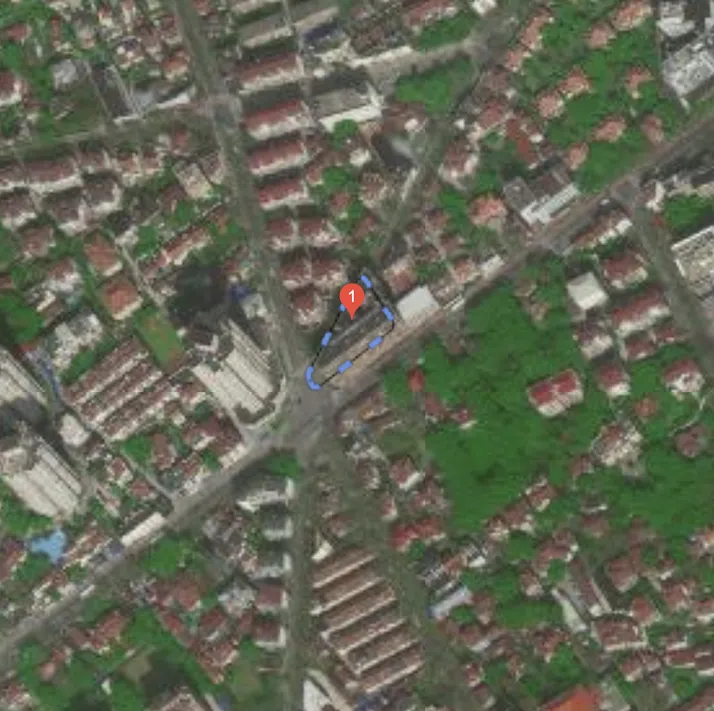
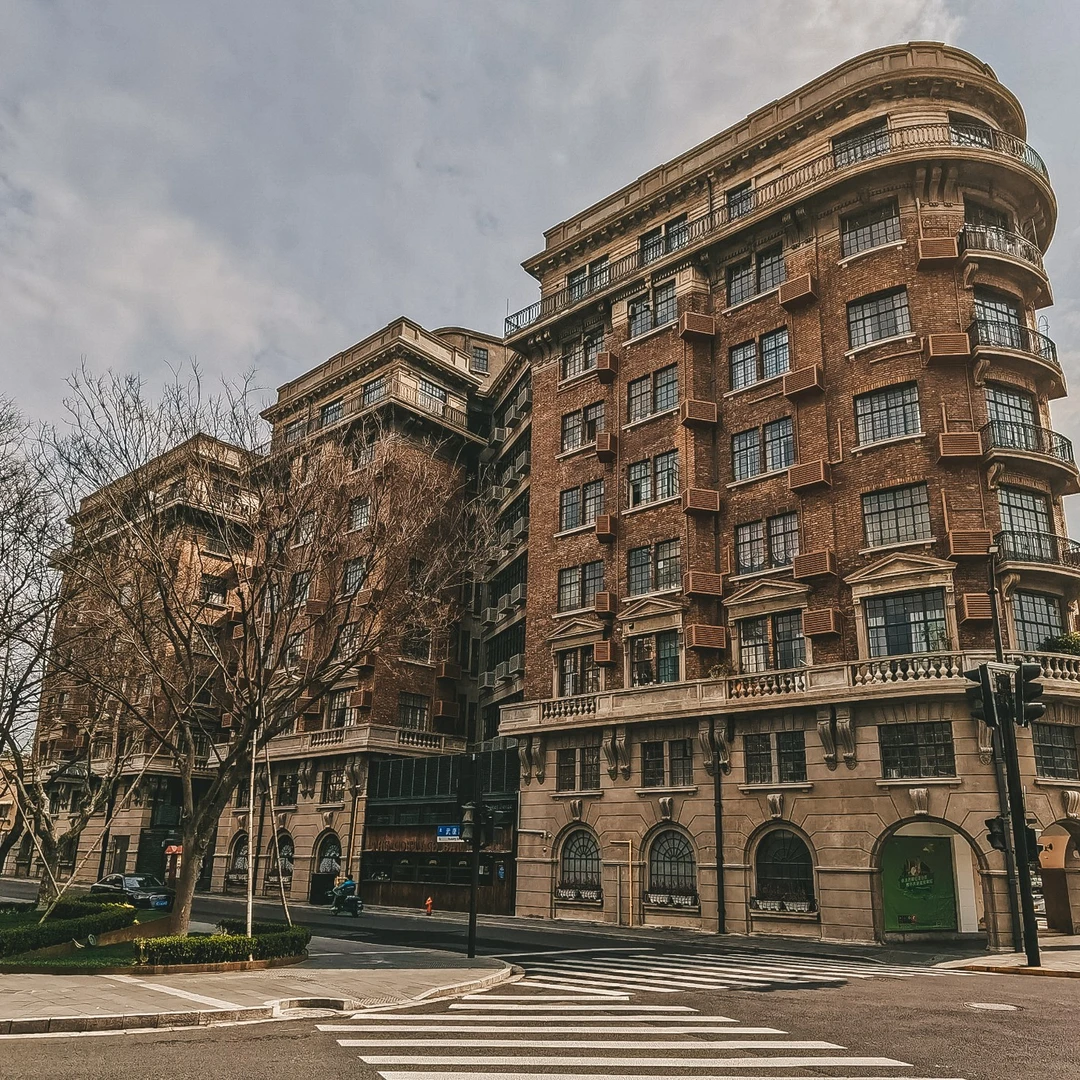
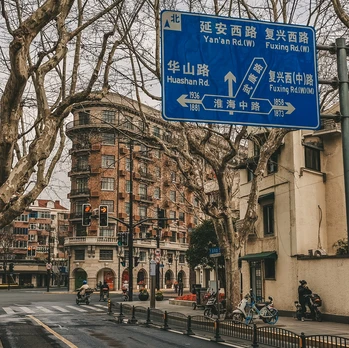
This is the classic shooting location, offering a full view of Wukang Building. Just a few steps left or right dramatically changes the shot – move left, and you'll capture the building's streamlined, ship-like silhouette. A wide-angle lens is recommended to fit the entire structure into the frame.
Spot 2: Middle Huaihai Road Intersection (With Crosswalk)
This is where most viral photos are taken. Use tree branches and the crosswalk to create a natural frame, or use leaves and grass as a foreground element. This spot offers plenty of room to move around and multiple framing options, making it ideal for shots with depth.
Spot 3: Tianping Road Intersection
Get low to the ground and include the crosswalk in your frame – the composition will pop. Be mindful of cars, streetlights, and pedestrians to keep the image clean. A vertical composition also works well; just adjust your position left or right. For a more artistic feel, use potted plants along the roadside as a foreground element, then shoot with a wide aperture to blur them.
Pro Tip: Shoot with a wide aperture for a soft background blur. The red brick wall makes an excellent backdrop for portraits.
[Link: Best Instagrammable Spots in Shanghai]
Neighborhood Checklist: One Street to Explore Literary Shanghai
Soong Ching-ling Residence
Located right next to Wukang Building on Middle Huaihai Road, this historic home is well worth a visit to experience the life of this remarkable woman.
Yuqing Road Parking Spot
This street is usually lined with parked cars, but in summer when the leaves are lush, it's perfect for portrait photography. The surrounding buildings also make great backdrops.
Tianping Road Shops
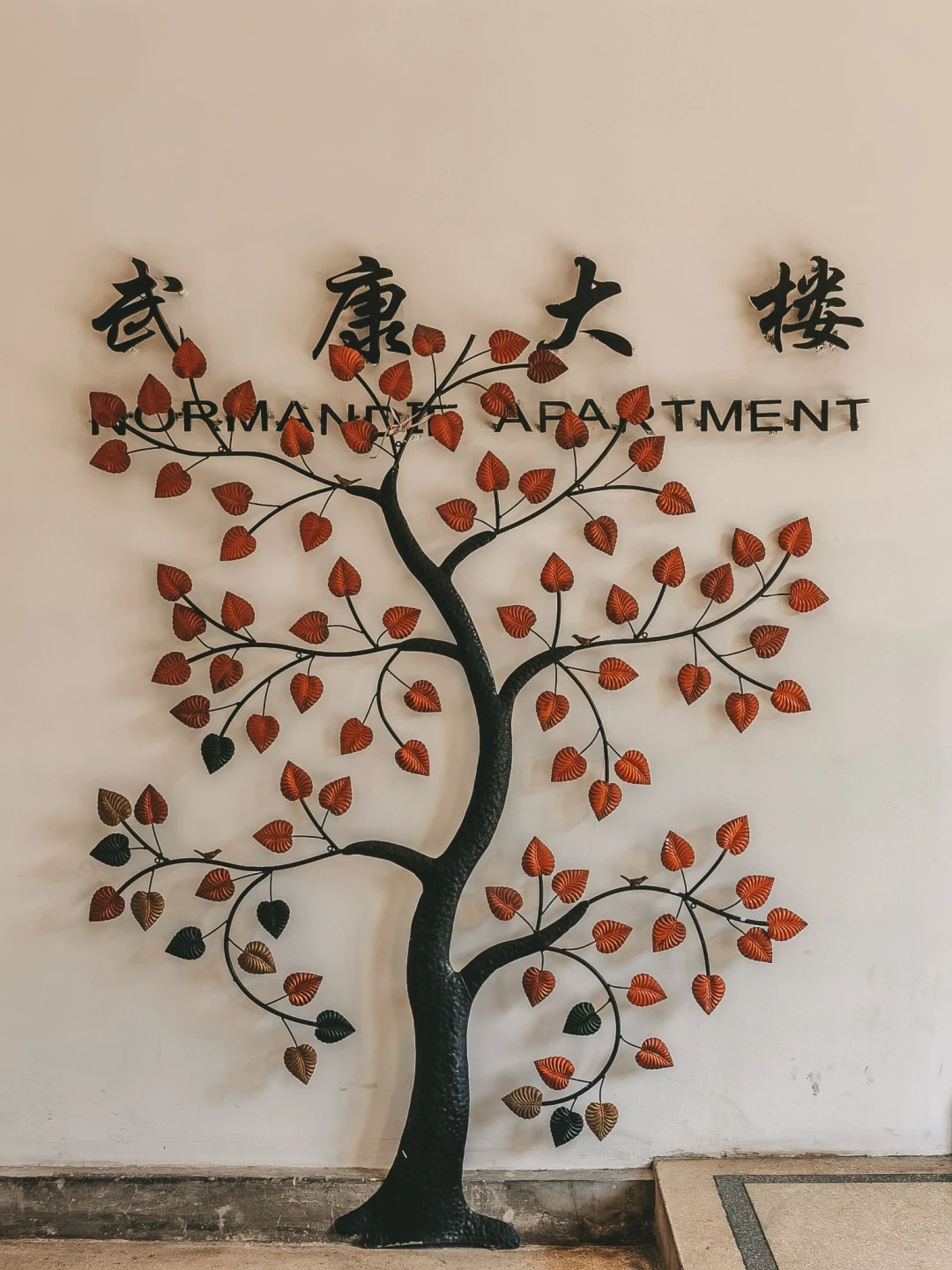
- Lao Ji Shi (Old Ji's): A great spot to grab a bite if you get hungry – currently open for business.
- Shanghai Literature & Art Hospital: The director seems to have a soft spot for pink – the hospital's interior is dominated by the color, even down to the pink notice stickers. If you can swing it, it might be a fun place for a girly photo shoot.
- Handmade Leather Workshop: Not yet open, but worth keeping an eye on.
- Ding Jian Violins: A fascinating violin shop, though it's been closed since the pandemic.
Middle Huaihai Road
- Da Yin Bookstore (Great Hidden Bookstore): Next door is a vintage-style furniture store (no sign – not sure if it's actually a shop) featuring chandeliers, sofas, tables, and chairs. Worth a visit once things reopen. Address: No. 1828, Middle Huaihai Road.
- Tianlong Music Bookstore: The door is locked, but the concept of a "music bookstore" is intriguing in itself.
- Custom Tailoring Shop: Worth a glance at the window displays as you pass by.
Xingguo Road
- Starbucks: A good spot to rest your feet.
- Rose Pavilion: The gate is locked, so you'll have to settle for photos from outside the fence.
[Link: Shanghai's Best Hidden Cafes and Bookstores]
FAQ About Wukang Building
1. Can I go inside Wukang Building?
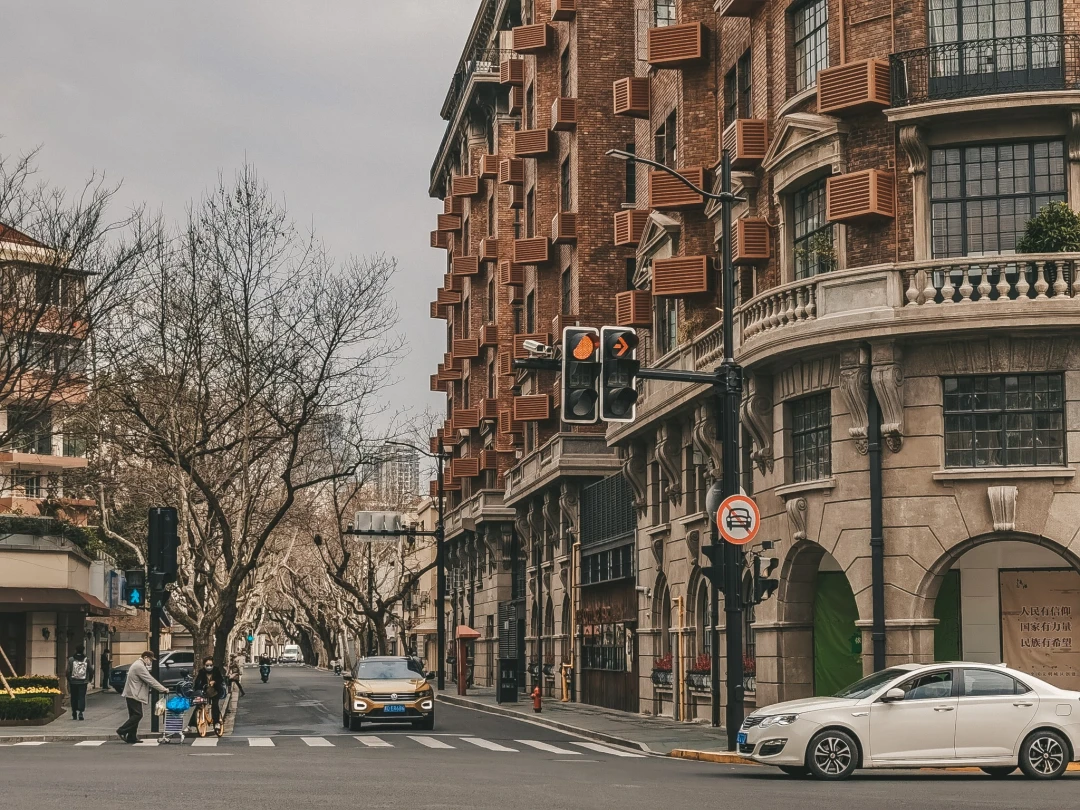
The interior of Wukang Building is private residential property, so no entry is allowed. However, the ground floor features cafes, vintage shops, and boutiques that are open to the public. You can also admire the exterior freely from the surrounding streets.
2. When is the best time to photograph Wukang Building?
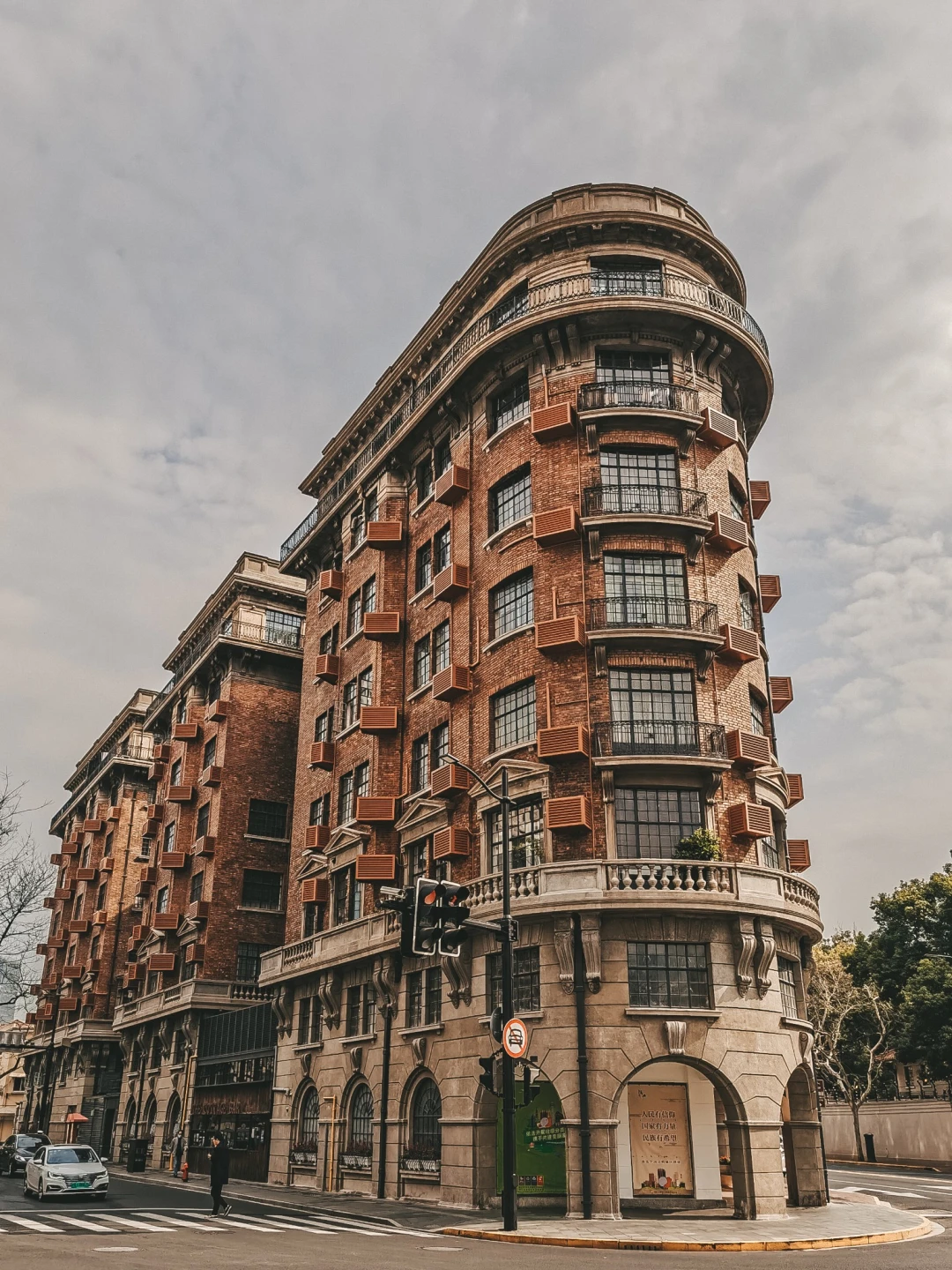
Golden hour (early morning or late afternoon) provides the best lighting for photography. Weekday mornings are less crowded. For the iconic crosswalk shot, aim for early morning to avoid heavy pedestrian traffic.
3. Is Wukang Building free to visit?
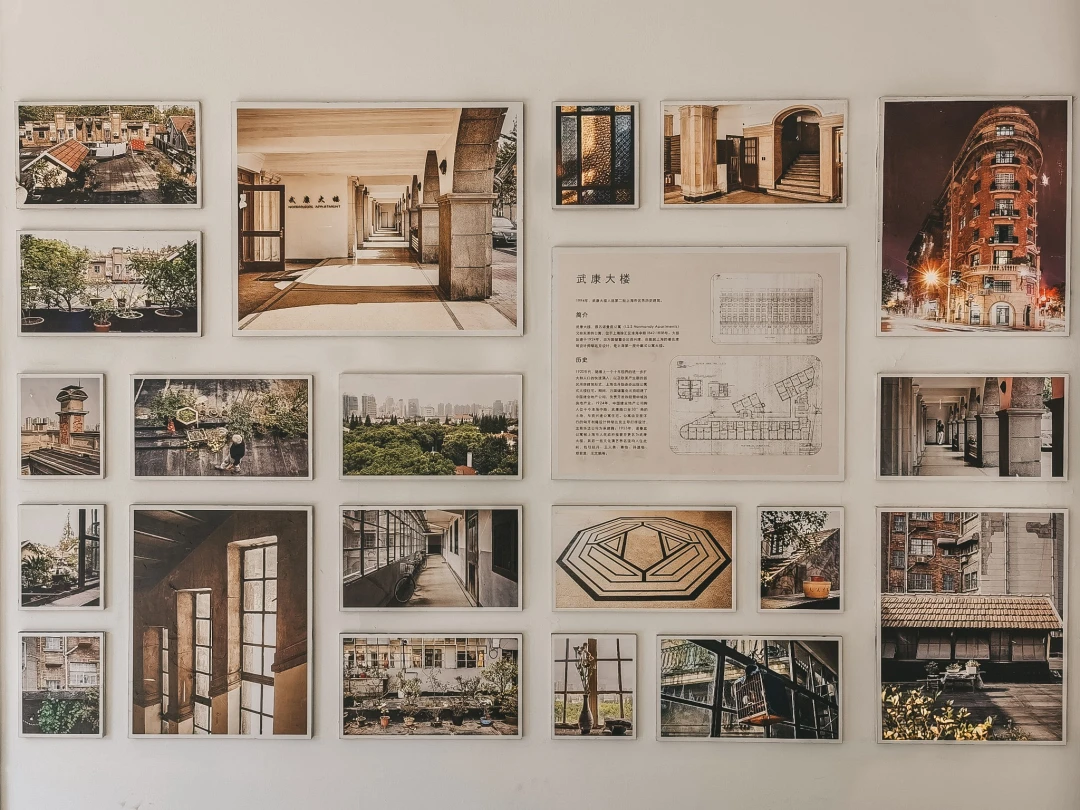
Yes, admission is completely free. The building is located at a public intersection, so you can visit any time. Voluntary spending at ground-floor shops is welcome but not required.
4. How long should I spend at Wukang Building?
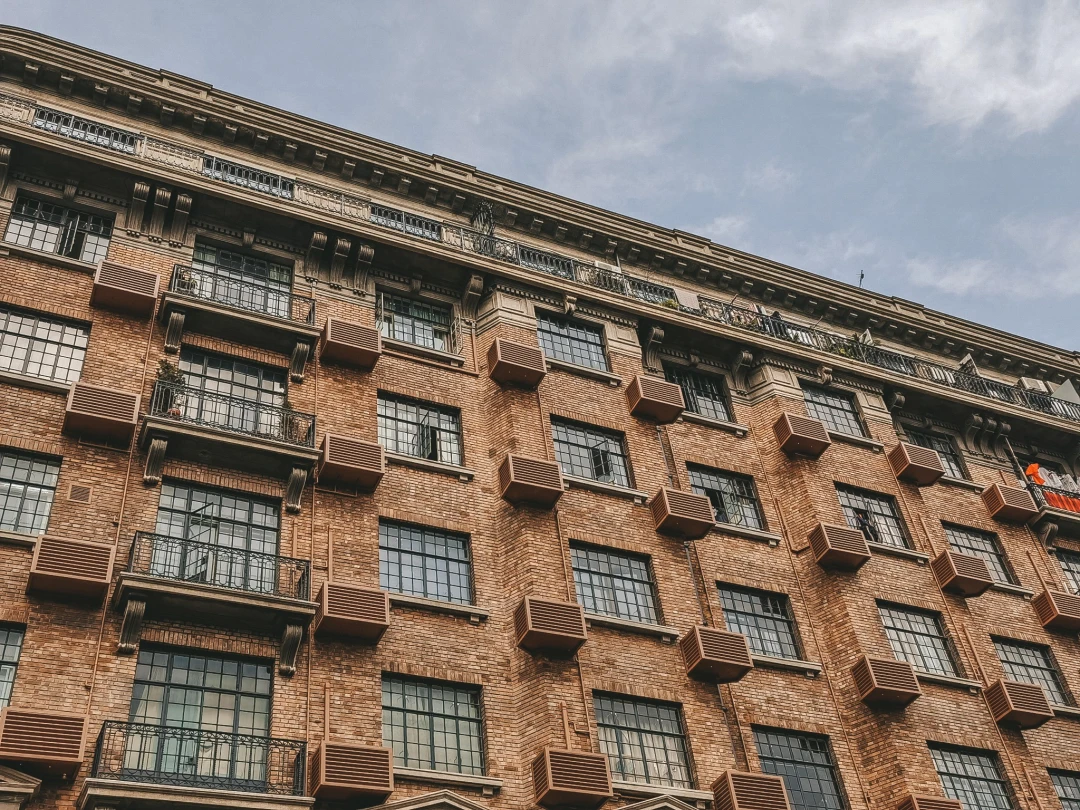
For a thorough experience including photography and exploring nearby shops, plan for at least 2 hours. If you're just taking a few photos, 30 minutes may suffice.
5. What other landmarks are near Wukang Building?

Nearby attractions include the Soong Ching-ling Residence, Tianping Road shops, Yuqing Road, and Xingguo Road with its cafes and gardens. The entire Wukang Road area is known for its preserved Art Deco architecture and literary atmosphere.
Your Ultimate Wukang Building Experience Awaits
Wukang Building is far more than a photo backdrop – it's a living piece of Shanghai's architectural and cultural history. From its birth as Normandie Apartments to its status as an internet-famous landmark, this ship-shaped building tells the story of a city in constant transformation.

Whether you're a photography enthusiast seeking that perfect shot, a history buff eager to explore Hudec's masterpiece, or a traveler looking to experience Shanghai's literary soul, Wukang Building delivers. Don't just snap a photo – take a moment to appreciate the red brick facade, the semi-circular elevator indicator, and the legacy of the artists who once called this building home.
Ready to explore? Bookmark this guide, grab your camera, and head to the intersection of Middle Huaihai Road and Wukang Road. Share your best Wukang Building shots with us on social media using #WukangBuildingGuide – we'd love to see your perspective on Shanghai's most photogenic century-old landmark!
[Link: Complete Shanghai Travel Itinerary for First-Time Visitors]
You may also like