Tongli Ancient Town (Part 3): Carved Window Grilles Through Time – A Millennium Water Town Journey
Meta Description: Explore Tongli Ancient Town's carved window grilles, Chongben Hall's wood carvings, and Pearl Tower's legends. Discover Jiangnan water town culture, wedding customs, and millennium echoes in this SEO-optimized travel guide.
Introduction: Why Tongli Ancient Town Deserves a Place on Your Bucket List
Life is a silent poem, and travel is a flowing song. When the city's clamor blurs your perception of beauty, it's time to pack your bags and head to a place gently caressed by time—Tongli Ancient Town. Located in Suzhou, Jiangsu Province, this millennium-old water town offers a rare glimpse into Jiangnan's architectural heritage, carved window grilles, and centuries-old stories etched in wood and stone.
On March 23, 2019, I set out from Shanghai with my family, spending a single day in this千年水乡 (millennium-old water town) to converse with history and embrace culture. Though the per-person cost was modest, the memories we gained were priceless. This article—Part 3 of our Tongli series—delves into the intricate carved window grilles, the hidden gems of Chongben Hall, and the legendary Pearl Tower.
Chongben Hall: Every Brick and Beam Tells a Story

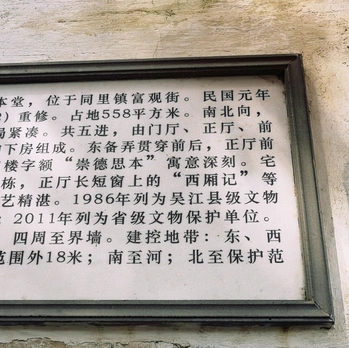
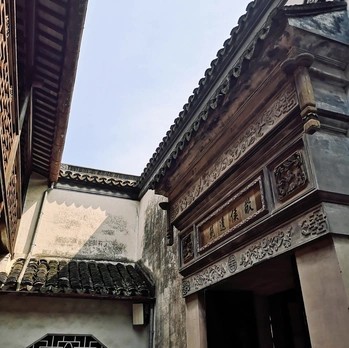
On Fuguan Street in Tongli Ancient Town, at the northern foot of Changqing Bridge, stands an old residence facing south with its front to the water—Chongben Hall. It sits quietly there, gazing across the river at Jiayin Hall, like an elderly man weathered by time, recounting stories from a century ago.
Historical Background of Chongben Hall
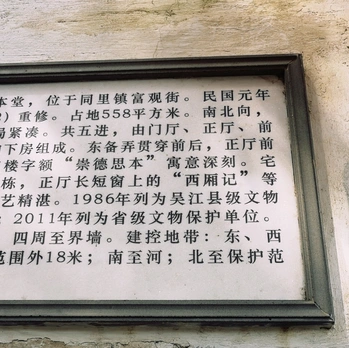
This nearly one-acre estate comprises five sections: the entrance hall, main hall, front tower, rear tower, and servants' quarters. Its owner, Qian Youqin, originally from Qiantang in Zhejiang Province, had moved his family to Tongli over a dozen generations ago. In the first year of the Republic of China (1912), he purchased part of the former "West Residence" of the Gu family and renovated it into the present Chongben Hall.
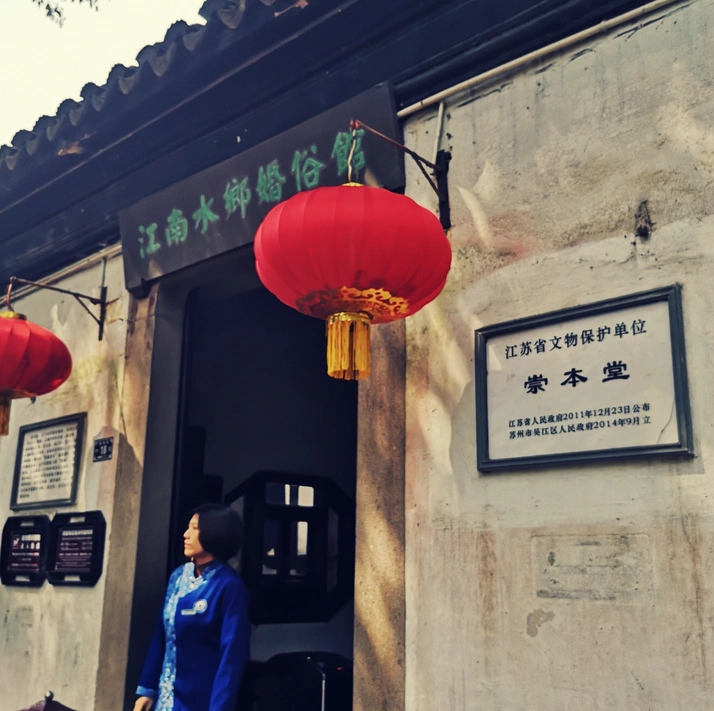
The Qian and Gu families were connected by marriage, and the Gu family had produced a juren (a successful candidate in the imperial provincial examination) who was close friends with Lu Runxiang, the zhuangyuan (top scholar) of the Tongzhi era. Thanks to this connection, the plaque bearing the name "Chongben Hall" was obtained through the Gu family's juren, who requested Lu Runxiang to personally inscribe it.
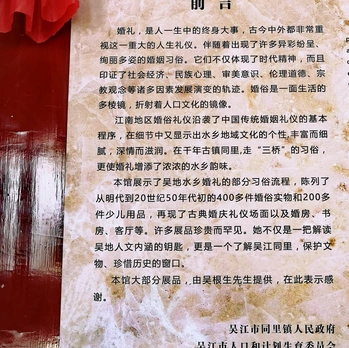
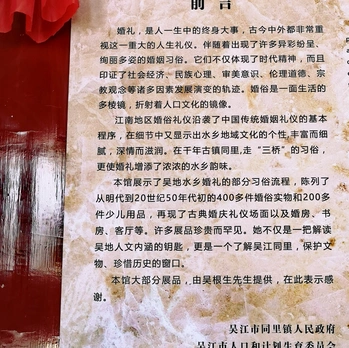
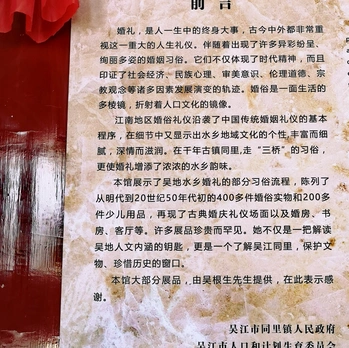
Today, the hall has been converted into the "Jiangnan Water Town Wedding Customs Museum," allowing later generations to glimpse the rituals and customs of old-fashioned weddings.
A Sanctuary of Carving Art: Tongli's Carved Window Grilles
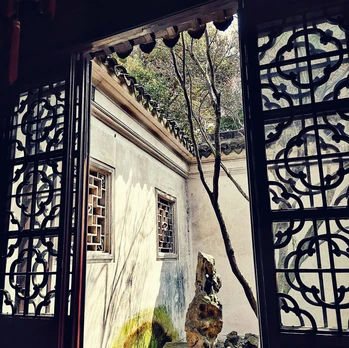
What makes Chongben Hall most breathtaking is its ubiquitous brick and wood carvings. From the main hall to the inner residential towers, three courtyards house over 100 wood carvings, depicting scenes from operas, flowers and food, and cultural antiquities. The compositions are concise and lively, the knife work smooth and masterful—truly remarkable.
Carved Window Grilles: The Romance of the Western Chamber
In the main hall, six long windows are centered, with half-windows on either side. On the lower panels of the long windows, besides the "Flowers and Antiquities" motifs, the two central windows are particularly special:
- Right window: Peonies and a vase, symbolizing wealth and peace
- Left window: Treasure basin, symbolizing attracting wealth
All the upper panels of the long and short windows are carved with the complete story of The Romance of the Western Chamber—from Zhang Sheng's temple visit to the farewell at the十里长亭 (ten-mile pavilion), totaling 14 panels. It reads like a comic strip, unfolding this timeless love story.
The Twelve Beauties of the Red Chamber Carvings
On the lower panels of the long windows on the front tower's ground floor are carved "The Twelve Beauties of the Red Chamber." Daiyu carrying a hoe to bury flowers, Baochai chasing butterflies with a fan, Xiangyun sleeping drunkenly among peonies, Miaoyu admiring plum blossoms under the moonlight—these shallow reliefs are exquisitely crafted, with figures lifelike and vivid.
On the lower panels of the long windows, "Squirrels and Grapes" symbolize many children and grandchildren, while "Magpies and Red Plum Blossoms" signify happy events at the doorstep. Every cut and chisel embodies the owner's wishes for a good life.
Rear Tower: The Highlight of Chongben Hall's Carvings
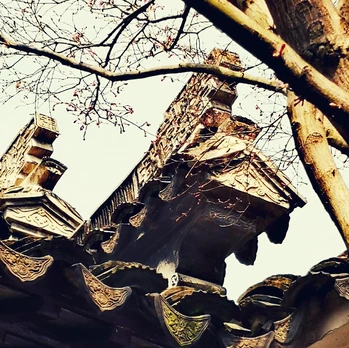
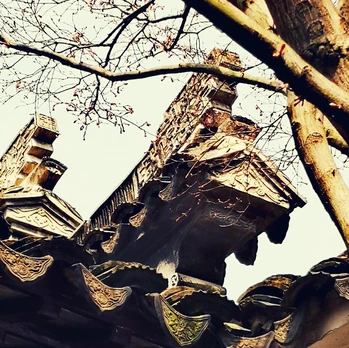
The rear tower is the highlight of Chongben Hall's carvings, featuring 58 wood carvings. On the four partition panels between the eastern and western columns and eaves columns are carved "Fortune, Prosperity, Longevity, and Happiness." The eight partition panels under the western roof beams depict "Fishing, Woodcutting, Farming, and Reading, along with Zither, Chess, Calligraphy, and Painting."
The eight panels under the eastern roof beams show the Eight Immortals—He Xiangu, Zhang Guolao, Han Zhongli, Lü Chunyang, and others. Unfortunately, I only passed through hastily and couldn't examine them in detail—a real pity.
The Brick-Carved Gate Tower and Wedding Exhibits
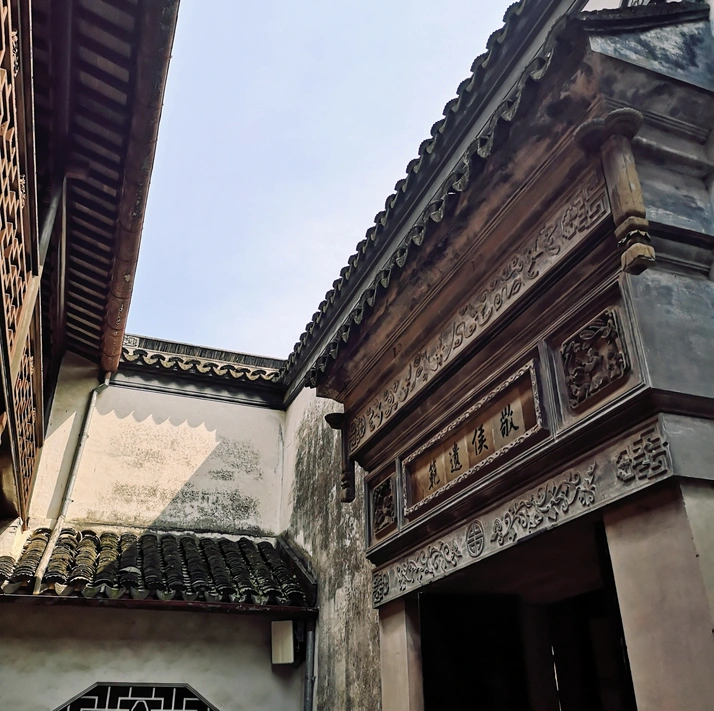
In the inner courtyard stands a brick-carved gate tower inscribed with the four characters "敬侯遗范" (The Legacy of Marquis Jing). This "Marquis Jing" refers to Lou Jing (also known as Liu Jing) from the early Han Dynasty. He advised Liu Bang to establish his capital in Guanzhong and later proposed the "peace through marriage" policy, earning the title of Marquis of Guannei.
Legend has it that a wealthy merchant from elsewhere married his daughter into the Zheng family of Tongli. Before parting, he gifted her these four words, admonishing her to be like a Han dynasty princess—to obey her husband and educate her children at home, never longing for her hometown. The Zheng family had these words carved onto the gate tower. When Chongben Hall was restored, the Zheng family's gate tower was moved here, ensuring this story endures.
Wedding Customs Museum Exhibits
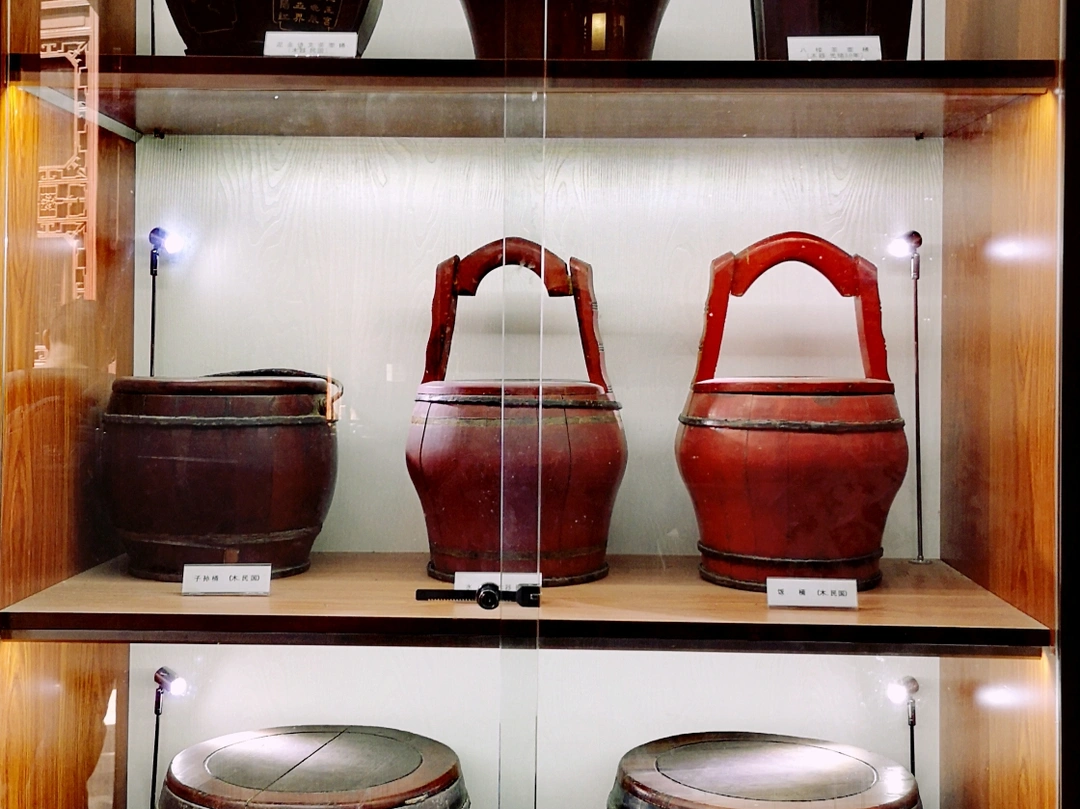
Display cases hold various everyday items: bamboo baskets for food, rice buckets, meal buckets (despite their size, these are not chamber pots!), pastry buckets, washbasins and foot basins, hand warmers, foot warmers, small leather trunks, small wooden chests... along with various children's hats, cribs, and the poignant "三寸金莲" (three-inch golden lotuses—bound feet shoes). These objects transport us back to a distant era.
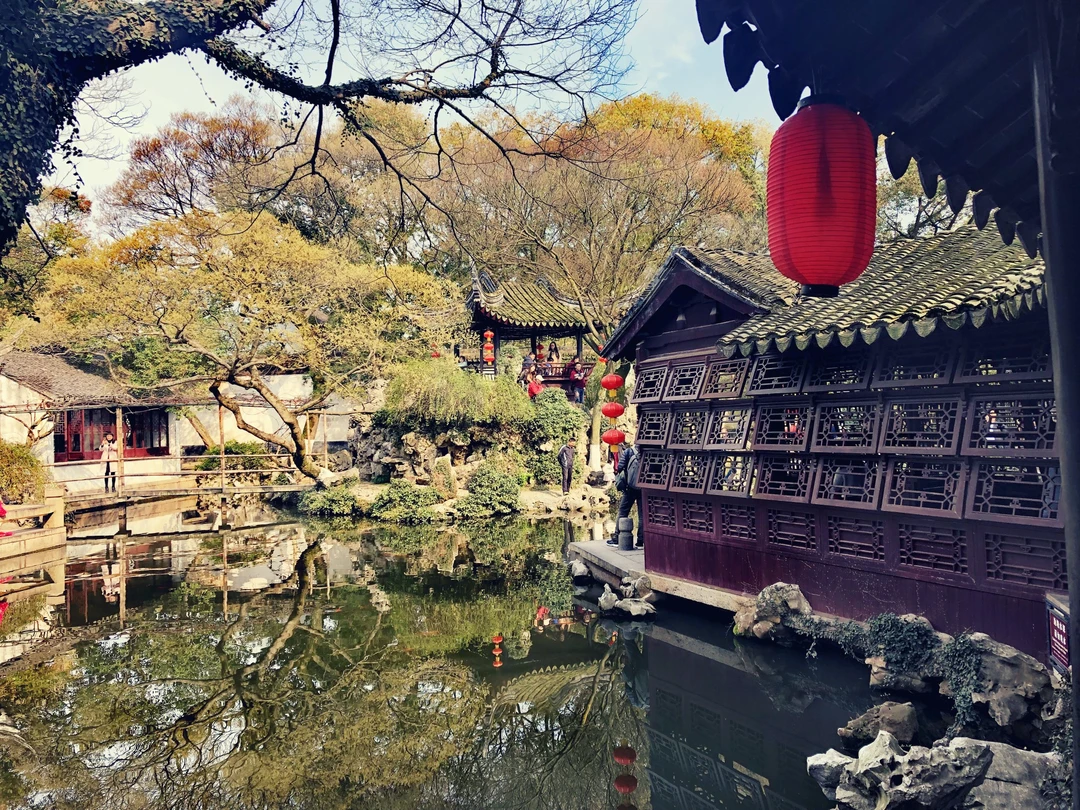
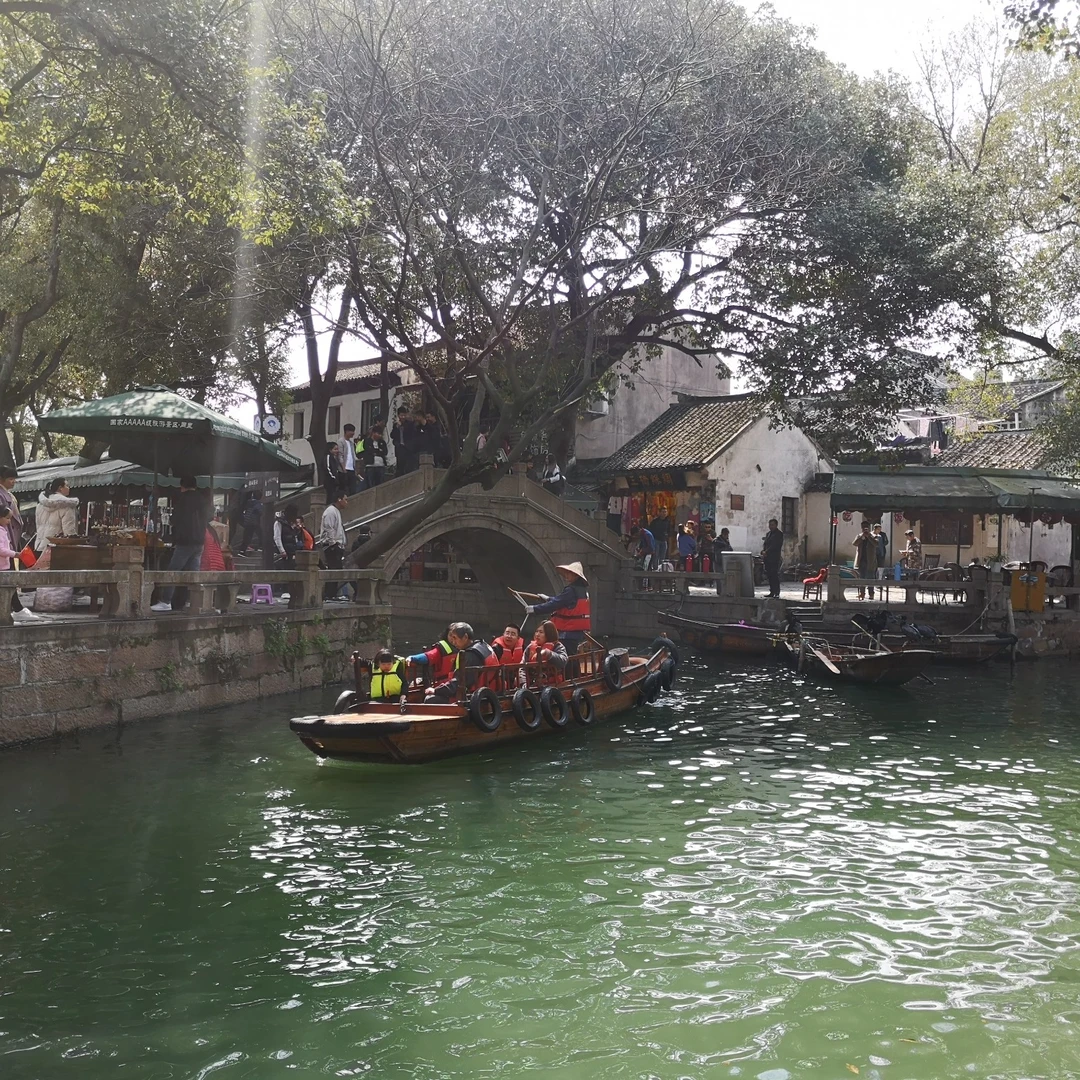
Leaving Chongben Hall, across the riverbank lies one of "Tongli's Three Bridges"—Jili Bridge—with Changqing Bridge to the left. Standing on the bridge, watching the flowing water and listening to the creak of oars, time seems to stand still.
Pearl Tower: A Hidden Gem in a Narrow Alley
Strolling along the riverbank admiring the scenery, I almost missed the "Pearl Tower." You have to pass through an inconspicuous, even slightly shabby stone-paved alley to reach it. Truly, "a pearl is hidden in a humble lane."
Historical Significance of Pearl Tower Garden
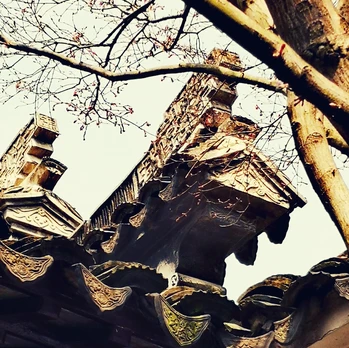
Pearl Tower Garden was the residence of Chen Wangdao, an imperial censor of the Nanjing Henan Circuit during the Jiajing and Wanli eras of the Ming Dynasty. The widely circulated folk tale The Pearl Tower is based on Censor Chen's selection of a son-in-law. Tongli is considered the birthplace of this legend, and relics such as Fang Qing's study tower and Miss Chen Cuie's embroidery tower still exist.
The scenic area is divided into three parts: - Eastern section: Censor Chen's official residence - Western section: The rear garden - Northern section: The ancestral hall, the Chen family memorial archway, and an ancient stage
The Story of the Pearl Tower
The Pearl Tower originated as a tanci (string-pulled ballad) work from the Qing Dynasty, formally titled The Complete Tale of Filial Piety and the Pearl Tower, by an unknown author. The story follows Fang Qing, the grandson of a prime minister, whose family has fallen into decline. He goes to Xiangyang to borrow money from his aunt but is humiliated by her. His cousin, Chen Cuie, secretly gives him a family heirloom—the Pearl Tower—to fund his studies.
Later, Fang Qing achieves the top rank in the imperial examinations and requests leave to marry. He first disguises himself as a Taoist priest singing daoqing (a folk storytelling form) to shame his aunt, then reunites with Chen Cuie in marriage. This story has been adapted into various forms, including Yue Opera, Tin Opera, Chao Opera, Huai Opera, television series, and even Shanghai comedy sketches.
Honglue Hall and Lanyun Hall
Honglue Hall is the main hall of the Chen residence, meaning "Grand Plans and Great Strategies." It was used to receive distinguished guests or host weddings and funerals. The couplet inside reads, "The way to pass on family legacy lies only in kindness; there is no secret to navigating the world beyond tolerance."
FAQ: Tongli Ancient Town Travel Tips
1. How do I get to Tongli Ancient Town from Shanghai?
 Take the high-speed train from Shanghai Hongqiao Station to Suzhou (about 30 minutes), then transfer to the Suzhou Metro Line 4 to Tongli Station. Alternatively, direct buses run from Shanghai to Tongli, taking approximately 1.5–2 hours.
2. What is the best time to visit Tongli Ancient Town?
 Spring (March–May) and autumn (September–November) offer pleasant weather and fewer crowds. Early morning or late afternoon provides the best light for photography and a more serene experience.
3. Are the carved window grilles at Chongben Hall original?
Yes, the wood carvings at Chongben Hall are original and date back to the early Republic of China period. They have been preserved with minimal restoration, retaining their historical authenticity.
4. Can I visit both Chongben Hall and Pearl Tower in one day?
 Absolutely. Both attractions are within walking distance in Tongli Ancient Town. A full day allows ample time to explore these sites, along with the town's famous three bridges and canal-side streets.
5. Is Tongli Ancient Town suitable for family trips?
Yes, Tongli offers a family-friendly atmosphere with flat walkways, boat rides, and cultural museums. Children will enjoy the wedding customs exhibits and the legend of the Pearl Tower.
Internal Linking Suggestions
[Link: Tongli Ancient Town Travel Guide – Complete Itinerary and Tips] [Link: Top 10 Jiangnan Water Towns to Visit in China] [Link: Suzhou Classical Gardens vs. Water Towns – Which to Choose?] [Link: Chinese Wood Carving Art – A Cultural Heritage Deep Dive]
Conclusion: Your Journey to Tongli Awaits
Tongli Ancient Town is more than a tourist destination—it's a living museum of Jiangnan water town culture, carved window grilles, and millennium-old echoes. From the intricate wood carvings of Chongben Hall to the romantic legend of Pearl Tower, every corner tells a story waiting to be discovered.
Ready to experience Tongli's timeless beauty? Plan your trip today. Book your train tickets, pack your camera, and prepare to walk through history. Whether you're a history buff, an architecture enthusiast, or simply seeking a peaceful escape, Tongli offers something unforgettable.
Don't just read about it—visit Tongli Ancient Town and listen to the millennium echoes yourself.
Keywords: Tongli Ancient Town, carved window grilles, Jiangnan water town, Chongben Hall, Pearl Tower, Tongli travel guide, Suzhou water town, Chinese wood carving, wedding customs museum, millennium water town
You may also like