The Shanghai Metro Food Guide: Time-Honored Eateries Hidden by the Platforms, Where One Bite Tastes the Soul of Shanghai
Meta Description: Discover Shanghai's best-kept culinary secrets along the metro lines. From Nanxiang xiaolongbao to A Niang's yellow croaker noodles, this guide takes you on a taste pilgrimage through time-honored eateries that define the city's soul.
Introduction: Why the Shanghai Metro Is Your Best Food Guide
The true flavor of Shanghai has never been found in the delicate plating of Michelin three-star restaurants. It lives in the steam-filled, smoke-wreathed time-honored shops that have anchored this city for generations. The Shanghai culinary map is like a dense spiderweb, and the metro stations are the most convenient entry points. From Nanxiang to People's Square, from Yandang Road to Shanyin Road, just follow the metro lines, and you can measure the city's warmth with your taste buds.
One afternoon in March, with the sun shining just right, I slung on my backpack, pocketed a metro card, and set off on a taste pilgrimage through old Shanghai. This journey had none of the restless energy of internet-famous check-ins. It carried only the steady, unhurried confidence of establishments that have been perfecting their craft for decades.
[Link: Best time to visit Shanghai for food tours]
H2: Nanxiang Yiyuan Xiaolong Guan – One Bite of Spring's Freshness

📍 288 Guyuan Road, Nanxiang Town, Jiading District (near the North Gate of Guyuan Garden)
🚇 Metro Line 1, transfer to Line 11, then bus Nanxiang Line 1
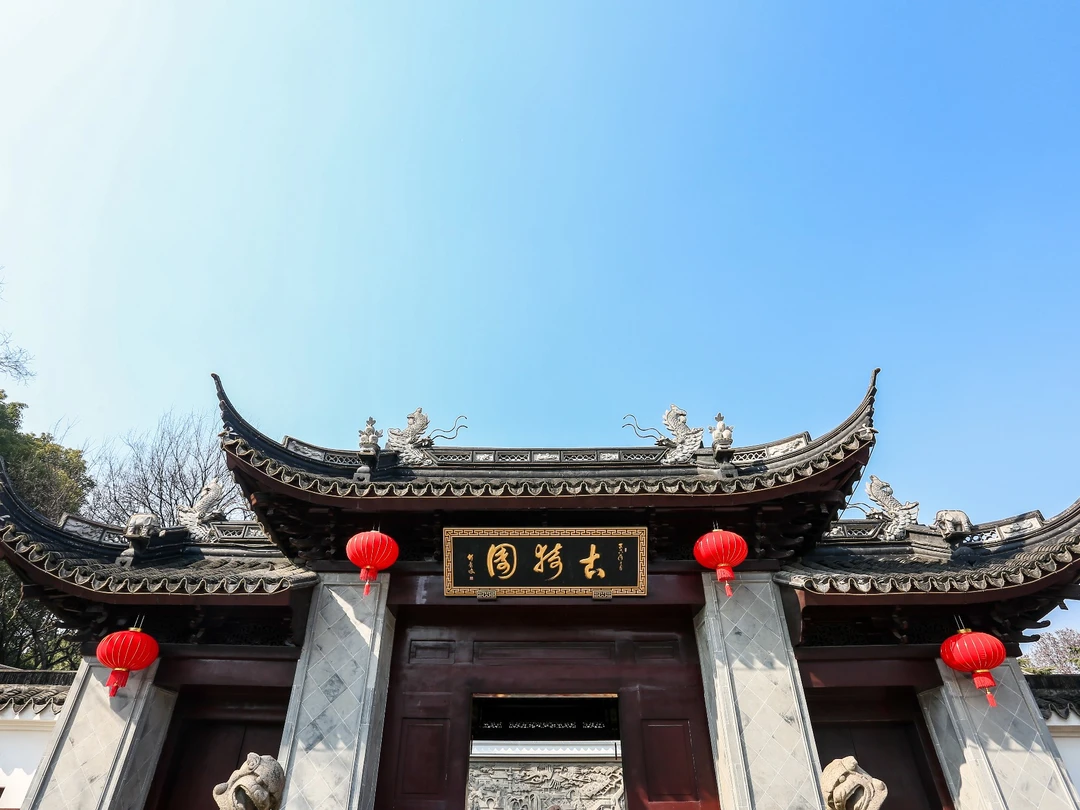
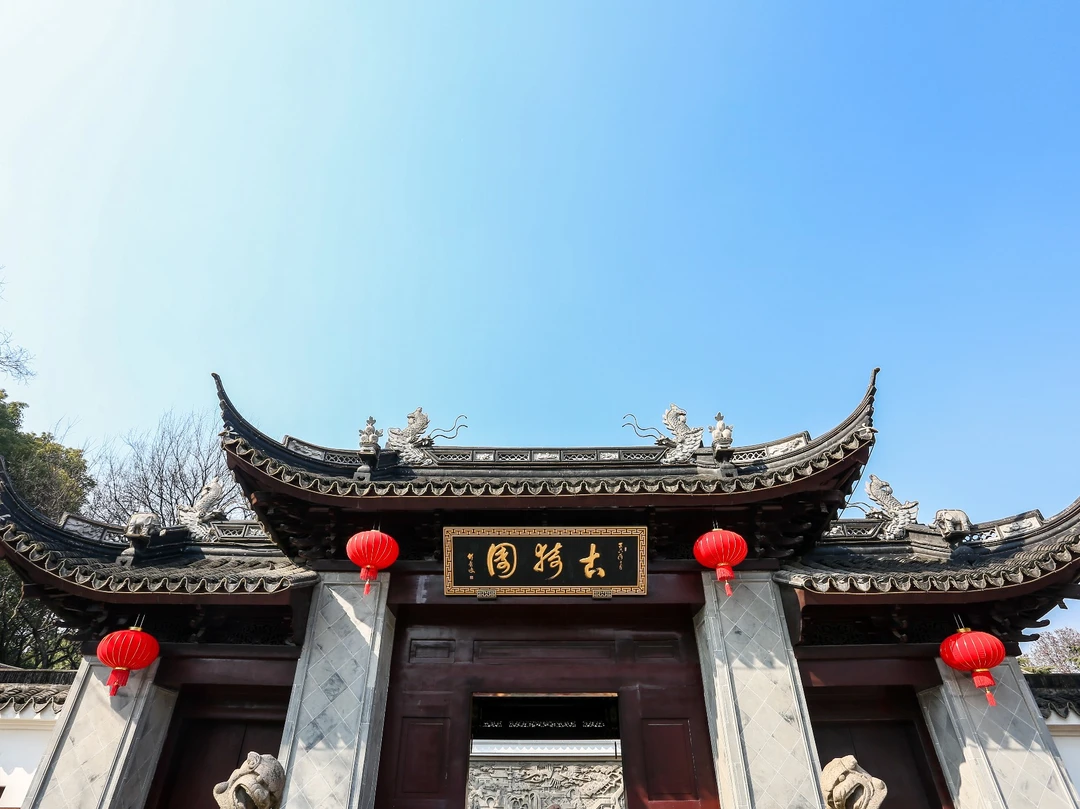
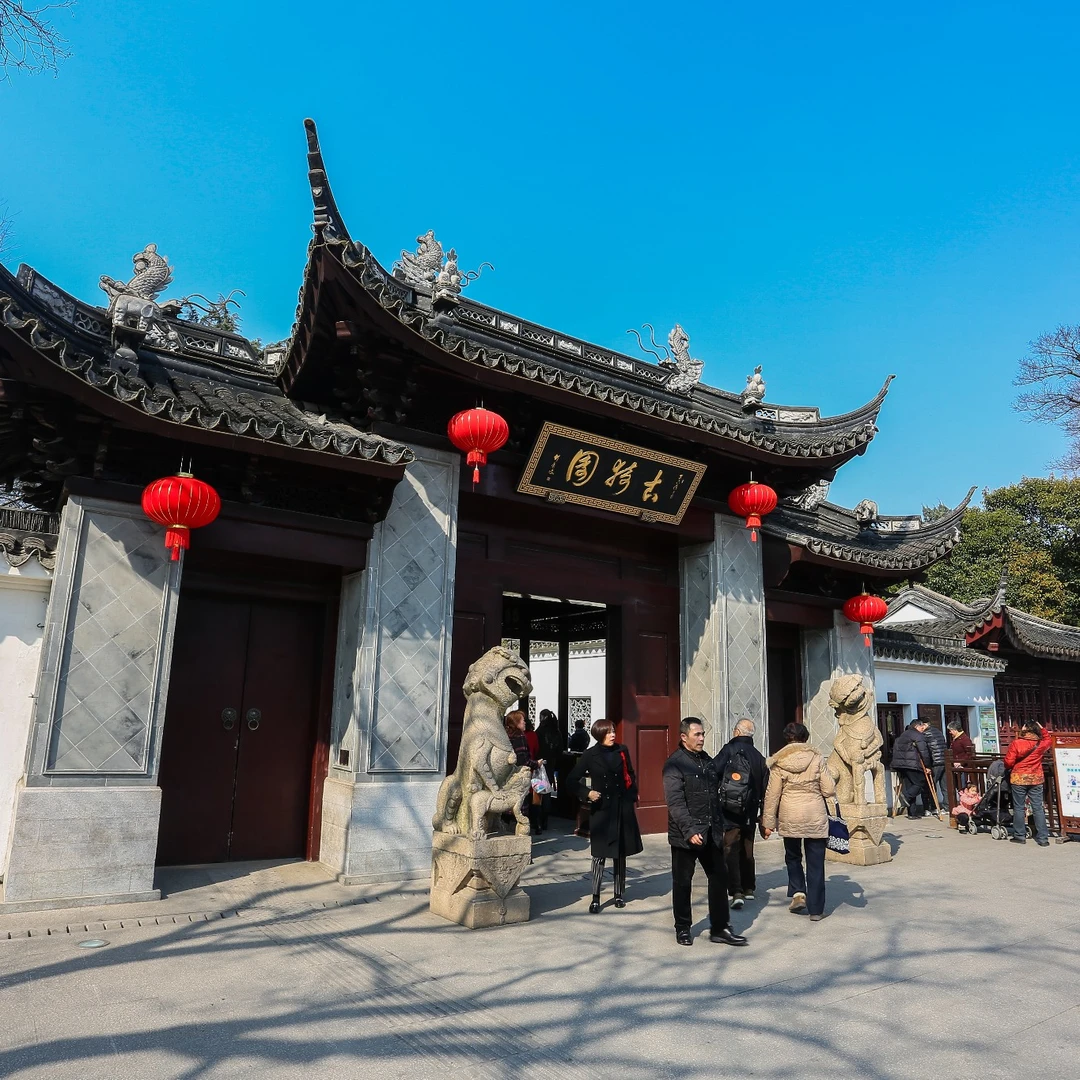
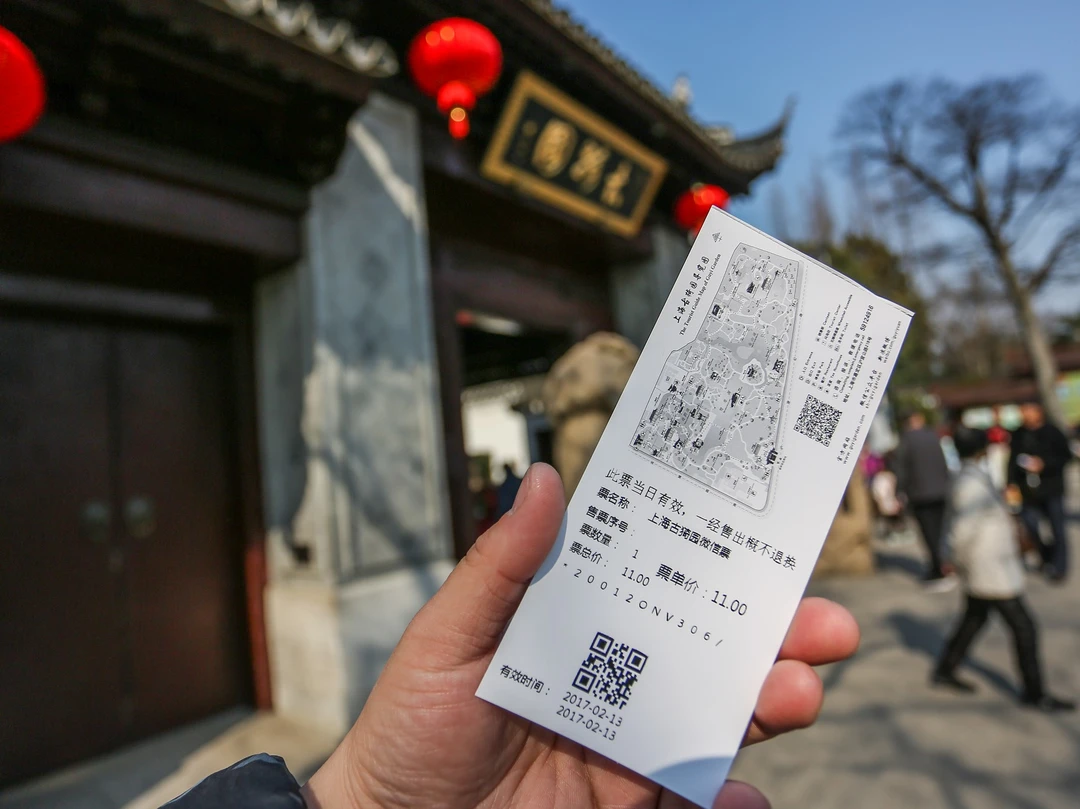
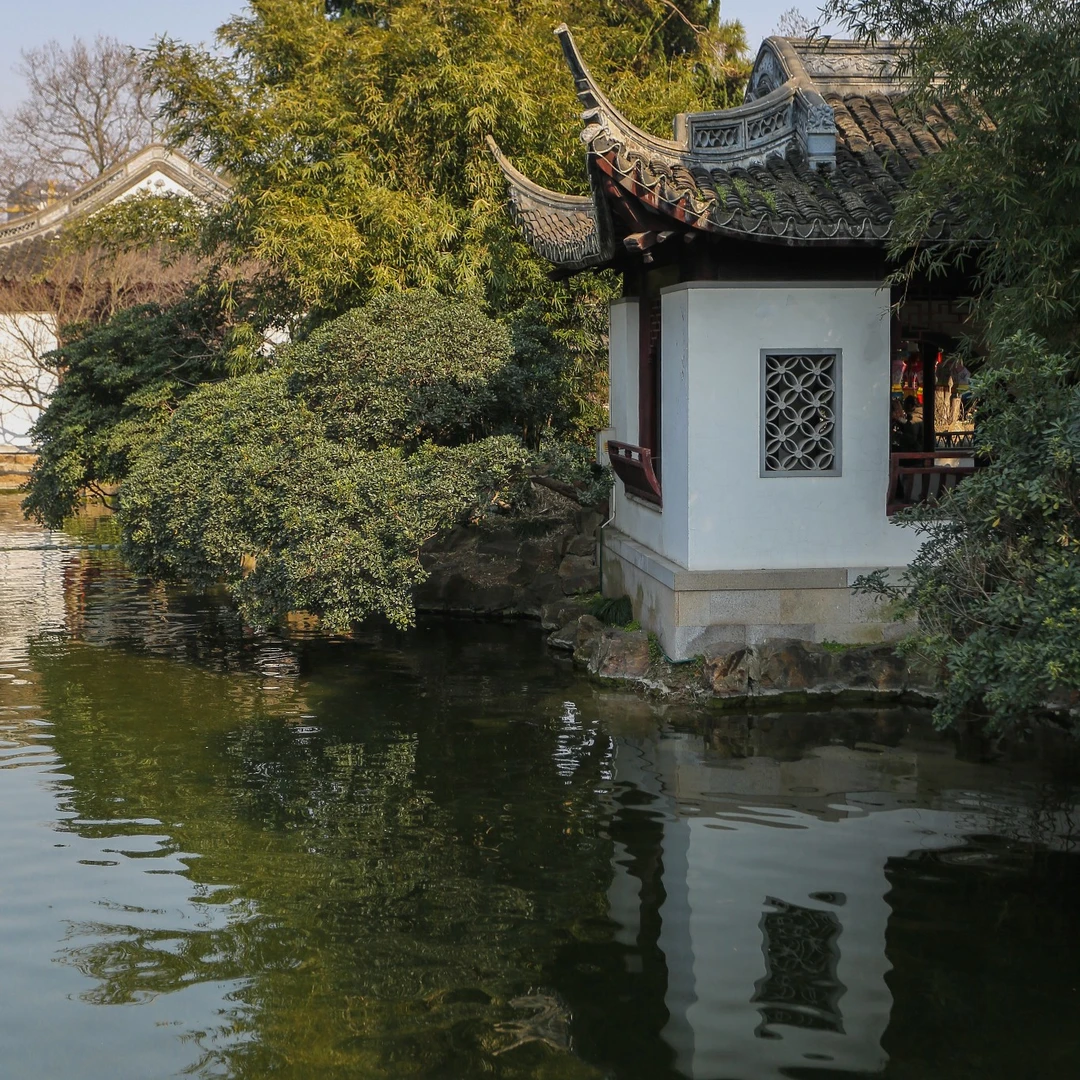
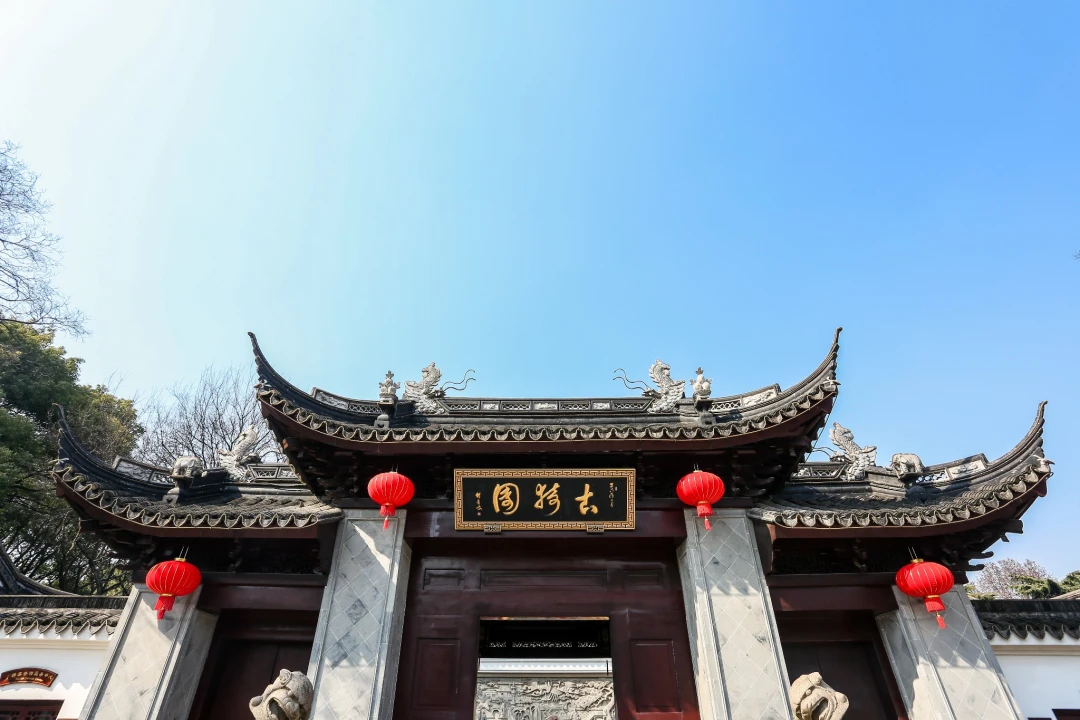
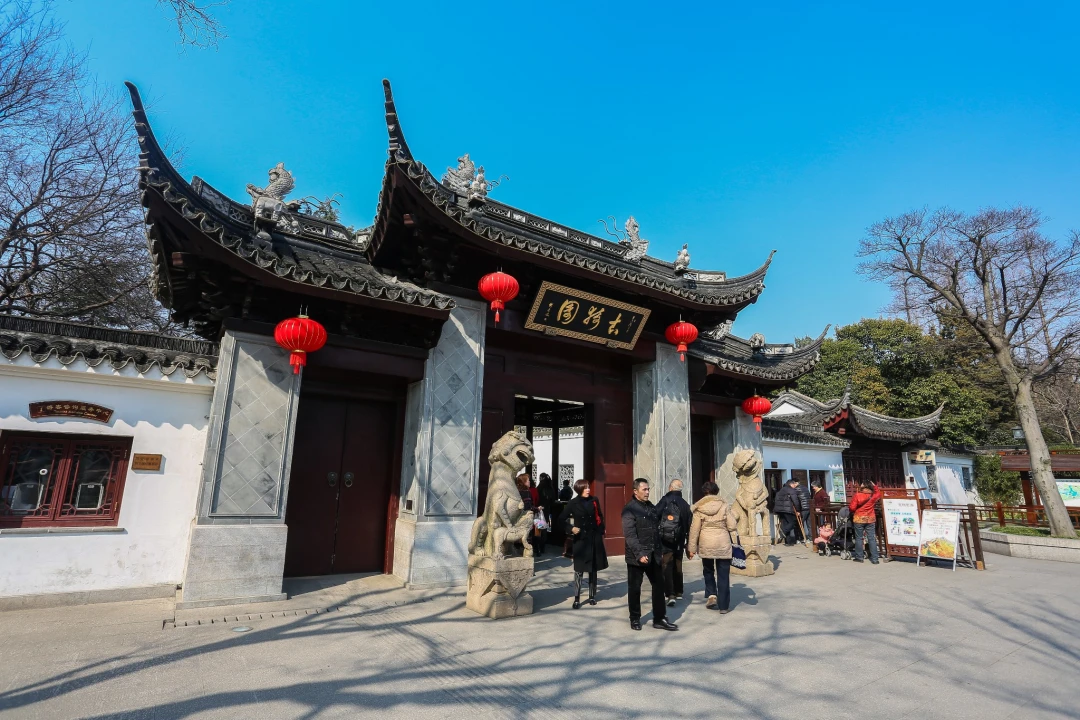
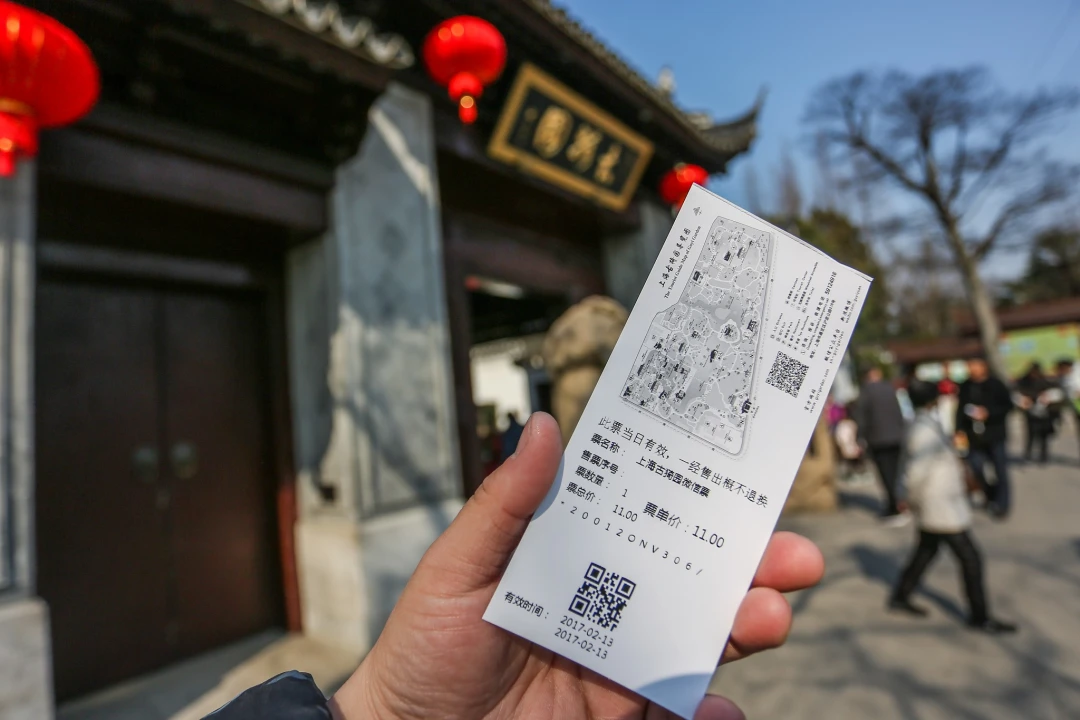
In March, Guyuan Garden is the perfect place for a spring stroll. Sunlight filtered through the fresh green branches, casting dappled shadows on the bluestone paths. I bought my ticket through WeChat's Yu Piao Er app—the price was friendly, and scanning the QR code got me in without a hitch. The garden was alive with birdsong and floral fragrance, its pavilions and terraces whispering the elegance of Jiangnan. But my stomach had already been stolen away by the promise of xiaolongbao (soup dumplings) not far away.
Stepping into Nanxiang Yiyuan Xiaolong Guan, I was greeted by the rising steam of bamboo steamers. I ordered three signature items:
H3: The Must-Try Xiaolongbao Varieties
- Shrimp xiaolongbao (shrimp soup dumplings) —Bite through the thin skin, and there, nestled inside, is a whole shrimp, so springy it seems to dance on your teeth.
- Crab roe xiaolongbao (crab roe soup dumplings) —Arrives with a bold, aromatic punch of crab yellow that fills the air. The golden, generous filling demands to be swallowed whole; the moment the broth explodes in your mouth, the freshness is so intense it makes you squint with pleasure.
- Pork xiaolongbao (pork soup dumplings) —A festival of soup. The filling is fresh and firm, every bite carrying a clean, sweet meat juice.
To finish, I ordered a bowl of small wontons (xiao huntun) . The seaweed adds a touch of umami, the wrappers are as thin as cicada wings, and each bite reveals tiny morsels of pork dancing on your tongue.
[Link: Complete guide to Shanghai xiaolongbao]
H2: Da Hu Chun – The "Old Gentleman" of the Shengjian World
📍 136 Middle Sichuan Road
🚇 Metro Line 1
If xiaolongbao is the queen of Shanghai's dim sum, then shengjian (pan-fried pork buns) is the undisputed prince of the people. Da Hu Chun's storefront is modest, but it holds the breakfast taste that Shanghainese know best.
I ordered a bowl of beef soup (niurou tang) . The broth was clear, rich but not greasy, and drinking it sent a wave of warmth from my stomach through my limbs. The main event was the shengjian duo (shengjian combination) —the shrimp shengjian carried a faint aroma of yellow wine, the bottom crust fried to a golden, crispy perfection. They weren't overflowing with soup, but the flavor had already seeped into every layer of the dough. Chewing them, you could taste the natural sweetness of the flour itself. This style of shengjian—one that doesn't chase after the "explosive juice" trend—is the authentic taste that older Shanghainese remember from their childhood.
After finishing the shengjian, I strolled along Nanjing Road to help digestion. Passing by Tai Kang Food Store, I was hooked by the sight of Youchun Old Yogurt (you chun lao suan nai) in the display case. The yogurt was silky smooth, lightly sweet without being cloying, free of exaggerated additives, and carried only the purest milk fragrance. Standing by the roadside, I finished the whole cup, and my mood brightened along with it—life, after all, needs these little sweet moments.
[Link: Shanghai street food guide for beginners]
H2: Ha Ling Noodle House – The Legendary Frog Leg Noodles
📍 8 South Guangxi Road, Huangpu District
🚇 Metro Line 1
Ha Ling Noodle House occupies a place in Shanghai's noodle world like a reclusive master in a martial arts novel. Two signature dishes, and you can't miss either.
H3: Signature Dishes You Can't Skip
When the signature frog leg noodles (zhaopai niuwa mian) arrived at the table, I was stunned—a whole frog lay sprawled across the noodles, the portion so generous it made me wonder if the owner was running a charity. The frog meat was tender and springy, with a gentle kick of spice that awakened the taste buds perfectly. The noodles had soaked up all the broth, each strand coated in savory goodness.
The signature fried pork chop (zhaopai zha zhupai) was pure Shanghai home-style cooking. The outer batter was fried to a shatteringly crisp finish—a satisfying "crack" with every bite—while the pork inside remained juicy. Dipped in the house-made spicy Worcestershire sauce, the sweet, sour, and mildly spicy flavors intertwined on the tongue. This is the taste Shanghainese have grown up with.
[Link: Top 10 noodle shops in Shanghai]
H2: A Niang Noodle House – The Gentle Comfort of Yellow Croaker Noodles
📍 63 Changning Road, Changning District
🚇 Metro Line 2
If Ha Ling Noodle House is a bold swordsman, then A Niang Noodle House is the kindly grandmother next door. The name itself—"A Niang" (auntie or grandma)—radiates warmth and familiarity.
The star here is the yellow croaker noodles (huangyu mian) . The broth is milky white, so fresh you want to drink it all in one go. The fish meat is tender and silky, with not a trace of fishiness; it falls apart at the lightest touch of chopsticks. The noodles are just the right texture—neither too soft nor too firm—soaking up all the sweet freshness of the broth. This bowl is perfect for those who prefer lighter flavors, and for any moment that calls for a gentle touch.
[Link: Best fish noodle soups in Shanghai]
H2: Wei Xiang Zhai – The Ultimate Temptation of Sesame Paste Noodles
📍 14 Yandang Road, Luwan District (near Middle Huaihai Road)
🚇 Metro Line 10
Wei Xiang Zhai's storefront is tucked away under the plane trees on Yandang Road; you could easily miss it if you're not looking carefully. But food connoisseurs know that their sesame paste noodles (majiang mian) are the best in Shanghai.
When the sesame paste noodles arrived, the aroma of roasted sesame hit me straight in the face. This isn't a completely dry noodle dish—the sauce is thick and clings to every strand. Each bite delivers the rich, nutty depth of sesame and the satisfying chew of the noodles. The owner recommended adding some spicy pork (la rou) . I tried it, and in that moment, I understood the genius—the salty, spicy kick of the pork and the mellow richness of the sesame paste collided in my mouth, creating layers of flavor so complex that I couldn't resist ordering another portion.
[Link: Hidden gem restaurants in Shanghai]
H2: Bao Shi Fu – The Queue Philosophy of an Internet-Famous Pastry Shop
📍 28 People's Avenue, Huangpu District
🚇 Metro Lines 1, 2, and 8
"South has Ruby, North has Bao Shi Fu"—this saying, circulating in Shanghai's pastry world, says it all about Bao Shi Fu's status. Queuing for hours is the norm, but the moment you take your first bite, you know it was all worth it.
The beef floss mini cakes (niurou song xiaobei) are the undisputed star. The cake itself is as soft as a cloud, wrapped in a thick layer of savory meat floss. Biting into it, you hear a faint "squeak." The salad cream inside is just right—not too greasy, only making you want another one as soon as you finish the first. The drool that escapes from the corner of your mouth is the most honest compliment to the food.
[Link: Best bakeries and pastry shops in Shanghai]
H2: Bei Wan Xin – The "Da Hu Chun" of the Baozi World
📍 218 Julu Road
🚇 Metro Line 2
Note: The source article was cut off at this stop. Based on the context, Bei Wan Xin is a legendary baozi shop known for its fluffy, hand-made buns filled with pork, crab roe, or vegetables. It's a must-visit for anyone wanting to taste authentic Shanghai breakfast culture.
[Link: Shanghai breakfast guide – where to eat like a local]
H2: FAQ – Shanghai Metro Food Guide
H3: What is the best metro line for food in Shanghai?
Metro Line 1 is arguably the best for food lovers. It connects you to Nanxiang Yiyuan Xiaolong Guan (via transfer), Da Hu Chun, and Ha Ling Noodle House. Line 2 is also excellent, giving you access to A Niang Noodle House and Bao Shi Fu.
H3: Are these Shanghai metro food stops expensive?
No. Most of these time-honored eateries are very affordable. A bowl of noodles or a serving of xiaolongbao typically costs between 15-40 RMB ($2-$6 USD). Bao Shi Fu's mini cakes are around 10-20 RMB per portion.
H3: Do I need to speak Chinese to order at these places?
While some shops have English menus or pictures, many do not. It helps to have the dish names written in Chinese or use a translation app. The staff at popular spots like Nanxiang Yiyuan and Bao Shi Fu are used to tourists.
H3: What is the best time to visit these Shanghai food spots?
Morning to early afternoon is ideal for xiaolongbao and shengjian (breakfast-lunch). Noodle shops like Ha Ling and A Niang are best for lunch. Bao Shi Fu can have long queues anytime, but weekdays are less crowded.
H3: Can I visit all these places in one day using the Shanghai Metro?
Technically yes, but it would be rushed. A better plan is to split them over 2-3 days. Focus on Line 1 stops (Nanxiang, Da Hu Chun, Ha Ling) on day one, and Line 2 stops (A Niang, Bao Shi Fu, Bei Wan Xin) on day two.
Conclusion: Your Shanghai Metro Food Adventure Awaits
The Shanghai metro isn't just a transportation network—it's a gateway to the city's soul. Each station leads you to flavors that have been perfected over decades, passed down through generations, and cherished by locals. From the soup-filled xiaolongbao of Nanxiang to the legendary frog leg noodles of Ha Ling, every bite tells a story.
Ready to taste the real Shanghai? Grab your metro card, download a translation app, and set off on your own culinary pilgrimage. The city's best-kept secrets are waiting just steps from the platform.
Pro tip: Start early to avoid queues, bring cash (some older shops don't accept cards), and come hungry. Your taste buds will thank you.
[Link: Complete Shanghai travel itinerary for food lovers]
Have you visited any of these Shanghai metro food spots? Share your experience in the comments below!
You may also like