An Afternoon on Wukang Road: A Walking Guide to a Century-Old Street in Shanghai
Meta Description: Explore Shanghai's most iconic century-old street with our Wukang Road walking guide. Discover Ba Jin's former residence, Romeo's Balcony, and hidden gems on this 1.2km French Concession treasure.
Introduction: Why Wukang Road is Shanghai's Best Storyteller
Every old street in Shanghai has tales to whisper, but Wukang Road stands apart as the city's most eloquent narrator. Stretching just 1,182.7 meters from Huashan Road to the intersection of Huaihai Middle Road and Xingguo Road, this century-old thoroughfare transforms a simple afternoon stroll into a journey through time. As you follow the dappled shadows of plane trees, you'll walk where literary giants lived, where political intrigues unfolded, and where modern trendsetters now gather.
Whether you're a first-time visitor or a seasoned Shanghai explorer, this Wukang Road walking guide will help you uncover the street's layered history, architectural marvels, and hidden corners. Let's step into the embrace of the French Concession's most beloved lane.
The History of Wukang Road: From Ferguson Lane to Internet-Famous Landmark
Originally called "Ferguson Lane" in 1907, Wukang Road was named after American missionary John Calvin Ferguson. At just 12 to 15.5 meters wide, it was a quiet path through the French Concession—a far cry from today's bustling urban trail.

Over a century later, this route has evolved into Shanghai's most sought-after walking destination. The afternoon sunlight filtering through the plane trees creates a natural filter, making every step feel like a curated photograph. Here, history and trend collide at every corner.
Best time to visit: Late afternoon (2:00 PM – 5:00 PM) for optimal lighting and fewer crowds.
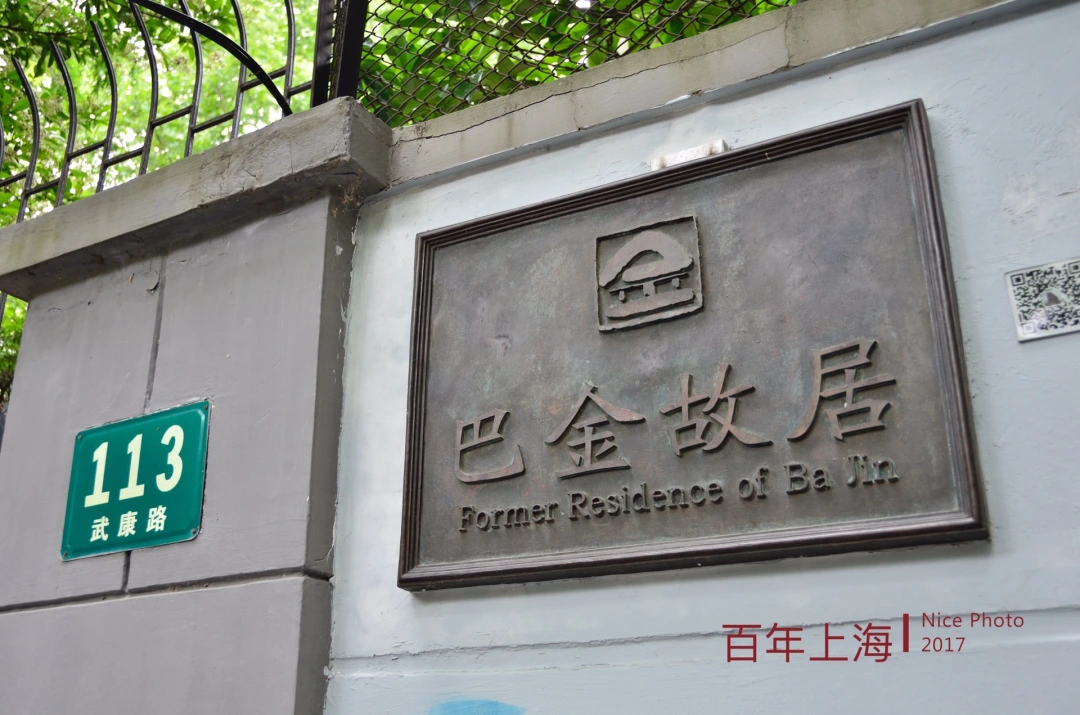
Ba Jin's Former Residence: Half a Century of a Literary Giant's Life
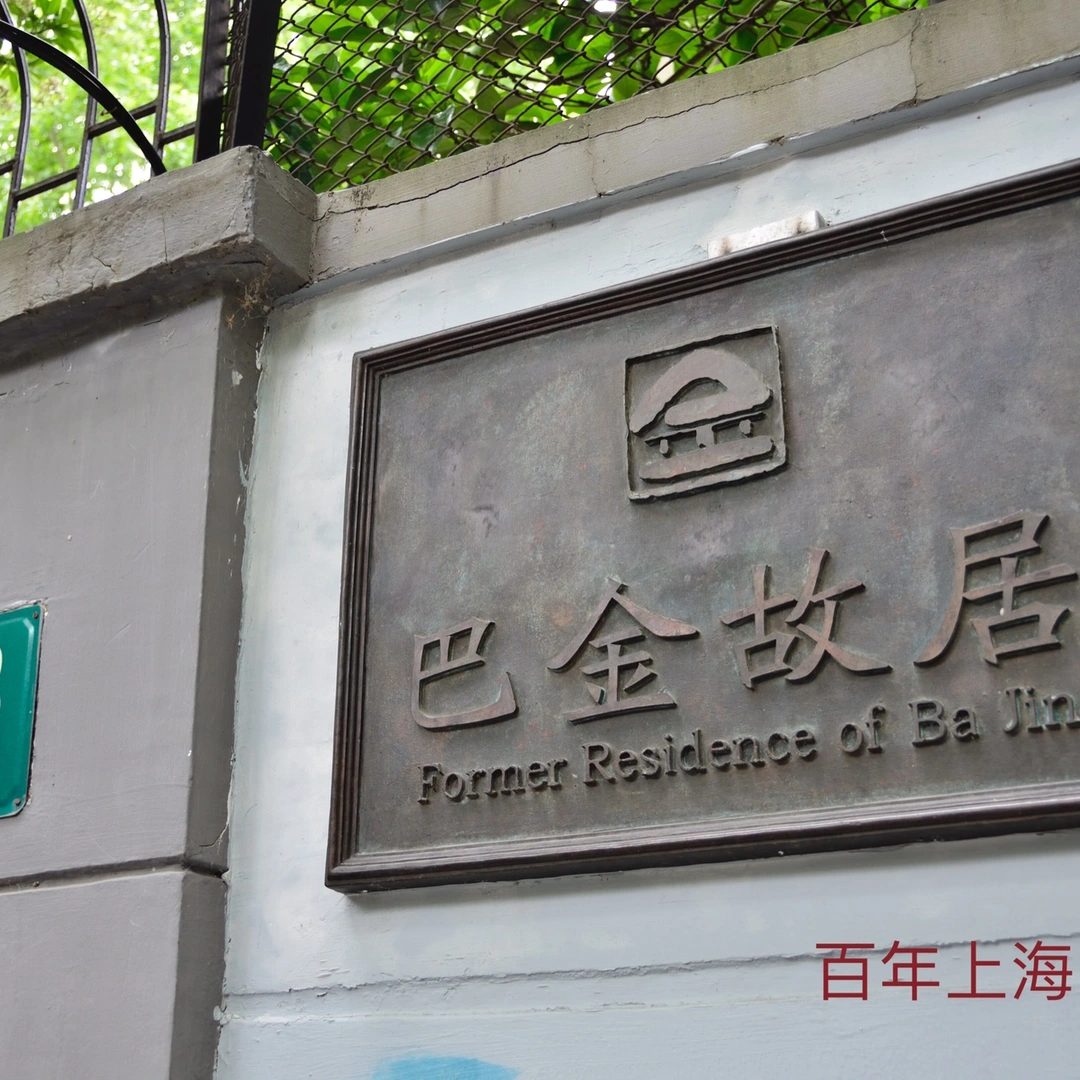
Location: Next to Midan Apartment, Wukang Road
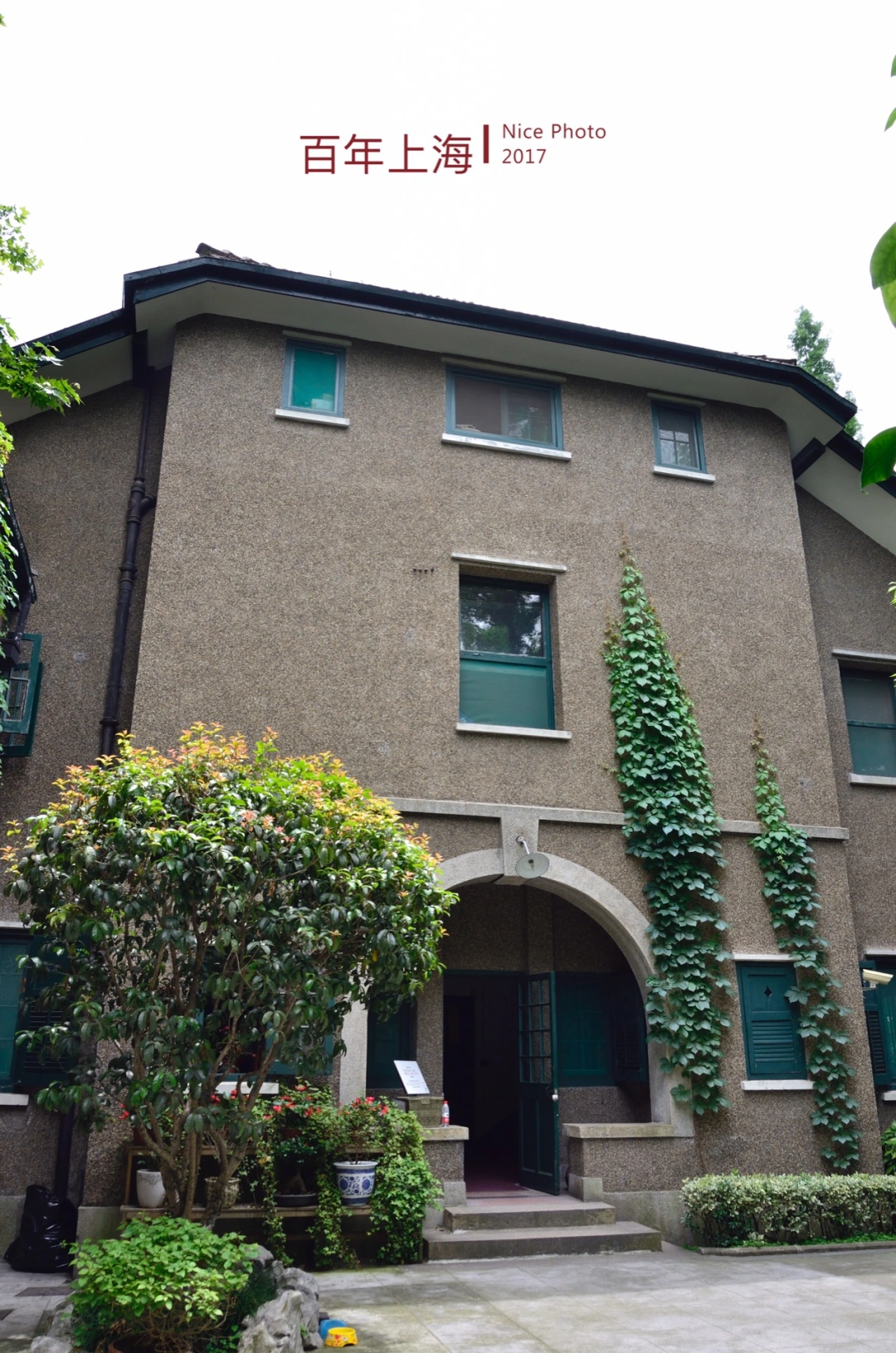
One of Wukang Road's most culturally significant buildings, the former residence of Ba Jin offers a quiet sanctuary for literature lovers. Originally owned by a British man named Moutaple Linhai, the property later served as the commercial representative office of the Soviet Consulate in Shanghai. In September 1955, Ba Jin moved here from Huaihai Fang and lived for an extraordinary half-century.
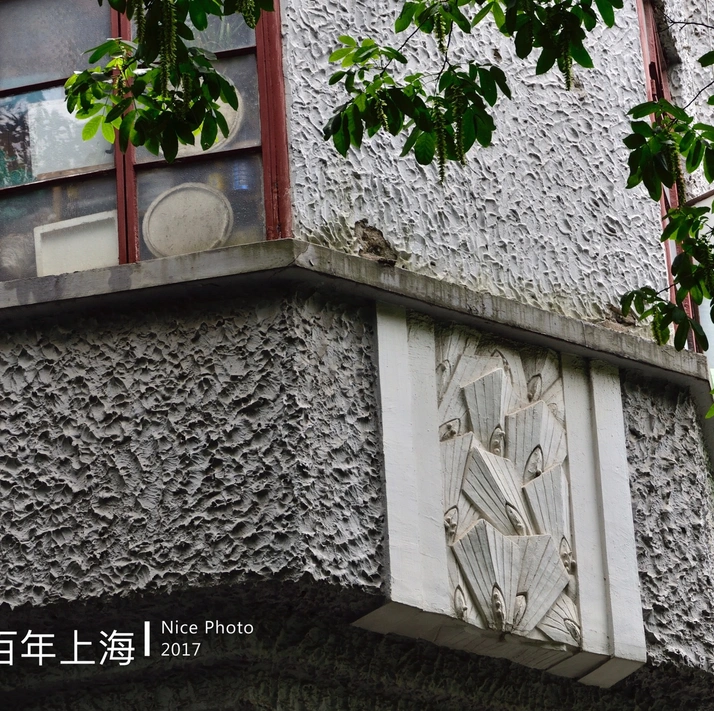
The residence comprises a main building, two small auxiliary wings, and a garden. Within these walls, Ba Jin penned: - Reunion (Korean War theme novel) - Endless Feelings to Pour Out and Songs of Praise (essay collections) - Past and Reflections (literary translation) - The earth-shattering Random Thoughts
Today, visitors can still feel the quiet power that permeates this space. Countless Chinese and foreign writers have passed through its doors, making it a living witness to modern Chinese literature.
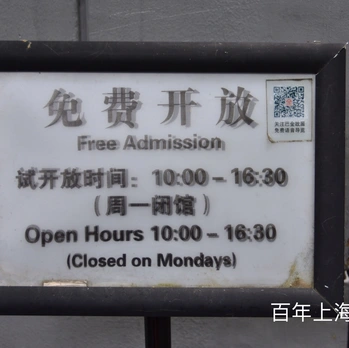
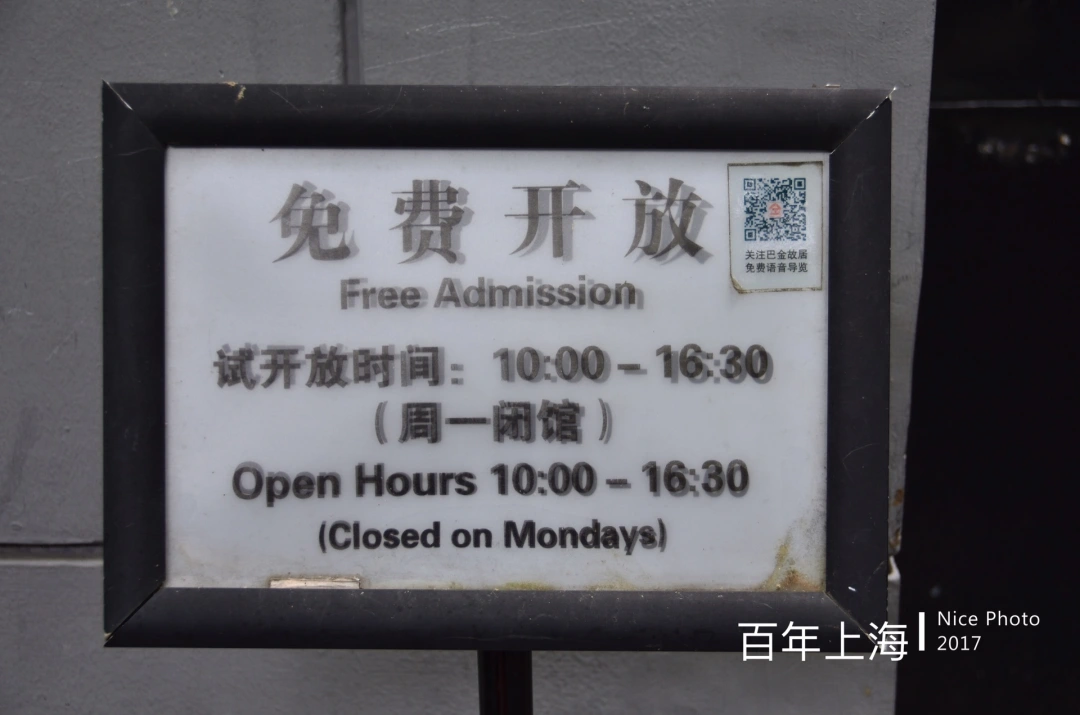
Tip: Check opening hours in advance, as the residence occasionally closes for private events.
Romeo's Balcony: The Romantic Legend of a Terrace
Address: No. 210 Wukang Road
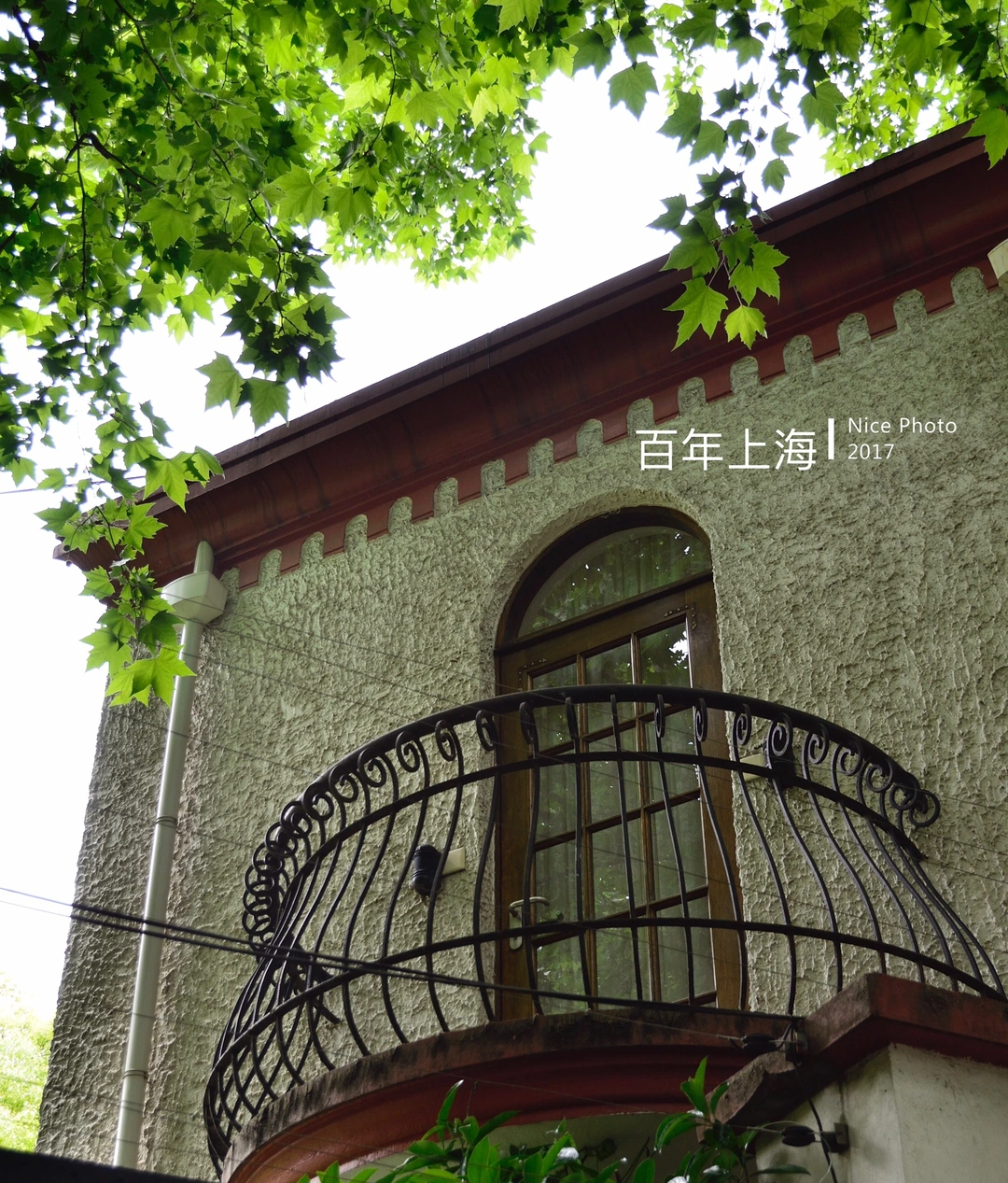
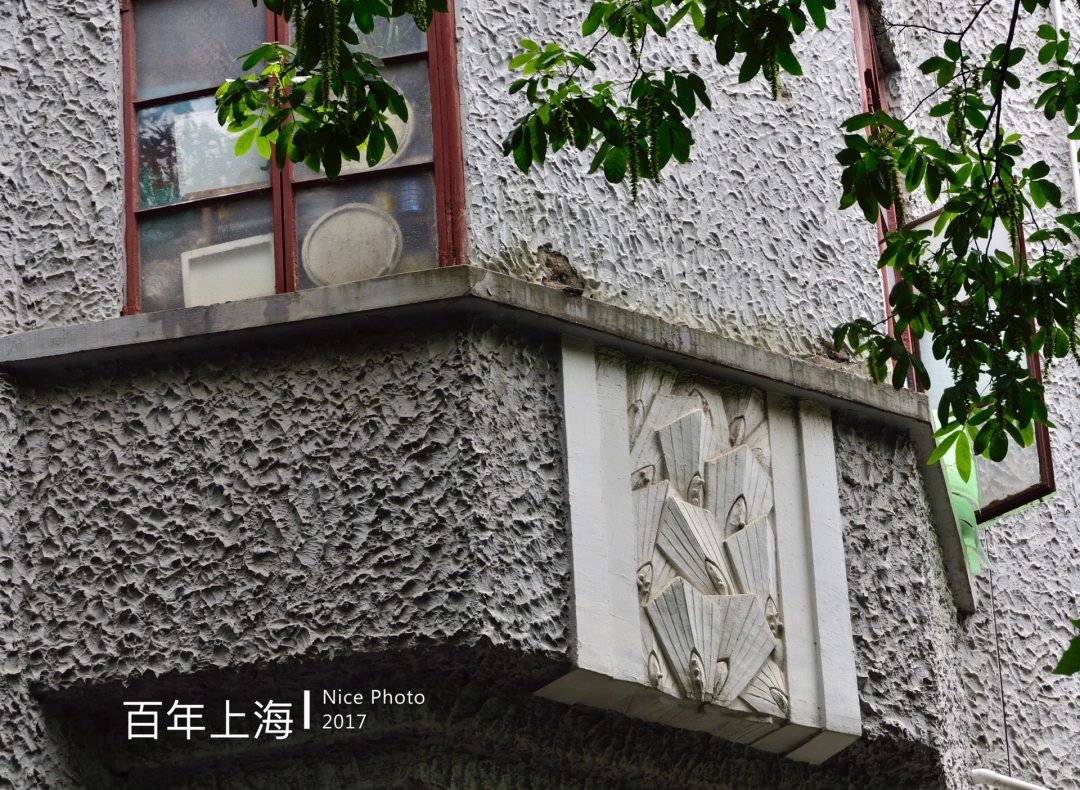
Built in 1923, this Spanish-style garden residence is the most romantic corner of Wukang Road. The three-story main building features red tile roofs, dentil bands along the eaves, and green-glazed window elements—all hallmarks of Spanish colonial architecture.
But the real showstopper is the balcony above the curved entrance. Shanghai writer Chen Danyan famously wrote in The Wind and Moon of Shanghai:
"I don't know which friend once pointed at it and said it was the balcony Romeo would climb. Ever since, everyone has called it Romeo's Balcony."
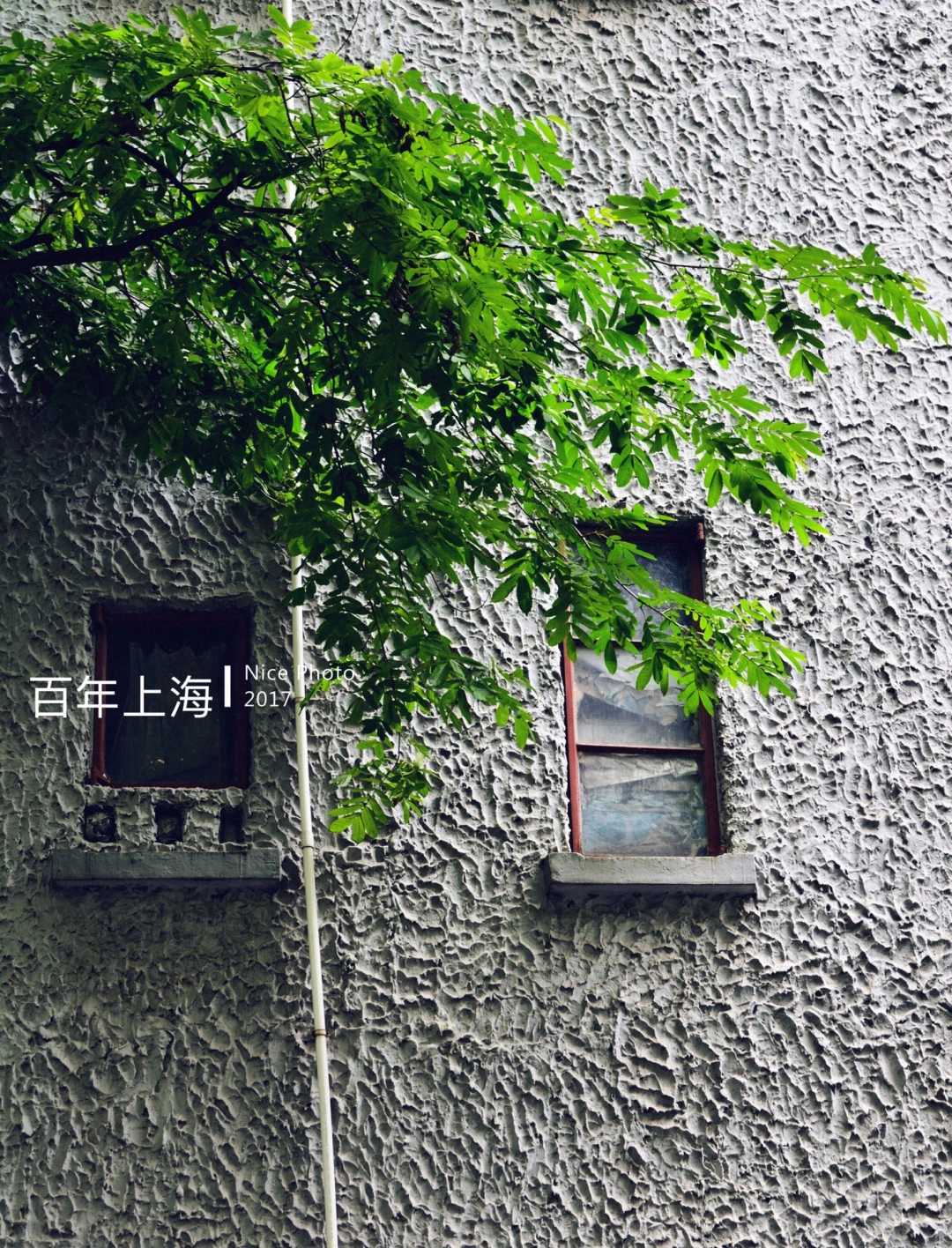
This romantic moniker transformed an ordinary old villa into an urban cultural icon. In summer, plane tree branches cast ink-wash shadows on the carefully maintained walls, while the balcony still waits for its own story.
Photo tip: Visit during golden hour (4:00–5:00 PM) for the most dramatic light on the balcony.
Trendy and Nostalgic: Grains and WIYF's Hot-and-Cold Tale
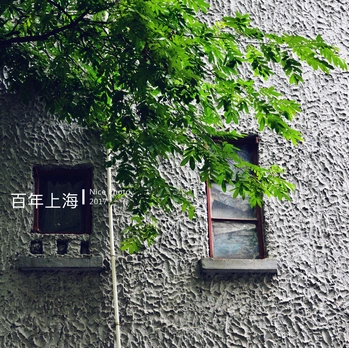
Grains Coffee Shop
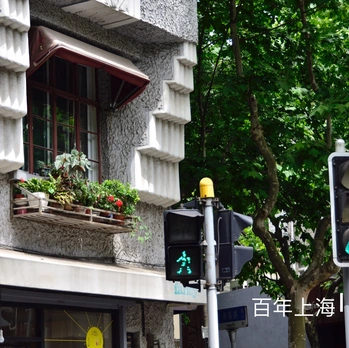
Grains Coffee Shop, created by Western food entrepreneur Frank Pecol, is a stylish retreat inside an old villa. Features include: - High arched ceilings - Washed wood floors - Pull-open windows - Coffee prices: 25–50 yuan - Pastries, smoothies, and juices available
Seated by the window, the street scene unfolds like a living painting.
WIYF (What Is Your Flavor)
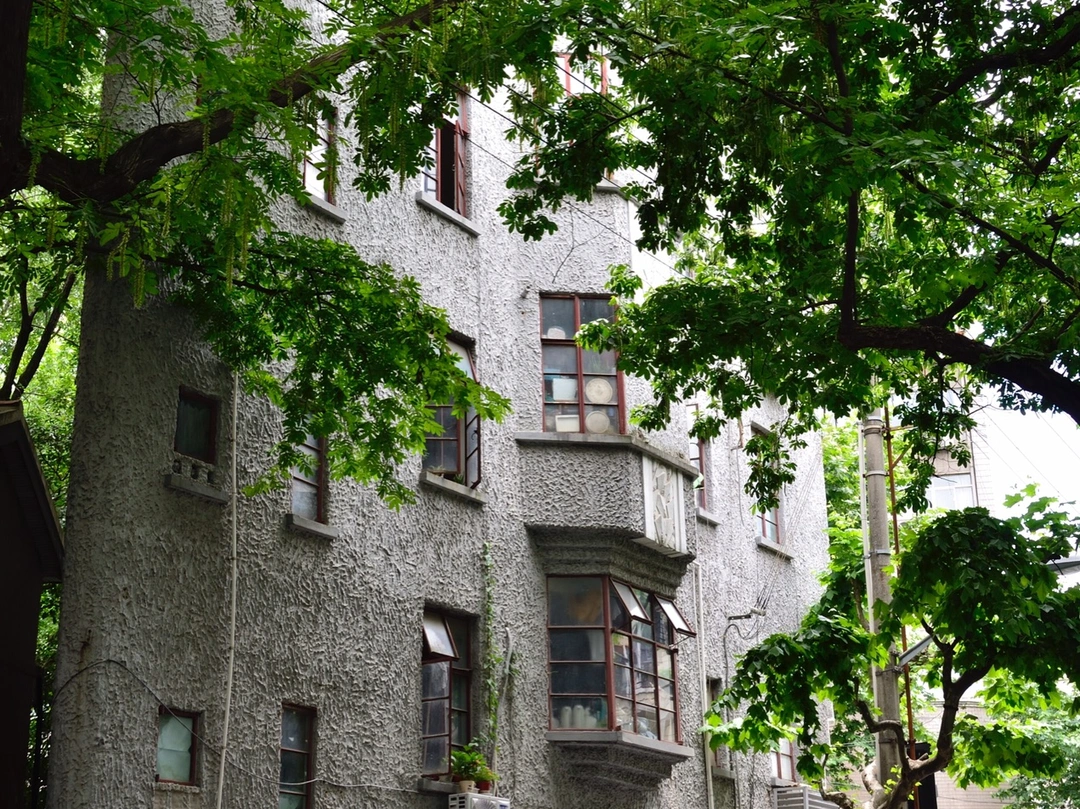
Next door, the small ice cream window WIYF became an internet sensation. Sea salt caramel cone ice cream flooded social media feeds, with people queuing for one to two hours under the blazing sun just to pose with a cone under the green shade.
Current status: The WIYF window now bears a renovation notice. Rachel's Burger House has also closed. This cycle of old and new, tradition and trend, nostalgia and modernity—these forces clash repeatedly on Wukang Road. Every passerby carries their own answer.
Liu Jingji's Former Residence: Changes in an English Country Villa
Location: Intersection of Wukang Road and Fuxing West Road
Built in 1928, this English country-style garden villa was originally the residence of the manager of the British firm Calbeck MacGregor & Co. Key historical occupants include: - Tang Hai'an (close ties with T. V. Soong) - Pan Hannian, Wei Wenbo, and Wang Zhen (after liberation) - Industrialist Liu Jingji (after the Cultural Revolution)
Architectural highlights: - Dark red timber frames, half-exposed and straight - Dentil decorative blocks under the eaves - Tall red brick chimneys with Gothic sawtooth shape - Red-tiled double-pitched roof with four-slope pointed dormer windows - L-shaped building with brick open corridor at the southern corner
Now a private residence, the street-side café offers passersby a moment of rest.
Lane 100, Wukang Road: Secrets in a Quiet Alley
Lane 100 is a peaceful alley with four garden villas standing in pairs. Building No. 3 is elegant and dignified, its interior structure complex and intriguing. This building is currently undergoing restoration under the government's Hengfu Plan.
Local tip: If you arrive around mealtime, duck into Dongxin Restaurant for a meal. On hot summer days, a nearby shop sells ice cream to cool you down. These seemingly trivial details are precisely the true texture of life on Wukang Road.
Tang Shaoyi's Former Residence: Political Assassination and Mystery
Location: Lane 40, Wukang Road, Building No. 1
The five garden villas in Lane 40 blend Spanish and English country styles. But Building No. 1 holds a dark secret. After the August 13 Incident in 1937, Tang Shaoyi—the first Premier of the Republic of China—lived here.
On September 30, 1938, a meticulously planned assassination took place. Disguised agents of the Nationalist military intelligence entered Tang's home under the pretext of appraising a Song Dynasty celadon vase. While Tang focused on the artifact, they killed him with a hatchet hidden in a box.
This "Tang Case" remains a puzzle debated by historians of the Republic era. A tall bamboo fence separates the four European-style garden villas from the noisy alley outside, half-concealing their past and present.
Cape Town Apartment: The Design Wisdom of a "Little Iron"
If Wukang Building is a triangular "big iron," Cape Town Apartment is a delicate "little iron." The architect maximized every inch of the uniquely shaped foundation, dividing the building into three sections.
Design features: - Clean, bright street facade of pale yellow walls accented with white trim - Rectangular and square window frames protruding outward - Small round windows beside square ones, fitted with tiny steel casements
The result is a building that floods with natural light while maintaining a charming, compact footprint.
Ferguson Lane: A Quiet Courtyard of Fashion and Art
Location: Nos. 376-378 Wukang Road
Ferguson Lane is a hidden courtyard where fashion and art converge. This restored complex houses boutique shops, art galleries, and cafés within a quiet enclave. It's the perfect spot to take a break from walking and soak in the creative atmosphere.
FAQ: Your Wukang Road Questions Answered
1. How long does it take to walk the entire Wukang Road?
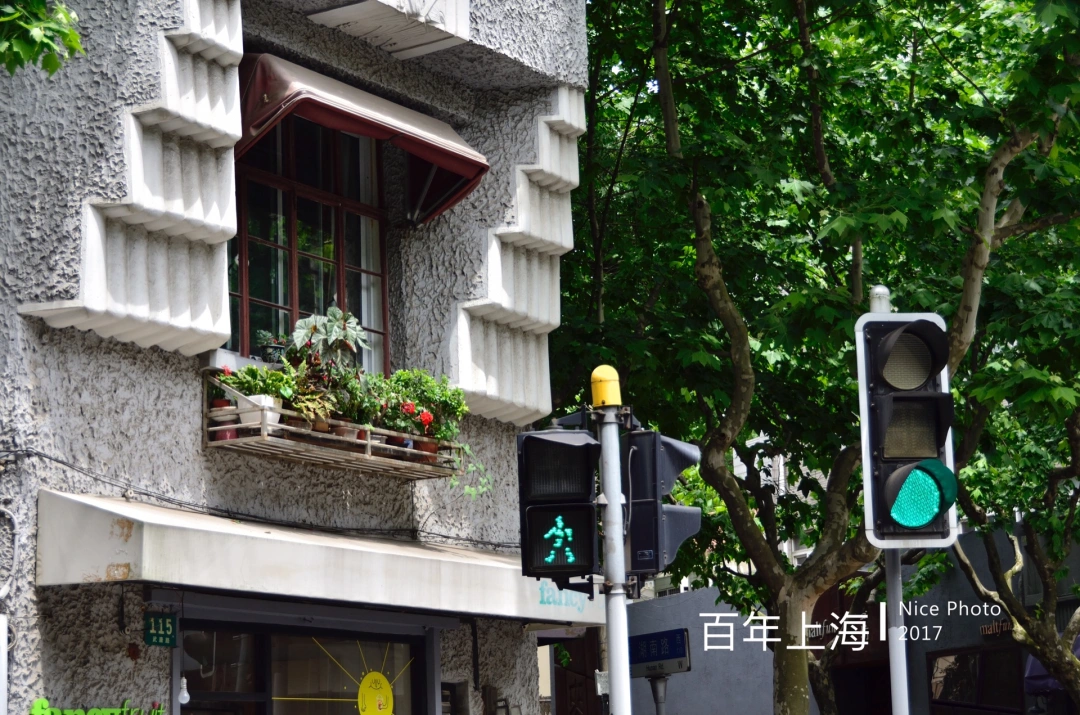 A leisurely walk covering all major landmarks takes 1.5 to 2.5 hours, depending on how many stops you make for photos, coffee, or exploration.
2. What is the best time of day to visit Wukang Road?
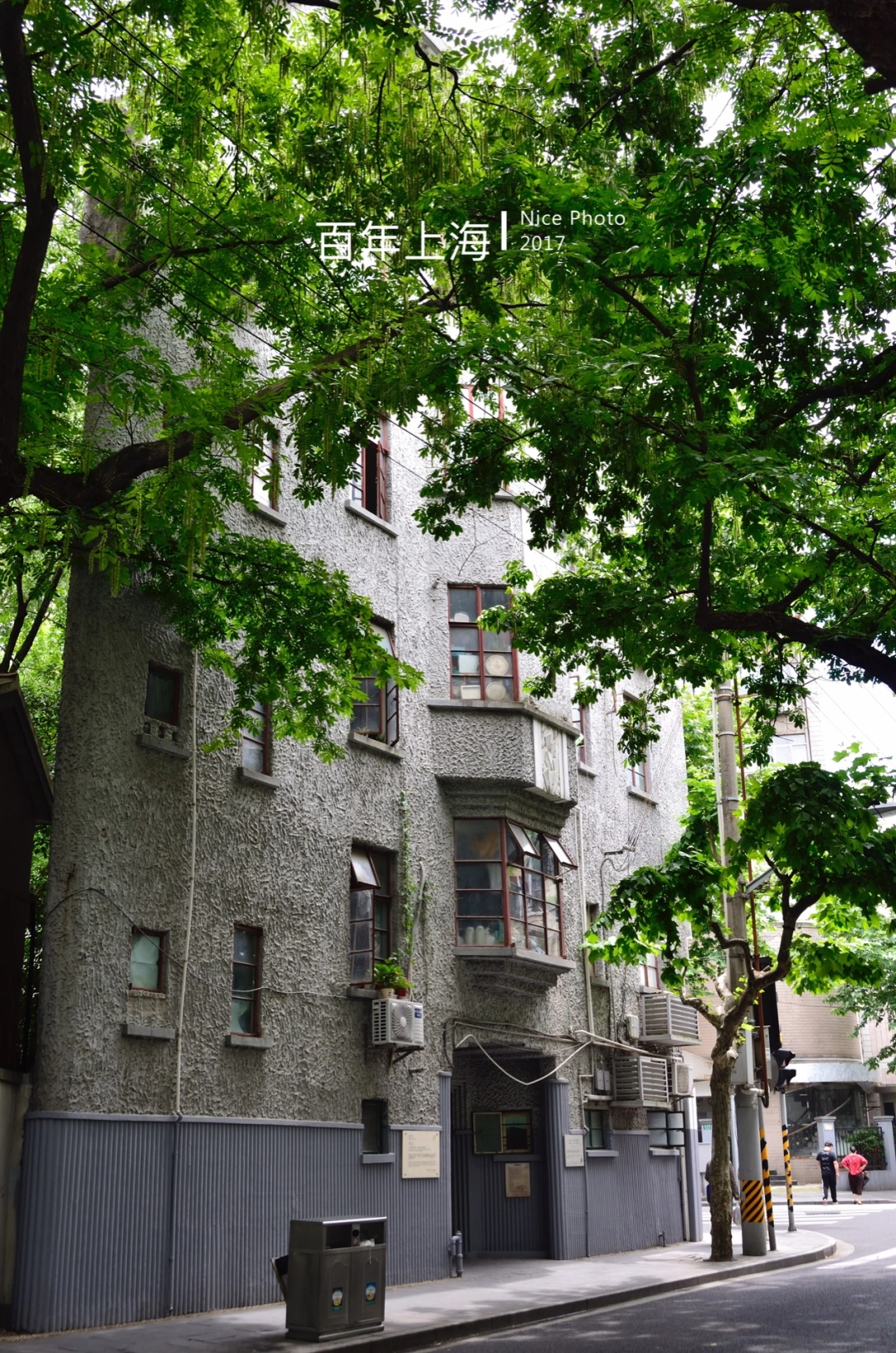 Late afternoon (2:00 PM – 5:00 PM) offers the best lighting for photos and fewer crowds. The plane tree shadows create a magical atmosphere.
3. Are there any free attractions on Wukang Road?
Yes! All exterior views of buildings (Ba Jin's residence, Romeo's Balcony, Liu Jingji's former residence, Cape Town Apartment) are free to photograph from the street. Ferguson Lane courtyard is also free to enter.
4. Is Wukang Road accessible by public transport?
 Yes. Take Metro Line 10 or 11 to Jiaotong University Station (Exit 1) or Shanghai Library Station (Exit 2). Both are a short walk from Wukang Road.
5. What should I bring for a Wukang Road walking tour?
Comfortable walking shoes, a camera, a water bottle, and an umbrella (for shade or rain). Download a map offline as cell service can be spotty in some alleys.
Internal Linking Suggestions
- [Link: Shanghai French Concession Walking Tour – Complete Guide]
- [Link: Top 10 Historic Buildings in Shanghai's Former French Concession]
- [Link: Best Coffee Shops on Wukang Road for Remote Work]
- [Link: Ba Jin's Literary Legacy – A Deep Dive]
- [Link: Shanghai's Most Instagrammable Streets: Wukang Road vs. Anfu Road]
Call to Action: Plan Your Wukang Road Afternoon Today
Ready to walk through a century of Shanghai history? Start your journey at Huaihai Road, turn into Hunan Road for a moment of tranquility, then step into the embrace of Wukang Road. Whether you're chasing literary ghosts, romantic balconies, or trendy coffee shops, this 1.2-kilometer stretch promises an afternoon you won't forget.
Share your Wukang Road photos with us on social media using #WukangRoadWalk – we'd love to see your favorite corners of this century-old street!
Pro tip: Combine your Wukang Road walk with a visit to nearby Anfu Road or Wulumuqi Road for a full afternoon of exploration.
Article last updated: [Current Date] | Source: Mafengwo Travel Guide