Where to Go This Weekend | A Shanghainese Local’s Secret Photo Map – Unlocking the City’s Most Photogenic Corners
Meta Description: Discover Shanghai’s hidden photogenic spots beyond the Bund. A local’s secret photo map reveals golden temples, 1990s alleyway markets, and quiet tree-lined streets. Perfect weekend photography guide.
If you ask me where Shanghai’s most enchanting spots are, my answer wouldn’t be the Bund’s colonial architecture or the Lujiazui skyline’s neon glow. Instead, I’d point you to the “accidental beauty” hidden deep in alleyways, beneath plane tree shadows, and even on the sites of former wet markets. As a travel blogger who has lived in this city for over three decades and visited more than thirty countries, I’ve always believed that Shanghai’s soul isn’t found at Instagram-famous check-ins – it’s in the corners that locals have measured out step by step.
Today, I’m laying out my private “photo map” for you – from a thousand-year-old temple paved in gold, to a market that recreates the smoky vibes of the 1990s, to a free estate hidden inside a residential neighborhood. Every single spot is worth spending an afternoon slowly exploring and photographing.
Jing’an Temple: Golden Faith in the Heart of Shanghai’s Shopping District
Why it’s worth your weekend: A thousand-year-old Buddhist temple glowing with gold leaf, surrounded by luxury malls – this is Shanghai in a nutshell.
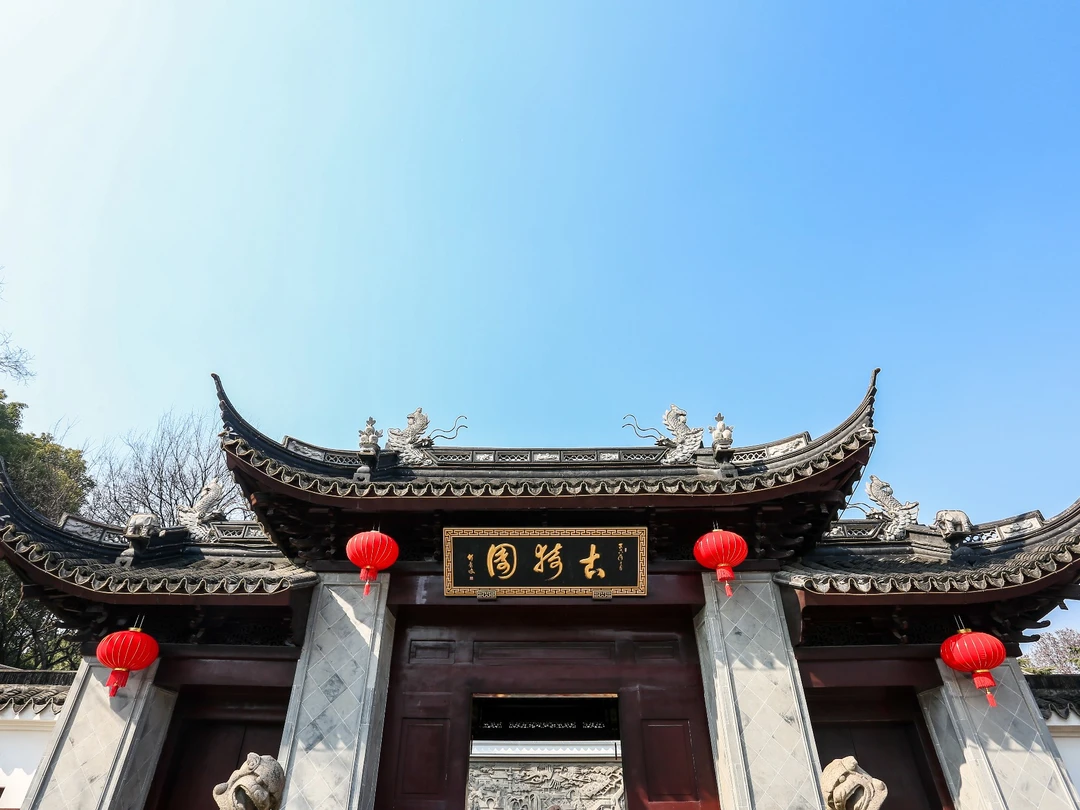
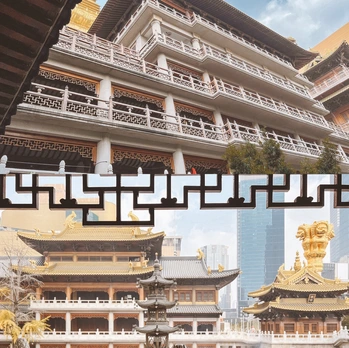
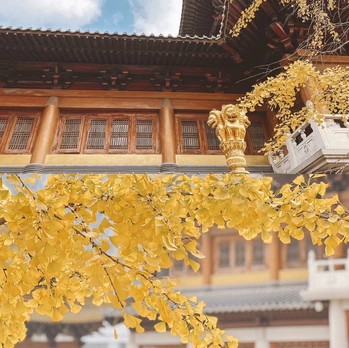
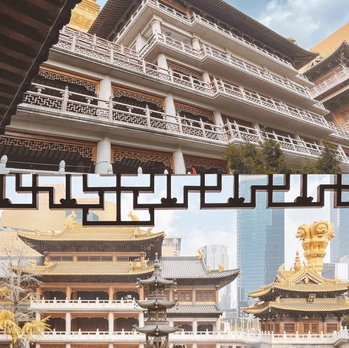
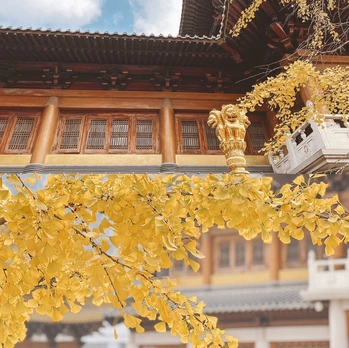
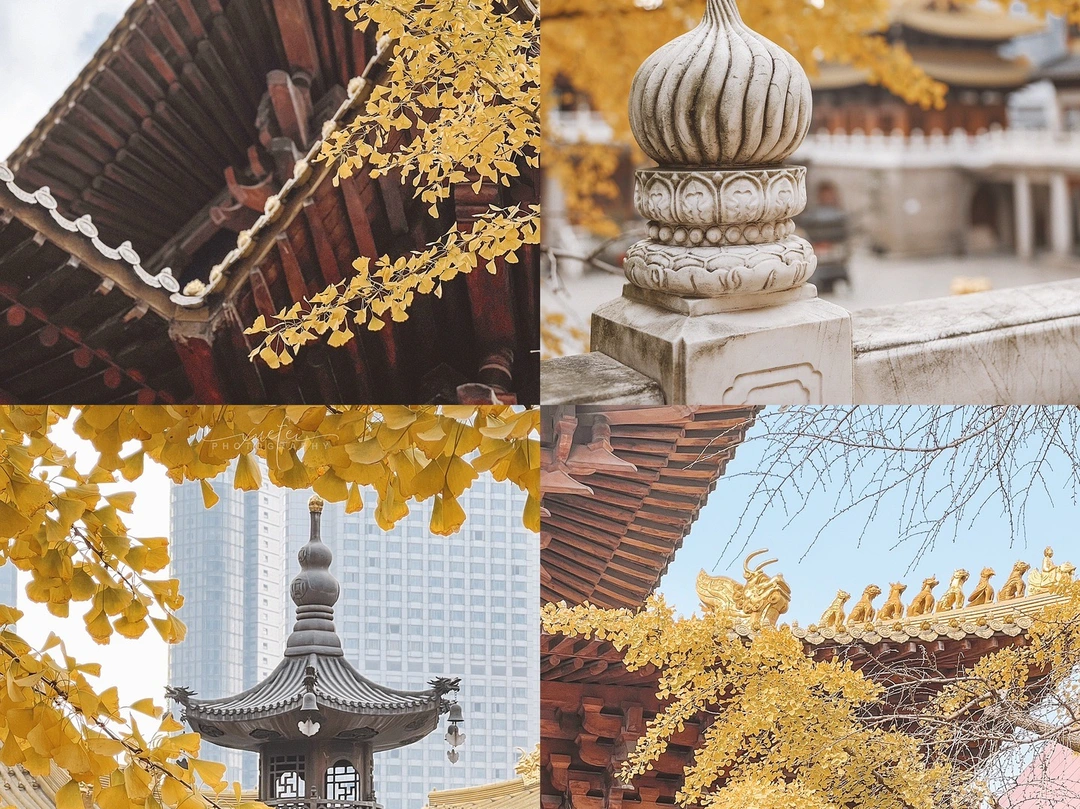
I was first stunned by Jing’an Temple at night. When the entire temple complex was lit up, its billion-yuan, gold-adorned roof glittered in the darkness – so beautiful it left me speechless. Later, at the tail end of ginkgo season, I walked inside again to experience the serenity and solemnity of this ancient monastery up close.
History and Architecture of Jing’an Temple

Jing’an Temple’s history dates back to the Three Kingdoms period. Legend has it that it was built by Sun Quan, Emperor of the Wu Kingdom, during the Chiwu era (238–251 AD). Originally called “Hudu Chongyuan Temple,” it wasn’t renamed Jing’an Temple until the Northern Song dynasty. It is the foremost of Shanghai’s “Four Great Temples” and the city’s oldest Buddhist monastery – in fact, the Jing’an District takes its name from the temple.
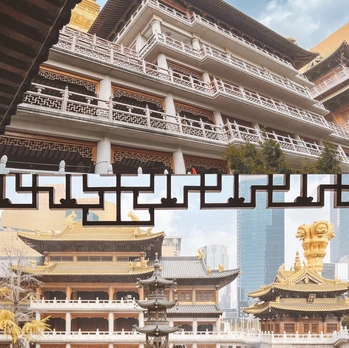
Architecture highlights: The temple follows pre-Ming dynasty styles. From south to north, it features the Mountain Gate, Bell Tower, Drum Tower, Grand Hall, and Dharma Hall, forming a “temple in front, pagoda behind” layout. It’s said that the temple houses famous paintings by the Eight Great Masters of the Ming and Qing dynasties, as well as a genuine calligraphy scroll of the Pipa Song (Song of the Lute) by Wen Zhengming – though, as a visitor who didn’t do any research, I couldn’t find a single one of these treasures.
A Sacred Space in a Commercial Zone
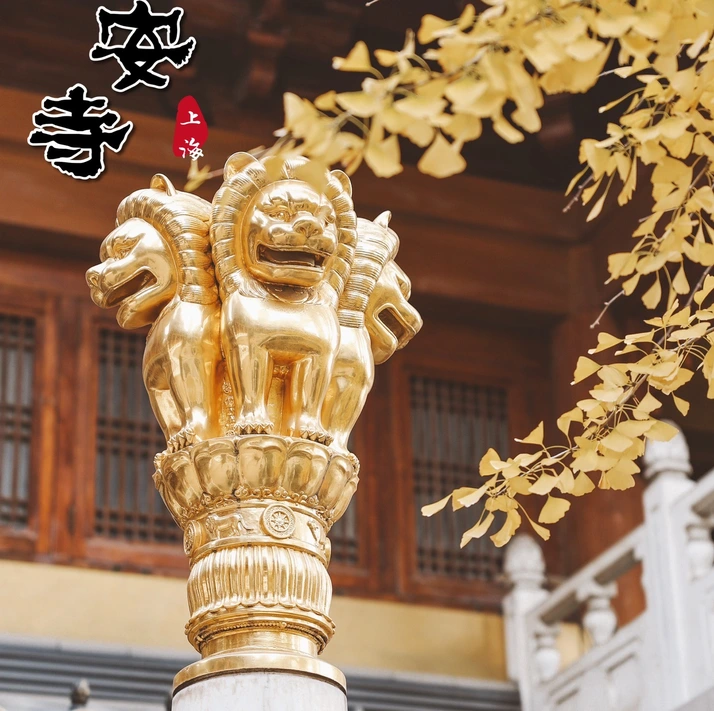
Interestingly, Jing’an Temple is more than just a religious site – it’s also a place name and the core of a major shopping district. The temple is surrounded by large shopping centers like Jiuguang Department Store, Réel Department Store, and Jing’an Kerry Centre. Some people complain, “How can a sacred Buddhist site be in the middle of a commercial zone?” But I find it all the more precious precisely because in the midst of such materialistic frenzy, there’s a place where you can calm your heart and pray. It reminds us that no matter how far we wander, we must keep a space for faith and tranquility within.
Practical Information for Jing’an Temple Photography
- Address: No. 1686 West Nanjing Road, Jing’an District, Shanghai
- Transport: Metro Line 2/7, Jing’an Temple Station, Exit 1
- Opening Hours: 07:30–17:00
- Ticket Price: 50 RMB
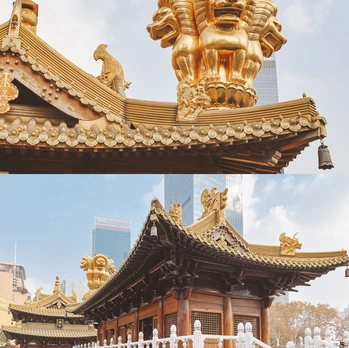
Photography tips: Even if you’re just visiting for the scenery rather than worship, please respect the temple’s rules – don’t take photos of Buddha statues; avoid worshipping during menstruation; don’t wear sunglasses or make noise while praying; and if someone is prostrating, don’t walk in front of them. The best golden-hour shots are just before closing when the light hits the gold roof.
[Link: Best time to visit Shanghai attractions]
City Market · Lilong: Time Travel Back to 1990s Shanghai Alleyways
Why it’s worth your weekend: A fully immersive recreation of 1990s Shanghai lane life – complete with authentic street food and retro photo ops.
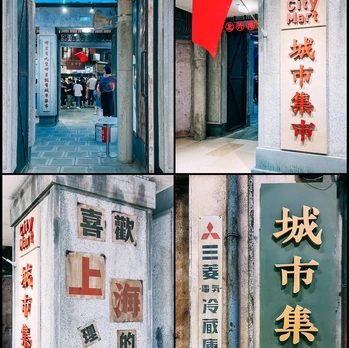
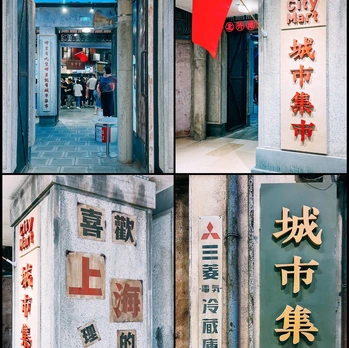
When the “City Market · Lilong” at North Bund Raffles City first opened, it instantly trended on social media. Every post I saw in my feed was packed with crowds. I thought the hype would die down after five months, but when I went on a weekday, it was still wall-to-wall people – not just out-of-town tourists, but also old Shanghai locals coming to relive their youth.
What Makes City Market Lilong So Special
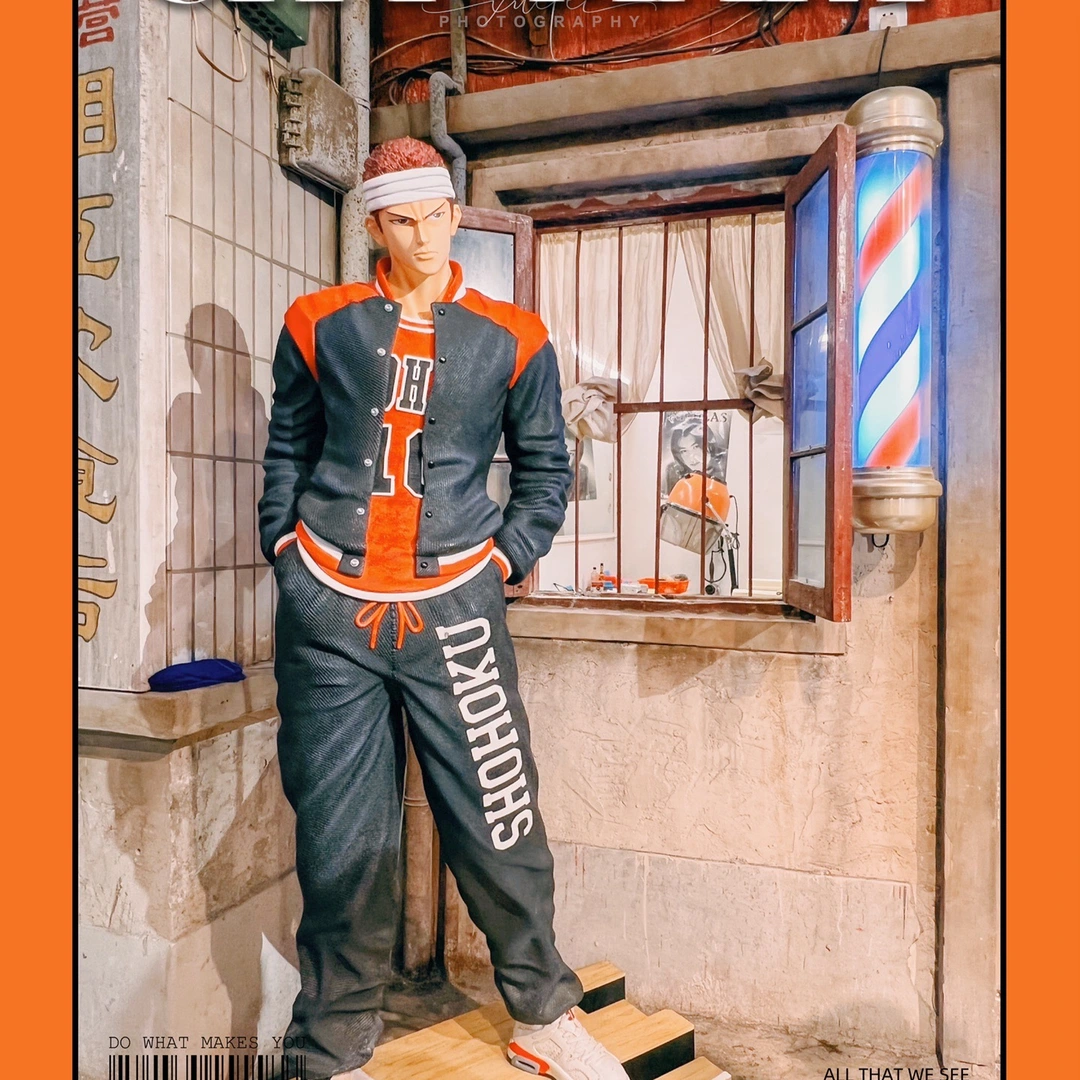
This themed zone recreates the scenes of 1990s Shanghai alleyways (lilong). From the cement ping-pong table to the sculpture of “the granny selling gardenias,” every detail makes you feel like you’ve stepped back into childhood. I grew up on North Sichuan Road, and the moment I walked in, my nose suddenly stung – those familiar scenes were like a key unlocking dusty memories.
Photography Tips for City Market Lilong
From the second you enter, you won’t want to put your phone down. Make sure to bring a power bank – you’ll definitely run out of battery. Near the exit, the “granny selling gardenias” sculpture is a must-photograph spot. At the cement ping-pong table, there’s often a fierce Shanghai granny battling it out with challengers – her aggressive energy is a sight in itself.
Food Guide: Must-Eat Shanghai Street Food
This place brings together many of old Shanghai’s favorite eats: - Xian De Lai – pork chop with rice cake (paigu niangao) paired with shaved ice - Da Hu Chun – pan-fried buns (shengjian) - Xiao Shaoxing – white-cut chicken (baizhanji) - Qibao Old Street – glutinous rice balls (tangtuan) - Xiao Jinling – salted duck (xianya ya)
Every stall is a time-honored brand with a solid reputation. But even outside meal times, every shop has a long queue – you’ll need patience to get your food.
Fun Easter Egg: The 1990s Vaccine Station
When I was leaving, I spotted a cosplay-style “Tilanqiao Epidemic Prevention Station” at the entrance, done up in 1990s style. I thought it was just a decoration, but it turns out it’s a real place where you can get a COVID-19 vaccine shot. The design was so thoughtful that I almost wished I needed all three doses just to come here.
Practical Information
- Address: B2-17, North Bund Raffles City, No. 999 Dongdaming Road
- Transport: Metro Line 12, Tilanqiao Station, Exit 2, 590m walk
- Opening Hours: 10:00–21:30
[Link: Shanghai street food guide for first-timers]
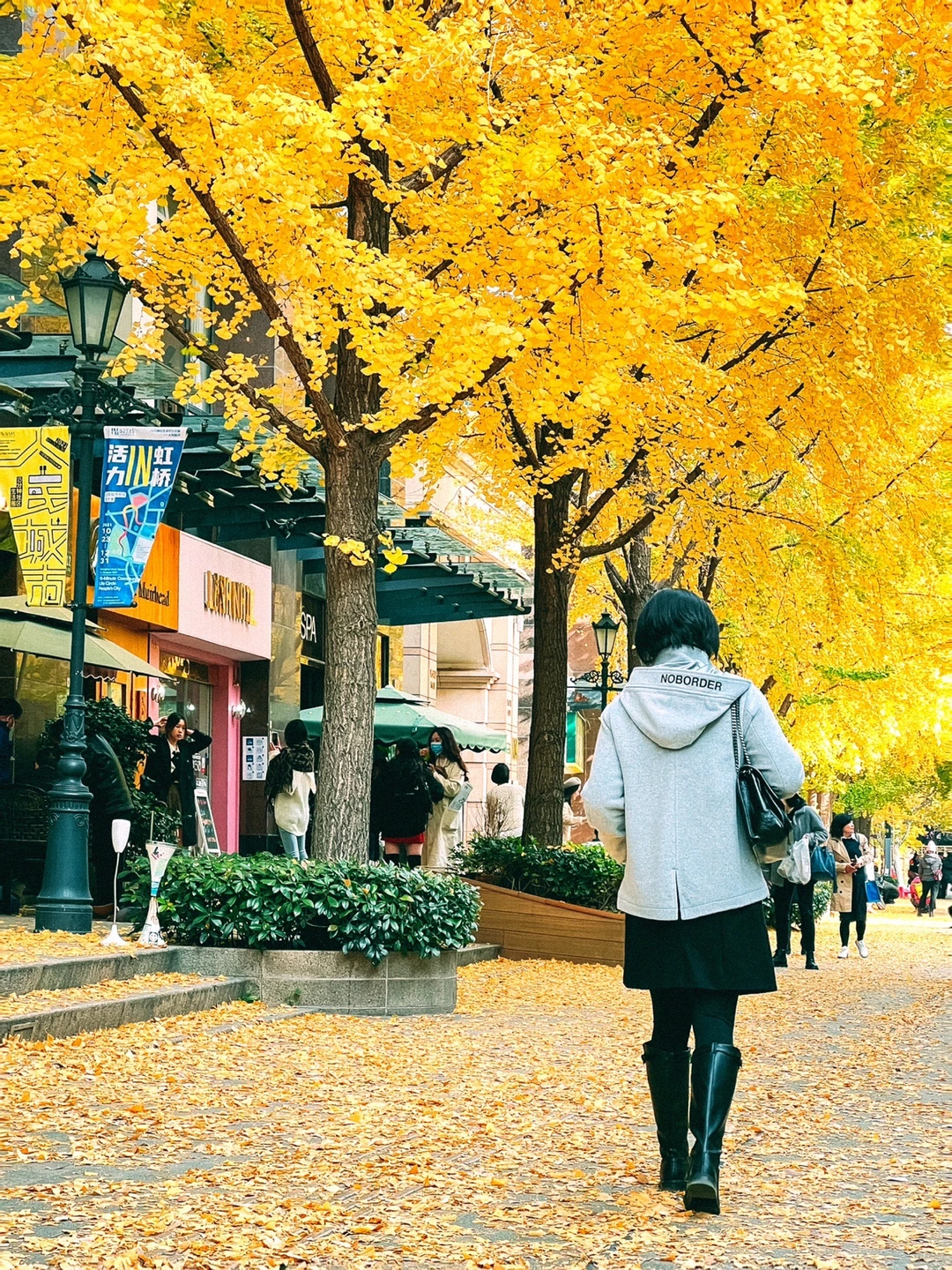
Wuyuan Road: Shanghai’s Most Photogenic Tree-Lined Street
Why it’s worth your weekend: An 800-meter stretch of plane trees, historic villas, and hidden cafes – perfect for a slow, photo-filled afternoon.
Wuyuan Road is one of the few streets in Shanghai that doesn’t have bus service. It’s quiet, secluded, and peaceful despite being in the city center. Originally called “Zhao Zhujiao Road” (Bishop Zhao Road), it was built by the French Concession’s Public Works Bureau between 1925 and 1930.
History and Architecture of Wuyuan Road
After the outbreak of the War of Resistance Against Japan, manufacturers from all over invested in building European-style garden villas and new-style lane houses here, gradually turning it into an upscale residential area. In 1943, it was renamed Wuyuan Road, a name that remains today.
This street is only about 800 meters long, but behind the dense plane trees on both sides are many old villas that carry the stories of countless famous figures – Yu Zhenfei, Yan Huizhu, Zhang Leping, the China Welfare Institute… Behind every door lies a piece of history.
What to See and Do on Wuyuan Road
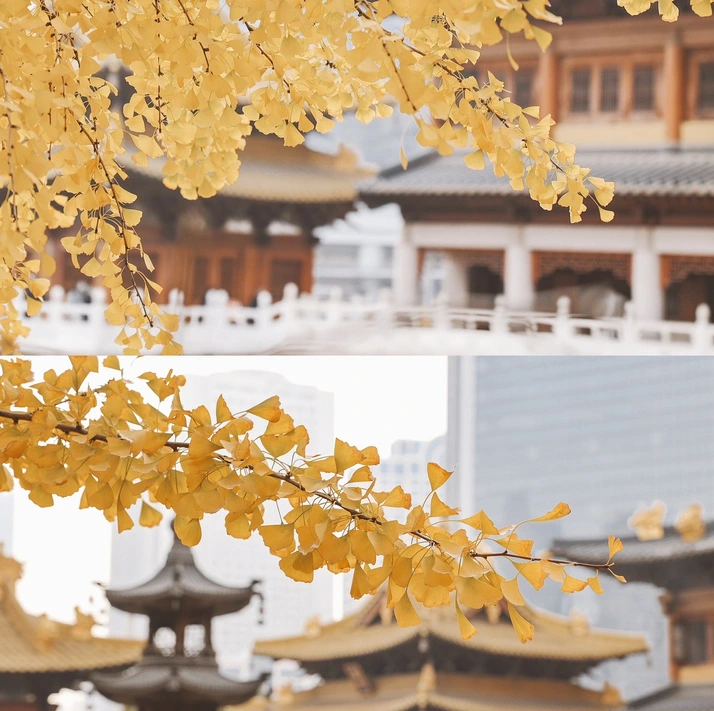
Strolling along Wuyuan Road, you can catch glimpses of old Shanghai while also feeling the trendy, cosmopolitan vibe. For coffee lovers, art enthusiasts, and photo-obsessed fashionistas, this place is paradise. Must-visit spots include: - Café Jufu (Jufu Coffee) – perfect for a coffee break - Crazy Oyster House – fresh seafood in a historic setting - Bitter Coffee – a local favorite - Linseed Gallery – contemporary art - try try projects – experimental art space - Rongshe Homestay – boutique accommodation - Homtique Home Store – design shopping - Wilde Flowers – floral and lifestyle
Practical Information for Wuyuan Road Photography
- Address: Wuyuan Road, Xuhui District, Shanghai
- Transport: Metro Line 1/7, Changshu Road Station, walking distance
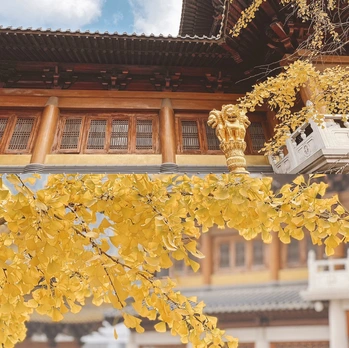
Photography tips: This road deserves a whole day to explore slowly and photograph. Every angle is a picture, and every few steps reveal something new. The best shots come during golden hour when the plane tree shadows create dappled light.
[Link: Best photography spots in Shanghai French Concession]
Jing’an Villa: A Hidden Architectural Gem in Prime Location
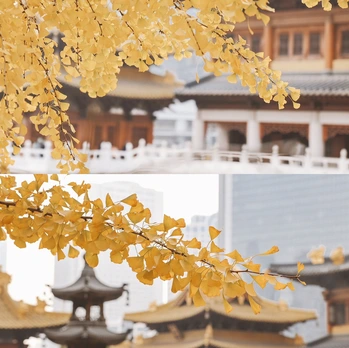
Why it’s worth your weekend: A free, low-key lane complex with European-style townhouses – perfect for architecture photography without the crowds.
I’m embarrassed to admit that as a Shanghai native, I only noticed “Jing’an Villa” for the first time during a recent art exhibition. It’s tucked away in an alley diagonally opposite the梅隆镇广场 (Plaza 66) – I’d passed by countless times without ever paying attention.
History of Jing’an Villa
Jing’an Villa is located at Lane 1025, West Nanjing Road. In the 1930s, the family of Zhang Jingjiang – a teacher of Chiang Kai-shek – bought the land and built this new-style lane complex modeled after European townhouses. Since West Nanjing Road was formerly called Jing’an Temple Road, it was named “Jing’an Villa.”
What to Photograph at Jing’an Villa
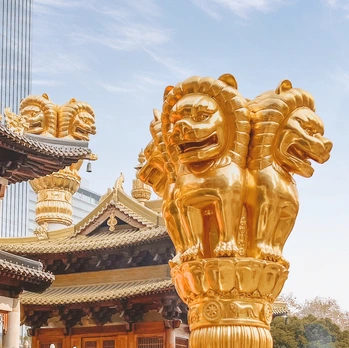
This complex is a quiet oasis in the middle of Shanghai’s busiest shopping district. The European-style townhouses feature ornate facades, arched windows, and charming courtyards. Unlike the crowded tourist spots, you’ll often have entire lanes to yourself for photography.
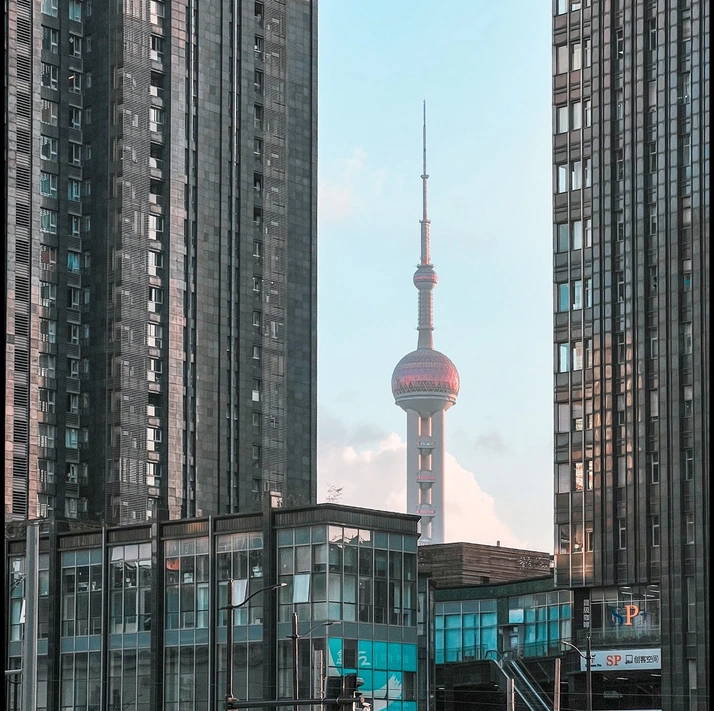
Best photo angles: Look for the contrast between the historic architecture and modern skyscrapers visible in the background. The narrow lanes create natural leading lines for composition.
Practical Information
- Address: Lane 1025, West Nanjing Road, Jing’an District
- Transport: Metro Line 2/7, Jing’an Temple Station
- Cost: Free
- Best time: Early morning or late afternoon for soft light
[Link: Shanghai hidden gems off the tourist trail]
Frequently Asked Questions About Shanghai Weekend Photography
1. What’s the best time of day for photography at these spots?
Golden hour (just after sunrise or before sunset) is ideal for all locations. For Jing’an Temple, visit just before closing at 17:00 for warm light on the gold roof. Wuyuan Road is beautiful in late afternoon when plane trees cast long shadows. City Market Lilong is indoors, so lighting is consistent – any time works.
2. Are these spots free to visit?
Jing’an Villa and Wuyuan Road are completely free. Jing’an Temple costs 50 RMB. City Market Lilong is free to enter, but you’ll want to budget for food and drinks.
3. How much time should I allocate for each location?
- Jing’an Temple: 1–2 hours
- City Market Lilong: 2–3 hours (including eating)
- Wuyuan Road: Half a day to a full day
- Jing’an Villa: 30 minutes to 1 hour
4. What camera gear should I bring?
A smartphone with a good camera is sufficient for all locations. For Wuyuan Road, a wide-angle lens helps capture the tree-lined streets. A power bank is essential – especially at City Market Lilong where you’ll be shooting constantly.
5. Are these spots suitable for solo travelers?
Absolutely. All locations are safe and well-trafficked. Wuyuan Road is particularly lovely for solo exploration, with plenty of cafes to rest and people-watch.
Your Weekend Shanghai Photography Itinerary
Morning (9:00–12:00): Start at Jing’an Temple for the golden roof shots. Then walk 10 minutes to Jing’an Villa for quiet lane photography.
Lunch (12:00–13:30): Head to City Market Lilong at North Bund Raffles City for authentic Shanghai street food and retro photo ops.
Afternoon (14:00–17:00): Take the metro to Wuyuan Road for a slow stroll, cafe hopping, and architecture photography.
Evening (17:00 onwards): Return to Jing’an Temple area for night shots of the illuminated temple against the shopping district lights.
Ready to Explore Shanghai Like a Local?
These spots reveal a side of Shanghai that most tourists miss – the accidental beauty of everyday life, the nostalgia of childhood alleyways, and the quiet corners where history whispers. Whether you’re a professional photographer or just love capturing memories on your phone, this photo map will give you images that tell real stories.
Pack your camera, bring a power bank, and get ready to fall in love with Shanghai all over again. Share your best shots with #ShanghaiLocalPhotoMap – I can’t wait to see what you discover!
[Link: Shanghai weekend itinerary for photography lovers]
Note: All information was accurate at the time of writing. Check opening hours and ticket prices before visiting, as they may change.