Why Go Far? A Weekend Wandering Guide for a Shanghai Drifter
Meta Description: Discover Shanghai like a tourist in your own city. Explore hidden museums, cultural gems, and local secrets in this weekend wandering guide for Shanghai drifters. No plane tickets needed.
Introduction
After nearly a decade living in Shanghai, I often found myself caught in a strange paradox: here I was, in one of China's most vibrant metropolises, yet my gaze was always fixed on distant horizons. My social media feed was filled with friends posing against the snowy peaks of Tibet, the ancient towns of Yunnan, the cherry blossoms of Japan—while the city beneath my feet felt like little more than a "place to depart from."
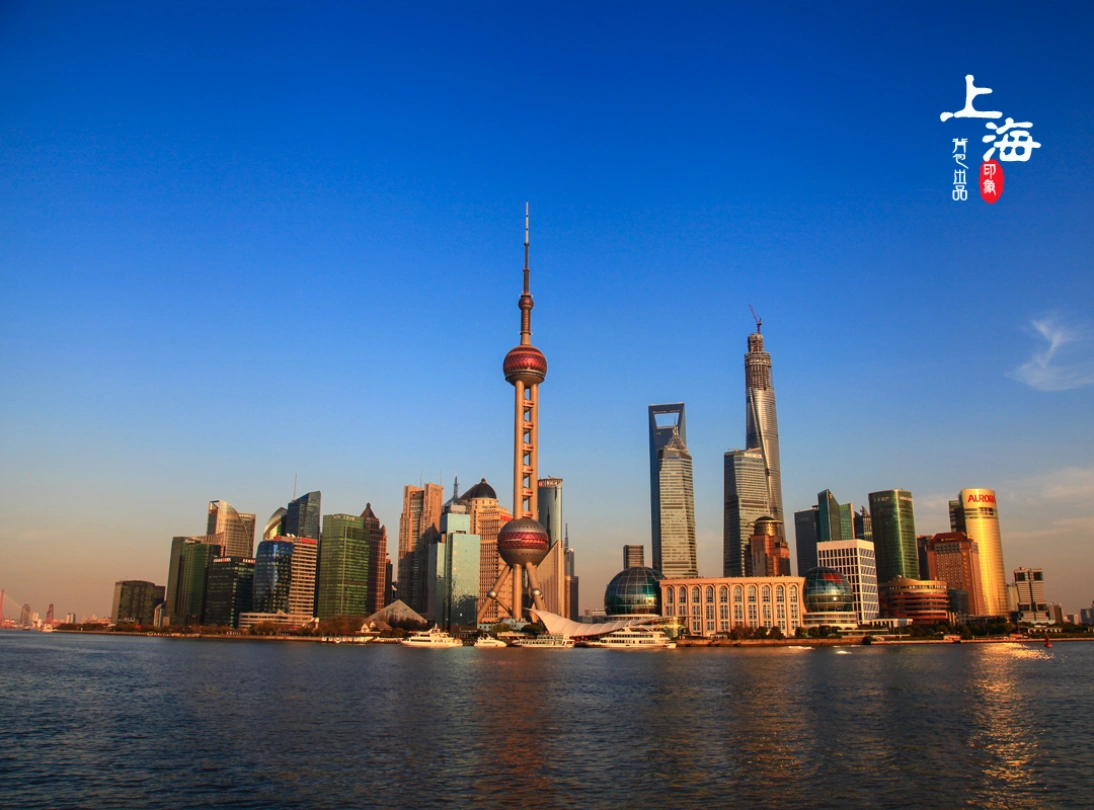
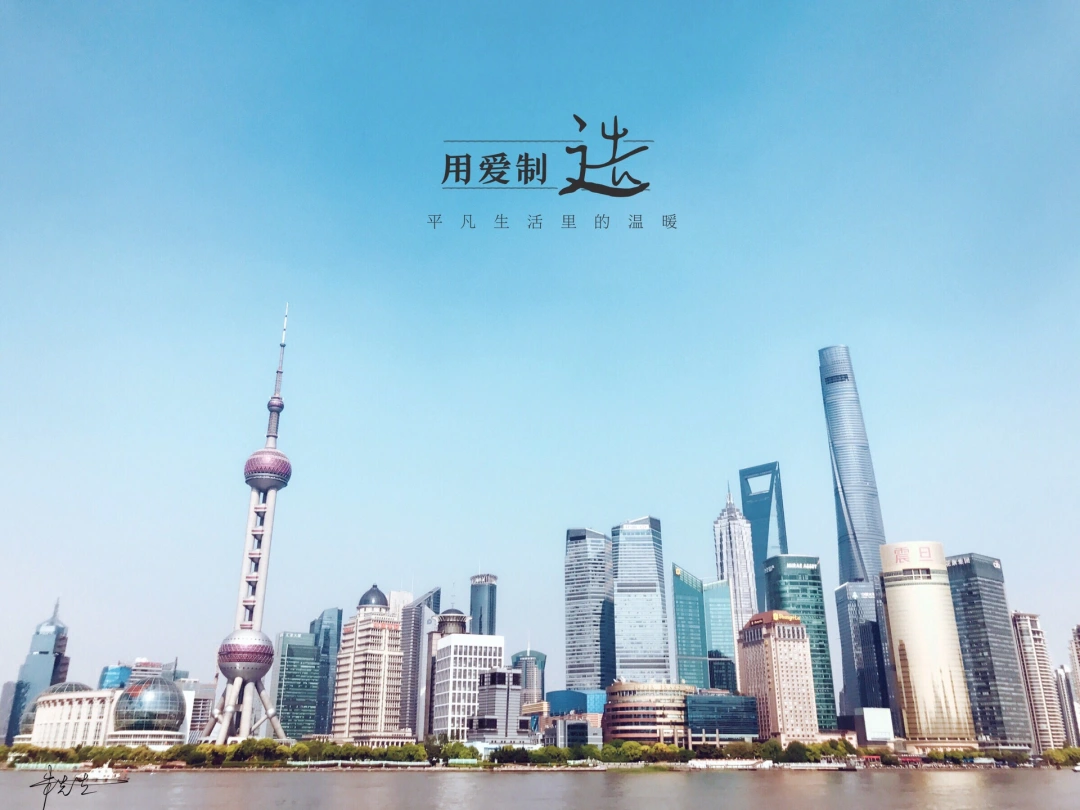
Then one day, standing on the Bund, watching the Pudong skyline light up against the twilight, it hit me: I had never really seen Shanghai.
So I decided to spend my weekends exploring this city as if I were a tourist. No plane tickets to far-off places, no meticulously planned itineraries—just my phone, a metro card, and a willingness to wander aimlessly. This weekend wandering guide for Shanghai drifters is the result of that decision.
Why Museums Are the Soul of Shanghai
One weekend in April, I stumbled upon an article about urban museums. It described museums as a city's "spiritual living room." And I thought: after all these years in Shanghai, how many times had I actually stepped into this "living room"?
I set myself a small goal: visit one Shanghai museum every weekend. Not for the sake of ticking boxes, but to truly understand the city I'd called home for a decade. Of course, I never quite achieved that goal—Shanghai has an overwhelming number of museums, so many you'd think the entire city's history is hidden away in its exhibition halls.
But that's fine. For me, the value of visiting a museum isn't about "how many you've seen," but "what you remember." Spending ten minutes truly absorbing a single exhibit is far more rewarding than racing through an entire venue. This is the essence of slow travel in Shanghai.
Top Shanghai Museums for Weekend Explorers

China Art Museum: That Touch of Chinese Red
If you ask me which place in Shanghai stirs the most memories, I'd say without hesitation: the Expo Axis area.
During the 2010 Shanghai World Expo, my mother's workplace organized a visit, and I tagged along for three full days. Back then, my greatest joy was collecting stamps in my Expo passport, while my mom—like some kind of unstoppable "stamping agent"—darted between pavilions to help me complete the collection. Thinking back, it seems a bit childish, but the happiness was real.
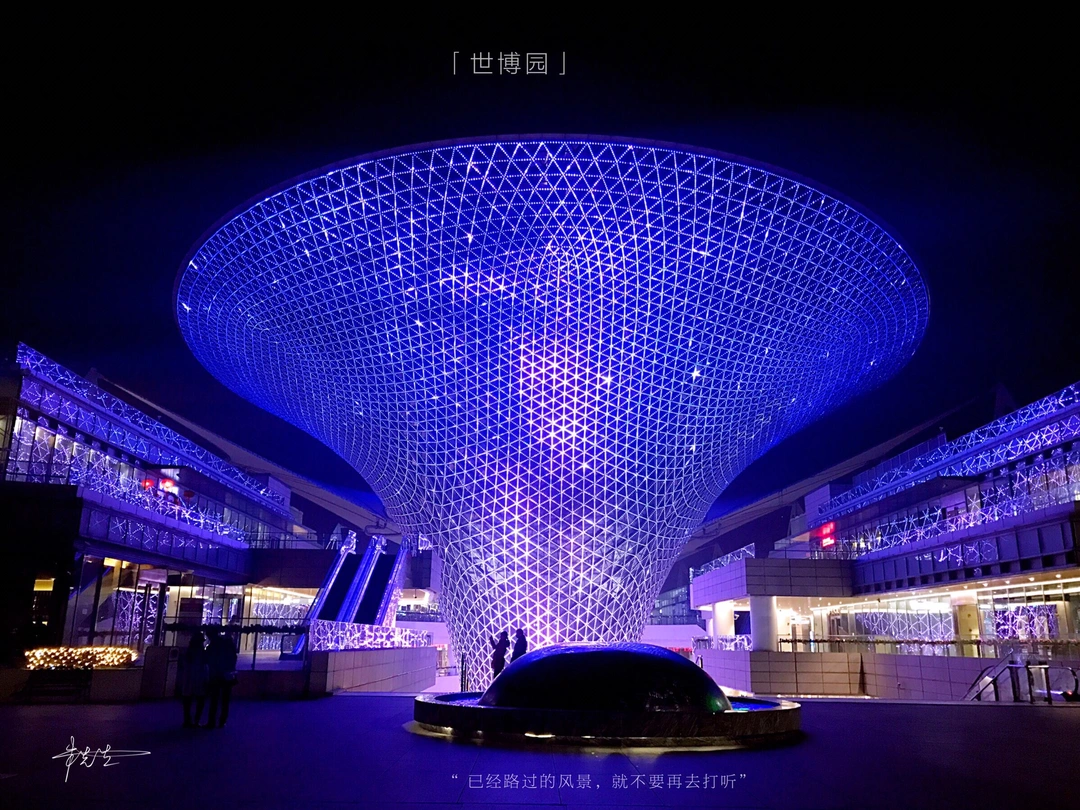
After graduation, my first job was on Shangnan Road. The Expo site was still somewhat desolate back then, but now it's been transformed into "Expo Axis"—a bustling commercial district blending shopping, leisure, and culture. What stays with me most, though, is that touch of Chinese red: the former China Pavilion, now the China Art Museum.
Converted from the China Pavilion, the museum opened in October 2012. It covers a total floor area of 166,800 square meters and houses 35 exhibition halls. Every visit brings something new. For instance, the recent exhibition "Beyond the Frame: The Modern Ink Art of Zhu Zhennan" (May 19 to June 18, 2017) was a feast for the eyes of this former art student.
After the museum, take a stroll to the adjacent Mercedes-Benz Arena. This 18,000-seat venue isn't just for concerts and sports events—it also has a music club, cinema, ice rink, and restaurants. As evening falls, standing by the Huangpu River, feeling the breeze and watching the lights across the water flicker to life, the day's fatigue seems to dissolve into the night.
[Link: Best things to do in Pudong at night]
Dishui Lake & China Maritime Museum: Shanghai's "Slow" Corners
I first spotted Dishui Lake from a plane window landing at Pudong Airport—that petal-shaped Crowne Plaza hotel caught my eye. I thought: Shanghai has places like this?
Located in Nanhui New Town, Pudong, about 76 kilometers from the city center, Dishui Lake is a man-made lake 2.5 kilometers in diameter, covering 5.56 square kilometers. Construction began in 2002 and finished in 2003, costing 500 million yuan. Used to Shanghai's relentless pace, stepping into this slow rhythm felt almost disorienting.
That said, Dishui Lake gets packed on holidays. Camping and picnicking are pleasant, but crowds can make the area feel messy. I'd recommend the nearby China Maritime Museum instead.
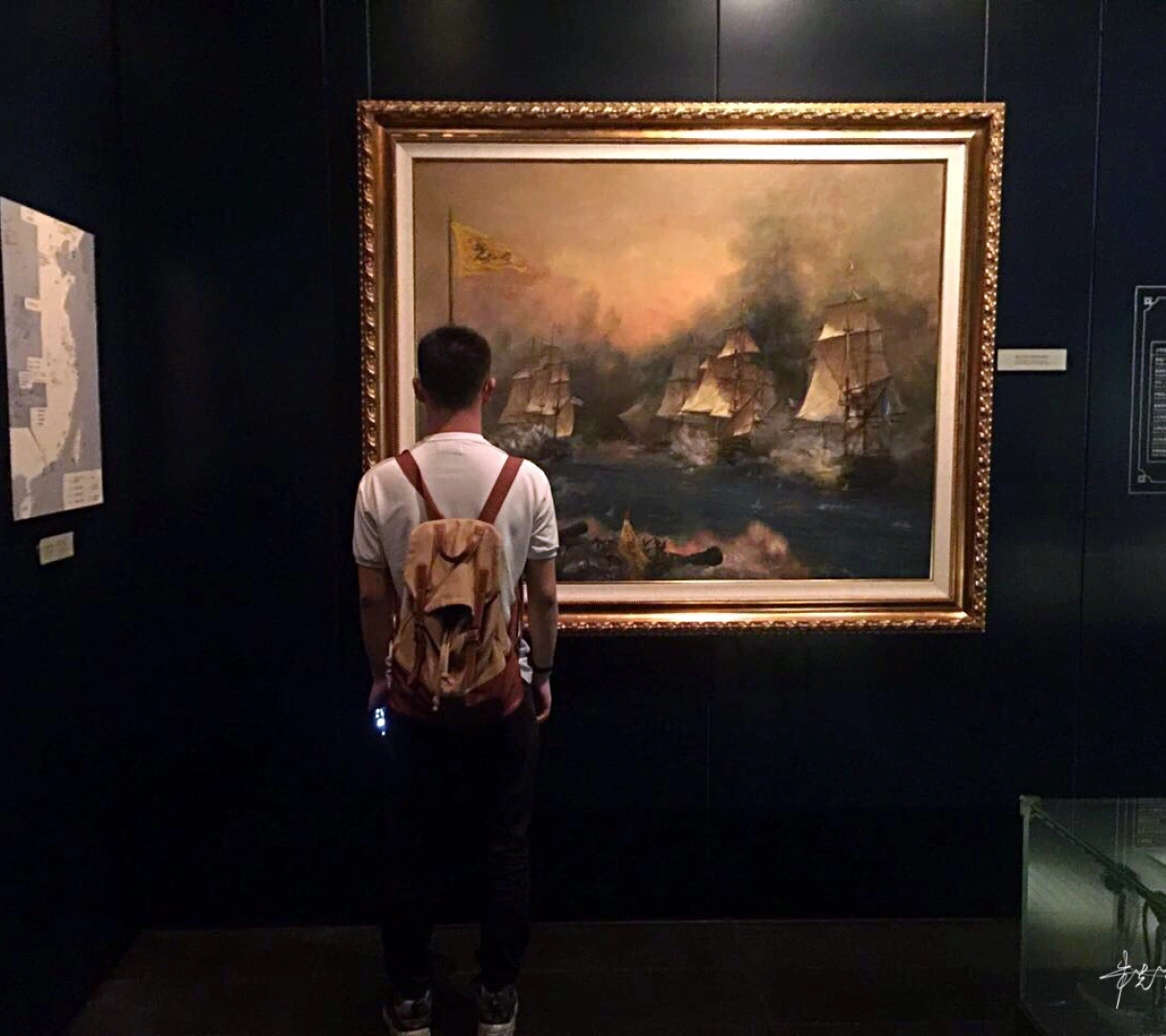
This is China's first national-level maritime museum approved by the State Council, jointly built by the Ministry of Transport and the Shanghai government. Opened in July 2010, it boasts 21,000 square meters of indoor exhibition space. The museum has six main halls covering maritime history, ships, navigation and ports, maritime safety, seafarers, and military navigation, plus a planetarium, 4D cinema, and children's activity center.
What surprised me most was seeing exhibits from Shen Bao (Shanghai News). As someone brainwashed by Qiong Yao's melodramas, my first thought was the characters He Shuhuan, Du Fei, and Lu Erhao from Romance in the Rain. But seriously—Shen Bao, originally called Shenjiang New Post, was founded in 1872 and ceased publication in 1949. It was one of modern China's longest-running and most influential newspapers.
[Link: Off-the-beaten-path attractions in Pudong]
Shanghai Pen and Ink Museum: The "Small Happiness" of the Four Treasures of the Study
Tucked away on Fuzhou Road in Huangpu District, the Shanghai Pen and Ink Museum is an easily overlooked gem. It focuses on Chinese brushes, ink, and the Four Treasures of the Study—and best of all, admission is free.
I practiced calligraphy as a child, but my handwriting still looks like chicken scratch. That doesn't stop me from loving the Four Treasures: Huizhou ink sticks, Xuan paper, Duan inkstones, and Huzhou brushes. Each piece carries the essence of Chinese culture. Here, you can admire exquisite brushes and ink, and learn about their craftsmanship and history.
This is a perfect stop for anyone interested in Chinese calligraphy or traditional arts.
Shanghai Himalayas Museum: "Wheat Fields in the Wind" in the City
The Himalayas Museum in Pudong is a strikingly artistic building. A recent exhibition, "Visionary Hills," featured work by Japanese architect Sou Fujimoto. In the plaza, a field of wheat swayed in the breeze, reminding me of Li Jian's song Wheat Fields in the Wind. Enjoying such pastoral scenery in the middle of a metropolis felt like a rare luxury.
Museum of Contemporary Art, Shanghai: The Silent Iron Lotus
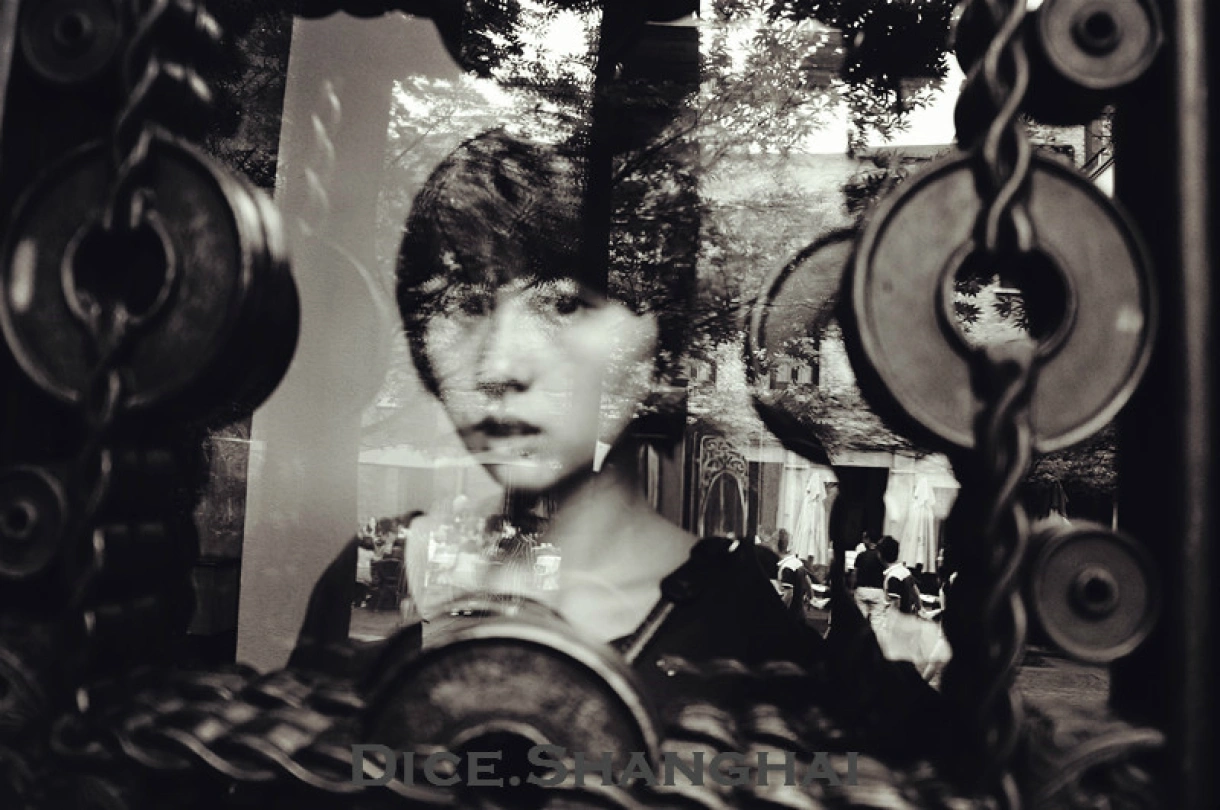
Located in the city center, the Museum of Contemporary Art, Shanghai, was funded by the Gong Mingguang Foundation and operates as a non-profit. I only stopped to photograph an iron lotus sculpture at the entrance, but its quiet beauty lingered in my mind long after. It's a must-visit for contemporary art lovers exploring Shanghai.
Beyond Museums: What Else to Explore in Shanghai?
Shanghai has far more to offer than just museums. As a seasoned wanderer, I've compiled a private list of favorite spots for those seeking authentic Shanghai experiences.
City God Temple: A Sky So Blue It Looks Unreal
Shanghai's City God Temple is a must-visit for tourists. Aside from the crowds, there's little to complain about. One evening, I caught a sky so blue it felt fake—but my photos confirmed it was real.
The temple was first built during the Yongle era of the Ming Dynasty (1403–1424), making it nearly 600 years old. Through wind and rain, dynastic changes, it still stands, bearing witness to Shanghai's transformations.
[Link: Historical landmarks in Shanghai's old city]
Great World: A Living Fossil of Shanghainese Culture
Shanghai's Great World was once the city's most famous entertainment center. Today, it retains a rich atmosphere of Shanghainese culture. On my visit, the Shanghai Youth Comedy Troupe was performing, with the host speaking entirely in Shanghainese dialect. After years in Shanghai, I still can't fully understand all the local dialects, so I just enjoyed the show as an observer.
Still, it's a great place to learn about traditional culture. That day, there was also a workshop on the makeup process for Peking Opera performers—an eye-opener for this former art student.
[Link: Top cultural experiences in Shanghai]
Bookstores: Finding Solitude Amid the Hustle
In this bustling city, bookstores are my go-to sanctuary. Wutong Bookstore, Popular Bookstore, and Cat's Sky City are regular haunts.
Wutong Bookstore isn't just a bookstore—it has a Zen section and a sunroom, perfect for spending a whole day "chewing on words." These are ideal spots for solo travelers in Shanghai looking for quiet reflection.
FAQ: Weekend Wandering in Shanghai
Q1: What is the best time to visit Shanghai museums? A: Weekday mornings are ideal to avoid crowds. However, if you're limited to weekends, arrive early (around 9-10 AM) when museums open. Many museums are closed on Mondays, so plan accordingly.
Q2: Are Shanghai museums free? A: Many museums offer free admission, including the Shanghai Pen and Ink Museum and the Museum of Contemporary Art, Shanghai. Others, like the China Art Museum, have free permanent collections but may charge for special exhibitions.
Q3: How do I get to Dishui Lake from Shanghai city center? A: Take Metro Line 16 to Dishui Lake Station. The journey takes about 1.5 hours from the city center. Alternatively, you can drive, which takes around 1 hour depending on traffic.
Q4: What should I wear for a weekend wandering in Shanghai? A: Comfortable walking shoes are essential. Dress in layers, as Shanghai's weather can change quickly. Bring an umbrella, especially during the rainy season (June-July). For museum visits, casual attire is perfectly acceptable.
Q5: Can I visit multiple museums in one day? A: Yes, but choose museums that are geographically close. For example, the China Art Museum and Mercedes-Benz Arena are near each other. Avoid rushing—the goal is to absorb, not tick boxes.
Your Weekend Wandering Challenge
Now it's your turn. Put down your phone, grab your metro card, and step outside. Visit a museum you've never entered. Wander into a bookstore you've always passed by. Explore a corner of Shanghai you've never seen.
Remember: the best journeys aren't always the longest. Sometimes, the most profound discoveries happen right in your own backyard.
Start your adventure today. Which Shanghai museum will you visit first? Share your experience in the comments below, and tag your photos with #ShanghaiDrifter to inspire others.
For more off-the-beaten-path guides and local tips, subscribe to our newsletter. Your next weekend adventure awaits—right here in Shanghai.
You may also like