Where to Go in December 2024: "Why Dunhuang" Exhibition at China Art Museum – A Cultural Feast in Shanghai
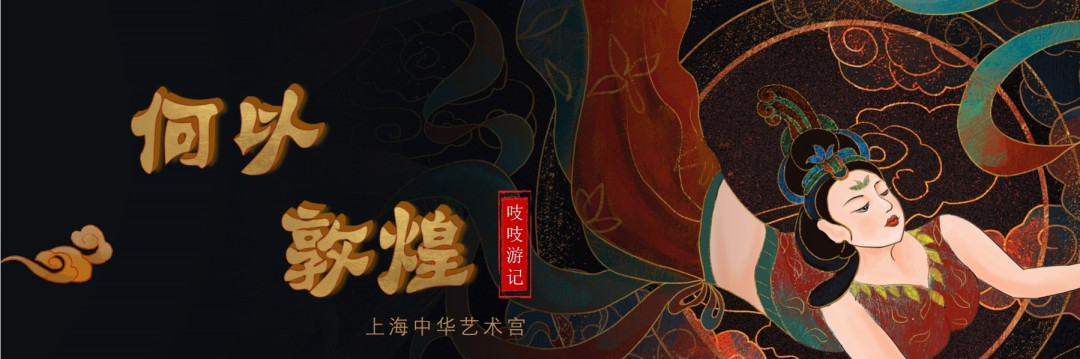
Meta Description: Discover the "Why Dunhuang" immersive exhibition at Shanghai's China Art Museum this December 2024. Explore 1:1 replica caves, Silk Road artifacts, and family-friendly ticket deals. Plan your visit now.
As winter winds sweep across China, Shanghai offers a rare cultural sanctuary. The China Art Museum (Shanghai Art Museum) is hosting the "Why Dunhuang" immersive exhibition through December 20, 2024. This is not just another art show — it’s a time-traveling journey to the Silk Road without leaving the city.
If you're searching for where to go in December for a meaningful cultural experience, this exhibition delivers. Whether you're a history buff, a parent seeking educational outings, or a traveler craving artistic immersion, "Why Dunhuang" promises a Dunhuang cultural feast you won't forget.
Exhibition Overview: A Dunhuang Cultural Feast in Shanghai
Basic Information
| Detail | Information |
|---|---|
| Exhibition Dates | September 20 – December 20, 2024 |
| Opening Hours | Tuesday–Sunday, 10:00 AM – 6:00 PM (last entry 5:00 PM) |
| Closed | Mondays (except public holidays) |
| Venue | China Art Museum, 205 Shangnan Road, Pudong, Shanghai |
| Metro | Line 8, China Art Museum Station, Exit 3 |
| Parking | Shangnan Road lot (8 RMB/hour); Bochenglu/Guozhan Road (30 RMB/day) |
Ticket Prices & Reservations
- Adult Ticket: 98 RMB
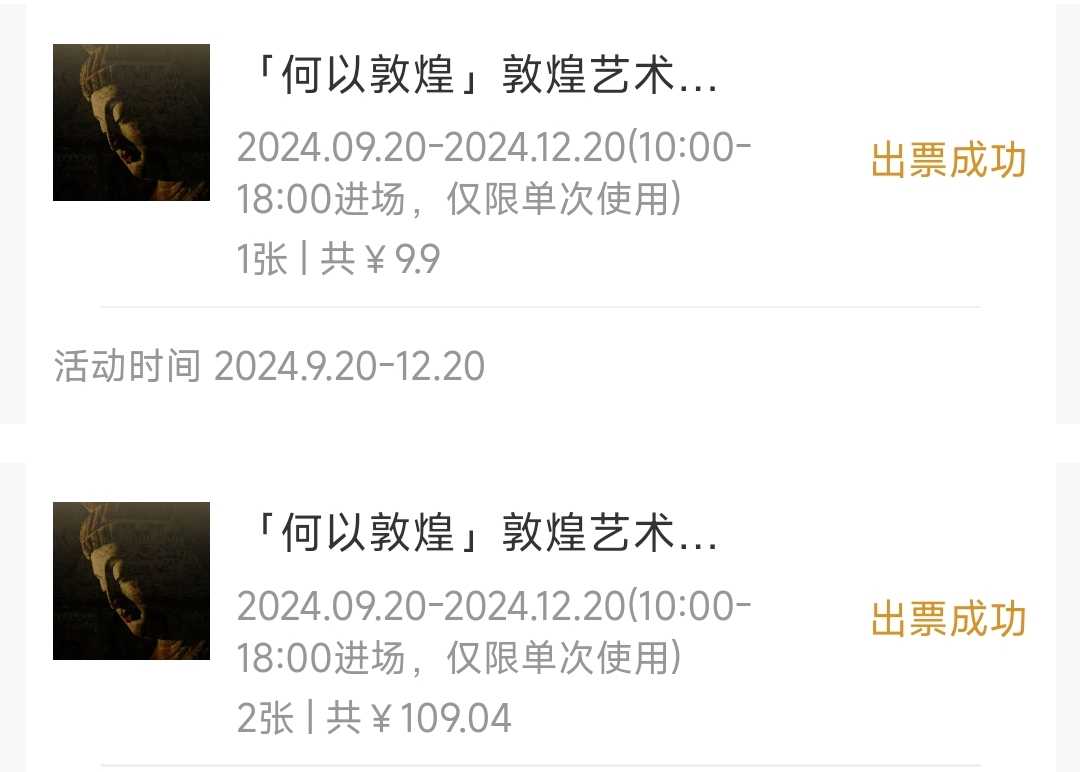
- Child Ticket: 9.9 RMB (height 1.3–1.5 m)
- Concession Ticket: 49 RMB (minors, seniors 60+, full-time students; valid ID required)
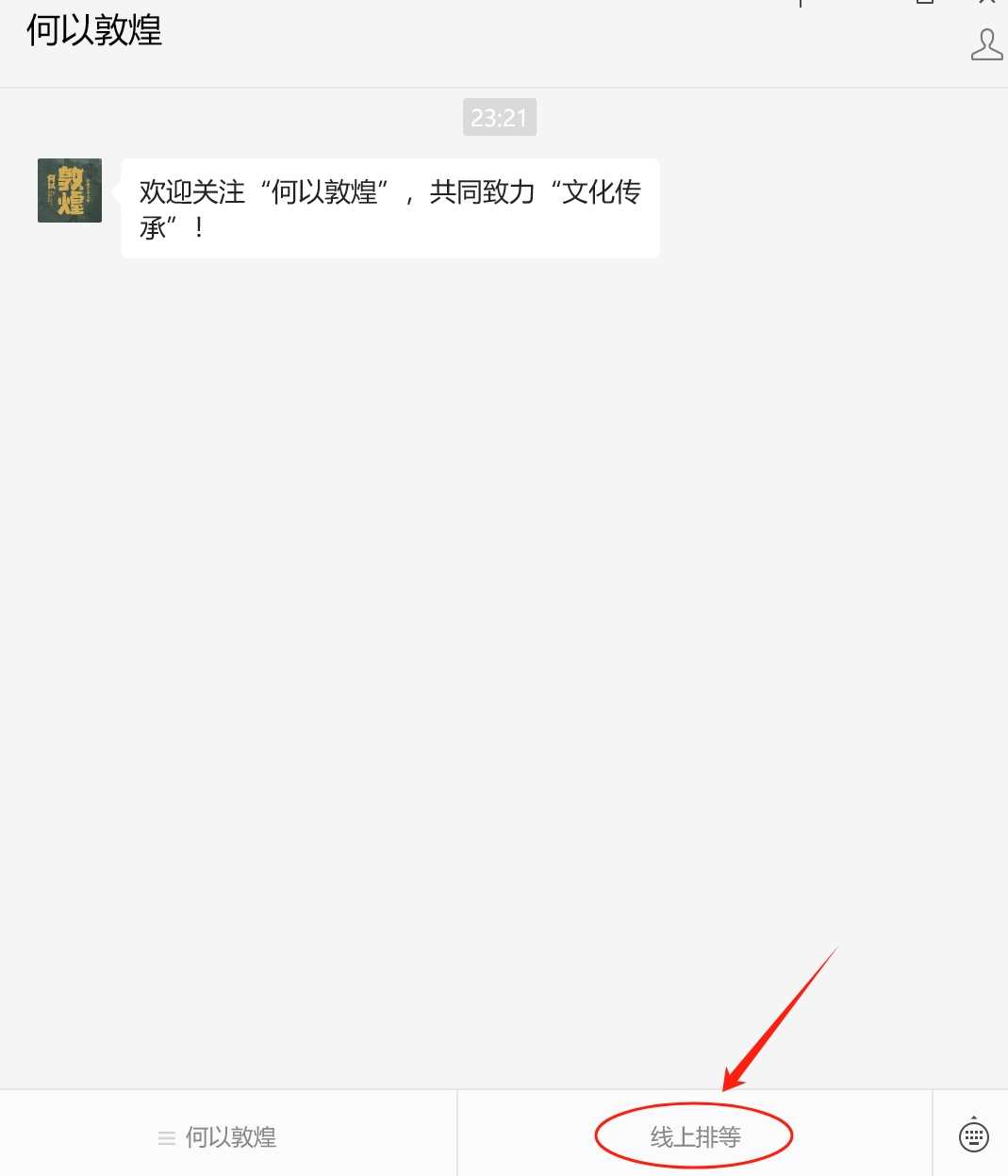
Reservation Tip: After purchasing tickets, use the "Why Dunhuang" mini-program on WeChat. Click "Easy Queue," select your time slot, enter personal details, and upload a screenshot of your ticket QR code. Book early to secure your preferred slot.
Viewing Reminder: The gallery is kept at a constant 20°C (68°F). Wear comfortable shoes. Backpacks must be stored. Bring your ID and ticket voucher.
What Is Dunhuang? The Silk Road's Desert Gem

"Dun, meaning vast; Huang, meaning flourishing" — the name itself captures the grandeur of this ancient oasis. Dunhuang culture spans nearly two millennia, integrating architecture, painted sculptures, and mural art. It is one of China's largest, most historically continuous, and best-preserved cultural sites — often called "the world's longest desert gallery" and "a cultural art museum on walls."
The "Why Dunhuang" exhibition unfolds in four progressive units, guiding visitors from the surface to the soul of this Silk Road treasure. From Zhang Qian's pioneering "opening of the Western Regions" to the fusion of cultures, from cave construction to the Library Cave's discovery — each unit offers a spiritual cleansing.
Four Exhibition Units: Immersing in Dunhuang's Beauty
1. The Silk Road and Dunhuang: Crossroads of Civilizations
This opening unit begins with Zhang Qian's "opening of the Western Regions" and tells the story of merchants exchanging goods across deserts. It was this convergence of cultures that allowed Dunhuang to bloom — making Yangguan and Yumen passes eternal legends, and the Mogao Buddhist kingdom a spiritual waystation on the Silk Road.
Key takeaway: Dunhuang wasn't just a place — it was a meeting point of East and West, where Buddhism, trade, and art fused into something unique.
2. Grottoes and Pure Land: Body in Shanghai, Eyes in Dunhuang
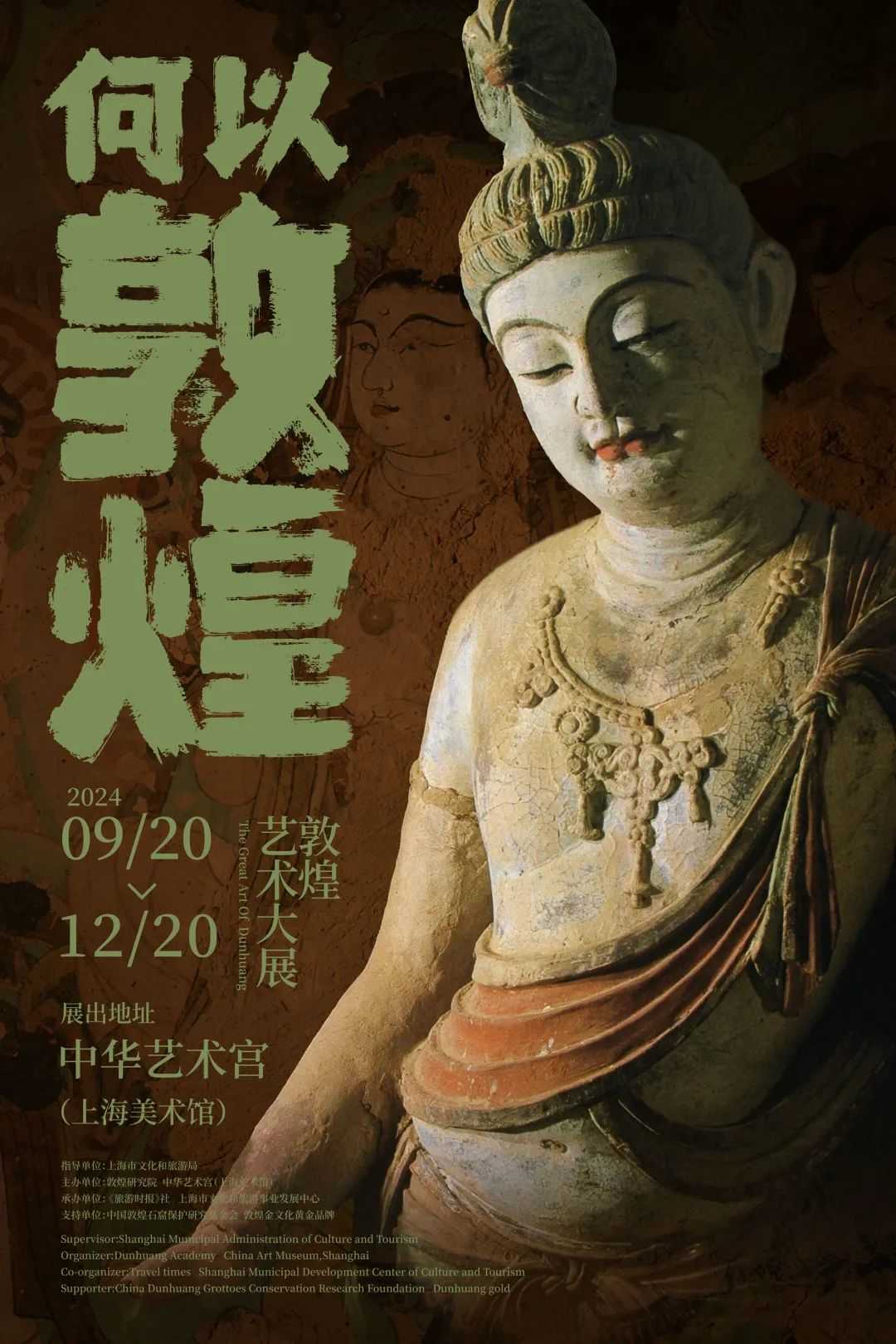
This is the exhibition's highlight. Using 1:1 scale replicas, it presents six of Dunhuang's most iconic caves — Cave 3, Cave 17, Cave 45, Cave 158, Cave 285, and Cave 320. Standing before these replicas, you feel transported to the Mogao Caves deep in the desert. The experience of "body in Shanghai, eyes in Dunhuang" is breathtaking.
3. Encountering the Library Cave: Medieval Encyclopedia
The third unit focuses on Mogao Cave 17 (Library Cave) — one of the greatest archaeological discoveries of the 20th century. The exhibition showcases the cave's discovery, the dispersal of its artifacts, and today's digital repatriation efforts. Dust-laden sutras, documents, and silk paintings seem to whisper stories from a thousand years ago.
4. Perseverance and Legacy: The Mogao Spirit
The final unit celebrates the "Mogao Spirit" — generations of cave workers who embodied "persevering in the desert, dedicating oneself selflessly, taking responsibility, and forging ahead with innovation." From "guardian-style preservation" to "scientific preservation," the evolution of Dunhuang cave conservation is itself a moving epic.
In-Depth Analysis: Six Special Caves at the Exhibition
1. Western Wei Dynasty Cave 285: "A Pantheon of Diverse Cultures"
Located on the second level of the cave complex, Cave 285's main chamber is a square cave with a truncated pyramidal ceiling. It is the earliest dated cave at Mogao (Western Wei Dynasty, 538–539 AD). Known as "a pantheon of diverse cultures," its murals blend Buddhist, Taoist, Hindu, and other cultural elements.
Highlights: - West Wall: A seated Buddha with a multi-layered flame halo; smaller niches with meditation monks, celestial beings, and non-Buddhist deities - North Wall: Seven panels of Buddha preaching — the earliest depiction of the Seven Buddhas in Dunhuang - South Wall: The famous "Five Hundred Bandits Become Buddhas" story painting - Ceiling: Chinese mythological figures like Fu Xi, Nü Wa, feather immortals, and wind spirits interweave with Buddhist apsaras
Special Note: The apsaras in Cave 285 break from Western Region styles, featuring slender faces and elongated bodies — a classic example of the "elegant bone and clear image" style.
2. High Tang Dynasty Cave 45: "A Gallery of Exquisite Sculptures"
Built during the High Tang period, Cave 45 is located on the lower level of the Mogao southern area. Its sculptures are masterpieces of Tang Dynasty sculptural art. Originally nine figures, seven remain, arranged symmetrically by rank in a deep, wide niche.
Highlights: - Main Wall Sculptures: Buddha at center, with disciples, bodhisattvas, and heavenly kings — each with distinct expressions - South Wall Avalokiteshvara Sutra Illustration: Guanyin with a plump face, green brows, and bright eyes; "Thirty-Three Manifestations" scenes include prison scenes, shipwreck rescues, and bandit encounters - North Wall Amitayus Sutra Illustration: The "Western Pure Land" with palaces, pavilions, and grand scale
3. Other Notable Caves
- Cave 3 (Yuan Dynasty): Known for its intricate mandalas and tantric Buddhist imagery
- Cave 17 (Library Cave): The original home of thousands of manuscripts and silk paintings
- Cave 158 (Tang Dynasty): Features a massive reclining Buddha representing Nirvana
- Cave 320 (High Tang): Famous for its vibrant flying apsaras and celestial musicians
[Link: Best Dunhuang caves to visit in person]
Why This Exhibition Matters for December Travelers
December is often a quiet month for travel — but it's the perfect time for indoor cultural experiences. The "Why Dunhuang" exhibition offers:
- Escape from winter weather: Spend a warm, enlightening day indoors
- Family-friendly education: Children's tickets at just 9.9 RMB
- No flight needed: Experience Dunhuang's wonders in Shanghai
- Limited time: Exhibition ends December 20, 2024
Frequently Asked Questions (FAQ)
Q1: Can I visit the "Why Dunhuang" exhibition without a reservation?
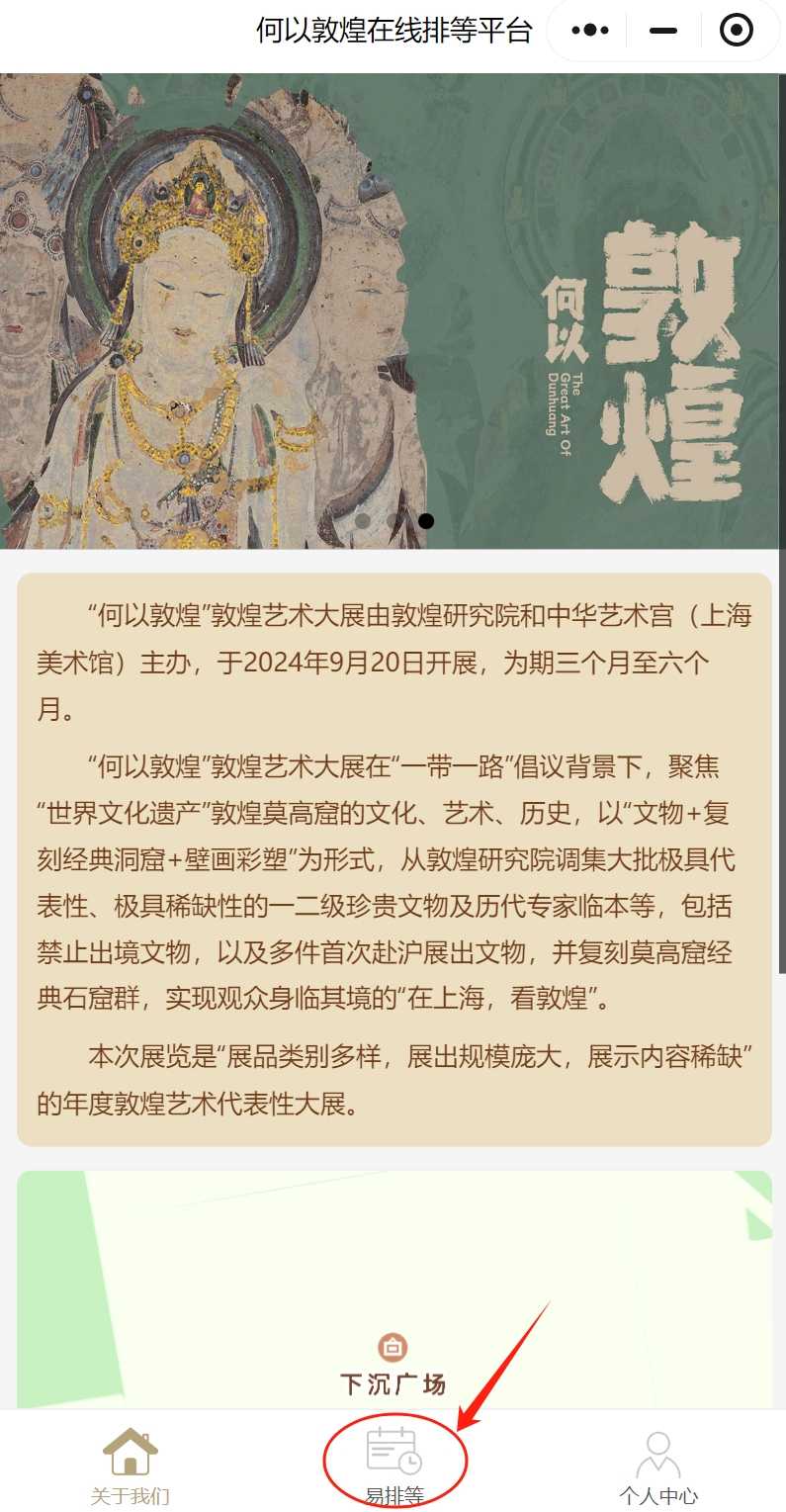 A: No. All visitors must reserve a time slot via the "Why Dunhuang" mini-program after purchasing tickets. Walk-ins without reservations may be denied entry.
Q2: Are photography and video allowed inside the exhibition?
A: Yes, but flash photography is prohibited to protect the replicas. Tripods and professional lighting equipment may require prior approval.
Q3: Is the exhibition suitable for children?
A: Absolutely. The exhibition is family-friendly, with child tickets at 9.9 RMB. The immersive cave replicas and colorful murals captivate young visitors. [Link: Family-friendly activities in Shanghai]
Q4: How long does it take to fully experience the exhibition?
 A: Plan for 2–3 hours to explore all four units and six cave replicas thoroughly. Allow extra time for the gift shop and nearby museum exhibits.
Q5: What should I bring for a comfortable visit?
A: Bring your ID, ticket voucher, and a light jacket (gallery temperature is 20°C). Backpacks must be stored, so carry only essentials. Comfortable walking shoes are recommended.
Call to Action: Book Your Dunhuang Cultural Feast Today
Don't let December pass without experiencing one of Shanghai's most anticipated cultural events of 2024. The "Why Dunhuang" exhibition at the China Art Museum is a rare opportunity to walk through Silk Road history without leaving the city.
Act now: Tickets are selling fast, and the exhibition closes December 20, 2024. Purchase your tickets online, make your reservation, and prepare for an unforgettable journey through time.
👉 Book your tickets today and discover why Dunhuang remains one of the world's greatest cultural treasures.
Have you visited the "Why Dunhuang" exhibition? Share your thoughts in the comments below, or tag us in your photos on social media using #WhyDunhuangShanghai.
Article last updated: December 2024. All information is accurate at time of publication. Check the official China Art Museum website for the latest updates.