The Time Code in Museums: When Love Meets Art, a Three-Day Shanghai Wander
Meta Description: Discover a romantic 3-day Shanghai itinerary blending art, history, and love. Explore museums like Himalayas Art Museum, Power Station of Art, and Long Museum West Bund. Perfect for couples seeking cultural adventures in Shanghai.
Introduction: From Lake Baikal to the Huangpu River
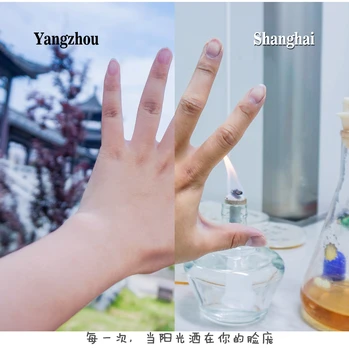
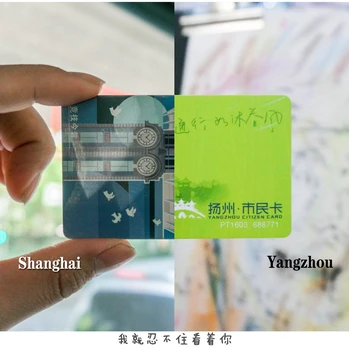
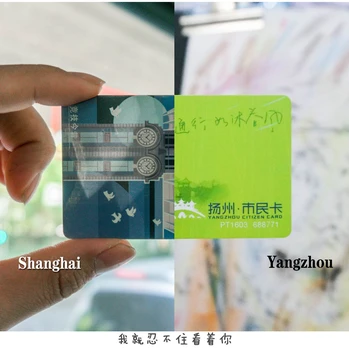
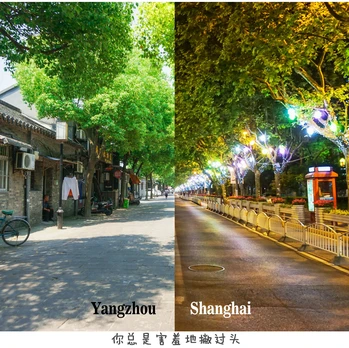
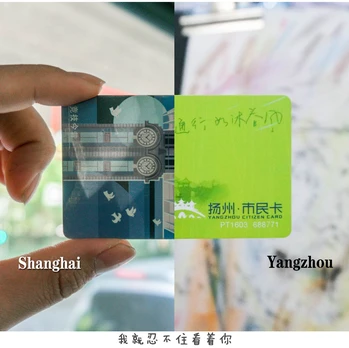
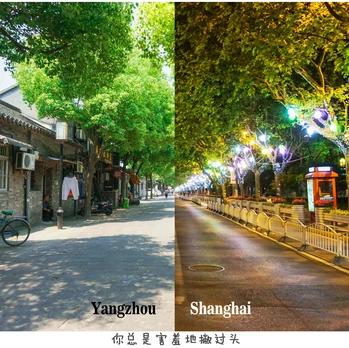
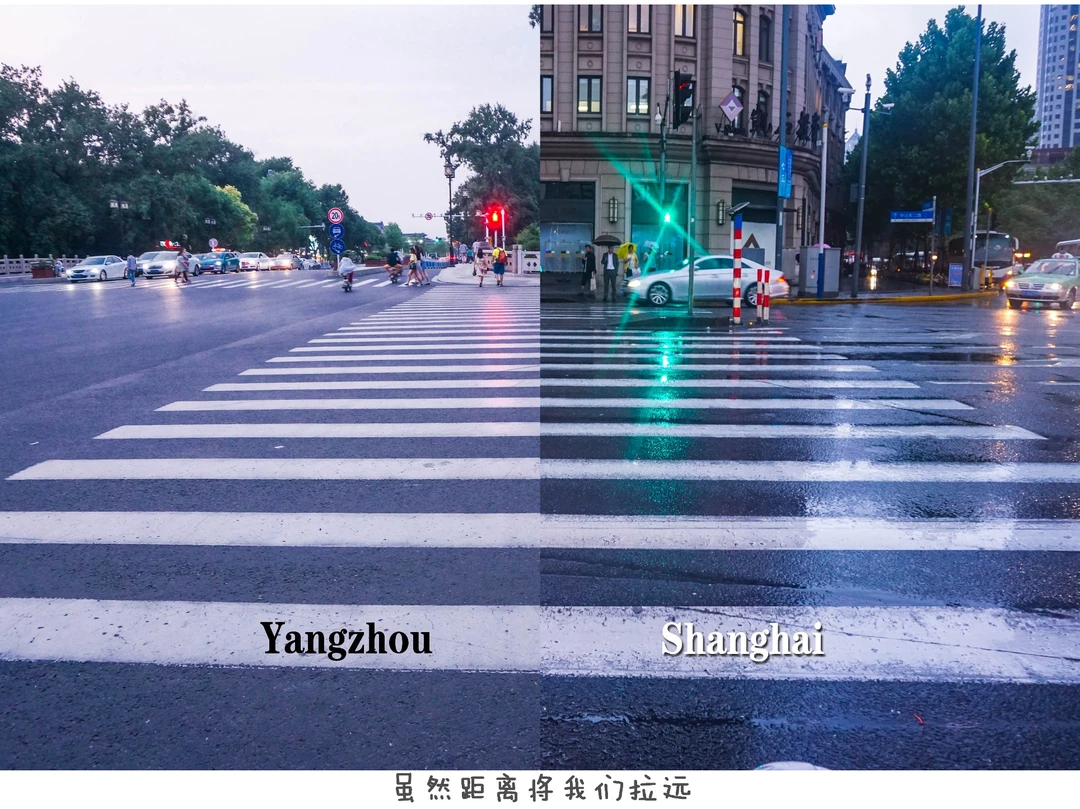
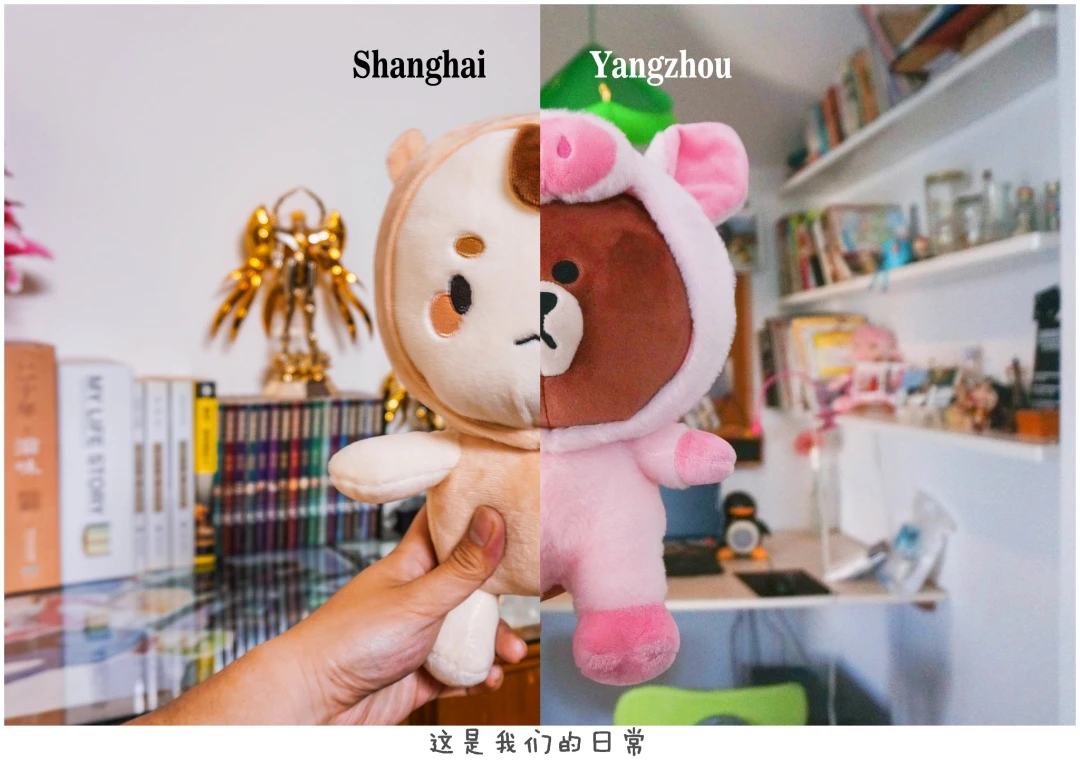
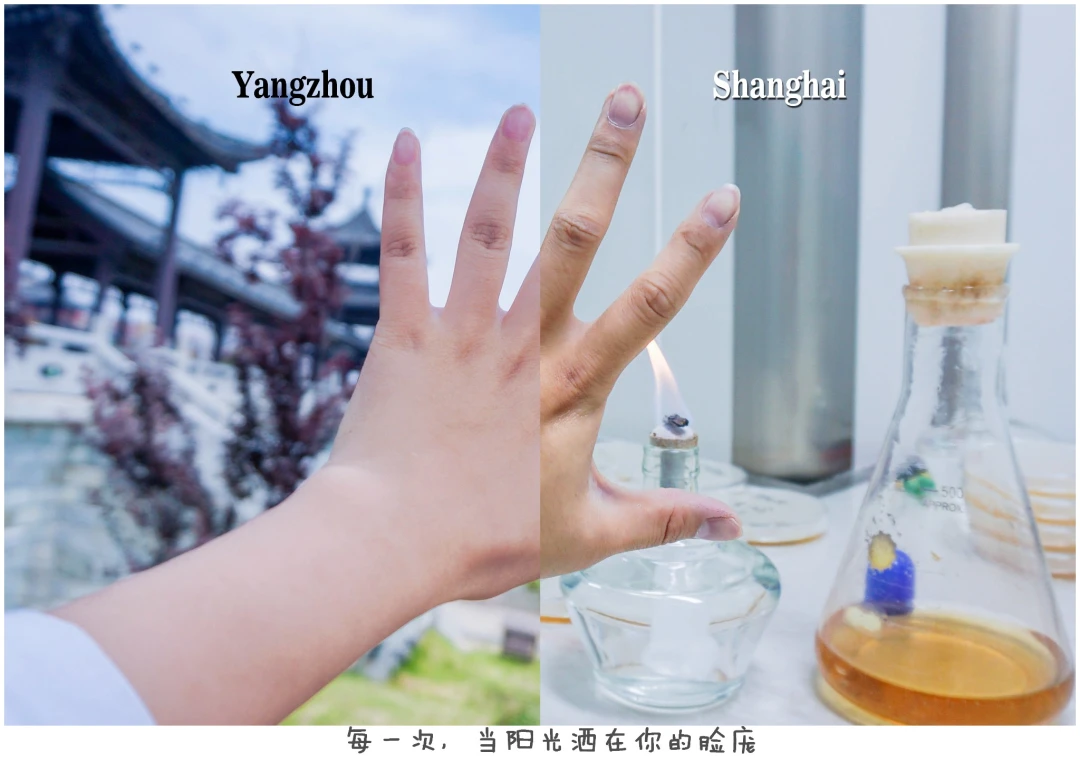
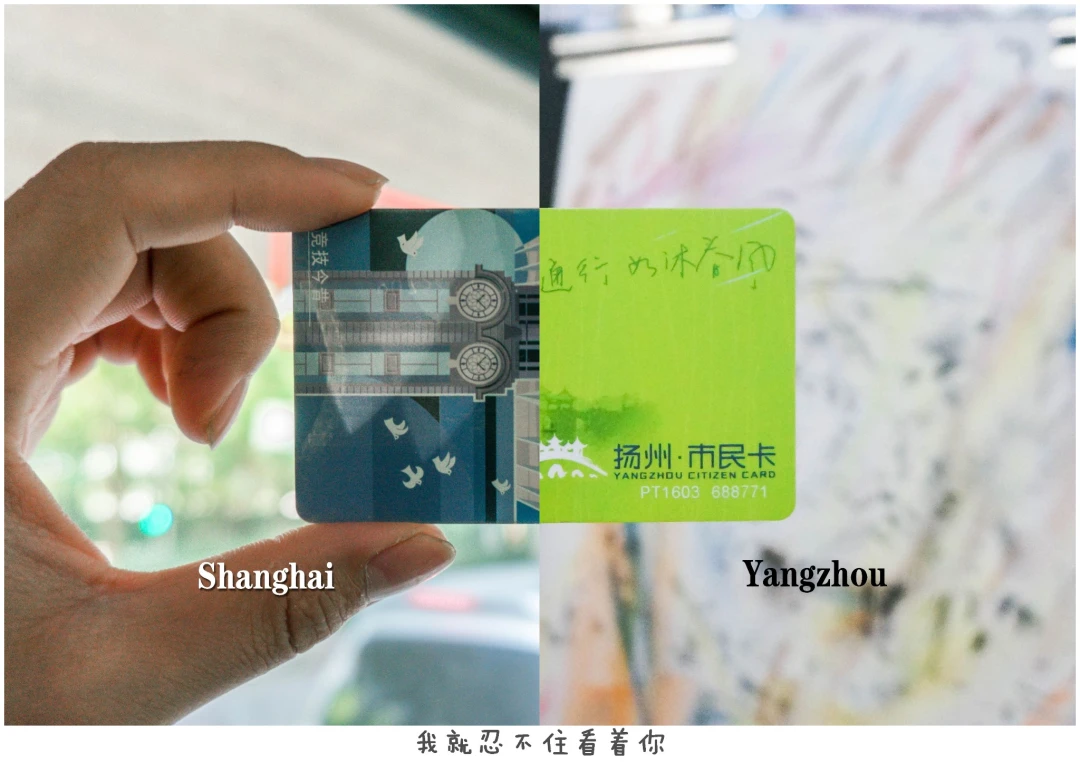
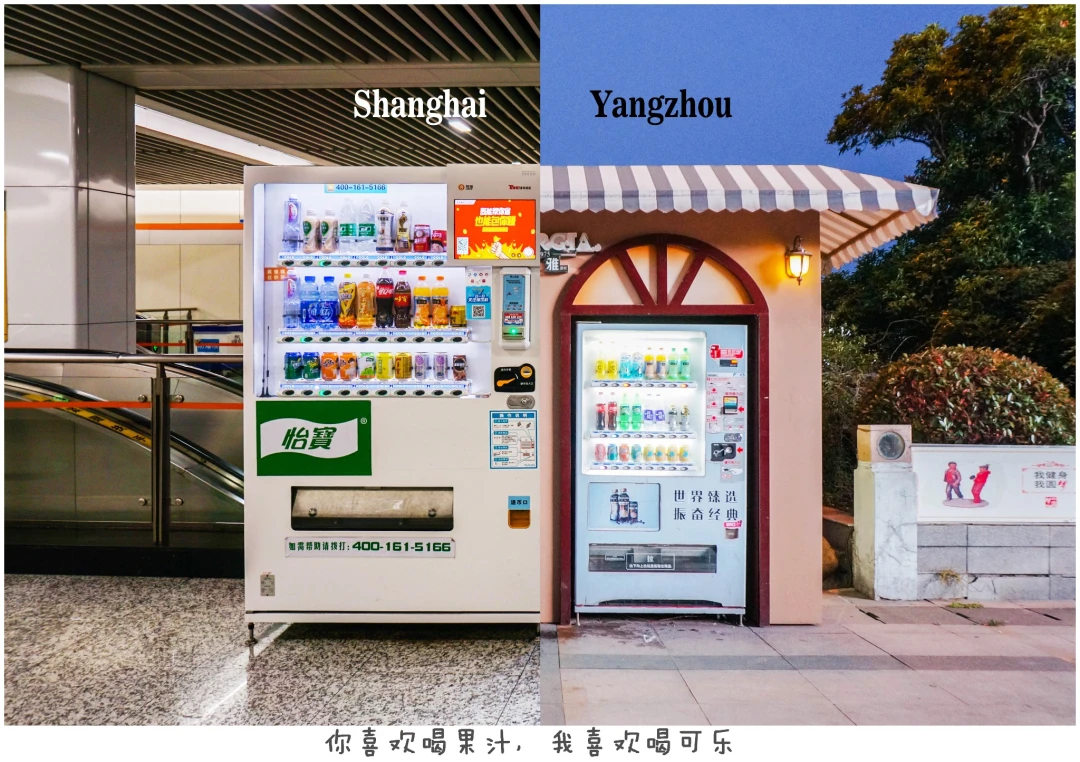
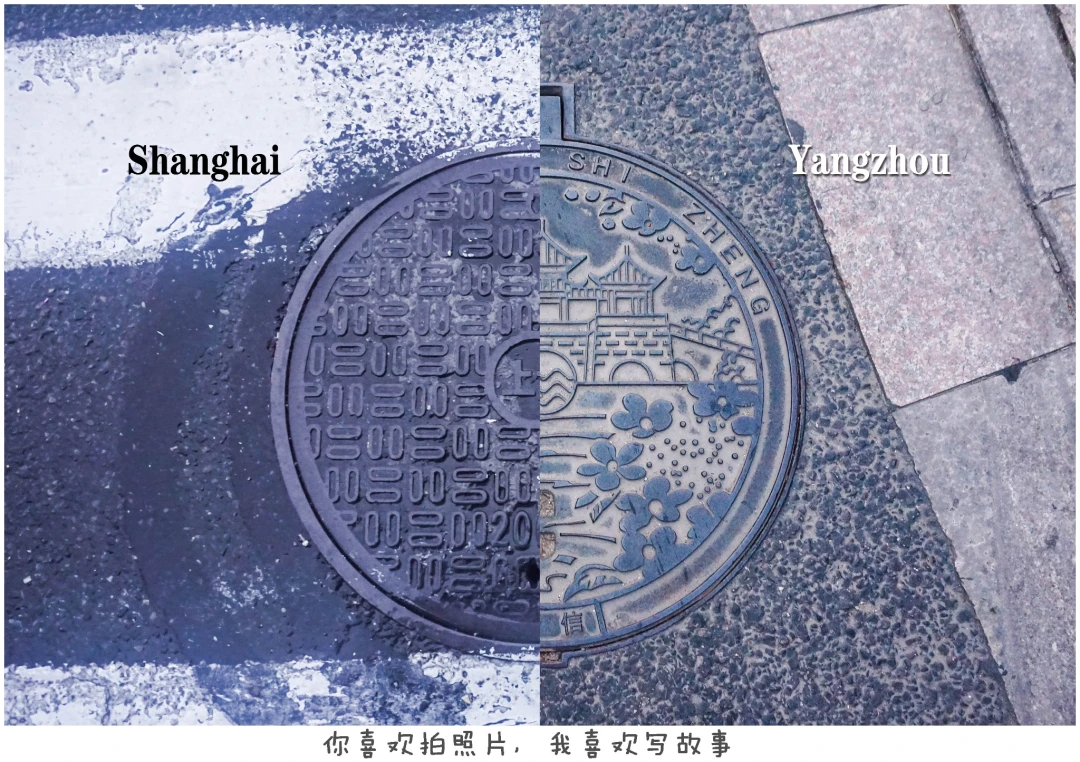
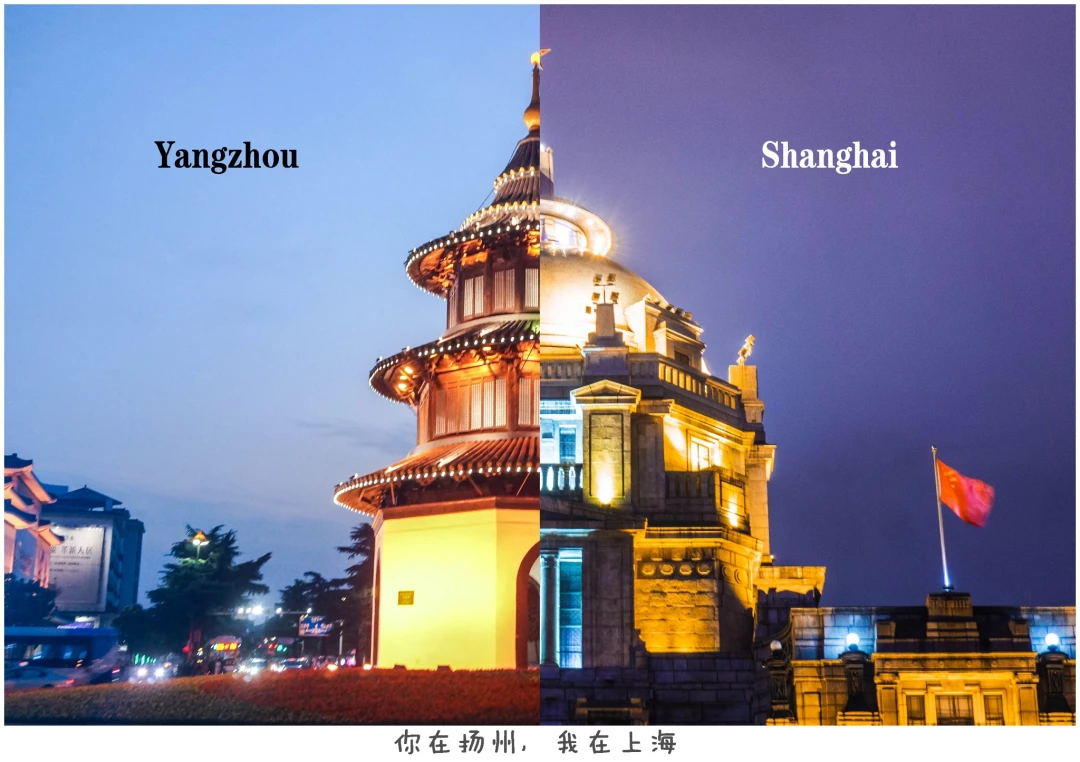
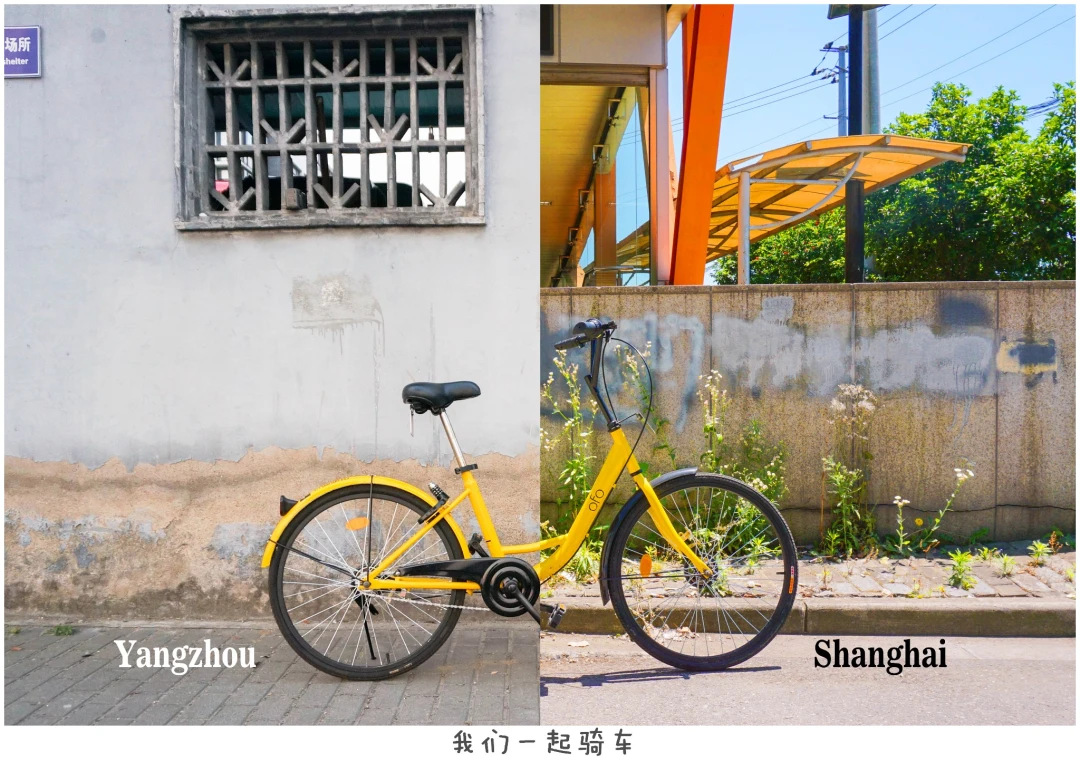
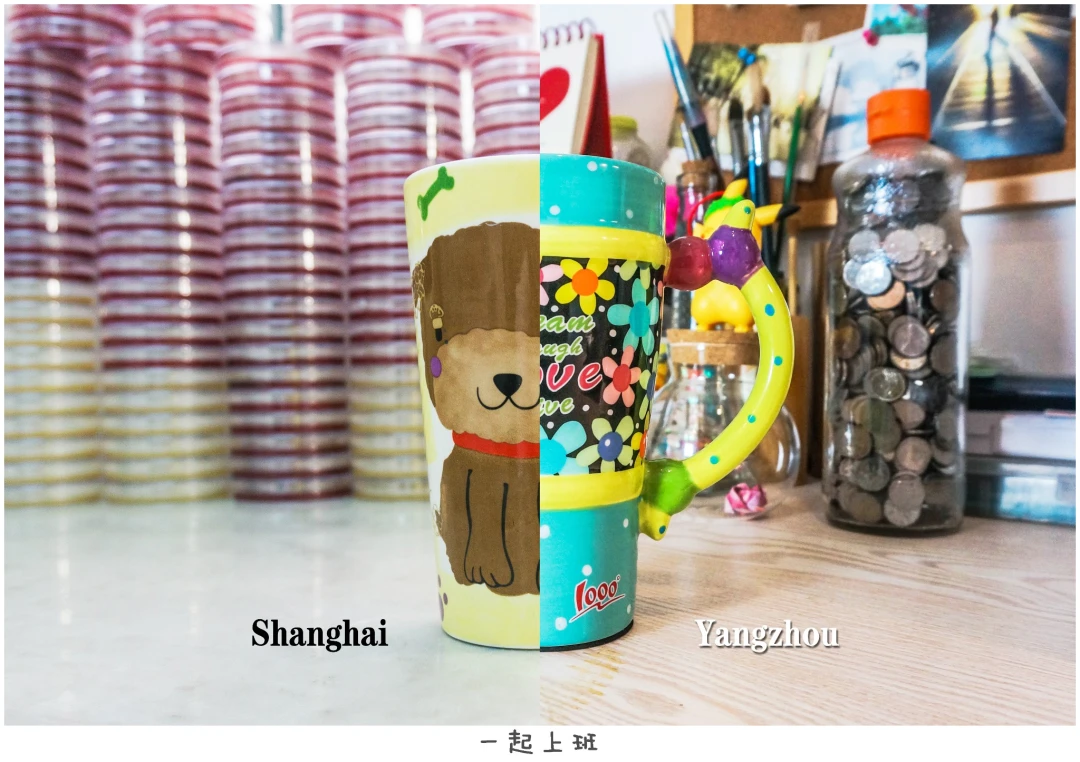
"We met on the shores of Lake Baikal, and fell in love amidst the misty blossoms of March in Yangzhou." This poetic line captures the essence of Ricky and Snowball's long-distance romance spanning Shanghai and Yangzhou. Their story is a testament to how love can thrive across 200-plus kilometers, filled with longing and crystallized memories.

Ricky once wrote to Snowball: "I've heard that when people are on their deathbed, fragments of their lives flash before their eyes. Since that's the case, why wait until then to dig through those dusty 'treasured memories'? Let's air them out now, making them shine as brilliantly as the treasures under museum spotlights."
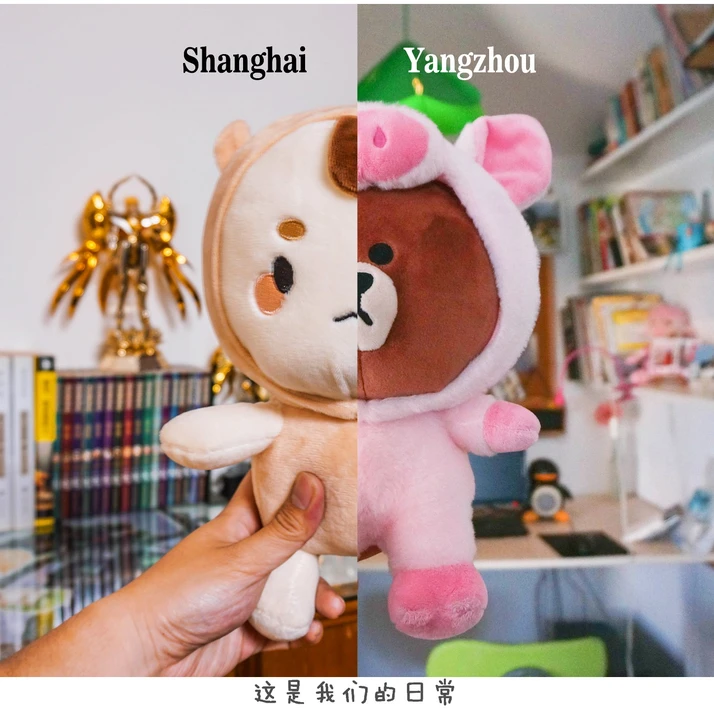
On a July weekend, Snowball traveled from Yangzhou to Shanghai—not for trendy check-ins, but to keep a date with art, history, and each other. This three-day Shanghai wander is a guide for couples seeking meaningful experiences in the city's world-class museums.
A Summer in the Magic City: Unexpected Encounters
July in Shanghai had just emerged from the rainy season, the air thick and muggy. Ricky's grandmother predicted a scorching summer, but Ricky secretly rejoiced—fewer crowds meant peaceful museum visits.
At five o'clock on Thursday afternoon, Snowball's train arrived at Shanghai Station. Ricky rushed through the subway corridor, rehearsing his greeting. But as he pulled out his phone, a familiar figure appeared—Snowball had already bounced out of the crowd and thrown her arms around him.
"I've missed you so much!" A thousand words condensed into just those four.
Museum Marvels: A Dialogue Across Time and Space
Stop One: Himalayas Art Museum – Seeds of Time
Exploring the Shanghai Project Exhibition
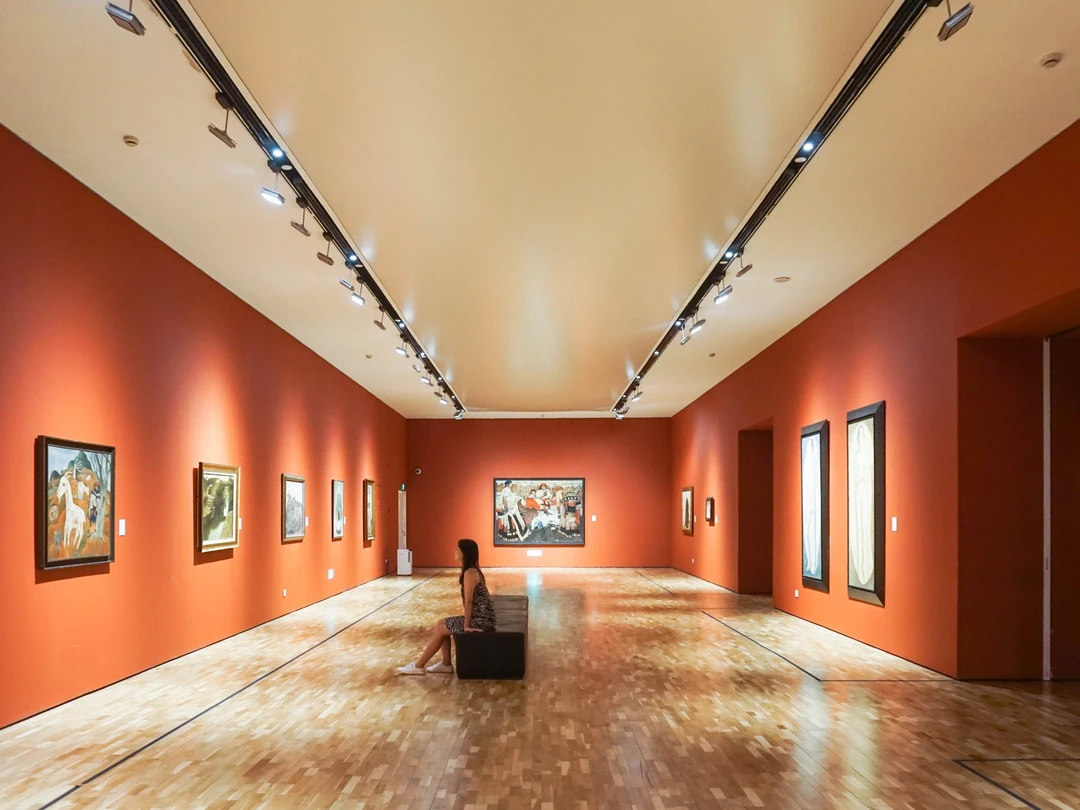
Friday morning, the couple crossed Shanghai to reach the Himalayas Art Museum in Pudong. The "Shanghai Project" exhibition, themed "Visionary Peak," featured a white steel-framed sky city by Japanese architect Sou Fujimoto. Floating trees wove through the structure, discussing humanity's blueprint for sustainable development in the 22nd century.
Inside the indoor gallery, cool air conditioning provided instant relief. Ricky sat on wooden steps, briefly transported back to a similar tranquility at Angkor Wat in Cambodia. In that moment, humanity and nature seemed to merge.
Interactive Art Installations for Couples
A piece titled "Ephemeral Bloom" caught their attention—a small flower growing in an industrial ruin, blooming only one hour each year. Scientists had extracted its scent molecules; wearing special glasses, visitors could smell that fleeting fragrance.
"So this is what 'small package, big aroma' really means," Snowball marveled.
Nearby, yellow "lotus lamps" glowed—solar-powered products designed to light up books for children in impoverished African regions. "This is also 'small package, big energy,'" Ricky chimed in.
The couple played endlessly at interactive installations—Snowball had Ricky stand in front of the screen, then ran over and wrapped her arms around his waist. A deep kiss froze in time as the camera beeped through its countdown. Despite some awkward poses, they settled for a photo that was "barely presentable."
[Link: Best interactive art installations in Shanghai museums]
Stop Two: Power Station of Art – A Carnival of Body and Medium
From Power Plant to Art Museum: A Shanghai Landmark
The Power Station of Art, a former Nanshi Power Plant converted into a museum, was itself a work of art. The 165-meter chimney stood tall by the Huangpu River, serving both as a city landmark and an independent exhibition space.
Entering the "Body·Media II" exhibition, the entire hall was painted black—the white box had become a black box. Ricky and Snowball felt like they'd turned into the building's lifeblood, moving through a space filled with "blood vessels" and "plasma."
Unforgettable Exhibits: Chiharu Shiota's Paper Cut Art
The most stunning piece was Chiharu Shiota's "Paper Cut #21." Twenty-two years ago, while in a psychiatric hospital, she could only calm down when cutting paper. Doctors allowed her to cut for ten hours a day as therapy. Now, she had turned this habit into performance art—a white dress, black hair, white paper being snipped into fine threads cascading like a waterfall. She had accumulated these paper threads for fourteen years, each only one millimeter wide, totaling 42,700 sheets of paper.
Not far away, a young couple sat on a bench, staring motionlessly at black-and-white stripes crackling on a screen. Ricky was sure they were mannequins—until the man suddenly stretched. Snowball giggled: "They're real people!"
Toyo Ito's Flowing Garden and 3D Water Array
The "Flowing Garden" section featured architectural models by Toyo Ito, inspired by the ancient Chinese tradition of "floating wine cups along a winding stream." A serpentine long table displayed over 130 models, like a meandering river. Ricky hid behind the gaps to spy on Snowball, but she caught him red-handed.
The "3D Water Array" used water as a medium, cycling through three pieces: "STILL," "Body," and "The Sorcerer's Apprentice." In "Neural Nebula," light bulbs emitting a faint blue glow and tripods formed a nebula in darkness. The two felt like stardust, drifting through it.
[Link: Power Station of Art exhibition schedule and tickets]
Stop Three: Long Museum West Bund – Industrial Heritage and Artistic Rebirth
The Umbrella Arch Structure and Coal Hoppers
The Long Museum West Bund was born in 2014, the second "child" of director Wang Wei. The building was defined by its unique "umbrella arch" structure, with delicate exposed concrete contrasting sharply against rough "coal hoppers." These hoppers, dock structures poured by the Nationalist government in 1948, had been transformed into stylish "hopper corridors," as if stepping from a faded, weathered past into a bright, shining future.
Photography Tips for Museum Visits
Ricky's photography skills had improved after months of "boot camp" with Snowball, but every photo session was still a flurry of panic. Snowball would twist herself into poses until her back ached, while Ricky fumbled with settings before finally saying, "Ready to shoot!"
To make matters worse, the camera battery died at the worst possible moment. The spare battery was back in the hotel room, the power bank locked in a storage locker, and his phone battery was dangerously low. Ricky clasped his hands together in prayer: "Battery, battery, you've got to pull through!"
[Link: Photography tips for Shanghai museums and galleries]
Stop Four: Shanghai Museum of Glass – From Transparency to Infinite Possibilities
Glass Industry Heritage in Baoshan District
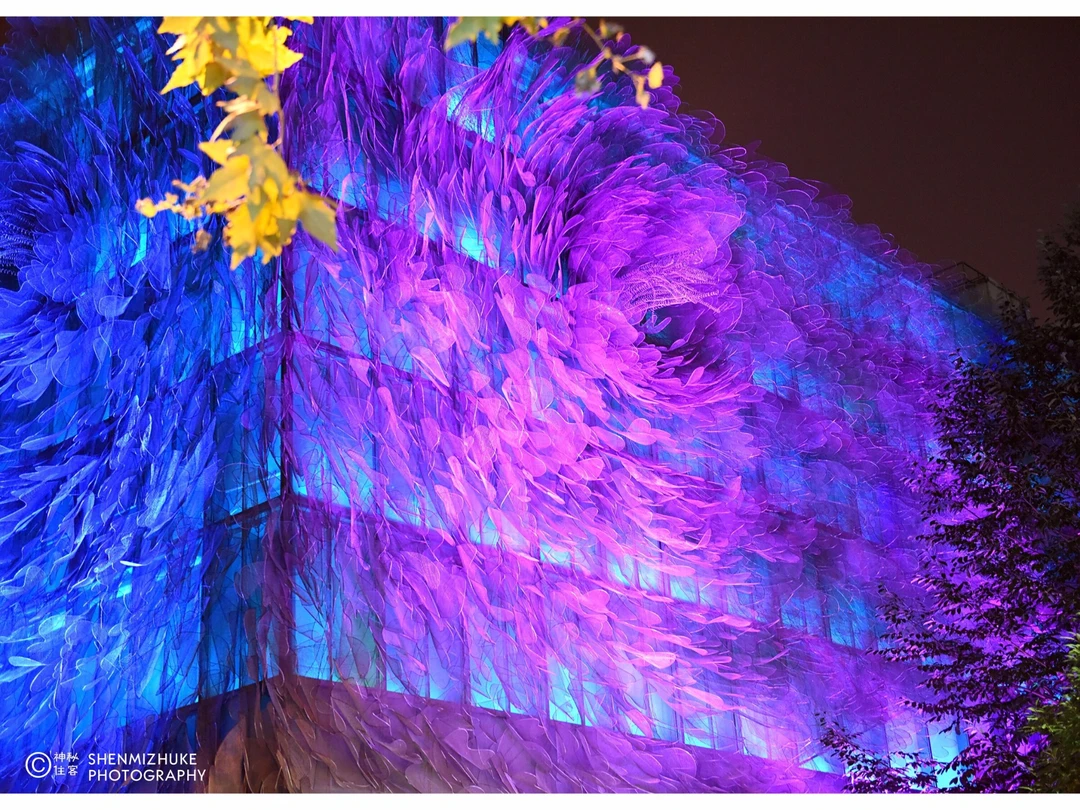
The Shanghai Museum of Glass was the closest to home, just a half-hour drive away. The building, made of black glass bricks, sparkled like gems in sunlight. Each brick was engraved with glass terminology in various languages.
As one of China's most developed regions for the glass industry, Shanghai had built this industrial-design-focused museum on the original site of the Shanghai No.1 Glass Instrument Factory in Baoshan District. Culture and art would be revived and regenerated on industrial soil.
Interactive Glass Demonstrations and Exhibits
In the gallery, a glass ball embedded in an iron frame piqued Snowball's curiosity. Just as Ricky was about to explain, she jumped in: "It must have been placed in the frame while the glass was still hot, then blown up like a balloon!" She pursed her lips, mimicking blowing up a balloon. "Once it cooled, it turned into this—amazing."
Glass's function had long transcended the stereotype of "transparent and fragile"—some were incredibly hard, others heat- and cold-resistant, and still others had changed the way humans observe the world.
The couple almost missed the daily glass-blowing demonstration. A staff member stepped forward, ready to showcase the ancient craft. The couple watched in awe as molten glass transformed into delicate shapes.
[Link: Shanghai Museum of Glass ticket prices and opening hours]
FAQ: Planning Your Shanghai Museum Trip
1. What is the best time to visit Shanghai museums?
 Weekdays, especially Tuesday to Thursday, offer fewer crowds. Avoid weekends and public holidays. Early mornings (right when museums open) are ideal for a peaceful experience.
2. How many museums can I visit in one day?
 Two to three museums per day is realistic. Consider proximity—the Himalayas Art Museum and Power Station of Art are on opposite sides of the Huangpu River, so plan accordingly.
3. Are Shanghai museums suitable for couples?
 Absolutely! Many museums offer interactive installations perfect for couples. The Power Station of Art and Himalayas Art Museum have especially romantic, immersive exhibits that encourage connection.
4. Do I need to book tickets in advance?
 Yes, especially for popular exhibitions. Many museums offer online booking with time slots. Check official websites or platforms like Mafengwo for real-time availability.
5. What should I bring for a museum day?
Comfortable shoes, a fully charged camera with spare batteries, a power bank, and a light jacket (air conditioning can be strong). Some museums have cafes, but snacks are useful for long visits.
Conclusion: Love, Art, and Time in Shanghai
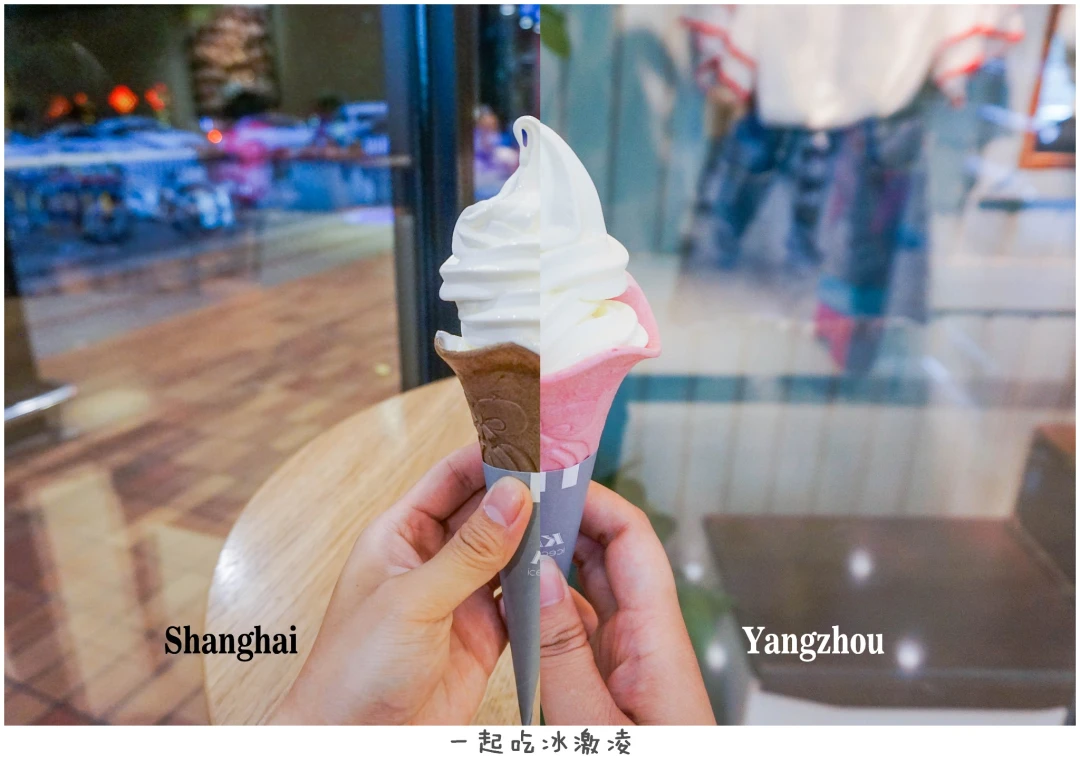
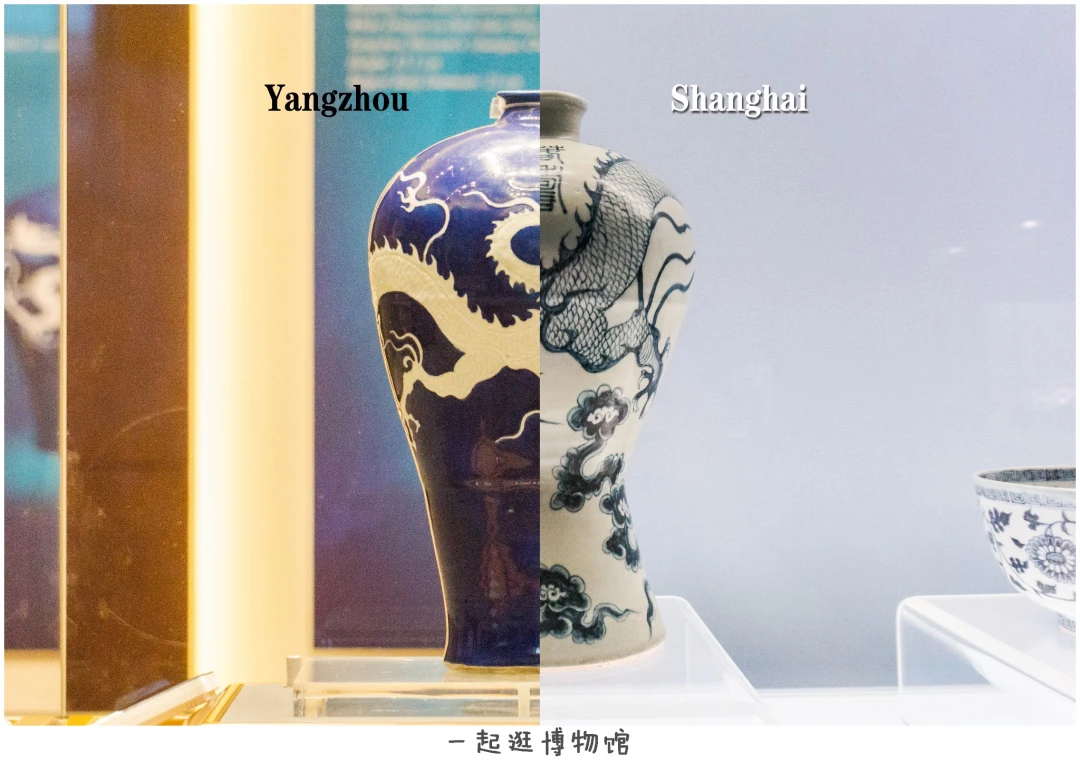
This three-day Shanghai wander was more than a museum tour—it was a dialogue between love and art, between past and future. From the seeds of time at the Himalayas Art Museum to the industrial rebirth at the Long Museum West Bund, every exhibit echoed with stories of human creativity and connection.
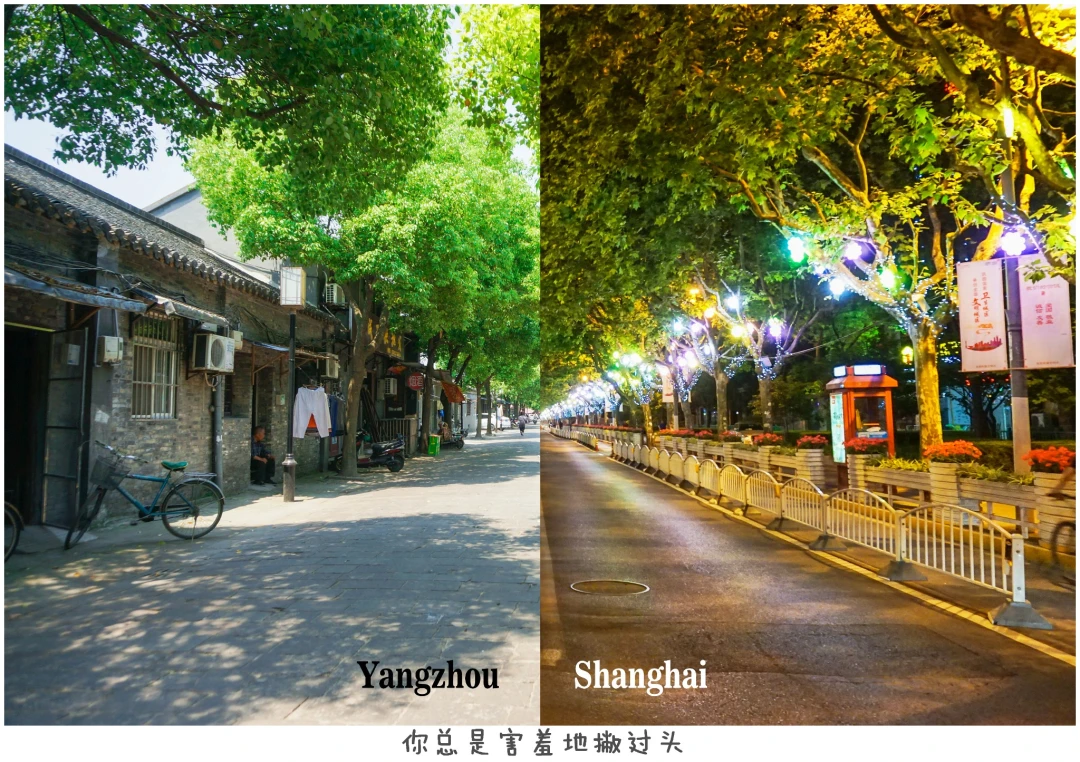
As Ricky and Snowball walked hand in hand through the glass-blowing demonstration at the Shanghai Museum of Glass, they realized that love, like art, requires patience, creativity, and the courage to transform. Their long-distance romance had found its perfect metaphor in these museums—where fragile materials become masterpieces, and fleeting moments become eternal.
Your Turn: Plan your own Shanghai museum adventure. Whether you're a couple seeking romance or a solo traveler exploring culture, these museums offer unforgettable experiences. [Link: Book your Shanghai museum tickets now]
Call to Action: Share your favorite museum memory in the comments below. Which exhibit would you want to experience with someone special? Let us know, and start planning your Shanghai wander today!
You may also like