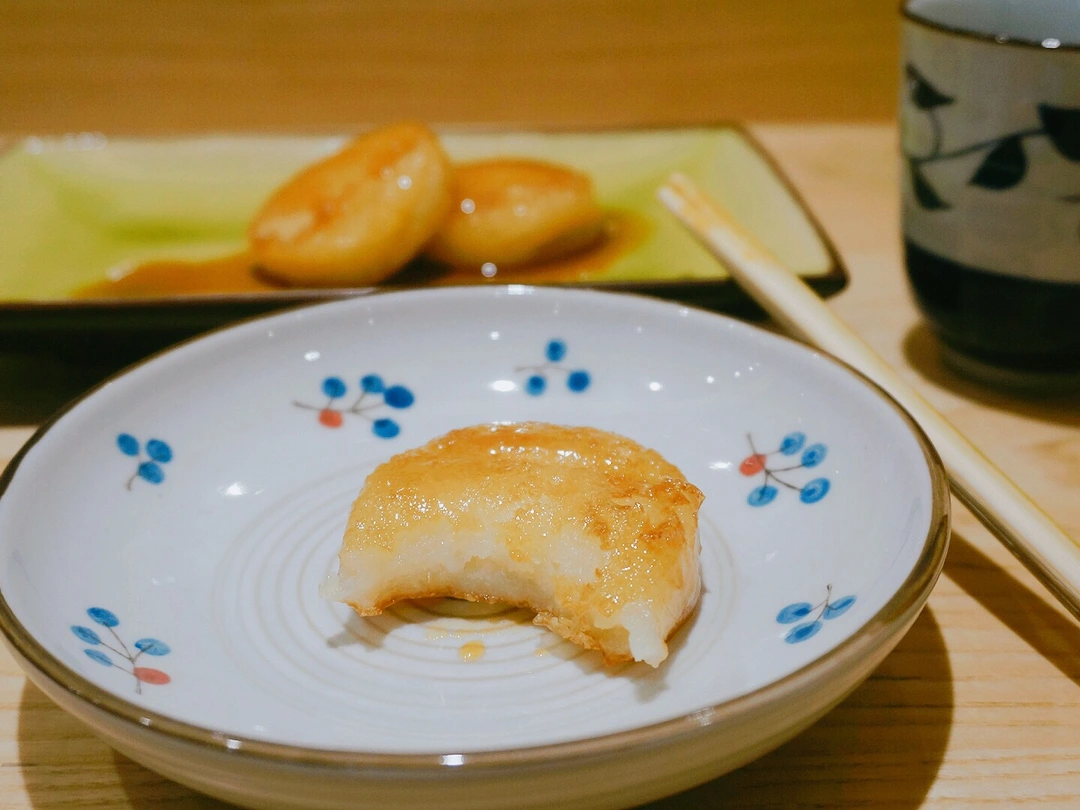
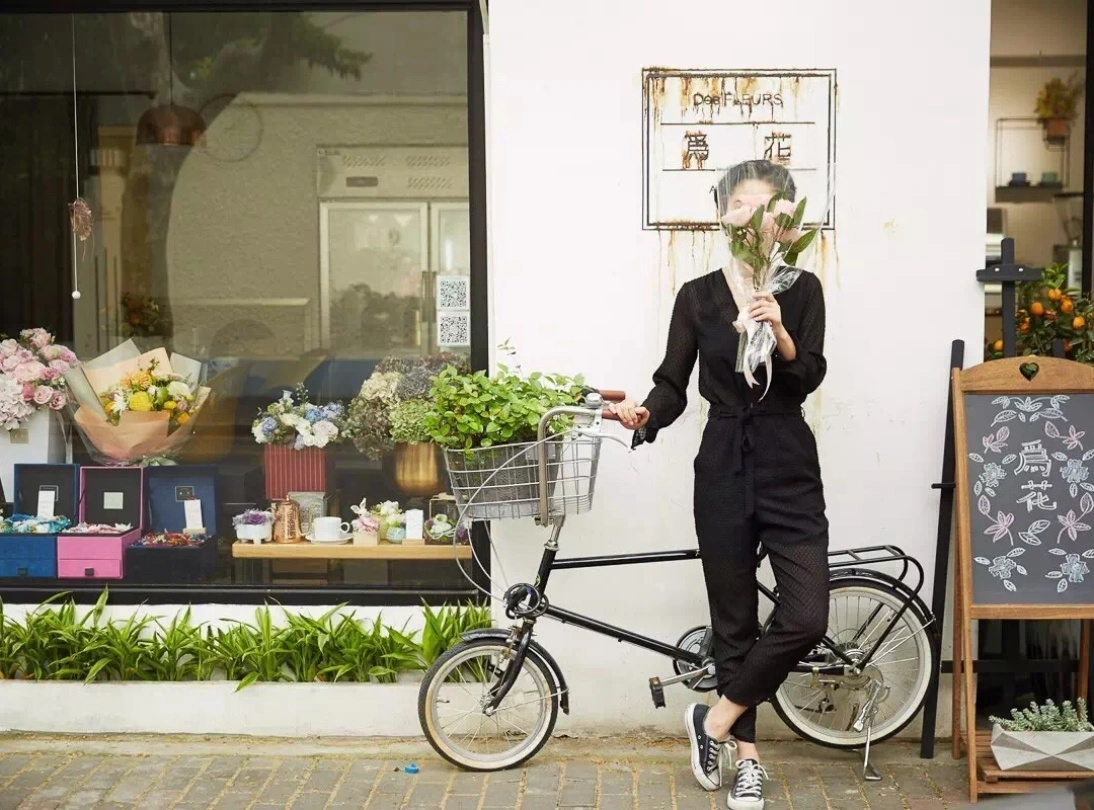
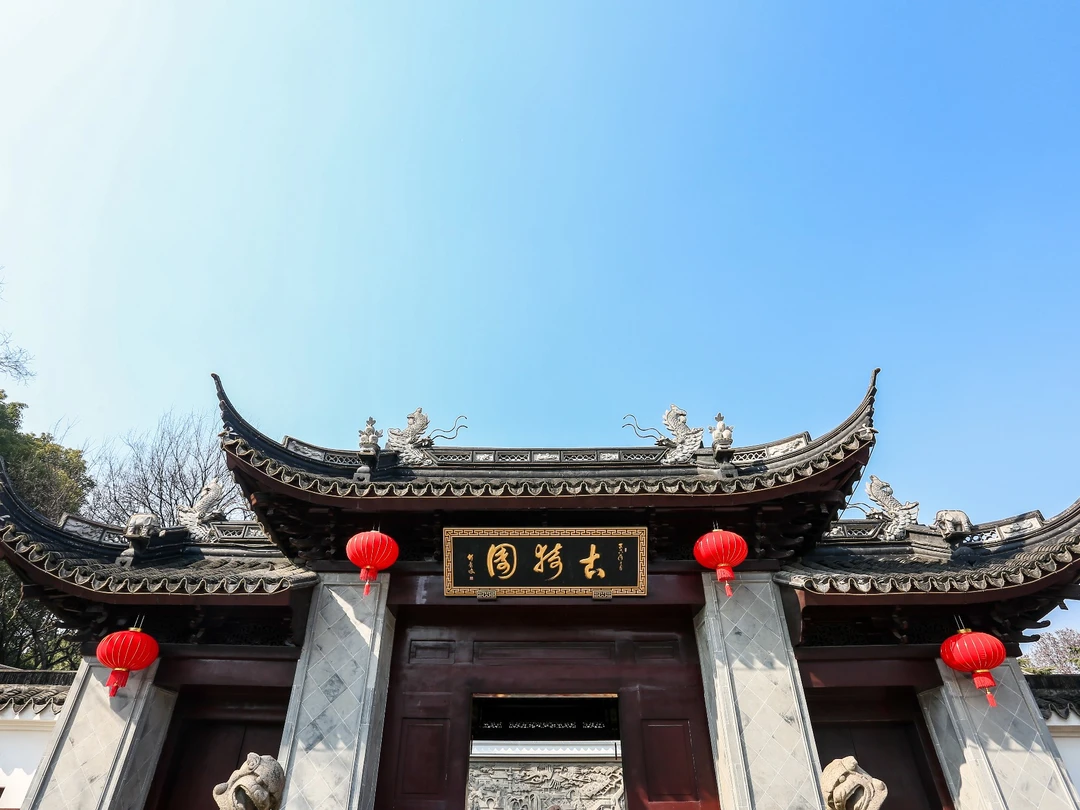
When the Yellow Plums Ripen: A Shanghai Diary [July 2022 – June 2023] – A Year of Quiet Discovery
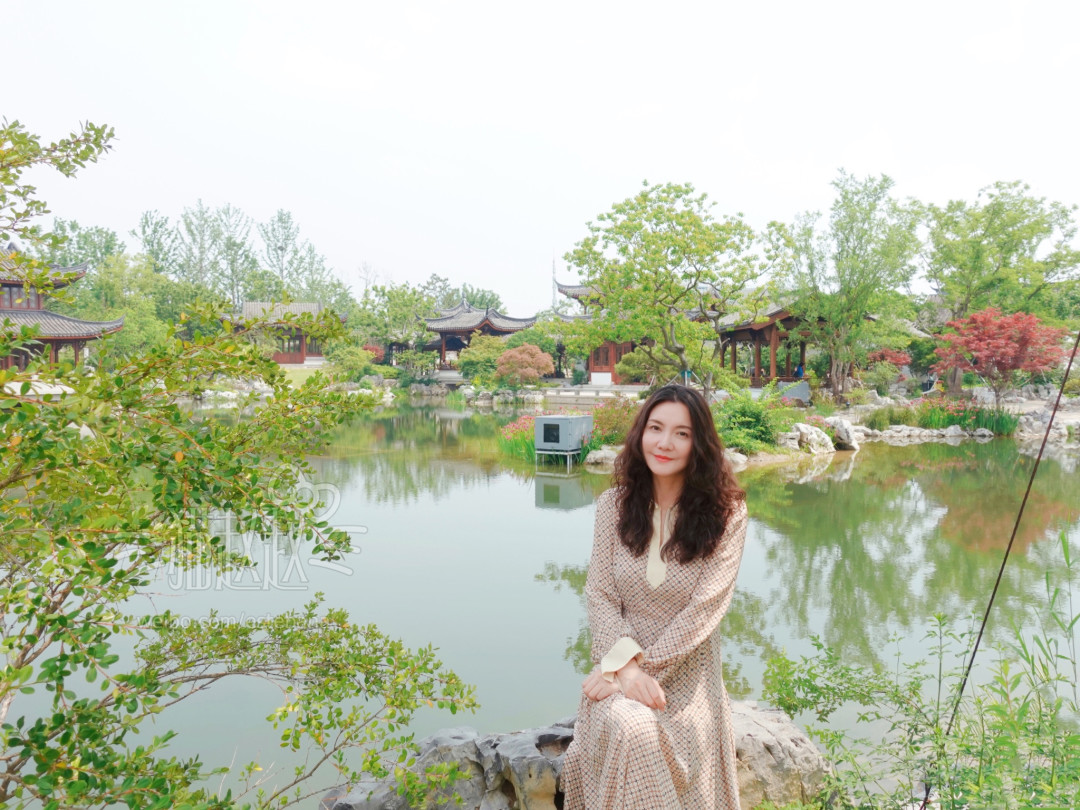
Meta Description: Explore a deeply personal Shanghai diary spanning July 2022 to June 2023. Discover hidden museums, coffee shops, and art spaces that became sanctuaries during a year of loss and urban rediscovery.
“After the storm, you don’t remember how you survived. You’re not even sure the storm is truly over. But one thing is certain: when you come through the storm, you are no longer the same person who walked into it.”
— Haruki Murakami
Introduction: A Shanghai Diary Beyond Travel
Shanghai summers arrive with a damp embrace. The meiyu season—those endless weeks when plums ripen under grey skies and the air hangs heavy with moisture—isn’t just a weather pattern. It’s a state of mind. For me, the year spanning July 2022 to June 2023 became a long, slow unraveling of expectations, a quiet reckoning with time, loss, and the strange grace of small pleasures.
This is not a travelogue of grand adventures. It’s a chronicle of nearby discoveries—exhibition halls, hidden parks, coffee shops that became sanctuaries—all stitched together by the rhythm of a city slowly waking from a long hibernation. If you’re looking for Shanghai off-the-beaten-path experiences or hidden gems in Shanghai for solo travelers, this diary offers an intimate lens into urban resilience.
The Year That Changed Everything: Personal Storms and Urban Solace
Let’s be honest: 2022 wasn’t a year for wanderlust. The pandemic’s grip loosened slowly, and personal storms gathered in its wake. In November, my father fell ill. From hospital admissions to medication regimens, from hope to resignation, the timeline felt cruelly precise. By the following June, the doctor’s six-month prognosis had run its course.

Life teaches you things you never asked to learn. That year, I learned about the weight of hospital corridors, the kindness of strangers in waiting rooms, and the quiet dignity of a parent who refuses to complain. The Buddhist concept of saha—the world of endurance, of suffering—became less abstract. You can’t be greedy in such a world. You hold onto warmth. You let the sadness pass without commentary.
Since long journeys weren’t an option, I turned inward—to the city I’d called home for years but never truly explored. Armed with an iPhone 13 Pro and a Sony RX100 V, I set out to document the ordinary magic hiding in plain sight. This Shanghai diary 2022 became a testament to finding beauty in confinement.
July 2022: The Museum as Refuge – Shanghai Museum Highlights
Shanghai Museum & the Art of Stillness
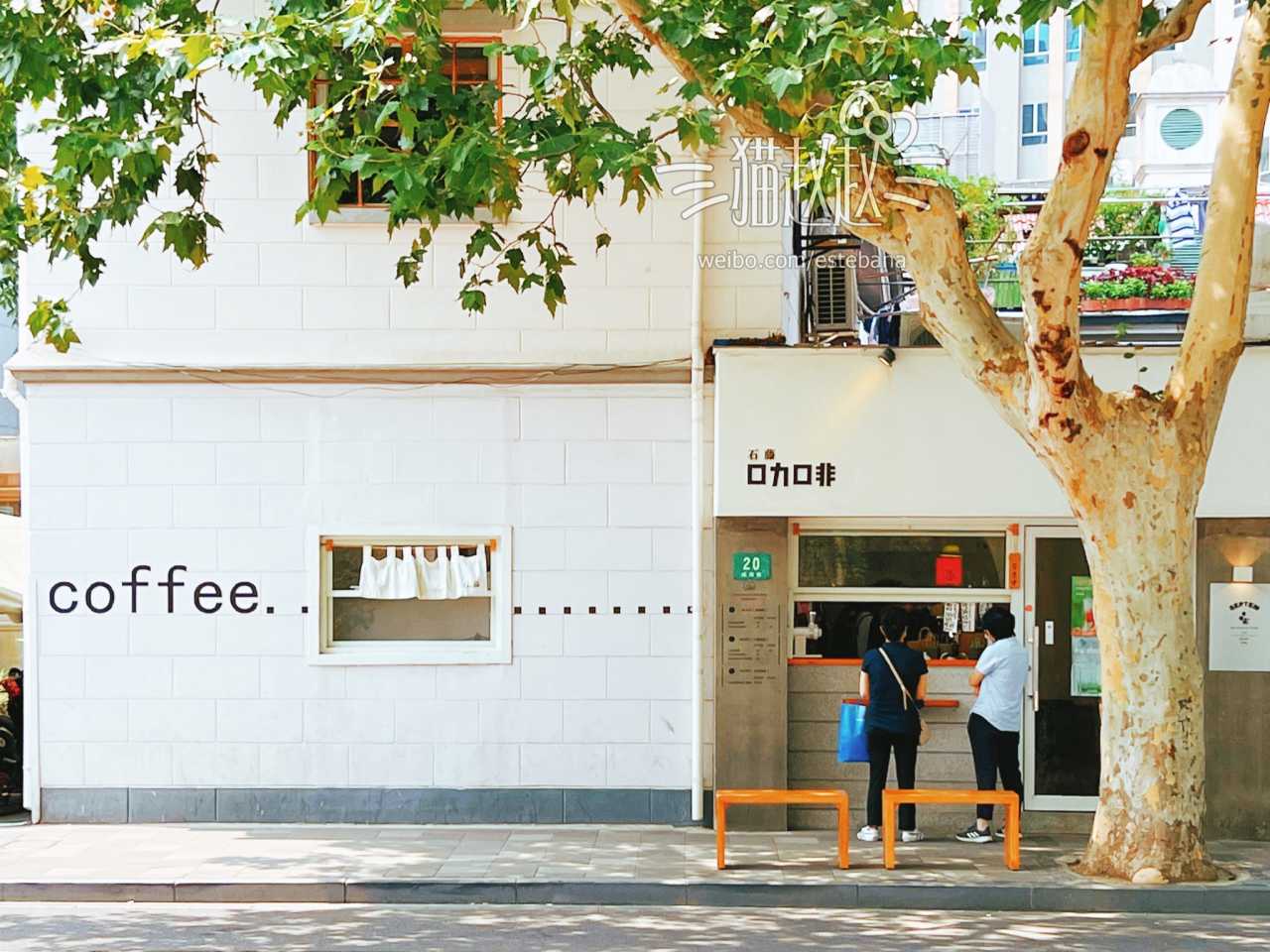
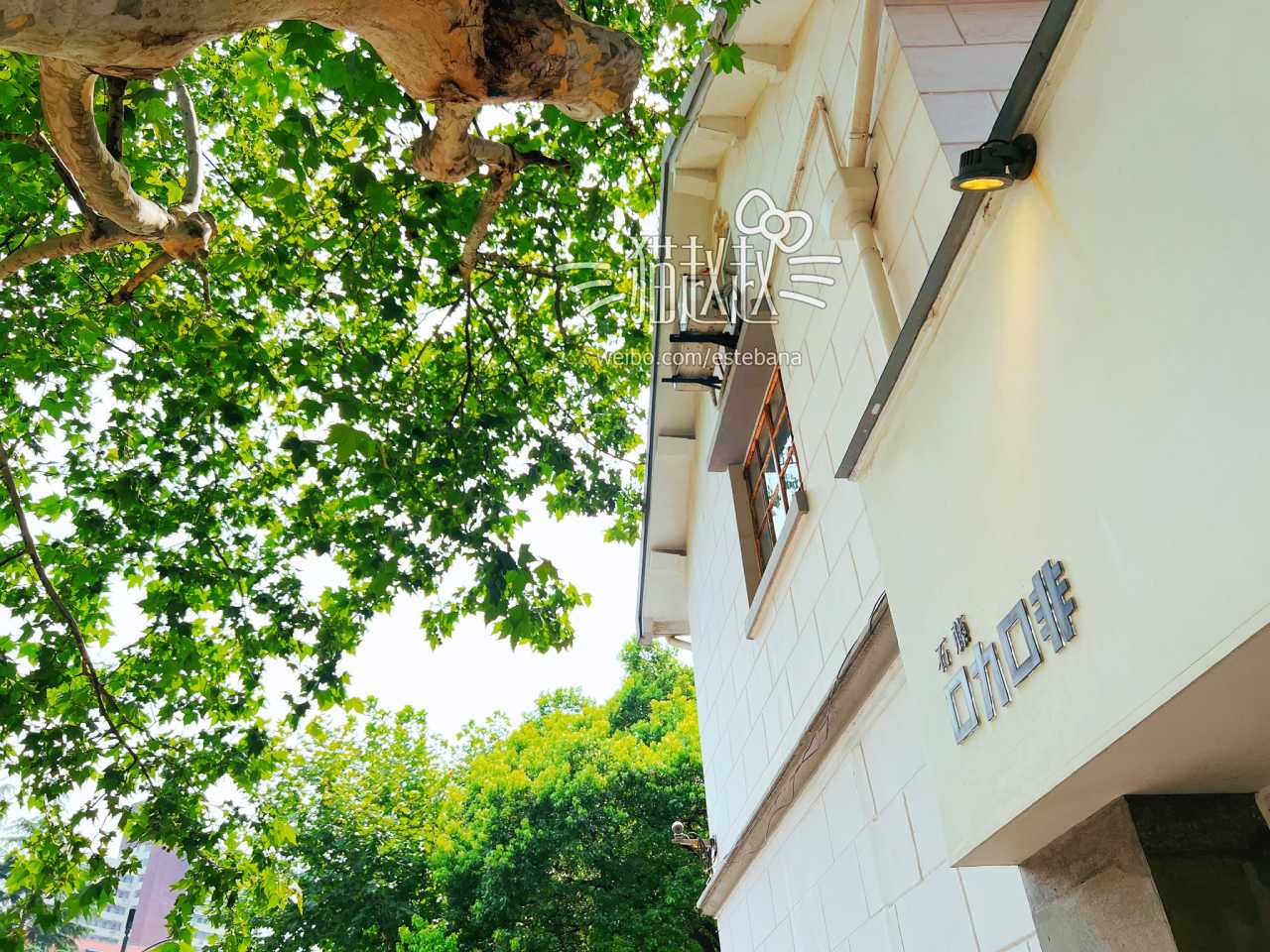
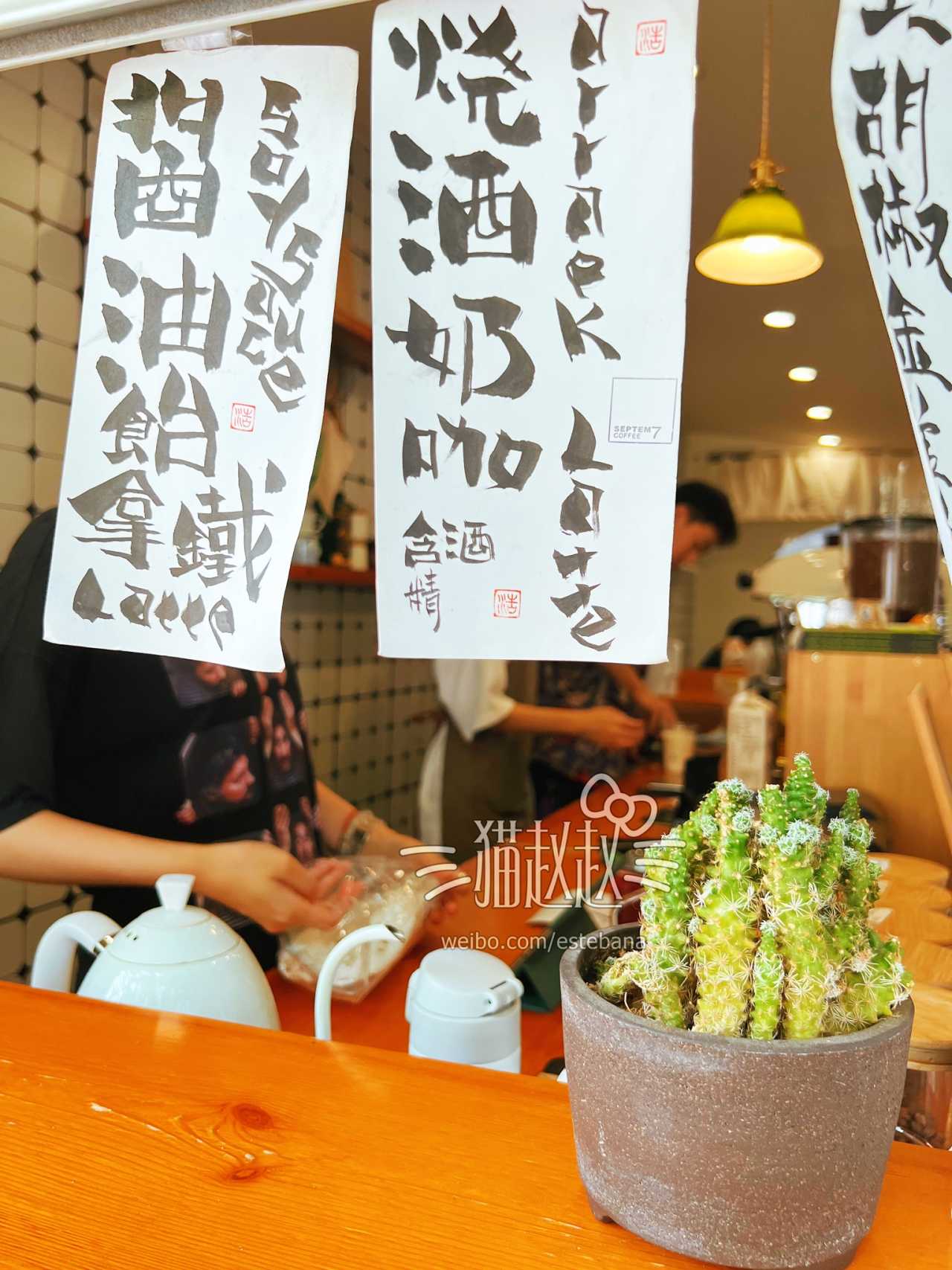
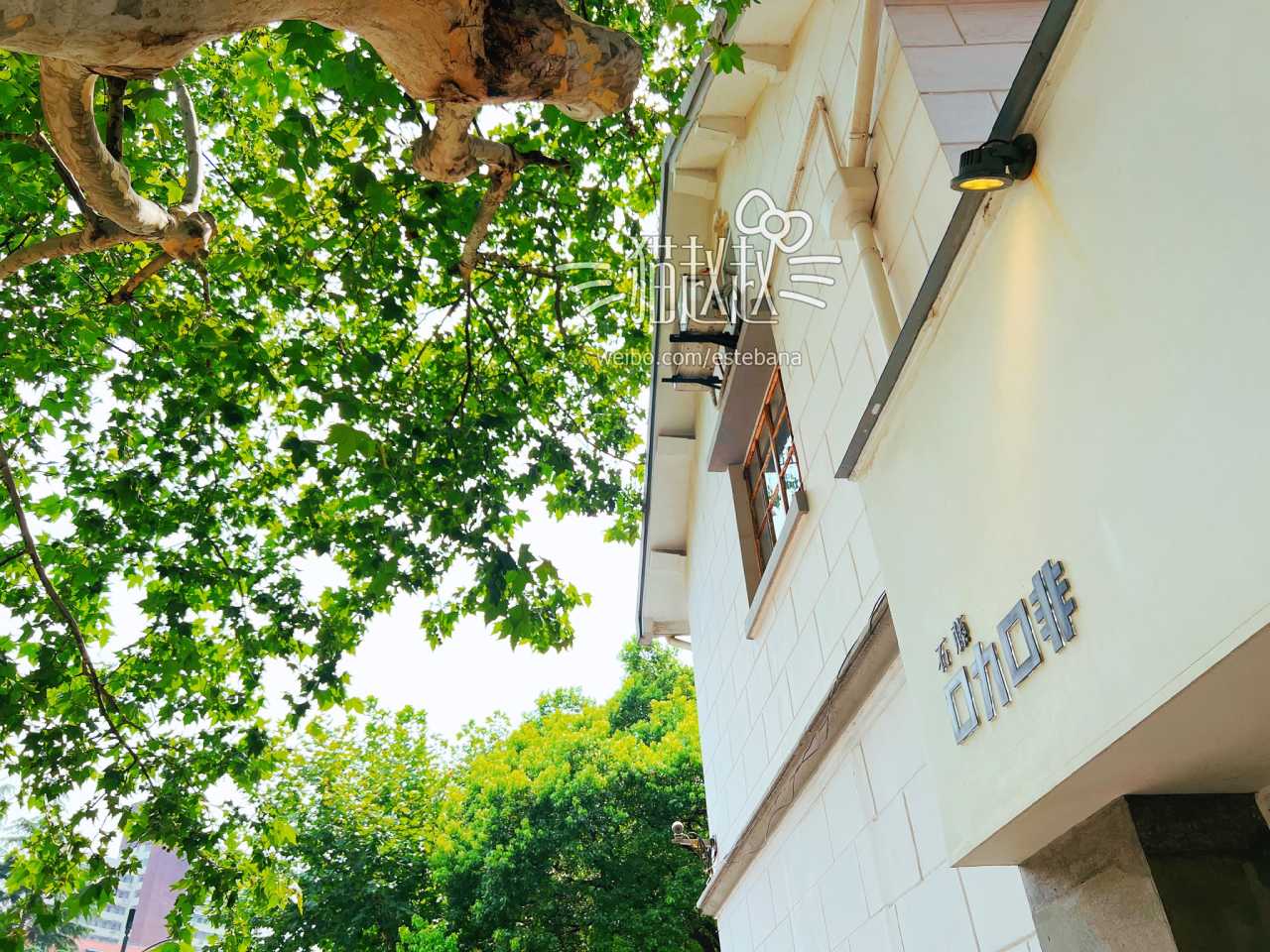
The first stop was Shanghai Museum, on the hottest day of summer. I’d snagged a ten-yuan coupon for a wine-scented Americano at Shiteng Coffee (a small café near People’s Square)—a small victory in the game of urban frugality. Walking from Huangpi Road North, I wore noise-canceling headphones, a long-sleeved shirt, and carried a parasol. The cicadas were deafening. The coffee was hot, because I’m that person who orders hot drinks in July.
Inside the museum, two exhibitions awaited: Splendid Era and Thalassa. The second-floor gallery of donated artworks held a surprise: a copy of The Elegant Gathering in the Western Garden, originally by Li Gonglin. The original is lost, but Su Dongpo’s circle of friends was so dazzling that later generations couldn’t resist recreating it. I crouched before the painting, matching faces to Mi Fu’s annotations. Su Dongpo, of course, occupied the center. The scene—“water and stone murmuring, wind and bamboo swallowing each other, incense smoke curling, grass and trees fragrant”—felt like a meditation on coolness itself.
Upstairs, the Greek art exhibition was a small but luminous affair. With international travel still uncertain, these artifacts had crossed oceans to visit me. They glittered with a warmth that transcended time.
Before leaving, I paid respects to the museum’s iconic bronze Xizun—a wine vessel shaped like a mythical beast. It hadn’t been loaned out. Good, I thought. Who wants to drink warm wine in this heat?
Two and a half hours later, I emerged to find the sky had turned from blazing sun to sudden downpour. Trapped under the eaves, I thought of Jay Chou’s Sunny Day and smiled.
Key Takeaway: The Shanghai Museum remains one of the best free things to do in Shanghai. Its rotating exhibitions offer endless discovery.
[Link: Best museums in Shanghai for solo travelers]
August 2022: Hidden Corners and Quiet Revelations – OCAT Shanghai & Rhino Bookshop
OCAT Shanghai: Contemporary Art Near Suzhou Creek
August took me to OCAT Shanghai, a contemporary art space near Suzhou Creek. Before the exhibition, I stopped at The Face Coffee—a name that made no sense until I realized it was attached to a Shanghainese restaurant called Gong • Xi. The place served coffee as a side hustle, with a soundtrack of country rock and a logo featuring Medusa. Very Shanghai, I thought.
The coffee was good. The barista was smiling. The wall screen looped videos of home cooking, and my iced hazelnut latte disappeared faster than expected.
Rhino Bookshop: A Shanghai Hidden Gem
Then I found the Rhino Bookshop—a place so easy to miss that missing it feels like fate. White couplets on the glass door hinted at something ancient within. I pushed the door carefully, almost apologetically. Inside, the air smelled of old paper and time. The owner, a man of few words, was quietly sealing books in plastic. Dust motes danced in the light filtering through a yellowed skylight. I breathed deeply.
The exhibition itself, The Eye of Ten Thousand Realms, was free and nearly empty. One installation, Water Flowing Long, consisted of seventy-two LCD screens showing the same waterfall at slightly different moments. The first screen captured 9:00 AM; the last, 9:52 AM. Step back, and the illusion of continuity was perfect. I stood there for a long time, thinking about how perspective changes pain. “Look further, and you won’t be sad,” Lin Yutang once wrote. Truer words.
Another piece, Ten Thousand Arrows Piercing the Heart, was a three-channel video—essentially 4D white noise. I sat in the dark, watching bamboo sway in an imagined wind. Leaves fell, were swept up, fell again. I thought about what Zhang Chaoyang and Yu Minhong had discussed in their late-night talk: that fighting emotional quicksand only makes you sink faster. The only way out is coexistence.
“Wind comes through the bamboo, but the bamboo does not hold the sound.” I could have sat there all afternoon.
Key Takeaway: For unique Shanghai art exhibitions and quiet places to read in Shanghai, OCAT and Rhino Bookshop are must-visits.
[Link: Best independent bookshops in Shanghai]
September 2022: Art, Prayer, and Disappointment – Xuhui Art Museum & Jade Buddha Temple
Xuhui Art Museum: Tibetan Murals in Miniature
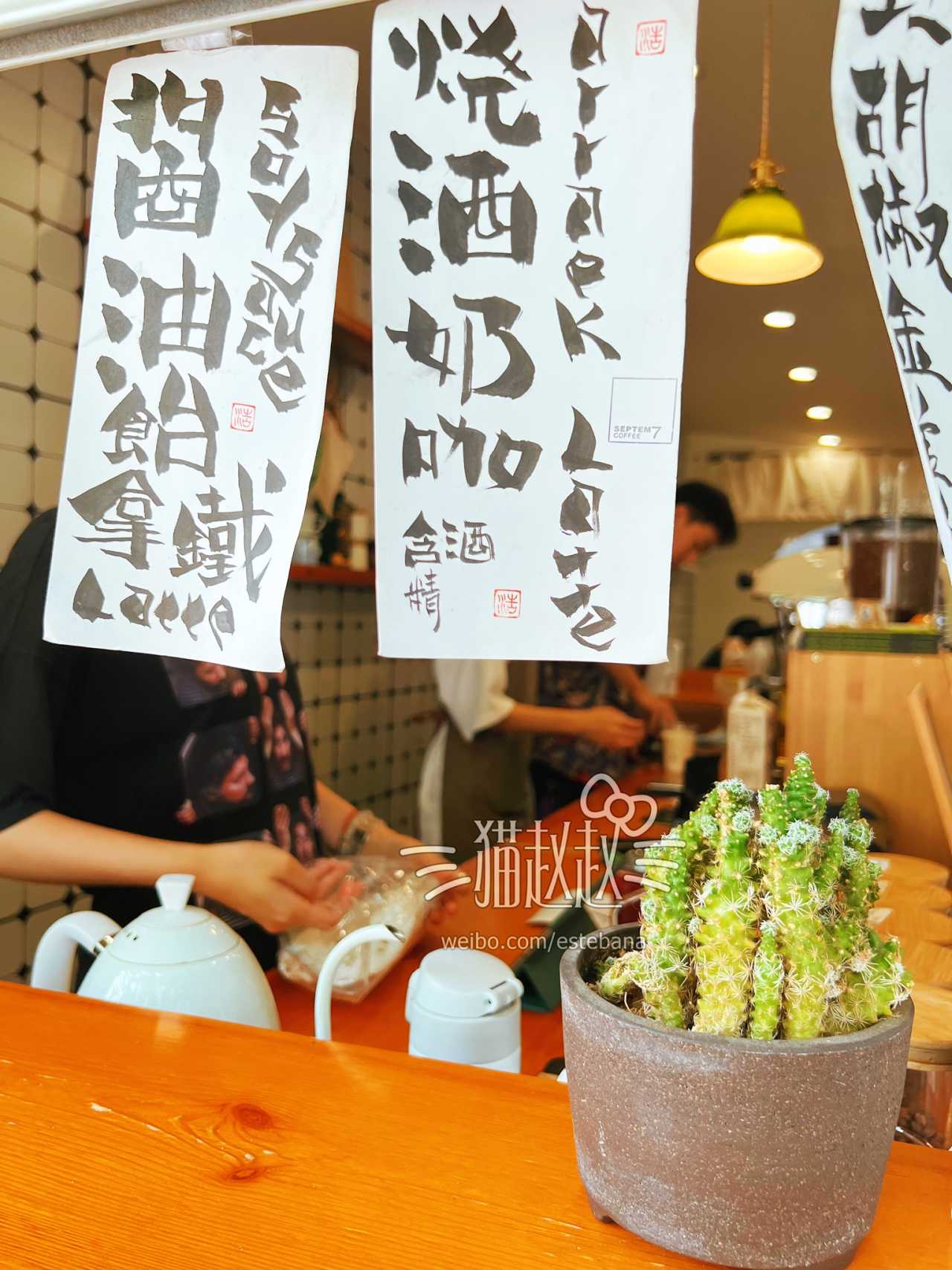
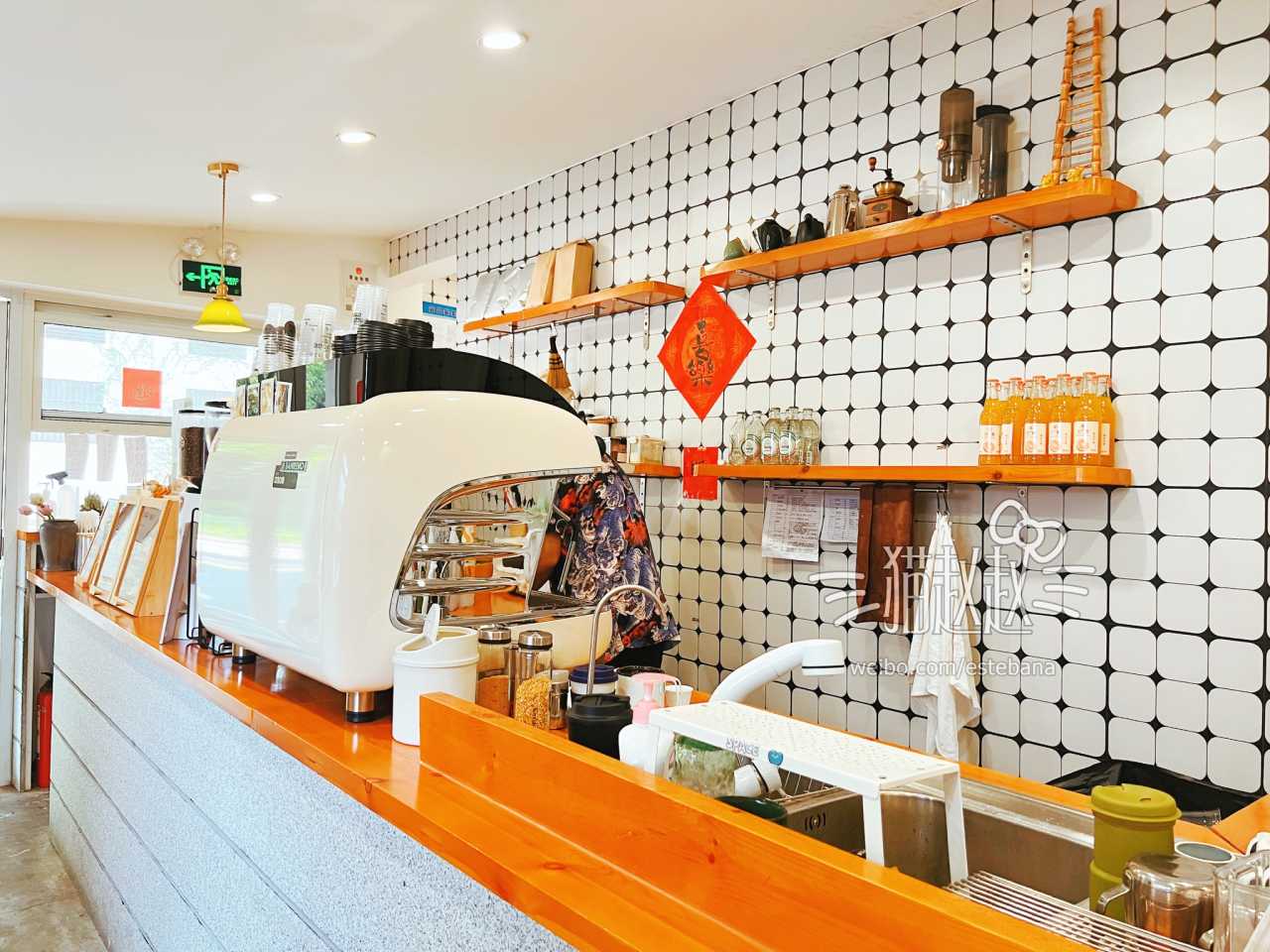
September brought the first selfie of autumn—earlier than the first milk tea. I found myself at SIM PUR Coffee, a tiny corner shop at Changshu Road and Yanqing Road. I’d walked past it in February without a second glance. This time, fate intervened: an eighteen-yuan flat white became ten-yuan-eighty thanks to a coupon and a bank discount. The shop was small, but the window featured a sunglasses-wearing dog statue that was actually a speaker. Priorities.
The Xuhui Art Museum was hosting Splendid Images Entering the Microcosm, a two-year labor of love featuring Tibetan murals from Shigatse. The exhibition had been postponed, closed, and extended multiple times. September 15 was the final day.
The museum itself was tiny—formerly a library. But the curators had turned this limitation into strength. The ground floor displayed murals in a space deliberately designed to mimic the narrow confines of a cave temple. A white room held a single book: a catalog of Shigatse’s mural heritage, the only copy in existence, and never to be reprinted.
Upstairs, interactive installations included a 1:1 replica of the Pelkor Chöde Monastery’s Buddha hall, a kaleidoscope called Endless Realm, and a prayer wheel called Tibetan Wheel. Turn any of its three layers, and projected murals shifted in response. It was art as ritual, as meditation.
I stayed two hours. The staff, seeing my absorption, let me linger past closing time. “No one else is here. Take your time.”
The Jade Buddha Temple: A Bitter Aftertaste
A friend gifted me mooncakes from the Jade Buddha Temple. It felt right to return the courtesy with a visit. The temple had expanded since my last visit—the main gate on Anyuan Road was closed, with entry through a side door. Outside, scalpers hawked mooncake vouchers. One woman insisted I had a connection to Guanyin (the Bodhisattva of compassion). I thanked her and walked on.
The temple grounds were cooler than the city, shaded by ginkgo trees that would turn golden in autumn. The oldest jade Buddha sat in the deepest hall, serene as a full moon.
Key Takeaway: The Xuhui Art Museum offers rare Tibetan art exhibitions in Shanghai, while the Jade Buddha Temple remains a spiritual anchor in the city.
[Link: Spiritual places in Shanghai for meditation]
Frequently Asked Questions About Visiting Shanghai in 2022-2023
1. What are the best hidden museums in Shanghai?
 The Xuhui Art Museum and OCAT Shanghai are excellent choices for off-the-beaten-path art experiences. The Shanghai Museum remains a must-visit for its permanent collections.
2. Are there free things to do in Shanghai?
Yes! Many museums, including the Shanghai Museum, offer free admission. Independent bookshops like Rhino Bookshop and public parks are also free to explore.
3. What is the best time to visit Shanghai for solo travelers?
 Spring (March-May) and autumn (September-November) offer mild weather and fewer crowds. However, the meiyu season (June-July) has its own quiet charm.
4. Which coffee shops in Shanghai are worth visiting?
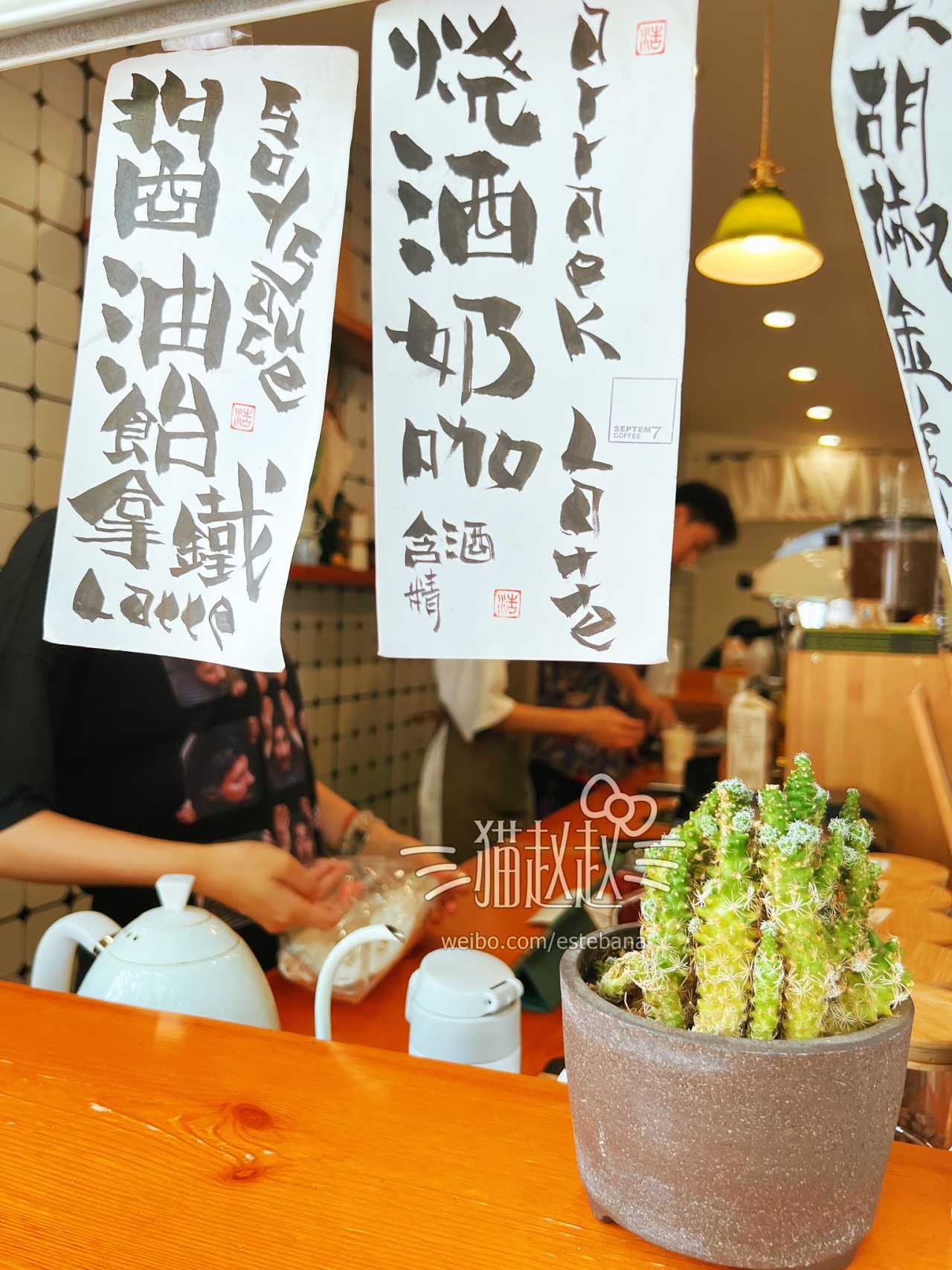
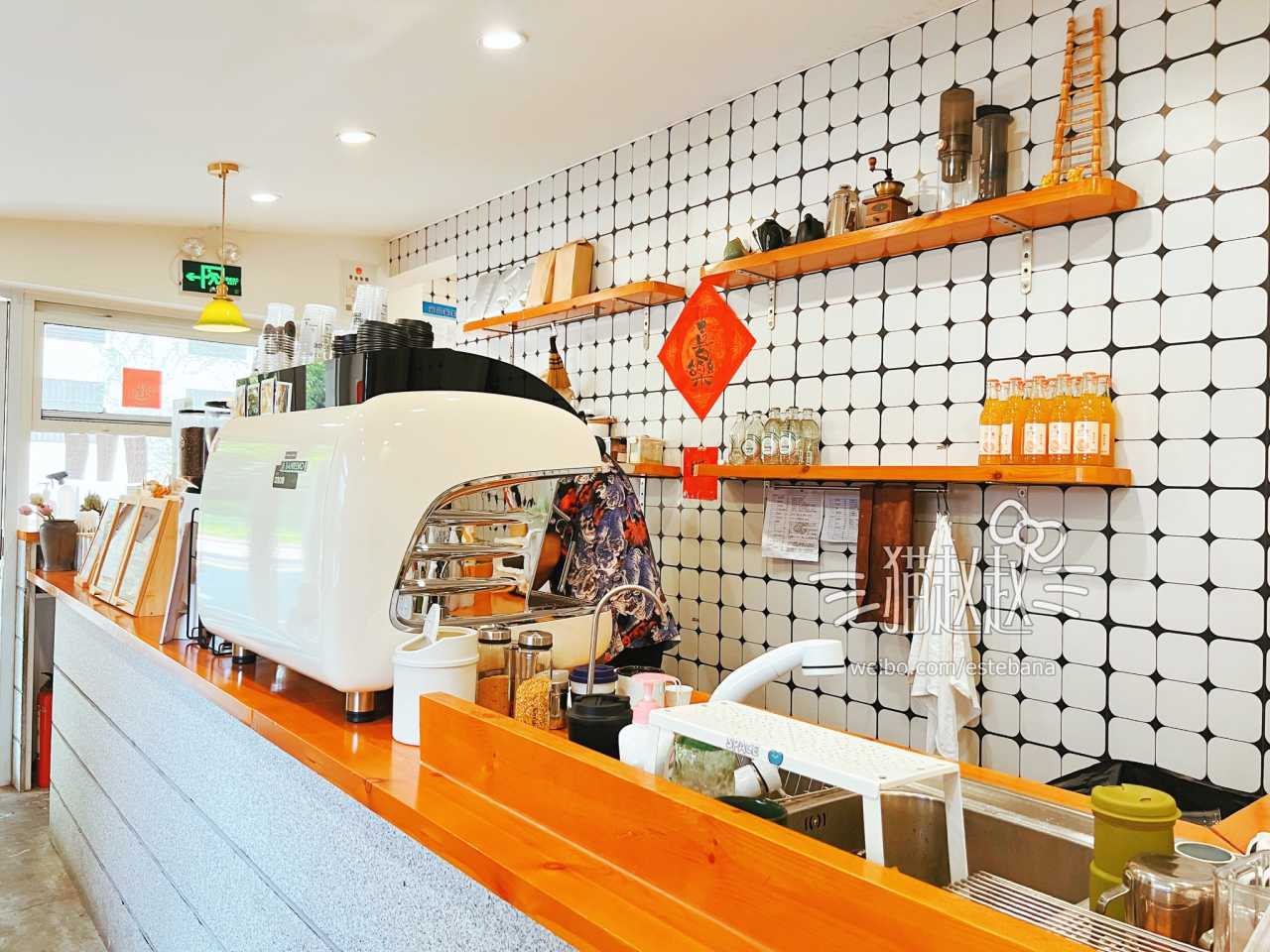
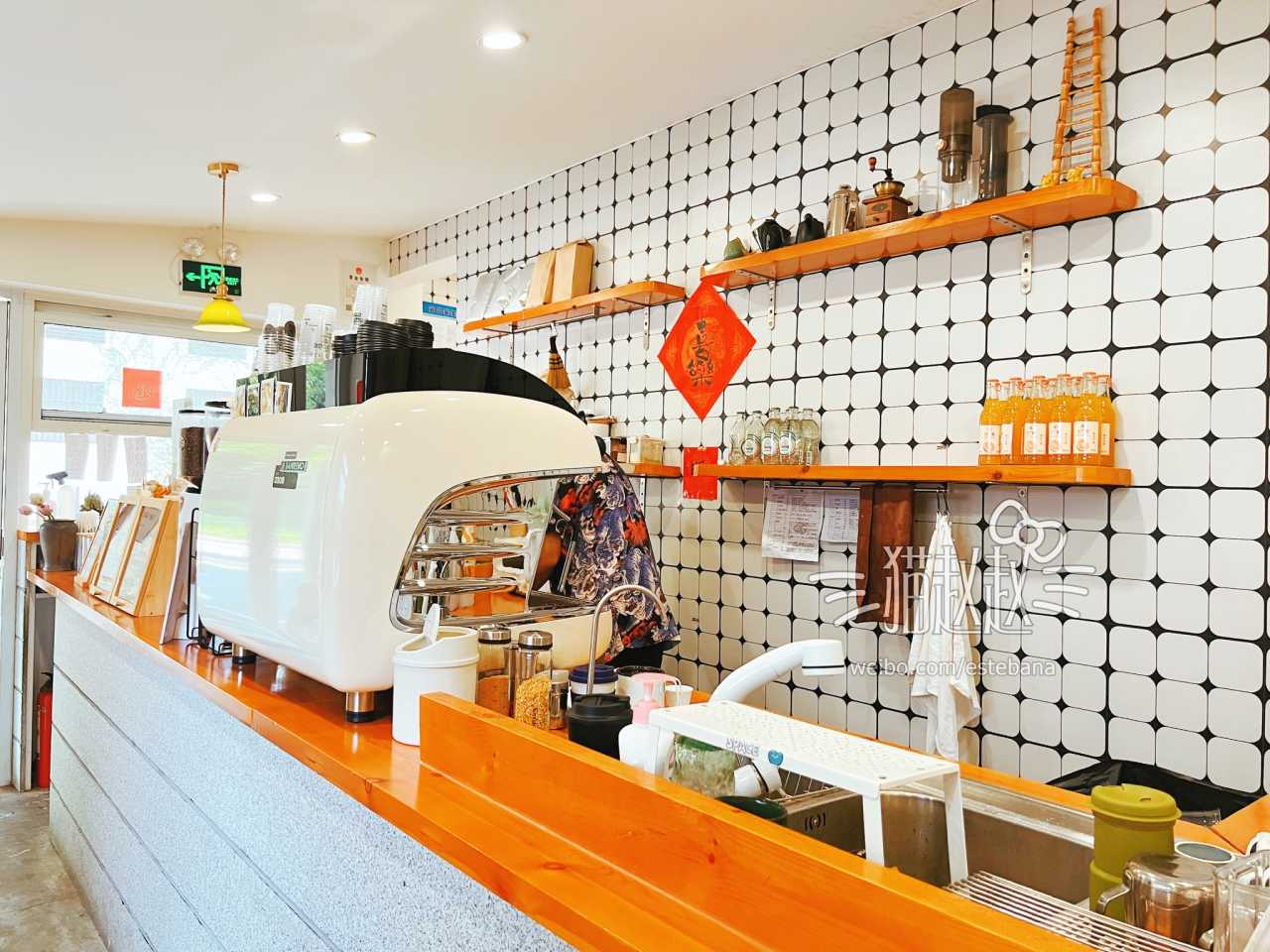 Shiteng Coffee near People’s Square, The Face Coffee near Suzhou Creek, and SIM PUR Coffee at Changshu Road are all unique finds.
5. How can I find hidden art exhibitions in Shanghai?
Follow local art museums on social media, check event listings on platforms like Douban, and explore neighborhoods like Xuhui and Jing’an for pop-up galleries.
Conclusion: Finding Grace in the Ordinary
This Shanghai diary 2023 is not a guide to famous landmarks. It’s a reminder that the most profound journeys often happen within a few kilometers of home. When the yellow plums ripen under grey skies, when the rain falls and the city holds its breath, there is still beauty to be found—in a painting, a coffee shop, a quiet temple.
If you’re planning a trip to Shanghai, or if you live here and feel stuck, I encourage you to slow down. Look closer. The ordinary is extraordinary when you pay attention.
Ready to explore Shanghai’s hidden corners? Start with the Shanghai Museum, then wander toward Suzhou Creek. You never know what you’ll find.
[Link: Complete Shanghai travel guide for 2024]
Have your own Shanghai discovery story? Share it in the comments below.
You may also like