Shanghai After Dark: A Food Lover’s Guide to the City’s Hidden Night Eateries
Meta Description: Discover Shanghai's best late-night eateries, from hidden Japanese oden bars in Huaihai Road to yakitori joints near People's Square. Your ultimate guide to authentic after-dark dining in Shanghai.
There’s something magical about a city after midnight. The crowds thin, the neon signs soften, and the real stories begin to unfold—not in grand ballrooms or Michelin-starred temples, but in tiny, dimly lit corners where steam rises from a pot of simmering broth and a lone diner finds solace in a bowl of rice.
Shanghai, a city I’ve called home for 23 years, has a secret life after dark. It’s not the glitzy clubs or the late-night karaoke bars that define its soul—it’s the late-night eateries, the shinya shokudo, that cater to the lonely, the hungry, and the curious. These are places where the food is honest, the portions are humble, and the company—whether it’s a silent chef or a chatty stranger—makes you feel less alone.
This isn’t a guide to the city’s high-end omakase counters or all-you-can-eat Japanese buffets. It’s a love letter to the small, unassuming spots that stay open when everything else has shut down. Whether you’re a traveler passing through, a worker burning the midnight oil, or a long-time resident like me, these are the places that will feed your body and your spirit.
Why Shanghai’s Hidden Night Eateries Are a Must-Visit
Shanghai’s food scene is world-renowned, but the real magic happens after dark. These hidden night eateries offer more than just food—they offer a glimpse into the city’s soul. From Japanese oden bars to Beatles-themed izakayas, each spot has a story to tell. And the best part? They’re affordable, authentic, and often overlooked by tourists.
[Link: Best late-night food in Shanghai]
Part One: Wandering the Glamour of Huaihai Road

Huaihai Road—once known as Avenue Joffre in old Shanghai—still carries an air of elegance. It’s a boulevard of luxury malls, trendy cafés, and heritage buildings. But tucked away in its side streets are some of the city’s most cherished late-night gems, many of which are frequented by Japanese expats who know a thing or two about authentic flavors.
Wanzo: The Art of Oden
📍 Location: Changle Road
⏰ Hours: Dinner only (no lunch service)
💳 Payment: Cash or card only (no Alipay or WeChat)
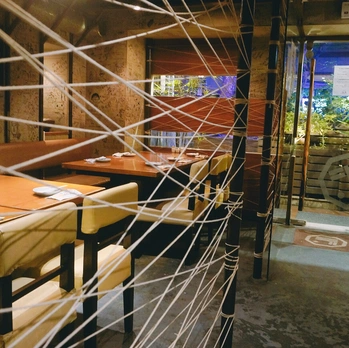
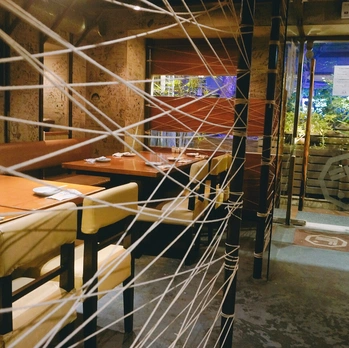
Wanzo’s main branch is in Gubei, a bit far for a quick after-work meal. But its city-center outpost on Changle Road is a cozy, sunken treasure. The space is small—just one floor—and it fills up quickly, especially on weekends.
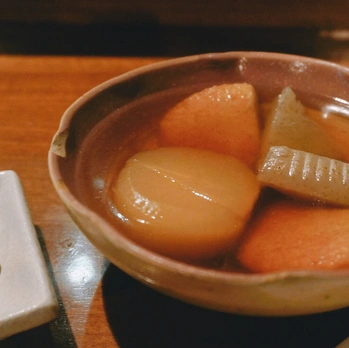
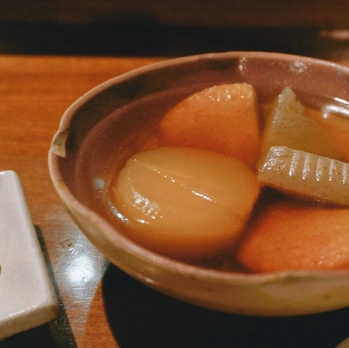
The star here is the oden, a Japanese hotpot of simmered ingredients. You can choose three, five, or seven items: radish, konjac, egg, fried tofu, fish cake. The broth is light and clean—unlike the overly salty versions you’ll find in convenience stores. The radish, in particular, soaks up the broth beautifully, though it has a faint bitterness at the end. The konjac is delightfully bouncy, and the fish cake is as fresh as it gets. A dollop of wasabi on the side adds a pleasant kick.
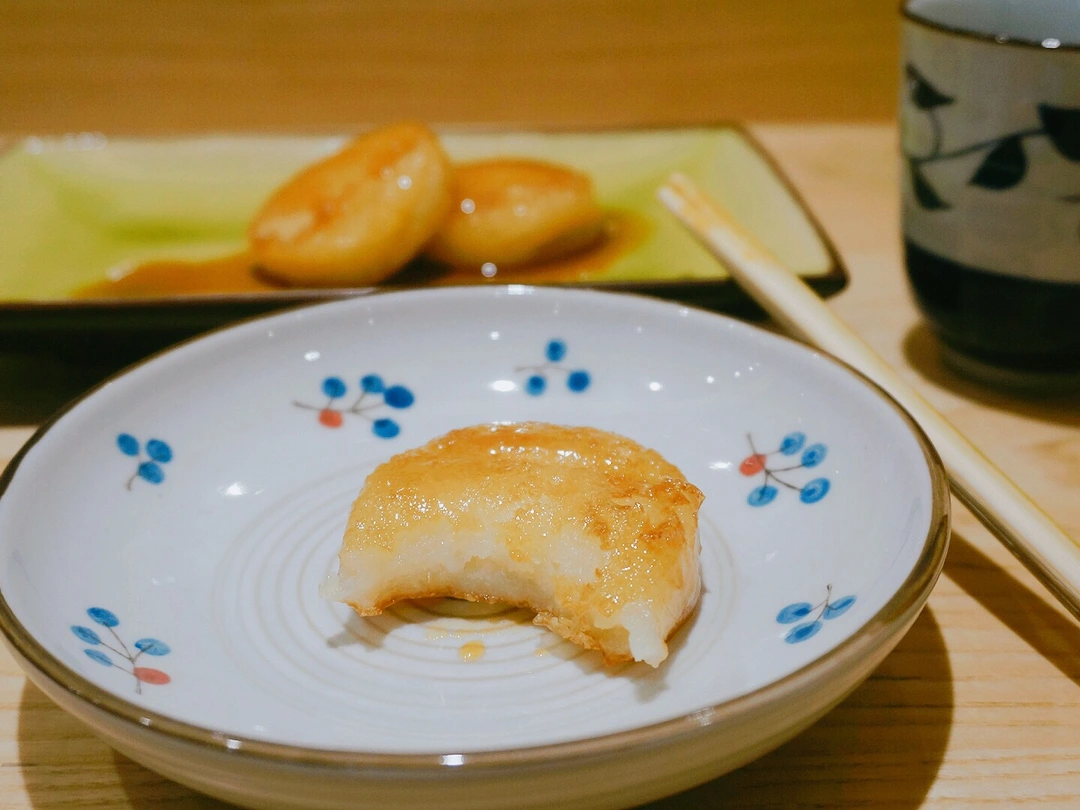
Don’t miss the tofu skin rice balls. They look unassuming, but the sweet, savory tofu skin wrapped around a mix of soft rice and crispy puffs is addictive. It’s simple, satisfying, and gone in three bites.
The yakitori is worth ordering too. The cheese-stuffed chicken thigh is juicy, with a stretchy layer of melted cheese that doesn’t overpower the meat. The plum chicken—grilled and brushed with a tangy plum sauce—could use a touch more sweetness, but it’s still a solid choice.
As I sat there, surrounded by the chatter of Japanese businessmen and the laughter of foreign diners, I realized: this is what a true shinya shokudo feels like—a little corner of the world where everyone is welcome.
Average cost: 80 RMB per person
Enraku: A Hidden Gem for Tonkatsu
📍 Location: Changle Road (near Lánxīn Grand Theatre)
💳 Payment: Cash or card only
Finding Enraku is an adventure in itself. Look for a narrow staircase leading up from the street—the entrance is easy to miss. But once you’re inside, the warmth of the staff and the buzz of regulars make you feel like you’ve stumbled upon a secret.
The chef speaks a little Chinese—“Welcome,” “Thank you,” “See you next time”—but his passion is universal. The L-shaped counter puts you right in front of the action, and on busy nights, the place hums with the energy of Japanese expats catching up over beer and edamame.
The tonkatsu (fried pork cutlet) is the real deal. The meat is perfectly marbled—fatty pieces rendered down to a juicy, almost buttery texture, while the leaner parts stay crispy and dry. But the real surprise is the rice: it’s cooked in a seasoned broth with onions and egg, so every grain is infused with flavor. This isn’t just a side dish—it’s the star of the show.
As I finished my meal, the chef handed me a small dish of chilled grapes. It was a simple gesture, but it stayed with me long after I left.
Average cost: 60 RMB per person
A Quick Detour: Jinxian Road
Between Wanzo and Enraku lies Jinxian Road, a legendary strip of old-school Shanghai home-style restaurants. If you want to taste the city’s famous sweetness—the kind that defines Shanghainese cuisine—come here early (they close early). Try Lánxīn Restaurant (130 Jinxian Road) for red-braised pork, or Mào Lóng (134 Jinxian Road) for crab-egg stir-fry.
For noodles, head to Ā Niáng Miàn (36 Sinan Road) for yellow croaker noodles with pickled vegetables, or Dǐng Tè Lè (22 Lane 464, Huaihai Middle Road), a 24-hour spot famous for its scallion-oil noodles.
[Link: Shanghai home-style restaurants guide]
Part Two: The Conservatory of Music Neighborhood
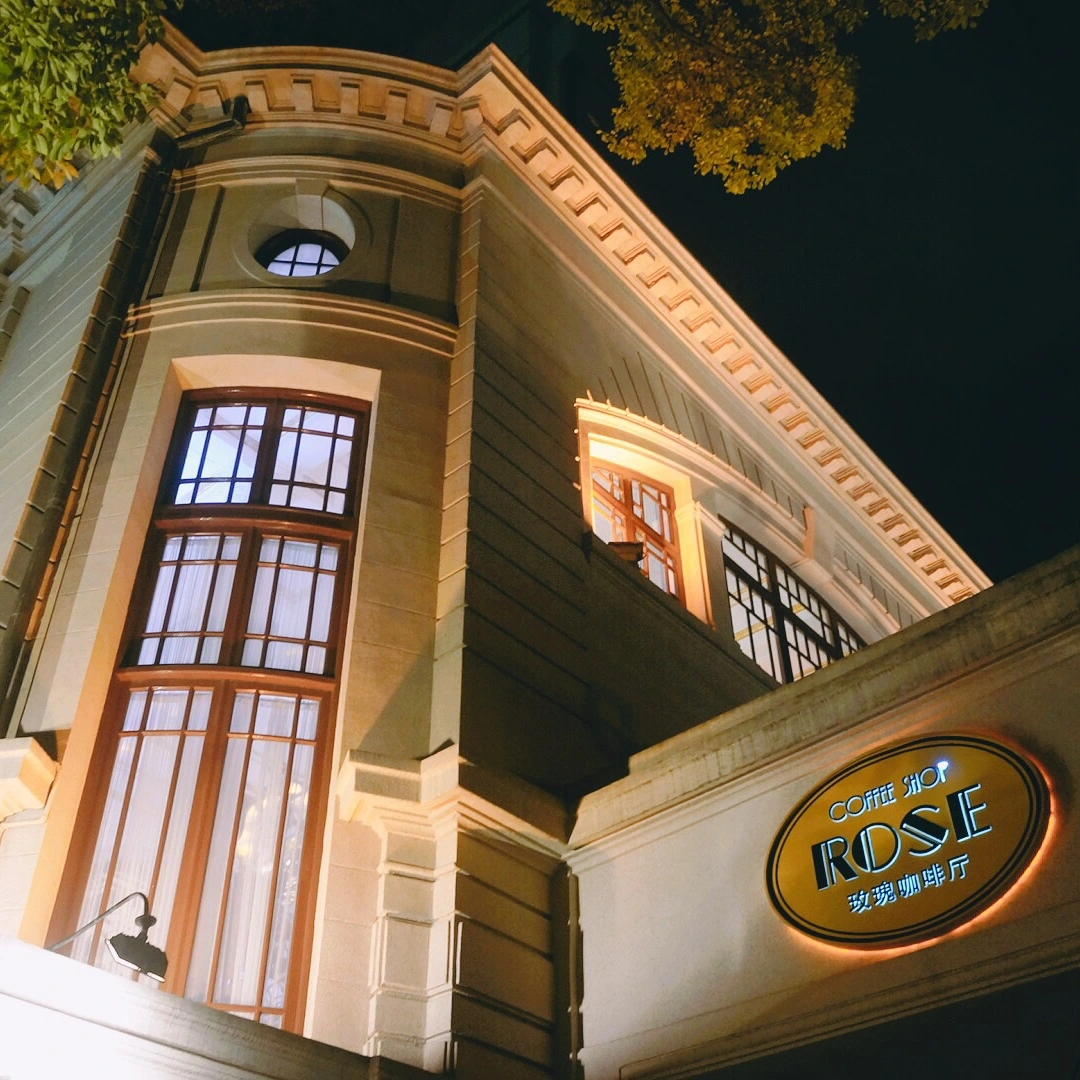
This area, centered around the Shanghai Conservatory of Music, is a melting pot of cuisines—French, Spanish, Italian, Vietnamese, and more. But for late-night comfort food, I always gravitate toward two tiny spots that feel like they’ve been plucked straight out of a Japanese drama.
Heng Chun Yuan: Where the Chef Rules
📍 Location: Near the Conservatory
⏰ Hours: Opens at 18:00 sharp
💳 Payment: Cash only
This place is not for everyone. The chef—a young, no-nonsense man with a quiet intensity—runs the show with an iron fist. There are only seven seats at the counter. No reservations. No substitutions. And definitely no scrolling through Dianping (a Chinese review app) to decide what to order.
“Don’t look at those online reviews,” he told a customer who tried. “They have nothing to do with me.”
But if you let him guide you, you’ll be rewarded. The miso-braised radish is a revelation—tender, sweet, and savory, with a depth of flavor that lingers. The cold tofu is simple but perfect, the soy sauce enhancing the bean’s natural fragrance. And the butter rice—a bowl of warm, fluffy rice mixed with butter and furikake (Japanese rice seasoning)—is the kind of comfort food that makes you close your eyes and sigh.
The chef knows exactly when you’ll finish your first course and has the next one ready. It’s a choreographed dance, and you’re just a grateful spectator.
Average cost: 70 RMB per person
Kuta: A Beatles-Themed Ode to Yamaimo Rice
📍 Location: Near the Conservatory
In the movie version of Shinya Shokudo (Midnight Diner), there’s a scene where a young woman eats yamaimo (grated yam) rice for the first time. It’s a moment of pure, unadulterated comfort. Kuta, a Beatles-themed izakaya, is one of the few places in Shanghai that serves this dish.
The yamaimo rice arrives with a small bowl of grated yam, a raw egg, and a sprinkle of seaweed. The texture is gloriously slimy and sticky—an acquired taste, but one that grows on you. Pair it with their yakitori, which is among the juiciest I’ve had in the city. The asparagus-wrapped pork and negima (chicken and scallion skewers) are both excellent.
Average cost: 60 RMB per person
Part Three: People’s Square—Yakitori and Peach Wine
People’s Square is the heart of Shanghai—chaotic, vibrant, and always buzzing. It’s also home to some of the city’s best late-night eats, both old and new.
A Quick Note on Classic Shanghai Eateries
Before diving into the late-night spots, here are a few time-honored favorites near People’s Square:
- Dà Hú Chūn (136 Sichuan Middle Road): Famous for its pan-fried buns (shengjian). Eat them fresh at the shop.
- Chéng Lóng Xíng Crab Mansion (216 Jiujiang Road): For the ultimate crab feast.
- Dé Xīng Guǎn (471 Guangdong Road): Try the braised pork shank noodles or eel noodles.
- Lǎo Zhèng Xīng (556 Guangdong Road): A classic for Shanghainese dim sum.
[Link: Shanghai People's Square food guide]
FAQ: Shanghai After Dark Dining
Q1: What are the best late-night eateries in Shanghai for authentic Japanese food?
A: For authentic Japanese late-night dining, try Wanzo (oden and yakitori on Changle Road), Enraku (tonkatsu near Lánxīn Grand Theatre), or Heng Chun Yuan (miso-braised radish and butter rice near the Conservatory). These spots are beloved by Japanese expats for their quality and atmosphere.
Q2: Are these hidden night eateries expensive?
A: No—they’re surprisingly affordable. Most meals range from 60 to 80 RMB per person. Wanzo’s oden and Enraku’s tonkatsu are both around 60-80 RMB, while Heng Chun Yuan’s set menu averages 70 RMB. You get high-quality, authentic food without the high-end price tag.
Q3: Do these restaurants accept Alipay or WeChat Pay?
A: Many of these hidden gems are cash-only or accept only credit/debit cards. Wanzo and Enraku accept cards but not Alipay/WeChat. Heng Chun Yuan is strictly cash-only. Always carry some cash when exploring these spots.
Q4: What’s the best time to visit these late-night eateries?
A: Most of these places open around 18:00 and stay open until late. For a quieter experience, arrive early (around 18:30-19:00). For a livelier atmosphere, visit after 21:00 when the regulars start arriving. Weekends can be crowded, so plan accordingly.
Q5: Are these spots suitable for solo diners?
A: Absolutely. The counter seating at Wanzo, Enraku, and Heng Chun Yuan makes them perfect for solo diners. The chefs are often happy to chat, and you’ll find other solo diners enjoying their meals. It’s a great way to experience Shanghai’s food culture alone.
Final Thoughts: Your Shanghai Night Food Adventure Awaits
Shanghai after dark isn’t just about the glitz and glamour—it’s about the quiet corners where real food and real connections happen. Whether you’re slurping oden at Wanzo, savoring tonkatsu at Enraku, or discovering the chef’s secret menu at Heng Chun Yuan, these hidden night eateries offer an unforgettable taste of the city’s soul.
So grab some cash, put on your walking shoes, and head out into the night. The best meals in Shanghai are waiting for you—just off the beaten path.
Ready to explore? Bookmark this guide and start your Shanghai night food adventure tonight. And if you find a hidden gem we missed, let us know in the comments below!
[Link: Shanghai night market guide]
[Link: Best Shanghai food tours]
[Link: Shanghai travel tips for foodies]
You may also like