Wandering Songyang: An Architect's Pastoral Poem in Zhejiang's Mountains and Waters
Meta Description: Discover Songyang, Zhejiang's hidden gem where top architects design pastoral masterpieces amid ancient villages and tea plantations. Escape Golden Week crowds with this 3-day itinerary.
Introduction: Why Songyang is the Anti-Instagram Escape You Need
Tired of overcrowded Golden Week destinations and over-filtered "Instagrammable spots" that disappoint in person? Let me introduce you to Songyang—a small city tucked away in southwestern Zhejiang, deep within Lishui's green hills and clear waters.
Songyang has no high-speed rail stop, no noisy commercial streets. What it does have are faintly visible blue-green mountains, rivers winding like jade ribbons, and tea plantations stretching across every slope. And here's the real surprise: a quiet crop of architectural masterpieces designed by top-tier firms is taking root—modestly embedded in ancient villages, along creek banks, and in the wild hills. They feel like a dream woven from landscape and humanity, waiting for those who understand to come and discover them.
In September 2018, I set out from Guangzhou and spent three days exploring this still-untouched "hidden realm," completing a short journey through architecture, nature, and nostalgia. If you're planning a trip, this guide might help you sidestep the crowds and find the places truly worth your time.
Before You Go: Essential Songyang Travel Tips

How to Get to Songyang?
Songyang doesn't have a high-speed rail station yet. The most convenient route is to first reach Lishui Station:
| Origin | High-Speed Train Time |
|---|---|
| Hangzhou | ~2 hours |
| Shanghai | ~2.5 hours |
From Lishui, it's a 70-kilometer drive (roughly one hour) to Songyang's county center.
I strongly recommend driving yourself. Songyang's attractions are scattered among mountain villages, and public transport is inconvenient. If you don't have your own car, download the "EVCard" rental app, pay a 1,000 RMB deposit, and rent by the minute at 0.5 RMB per minute. Over three hours, it caps at 103 RMB for the full day. Pickup and drop-off points exist in both Lishui city and Songyang county.
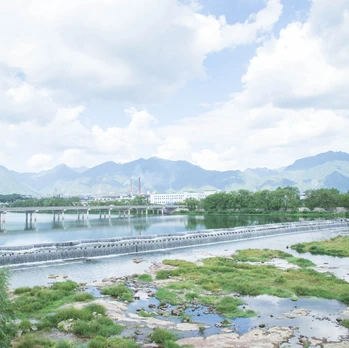
The drive from Lishui to Songyang follows National Highway 220, winding along the Ou River with stunning scenery. You'll also pass Guyan Huaxiang (Ancient Weir and Painting Village)—worth a stop.
Best Time to Visit Songyang
Spring and autumn are the most pleasant seasons. Even during peak periods like the Mid-Autumn Festival or National Day, Songyang retains a rare tranquility. Mountain villages are shrouded in mist, tea plantations lush and green—it's a true "beautiful scenery, few people" experience.
Suggested Songyang Itinerary
If you're short on time (2–3 days), focus on two areas:
- Songyang County Center – Most designed architecture and tea plantations
- Sidu Township – Ancient villages, guesthouses, and the famous bookstore
If you have more time, explore natural attractions like Ruoliao Primitive Forest and Dongxiyan (East and West Rock Formations).
Songyang County Center: Architectural Poetry Along the Songyin River
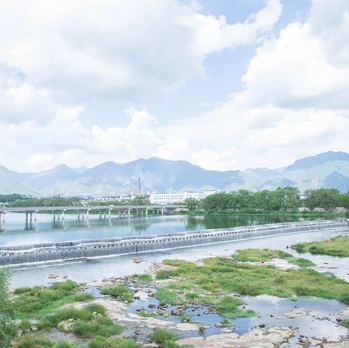
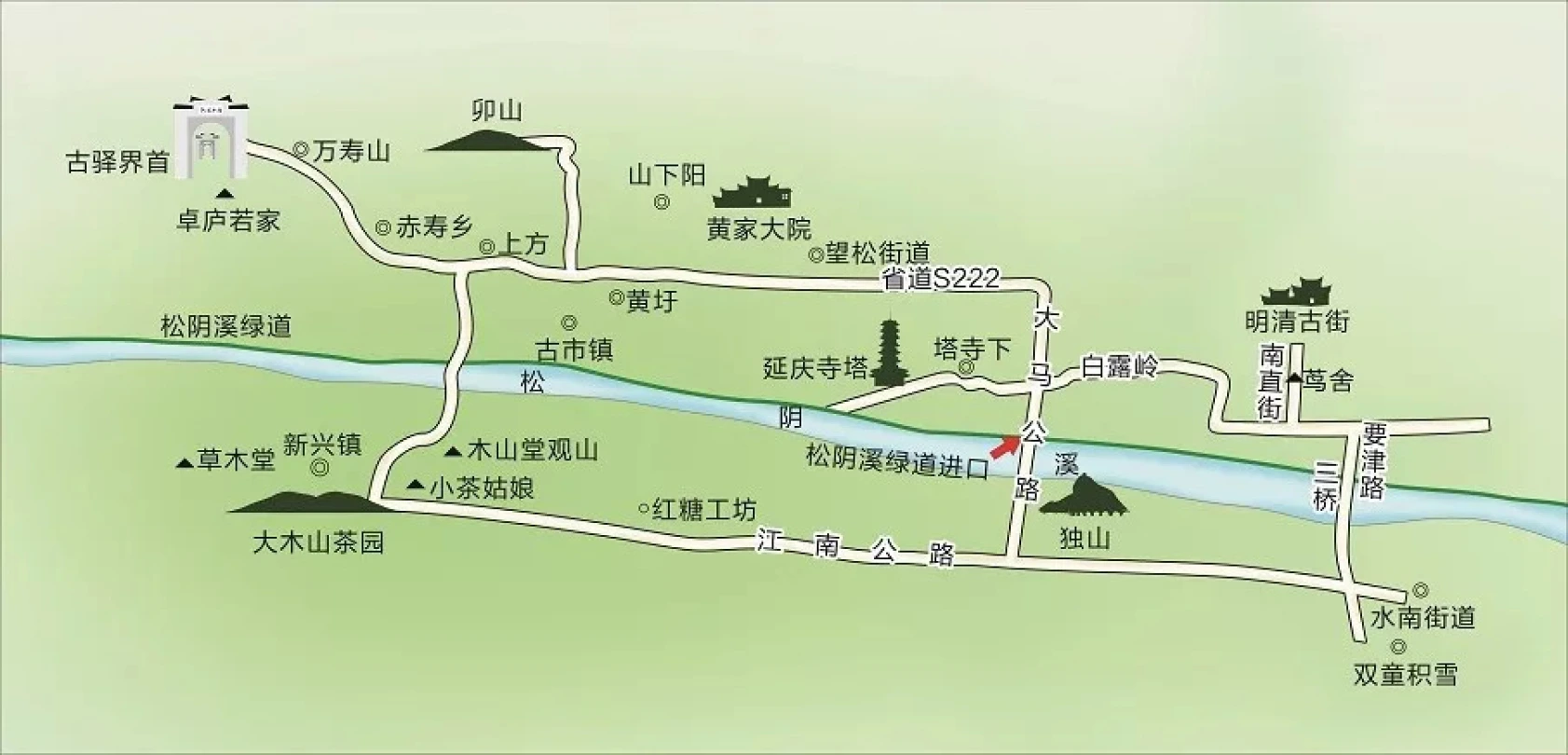
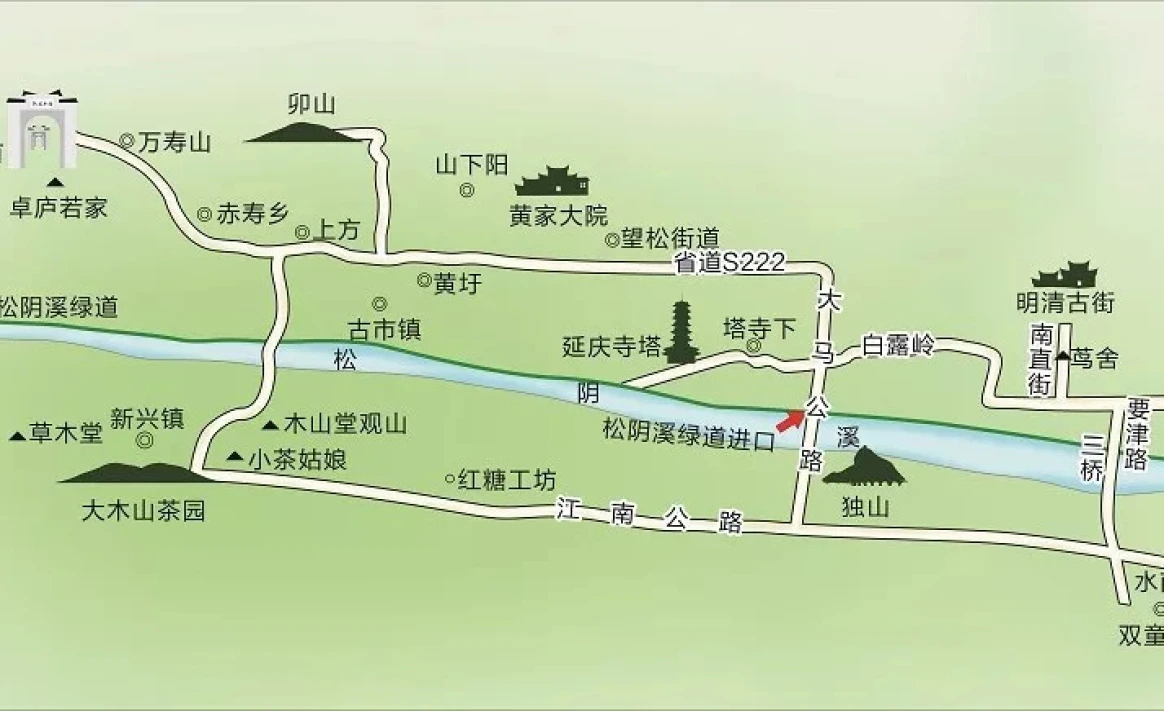
The county center is built along the Songyin River, where old and new converge. Here you'll find the Ming-Qing Ancient Street, the Huang Family Mansion, and Yanqing Temple Pagoda, alongside works by cutting-edge designers—scattered like pearls along the riverbanks and fields.
Shimenwei Covered Bridge: A Time Tunnel of Light and Shadow
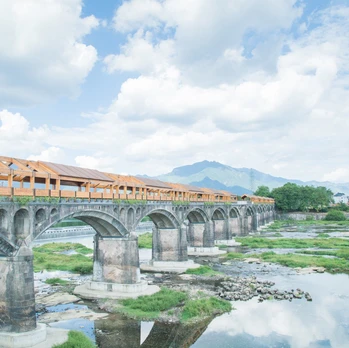
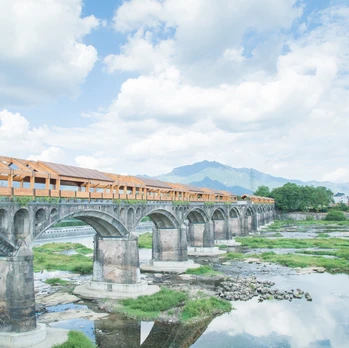
Located in Shimen Village, Wangsong Subdistrict, this covered bridge stretches 263 meters. The most remarkable feature is at the bridge's arches, where the roof opens up, allowing sunlight to stream through the gaps, creating a linear path of interwoven light and shadow. Below, the shallow Songyin River flows quietly, with ancient weirs standing still as ever.
This is a work by DnA Architecture Studio. The designer drew inspiration from traditional Lishui covered bridges but gave it a modern skeleton and character. In the afternoon, when the sun slants through the arches, casting dappled light, it becomes an excellent spot for portrait photography. Currently, only pedestrians and non-motorized vehicles are allowed on the bridge.
[Link: Best photography spots in Zhejiang]
Wang Jing Memorial Hall: Reading a Life Through Light and Shadow
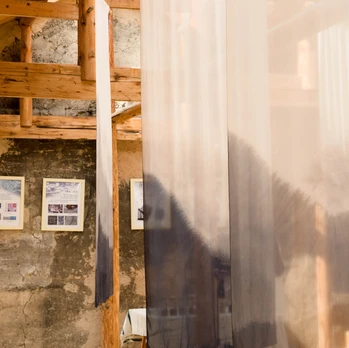
Just one kilometer from the bridge, also by DnA, this memorial hall presents the dramatic life of Ming Dynasty official Wang Jing as a "stage play" along a timeline. The interior is divided into four spatial zones—"Hometown – Entering Officialdom – Returning Home – Re-entering Officialdom"—cleverly interwoven with the village's fabric.
On sunny days, the interplay of light inside is breathtaking. Through window frames, light casts geometric patterns on the floors and walls, making you feel as if you're inside a flowing historical scroll. There are no dull display boards here; the building itself is the best storyteller.
[Link: Ming Dynasty history sites in Zhejiang]
Brown Sugar Workshop: A Sweet Century-Old Tradition
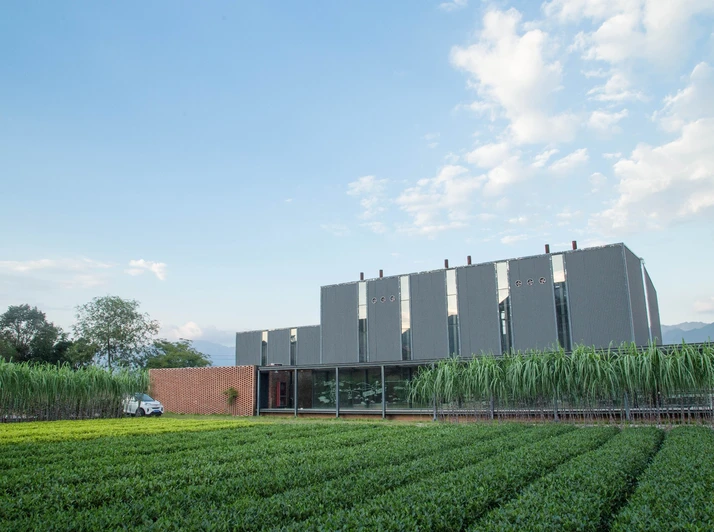
Near the Damushan Tea Plantation, brown sugar is a key local industry. Villagers still preserve the traditional technique of making brown sugar by hand, a practice over a hundred years old. Search for "Brown Sugar Co., Ltd." on a map to find it. Also by DnA, the workshop integrates the production process with visitor paths, allowing you to witness sugarcane transform into amber sugar blocks. The air is filled with a sweet, fragrant aroma.
[Link: Traditional crafts workshops in Zhejiang]
Sidu Township: Ancient Villages and a Cliffside Bookstore
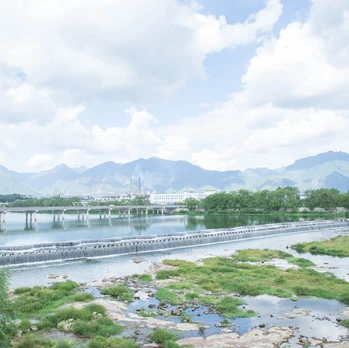
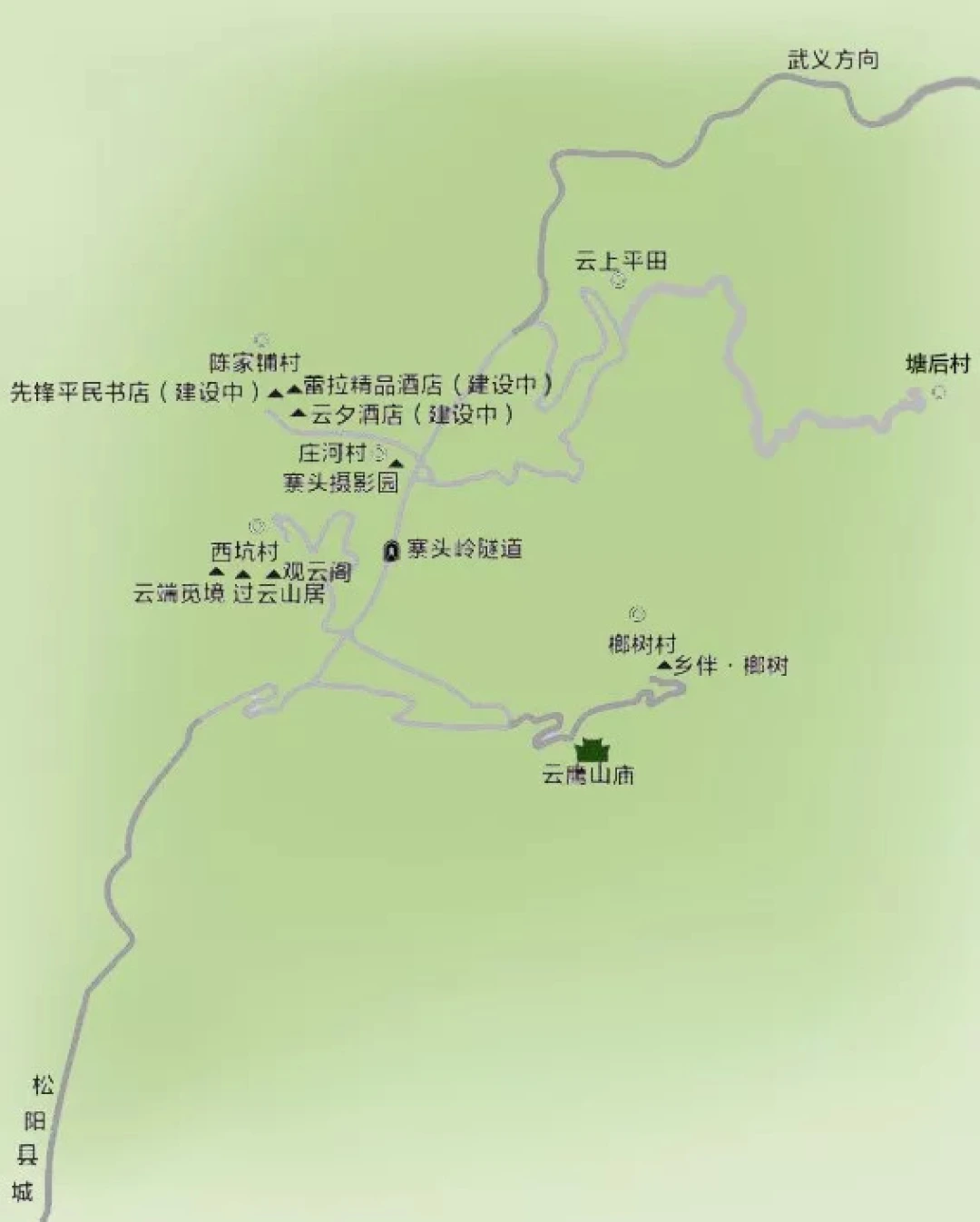
Drive about 20 kilometers north from the county center, and you'll enter Sidu Township. Half the journey is a winding mountain road, but the scenery is spectacular. I recommend taking the northern loop—it's manageable even for novice drivers.
Pingtian Village: Modern Life in Yellow Mud Tiles
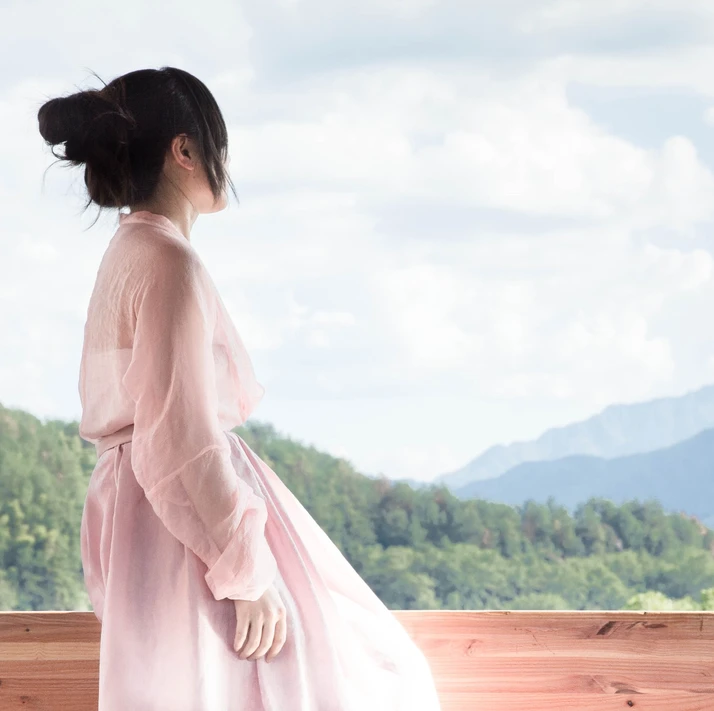
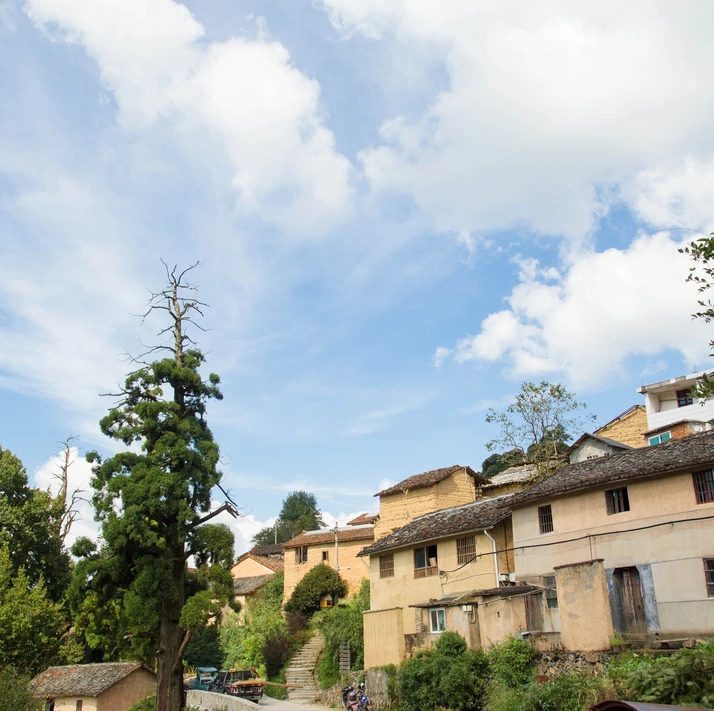
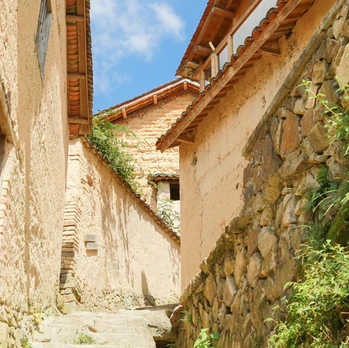
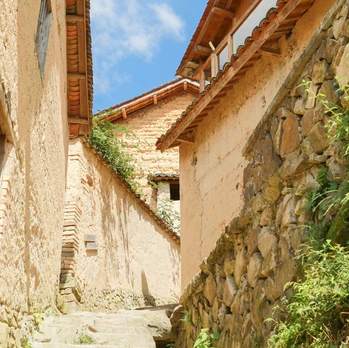
Pingtian was one of the first villages in Songyang to gain popularity. From the outside, it still looks like a cluster of traditional yellow mud-tile houses, but step inside, and you'll find several stylishly designed guesthouses and restaurants. Overall, it's the cleanest, most comfortable ancient village in Songyang.
Tucked away in an unassuming earthen house is a handmade batik workshop—the Pingtian Farming Museum. Also by DnA, it's so low-key you might almost miss it, but inside, you'll discover a perfect fusion of traditional craftsmanship and modern design.
[Link: Rural tourism in Zhejiang]
Chenjiapu Common People's Bookstore: The "Most Beautiful Bookstore" on a Cliff
Dubbed "China's Most Beautiful Bookstore," Chenjiapu Common People's Bookstore sits in the 600-year-old village of Chenjiapu. Since its opening in June 2018, it quickly became a must-visit "Instagrammable" spot in Songyang. Perched on a cliff, the bookstore offers views of layered terraced fields and seas of clouds from its windows. Inside, the soaring ceilings and warm lighting create a cozy atmosphere. You can order a coffee, pick up a book about rural life, and spend a quiet afternoon.
Friendly reminder: The road to Chenjiapu passes through Pingtian Village. Beyond Pingtian, the mountain road gets rougher—drive carefully.
[Link: Unique bookstores in China]
Yangjiatang Village: The Golden Potala Palace of a Hidden Realm
Yangjiatang Village is known as the "Golden Potala Palace" and the "Last Hidden Realm of Jiangnan." According to records, the village was established around 1655, making it over 350 years old. It's tucked away deep enough to feel truly remote, and its beauty is pure and unadorned. At sunset, the yellow rammed-earth walls glow in the sunlight, resembling a golden palace.
[Link: Best sunset viewpoints in Zhejiang]
Where to Stay: Sleeping Amid the Mountain Clouds
Songyang's guesthouse industry is already quite mature, with hundreds of options, many of which are design gems. If you're after natural scenery, I recommend Yunding Xiankengyuan Resort.
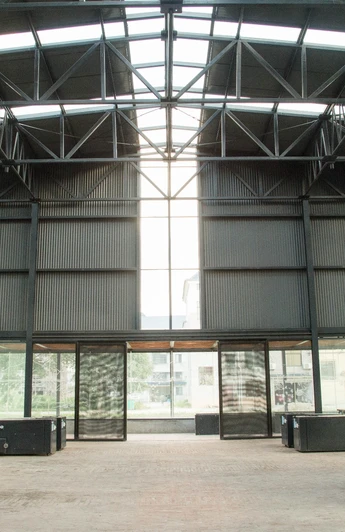
It's located in a small mountain village, and it's the only guesthouse there—essentially taking over the entire settlement. It's only 8 kilometers from the county center, but the drive is steep and winding. The reward? Waking up to mist-shrouded valleys and panoramic mountain views.
[Link: Best guesthouses in Songyang]
Frequently Asked Questions About Songyang Travel
1. Is Songyang suitable for solo travelers?
Yes, but driving is highly recommended. Without a car, public transport between villages is limited. Solo travelers comfortable with renting an EV car will find Songyang peaceful and safe.
2. How many days do I need in Songyang?
A minimum of 2–3 days. Day 1: County center architecture and tea plantations. Day 2: Sidu Township villages and bookstore. Day 3: Optional natural attractions like Ruoliao Forest.
3. What is the best season to visit Songyang?
Spring (March–May) and autumn (September–November) offer the best weather and scenery. Summer can be hot and humid; winter is cold but misty and atmospheric.
4. Are the architectural sites free to visit?
Most are free, including Shimenwei Covered Bridge and Wang Jing Memorial Hall. The Brown Sugar Workshop may charge a small fee for tours. Chenjiapu Bookstore is free to enter.
5. Can I visit Songyang without speaking Chinese?
Basic Mandarin is helpful, especially in rural villages. However, major attractions and guesthouses often have English signage or staff. Download a translation app before you go.
Conclusion: Your Songyang Adventure Awaits
Songyang is not just a destination—it's an experience. It's where world-class architecture meets centuries-old traditions, where misty mountains cradle ancient villages, and where you can escape the crowds to find genuine tranquility.
Whether you're an architecture enthusiast, a photography lover, or simply someone seeking a peaceful retreat, Songyang offers something unique. The DnA-designed structures blend seamlessly into the landscape, the Chenjiapu Bookstore invites quiet contemplation, and the yellow mud villages at sunset will leave you speechless.
Start planning your Songyang trip today. Book your high-speed train to Lishui, rent an EV car, and prepare to wander through an architect's pastoral poem hidden in Zhejiang's mountains and waters.
[Link: How to plan a Zhejiang road trip] [Link: Top 10 hidden gems in Zhejiang province]
Have you visited Songyang? Share your experience in the comments below!