A Whim, a Thousand Mountains: One Person's New Year Wanderings – A Solo Travel Guide to Shanghai & Hangzhou
Meta Description: Discover the magic of solo New Year travel in China. From Shanghai's Bund at dawn to Hangzhou's West Lake, follow one traveler's impulsive journey through two iconic cities. Perfect for last-minute trip planners.
Introduction: When Impulse Becomes the Best Travel Plan
The firecrackers of Chinese New Year had barely faded when I found myself staring at my computer screen in an empty office. The hum of the air conditioner was my only companion—until an irresistible thought took hold: Why not just go?

For someone who typically suffers from "chronic procrastination" and severe laziness, actively planning a trip felt like a fantasy. But this time, the idea grew like wild grass. Throw on a backpack and go wherever I want. Within an afternoon of frantic booking, my flights and accommodation were secured. The moment the end-of-work bell rang, I knew my first adventure of the new year had begun.
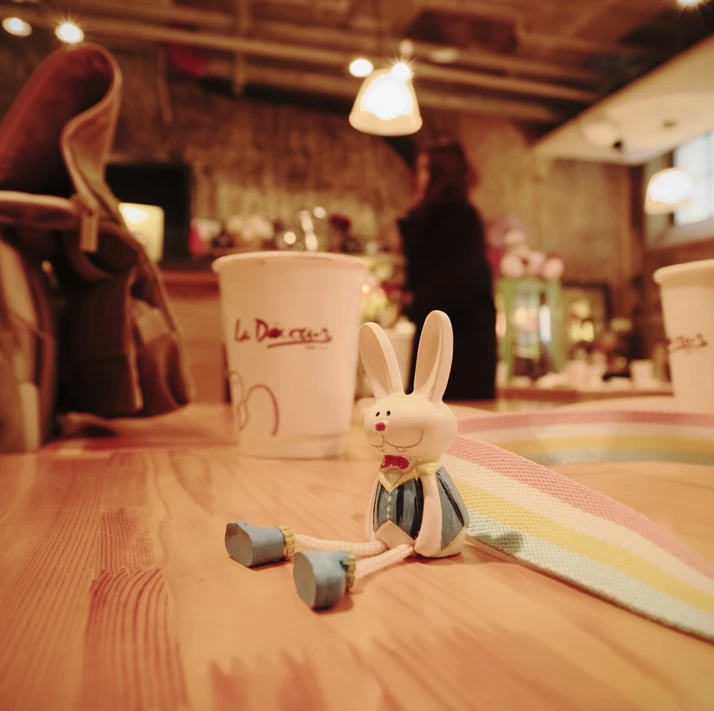
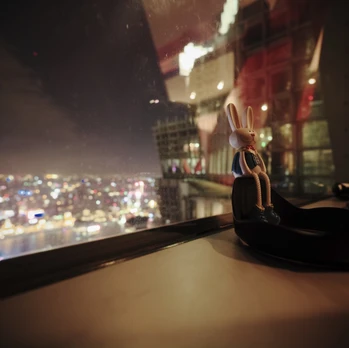
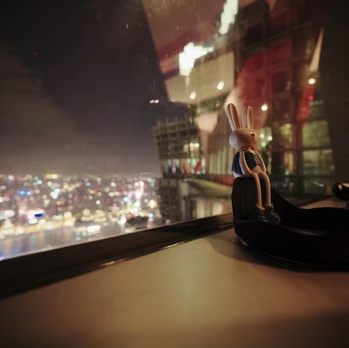
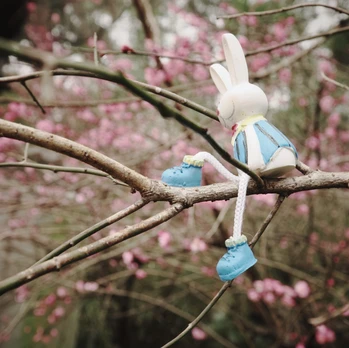
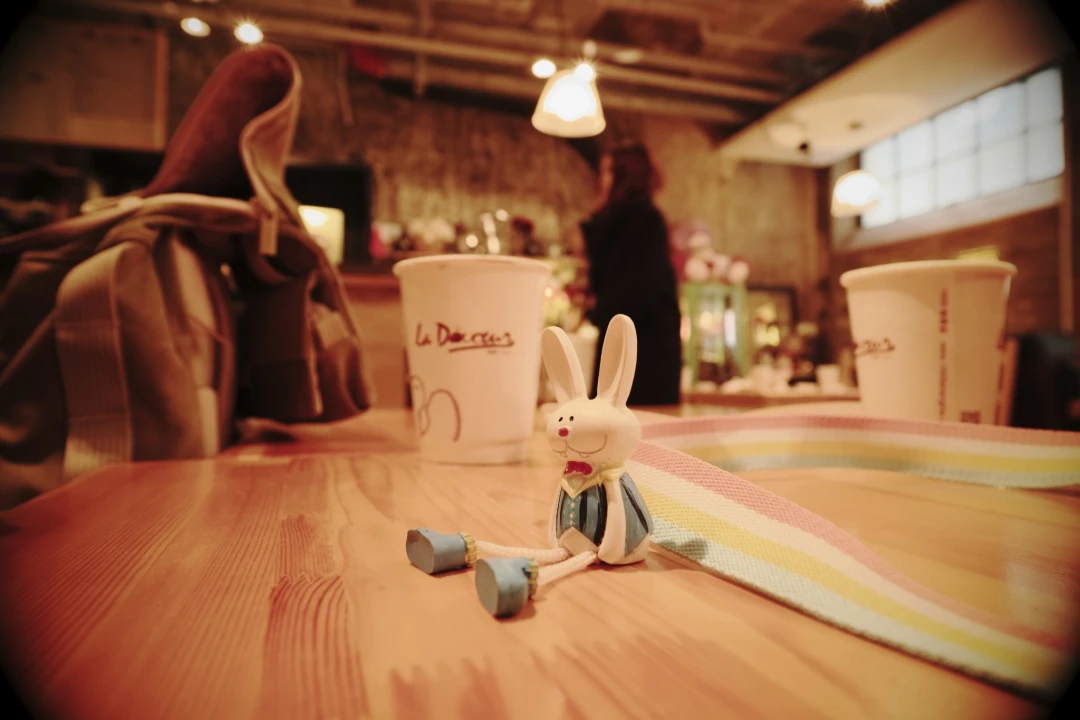
Before leaving, I stuffed a small plush toy into my backpack—a travel companion that had already survived cherry blossom rain in Kyoto and carried the scent of Dali's soil. This time, it would journey with me to yet another distant place.
Chapter 1: Shanghai – Where Unfinished Stories Find Their Ending
I had visited Shanghai four years ago, but two rushed days under a drizzling sky left many places unseen. This time, with a convenient flight available, I decided to make Shanghai my starting point. Carrying on from where that unfinished journey left off, and continuing forward.
On the metro from Hongqiao Airport, I became the odd one out—everyone bundled in thick coats while I wore only a long-sleeved T-shirt. Coming from the south to a slightly more northern part of the south, I didn't feel cold at all. Instead, I welcomed the chill. The cold wind on my face made me feel unusually alert.
1933 Old Millfun: Where Death and Aesthetics Coexist
I had wanted to visit 1933 Old Millfun on my last trip but missed it due to time constraints. This time, I finally got my wish.
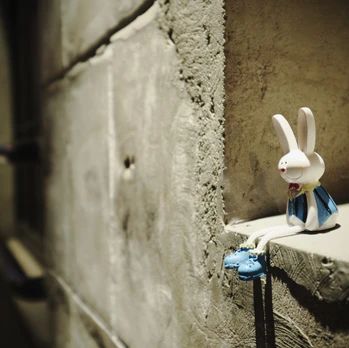
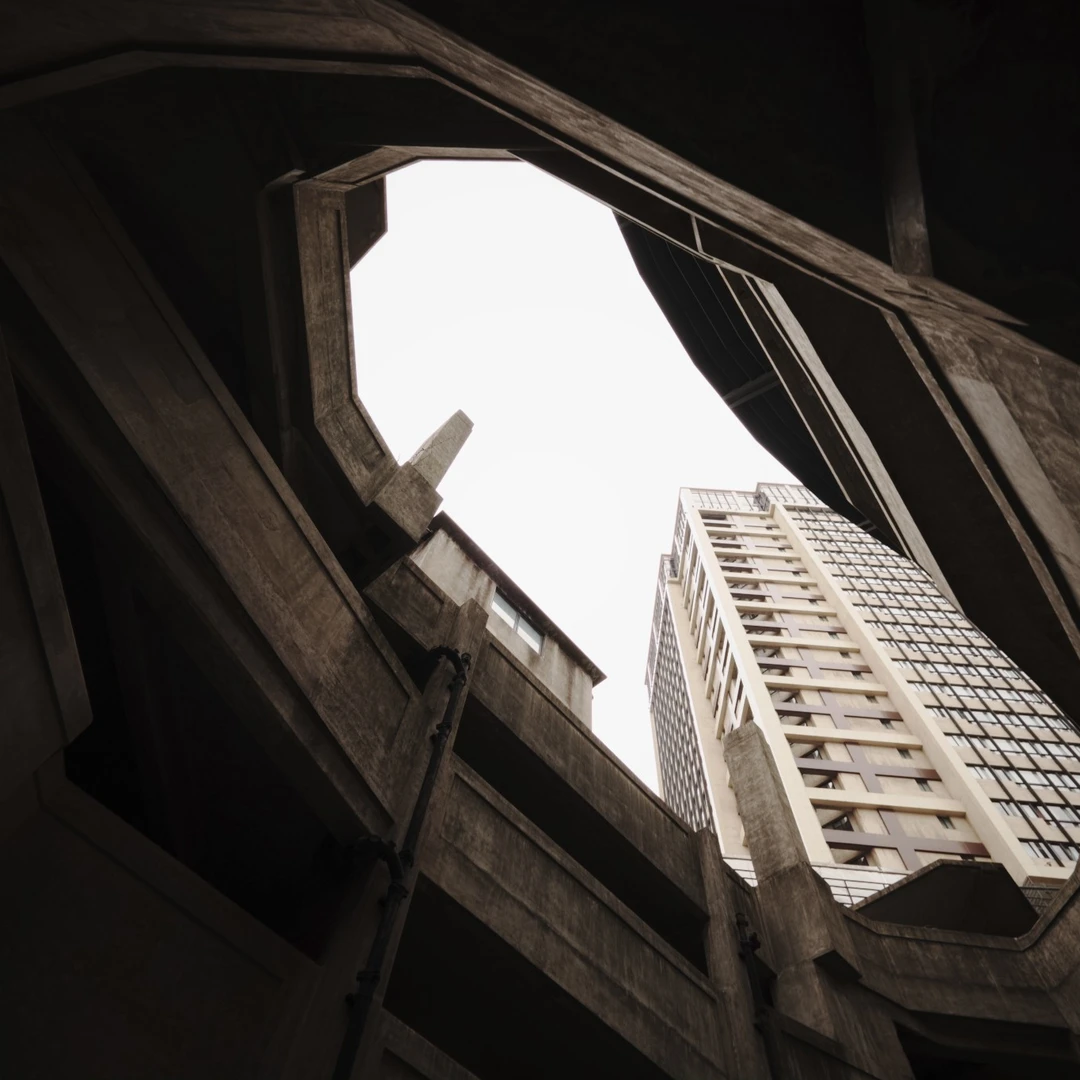
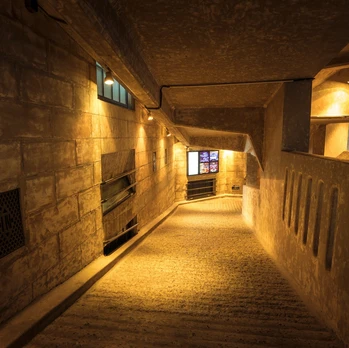
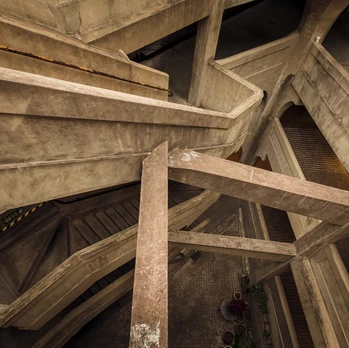
Emerging from the metro station and winding through old alleyways, I arrived at this former slaughterhouse. Today, it's been transformed into a creative industrial park, but the mottled walls and dim corridors still tell the story of its past. What struck me most were the skylights cut into the ceiling—from certain angles, they combine with the surrounding architecture to form the shape of a giant eye, carrying a surreal, almost magical quality.
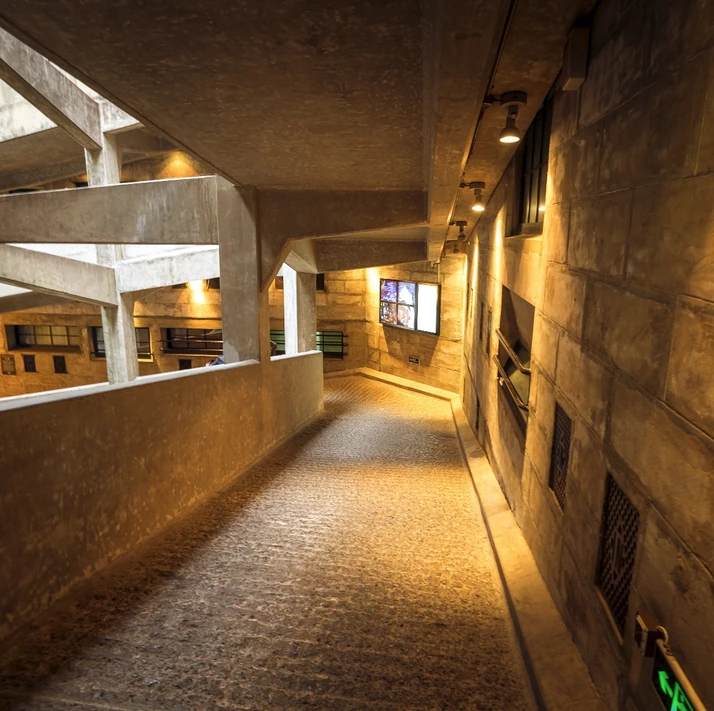
The cattle ramps are the most distinctive feature here. Those sloping paths that once led to the end of life are now geometric works of art beneath tourists' lenses. The design that separated humans from livestock, when viewed from above, reveals a breathtaking sense of orderly symmetry. On a clear day, this place is a paradise for photography enthusiasts.
[Link: Best photography spots in Shanghai creative parks]
The Bund: A Dialogue from Dawn to Dusk
No visitor to Shanghai can skip the Bund. Determined to capture a dawn shot without the crowds, I went out of my way to find accommodation close to the river. With hotel prices skyrocketing during Spring Festival, finding a decent spot took some effort—but it was all worth it in the end.
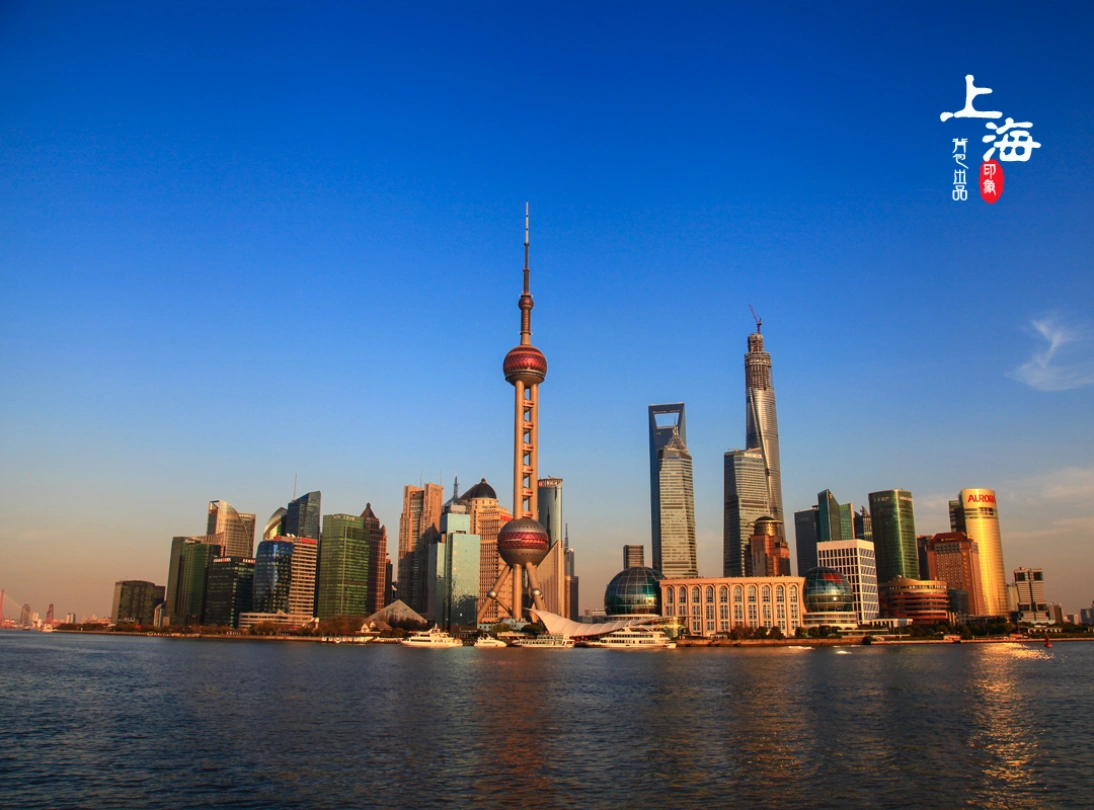
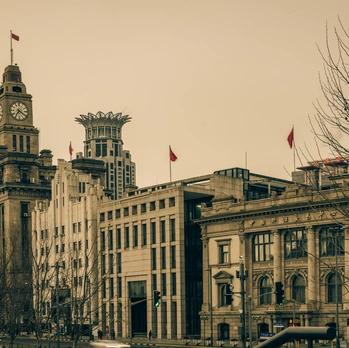
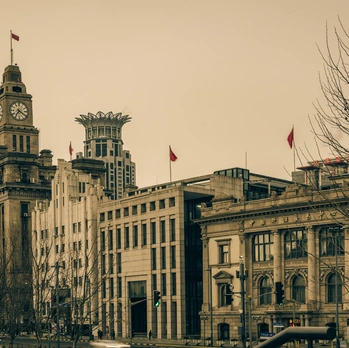
Before sunrise, the Bund is the most magical sight I've ever seen. Only during the New Year holiday could Shanghai look so empty. The aging buildings took on a deep, textured hue in the soft morning light, while the Huangpu River flowed quietly, shedding its nighttime glamour to reveal its true self. Walking from the Bund to the Waibaidu Bridge, I passed the Monument to the People's Heroes of Shanghai and paused to pay my respects. The steel-framed Waibaidu Bridge, bathed in the first rays of dawn, displayed a kind of linear beauty—simple, yet full of strength.
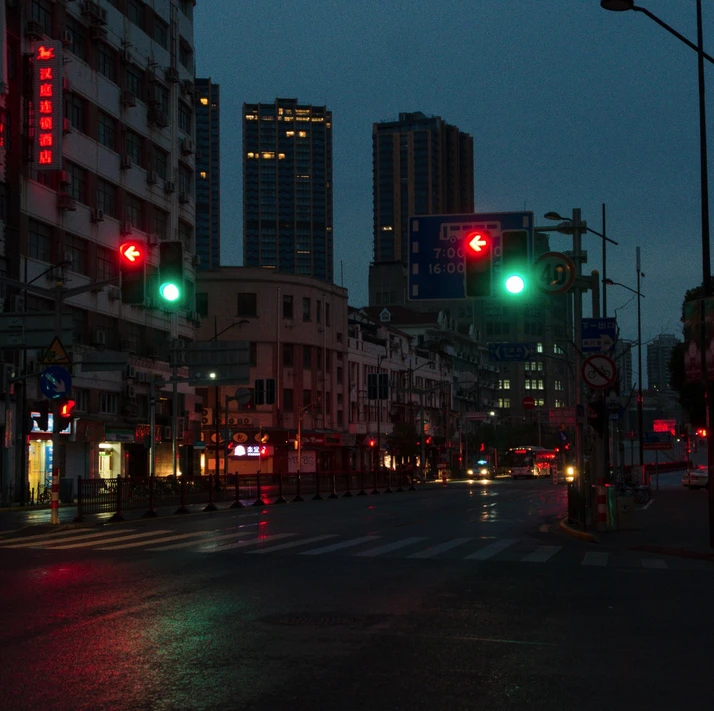
The Bund at night was an entirely different scene. Every building was draped in neon, their lights reflected on the river's surface, utterly mesmerizing. Standing by the water, gazing at Lujiazui on the opposite shore, I suddenly understood why this city is called the "Magic Capital."
[Link: Best time to visit the Bund for sunrise photography]
Wukang Road and Jin Mao Tower: Slices of Old and New Shanghai
For reasons I can't quite explain, Wukang Road has become wildly popular in recent years. I imagine that when the plane trees turn yellow in autumn, it must be at its most beautiful. Unfortunately, I arrived in the wrong season, so I could only imagine the golden leaves carpeting the streets.
The 88th-floor observation deck of Jin Mao Tower was the only time during my trip that I encountered truly good weather. Last time in Shanghai, with overcast skies, I couldn't justify spending money on a ticket to see rain. This time, I booked immediately and headed straight to the top. Standing on the largest pedestrian skybridge, I found the perfect angle to capture the full view of Lujiazui's "three-piece set" of skyscrapers. Looking down at the dense forest of high-rises, I couldn't help but marvel at China's infrastructure prowess.
The best time to go up is around sunset. You can watch the evening glow, then see the lights come on along both sides of the Huangpu River, experiencing Lujiazui in both day and night. Modern smartphone cameras allowed me to capture that "time tunnel" effect—transitioning from daylight to darkness, as if traveling through time itself.
[Link: Shanghai skyscraper observation deck comparison]
Yu Garden: An Unexpected Lantern Festival Surprise
After coming down from Jin Mao Tower, I realized I still had time, so I took the metro to Yu Garden. To my surprise, I stumbled upon a folk lantern festival. Even more fortunate, I had managed to avoid the peak crowds. Red lanterns hung from every street and alley, filling the air with festive cheer. In that moment, I suddenly felt that celebrating the New Year wasn't so bad after all.
Chapter 2: Hangzhou – Remembering the South, Most of All Hangzhou
After three days in Shanghai, I hopped on a high-speed train and headed to Hangzhou—a journey that takes just 45 minutes.
Fuyi Granary: A Hidden Gem in the Corner
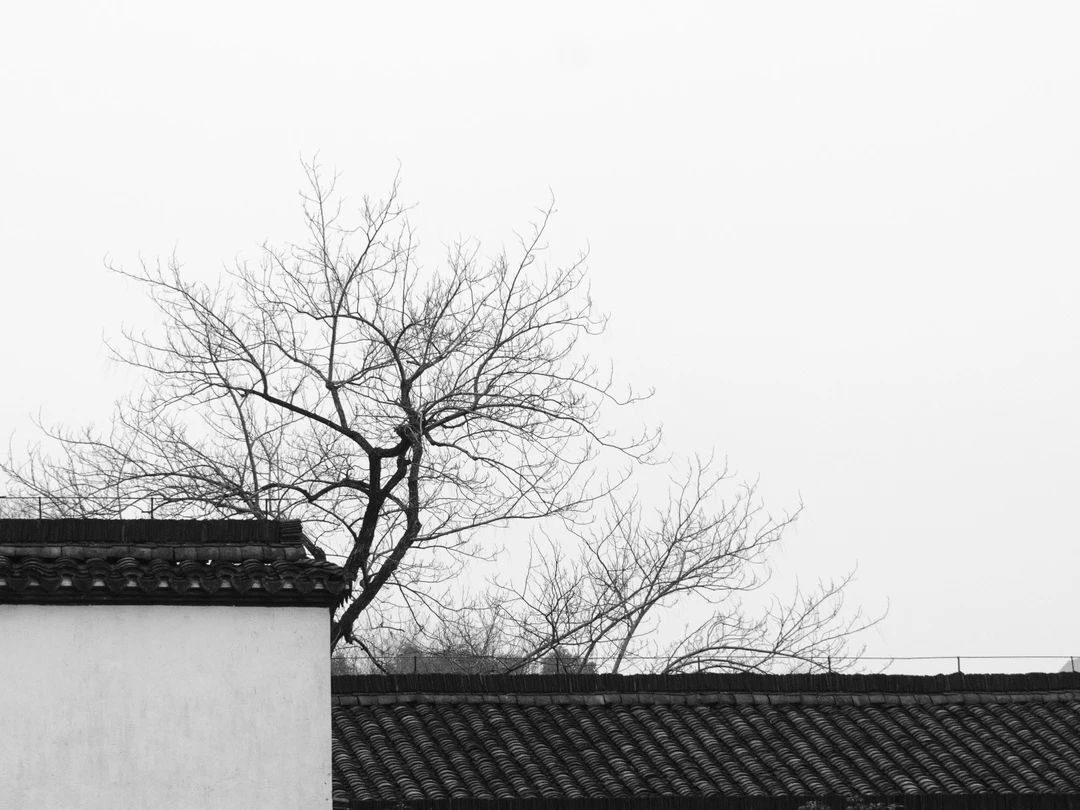
While researching before my trip, I stumbled upon Fuyi Granary. When I arrived, I realized the entire area was filled with protected cultural heritage sites. No tourist groups, no overwhelming crowds—just quiet old streets and weathered walls. Perfect for a slow, contemplative stroll. When I got tired, I ducked into any nearby café for a rest; when hungry, I headed to Victory River Food Street for a feast. This kind of rhythm—that's the right way to travel.
[Link: Hidden gems in Hangzhou off the tourist trail]
West Lake: Beautiful in Every Season, Never Tiring to Behold
The beauty of West Lake changes with the seasons. Even after four days, I hadn't managed to explore it all. Su Causeway in spring dawn, Broken Bridge in lingering snow, Leifeng Pagoda in sunset glow—each name is a painting in itself. I think this is a place that demands you slow down and feel it. Sitting on a bench by the lake, watching the sightseeing boats glide past, seeing the sun slowly sink—you'll find yourself falling more and more in love with this feeling.
[Link: West Lake walking routes for solo travelers]
Epilogue: The End of the Journey, the Beginning of Life
The few days flew by in no time. I had to return to work, slipping back into the daily grind. Everything from the trip—the geometric beauty of 1933 Old Millfun, the Bund by day and night, the sunset from Jin Mao Tower, the lanterns of Yu Garden, the rippling waves of West Lake—could only live on in memory.
But that's the thing about impulsive travel. It reminds you that adventure is always just a whim away. And sometimes, the best journeys begin with a single, unplanned click.
FAQ: Solo New Year Travel in China
1. Is it safe to travel alone during Chinese New Year?
 Yes, China is generally very safe for solo travelers, even during the busy Spring Festival period. However, book accommodation and transport well in advance as prices surge and availability drops.
2. What's the best way to travel between Shanghai and Hangzhou?
 The high-speed train is the best option—taking just 45 minutes from Shanghai Hongqiao to Hangzhou East. Tickets can be booked online or at the station.
3. How many days should I spend in Shanghai and Hangzhou?
 A 5-7 day itinerary works well: 3 days in Shanghai, 2-3 days in Hangzhou. This allows time to explore both cities without rushing.
4. What should I pack for a winter trip to Shanghai and Hangzhou?
 Temperatures range from 0-10°C (32-50°F). Pack layers: thermal underwear, sweaters, a warm coat, scarf, gloves, and comfortable walking shoes. An umbrella is essential.
5. Are there any hidden costs during Spring Festival travel?
Hotel prices can double or triple during the holiday period. Many attractions have adjusted opening hours, and some restaurants may close for the holiday. Always check in advance.
Ready to Plan Your Own Impulsive Adventure?
If this story has sparked something in you—that same wild grass of wanderlust—don't ignore it. Start small: check flight prices, browse accommodation, or simply mark a destination on your map. The mountains are waiting, and they don't care if you're a chronic procrastinator or a seasoned traveler. All they ask is that you show up.
Your next journey begins with a single whim. What are you waiting for?
[Link: Best solo travel destinations in China for beginners] [Link: How to plan a last-minute trip during Chinese holidays] [Link: Budget travel tips for Shanghai and Hangzhou]
Have you taken an impulsive solo trip during Chinese New Year? Share your story in the comments below!
You may also like