Tracing Roots in Shanghai: Discover Millennia-Old Songjiang's Hidden Mountains & History
Meta Description: Forget skyscrapers—Shanghai's true origins lie in Songjiang. Explore 70-million-year-old mountains, the world's most tilted pagoda, and an underwater museum revealing 6,000 years of civilization. Start your journey here.
When people talk about Shanghai, the conversation inevitably turns to the skyscrapers of Lujiazui, the dappled plane tree shadows of Wukang Road, or the trendy boutiques of Xintiandi. Few realize that this city, raised on the alluvial plains of the Yangtze River Delta, actually has mountains to climb and history to uncover. With an average elevation of just 4 meters (13 feet) above sea level, Shanghai hides an ancient mountain range in its Songjiang District—hills that rise modestly but carry the deepest roots of the city.
If you think Shanghai is only about "height," come walk through Songjiang. Here, you'll find not only the Nine Peaks of the Clouds (Yunjian Jiufeng) , formed during the Mesozoic Era 70 million years ago, but also 6,000 years of human civilization. Starting with a mountain, a pagoda, and an underwater museum, you'll discover: Shanghai's origin story begins right here.
The Nine Peaks of the Clouds: Shanghai's Ancient Mountains—Low in Height, Deep in Soul
The mountains of Songjiang are the easternmost spurs of the Tianmu Mountain range. They formed during the Mesozoic Era, tens of millions of years before the Shanghai plain even emerged from the sea. Known as the "Nine Peaks of the Clouds," they include Sheshan, Tianmashan, Hengshan, Xiaokunshan, Fenghuangshan, Shegongshan, Chenshan, Xueshan, and Jishan. Each peak has its own character and stories to tell.
Sheshan: 99 Meters of Height, 117 Years of Gaze
If the word "hiking" makes your legs ache, rest easy. Sheshan stands at just 99 meters (325 feet) above sea level, with gentle slopes that feel more like a leisurely stroll than a climb. But don't underestimate this modest hill—it was the starting point for the legendary Ming Dynasty traveler Xu Xiake on his epic "10,000-mile journey to the southwest." He visited five times, four of them to call on the reclusive writer and calligrapher Chen Jiru. Even the Qianlong Emperor once climbed here and left his footprints.
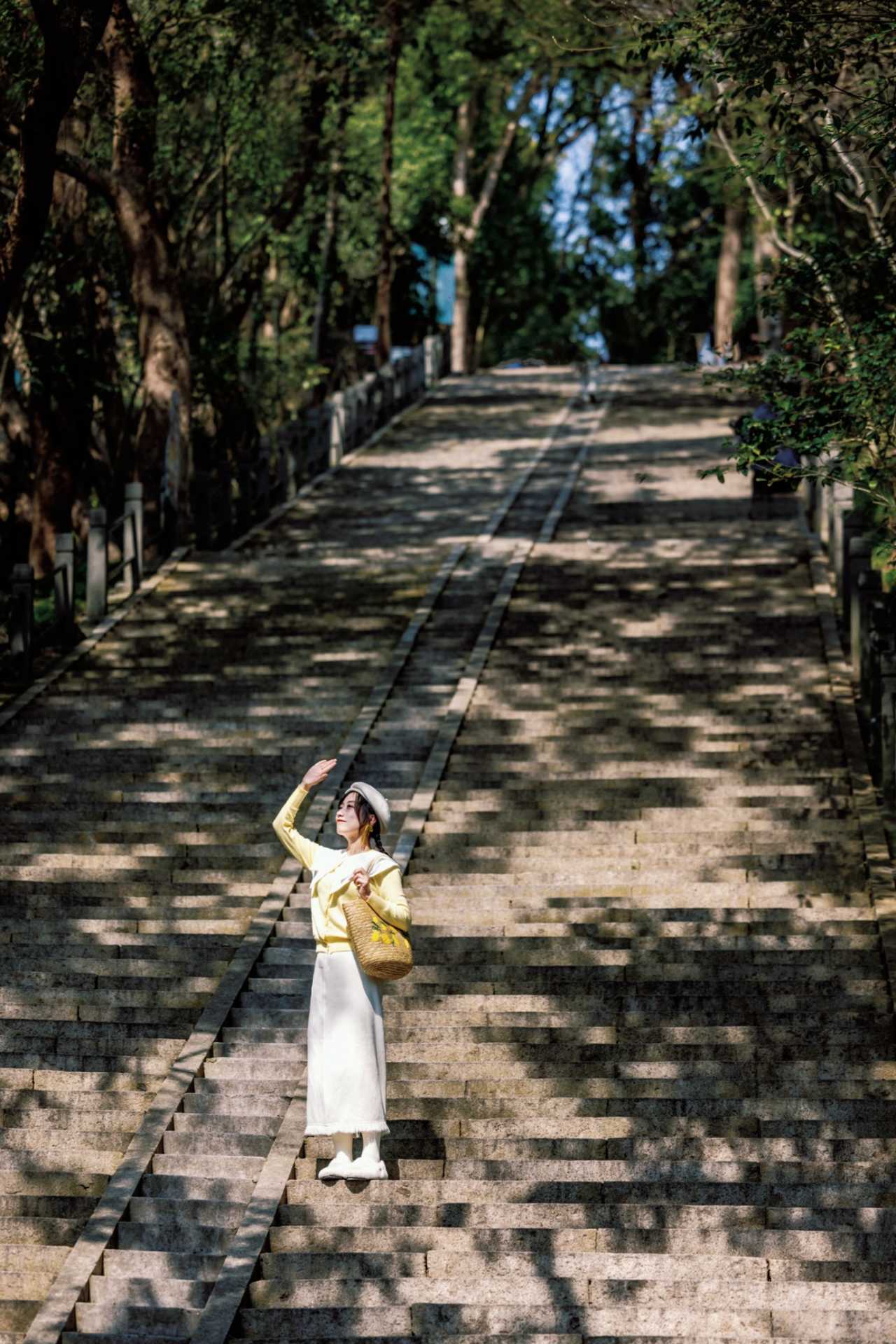
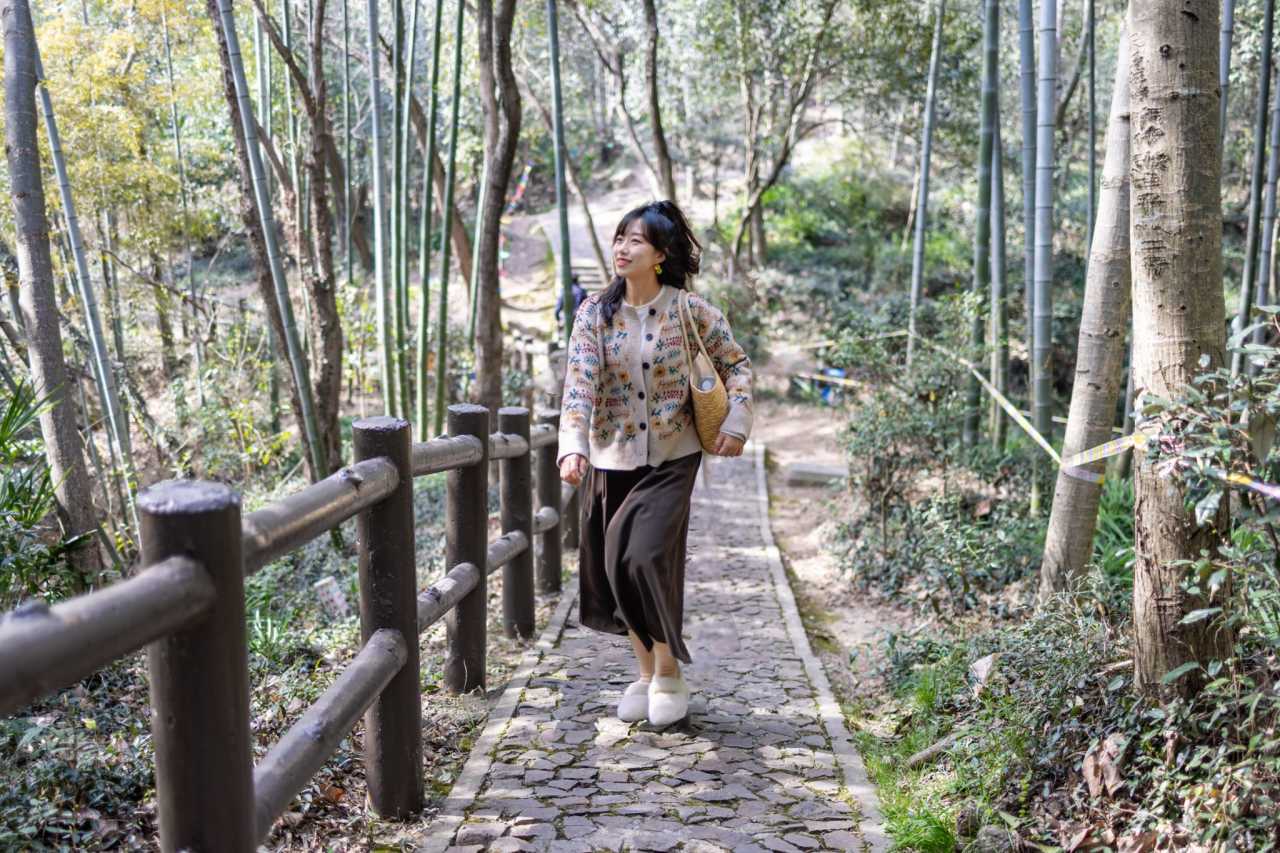
Sheshan is divided into East and West sections. On East Sheshan, ancient trees line the stone stairways, and the scent of orchids drifts through bamboo groves. Following the Qianlong Ancient Path uphill, camellias bloom in full glory, and a thousand-year-old banyan tree stands silently at a crossroads, as if whispering the weight of time. West Sheshan holds an even more astonishing legacy: 117 years ago, French missionaries built the Sheshan Observatory here, installing China's first large astronomical telescope. It was the moment ancient China first turned its gaze toward the deep universe.
Practical Tips: - Recommended route: Visit East Sheshan first, then walk to the West Sheshan entrance. - Admission: Free. Last entry at 4:30 PM. - Getting there: High-speed rail to Songjiang South Station, or Metro Line 9 to Sheshan Station. - Address: 9258 Waiqing Song Highway, Songjiang District.
Tianmashan: Don't Laugh at Its 100-Plus Meters—Climb It First
Some say Shanghai's mountains are just "big hills." Tianmashan barely tops 100 meters (328 feet), but those who actually climb it often stop laughing. The slopes are steep, the steps winding, the vegetation thick with pine and bamboo. Sitting under a tree to catch your breath, you realize this "little hill" has real attitude.
Tianmashan (literally "Heavenly Horse Mountain") gets its name from its north and south peaks, which resemble a galloping horse. The mountain is rich in cultural landmarks: the Memorial Garden of the Three Hermits, the Sword-Gazing Pavilion, the Flute-Listening Pavilion, the Reclining Pine Pavilion, and the most famous attraction of all—the "world's most tilted pagoda," the Huzhu Pagoda. Built in 1079 during the Northern Song Dynasty, this seven-story, octagonal brick pagoda stands 18.82 meters (62 feet) tall. Its lean exceeds that of Italy's Leaning Tower of Pisa, making it a protected cultural relic of Shanghai.
In spring, visitors can join bamboo shoot digging activities. After spring rains, tender shoots push through the soil—a rare taste of rural life in the heart of the city.
Practical Tips: - Admission: 10 RMB per person; half price for children over 6. - Address: 460 Liujiacun Village, Songjiang District.
Xiaokunshan: First Came Xiaokunshan, Then Songjiang City, Then Shanghai
Xiaokunshan is the southernmost of the Nine Peaks, rising just 54.3 meters (178 feet) above sea level. From a distance, it resembles a reclining ox, earning it the nickname "Ox Head Mountain." But its historical significance is anything but low-key. Two Neolithic archaeological sites—Tangmiaocun and Yaojiaquan—are found here, marking Xiaokunshan as a key cradle of Shanghai's ancient civilization.
Xiaokunshan was also the hometown of the Western Jin Dynasty literary giants Lu Ji and Lu Yun, who lived in seclusion here for years. The "Erlu Thatched Cottage" (二陆草堂) was built on the mountain in their honor. Passing through the cottage, follow the winding mountain path upward under thick canopy shade. At the summit stands the Jiufeng Zen Temple (九峰禅寺) , the only temple in Shanghai built atop a mountain peak. First constructed in 1165 during the Southern Song Dynasty, it was destroyed in the late Qing and rebuilt in 1998. Climb up, offer a prayer, and let your mind settle with the mountain's stillness.
Practical Tips: - Admission: 6 RMB; 3 RMB for students and seniors. - Address: 4 Shanxi Highway, Songjiang District.
Guangfulin: Open the Door to Time, See Shanghai's Childhood
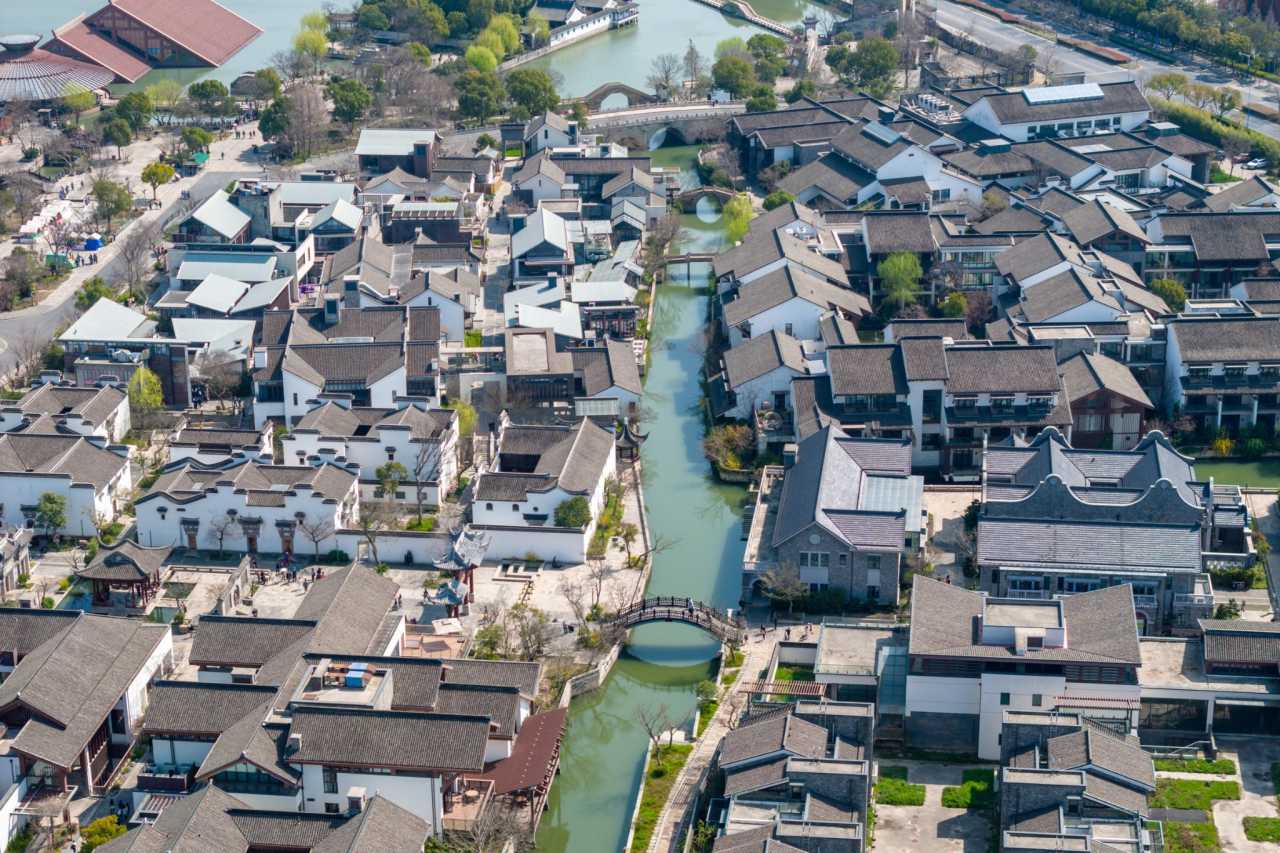
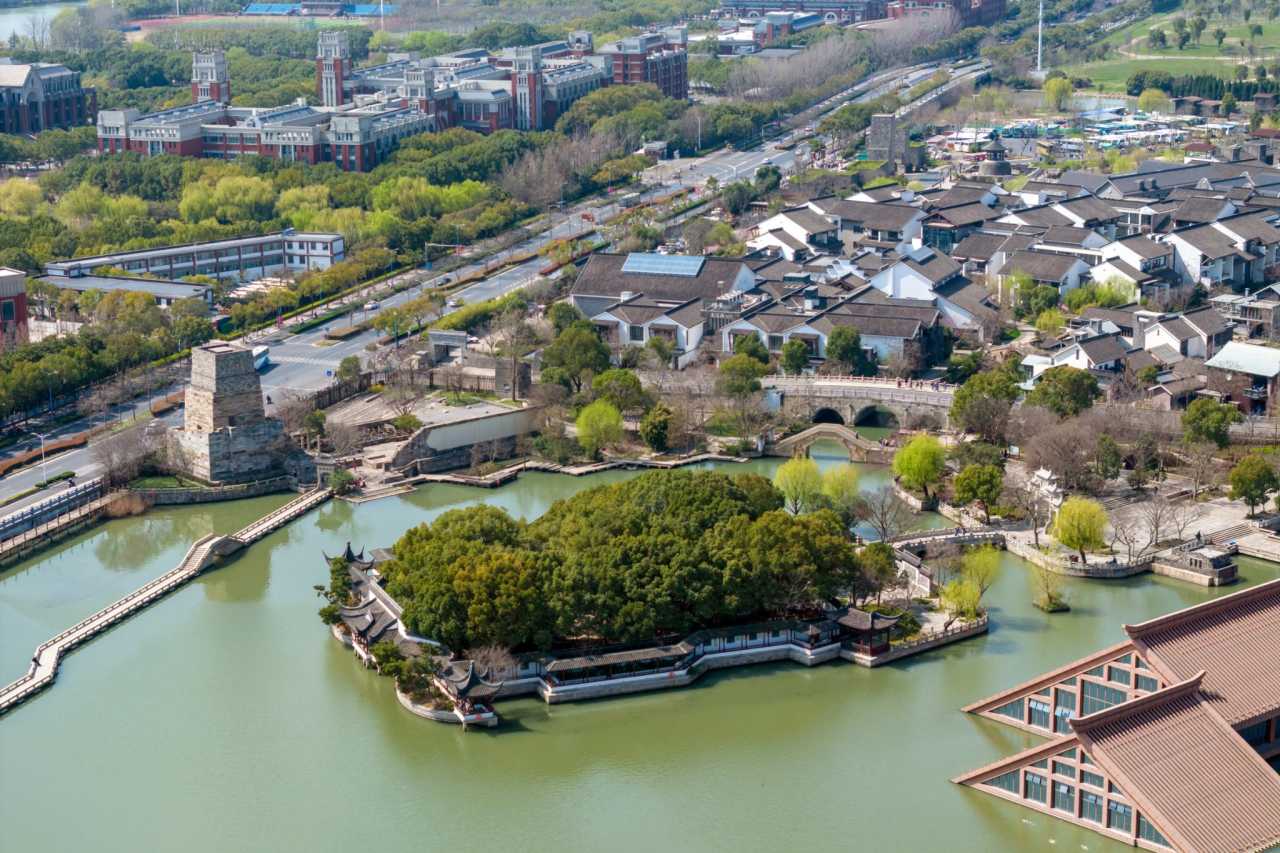
"First came Guangfulin, then came Songjiang's history." This saying is no exaggeration. The Guangfulin Culture represents the convergence of the Yangtze River civilization and the Yellow River civilization—the very source of Shanghai's "all rivers flow into the sea" cosmopolitan spirit. Today, the site has been transformed into a comprehensive cultural heritage park blending history, architecture, art, and leisure.
Recommended Walking Route
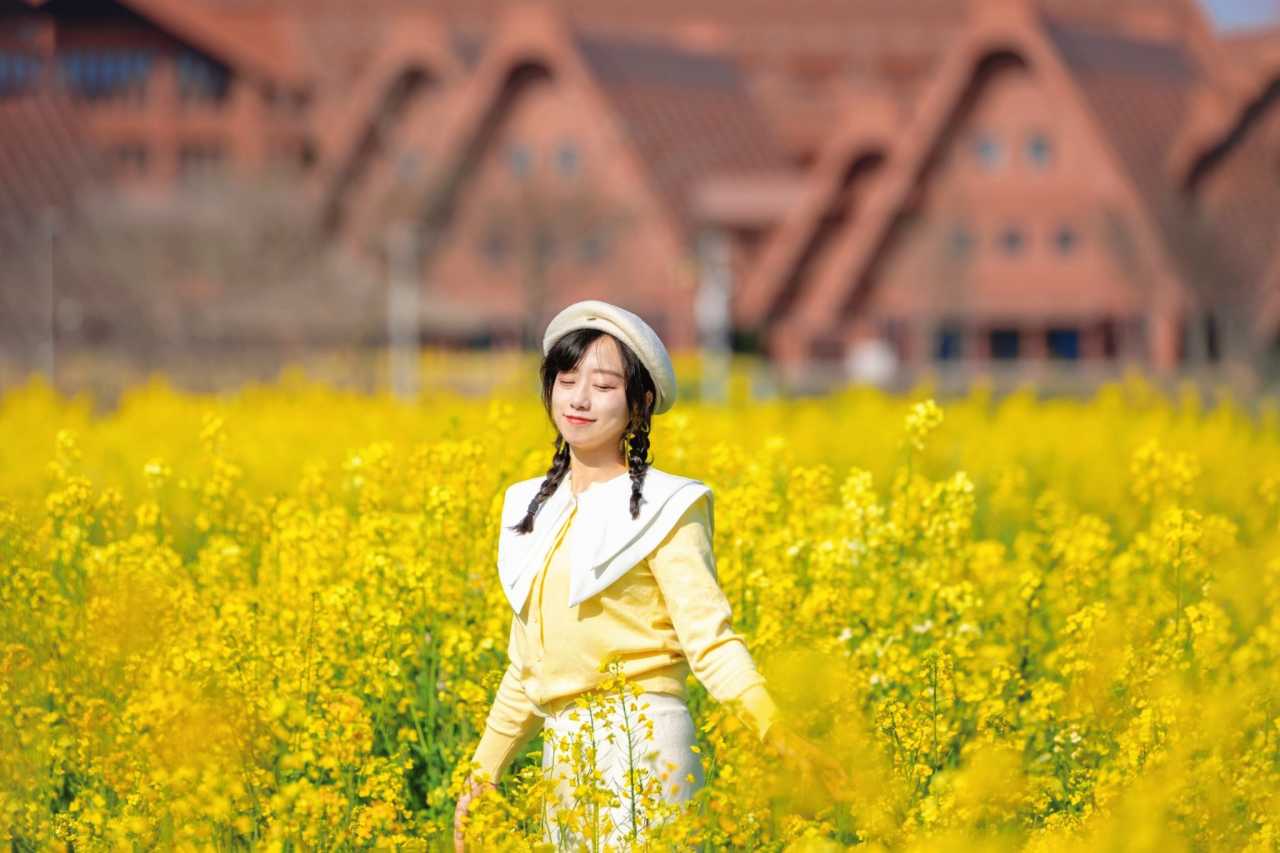
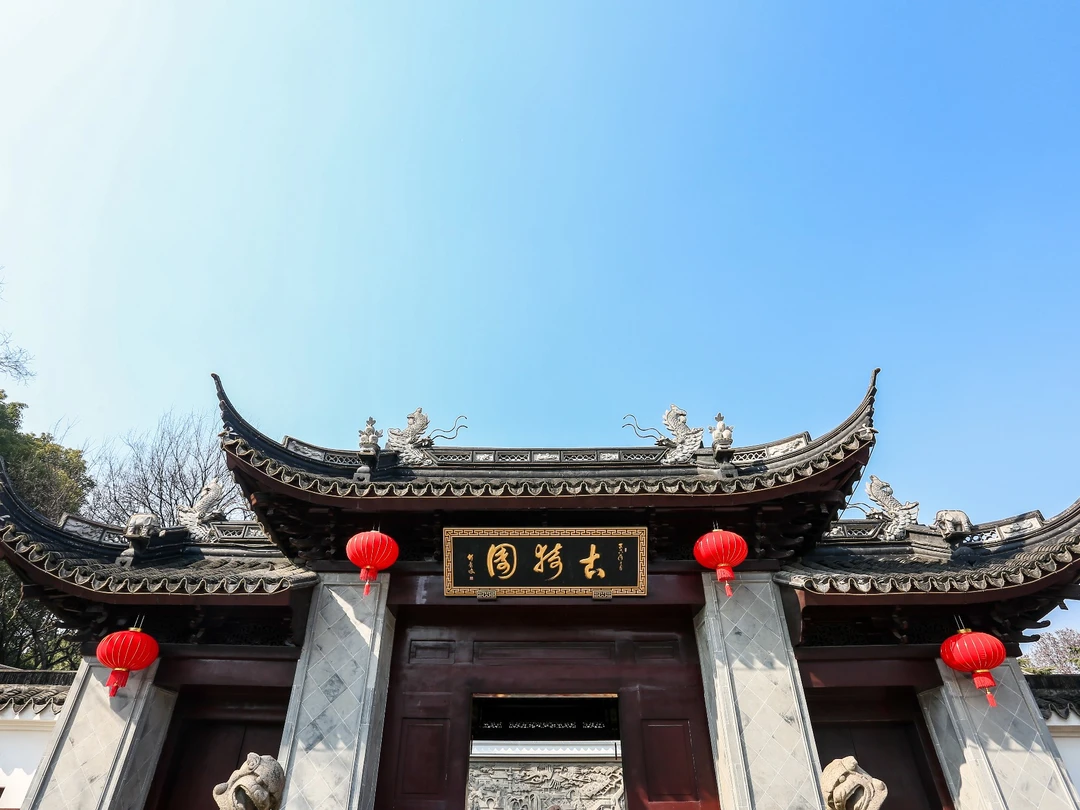
Zhuque Gate (Vermilion Bird Gate) → Jinzhong Terrace (Golden Bell Terrace) → Jixian Archway (Gathering of Worthies Arch) → Sanyuan Palace (Three Origins Palace) & Zhiye Zen Temple (Knowing the Wild Zen Temple) → Red Walls & Winter Jasmine → YOUNG Fuchen'an Art Museum (Dust-Whisking Hermitage Art Museum) → Duoyun Bookstore (Clouds of Blessings Bookstore) → Guandi Temple (Lord Guan's Temple) & Chenghuang Temple (City God Temple) → Archaeological Site Exhibition Hall → Guangfulin Culture Exhibition Hall (Underwater Museum)
Must-See Highlights
- Fulin Pagoda (富林塔): A three-tiered pagoda in Han-Tang Dynasty style—the landmark of Guangfulin.
- Duoyun Bookstore (朵云书院): Originally the "Jiufeng Academy," this ancient-style courtyard is perfect for photos. If you have time, grab a coffee and bask in the sun—pure bliss.
- Zhiye Zen Temple (知也禅寺): Built in memory of the monk Zhiye, who healed the sick with medicine. Incense burns here year-round.
- Jixian Archway & Sanyuan Palace: Instagram-famous reflection spots. Come in Hanfu (traditional Chinese clothing) —the white walls and black tiles mirrored in the water create a scene straight out of a painting.
- YOUNG Fuchen'an Art Museum: Hidden within a century-old mansion, this free museum offers a world of discovery.
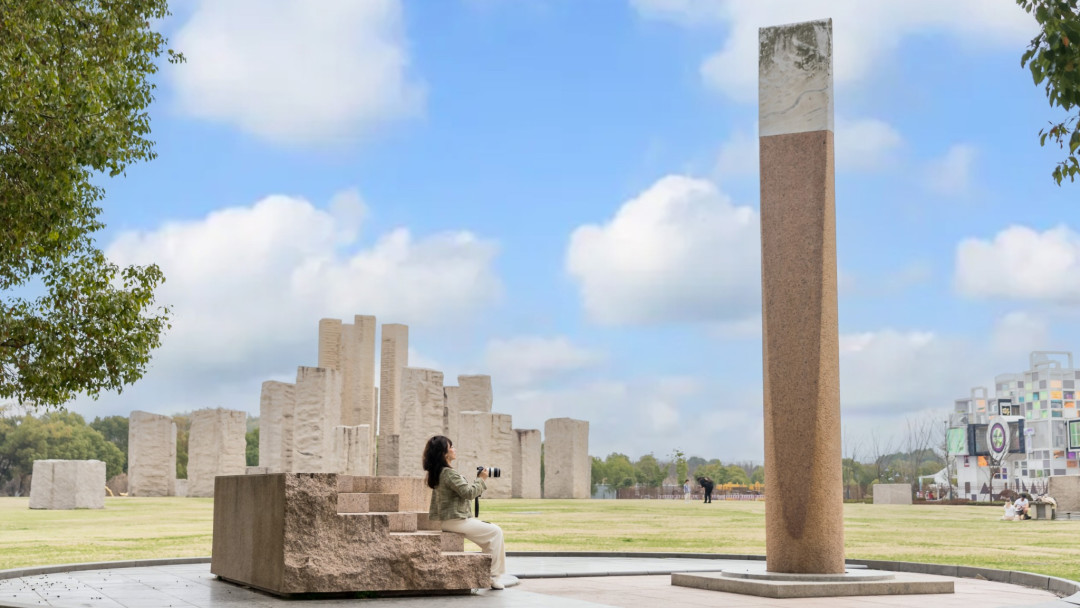
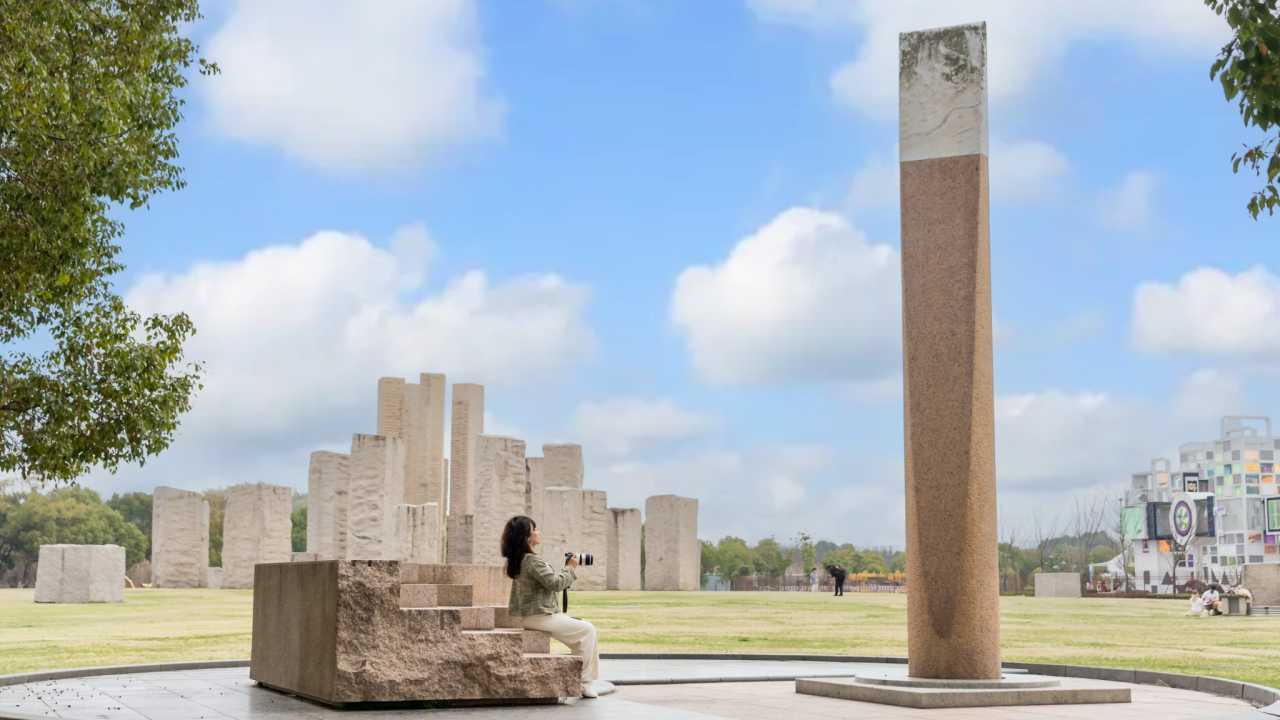
- Giant Bone Needle Sculpture: A monument symbolizing the wisdom and hard work of ancient ancestors, connecting past and present.
- Guangfulin Culture Exhibition Hall (Underwater Museum): An absolute must! The entire exhibition is built underwater, with only triangular tower tips floating on the lake surface. The "Time-Space Journey" concept takes you from prehistory to the modern era.
Practical Tips: - Admission: 30 RMB per person. - Dining options inside the park: KFC, Starbucks, vegetarian meals, snack stalls, and the "One-Foot Garden" café. - Address: 3260 Guangfulin Road, Songjiang District. - Hours: 9:00 AM – 5:00 PM.
Frequently Asked Questions About Songjiang, Shanghai
1. How do I get to Songjiang from central Shanghai?
 Take Metro Line 9 directly to Sheshan Station or Songjiang South Station. Alternatively, high-speed rail from Shanghai Hongqiao Station reaches Songjiang South in about 15 minutes. Driving via the G60 Hukun Expressway takes roughly 40 minutes from downtown.
2. What is the best time to visit Songjiang's mountains?
Spring (March–May) and autumn (September–November) offer the most pleasant weather for hiking and outdoor exploration. Spring is especially rewarding for bamboo shoot digging at Tianmashan and camellia viewing on Sheshan.
3. Can I visit all Nine Peaks in one day?
 Not comfortably. Focus on Sheshan, Tianmashan, and Xiaokunshan for a full-day itinerary. The remaining peaks are smaller and less developed, best suited for repeat visits or dedicated hiking enthusiasts.
4. Is the Guangfulin Underwater Museum suitable for children?
 Absolutely. The "Time-Space Journey" concept—with interactive exhibits and visual storytelling—engages visitors of all ages. The park also has spacious lawns and family-friendly dining options.
5. Are there English-language guides or signage at these sites?
Major sites like Guangfulin Culture Park and Sheshan Observatory have bilingual signage. For deeper historical context, consider hiring a local guide or downloading a translation app. Smaller temples and mountain trails may have limited English.
Internal Linking Suggestions
- [Link: Shanghai hidden gems off the beaten path]
- [Link: Best day trips from Shanghai for history lovers]
- [Link: Complete guide to Shanghai Metro Line 9 attractions]
- [Link: Top 10 ancient pagodas in China worth visiting]
- [Link: How to explore Shanghai's Neolithic archaeological sites]
Your Journey to Shanghai's Roots Starts Now
Shanghai isn't just a city of the future—it's a city with a deep, ancient past. From the 70-million-year-old Nine Peaks of the Clouds to the 6,000-year-old Guangfulin Culture, Songjiang offers a rare glimpse into the origins of one of the world's most dynamic metropolises.
Ready to trace your own roots in Shanghai? Book your trip to Songjiang today. Climb a mountain that witnessed the birth of Chinese astronomy. Stand beside a pagoda that leans more than Pisa's. Walk through an underwater museum that reveals the very cradle of Shanghai's civilization.
Don't just see Shanghai—understand it. Start your journey in Songjiang. [Link: Plan your Songjiang itinerary now with our free downloadable guide]
Experience the mountains that shaped a city. Experience Songjiang.
You may also like