Tibet on Two Wheels: A Woman’s Cycling Journey on the Sichuan-Tibet Highway and Pilgrimage to Everest
Meta Description: A woman's 35-day solo cycling journey from Chengdu to Lhasa and Everest Base Camp. Discover practical tips on bike choice, altitude sickness, gear, and the raw beauty of the Sichuan-Tibet Highway.
Introduction: The Courage to Pedal into the Unknown
“How do you ride the Sichuan-Tibet Highway? Just go for it!”
That wasn’t me who said it. It was a fellow cyclist I met on the road. He was riding a shared bike—one of those dockless rental bikes—all the way from Chengdu to Lhasa. Yes, you read that right: a shared bike. In that moment, I understood something: what holds you back is never your gear, but that little voice inside whispering, “What if I can’t do it?”
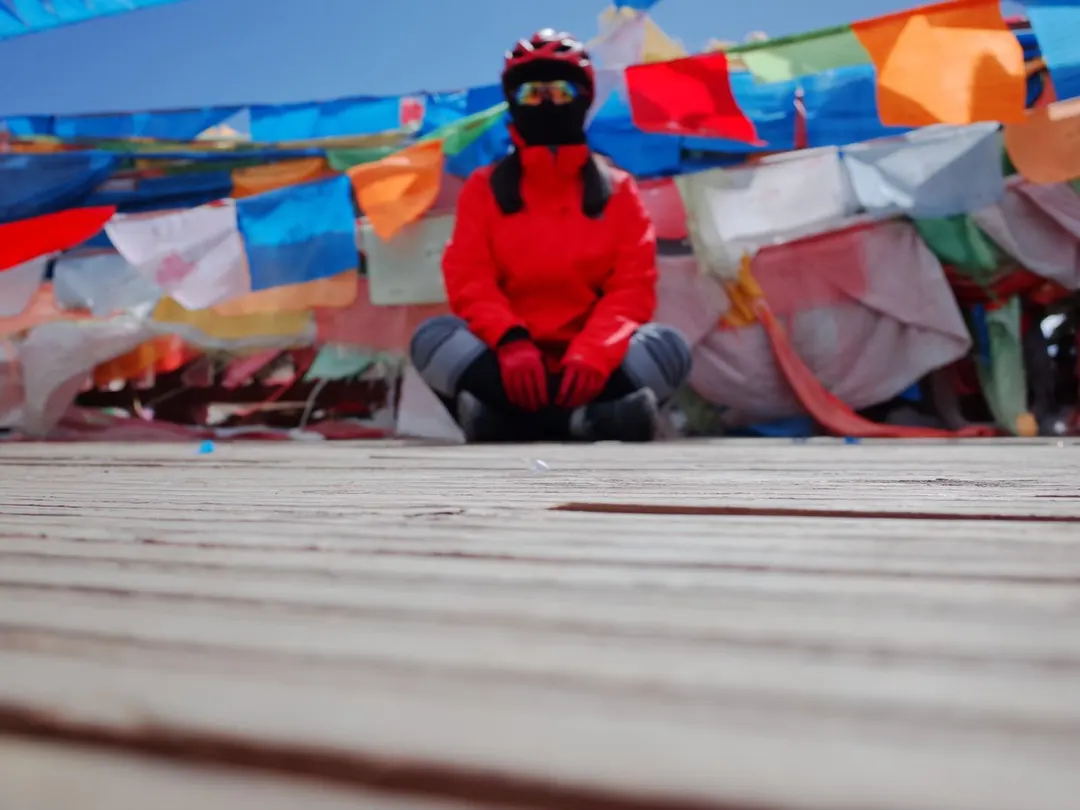
In the spring of 2018, I set off alone. It took me 35 days to cycle from Chengdu to Lhasa, and then from Lhasa to Everest Base Camp. This isn’t some feel-good pep talk. It’s a real cycling diary and a practical guide. If you’ve ever dreamed of taking this road, I hope my story gives you the push you need.
What You Need to Know Before You Go
Choosing the Right Bike for the Sichuan-Tibet Highway
There’s endless debate online about bikes. Some say you need a mountain bike worth over 10,000 yuan (about $1,400). Others insist it must be brand new. My take? You don’t.
You’ve got three options: - Bring your own bike: Ship it to Chengdu—the most hassle-free choice. - Rent one: Many cycling clubs in Chengdu offer rentals. Monthly rates run from 800 to 1,300 yuan (around $110 to $180), and you can return the bike in Lhasa. - Buy one: I went with a used bike. Paid 1,800 yuan (about $250), sold it in Lhasa for 1,000 yuan ($140). Net cost: 800 yuan ($110)—cheaper than renting.
Remember, I saw a guy on a shared bike with my own eyes. So don’t let gear hold your courage hostage. [Link: Best budget bikes for long-distance cycling]
Accommodation: Hostels Are Your Home on the Road
There are plenty of hostels and guesthouses along the route. In peak season, book a day or two ahead. Some cycling clubs in Chengdu give out accommodation guides with phone numbers for each stop—just call and show up. This booklet also doubles as an emergency rescue contact list, which is incredibly handy.
Food and Payment: Your Phone Is All You Need
Restaurants are common along the way. In remote areas, you’ll find small shops run by Tibetan families. The only stretch where you need to pack your own food is the day you cross Zheduo Mountain—there’s no place to eat at midday. I brought self-heating rice meals, and they worked perfectly.
For payments, WeChat Pay is accepted almost everywhere. A few Tibetan vendors only take cash, so keep some small bills handy.
Rescue and Safety: Don’t Worry, You’ve Got Backup
Most hostels listed in the accommodation guide offer rescue services: free within 5 kilometers (about 3 miles), and a small fee beyond that—usually no more than a few dozen yuan. If you need a ride for a longer stretch, it’ll cost under 100 yuan ($14) per person. Don’t treat rescue as a failure. Safety comes first.
Riding Partners: Start Alone, Arrive Together
You can find riding buddies on forums like Tieba or Weibo before you leave, or just team up on the road. Plenty of people set out every day, so you won’t be alone for long. But I’d recommend not riding solo—it’s safer and more fun with company.
Packing Light: Under 20 Pounds
Your must-have list: - Warm clothes: No matter the season, mountain passes are freezing. - Knee pads: Wear them every day to protect your joints. - Helmet: Never take it off. - Basic repair tools: Hostel staff and other cyclists can help you out. - Essential meds: Cold medicine, band-aids, anti-inflammatories, cough medicine. - Rain gear: Keep it in your pannier at all times. - Frog lights (small LED lights): Use them when going through tunnels. - Insulated water bottle: Highly recommended by female cyclists—drinking warm water the whole way helps prevent altitude sickness.
Altitude Sickness: Steady Wins the Race

My advice: Don’t push too hard. The people who sprint ahead in the first few days are often the ones hit hardest by altitude sickness later. Skip the Rhodiola supplements—drinking more yak butter tea works better. Once you enter Tibet, eat less rice and more noodles. I never got altitude sickness. My secret? A steady pace—no rushing, no chasing, never letting my body gasp for air. [Link: Altitude sickness prevention tips for cyclists]
Cycling Diary: 23 Days from Chengdu to Lhasa
Day 1: Chengdu → Ya’an (Easy)
This is the team’s adjustment phase. Everyone’s still getting to know each other. Nothing dramatic happens. It’s a good time to find your rhythm.
Day 2: Ya’an → Xingou (Easy)
Gentle slopes start appearing, and you’ll go through tunnels. Ride together and use your frog lights—many tunnels are one-way, and trucks blast through with deafening horns.
Day 3: Xingou → Erlang Mountain → Luding (Moderate)
Your first real mountain climb. You start pedaling uphill right out the door. At the time, I thought it was brutal. Looking back, it was just an appetizer. Sightseeing stop: the Luding Bridge, famous from the Red Army’s historic crossing.
Day 4: Luding → Kangding (Hard)
Tougher than Erlang Mountain. The team splits up by speed, meeting up at night in Kangding. There’s a Dicos (a fast-food chain) there—a rare treat on the road.
Day 5: Kangding → Zheduo Mountain → Xinduqiao (Hardest)
Zheduo Mountain, the first big test on the Sichuan-Tibet Highway. I started in the morning and didn’t reach the pass until 5 p.m. No riding in a support vehicle, no pushing the bike—if you get past Zheduo on your own, the other mountains won’t dare mess with you. Give in and take a ride here, and you’ll fall into the “Zheduo Mountain curse,” tempted to hitch for the rest of the trip. You can rest a day in Xinduqiao. Join a day tour for 70 yuan ($10) and see all the sights.
Day 6: Xinduqiao → Xiangkezong (Forced to Hitch)
A repair guy messed up my brakes, so I had to catch a ride. But I stumbled upon a Tibetan family’s homemade yogurt flatbread, barley noodles, and yak butter tea. I even kneaded my own tsampa (roasted barley flour dough). Warning: don’t overeat—we all got diarrhea afterward.
Day 7: Xiangkezong → Kazila Mountain → Honglong Township
After conquering Zheduo, these mountains felt like flat roads. For the first time, I experienced the breathtaking beauty of the Sichuan-Tibet Highway—riding felt like floating above the clouds.
Day 8: Honglong Township → Litang (Five-Star Accommodation)
After days without a shower, I finally checked into a hotel—smart toilet, big bathtub. The happiness was overwhelming.
Days 9–13: Litang → Batang → Mangkang → Zuogong → Bangda → 72 Turns → Rawu
Officially entered Tibet, crossing the Jinsha River Bridge. The descent on the 72 Turns (a famous series of switchbacks) was a thrilling rush! Rawu Lake was so beautiful, I wanted to stay forever.
Days 14–15: Rawu → Bomi → Lulang
I hit a brutal headwind that nearly made me toss my bike. But Lulang—the most beautiful little town on the plateau—made every hardship worth it. Must-try: stone pot chicken (石锅鸡).
Days 16–17: Lulang → Serjila Mountain → Nyingchi → Mila Mountain → Lhasa
My cough got bad. I was vomiting at night. Once in Lhasa, I saw a specialist and was diagnosed with acute bronchitis. A Tibetan doctor prescribed medicine, and I recovered quickly. I rode the final stretch sick, but the moment I saw the Potala Palace, it was all worth it. [Link: How to handle illness on a long-distance cycling trip]
Lhasa Must-Sees: More Than Just the Potala Palace
Potala Palace
I went in April, just before Labor Day, when admission was free—saved a fortune. The interior’s splendor can only be appreciated in person.
Makye Ame (玛吉阿米)
At a corner of Barkhor Street, this was once where the Sixth Dalai Lama, Tsangyang Gyatso, met his lover. Now it’s a Tibetan restaurant and a haven for artists and dreamers. Order a pot of sweet tea, lean by the window, and watch locals spin prayer wheels and pilgrims prostrate themselves on the ground. It’s a sacred glimpse into Tibetan culture. The restaurant also has a rich menu of Tibetan delicacies.
Jokhang Temple and Barkhor Street
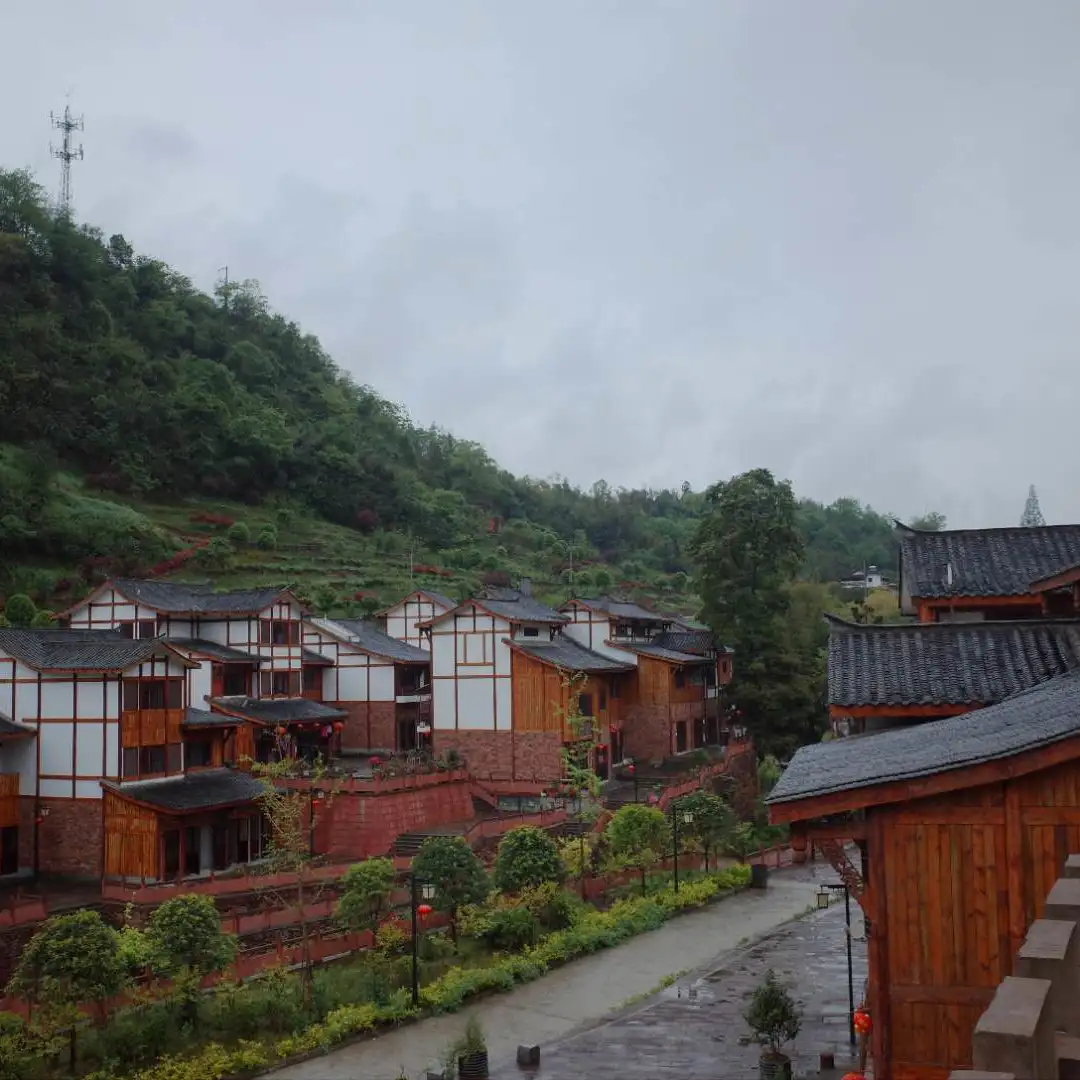
The spiritual heart of Lhasa. Join the pilgrims circling the Jokhang Temple, spinning prayer wheels, and soaking in the ancient atmosphere. [Link: Top things to do in Lhasa]
From Lhasa to Everest Base Camp: The Ultimate Pilgrimage
After recovering in Lhasa, I continued my journey south to Everest Base Camp. The road from Lhasa to Shigatse and then to the base camp is less traveled but equally stunning. The final approach to Everest is a test of endurance and spirit. Standing at 5,200 meters (17,060 feet), watching the sun set over the world’s highest peak, I felt an overwhelming sense of accomplishment. This pilgrimage on two wheels was not just about reaching a destination—it was about discovering my own limits and surpassing them.
Frequently Asked Questions (FAQ)
1. Is it safe for a woman to cycle the Sichuan-Tibet Highway alone?
Yes, but it’s safer to start alone and find riding buddies along the way. The route is well-traveled, and hostels offer rescue services. Always carry a phone with emergency contacts.
2. What is the best time of year to cycle from Chengdu to Lhasa?
The best time is spring (April-May) or autumn (September-October). Summer brings heavy rain and landslides, while winter is extremely cold at high passes.
3. How much does it cost to cycle the Sichuan-Tibet Highway?
A budget of 3,000–5,000 yuan ($420–$700) for the 23-day ride is realistic, including accommodation, food, and bike rental. Additional costs for Everest Base Camp will add another 1,000–2,000 yuan.
4. Do I need to be a professional cyclist to complete this route?
No. I was an average cyclist with basic fitness. The key is pacing yourself, listening to your body, and not pushing too hard. Altitude sickness is the biggest challenge, not physical strength.
5. Can I rent a bike in Chengdu and return it in Lhasa?
Yes. Many cycling clubs offer this service. Monthly rental rates range from 800 to 1,300 yuan ($110–$180). Check with clubs like “517 Cycling” or “Tibet Cycling” for details.
Conclusion: Your Journey Starts Now
The Sichuan-Tibet Highway is not just a road—it’s a rite of passage. It will test your body, your mind, and your spirit. But every pedal stroke brings you closer to the most breathtaking landscapes on Earth and a deeper understanding of yourself.
I saw a man on a shared bike make it to Lhasa. I saw a woman with a used bike conquer Everest Base Camp. The only thing standing between you and this adventure is the decision to start.
Are you ready to pedal into the unknown? Pack your bags, choose your bike, and set your wheels toward the roof of the world. The road is waiting.
[Link: Planning your first long-distance cycling trip]
[Link: Essential gear for high-altitude cycling]
[Link: How to train for the Sichuan-Tibet Highway]
You may also like