When Spring Hesitates: A Stroll Through Zhujiajiao and Jinze – An Unexpected Journey Through Jiangnan's Ancient Water Towns
Meta Description: Discover the hidden charm of Shanghai's ancient water towns in early spring. Experience Zhujiajiao after dark and explore Jinze's untouched bridges. A soulful journey through Jiangnan's quiet corners.
Prologue: Why the Best Travel Stories Begin with Spontaneity
Travel has a peculiar way of humbling us. The more meticulously we plan, the more likely we are to face disappointment; conversely, the most spontaneous outings often yield the greatest surprises. Such was my realization in the first month of the lunar year 2013 – what began as a half-hearted, "going through the motions" excursion unexpectedly led me to rediscover a long-lost sense of peace and poetry in two ancient water towns on the outskirts of Shanghai: Zhujiajiao and Jinze.
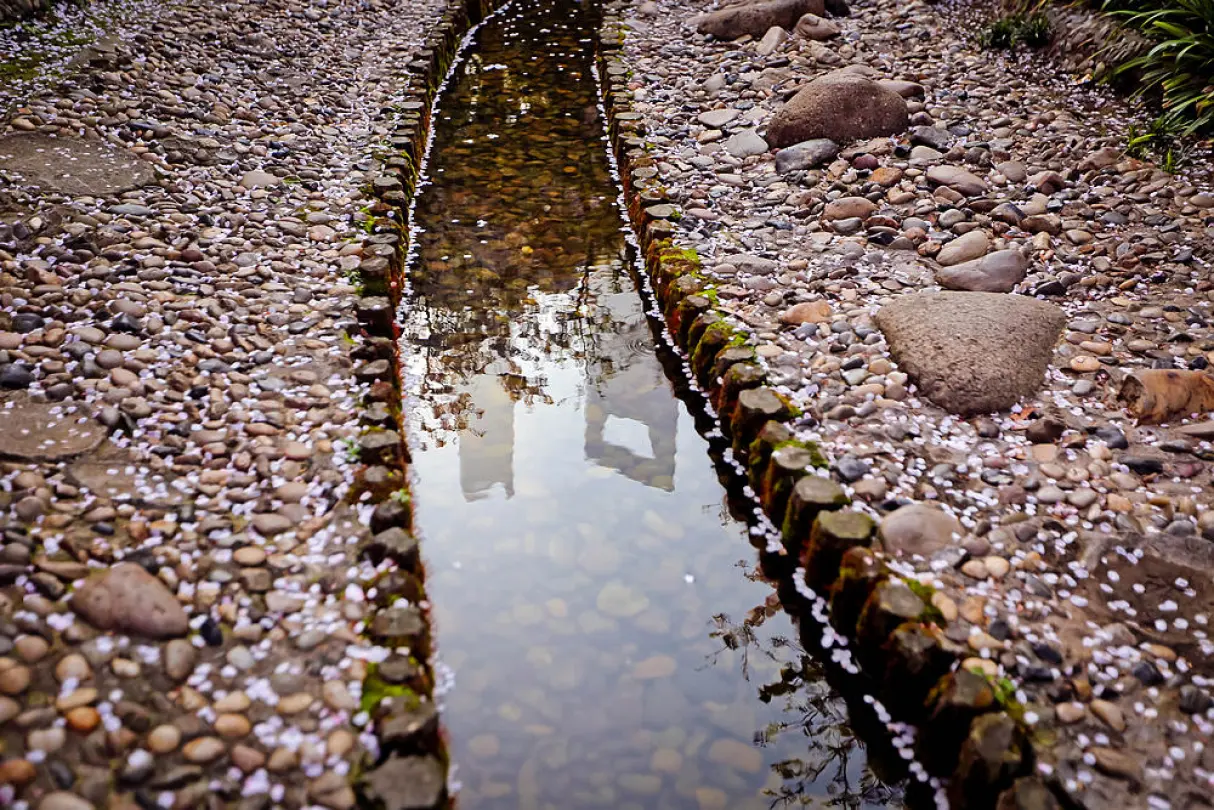
It was the cusp of winter and spring, when Jiangnan's air still carried a biting chill. The spring breeze, seemingly unsure of its path, sent shivers through us, yet it also awakened the water towns from their long winter slumber. Perhaps it was precisely this season of "hesitant warmth and lingering cold" that made this two-day journey so precious – free from the clamor of high summer and the melancholy of deep autumn, it offered only the crisp, hazy beauty unique to early spring.
[Link: Best time to visit Jiangnan water towns]
Chapter One: Zhujiajiao – The Ancient Town Truly Awakens at Nightfall
Why Stay Overnight? Breaking Free from the "Day Trip" Obsession
Before this trip, the thought of spending a night in Zhujiajiao had never crossed my mind. After all, it's only an hour's drive from downtown Shanghai – easily doable as a day trip. In my mind, the experience of staying overnight in a water town belonged only to "star" attractions like Wuzhen.
But experience has taught me that the things we dismiss as "not worth it" often hide the most unexpected treasures. The reason I decided to stay overnight in Zhujiajiao this time was purely practical: I planned to visit Baoguo Temple for prayer on the fifteenth day of the lunar month, and the town made a convenient stopover. It was a decision born of convenience, yet serendipitously, it revealed Zhujiajiao's most authentic face.
Checking into My Way Water Town Music Inn: A Moonlit Old House
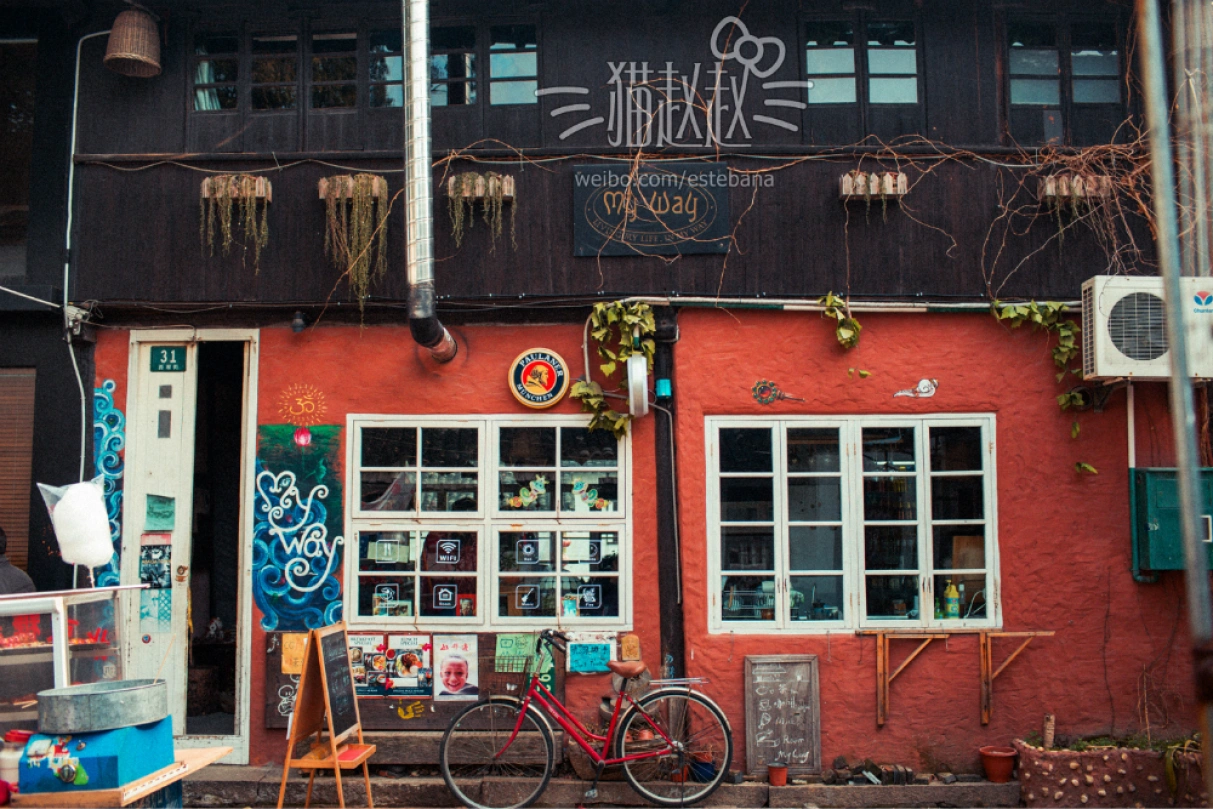
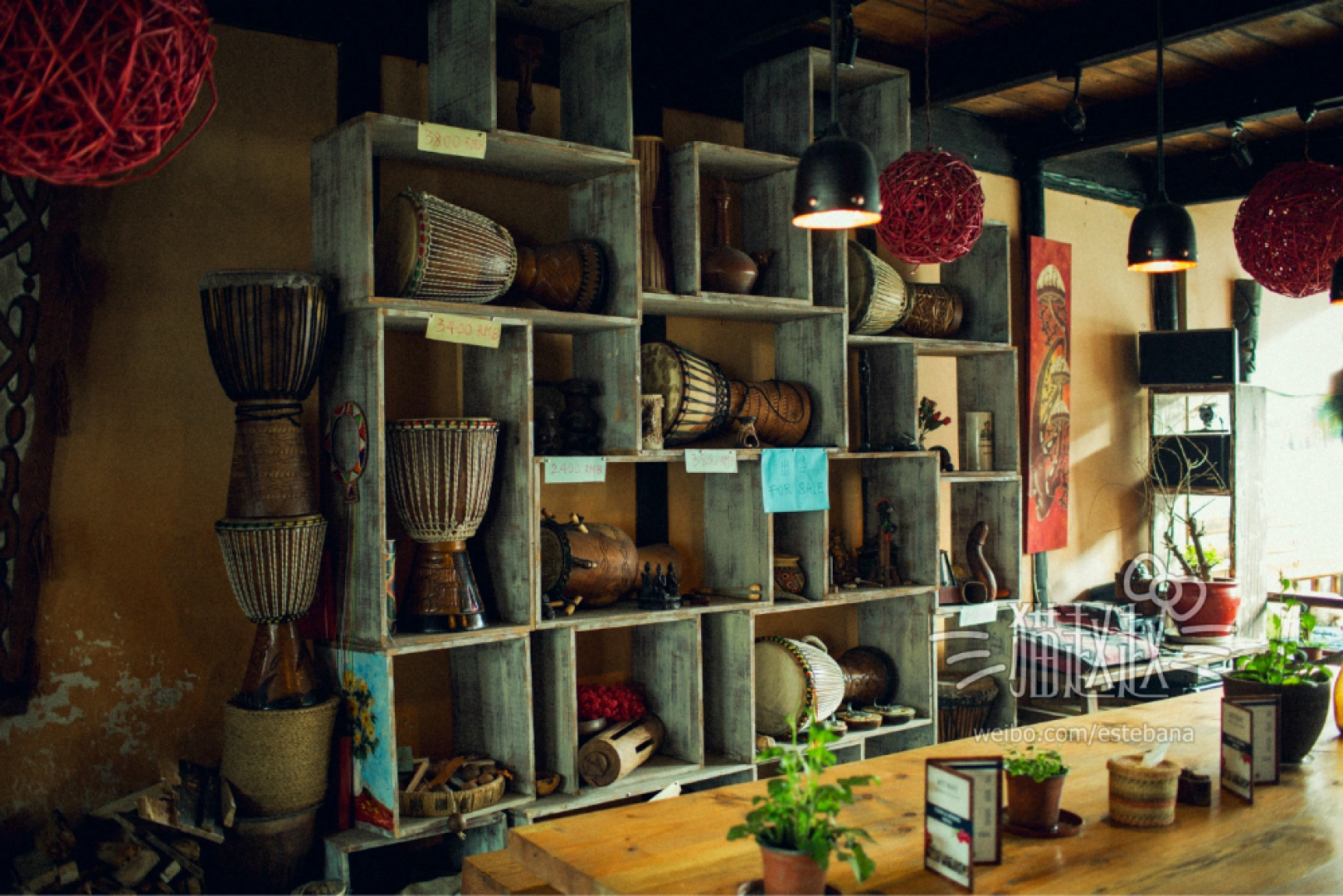
We chose to stay at My Way Water Town Music Inn. The ground floor housed a café and restaurant, while the second floor offered accommodation – just three rooms in total: one with a double bed, one with twin beds, and one with four beds. The owner was a drum enthusiast; the ground floor displayed quite a collection, and judging by the price tags, his passion was genuine.
Our host was Auntie Jin, a local who lived nearby and served as the inn's resident caretaker. We arrived in Zhujiajiao in the early afternoon, having missed lunch. Tentatively, I asked Auntie Jin if we could swap our next morning's breakfast for an afternoon meal. She hesitated for a moment, then agreed. I chose wontons – the large, hand-wrapped ones Auntie Jin made herself. They looked decent enough, though I've always preferred the delicate charm of smaller wontons.
The inn was an old-style building with steep wooden stairs that creaked with every step, as if whispering stories of years gone by. Our twin room was on the second floor, and its most distinctive feature was a small skylight in the ceiling. In the afternoon, the early spring sunlight streamed through it; at night, after turning off the lights and lying down, a gentle beam of moonlight fell across my face. Looking up, I saw the full moon – it was the fourteenth day of the first lunar month, and the moon was so beautiful I couldn't bear to close my eyes.
Outside the room was a small terrace overlooking the houses on both sides of the river. By the time we checked in, the four-bed room had just been vacated, and the double-bed room was unbooked. For the entire night, we essentially had the whole inn to ourselves – a luxury I still remember vividly.
[Link: Unique accommodations in Shanghai water towns]
Escaping the Crowds: Finding the Ancient Town's Quiet Corners
After a short rest, we set out to explore the town. We had no particular cravings for food or shopping – just one thought: avoid the crowds and head where fewer people go.

By day, Zhujiajiao was swarming with tourists. On weekends especially, it was almost shoulder-to-shoulder. If you've ever seen photos of the town looking peaceful and serene, it's only because the photographer took the "off-the-beaten-path" route – those narrow alleyways and residential areas are the real secret to escaping the chaos.
At an unremarkable alley entrance, I noticed an elderly couple – the husband was taking a photo of his wife. When the auntie realized we were watching, she smiled shyly. In that moment, Yeats' lines came to mind: "How many loved your moments of glad grace, / And loved your beauty with love false or true, / But one man loved the pilgrim soul in you, / And loved the sorrows of your changing face." Love renewed with time – that's what it looked like.
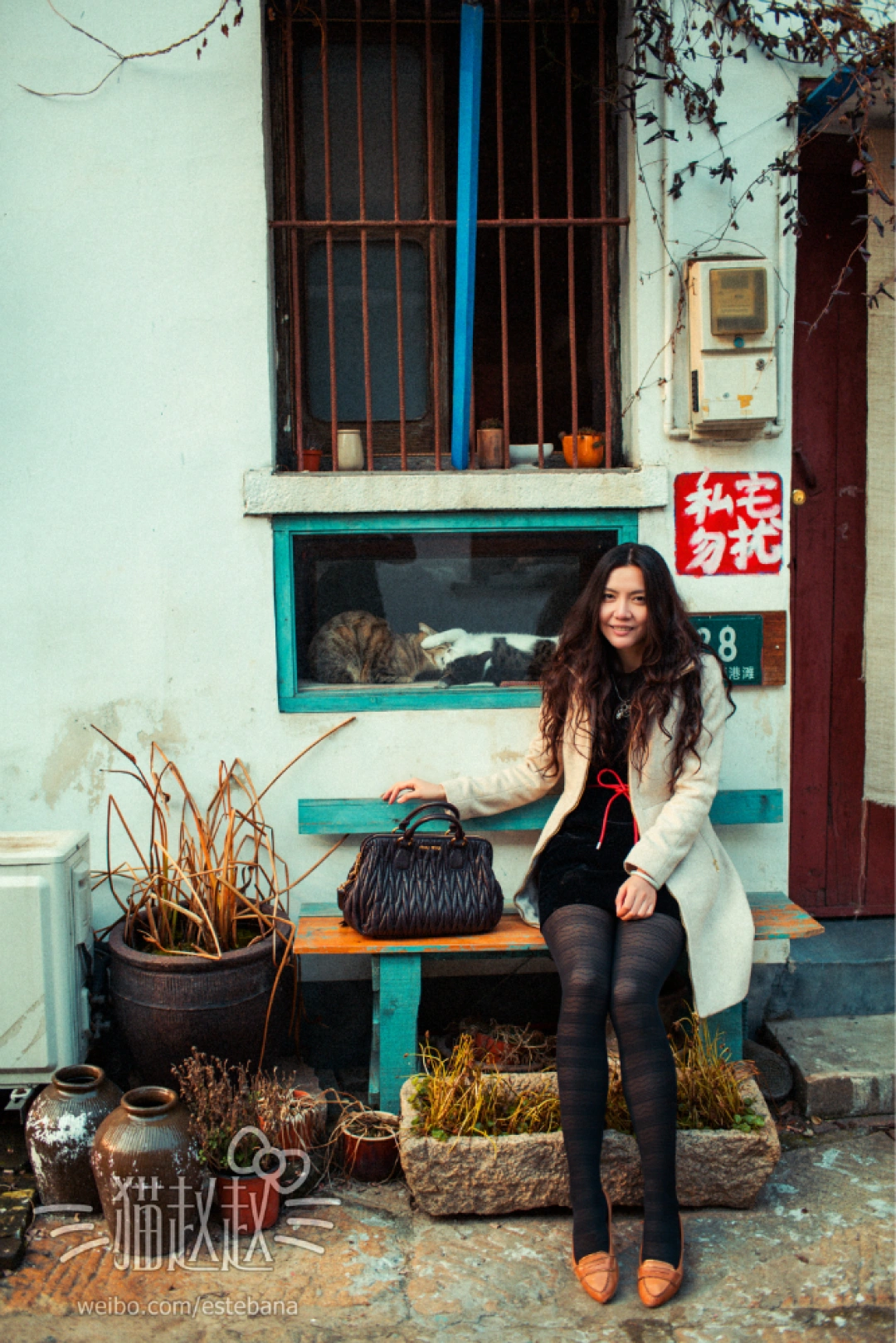
Further down the alley, a family had set up a little scene in front of their door, complete with a glass greenhouse for their cat. Life's little pleasures often hide in such details. There was also an elderly artisan making sugar paintings, using an old-fashioned spinning wheel – whatever it landed on, he would draw. I spun a rabbit and was thrilled. My companion said, "We just ate, let's come back later." But by the time we circled back, the stall had vanished. Some encounters, once missed, are gone forever.
Night Falls: The Ancient Town Returns to Peace
As the sun set, the day-trippers began to leave, and Zhujiajiao finally shed its commercial mask, reclaiming its natural tranquility. Sometimes, when a mask is worn too long, even the wearer forgets their original face. "Never forget your初心 (original intention)" – those words rang especially true in the twilight of the ancient town.
Across the river, I spotted an abandoned factory, reminiscent of the buildings in Shanghai's M50 Creative Park on Moganshan Road. I walked over to take a closer look – it was indeed strikingly similar. In that era, even factories were a form of art; nowadays, art itself has become just another processing plant. Fast-paced,浮躁 (restless) – these are the ailments of our time. But the night in an ancient town seems to slow everything down.
Back at the inn, Auntie Jin had already lit the fireplace. The inn's cat, "Biandou" (Lentil), was lounging lazily in its designated seat, dozing off. This cat was quite the diva – it wouldn't drink from a bowl, only from running water. The sink on the ground floor had been specially modified to allow a slow, steady trickle, enough for Biandou to drink without wasting water. It was also remarkably clever: when Auntie Jin was cooking, it would somehow push open the office door, steal some candy, then scurry back out to hide in a corner and enjoy its spoils.
I used the 20-yuan incense voucher that came with our stay to exchange for a cup of coffee. I don't actually drink coffee – I just needed something to warm my hands. After sunset, the temperature had plummeted, and I had underestimated how cold the suburbs could be. We had dinner at the inn as well – Auntie Jin cooked it herself. The portions were generous, and the food was good. After dinner, I went out to photograph the night scenery, wrapped in my companion's down jacket, but it was still too cold. I didn't venture far before turning back. Without the daytime noise, Zhujiajiao under the moonlight was breathtakingly beautiful.
[Link: Night photography tips for ancient towns]
Chapter Two: Jinze – An "Undeveloped" Ancient Town, A Museum of Bridges
Departing at Dawn: Frozen to the Bone
We woke up at 5:30 the next morning and asked Auntie Jin to get up early to settle our bill and unlock the door. By 6:30, we had left the scenic area. The early spring morning was bone-chillingly cold, but the misty water town looked like a ink-wash painting. At the bus stop, we had a bowl of soup dumplings and small wontons – warm, comforting, and utterly satisfying.
From Zhujiajiao to Baoguo Temple, we took the Qingjin Line or Qingshang Line, boarding at Xiangningbang Road. The journey itself was a visual feast – passing through fields and small villages that felt frozen in time.
Why Jinze Deserves Your Attention
While Zhujiajiao is famous, Jinze remains one of Shanghai's best-kept secrets. Unlike its more commercialized neighbor, Jinze has largely escaped the tide of mass tourism. It's an "undeveloped" ancient town – and that's precisely its charm.
Jinze is often called the "Museum of Bridges" because it boasts over 30 ancient bridges spanning the Song, Yuan, Ming, and Qing dynasties. Walking through Jinze feels like stepping into a living history book. The Puqing Bridge (普庆桥), a Song Dynasty structure, is particularly stunning – its single-arch design is a masterpiece of ancient engineering.
What to See and Do in Jinze
- Puqing Bridge: The oldest bridge in town, dating back to the Song Dynasty.
- Zhu Family Garden: A traditional Jiangnan garden with lotus ponds and winding corridors.
- Jinze Temple: A quiet Buddhist temple with a history spanning over a thousand years.
- Local Snacks: Try the famous Jinze steamed buns (金泽馒头) and handmade tofu pudding.
The lack of commercial development means fewer crowds and more authentic experiences. You won't find chain souvenir shops here – just locals going about their daily lives, fishermen mending nets, and elderly residents chatting on stone benches.
[Link: Hidden gems near Shanghai]
Frequently Asked Questions (FAQ)
1. What is the best time to visit Zhujiajiao and Jinze?
Early spring (February–March) and late autumn (October–November) are ideal. The weather is mild, and crowds are thinner than in summer. For a truly magical experience, visit on a weekday to avoid weekend crowds.
2. How do I get from Shanghai to Zhujiajiao and Jinze?
 - To Zhujiajiao: Take Metro Line 17 to Zhujiajiao Station, then walk or take a short bus ride. - To Jinze: From Zhujiajiao, take the Qingjin Line or Qingshang Line bus (about 30 minutes). - Combined trip: Start with Zhujiajiao overnight, then visit Jinze the next morning.
3. Is it worth staying overnight in Zhujiajiao?
Absolutely. Day-trippers miss the town's most enchanting hours – sunset and moonlit evenings. Staying overnight allows you to experience the town without crowds and enjoy authentic local hospitality at inns like My Way Water Town Music Inn.
4. What should I eat in these water towns?
- Zhujiajiao: Hand-wrapped wontons, zongzi (sticky rice dumplings), and braised pork.
- Jinze: Steamed buns (金泽馒头), tofu pudding, and river fish dishes.
- Both: Try the local green rice wine (米酒) for a warming treat.
5. Are Jinze and Zhujiajiao suitable for solo travelers?
Yes. Both towns are safe and walkable. Staying at a family-run inn in Zhujiajiao offers a chance to connect with locals. Jinze is quieter and perfect for reflective solo exploration.
[Link: Solo travel tips for China]
Final Thoughts: Why You Should Make This Trip Now
This two-day journey taught me something profound: the best travel experiences often come from the least expected places. A casual decision to stay overnight in Zhujiajiao revealed a moonlit world of tranquility. An early morning bus ride to Jinze uncovered a living museum of bridges untouched by time.
In an era of hyper-planned itineraries and Instagram-perfect destinations, there's something deeply refreshing about letting go. Let the spring breeze guide you. Let the ancient stones tell their stories. Let a spontaneous detour become your most cherished memory.
Your turn: Pack a light bag. Skip the tour groups. Book a night at a family inn. Wake up to the sound of water lapping against ancient bridges. Trust me – you won't regret it.
[Link: Book your Zhujiajiao stay] [Link: Plan your Shanghai water town itinerary]
Have you visited Zhujiajiao or Jinze? Share your experience in the comments below – we'd love to hear your hidden gem discoveries!
You may also like