Reincarnation Weeps: A Zen Journey of Love Across Time and Space
Here is the SEO-optimized article based on your source material. It has been restructured for search engine visibility, readability, and user engagement, while preserving the original Zen and emotional depth.
SEO Title: Reincarnation Weeps: A Zen Journey of Love, Letting Go, and Spiritual Rebirth
Meta Description: Explore the Zen wisdom behind "Reincarnation Weeps." Discover how a journey through Mount Jiuhua and ancient water towns reveals the truth about love, attachment, and spiritual rebirth.
Reincarnation Weeps: A Zen Journey of Love, Letting Go, and Spiritual Rebirth
In a world obsessed with holding on, the concept of "Reincarnation Weeps" offers a radical, soul-stirring alternative: the wisdom of letting go. This is not a story of sorrow, but a Zen journey of love across time and space—a pilgrimage that began on November 16, 2013, from the neon lights of Shanghai to the misty peaks of Mount Jiuhua.
This article explores the profound connection between Buddhist philosophy and romantic love. We will walk through the rapeseed fields of Wuyuan, drift through the water town of Luzhi, and sit in silent meditation on a mountain peak. By the end, you will understand why every encounter is a reunion, why every parting is a lesson, and how to find yourself within the cycle.
Origins: Every Encounter Is a Long-Awaited Reunion
Meeting: A Destiny Foretold
One of the core tenets of Zen philosophy in relationships is that no one enters our life by chance. As the journey began, the traveler reflected on this truth while standing before ancient temples. The oil lamps flickered, the Buddha statues gazed silently, and the morning bells echoed through the valley.
"Whoever you meet, they are the right person."
This is the first lesson of the spiritual meaning of love. Every person who crosses your path is there to teach you something—perhaps to show you a new way of loving, or to help you heal a wound you didn't know you had. The journey taught that every encounter is a reunion long overdue, and every parting paves the way for a better reunion.
The Nature of Love: Letting Go vs. Holding On
"You can have love, but do not cling to it, because separation is inevitable." This Zen insight sounds harsh, yet it holds the deepest wisdom for those struggling with attachment issues in relationships.
We often cling to permanence, forgetting that everything in this world is in flux. In the golden rapeseed fields of Wuyuan, the traveler witnessed love in its purest form: two people walking hand in hand, laughing without a care. In that moment, the truth became clear: love is not about possession, but appreciation. It is not about clinging, but letting go.
A Zen Life: From Agitation to Serenity

The Truth About Worry
Life's troubles are like the palm of your hand—they are small. But if you refuse to lower it and keep it pressed against your eyes, all you see is that trouble. This metaphor became the traveler's mantra during the journey.
In the water town of Luzhi, sitting in a small boat while ancient architecture lined the banks, all the arguments and disappointments that once kept the traveler awake at night dissolved into mist. The boatman hummed a folk tune, and suddenly, the world felt vast and forgiving.
Acceptance and Effort
"Going with the flow does not mean drifting aimlessly. It means doing your best and then accepting what comes."
This is a critical distinction for anyone seeking Buddhist advice for heartbreak. Acceptance is not passive surrender. It is an optimistic mindset: no rushing, no complaining, no forcing, no despairing.
In Nanxun, an old man was fishing by the river. He sat motionless for hours. When asked if he was worried, he smiled and said, "The fish will bite when they're ready. What's the use of rushing?" This is the essence of mindfulness in relationships: giving your best effort, then calmly embracing the outcome.
The Cycle of Love: From Attachment to Release
The Price of Love
Love is like fireworks—a momentary burst of brilliance, leaving behind only an afterimage. The explosion is beautiful, but fleeting. We always wish love could last forever, forgetting that fireworks are beautiful precisely because they are brief.
During the journey, the traveler observed many couples: some arguing, some basking in sweetness, some sitting in silence. Each story had its own joys and sorrows. The lesson was clear: love has no right or wrong, only experiences; no eternity, only the present moment. [Link: How to practice mindfulness in relationships]
The Wisdom of Letting Go
"Letting go" is easy to say, but incredibly difficult to practice. Some people chase fame and cannot let it go; others acquire wealth and cannot release it; some find love and cling to it.
At a temple on Mount Jiuhua, a monk was meditating. When asked what he had let go of, he replied, "I've let go of my attachment to letting go."
This is the paradox of spiritual growth after a breakup. True release is not forced forgetting. It is natural acceptance. It is the moment you stop trying to get over someone and simply allow yourself to be.
Rebirth and Transformation: From Pain to Transcendence
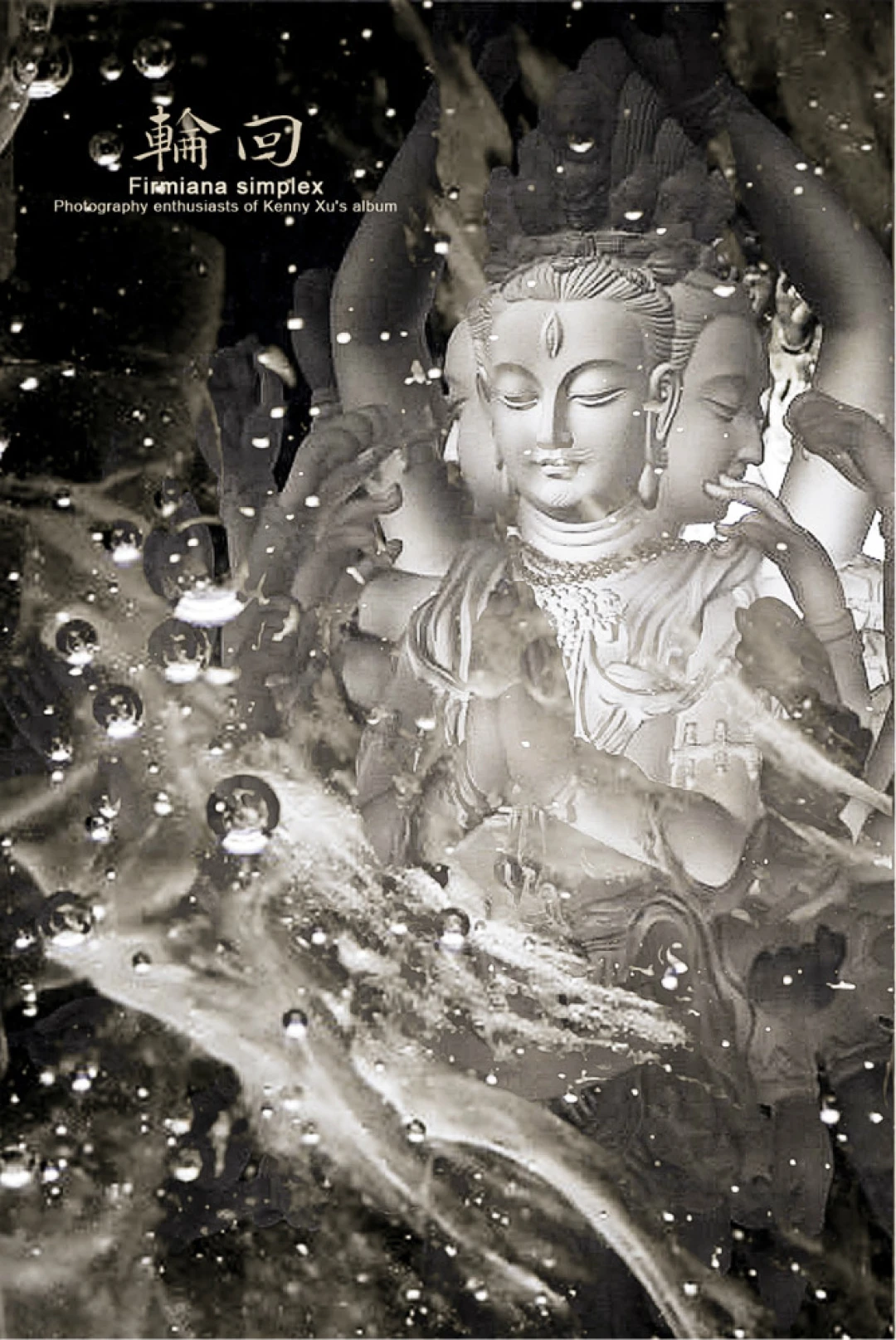
Rising from the Ashes
Enduring the torment of flames and the trial of suffering, gaining rebirth, and achieving transcendence—this is the spirit of the phoenix. It is unafraid of pain, unwavering in purpose, constantly pursuing self-improvement.
The journey involved immense pain: from the initial sweetness, to the arguments, to the final separation. But when the traveler stood atop Mount Jiuhua, watching the sea of clouds churn beneath, the truth became clear: all pain is the price of growth. Every parting is preparation for a better meeting.
The Union of Love and Zen
"With Buddha in your heart, even death becomes like the phoenix rising—coolness within the flames, eternal life."
This saying offers a new understanding of love: true love is not possession, but fulfillment; not clinging, but release; not pain, but transcendence. One night in Wuyuan, the traveler sat on a balcony with a loved one, gazing at the stars. She said, "If only we could stay like this forever." The reply was simple: "Forever is too far away. All we need is to cherish this moment."
Conclusion: Finding Yourself in the Cycle
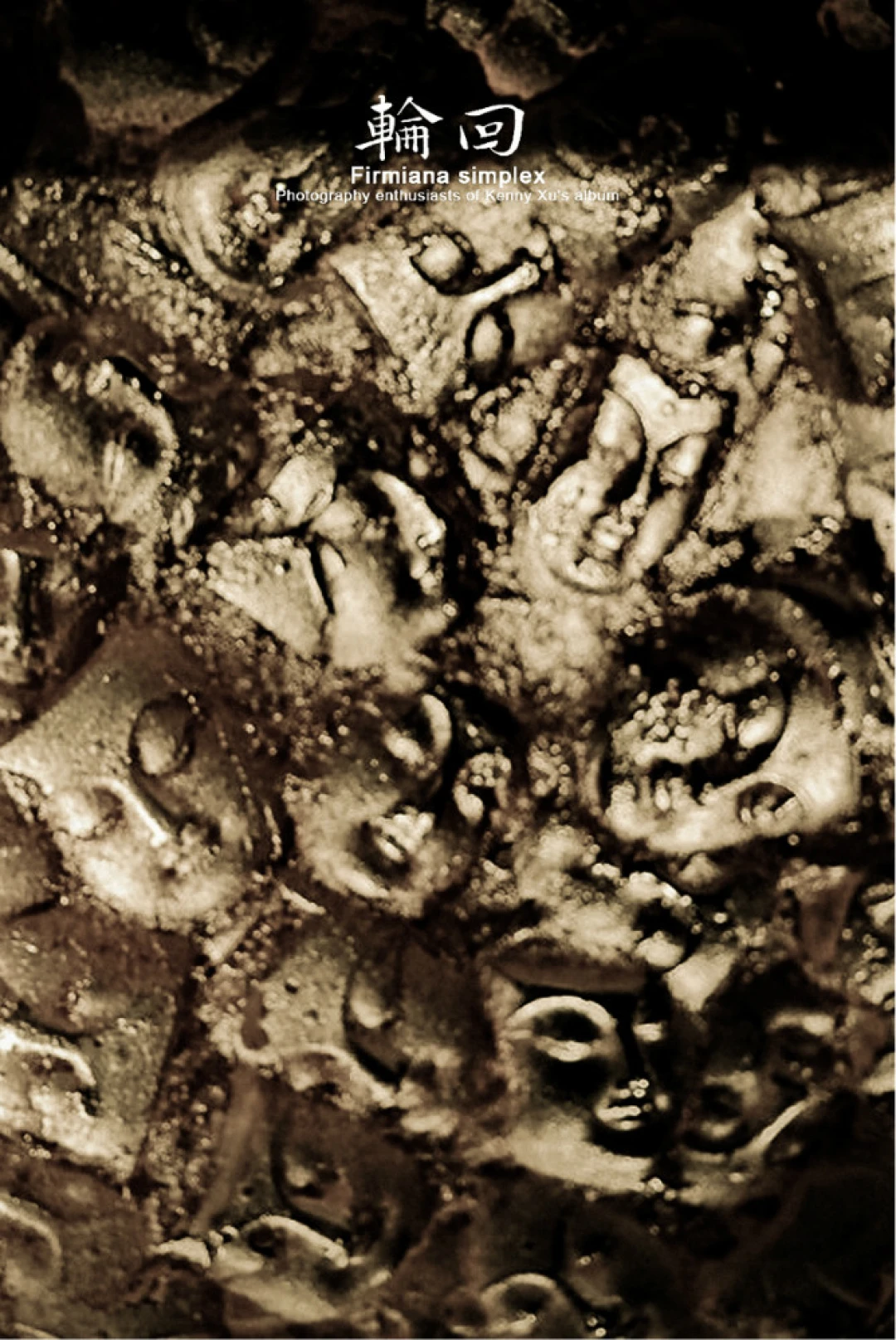
This journey teaches one thing: love is not the entirety of life, but it can reveal life's essence. Through endless cycles of rebirth, we meet, part, and meet again. Each encounter is a practice, each separation a lesson in growth.
- Whoever you meet, they are the right person.
- Whatever happens, it is the only thing that could have happened.
- Whenever something begins, it begins at the right moment.
- And what has ended has already ended.
This is the true meaning of "Reincarnation Weeps"—heaven weeps for humanity's attachments, but in the end, we will find ourselves within the cycle.
Frequently Asked Questions (FAQ)
1. What is the main message of "Reincarnation Weeps"? The main message is that love is a spiritual practice. It teaches us to let go of attachment, accept the impermanence of life, and find peace in the cycle of meeting and parting. True love is not possession, but appreciation.
2. How can I apply Zen philosophy to my relationship? Start by practicing mindfulness. Instead of clinging to your partner, appreciate the present moment. Accept that change is inevitable. When conflict arises, ask yourself: "Is this worth holding onto, or can I let it go?" [Link: Mindfulness exercises for couples]
3. How do I let go of someone I still love? Letting go is a process. Start by accepting that the relationship has ended. Allow yourself to feel the pain without judgment. Practice gratitude for the experience. Remember the Zen monk's advice: "Let go of your attachment to letting go." It will happen naturally over time.
4. Is it possible to find love again after a painful breakup? Yes. The journey shows that every ending is a preparation for a new beginning. By healing and growing, you become a better partner for your next encounter. Trust the cycle of reincarnation—meetings and partings are all part of the path.
5. What does "heaven weeps" mean in this context? "Heaven weeps" is a metaphor for the universe's compassion for human suffering. We cry because we cling to things that are impermanent. But the tears are not a sign of weakness; they are a sign of the soul's longing for transcendence.
Your Next Step on the Path
This Zen journey is not over. It continues every time you choose to let go instead of cling, to appreciate instead of possess, to accept instead of resist.
Finally, a word for everyone struggling in love:
Be kind to yourself. Love your own existence. Make yourself happy. Because you deserve nothing less than the best.
Ready to dive deeper? [Link: Guided meditation for letting go of attachment] or explore more about [Link: Buddhist philosophy for everyday life].
This article is an original work. Unauthorized reproduction is prohibited.
You may also like