The Spring and Autumn Annals of Wu and Yue: From Hangzhou to Shanghai, Exploring Four Lesser-Known Historical Sites of an Epic Rivalry
Meta Description: Uncover the epic Wu-Yue rivalry through four hidden historical sites from Hangzhou to Shanghai. Explore Yue King City, Two Consorts Temple, White Horse Ravine, and Guhua Garden—where ancient legends come alive.
Introduction: Beyond the Tourist Trail of Chinese History
The bitter feud between the states of Wu and Yue during the late Spring and Autumn period (770–476 BCE) remains one of the most dramatic and enduring chapters in Chinese history. Idioms still woven into everyday language—"sleeping on brushwood and tasting gall" (卧薪尝胆), "the beauty trap" (美人计), and "casting aside the bow once the birds are gone" (鸟尽弓藏)—all trace their origins to those years of blood, betrayal, and ultimate redemption.
Yet most travelers know only the broad strokes: King Goujian of Yue's legendary endurance and King Fuchai of Wu's fatal arrogance. Few ever set foot in the places that actually witnessed these events. As a history researcher and educator, I spend every winter and summer break exploring obscure historical sites scattered across China. They lack the crowds of West Lake or the throngs of the Forbidden City, but in their silence, they tell stories far more vivid than any textbook.
This journey takes you from Hangzhou through Suzhou to Shanghai—four sites across three cities that weave together a complete narrative of the Wu-Yue rivalry. These are the hidden historical sites that history buffs and off-the-beaten-path travelers crave.
Yue King City on Xianghu Lake: A Revenge Base on the Mountaintop

The Forgotten Fortress Overlooking Hangzhou
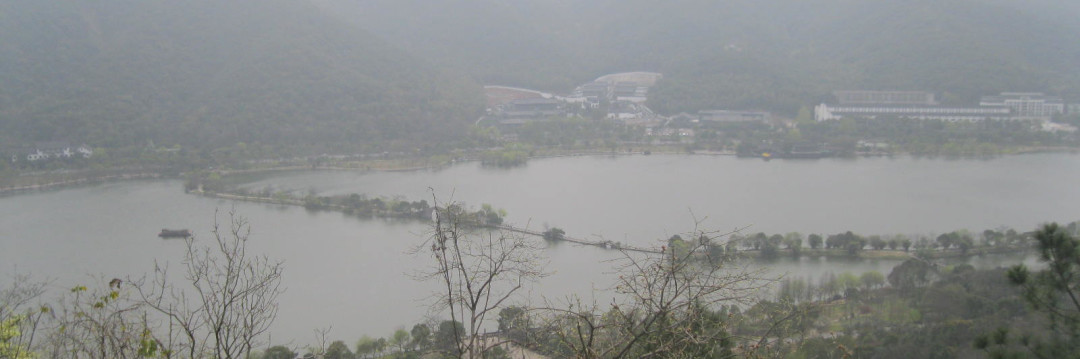
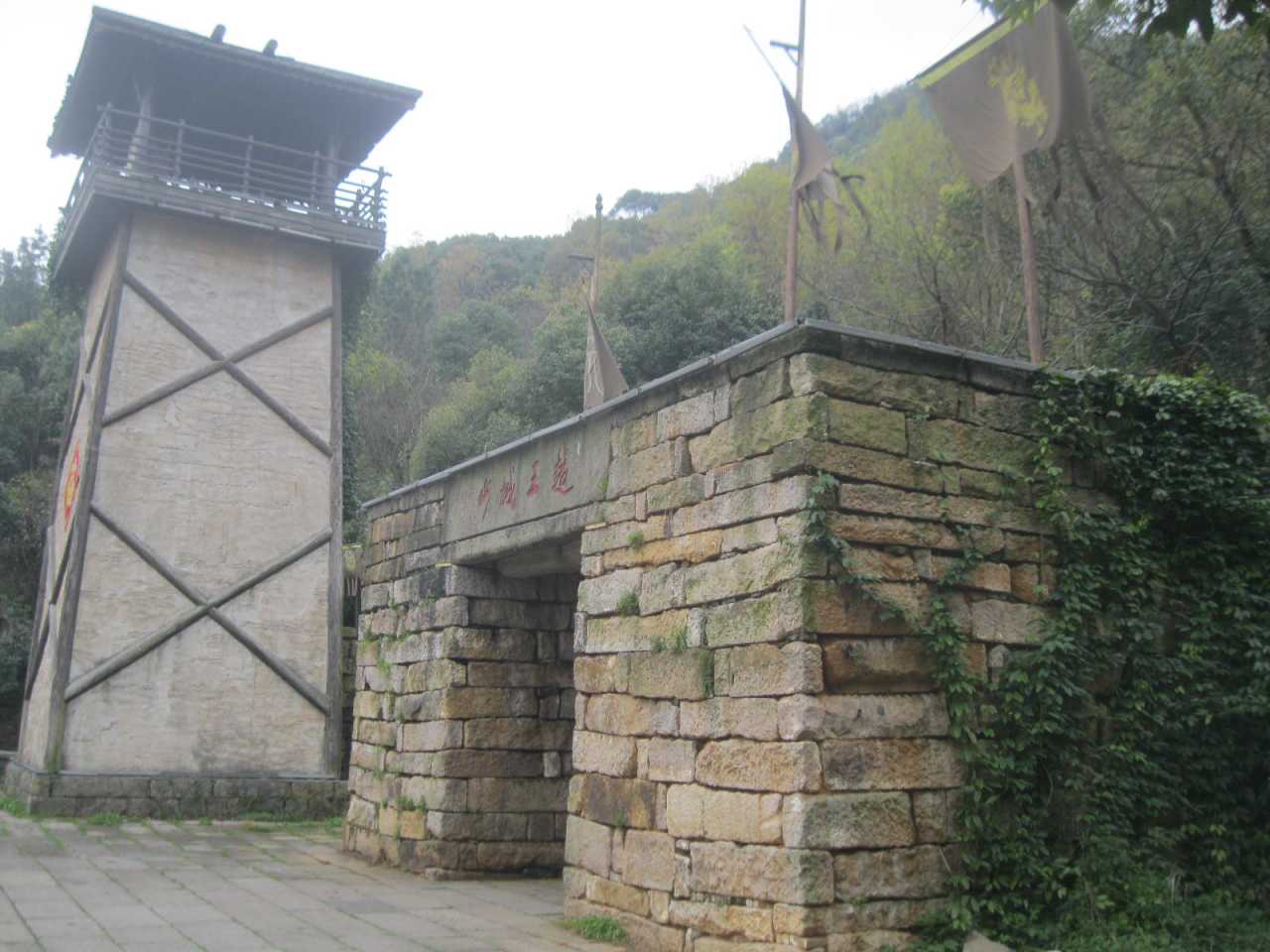
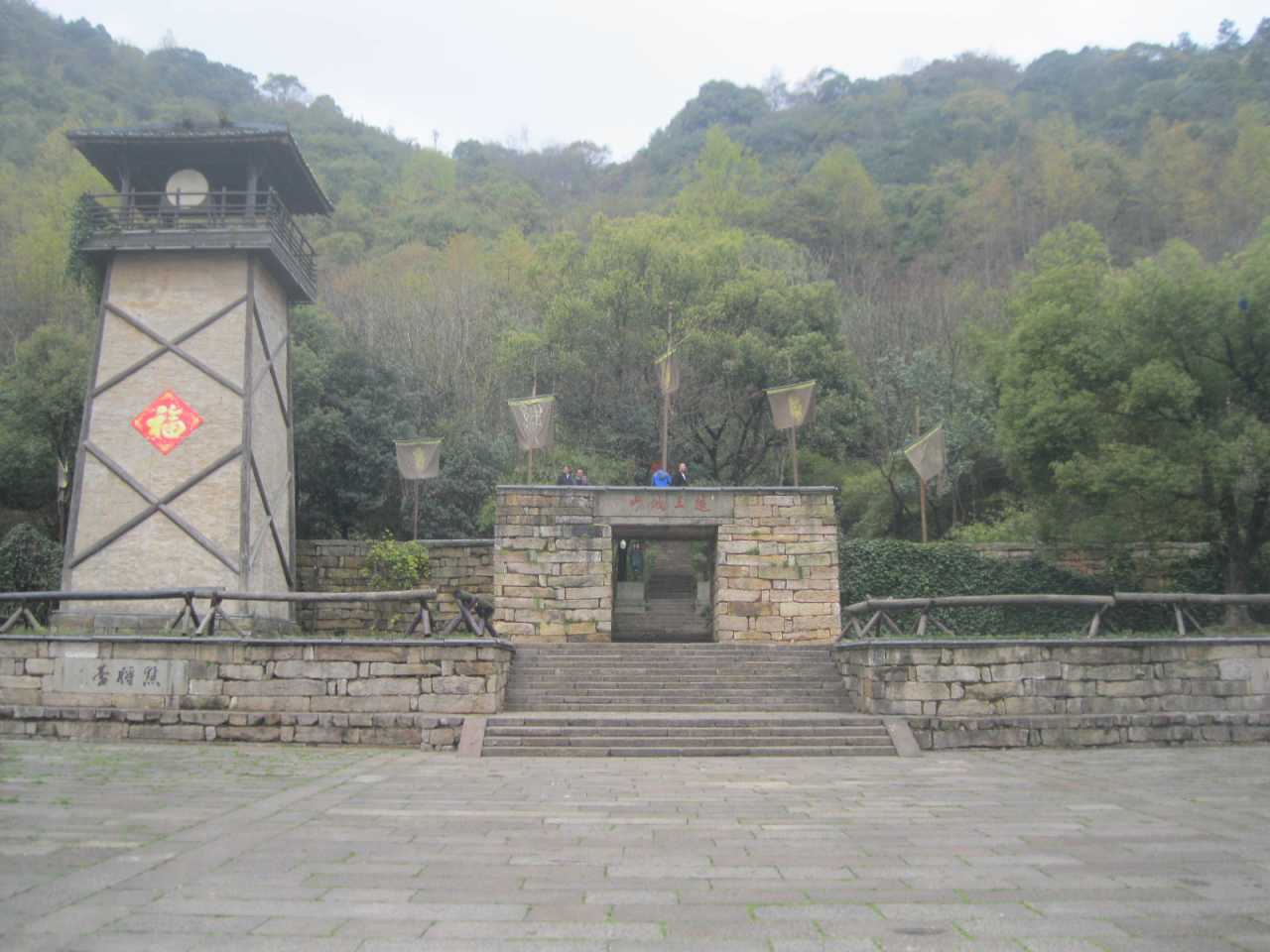
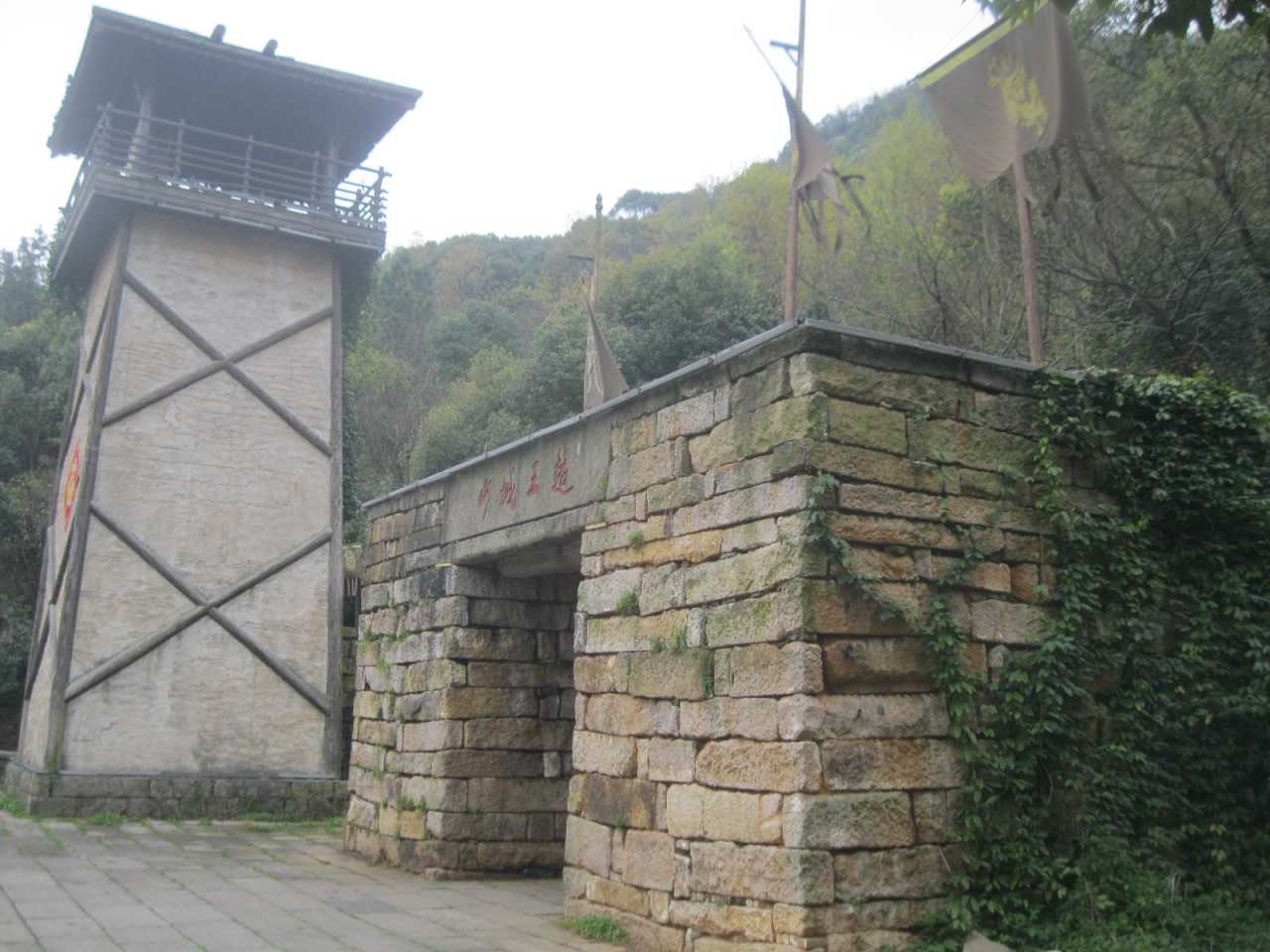
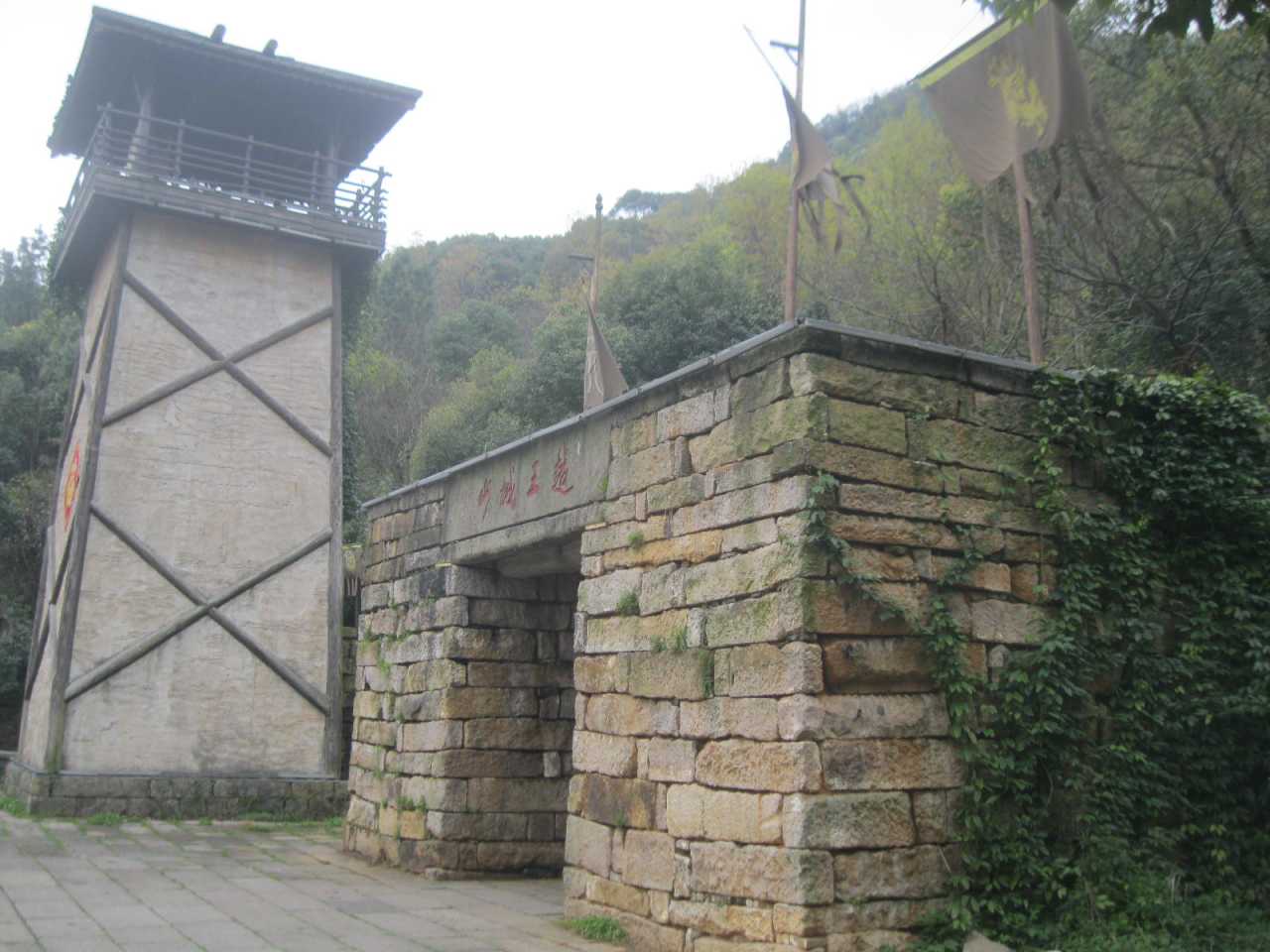
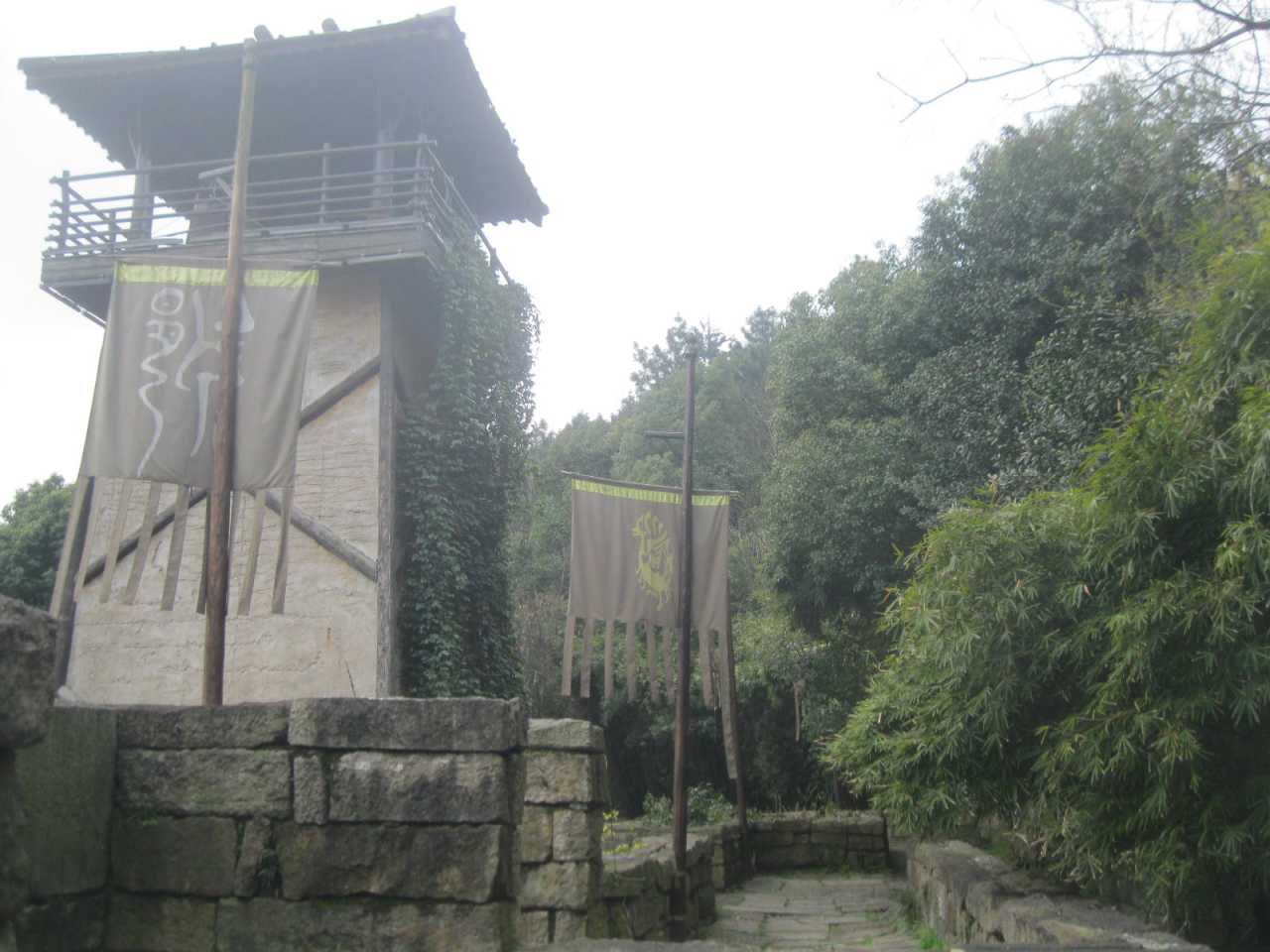
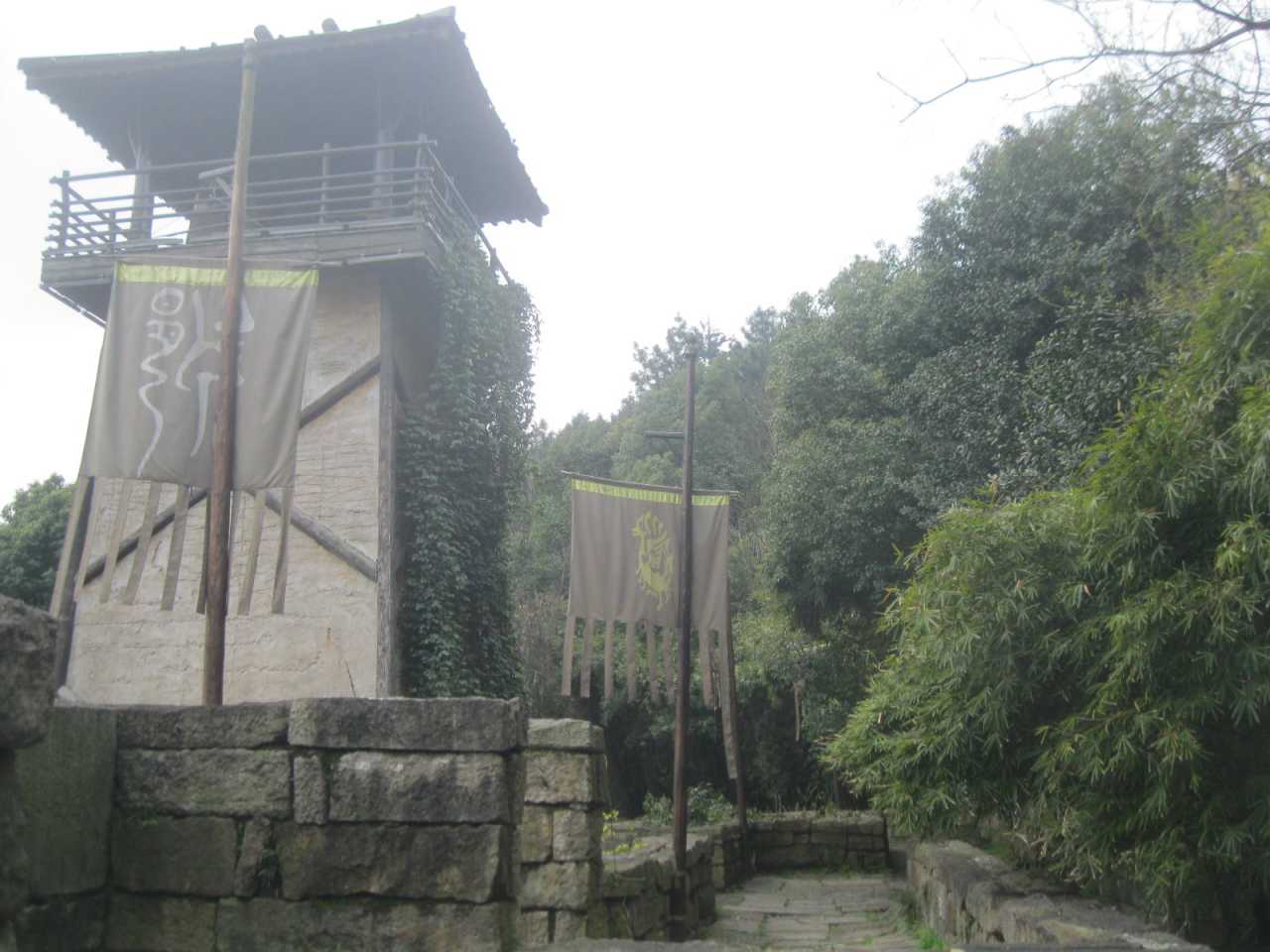
Xianghu Lake in Hangzhou is barely a few dozen kilometers from West Lake, yet it feels like an entirely different world. While West Lake teems with tourists, Xianghu is so tranquil it seems forgotten by time. Atop Chengshan Mountain, which overlooks the lake, lies a little-known site: the ruins of Yue King City (越王城).
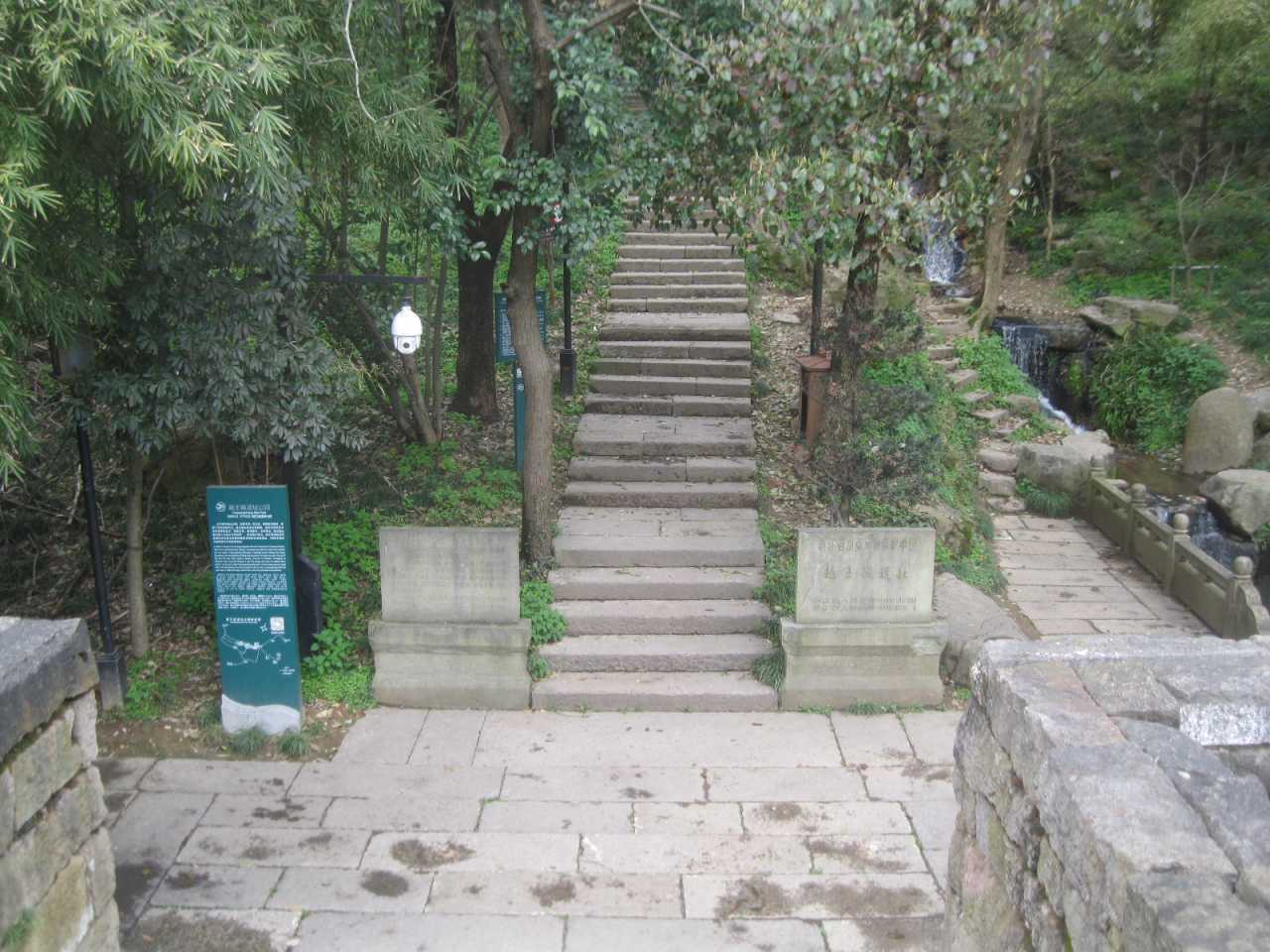
This fortress was King Goujian of Yue's military stronghold for stationing troops against Wu. At an elevation of 128 meters, the remnants of the city wall remain clearly visible—stretching approximately 1,091 meters, with a base width of 8 to 10 meters and a height of 3 to 5 meters, forming a gourd-like shape. Standing on the wall and gazing into the distance, you can take in the full panorama of Xianghu's waters and hills. It is hard to imagine that 2,500 years ago, Goujian plotted his revenge from this very spot.
What to Look For at Yue King City
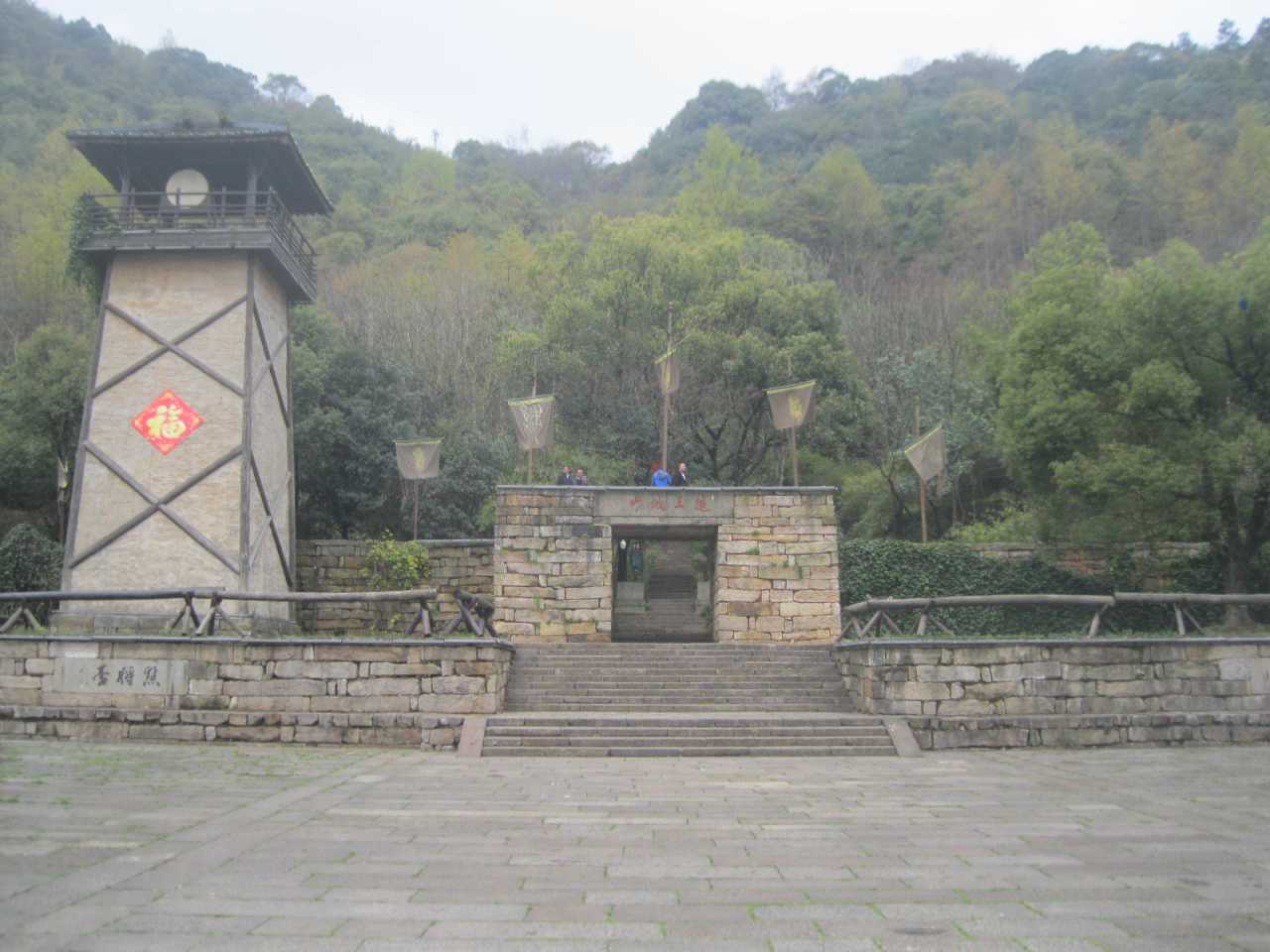
Inside the city are springs and ponds, with raised platforms at each corner known as "Yue King Terrace." On the ridge between the northern and southern peaks lies a passage called "Horse Gate." According to local lore, the stone walls of Horse Gate once bore a cliff-side inscription reading "Golden City and Jade Palace," but it was destroyed during the Taiping Rebellion (1850–1864). Today, only a mottled rock face remains.
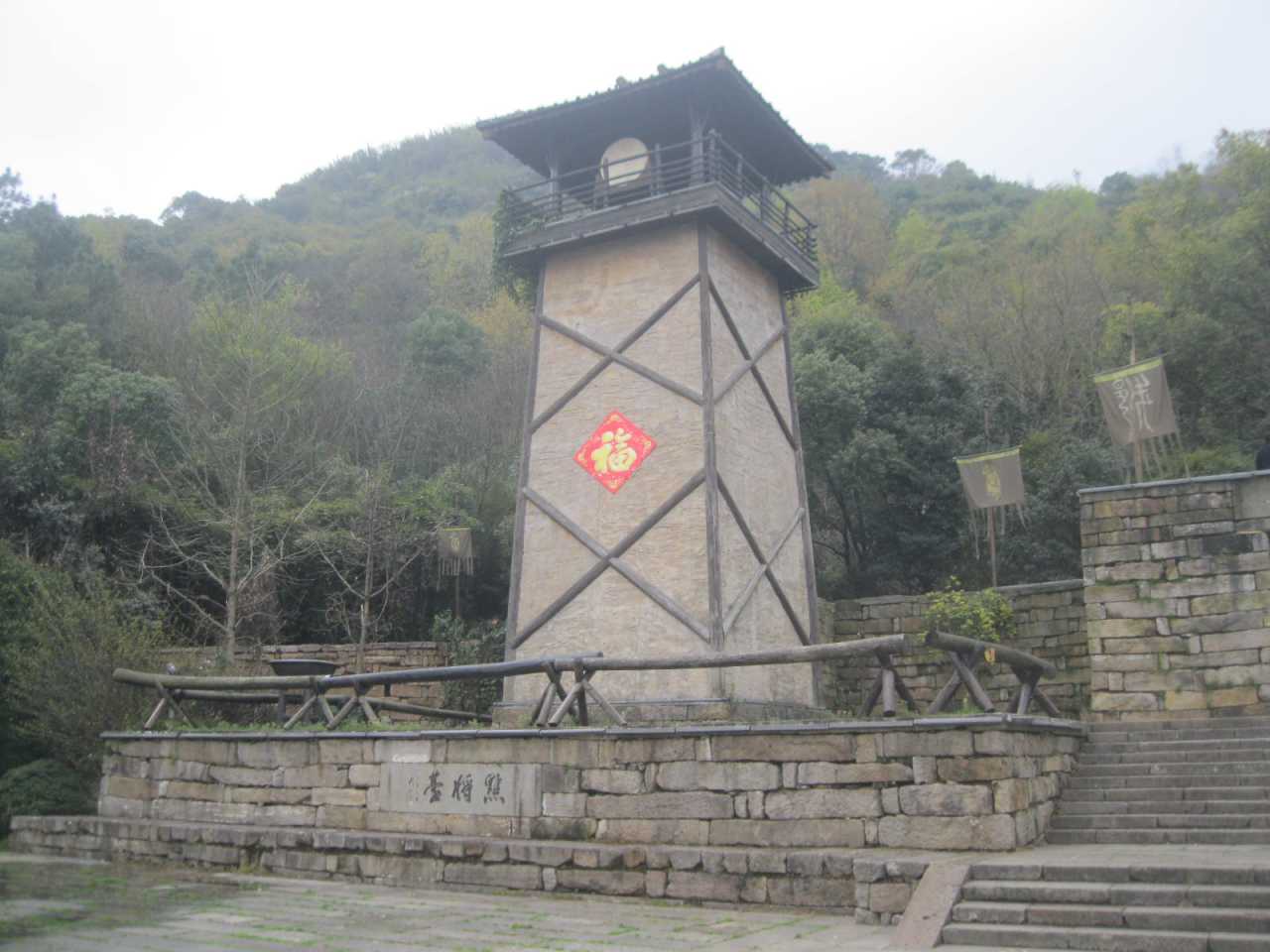
I stood at the Lake-Gazing Pavilion on the summit, watching the rippling blue waters of Xianghu. The scenery here lacks the refinement of West Lake, but it possesses a raw, somber weight. With few visitors and profound quiet, it is the perfect place to imagine how a king who once endured humiliation and hardship, failure after failure, slowly gathered his strength and ultimately rewrote history.
[Link: Xianghu Lake travel guide – nearby attractions in Hangzhou]
Two Consorts Temple in Suzhou: Sun Wu's Beheading of Beauties
The Tragic Story Behind the Beauty Tomb
Heading north from Hangzhou, I arrived in Suzhou. This city, famous for its classical gardens, hides many sites linked to the Wu-Yue rivalry. Among them, the Two Consorts Temple (二妃庙, also known as the Beauty Tomb) is the most poignant.
Located within Suzhou's Taihu Lake Tourist Resort, the temple marks the burial site of two favored consorts of King Helü of Wu. Their story is inseparable from the legend of Sun Wu drilling troops by executing beauties—a tale that raises profound questions about power, sacrifice, and the cost of ambition.
The Execution That Changed Military History
According to the Records of the Grand Historian (Shiji), when Sun Wu first presented The Art of War to King Helü, the king wanted to test his abilities. He ordered Sun Wu to train the palace women. Sun Wu divided the women into two companies and appointed the king's two favorite consorts as captains. But the women treated military orders as a joke, laughing and fooling around. After repeated warnings, Sun Wu ordered the two captains executed. The king was horrified and pleaded for their lives, but Sun Wu replied, "Once a general is in command, he may refuse even the king's orders." The two consorts were beheaded before the entire assembly.
Though heartbroken, King Helü recognized Sun Wu's military genius and appointed him as his general. The two slain consorts were buried with honors on Xiaoheng Mountain, and a shrine was built in their memory, called the "Beloved Consorts Shrine"—today's Two Consorts Temple.
By the time I reached the temple, it was already dark and the site was closed. Standing outside, gazing at the shrine in the twilight, I couldn't help but reflect: in the currents of history, even a king's beloved consorts are nothing but pawns. Their deaths cemented Sun Wu's reputation and paved the way for Wu's hegemony.
A Note on Zheng Dan's Lost Tomb
Worth noting: Suzhou also has the tomb of Zheng Dan, but despite searching repeatedly, I could never find it. Zheng Dan and Xi Shi were both beauties sent by Yue to King Fuchai of Wu. Legend has it that Zheng Dan fell in love with Fuchai but grew depressed when he favored Xi Shi instead. This "one of the two washing-girl beauties" became yet another casualty of the Wu-Yue struggle.
[Link: Suzhou classical gardens itinerary – combining history with garden tours]
White Horse Ravine: Where Goujian Tended Horses and Tasted Gall
The Site of Humiliation and Endurance
Leaving Suzhou's city center, I headed to the White Horse Ravine Ecological Park (白马涧, Baimajian) in Fengqiao Subdistrict of the Suzhou High-Tech Zone. Covering 7 square kilometers, it serves as a "green lung" for western Suzhou. But for me, its appeal lies not in natural scenery but in the history of "sleeping on brushwood and tasting gall."
In 494 BCE, at the Battle of Fujiao, Yue suffered a catastrophic defeat. King Goujian was forced to surrender and, along with his wife, came to Wu to tend horses for King Fuchai at White Horse Ravine. These were Goujian's most humiliating years—living in a stone hut, wearing coarse cloth, feeding horses, and cleaning stables every day. Legend has it that he even tasted Fuchai's excrement to diagnose his illness, all to win the king's trust.
What to See at White Horse Ravine Today
Within the park stands the "Heart-Distant Tower" (心远楼), where Xi Shi is said to have convalesced. Upstream lies Dragon Pool, a reservoir rebuilt in 1952—one of the earliest reservoirs built in Jiangsu Province. The pool once yielded a 550-million-year-old living fossil: the peach-blossom jellyfish (Craspedacusta sowerbii), a true natural wonder.
Walking along White Horse Ravine's mountain paths, I imagined each day and night Goujian spent here. He slept on brushwood and tasted gall every morning, reminding himself never to forget the shame of his kingdom's fall. This almost masochistic endurance eventually bought him the chance for revenge. Yet as I stood at the Heart-Distant Tower and looked out, a question arose in my mind: Was Goujian's success the triumph of a hero, or that of a cold, calculating schemer?
[Link: Suzhou day trips – best historical parks for families]
Guhua Garden: Where King Fuchai's Three Daughters Were Buried Alive
The Final Chapter of the Wu-Yue Rivalry
My final stop was Guhua Garden (古华园) in Fengxian District, Shanghai. This unassuming little park holds a heartbreaking story—one that few visitors to Shanghai ever discover.
The garden's name derives from "Guhua Ting" (Ancient Huating). From 751 CE (the tenth year of the Tianbao era of the Tang Dynasty) until 1726 (the fourth year of the Yongzheng era of the Qing Dynasty), this land belonged to Huating County, hence the name. With its pavilions, towers, bridges, and flowing water, the garden looks like any other classical Jiangnan landscape. But a mound called "Three Daughters Hill" (三女冈) tells the final chapter of the Wu-Yue rivalry.
The Tragedy of Three Daughters Hill
In 473 BCE, King Goujian of Yue led his army to breach the Wu capital of Gusu (modern Suzhou). King Fuchai fled south in panic. When he reached a spot about a kilometer north of today's Nanqiao Town in Fengxian, Shanghai, he was utterly exhausted and knew he could no longer protect his three daughters. Fearing they would fall into Goujian's hands and suffer humiliation, he made the cruel decision to bury them alive on the spot.
Inside the garden's "Three Daughters Shrine," wax figures depict scenes from the Wu-Yue story, recreating that tragic moment. Standing before Three Daughters Hill, I felt the weight of a dynasty's collapse—and the terrible choices that leaders must make when all hope is lost.
[Link: Shanghai off-the-beaten-path attractions – historical sites in Fengxian]
FAQ: The Spring and Autumn Annals of Wu and Yue
1. What is the Spring and Autumn Annals of Wu and Yue?
The Spring and Autumn Annals of Wu and Yue (吴越春秋) is a historical text that records the rivalry between the states of Wu and Yue during the late Spring and Autumn period. It is the primary source for stories like Goujian's endurance, Xi Shi's beauty trap, and Sun Wu's military exploits.
2. Where is Yue King City located, and how do I get there?
Yue King City is located on Chengshan Mountain overlooking Xianghu Lake in Hangzhou. You can take a taxi or bus from Hangzhou city center to Xianghu Scenic Area, then hike up to the ruins. The site is free to enter and typically uncrowded.
3. What is the significance of White Horse Ravine in Wu-Yue history?
White Horse Ravine is where King Goujian of Yue was forced to tend horses for King Fuchai of Wu after Yue's defeat at the Battle of Fujiao. It is the physical location of Goujian's humiliation and the place where he cultivated his endurance, eventually leading to his successful revenge.
4. Can I visit all four sites in one day?
While geographically connected along the Hangzhou-Suzhou-Shanghai corridor, visiting all four sites in one day is challenging. A recommended itinerary is: Day 1 – Yue King City in Hangzhou; Day 2 – Two Consorts Temple and White Horse Ravine in Suzhou; Day 3 – Guhua Garden in Shanghai. This allows time for reflection at each site.
5. Are these sites suitable for families with children?
Yes, especially White Horse Ravine Ecological Park and Guhua Garden, which offer pleasant walking paths, natural scenery, and educational exhibits. Yue King City involves a moderate hike, so it's best for older children. Two Consorts Temple is a quiet shrine best suited for history enthusiasts.
Conclusion: Walk the Path of Kings and Consorts
The Wu-Yue rivalry is more than a story of revenge—it is a mirror reflecting human ambition, sacrifice, and the cost of power. From the mountaintop fortress of Yue King City to the tragic mound of Three Daughters Hill, these four hidden historical sites offer a journey through time that no textbook can replicate.
Whether you are a history researcher, a curious traveler, or someone seeking to understand the roots of Chinese idioms and culture, these sites await your footsteps. They are quiet, uncrowded, and profoundly moving.
Ready to explore the epic Wu-Yue rivalry? Start planning your historical road trip from Hangzhou to Shanghai today. Pack comfortable walking shoes, bring a copy of the Spring and Autumn Annals, and prepare to walk where kings once plotted, consorts were sacrificed, and history was rewritten.
[Link: Book a guided historical tour of Wu-Yue sites] [Link: Download our free Wu-Yue historical sites map]
Have you visited any of these sites? Share your experience in the comments below!
Keywords: Spring and Autumn Annals of Wu and Yue, Wu-Yue rivalry historical sites, Yue King City Xianghu Lake, Two Consorts Temple Suzhou, White Horse Ravine Goujian, Guhua Garden Shanghai, hidden historical sites China, Spring and Autumn period travel guide, Goujian sleeping on brushwood, Sun Wu execution of consorts
You may also like