A Spring Journey to the South of the Yangtze: Wandering Solo Through Xitang and Shanghai
Meta Description: Discover the ultimate solo travel guide to Xitang Water Town and Shanghai in spring. From misty rain corridors to the Bund at night, this 1500-word SEO-optimized article covers costs, transport, and hidden gems.
Life is a journey with no return ticket, and some destinations are destined to barge into your life when you least expect them. In March, when the south of the Yangtze River is shrouded in mist and drizzle, with willows swaying gently in the breeze, I threw my backpack over my shoulder and set off alone for this land steeped in poetry. No meticulous plans, no detailed itineraries—just a heart yearning to escape the mundane and embrace the unknown.
This solo travel guide to Xitang and Shanghai will help you plan your own spring journey, whether you're a first-time visitor or a seasoned traveler looking for budget tips, photography spots, and authentic local experiences.
First Impressions of Shanghai: A Time Warp from Western Sichuan to the Metropolis
As someone with a deep fondness for the natural landscapes of western Sichuan, Shanghai—this global megacity—had always been tagged in my mind with labels like "sky-high housing prices," "breakneck pace," and "smog." When I first stepped out of my small town and stood in this city at the forefront of China's economy, the feeling of being utterly overwhelmed is still vivid: a humble bowl of chicken-offal noodles costs 19.9 yuan, a modest apartment is priced at 8.8 million yuan, and a single day's subway fare is enough to make me wince.
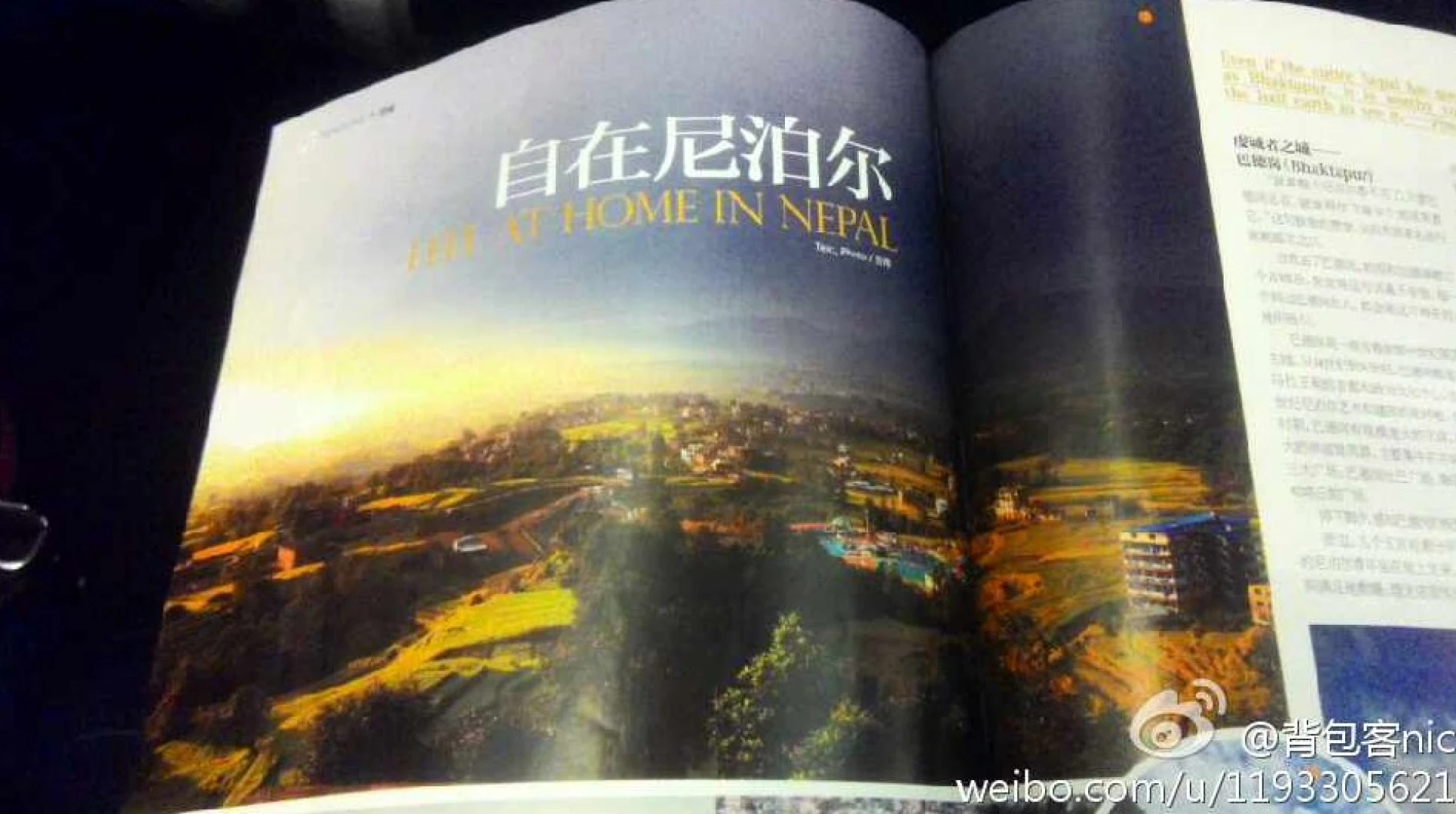
I flew out of Chengdu on Spring Airlines for 855 yuan including tax, and returned on Sichuan Airlines for 890 yuan including tax. Interestingly, flipping through the in-flight magazine on Sichuan Airlines, I stumbled upon a travelogue I'd written about Nepal—a delightful surprise that added a touch of familiarity to the journey.
Shanghai Travel Budget Tips
For budget-conscious travelers, Shanghai can be surprisingly affordable if you plan wisely. Street food, metro passes, and free attractions like the Bund and Yuyuan Garden make it possible to explore without breaking the bank. [Link: Shanghai budget travel guide]
Hongqiao and Pudong: A Complete Guide to Airport Transfers
Shanghai's airport transportation is complex yet efficient. Understanding the difference between Hongqiao and Pudong airports is crucial for a smooth trip.
Hongqiao Airport Transfer Options
Hongqiao Airport has two terminals: T1 and T2. Spring Airlines lands at T1, and a taxi to the train station costs about 70 yuan at night and 50 yuan during the day. Most domestic flights operate from T2, where Metro Line 10 takes you directly to Xintiandi, Yuyuan Garden, and East Nanjing Road; Line 2 connects to Zhongshan Park, People's Square, and Pudong.
Pudong Airport Transfer Options

Pudong Airport offers more options: airport buses, the Maglev train (50 yuan one-way to Longyang Road Station, where you transfer to Line 2), and Metro Line 2 (last train to Guanglan Road at 10 PM). The Maglev runs every 15 minutes at breathtaking speed, but it doesn't go all the way to the city center.
Pro Tip: If you're heading to Xitang from Shanghai, take the metro to Shanghai Station or Shanghai South Station for the bus.
Xitang: First Impressions of a Water Town and an Unexpected Encounter
Getting There: Two Convenient Options
The two most popular ways to get from Shanghai to Xitang are:
- Bus from Shanghai Station or Shanghai South Station – 36 yuan (excluding insurance), journey time about 2 hours, frequent departures—just show up and go.
- Bullet train to Jiashan – about 27 minutes, then transfer to a local bus straight to Xitang.
Both options are affordable and efficient, making Xitang a perfect day trip or weekend getaway from Shanghai.
First Sight of Xitang: The Ancient Town of My Imagination vs. Reality
My first impression of Xitang came from a TV drama starring Lu Yi, where he drove a Q7 into the ancient town. Later, I learned that Mission: Impossible III was also filmed here. Friends' stories of "Xitang hookups" only fueled my imagination, but when I finally set foot on this land, the only thing I encountered was a nationwide cold snap—no romantic encounters whatsoever.
After getting off the bus, enthusiastic rickshaw drivers swarmed around me. For just 5 yuan, they'd take me to the scenic area entrance. Money-saving tip: From Monday to Friday, and before 8 AM or after 5 PM, entry is free. Normally, a combined ticket costs 100 yuan (covering 11 small attractions), while a basic entry ticket is 50 yuan.
Xitang is nothing like the ancient towns I'd visited before—crisscrossed by waterways and dotted with stone bridges, it truly embodies the meaning of "江南水乡" (water town south of the Yangtze). But human activity has taken its toll; the water quality leaves much to be desired.
The Misty Rain Corridor: 877 Meters of Poetry
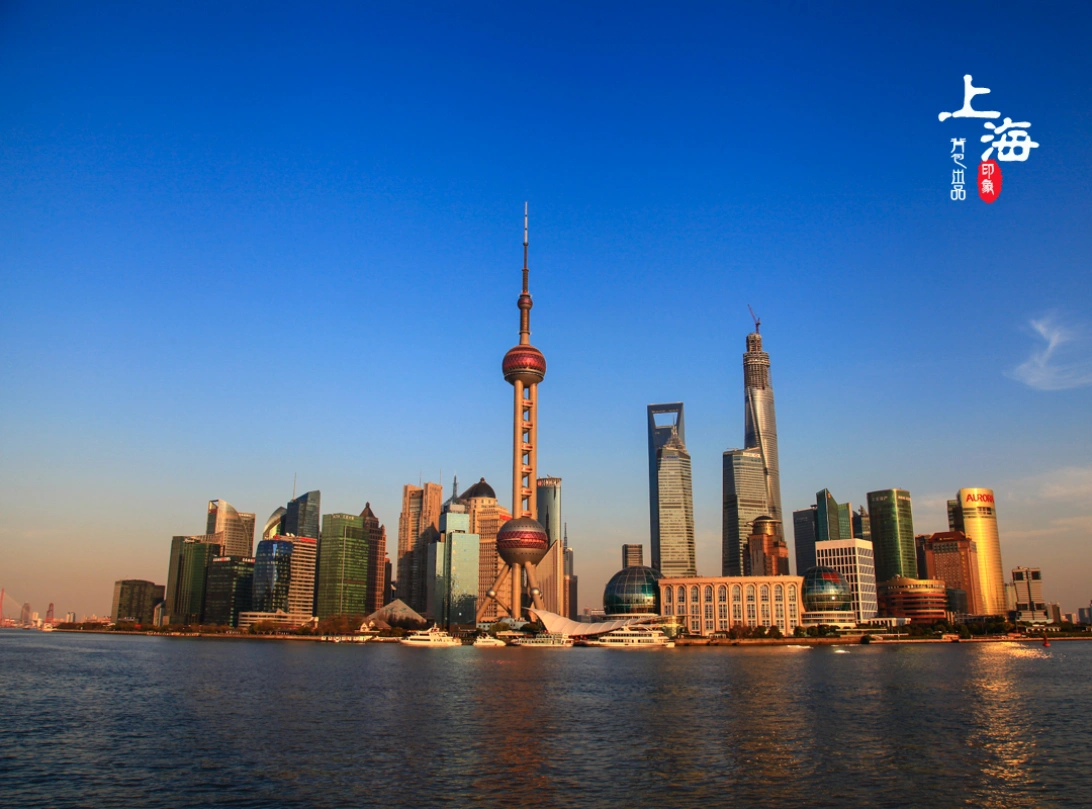
The ancient town's covered walkways stretch a total of 877 meters. The Chaonandai Corridor runs from the northern gate in the east to Yongning Bridge in the west, measuring 168 meters long and 2 to 2.5 meters wide. Round wooden pillars support sloping roofs in a brick-and-wood structure, with one particularly exquisite section featuring carved double-layer decorative patterns. On both sides of the corridor, shops and inns line the left, while riverside boutiques and restaurants hug the right—a classic scene of Jiangnan charm.
Crossing through the Misty Rain Corridor and over a few bridges, I reached Xitang's bar street. By day, it's so quiet you can hear the bottles; by night, it transforms into a battlefield for romantic encounters. I'm not one for noise, preferring to zone out in peaceful corners. Then I stumbled upon a restaurant run by Sichuanese folks and ordered a "Zhuge grilled fish," but it didn't taste like home—that's when I realized how much I miss Chengdu's food.
Xitang by Night: Alluring Under the Lights
As night fell and the lights came on, Xitang revealed a seductive side utterly different from its daytime self. Standing on Anxiu Bridge, I set up my tripod and struggled to capture the nightscape—there were simply too many people. Every now and then, someone would kick the tripod legs, forcing me to guard my camera carefully.
From Yongning Bridge, the Misty Rain Corridor and shops stretched to the right, while inns lined the left. Occasionally, boats glided under the bridge. Standing there, it felt like traveling through time. If it weren't for almost being knocked into the river by someone's backpack, I think I'd have truly fallen in love with the place. On March 20th, a nationwide cold snap hit. Wearing only a thin jacket and lugging my tripod around the streets, I was freezing. After one last photo, I retreated to my inn.
Xitang at Dawn: Serene Beauty
I woke up naturally the next morning. My innkeeper, a fellow Sichuan native, said Xitang is most beautiful at dawn, when you should take photos before the tourists flood in. Unfortunately, by the time I woke up, the place was already buzzing. I'm easygoing about ancient towns—I like sleeping in, shooting whatever catches my eye, and accepting whatever I capture.
The best time to visit Xitang is when the cherry blossoms are in full bloom, but I arrived a few days too early. Still, the willow trees weren't bad. Someone commented that the blue sky in my Xitang photos must be Photoshopped, but the weather those days was incredibly clear—even Shanghai was as crisp as Japan.
The Mission: Impossible III filming location surprised me, but I don't like places hyped up by movies—shoot a film, ruin a place. I'd originally planned to visit Wuzhen, but some say it's more commercialized, others say it's better planned, and still others say if you've seen Xitang, you don't need Wuzhen. I belong to the third camp: for water towns, Xitang is enough.
[Link: Best water towns near Shanghai comparison]
Shanghai: Urban Splendor and Tranquility
The Bund: From Dusk to Nightfall
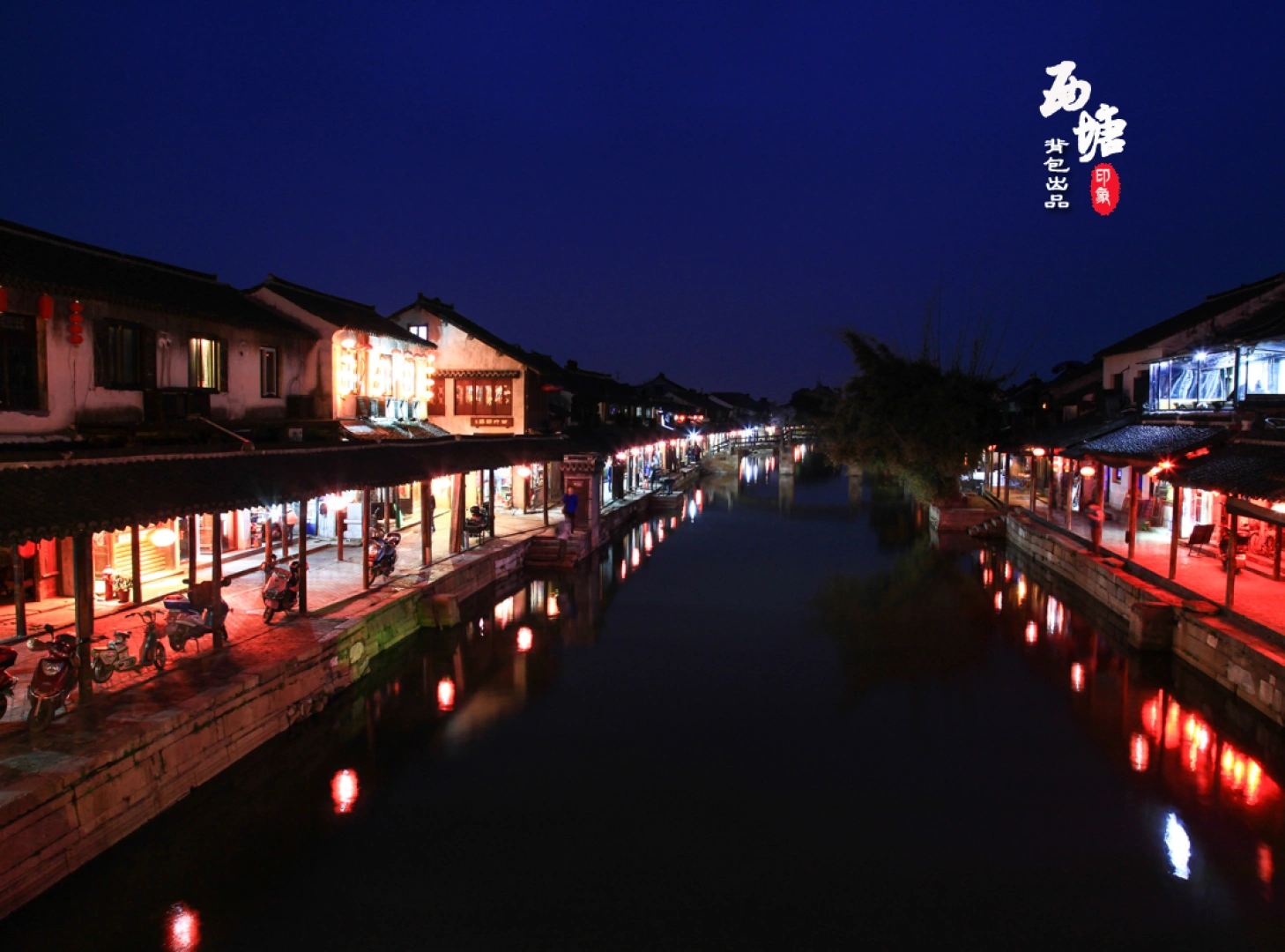
Back in Shanghai from Xitang, I took the train to the Bund by transferring to Line 2 at People's Square and getting off at East Nanjing Road. Shanghai lives up to its reputation—the walk from Line 1 to Line 2 alone took over ten minutes. On weekends, hotels near East Nanjing Road were fully booked, and it took some effort to find a place to stay.
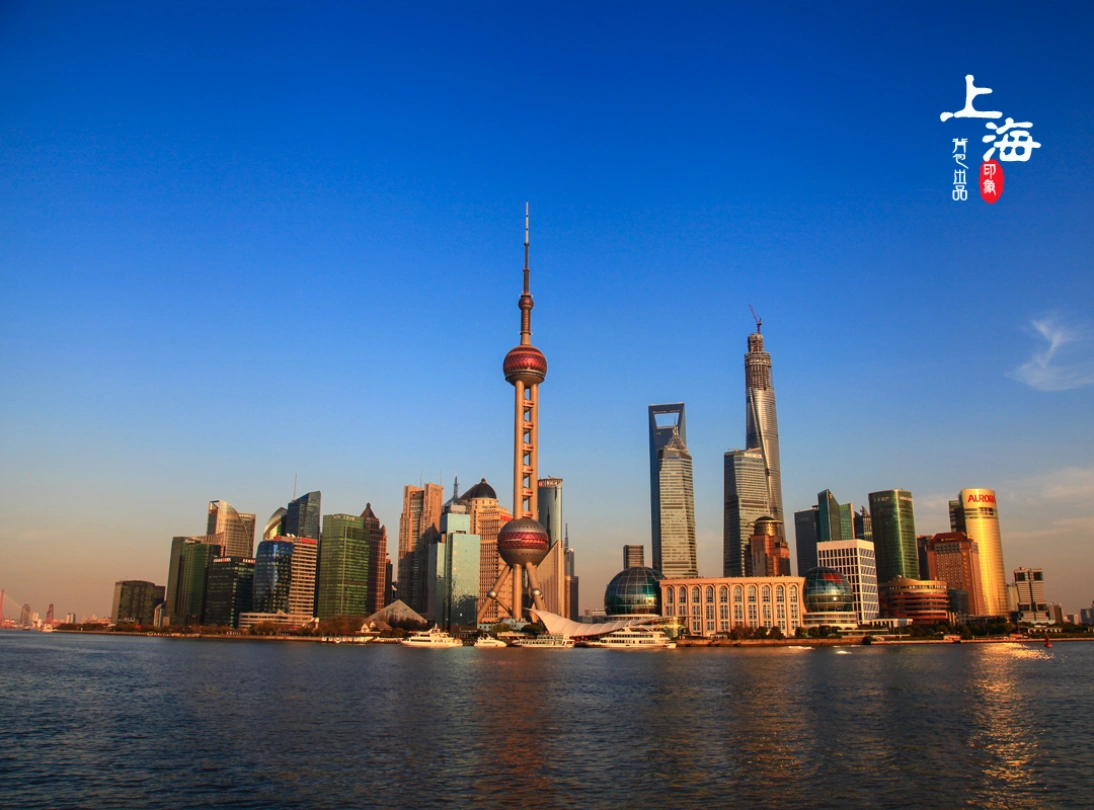
I dropped my luggage and headed straight for the Bund. No map needed—just walk toward the Oriental Pearl Tower, cross a few intersections, and you're there. On weekends, the Bund is packed. Across the river stood "Shanghai's Big Three"—the Oriental Pearl Tower, Jin Mao Tower, and the Shanghai World Financial Center. The weather was spectacular; skies this blue belong in Lhasa.
The name "外滩" (Wàitān, literally "Outer Beach") has an interesting origin: it was originally a mudflat outside the old city walls. Before Shanghai opened its port, locals considered it the countryside—"the beach beyond the city walls"—which later evolved into "the Bund." The name of the Waibaidu Bridge (外白渡桥) adds another layer of historical charm.
Shanghai Photography Spots
For the best Bund photos, arrive at least 30 minutes before sunset. The golden hour casts a warm glow on the colonial buildings, while the night lights create a stunning contrast. If you're using a tripod, find a spot away from the main crowd—try the area near the Waibaidu Bridge for fewer tourists.
[Link: Shanghai photography guide for solo travelers]
Frequently Asked Questions (FAQ)
1. What is the best time to visit Xitang Water Town?
The best time to visit Xitang is during spring (March to May) when cherry blossoms and willow trees are in bloom, or autumn (September to November) for mild weather and fewer crowds. Weekdays are ideal to avoid the weekend rush and take advantage of free entry before 8 AM or after 5 PM.
2. How much does a solo trip to Shanghai and Xitang cost?
A budget solo trip can cost around 2,000–3,000 yuan for 3–4 days, including flights (855–890 yuan from Chengdu), accommodation (150–300 yuan per night), food (50–100 yuan per day), and transportation. Xitang entry is free on weekdays outside peak hours, saving you 50–100 yuan.
3. Is Xitang better than Wuzhen for a first-time visitor?
For a first-time visitor, Xitang is often recommended because it's less commercialized and more authentic. While Wuzhen is better planned and more tourist-friendly, Xitang offers a quieter, more intimate experience of a water town south of the Yangtze. If you have time, visit both—but Xitang is enough for most travelers.
4. How do I get from Shanghai to Xitang without a car?
The easiest way is to take a bus from Shanghai Station or Shanghai South Station (36 yuan, 2 hours). Alternatively, take a bullet train to Jiashan (27 minutes, 30–50 yuan) and then a local bus to Xitang. Both options are affordable and run frequently.
5. What should I pack for a spring trip to Shanghai and Xitang?
Pack layers: a light jacket for daytime, a warmer coat for evenings (especially during cold snaps), comfortable walking shoes, a camera with tripod for night photography, and an umbrella for misty rain. Don't forget sunscreen and a reusable water bottle.
Conclusion: Your Solo Spring Journey Awaits
A spring journey to the south of the Yangtze is more than a vacation—it's a pilgrimage through poetry, history, and personal discovery. Whether you're wandering the Misty Rain Corridor in Xitang or watching the sunset over the Bund in Shanghai, every moment is a story waiting to be written.
Your Next Step: Ready to plan your own solo adventure? Start by booking your flight to Shanghai, pack light, and leave room for the unexpected. The water towns of Jiangnan are calling—answer them.
Have you visited Xitang or Shanghai? Share your tips and experiences in the comments below!
You may also like