The Secret Hidden in a Hengshan Road Villa: A Private Luncheon Made Just for You
Meta Description: Discover the hidden gem of Shanghai's Hengshan Road – a private villa dining experience at "黄公子" (Master Huang). This SEO-optimized guide explores exclusive private luncheons, seasonal tasting menus, and the art of slow-cooked Cantonese soup in a historic villa setting.
Introduction: Why a Private Luncheon at a Hengshan Road Villa Is Shanghai's Best-Kept Secret
Have you ever imagined, on some lazy afternoon, pushing open an unassuming iron gate, stepping into a century-old villa, and being gently "hidden away" by time itself? This is not the noise of an internet-famous café, nor the assembly-line feel of a chain restaurant. This is a private culinary feast prepared just for you and a handful of others.

Today, I want to take you deep into the plane-tree-lined lanes of Shanghai's Hengshan Road, into a cluster of historic villas, to accept an invitation from a place called "黄公子" (Master Huang). To become a "refined, pampered guest" starts with a single meal – and this is the story of that meal.
First Encounter: A "Secret Garden" Beneath the Plane Trees
Shanghai has never lacked for exquisite restaurants. But the ones that truly leave a mark are often those tucked away in hidden alleys – places with stories to tell. The cluster of old villas along Hengshan Road is like a codebook to the city's history. Each building holds a chapter of the past; each window casts a different play of light and shadow.
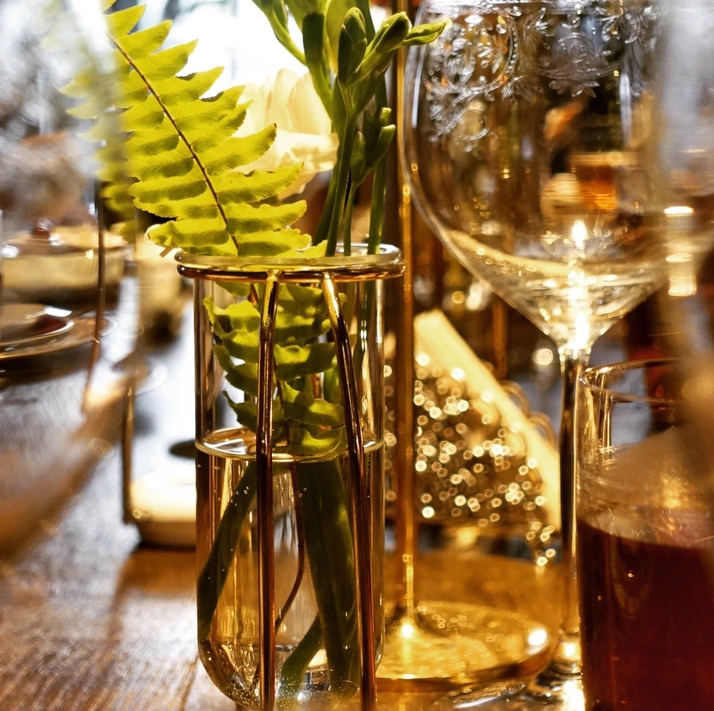
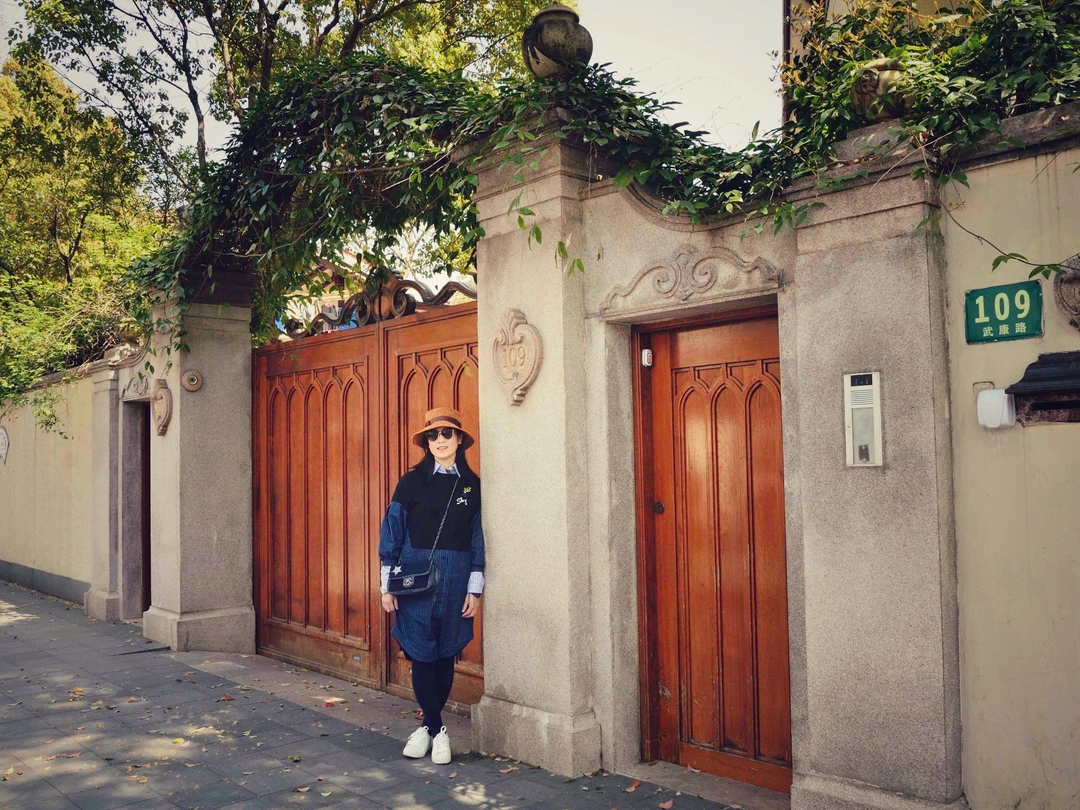
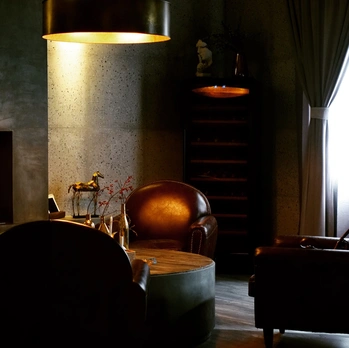
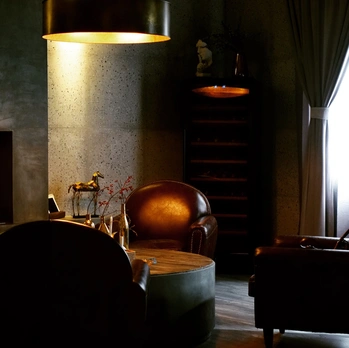
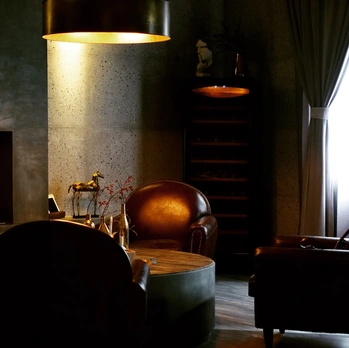
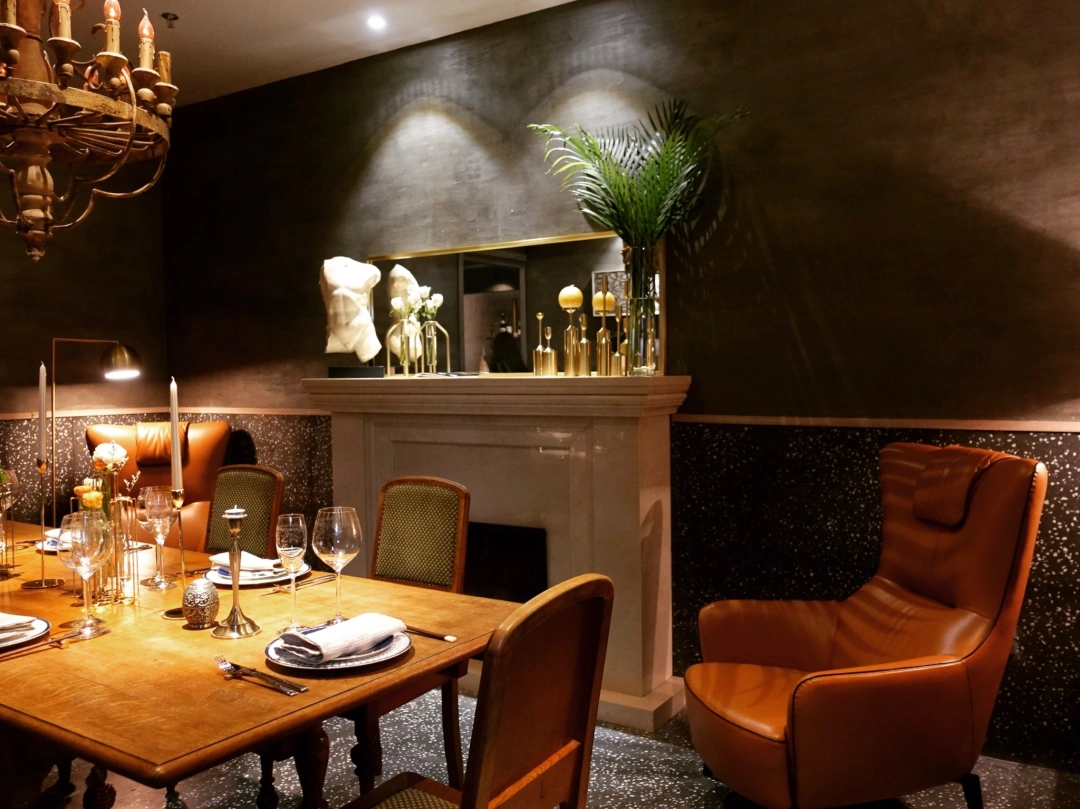
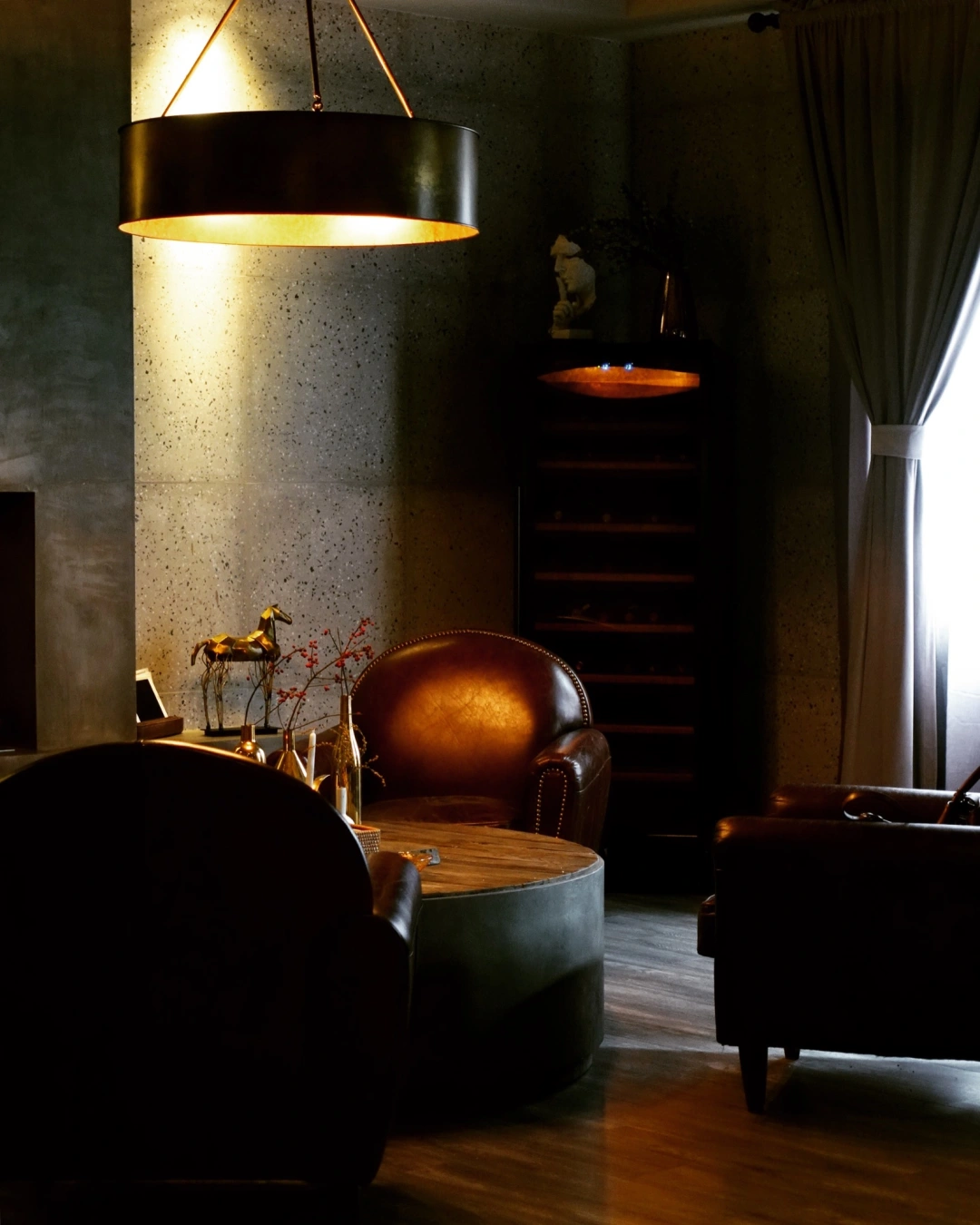
And "黄公子" (Master Huang) is hidden right here. No flashy signboard, no garish neon lights – just a two-story villa, standing quietly by the roadside like a host waiting for an old friend to visit. The moment you push open the door, you're struck by a peculiar atmosphere – not the suffocating kind of luxury, but an elegance that feels just right.
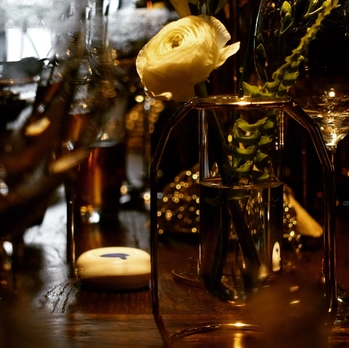
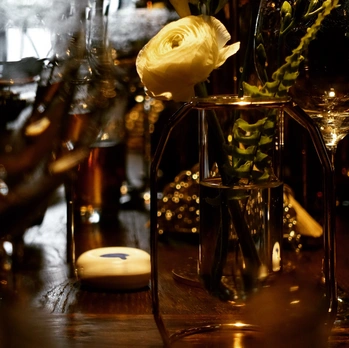
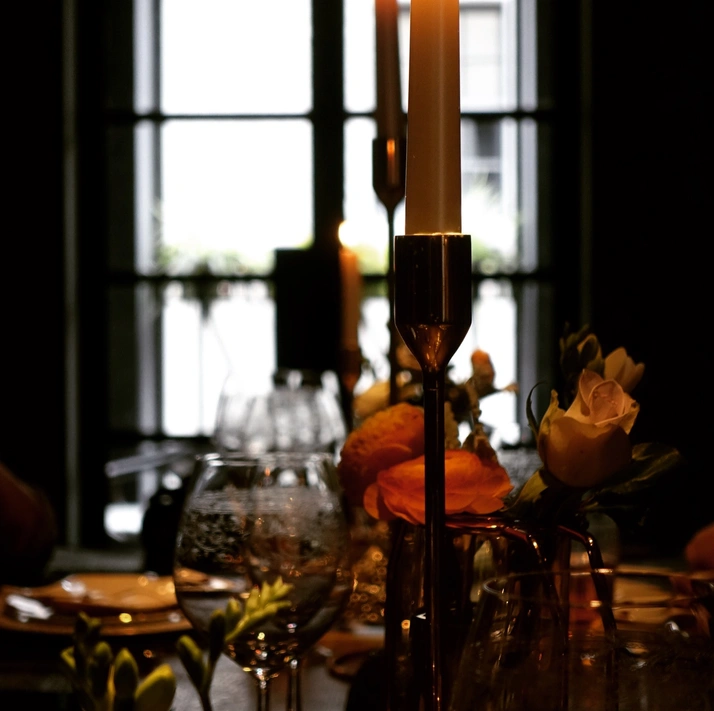
Two floors of space, yet only two long tables. What does that mean? It means that here, you are not a "customer" but a "guest." Every visitor is a friend invited to a banquet. Exquisite ornaments, tasteful décor, flickering candlelight – you can find these elements in countless restaurants. But at "黄公子" (Master Huang), they aren't decorations; they're footnotes to the ambiance.
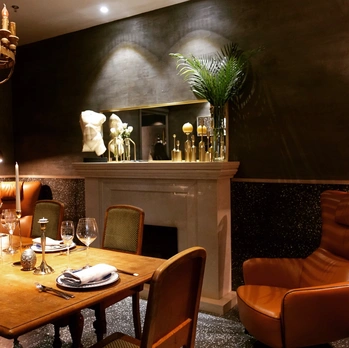
Fashion and history shake hands here. The depth of old Shanghai and the simplicity of modern design merge quietly in every detail. Interestingly, the servers speak in hushed tones, as if afraid to disturb something. They wait until all the guests have arrived, confirm with the "hostess," and then begin serving. This sense of ritual starts the moment you step through the door.
[Link: Shanghai private dining experiences]
Overture: A Ritual That Begins with a Fruit
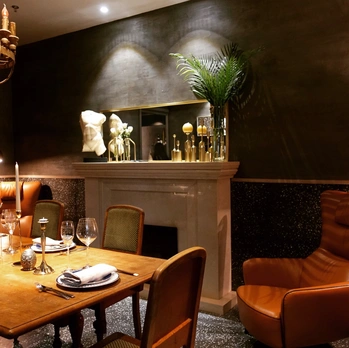
Many say you can judge a restaurant by its first course. But at "黄公子" (Master Huang), the benchmark might need to be moved up to the first piece of fruit.
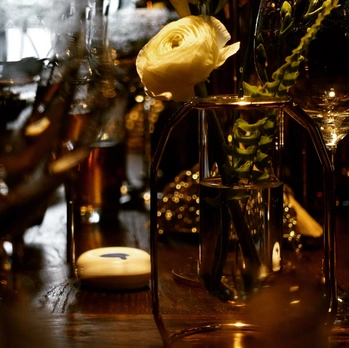
When the pre-meal fruit is served, you might not even realize it at first – this isn't fruit; it's clearly a work of art. Each piece has been meticulously selected. The colors, the sizes, the angles of arrangement all seem to tell you: Don't rush. Take your time. This feast has only just begun.
The sweetness of the fruit melts on your tongue, like a "warm-up exercise" for your taste buds. You begin to relax, ready to welcome the surprises to come.
Prelude: A "Breaking the Ice" Journey for Your Palate
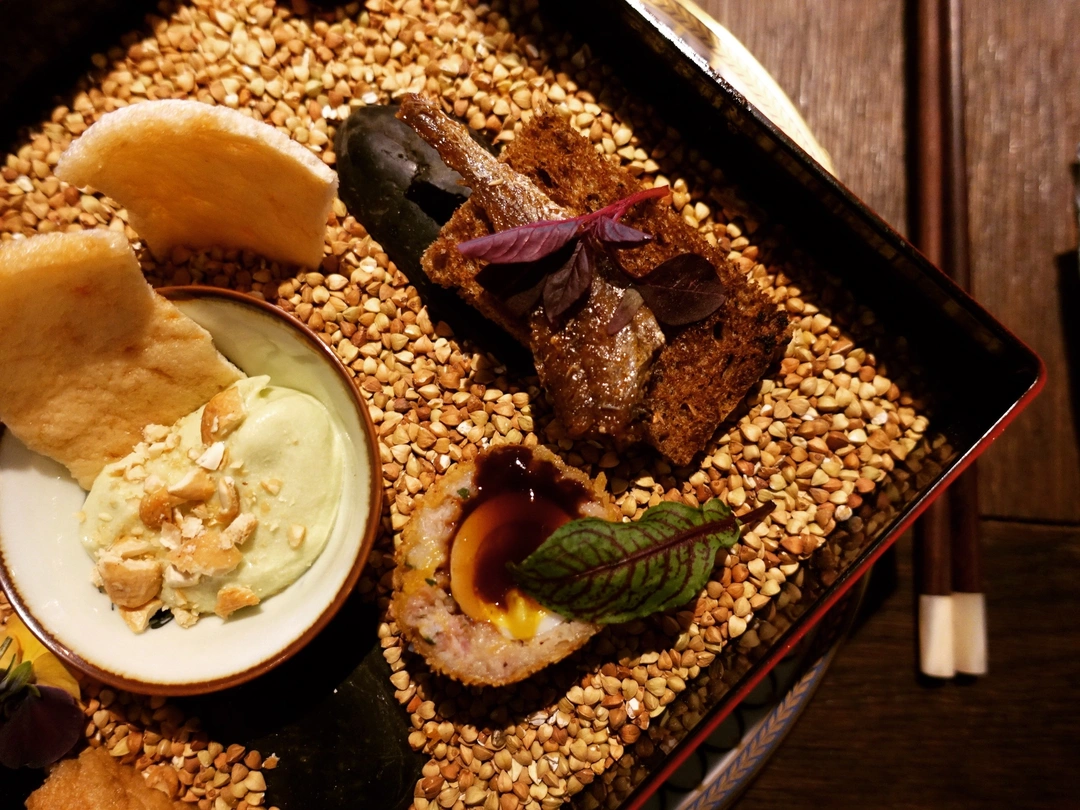
When the first appetizer arrives, you can't help but widen your eyes slightly. Crispy shrimp crackers paired with light avocado purée – the combination seems simple on the surface, but it plays with textures in an inventive way. The "crunch" of the shrimp cracker and the creaminess of the avocado purée are like two people with completely different personalities, performing a perfect duet on your tongue.
Next comes a small piece of toasted bread, carrying the aroma of nuts. The charred crispness of the bread and the oiliness of the nuts slowly merge in your mouth, like the taste of an autumn afternoon in the sun. And that little Scotch egg – it's a real eye-catcher. The outer shell is golden and crispy, while the egg yolk inside is just set, with a slight runniness. Half a modest egg provides just the right energy boost, as if telling you: Don't worry, the best is yet to come.
The most surprising item is the marinated spicy fish. It doesn't hit you with a straightforward heat like traditional spicy dishes. Instead, it carries a kind of "undercurrent" of stimulation – gentle at first, but the spiciness gradually spreads at the base of your tongue, like a key gently unlocking your taste buds. This appetizer isn't so much an appetite stimulant as it is a "breaking the ice" journey for your senses.
Spring in a Bowl: A Salad That Decodes the Season
Spring nut salad with fresh beetroot vinaigrette – the name is a bit of a mouthful, but eating it is wonderfully straightforward. The sweetness of the beetroot, the crunch of the nuts, the freshness of the greens, all tied together with the slight tang of the vinaigrette – every bite feels like chewing on spring itself.
Good ingredients don't need overly complex treatment. The essence of this salad lies in its respect for the season. Seasonal spring vegetables, paired with the most basic seasoning, preserve the original flavor of the ingredients. This kind of "subtractive" cooking is often harder than "additive" cooking – because there's nowhere to hide. The quality of the ingredients speaks for itself from the very first bite.
[Link: Seasonal tasting menus Shanghai]
Warming the Soul: Ten Hours of Waiting for One Bowl of Soup
If you're from Guangdong, or if you know someone who is, you'll understand their obsession with soup. In Cantonese culinary philosophy, soup is not a supporting player – it's the star. A good bowl of soup can warm the stomach, nourish the skin, and heal just about anything.
The soup at "黄公子" (Master Huang) uses 石斛 (dendrobium), 花胶 (fish maw), and 乌骨鸡 (silkie chicken). Dendrobium soothes the stomach, fish maw nourishes the skin, and silkie chicken boosts vitality – the combination sounds like a "wellness secret recipe." But what truly moves you is the technique: slow-cooked over a gentle flame for ten full hours.
Ten hours – what does that mean? It means the ingredients slowly release their essence into the broth. It means time itself settles into the soup. When it's served, the soup is clear, with a faint golden hue. Take a sip. The warmth slides down your throat, and your whole body feels enveloped in comfort. That sensation can't be captured by the word "delicious." It's more like being gently hugged.
A Stunning Surprise: The "Japanese Interlude" of the Spot Prawn Tartare
Sashimi is often treated as a routine task in many restaurants – slice, arrange, serve. But at "黄公子" (Master Huang), sashimi gets a creative twist.
Spot prawn tartare with black caviar – the prawn meat has been removed, diced into small pieces, and tossed with a specially blended sauce. You don't need to dip it in soy sauce and wasabi like traditional sashimi, because the sauce has already balanced the flavors. The sweetness of the prawn, the savory notes of the sauce, and the pop of the black caviar unfold in layers in your mouth.
The most brilliant touch is the hint of 紫苏 (shiso) added to the mix. The refreshing aroma of shiso gives this sashimi a distinct "Japanese-style" feel. You might pause for a moment: Is this Western food or Japanese cuisine? It doesn't really matter. What matters is that it's delicious.
The Main Course: Sea Cucumber's "Glamorous Transformation"
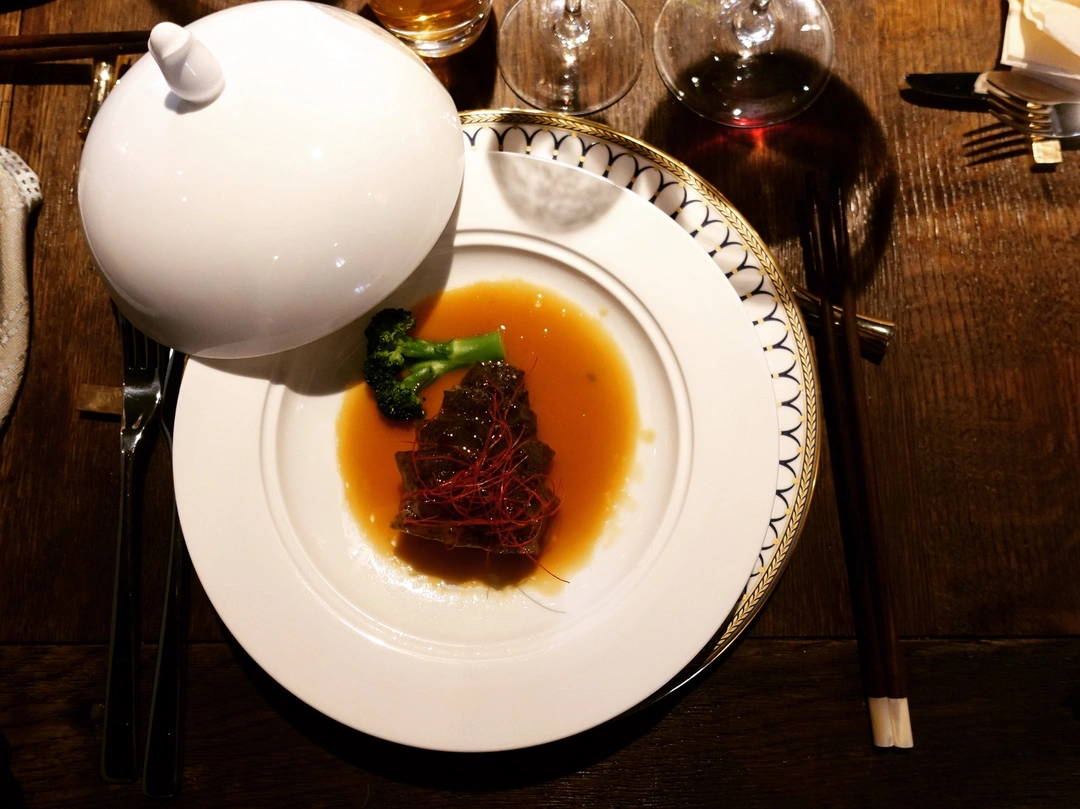
The main course is 鲍汁扣南美参鳕鱼馅 (braised South American sea cucumber stuffed with cod, in abalone sauce). It sounds complicated, but eating it is simple – it's all about "umami."
An extra-large sea cucumber, stuffed generously with succulent cod meat. Gently cut into it, and the springy texture of the sea cucumber contrasts with the tender smoothness of the cod. Dip it in a little abalone sauce, and the umami explodes in your mouth. The cod is so delicate it barely needs chewing, melting on your tongue. Meanwhile, the gelatinous quality of the sea cucumber adds another layer of texture.
The genius of this dish lies in how it perfectly merges two completely different ingredients. The "toughness" of the sea cucumber and the "softness" of the cod create a harmony that is both surprising and satisfying.
[Link: Best sea cucumber dishes Shanghai]
The Perfect Ending: A Dessert That Lingers
No private luncheon is complete without a sweet finale. At "黄公子" (Master Huang), the dessert is as thoughtfully crafted as everything that came before it. Light, elegant, and not overly sweet – it cleanses the palate while leaving a lasting impression.
Whether it's a delicate fruit sorbet or a warm, spiced pudding, the dessert respects the same philosophy: quality over quantity, seasonality over showmanship. It's the final note in a symphony that began with that single piece of fruit.
FAQ: Your Questions About the Hengshan Road Villa Private Luncheon Answered
1. How do I book a private luncheon at "黄公子" (Master Huang) on Hengshan Road?
 Reservations are typically made through private concierge services or direct inquiry via social platforms like Xiaohongshu or Dianping. Due to the limited seating (only two tables), booking at least 2-3 weeks in advance is recommended.
2. What is the price range for a private luncheon at this Hengshan Road villa?
 Prices vary depending on the seasonal menu and whether you opt for additional wine pairings. Generally, expect a range of RMB 800–1,500 per person for the full tasting menu. It's best to confirm directly with the venue.
3. Is the menu fixed, or can I customize it for dietary restrictions?
 The menu is a fixed seasonal tasting menu, but the kitchen is known to accommodate dietary restrictions (e.g., vegetarian, gluten-free, or allergies) if informed at the time of booking. Communication is key.
4. What makes this villa dining experience different from other Shanghai private kitchens?
 The combination of three factors sets it apart: the historic Hengshan Road villa setting, the Cantonese-inspired slow-cooking techniques (especially the 10-hour soup), and the extremely limited seating (only two tables) that ensures an intimate, guest-focused experience.
5. Can I visit the villa just for drinks or afternoon tea?
"黄公子" (Master Huang) primarily operates as a full-course dining experience. Afternoon tea or drink-only visits are not typically offered. The focus is on the curated luncheon or dinner menu.
Conclusion: Your Invitation Awaits – Book Your Private Luncheon Today
The secret hidden in a Hengshan Road villa is not just a meal – it's an experience. It's the feeling of being welcomed as a guest, not processed as a customer. It's the taste of ten hours of patience in a single bowl of soup. It's the surprise of spot prawn tartare with black caviar and shiso, and the comfort of a perfectly cooked Scotch egg.
Shanghai has countless restaurants, but only a handful of places that make you feel like you've stepped into a story. "黄公子" (Master Huang) is one of them.
Ready to become a "refined, pampered guest"? Book your private luncheon today. But remember: with only two tables, this secret won't stay hidden for long.
Call to Action: Plan your exclusive Hengshan Road villa dining experience now. [Link: Book private dining Shanghai] or [Link: Contact us for reservations] to secure your seat at one of Shanghai's most intimate culinary secrets.
Note: This article is based on firsthand experience and publicly available information. Menu items, pricing, and availability are subject to change. Always confirm details directly with the venue before booking.
You may also like