No Free Shipping in Jiangsu, Zhejiang, and Shanghai: A Wild Culinary Road Trip – The Ultimate Foodie Guide
Meta Description: Discover the ultimate 7-day culinary road trip through Jiangsu, Zhejiang, and Shanghai. From Shanghai’s neon-lit food streets to Nanjing’s hidden gems, this mother-daughter food adventure proves you don’t need free shipping to enjoy East China’s best eats.
Introduction: Why "No Free Shipping" Doesn't Mean No Flavor
When you hear "Jiangsu, Zhejiang, and Shanghai," you might think of online shopping’s infamous "no free shipping" zone. But for food lovers, this region is a paradise of endless culinary discovery. During the Qingming Festival holiday, I found myself scrolling through my phone, watching friends’ travel check-ins, and realized: I had to get out there.
My target was Shanghai, but as I researched, my plans grew more ambitious. Soon, I'd pieced together a "Seven-Day Foodie Map of Four Cities in East China." No tour groups—no "sleep on the bus, take photos when you get off, swipe your card at the gift shop" routine. This was a junior’s last taste of college freedom, and it had to be authentic.
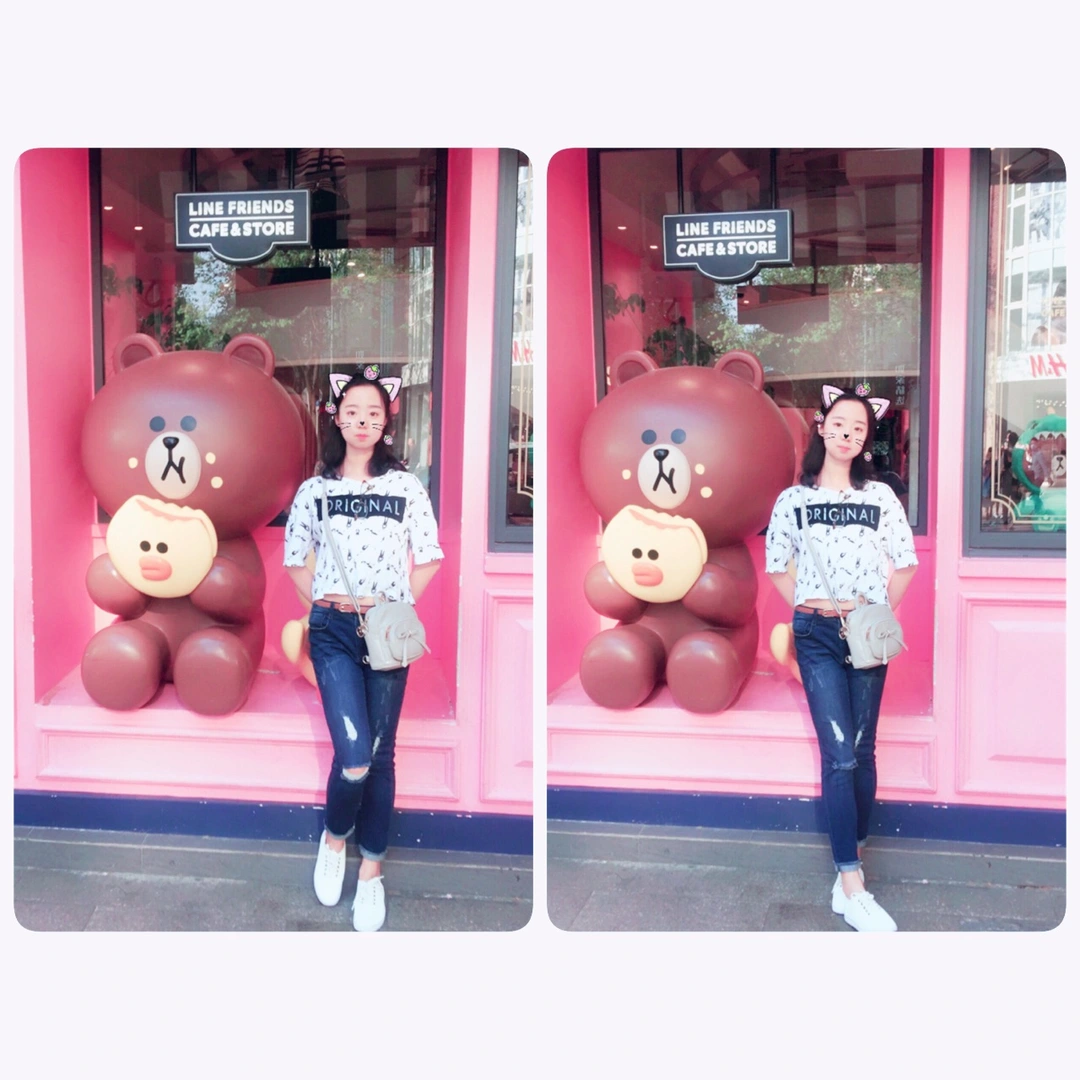
So, I (nickname: Pencil) took up itinerary planning, while Mom handled logistics—luggage, wallet, and photos. Our mother-daughter food adventure in the "no-free-shipping zone" had begun.
Pre-Trip Essentials: What You Need to Know Before You Go
Shared Bikes: A Warning Worth Heeding
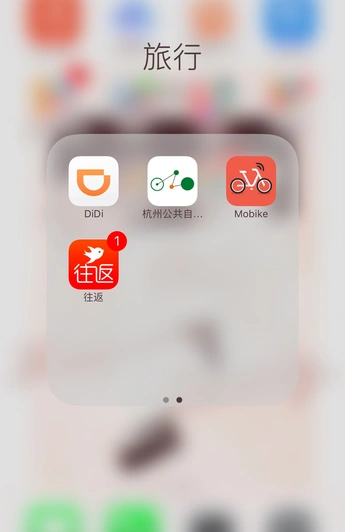
In Jiangsu, Zhejiang, and Shanghai, shared bikes are lifesavers. On the streets of Shanghai, Hangzhou, and Nanjing, you’ll find so many colorful bikes that you’ll suffer from choice paralysis. The subway is convenient, but a single ride costs 4–5 yuan ($0.60–$0.75), which adds up fast. Buses? They get stuck in traffic so often you’ll question your life choices.
If you know how to ride and dare to hit the road, rent one—it’s cheap, eco-friendly, and you get to enjoy the breeze. That said, Pencil and Mom fall into the "can ride but terrified" category. The moment crowds appear, our hands shake and legs go weak. We barely touched a bike the whole trip. Don’t follow our example—go ahead and ride!
Essential Travel Apps for Your East China Road Trip
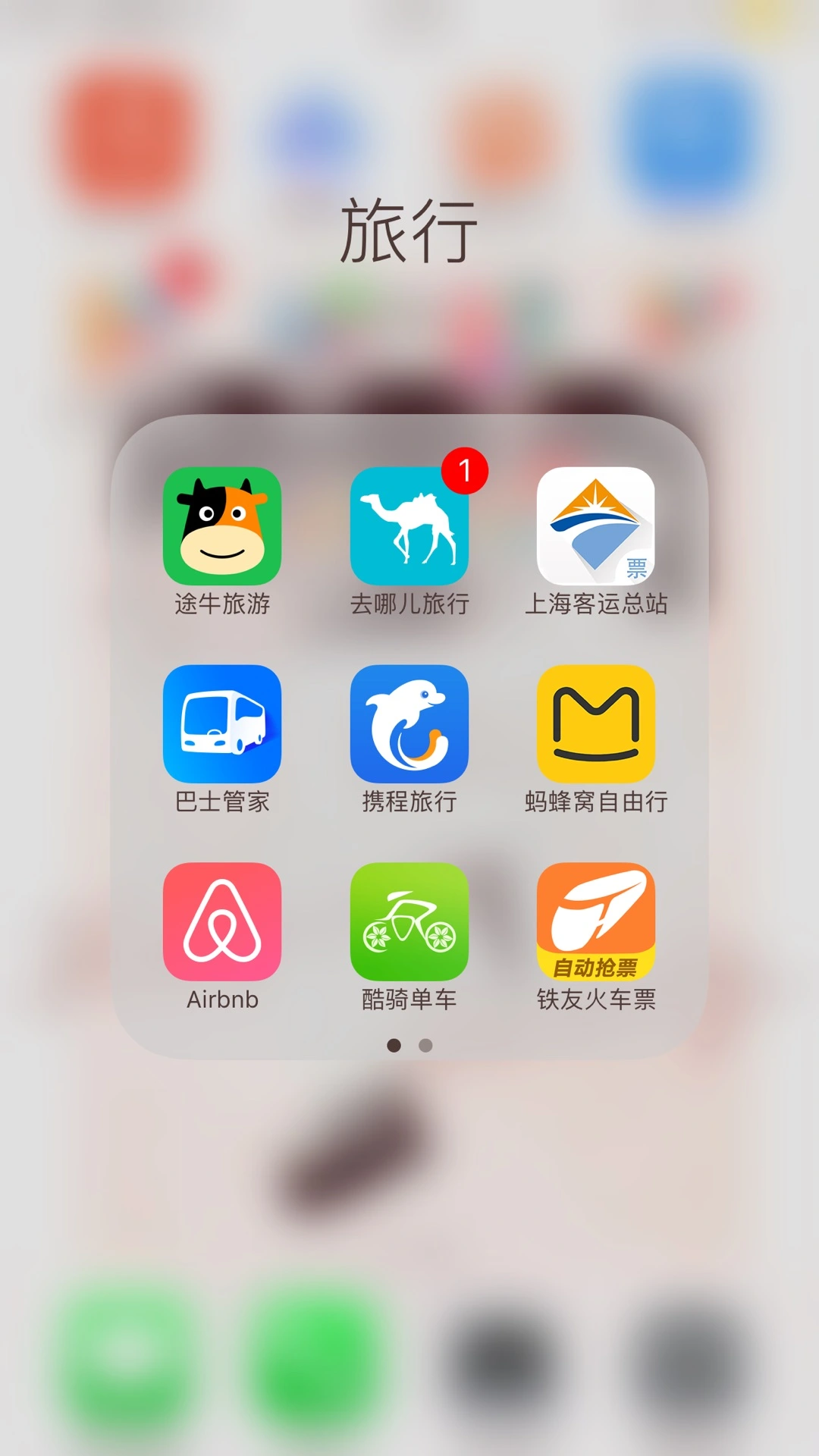
- Research & Planning: Mafengwo (attractions, food, and routes all in one)
- Ticket Booking: Meituan (cheaper than buying at the gate)
- Food: Meituan (find restaurants, read reviews, and grab deals)
- Accommodation: Meituan, Ctrip (Mom loves hotels; on my own, hostels are great too)
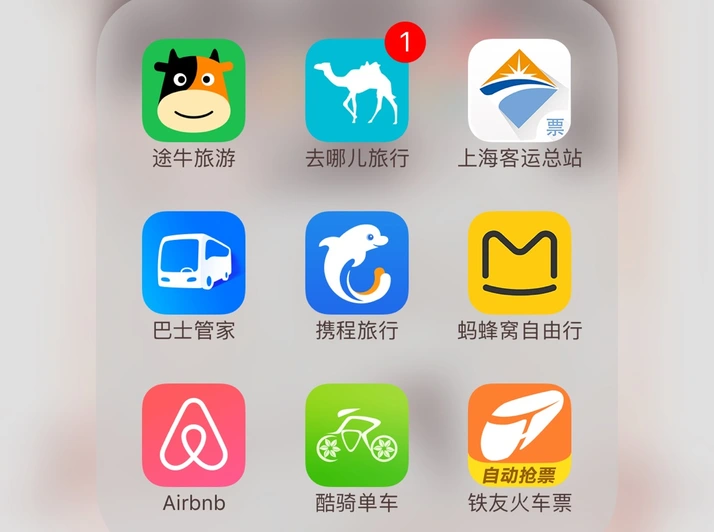
- Transportation: Tieyou Train Tickets (flights and train tickets), Shanghai Bus Terminal (bus tickets from Shanghai to Zhouzhuang)
- High-Speed Rail WiFi: RoundTrip App (don’t ask how I know—you get it)
[Link: Best apps for traveling in China]
Day 1: First Impressions of Shanghai – Neon Lights and a Foodie’s Debut
From Plane to Maglev: Cheap Isn’t Always Good, But Worth It

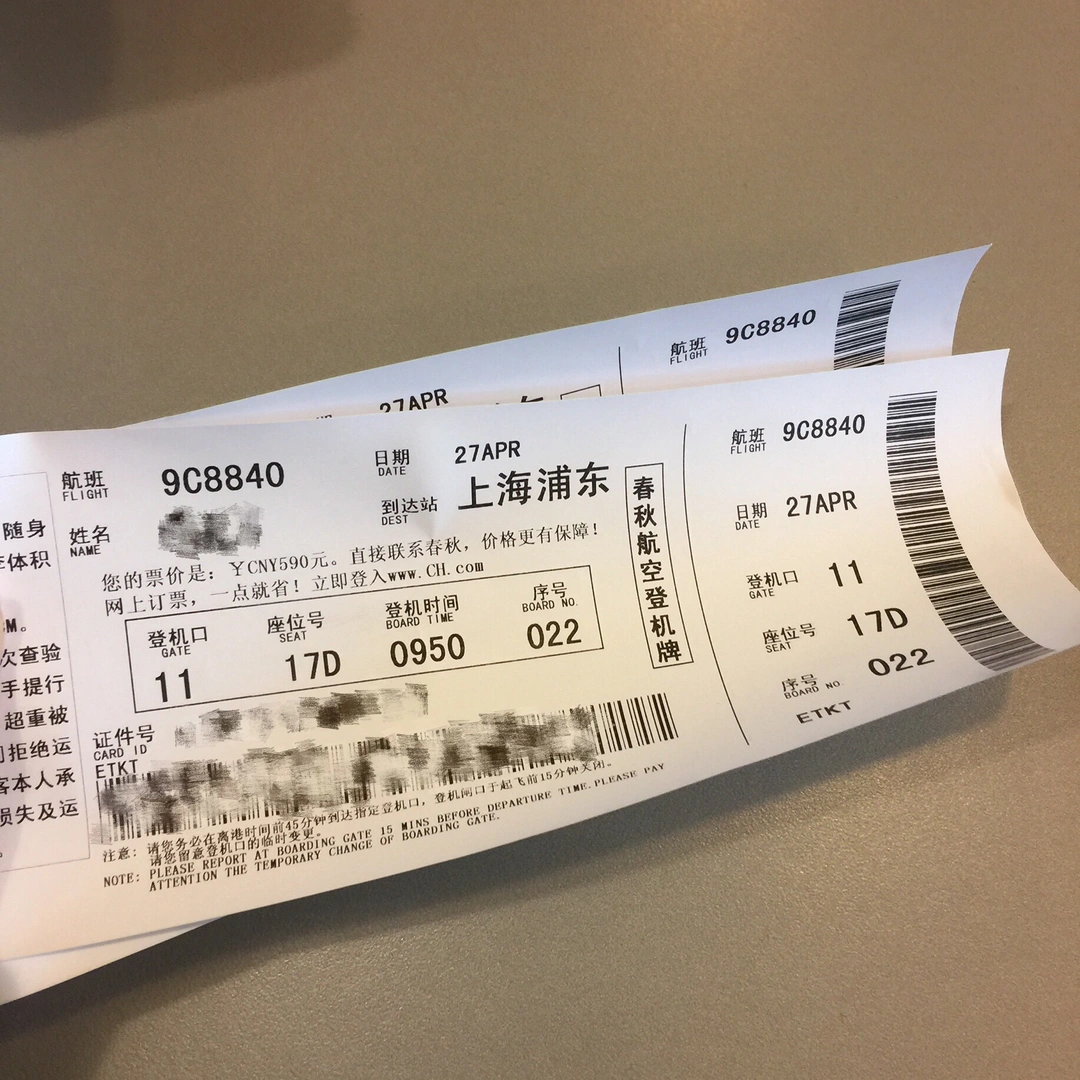
To avoid May Day crowds, I took two days off early and set off on April 27. Spring Airlines’ small plane had discounted tickets so cheap they were tempting, but "you get what you pay for" is no joke—overweight luggage costs extra, no meals on board, and the ticket was just a black-and-white piece of paper. After factoring in baggage fees and my own packed lunch, the savings disappeared.
But then I met a chatty uncle from Shanghai on the plane. He enthusiastically drew us a food map, and I instantly felt the trip was worth it.
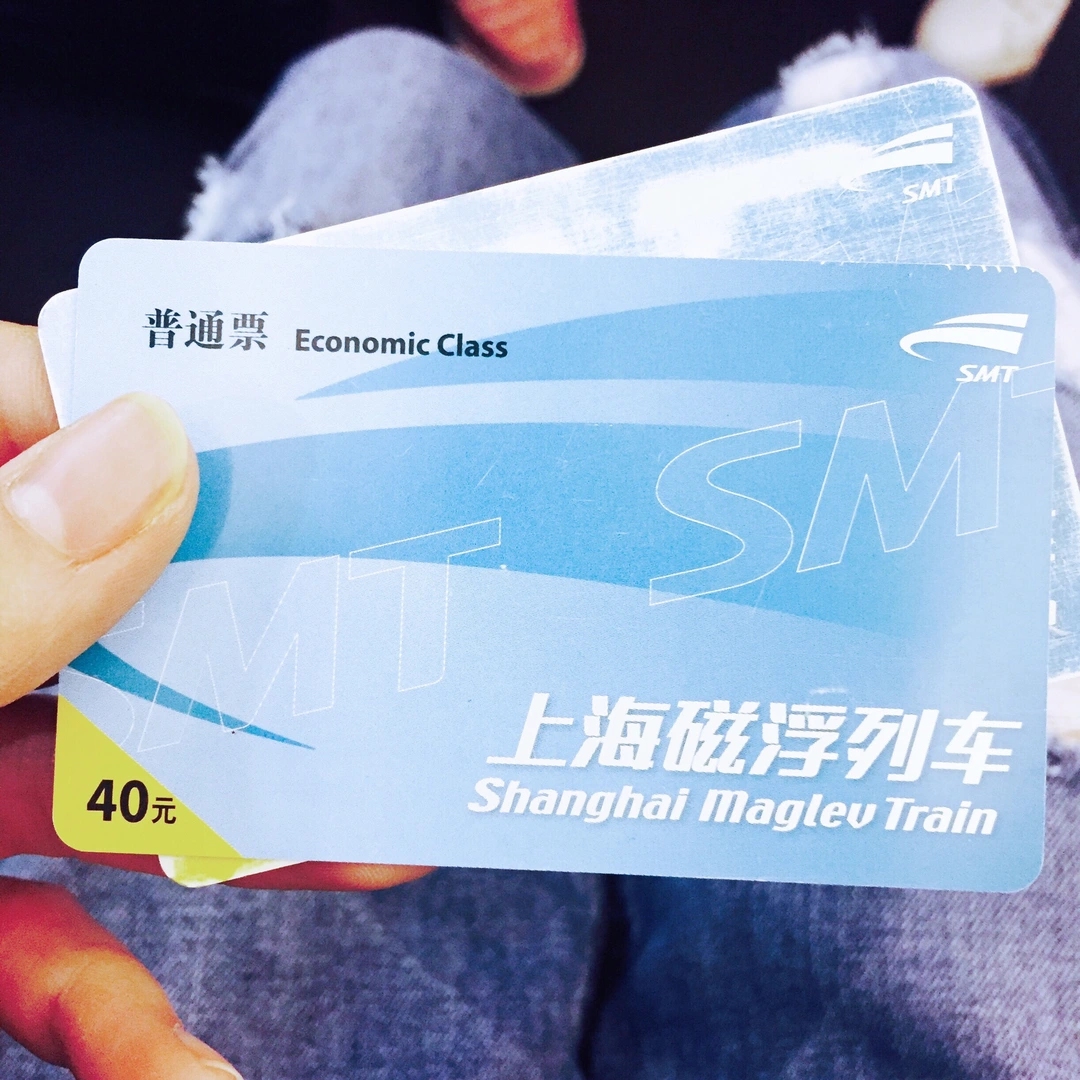
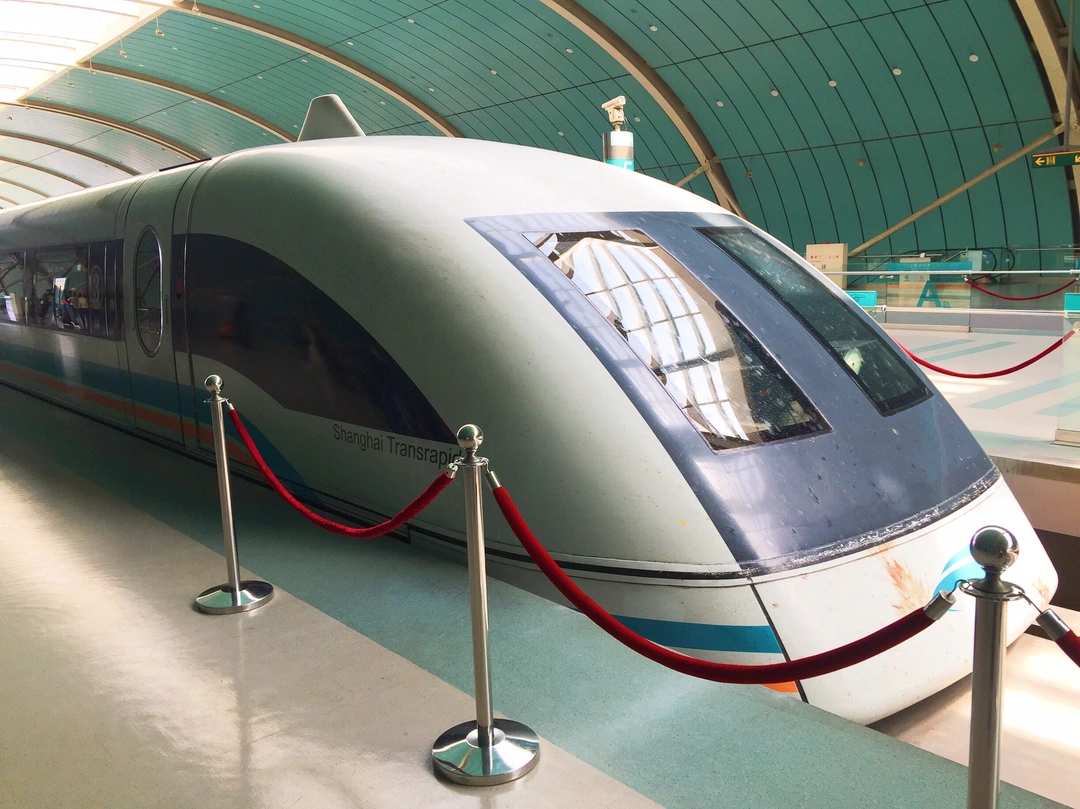
After landing, we tried the maglev train. It was so fast that before we could settle into our seats, we’d arrived. It felt like we’d been launched out of a cannon.
Nanjing Road Pedestrian Street: First Glimpse of Shimao, Jaw on the Floor
We booked a room at the Chunshenjiang Hotel—a standard double for 400 yuan a night. Pricey, but the location was unbeatable: right on Nanjing Road Pedestrian Street, a short walk from Madame Tussauds and the Bund, and close to a subway station. Downstairs was Shen Da Cheng! Their famous salted egg yolk and pork floss rice balls (青团, qingtuan)—how could a foodie miss those? One bite and the outer skin was perfectly soft and chewy, the filling slightly oily but not greasy. So good I wanted to laugh out loud.
The M&M's Chocolate World was a photo paradise. I picked up chocolate beans for friends. The price? Well, the container and chocolate are sold separately. Keep your eyes peeled when you buy.
Oriental Pearl Tower: From Pink to Dazzling, an Afternoon of Fantasy
We took the subway to Lujiazui, and the moment we stepped out, we were stunned by towering skyscrapers. The Oriental Pearl Tower glowed a soft pink in the sunlight. I’d only ever seen it on TV, but seeing it in person still excited me.
At the base, I bought a cherry blossom ice cream cone. The cone plus ice cream cost over 20 yuan. The taste was average, but it was photogenic—perfect for social media.
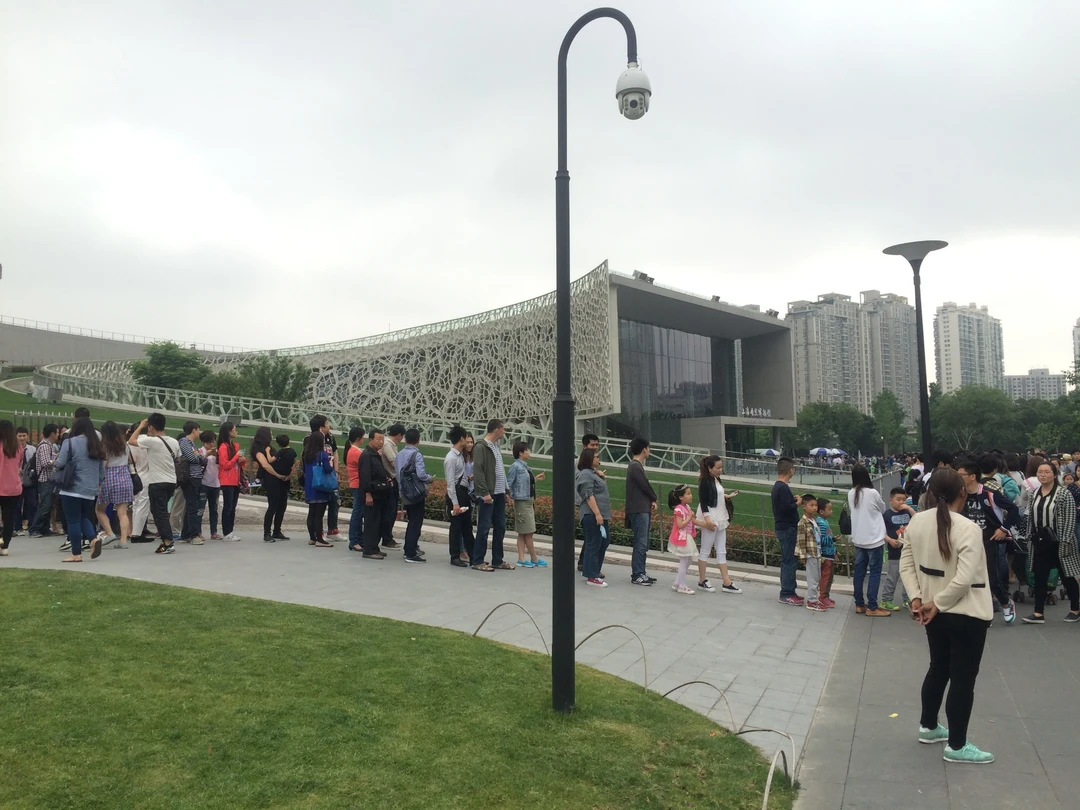
We booked a double B-ticket on Meituan for 248 yuan, which included the main observation deck, the glass skywalk, and the Shanghai History Museum. We waited in line for over an hour to get up the tower. If this had been May Day, the scene would have been too chaotic to imagine.
From the main observation deck, the entire city layout of Shanghai spread before us. For one yuan, you could use a telescope for 30 seconds. All you could see were buildings, but it was worth a try.
The glass skywalk was a nightmare for anyone afraid of heights. The moment I stepped on it, only three words ran through my mind: "Don’t break, don’t break, don’t break..." Most tourists would strike a pose for a photo one second and then wobble off the glass the next. It was both funny and a little sad.
As dusk fell, the Oriental Pearl Tower lit up with pink lights, and the night view was breathtaking. After coming down, we had a giant cream puff filled with butter and passion fruit. So good I stamped my feet in delight.
The Shanghai History Museum sounds dry, but inside it’s a miniature version of old Shanghai. You can immerse yourself in the bustling world of the "Ten Mile Foreign Concession" (十里洋场, shili yangchang). By the time we came out, it was fully dark. The night view of the Oriental Pearl Tower was completely different from the daytime—honestly, it looks better from the outside than from the inside. But as a tourist from out of town, if you’ve never been up, you’ve got to see it for yourself. What others call "just okay" and what you experience as "just okay" are two completely different things.
Xiao Yang Sheng Jian (Pan-Fried Pork Buns) and the Ferry: 2 Yuan of Pure Joy
At Xiao Yang Sheng Jian, the pork-filled buns were the best. The shrimp filling was fresh but not my favorite, and the shepherd’s purse filling just didn’t do it for me. Overall, though, they were pretty good.
We took a bus to the ferry terminal and caught the ferry back across the Huangpu River. The ticket was only 2 yuan! Don’t underestimate it—the boat wasn’t bad. Make sure to run upstairs to grab a spot on the open deck for a night view. The Huangpu River cruise boats were different; they went along the river, but we skipped that.
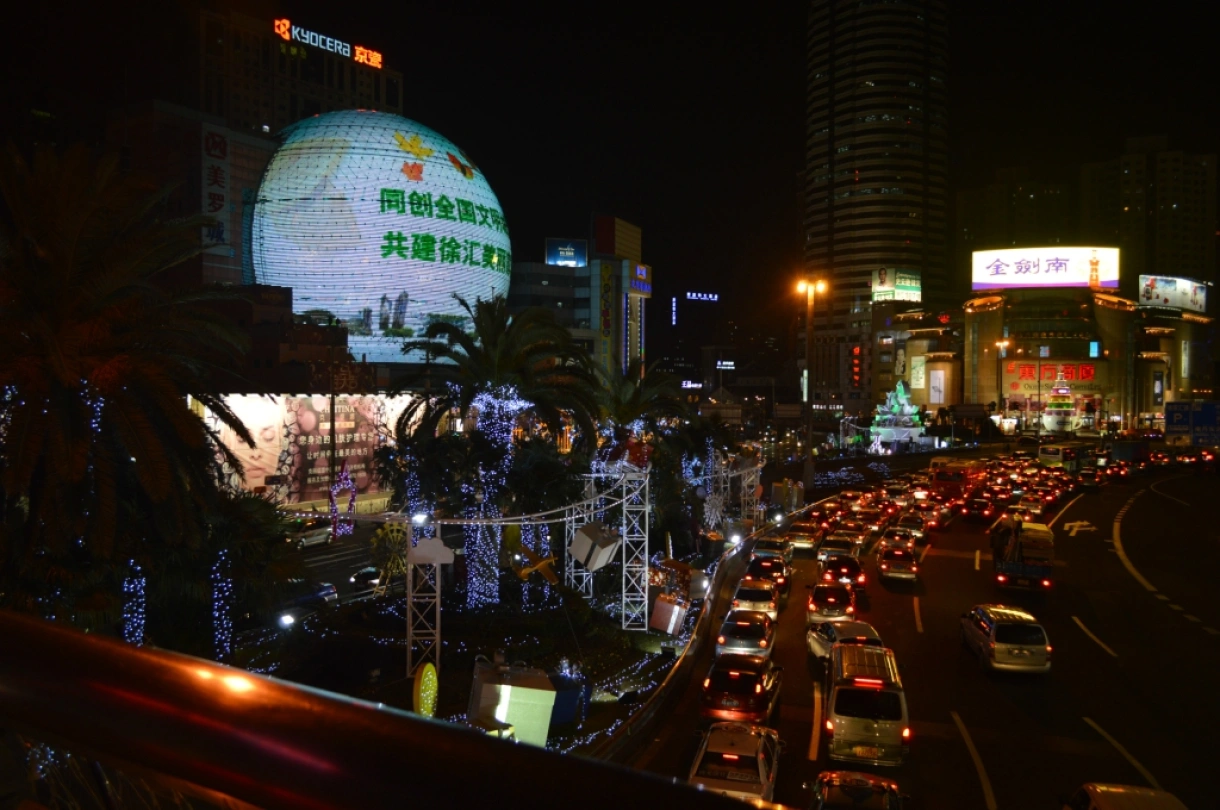
Looking at Lujiazui from the Bund, it was stunning even without a filter. At ten at night, people were still walking briskly. The night view of Nanjing Road Pedestrian Street made me feel like I was in a TV drama.
Innisfree Cafe: A Fresh Finish
I ordered a strawberry latte. It was a bit sweet, but the strawberry chunks were chewy. The place smelled nice, and the decor was artsy and fresh—perfect for trend-followers like me.
And just like that, Day 1 was over. Shanghai’s night view really blew me away. At ten-something, the streets were still bustling. The "city that never sleeps" lived up to its name.
[Link: Shanghai food guide for first-time visitors]
Day 2: Deep Dive into Shanghai – From Alleys to Xintiandi, From Rookie to Artsy
Hop-On Hop-Off Bus: 30 Yuan of Moving Scenery
We headed out around nine in the morning, and shops were just starting to open. Shanghai people move fast. The subway was packed, but shared bikes and scooters outnumbered cars, and the air quality was so good it made me jealous.
Day 2’s itinerary was Yu Garden → City God Temple → Xintiandi → Madame Tussauds. We chose the hop-on hop-off bus for 30 yuan—a moving scenery experience that let us see the city without rushing.
Yu Garden and City God Temple: A Culinary Time Machine
Yu Garden was crowded but beautiful. The rockeries and ponds felt like stepping into a Ming Dynasty painting. Nearby, the City God Temple (城隍庙) was a food lover’s dream. We tried sheng jian bao (pan-fried buns) again—this time with a crispy bottom that crackled with every bite. The nanxiang xiaolongbao (soup dumplings) were legendary. One bite, and the broth exploded in your mouth. Pro tip: poke a small hole first to avoid burning your tongue.
Xintiandi: Where Old Shanghai Meets Modern Chic
Xintiandi was a contrast—restored shikumen (stone gate) houses housing trendy cafes and boutiques. We grabbed a coffee and watched the fashionable crowd. It felt like a different world from the bustling alleyways of Yu Garden.
Madame Tussauds: Selfies with the Stars
Madame Tussauds was fun but crowded. We posed with Taylor Swift, Jackie Chan, and a surprisingly realistic Einstein. The highlight? A photo with a "sleeping" Andy Lau—Mom’s favorite.
Day 3: Zhouzhuang – Water Town Wonderland
From Shanghai to Zhouzhuang: A Bus Ride to Serenity
We took a bus from Shanghai Bus Terminal to Zhouzhuang. The ride was smooth, and within an hour, we were in a water town straight out of a Chinese painting.
Zhouzhuang: Canals, Bridges, and Wontons
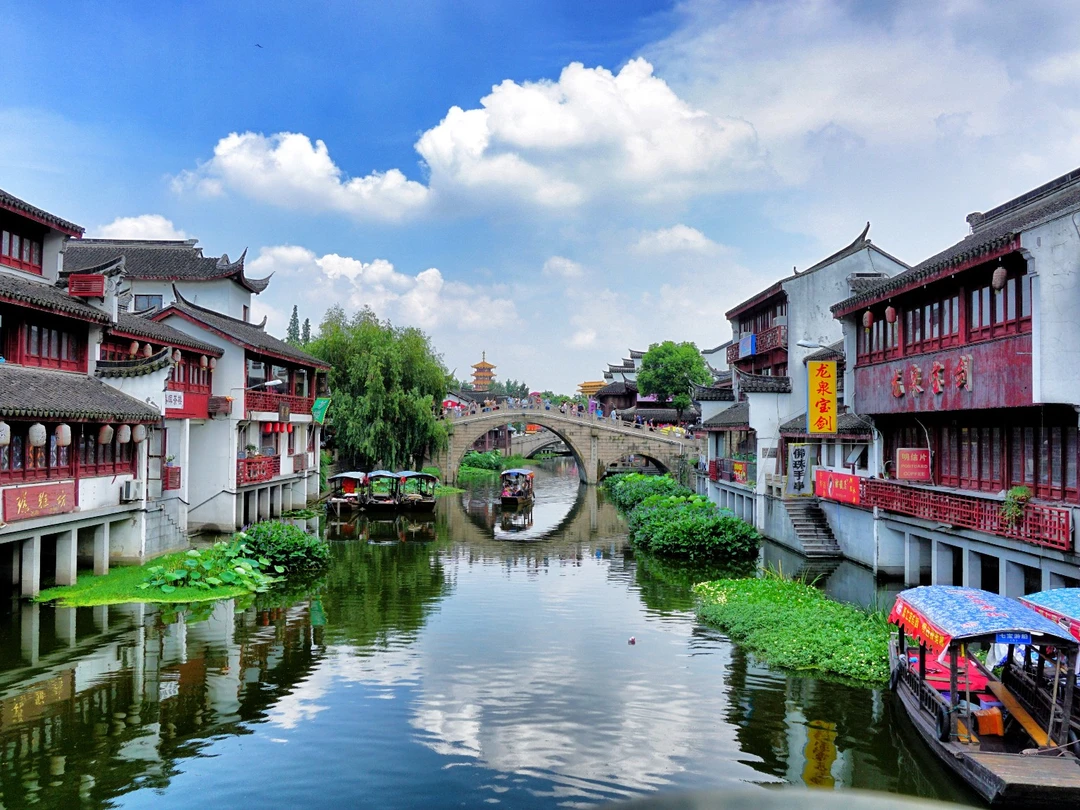
Zhouzhuang was everything I’d imagined: willow trees lining canals, stone bridges arching over water, and old women selling freshly made wontons from wooden boats. We rented a small boat for 100 yuan and floated under the bridges. The boatwoman sang a folk song, her voice echoing off the ancient walls.
For lunch, we had zongzi (glutinous rice dumplings) stuffed with pork and chestnuts. The leaves gave the rice a subtle fragrance. Dessert was osmanthus cake—soft, sweet, and floral.
Evening in Zhouzhuang: A Different Kind of Magic
As night fell, lanterns lit up the canals. We found a riverside restaurant and ordered braised pork belly and stir-fried water spinach. The pork was melt-in-your-mouth tender, the fat caramelized to perfection. The water spinach was crisp and garlicky. Paired with a cold beer, it was the perfect end to a perfect day.
[Link: Best water towns near Shanghai]
Day 4: Hangzhou – West Lake and Longjing Tea
High-Speed Rail to Hangzhou: Smooth Sailing
We took the high-speed rail from Shanghai to Hangzhou—45 minutes, and we were in the city of poets and tea. The train was clean, fast, and had free WiFi (thank you, RoundTrip App).
West Lake: A UNESCO Wonder
West Lake was stunning. We rented a paddleboat and drifted past the iconic Leifeng Pagoda and Su Causeway. The water was calm, the willows weeping gently. It felt like a living painting.
Longjing Tea Village: Sip the Legend
We took a bus to Longjing Village, where tea plantations stretched up the hillsides. We visited a family-run tea house and tried Longjing tea (Dragon Well tea). The leaves were flat and jade-green, the liquor clear and nutty. The owner explained how the tea was hand-roasted in woks. We bought a small bag for 150 yuan—a souvenir worth every penny.
Hangzhou Food: Dongpo Pork and Beggar’s Chicken
Dinner was at a local restaurant. We ordered Dongpo pork (braised pork belly named after the poet Su Dongpo)—rich, sticky, and sweet. Beggar’s chicken (wrapped in lotus leaves and baked in clay) was tender and aromatic. The waiter cracked open the clay shell at our table, releasing a cloud of steam. It was theater and dinner in one.
Day 5: Nanjing – History, Soup Dumplings, and a Bridge to the Past
Nanjing: A City of Layers
Nanjing felt different—slower, more historical. We visited the Confucius Temple (夫子庙) area, where the Qinhuai River glittered with lights. The Nanjing Museum was free and massive. We spent hours wandering through exhibits on Ming Dynasty ceramics and Republican-era calligraphy.
Soup Dumplings and Duck Blood Vermicelli
Nanjing is famous for xiaolongbao (soup dumplings) and duck blood vermicelli soup. The soup dumplings were delicate, the broth rich and porky. The vermicelli soup was a revelation—silky noodles in a savory broth with duck blood cubes, tofu puffs, and greens. It’s an acquired taste, but once you acquire it, you’re hooked.
The Nanjing Yangtze River Bridge: A Symbol of Resilience
We took a bus to the Nanjing Yangtze River Bridge. It was a gray, drizzly day, which made the bridge look even more imposing. Built in the 1960s, it was a feat of Chinese engineering. Walking across it, with the Yangtze River churning below, was humbling.
Day 6: Suzhou – Silk, Gardens, and Sweet Treats
Suzhou: The Venice of the East
Suzhou’s classical gardens are UNESCO World Heritage sites. We visited the Humble Administrator’s Garden (拙政园)—a maze of pavilions, ponds, and rockeries. Every corner was a photo opportunity.
Suzhou Silk: A Touch of Luxury
We visited a silk factory and saw how silkworm cocoons were boiled and unraveled into thread. We bought silk scarves for 50 yuan each—cheaper than anywhere else.
Suzhou Food: Sweet and Salty
Suzhou cuisine is sweet. We tried squirrel-shaped mandarin fish (sweet and sour, with a crispy tail) and mooncakes filled with pork floss. Dessert was sweet osmanthus lotus root—sticky, floral, and addictive.
Day 7: Return to Shanghai – A Farewell Feast
Final Morning in Shanghai
We took the high-speed rail back to Shanghai for our flight home. Before leaving, we had one last meal: xiao long bao at a hole-in-the-wall near the hotel. The dumplings were perfect—thin skins, hot broth, and tender pork.
Reflections on a Mother-Daughter Food Adventure
Seven days, four cities, countless bowls of noodles, dumplings, and tea. This trip wasn’t just about food—it was about sharing moments with Mom, laughing over failed bike rides, and discovering that the best meals are the ones you eat together.
Frequently Asked Questions (FAQ)
1. Is it expensive to eat in Shanghai, Hangzhou, and Nanjing?
 Not necessarily. Street food like sheng jian bao (4–6 yuan) and xiaolongbao (8–12 yuan for 8 pieces) are very affordable. Mid-range restaurants cost 50–100 yuan per person. High-end dining can exceed 200 yuan per person.
2. What’s the best way to get around between Shanghai, Hangzhou, and Nanjing?
High-speed rail is the best option. Shanghai to Hangzhou takes 45 minutes (73 yuan), Shanghai to Nanjing takes 1.5 hours (150 yuan), and Hangzhou to Nanjing takes 1 hour (120 yuan). Buses are cheaper but slower.
3. Are shared bikes easy to find in these cities?
Yes, especially in Shanghai, Hangzhou, and Nanjing. Look for blue (Hellobike), yellow (Mobike), or green (Qingju) bikes. Download the app before you go.
4. What’s the must-try food in each city?
- Shanghai: Sheng jian bao, xiaolongbao, and salted egg yolk qingtuan
- Hangzhou: Dongpo pork, Longjing shrimp, and Beggar’s chicken
- Nanjing: Duck blood vermicelli soup and soup dumplings
- Suzhou: Squirrel-shaped mandarin fish and sweet osmanthus lotus root
5. Is it safe for two women to travel alone in these cities?
Yes. Jiangsu, Zhejiang, and Shanghai are very safe for female travelers. Stick to well-lit areas at night, use official taxis or ride-hailing apps (Didi), and keep valuables secure.
Conclusion: Your Own Wild Culinary Road Trip Awaits
From Shanghai’s neon-lit food streets to Zhouzhuang’s canal-side wontons, from Hangzhou’s tea-scented hills to Nanjing’s history-laden dumplings, this "no free shipping" zone is a food lover’s paradise.
Ready to plan your own East China food adventure? Start by downloading Mafengwo for research, Meituan for tickets and restaurant deals, and Tieyou for train tickets. Pack comfortable shoes (you’ll walk a lot), an empty stomach, and a sense of adventure.
Don’t wait for free shipping—the flavors of Jiangsu, Zhejiang, and Shanghai are worth every yuan. Book your trip today and taste the wild side of East China.
[Link: How to plan a multi-city trip in China] [Link: Best street food in Shanghai] [Link: Budget travel tips for China]
Pencil and Mom’s culinary road trip was a reminder that the best journeys are the ones you share with the people you love. Now go make your own memories—one dumpling at a time.
You may also like