The Far Eastern Magic City: When East Meets West, How Did Shanghai Become the "Magic City"?
Meta Description: Discover why Shanghai is called the "Magic City" – a blend of East and West, historic Bund architecture and futuristic Lujiazui skyline. Explore the contradictions that make Shanghai China's most enchanting metropolis.
If Chang'an was an echo of history and Beijing a symbol of power, then Shanghai is an eternal dreamscape that never ends. Two thousand years ago, people looked to Chang'an; a thousand years ago, they looked to Beijing; in modern times, they look to Shanghai—this city, known as the "Far Eastern Magic City," has written an unparalleled legend on Chinese soil with its unique, enchanting allure.
The title "Magic City" is not without reason. It stems from the contradictions and fusions ingrained in Shanghai's very bones: Western culture and Eastern traditions collide and intertwine here; the century-old buildings along the Bund gaze across the river at the skyscrapers of Lujiazui; the smoky, lively atmosphere of old lilong (traditional alleyway neighborhoods) mingles with the neon glow of bustling commercial districts. The ceaseless traffic of the day and the decadent glamour of the night together form the city's dual soul.
And "Far East"—a geographical concept defined by Westerners with Western Europe at its center, referring to the distant East—finds its most brilliant pearl in Shanghai.
Two Sides of One River: A Silent Dialogue Between Manhattan and Paris
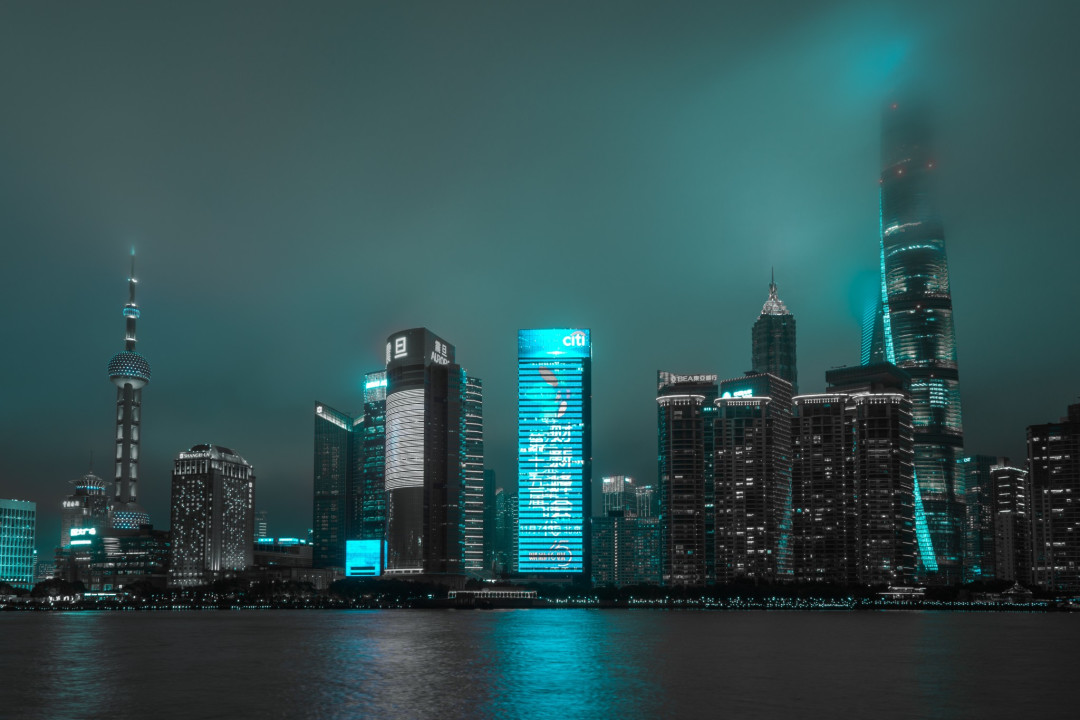
Every visitor to Shanghai does the same thing: stand by the Huangpu River and gaze at the scenery on both banks. On the west side is the Bund observation deck; on the east side is the Lujiazui sunset promenade. Standing here, you'll be astonished to discover—the Huangpu River cuts through Shanghai like a sharp blade, splitting it into two entirely different worlds.
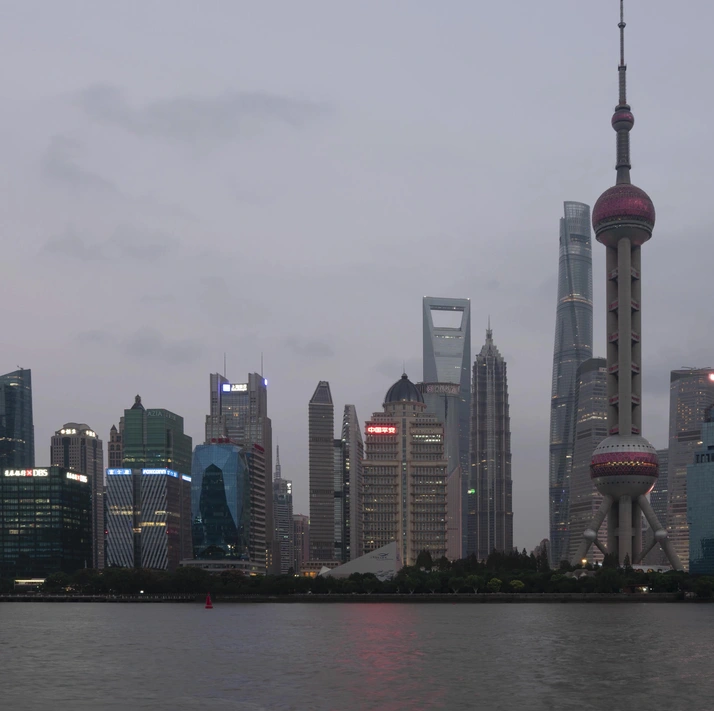
One side is a financial empire reminiscent of Manhattan, with skyscrapers piercing the clouds, their glass facades reflecting the cold light of modern civilization. The other side is a romantic Baroque scene akin to Paris's Left Bank, where century-old buildings whisper tales of old-world elegance and luxury. The "New York of the East" and the "Paris of the East" thus mirror each other across the river's surface.
Take Metro Line 14, enter at Lujiazui Station, and exit at Dashijie Station. In just a few minutes, it feels like a journey through time and space. The Huangpu River, seemingly calm, divides the city into two completely different universes.
Chapter One: Puxi—The Foundation and Depth of History
When people speak of Jiangnan (the region south of the Yangtze River), they think of Suzhou's "Temple of Cold Mountain beyond the city walls," Hangzhou's "warm breezes that intoxicate visitors," or Yangzhou's "moonlit night on the Twenty-Four Bridges." Against the backdrop of these traditional Jiangnan cities, Shanghai seems out of place. Before the Qing Dynasty, Shanghai had almost zero name recognition.

It wasn't until 1843, with the signing of the Treaty of Nanjing, that Shanghai's fate took a decisive turn. As one of the five treaty ports opened for foreign trade, Shanghai was designated as a port of entry. With the influx of foreign capital and the establishment of concessions, Shanghai's true history began to unfold.
The subsequent Taiping Rebellion became a catalyst for Shanghai's economic boom. Traditional Jiangnan cities like Suzhou and Hangzhou declined due to the chaos of war, while Shanghai, sheltered by the foreign concessions, became a haven for wealthy merchants and refugees. Capital, technology, and labor converged here, accelerating Shanghai's internationalization. Thus, while Shanghai lies geographically within Jiangnan, it lacks the region's typical white walls, black tiles, and small bridges over flowing streams. Instead, it offers the "glittering scene of the ten-mile foreign concession, a place of tumultuous encounters on the Shanghai waterfront."
Puxi's true charm lies not in the height of its buildings, but in its streets and architecture steeped in history. Every modern building has witnessed the dramatic changes of the Shanghai scene; every street has its own story; every lilong represents the city's local culture.
The Ten-Mile Foreign Concession: A World Expo of Architecture
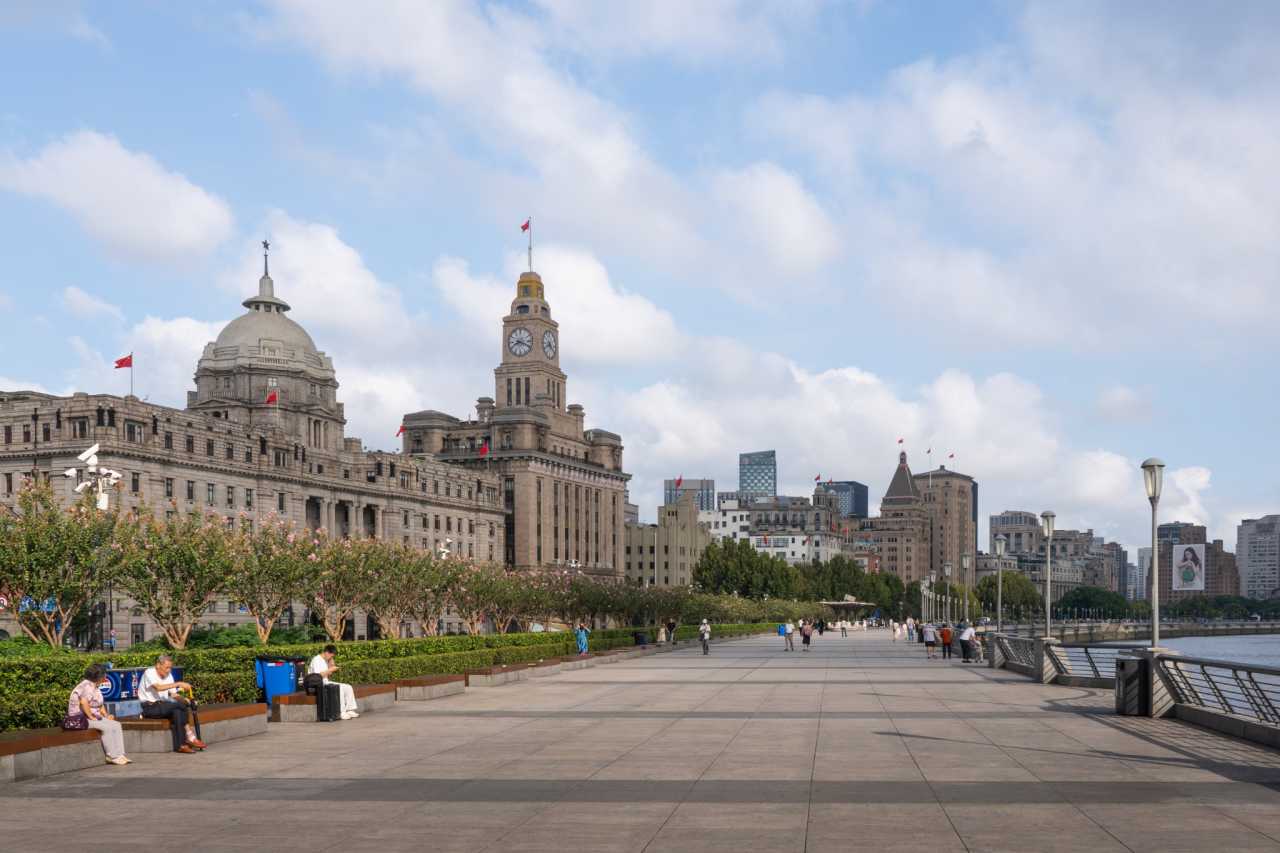
From Suzhou Creek to the Bund SOHO, dozens of buildings in various styles line Zhongshan East First Road. The solemnity of Neoclassicism, the luxury of Baroque, the simplicity of Art Deco—all converge here to form the "World Expo of Architecture."
Most tourists habitually stand across the street or on the opposite bank of the Huangpu River, capturing the facades of these buildings in their cameras. Few pay attention to the stories hidden within.
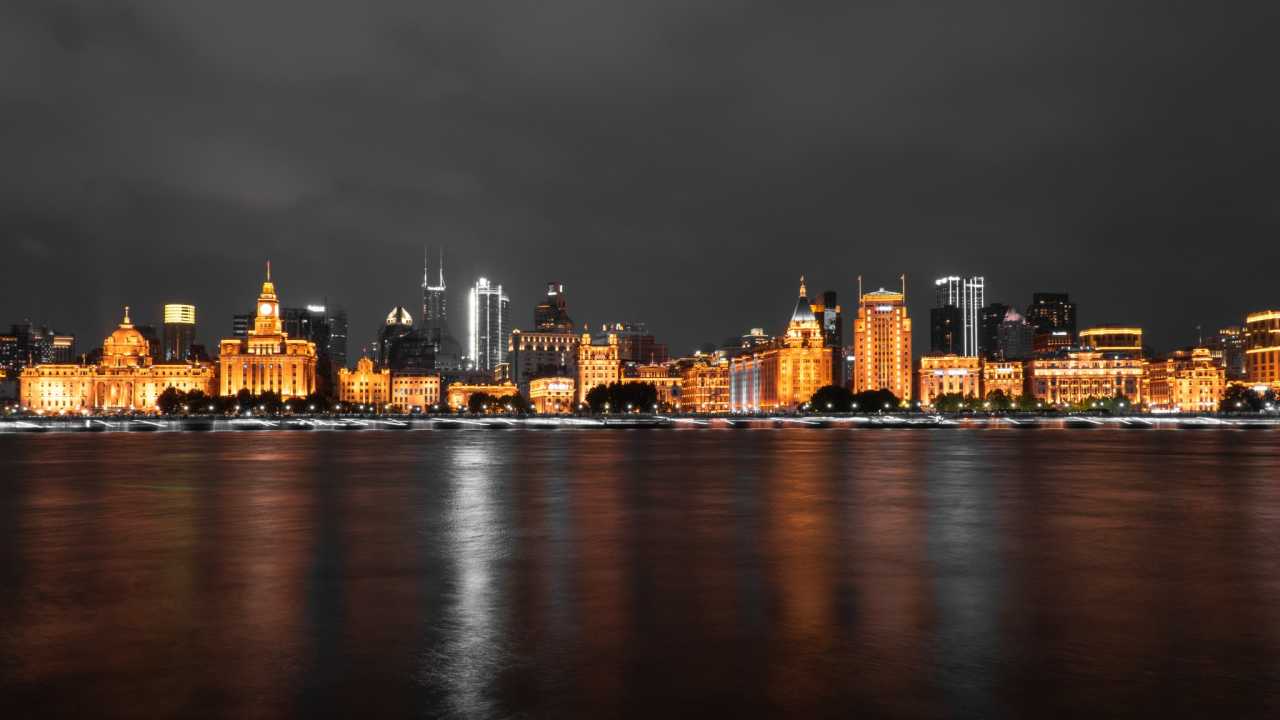
Bund Building No. 12—The HSBC Building: Hailed as "the most exquisite building from the Suez Canal to the Bering Strait in the Far East," it was the largest bank building in the Far East and the second-largest in the world. The octagonal hall inside features a dome adorned with 33 stunning mosaic murals. Entry: Register via WeChat on the "Meet SPD Bank" account. Two sessions daily (11:30 AM and 12:00 PM), each lasting half an hour.
Bund Building No. 13—The Shanghai Customs House: Along with London's Big Ben and Moscow's Red Square chimes, it is known as one of the "Three Great Clocks of the World." It once played the Westminster Quarters as its hourly chime, which was changed to "The East Is Red" in 1966. Now, it plays a fragment of "The East Is Red" every 15 minutes, and the full version on the hour. Entry: Reserve via the "Huangpu Planning Resources" platform on WeChat.
Bund Building No. 20—The Sassoon House (Peace Hotel): Once the tallest building on the Shanghai Bund. Legend has it that in old Shanghai, no matter how serious a crime you committed, if you could hide inside the Peace Hotel, neither the police nor the underworld would dare touch you—simply because the boss was surnamed Du. The weddings of Chiang Kai-shek and Soong Mei-ling, as well as Qian Xuesen and Jiang Ying, were held here. Today, with a 50 RMB bottle of 330ml cola, an 88,888 RMB per night Sassoon Suite, and a 298 RMB "ticket package" (a slice of bread and a glass of water, no dining in allowed), it has become a popular internet-famous spot for "paying to feel inferior."
Bund Building No. 23—The Bank of China Building: This was the first building on the Bund to incorporate Chinese architectural style. During its construction, due to obstruction by Sassoon, it was forced to lower its height, ending up 0.3 meters shorter than the Sassoon House. However, it brought Chinese-style blue glazed tiles, longevity characters, and dougong (interlocking wooden brackets) to the Bund—finally, the Bund had a building of Chinese design.
In the past, high-end venues and parks on the Bund prominently displayed signs reading "No Dogs or Chinese Allowed." After the founding of the People's Republic of China, all unequal treaties were abolished. Today, the Bund has become Shanghai's most vibrant "urban living room." Chen Yi Square, Huangpu Park, and the Bund observation deck make it an open space where all citizens and tourists can freely stroll.
Walking the 1.5 kilometers of the Bund and looking back on a century of history, you'll realize: it has become Shanghai's "spiritual landmark" not only because of its glorious history and exquisite architecture, but also because it carries the century-long memory of the Chinese nation—from humiliation to rise, from isolation to openness.
The Far East's Premier Street: Nanjing Road
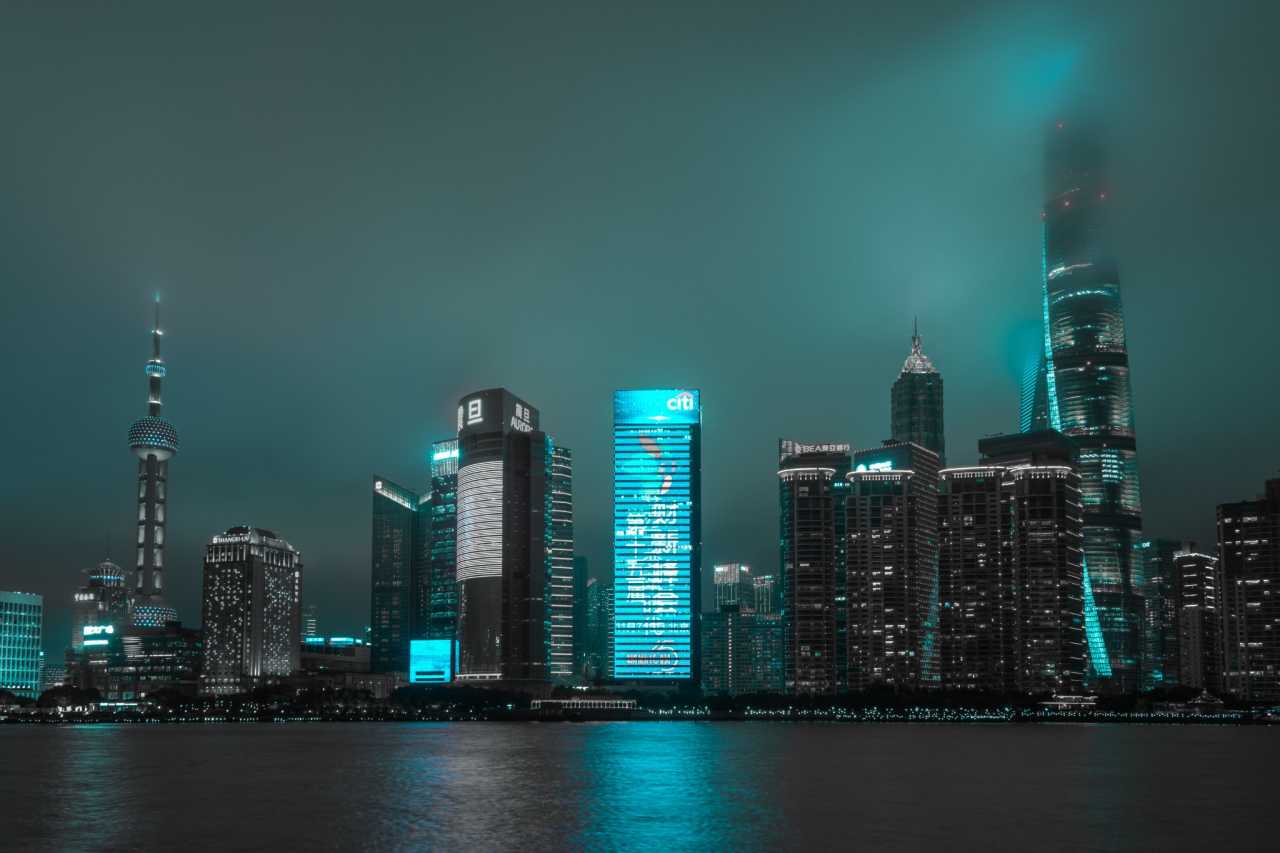
If the Bund is Shanghai's first calling card, then Nanjing Road is the second. It starts from the Bund, flanked at its beginning by the Peace Hotel on one side and the Palace Hotel on the other—the two most prestigious hotels in old Shanghai, standing like guardian deities at the entrance to this street.
A hundred years ago, on this street over a kilometer long, there was Shanghai's first tram line, and the four major department stores—Sincere, Wing On, Sun Sun, and Da Sun (reportedly equipped with air conditioning a century ago). Today, it still welcomes tourists from around the world, offering a vibrant shopping and dining experience.
[Link: Best shopping streets in Shanghai]
Chapter Two: Lujiazui—The Rise of a Global Financial Hub
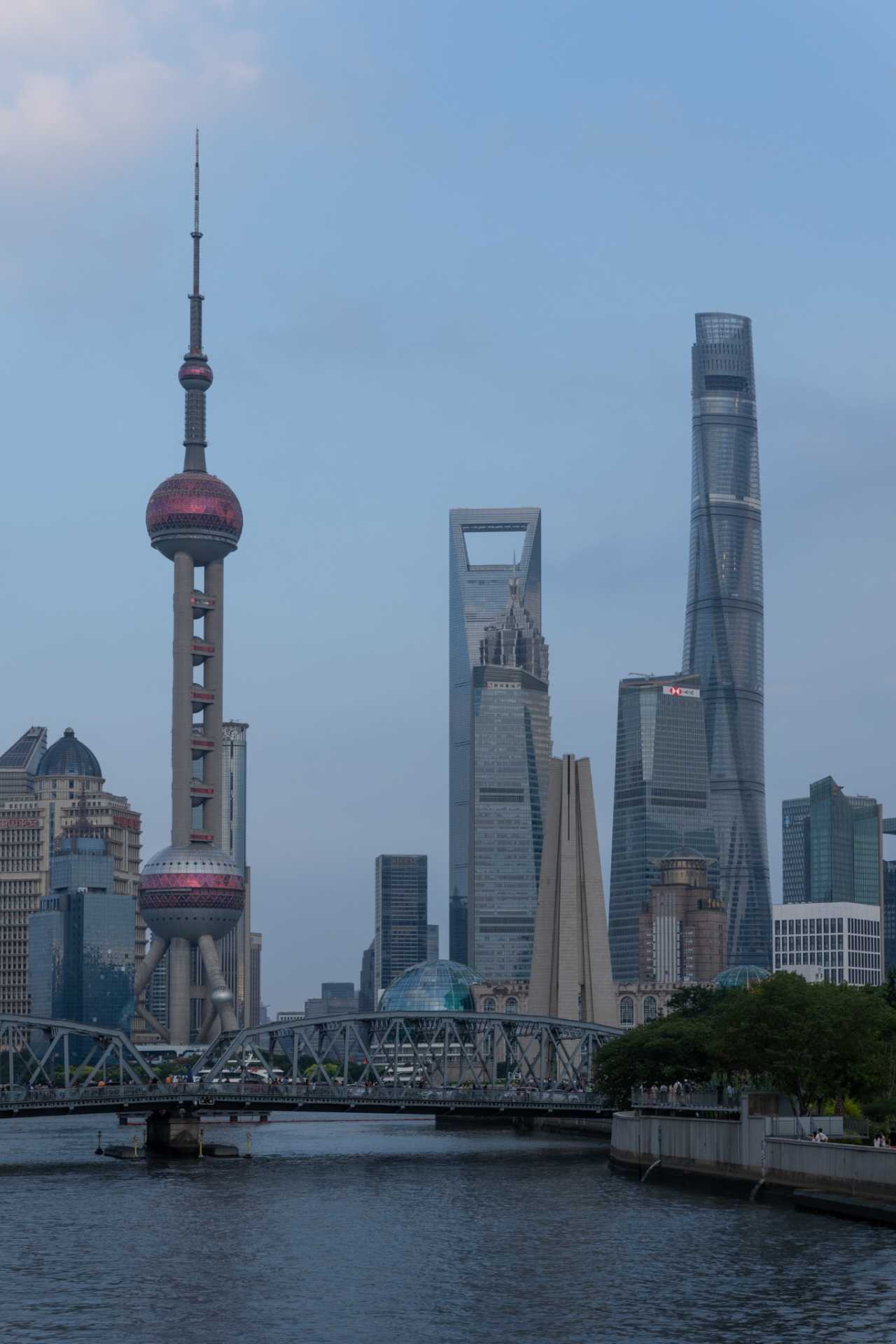
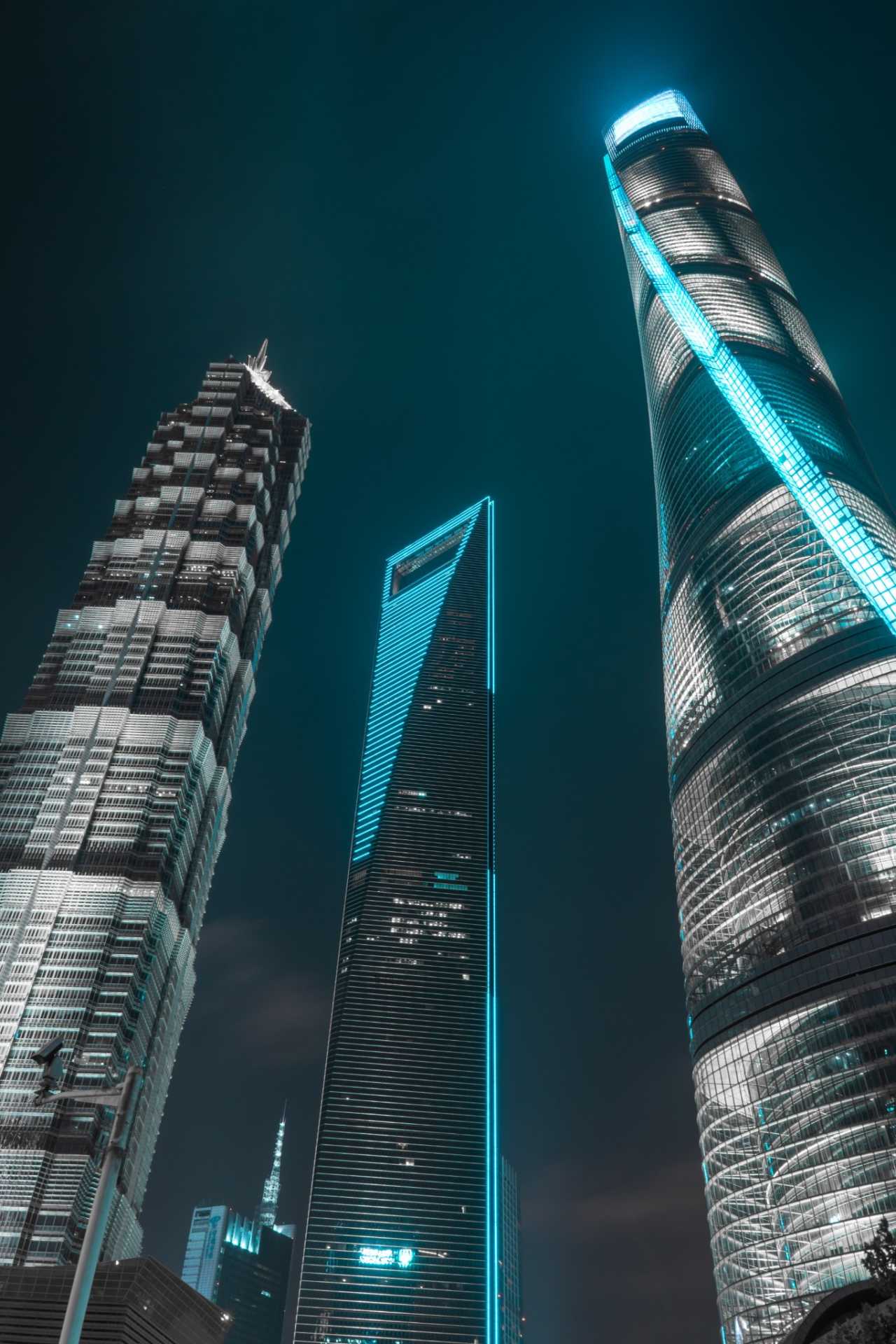
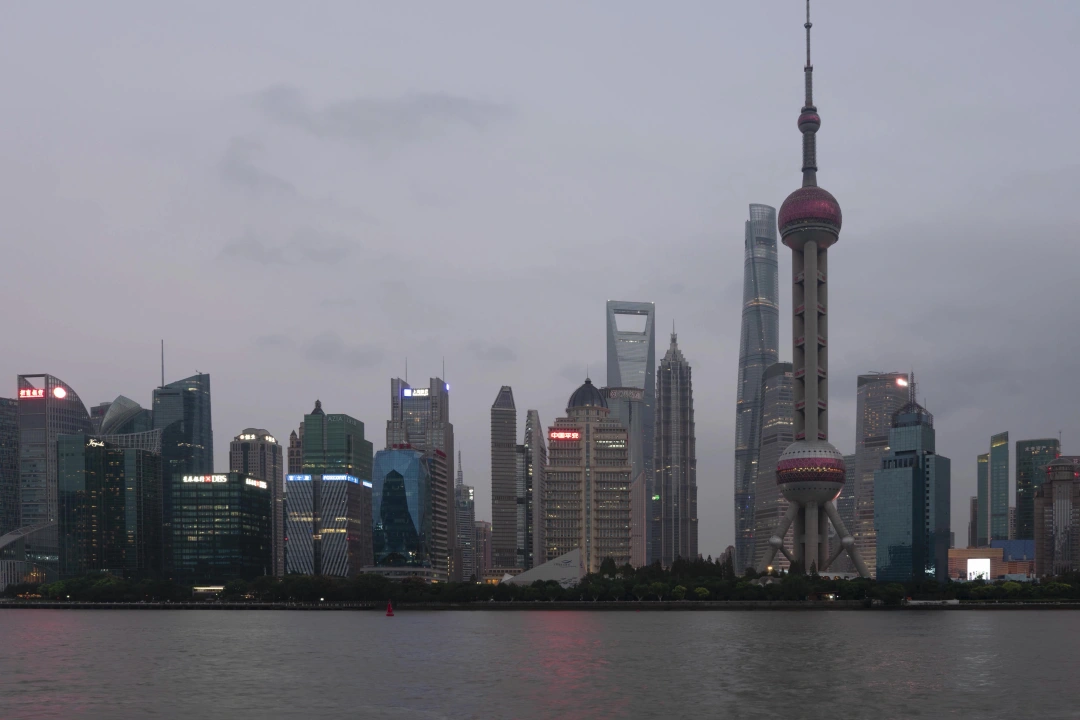
If Puxi represents history, then Lujiazui is the future. Across the Huangpu River, this once sleepy area of farmland and warehouses has transformed into China's most iconic skyline. The Oriental Pearl Tower, Shanghai Tower, and Shanghai World Financial Center form a trio of architectural marvels that define the city's modern identity.
Lujiazui's rise began in the 1990s when the Chinese government designated Pudong as a special economic zone. Within two decades, it became the financial heart of China, housing the Shanghai Stock Exchange and headquarters of major banks and multinational corporations. The contrast with Puxi is deliberate—a testament to Shanghai's ability to reinvent itself while honoring its past.
[Link: Top things to do in Lujiazui]
Why Shanghai is Called the "Magic City"
The nickname "Magic City" (Mó Dū) originated from a Japanese novel in the 1920s that described Shanghai as a place of mystery, danger, and enchantment. The term stuck because it perfectly captured the city's essence: a place where East and West, old and new, tradition and modernity coexist in a constant, dynamic tension.
Key reasons why the name fits:
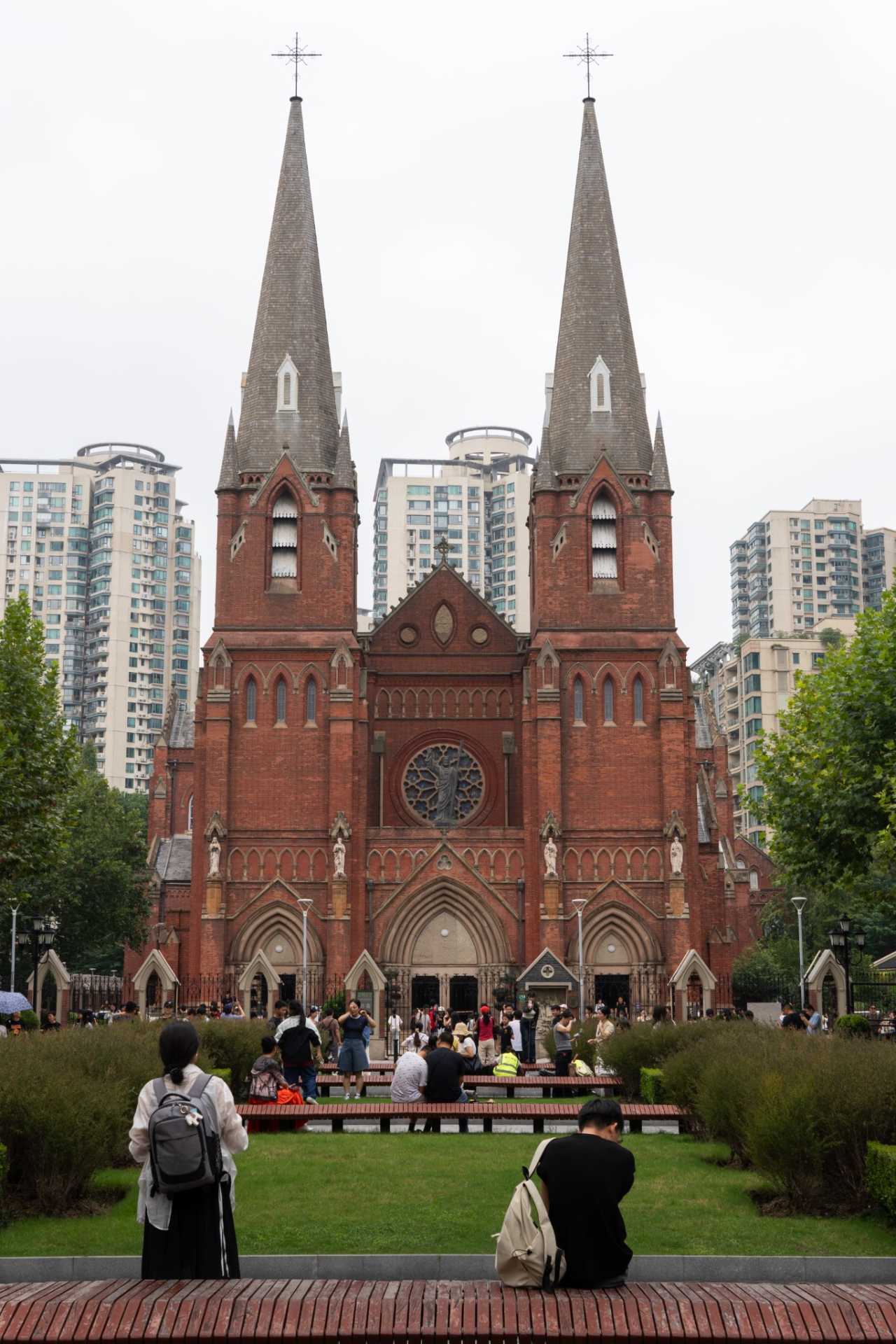
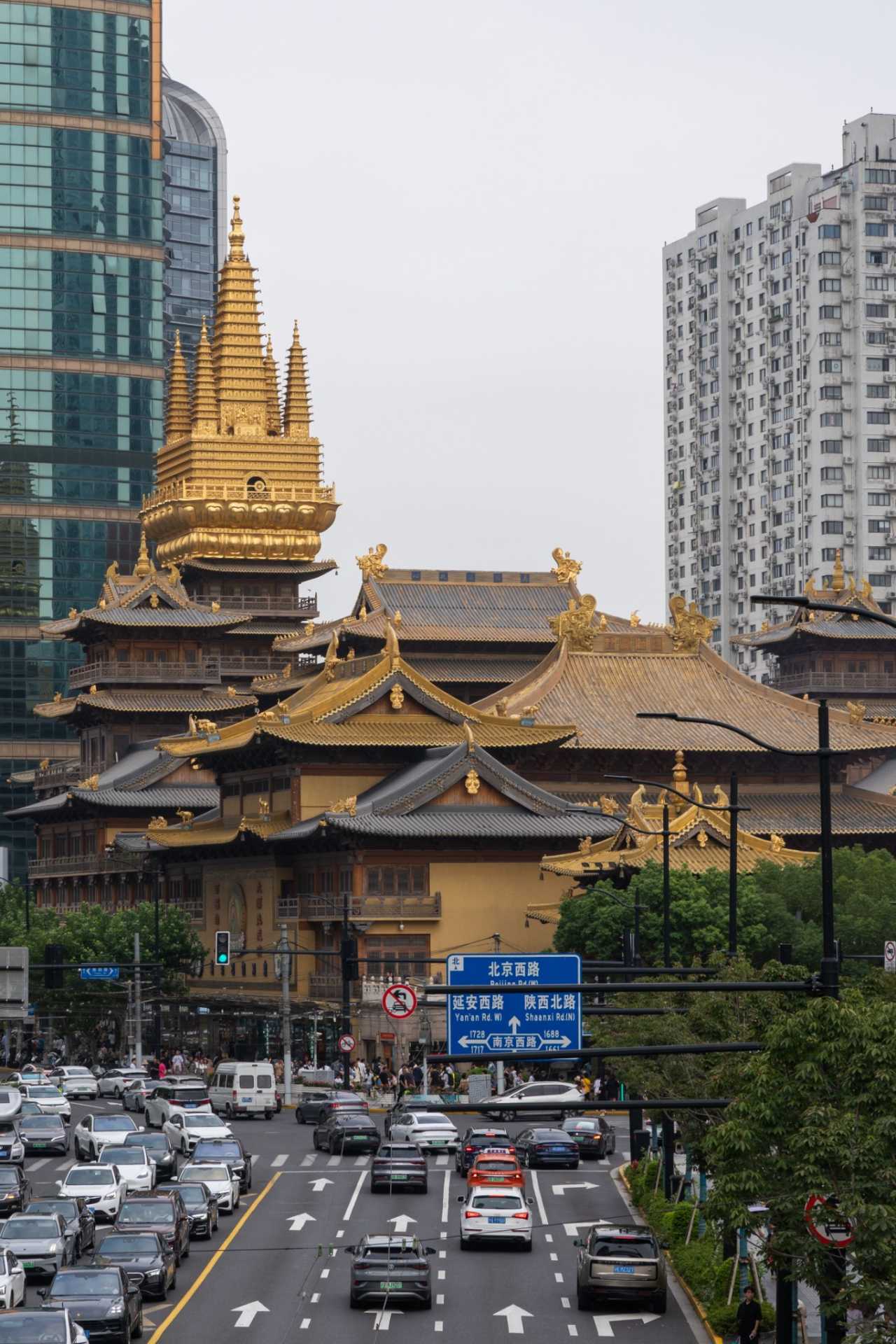
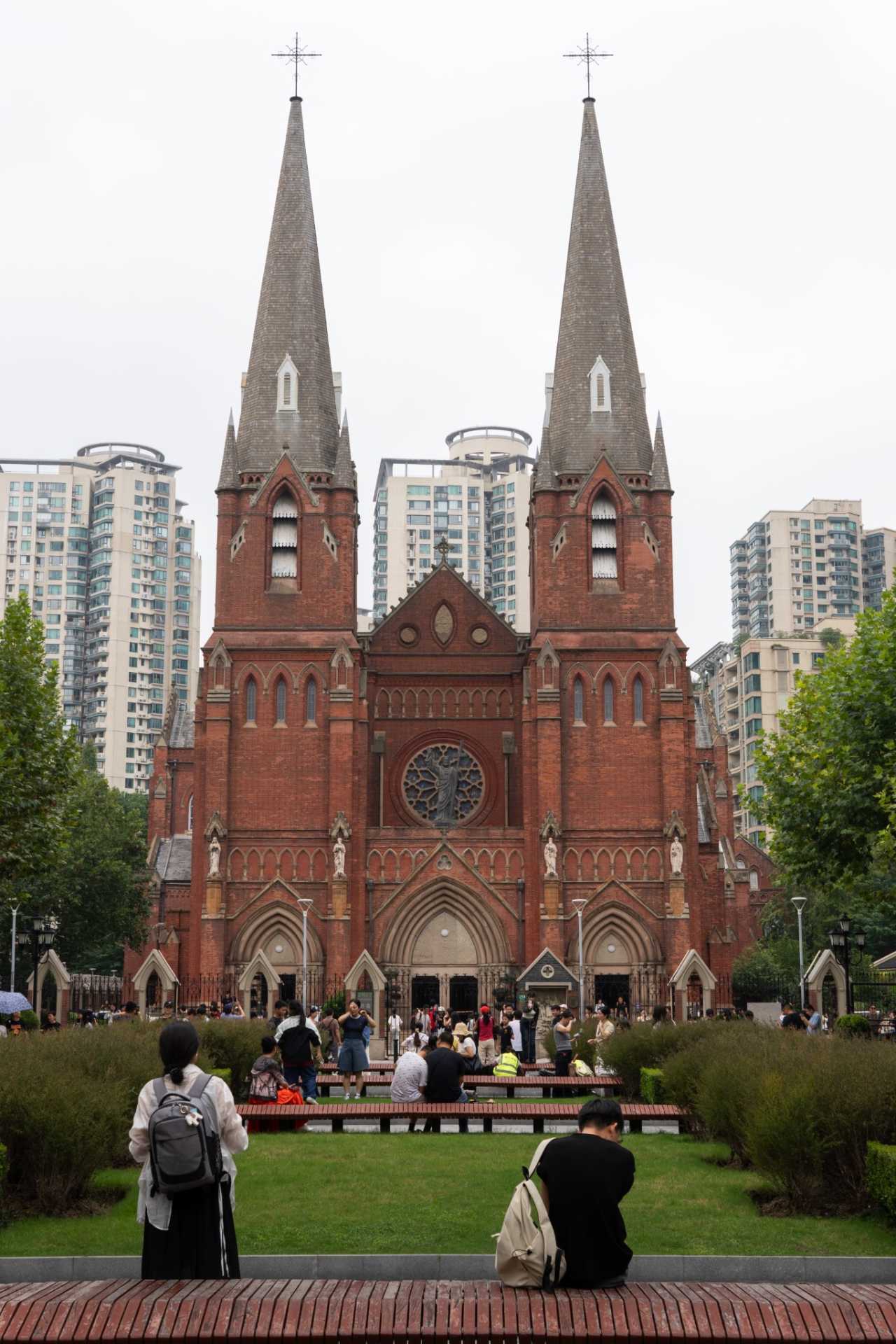
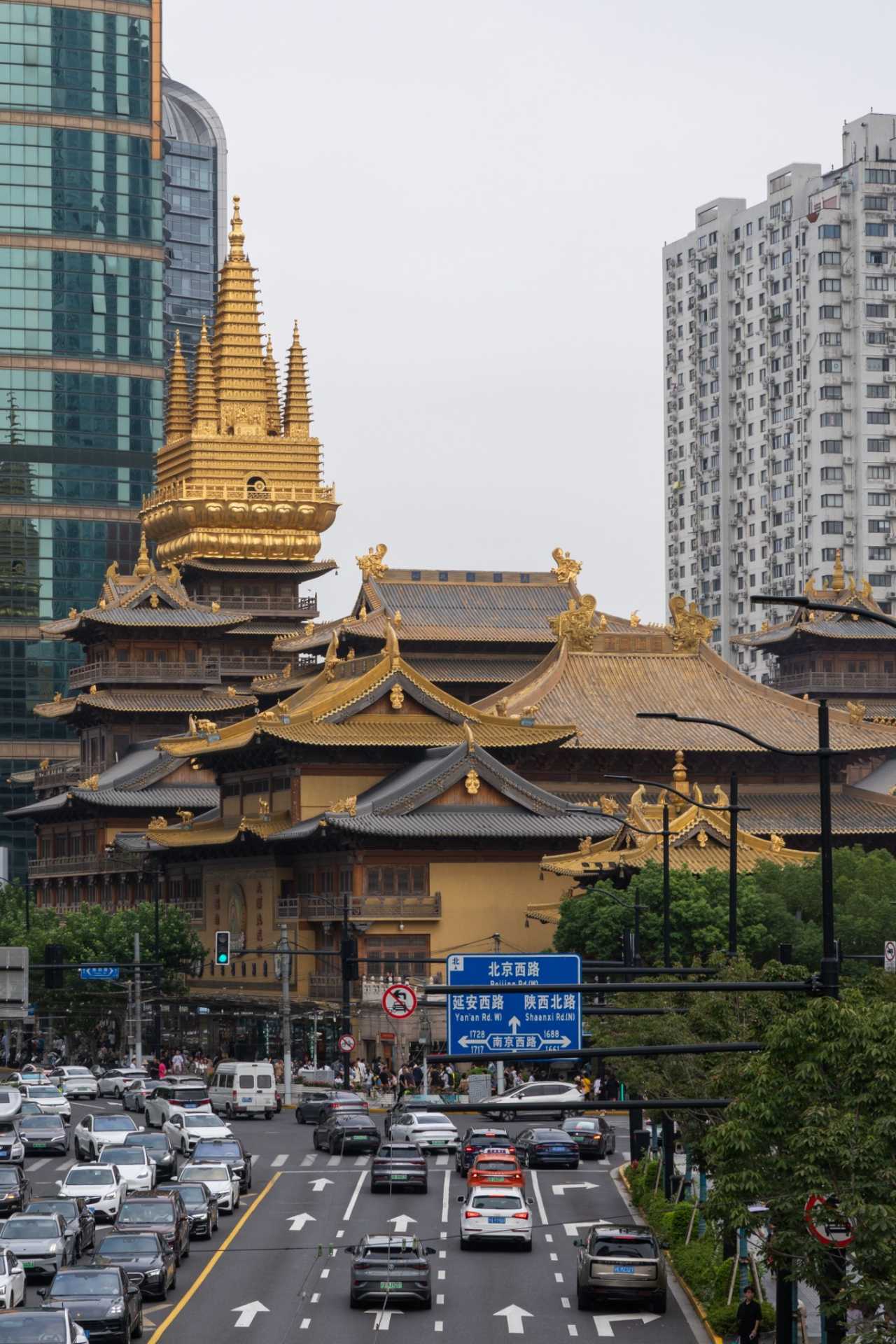
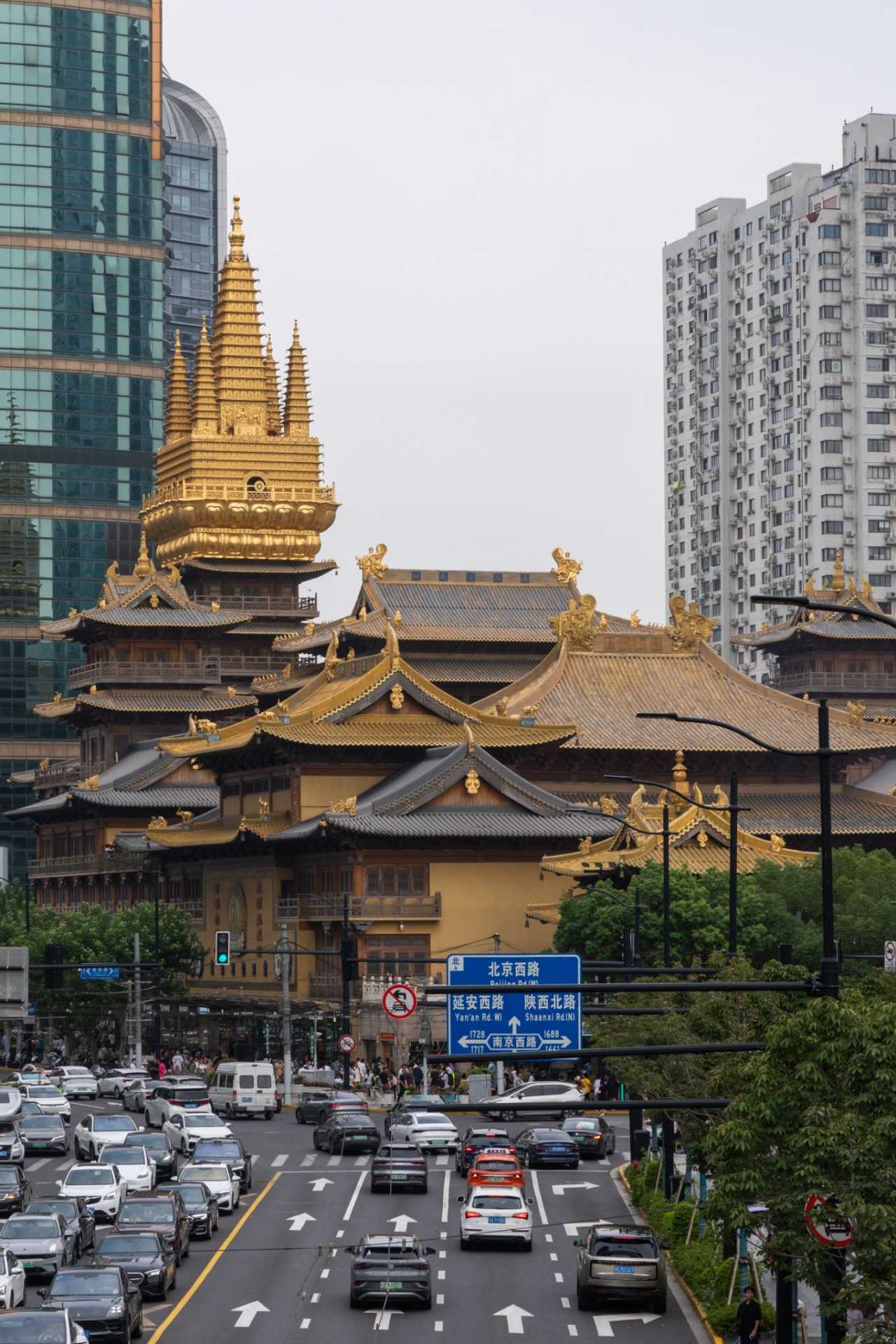
- Architectural fusion: Gothic cathedrals stand beside Buddhist temples; Art Deco buildings neighbor traditional shikumen (stone-gate) houses.
- Cultural hybridity: Shanghai's cuisine blends local flavors with Western influences (think shengjianbao and Russian borscht).
- Economic duality: From luxury boutiques on Huaihai Road to bargain stalls in Qipu Road, Shanghai caters to all.
- Historical layers: The city's past as a treaty port, wartime refuge, and socialist industrial center is visible in every neighborhood.
[Link: Shanghai's cultural history explained]
FAQ: Shanghai's Magic City Identity
1. What does "Magic City" mean in Chinese?
The term is "Mó Dū" (魔都), literally "Magic Capital" or "Enchanted City." It was popularized by a 1924 Japanese novel about Shanghai's mysterious and dangerous allure.
2. Is Shanghai still a "magic city" today?
Absolutely. Modern Shanghai blends cutting-edge technology with deep history—from AI-powered metro systems to century-old lilong alleyways. The magic lies in its ability to constantly evolve while preserving its heritage.
3. What is the best way to experience Shanghai's East-meets-West vibe?
Start at the Bund at sunrise, cross the Huangpu River via the Bund Sightseeing Tunnel, explore Lujiazui's skyscrapers, then end your day in the French Concession's tree-lined streets and art deco cafes.
4. How did Shanghai become a global city?
The 1842 Treaty of Nanjing opened Shanghai to foreign trade, creating international concessions that attracted global capital. The 1990s Pudong development further cemented its status as a financial hub.
5. What are the must-visit areas in Shanghai for first-time tourists?
The Bund, Nanjing Road, Lujiazui, the French Concession, Yuyuan Garden, and Tianzifang. Each offers a different facet of Shanghai's magic.
[Link: Shanghai travel guide for first-timers]
Conclusion: Experience the Magic of Shanghai
Shanghai is not just a city—it's a living museum of contradictions and harmonies. From the colonial grandeur of the Bund to the futuristic skyline of Lujiazui, from the narrow lilong of the French Concession to the neon-lit streets of Nanjing Road, every corner tells a story of transformation and resilience.
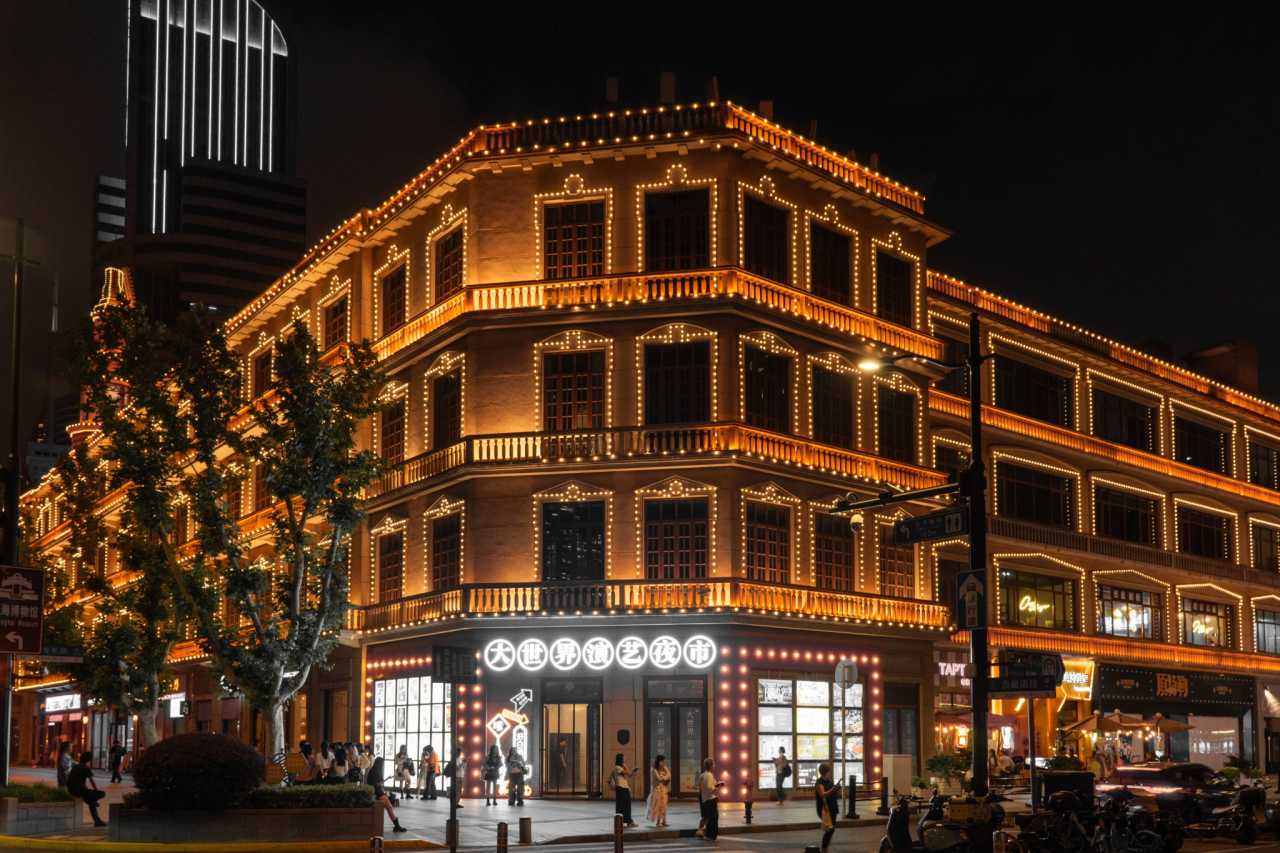
Whether you're a history buff, architecture lover, foodie, or fashionista, Shanghai offers an experience like no other. The "Magic City" lives up to its name—not through illusions, but through its real, tangible magic of blending East and West, past and future, into a single, unforgettable tapestry.
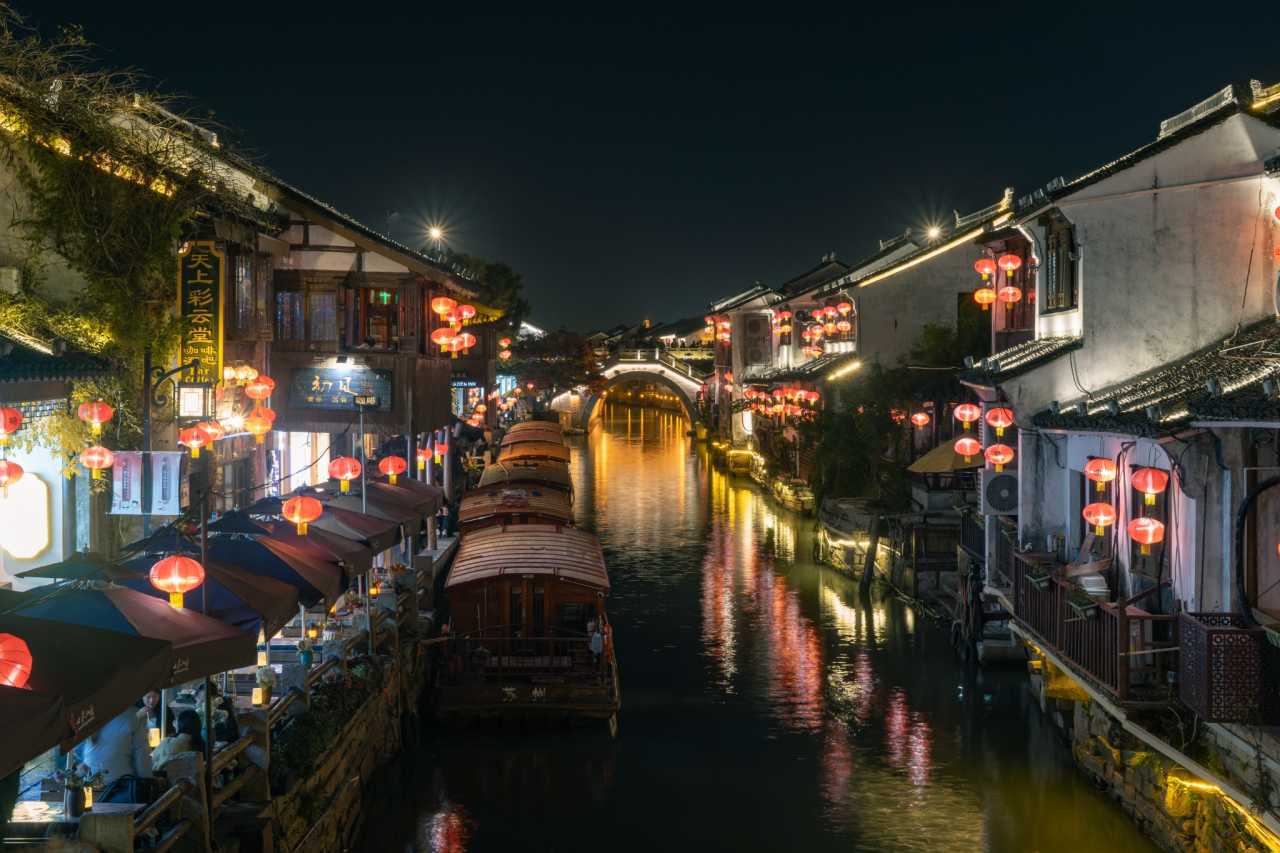
Ready to discover Shanghai's magic? Plan your trip today. Book your Bund walking tour, reserve a spot at the Peace Hotel's jazz bar, and prepare to be enchanted by the city that never sleeps.
[Link: Book Shanghai tours and experiences]
Keywords used: Shanghai Magic City, Far Eastern Magic City, Shanghai history, Bund architecture, Lujiazui skyline, East meets West Shanghai, Shanghai travel guide, Shanghai cultural heritage, Shanghai nickname origin, Shanghai tourist attractions.