My Shanghai Moment: A Frozen Slice of Time at 1933 Old Millfun
Here is the SEO-optimized rewrite of your article. I have restructured it for search engine visibility while preserving the poetic tone and factual accuracy of the original.
SEO Title: 1933 Old Millfun Shanghai: A Guide to the Iconic Slaughterhouse Art Space
Meta Description: Discover 1933 Old Millfun in Shanghai, the former slaughterhouse turned art hub. Explore its brutalist architecture, get photo tips, and find out how to visit this unique cultural landmark.
1933 Old Millfun Shanghai: A Frozen Slice of Time at the Far East's Most Haunting Art Space
Introduction: Why a Former Slaughterhouse is Shanghai's Most Unique Attraction
Have you ever imagined that a place once used for slaughtering livestock would one day become a pilgrimage site for hipsters and art lovers? It sounds a bit absurd, but that is the magic of Shanghai. She has a way of taking the roughest, rawest realities and polishing them into the most tender art. 1933 Old Millfun is the perfect footnote to this city's magical realism.
It was a lazy afternoon. Sunlight slanted through the old lilong (traditional alleyway) neighborhoods of Shanghai, and I decided to visit this so-called "internet-famous landmark." I didn't have high expectations. Little did I know, stepping inside would feel like walking into a black-and-white film, where every frame was steeped in the texture of time. This guide will show you how to experience this frozen slice of Shanghai history.
How to Get to 1933 Old Millfun: A Hongkou District Adventure

If you want to experience this unique place yourself, the route is simple. 1933 Old Millfun is located in the Hongkou District, an area rich with old Shanghai character.
- Metro: Take Metro Line 4 to Hailun Road Station. Exit from Gate 2.
- Walking Route: Walk slowly along Tongjia Road, passing through Harbin Road and Jiaxing Road. Cross the Jiaxing Road Bridge, then turn into Shajing Road. About ten minutes later, a gray concrete building will appear before you. It's not flashy like other attractions. It is almost taciturn.
Along the way, you will pass Shanghai's everyday street life—bed sheets fluttering on clotheslines, elderly men playing chess, and the scratchy sound of Shanghai opera drifting from a radio. This walk is a perfect prelude to the building's quiet intensity.
History of 1933 Old Millfun: From the Far East's Largest Slaughterhouse to Art District
Standing at the entrance, it is hard to imagine that this building, now brimming with artistic energy, was once known as the "Far East's No. 1 Slaughterhouse."
- Architectural History: Built in 1933 by British architect Balfours, it employed the most advanced "flat slab" structural design of its time. The entire building has no supporting columns—the concrete walls bear all the weight. This allowed for massive open spaces and efficient drainage.
- The Transformation: As times changed, the slaughterhouse gradually faded from use. In 2008, after a meticulous renovation, it transformed into a creative industry park. The old slaughtering rooms became designers' studios. The livestock passageways became photo spots for visitors. This "glamorous makeover" is a testament to Shanghai's ability to turn ruins into treasures. [Link: History of Hongkou District]
Exploring the Architecture: A Maze of Light and Shadow

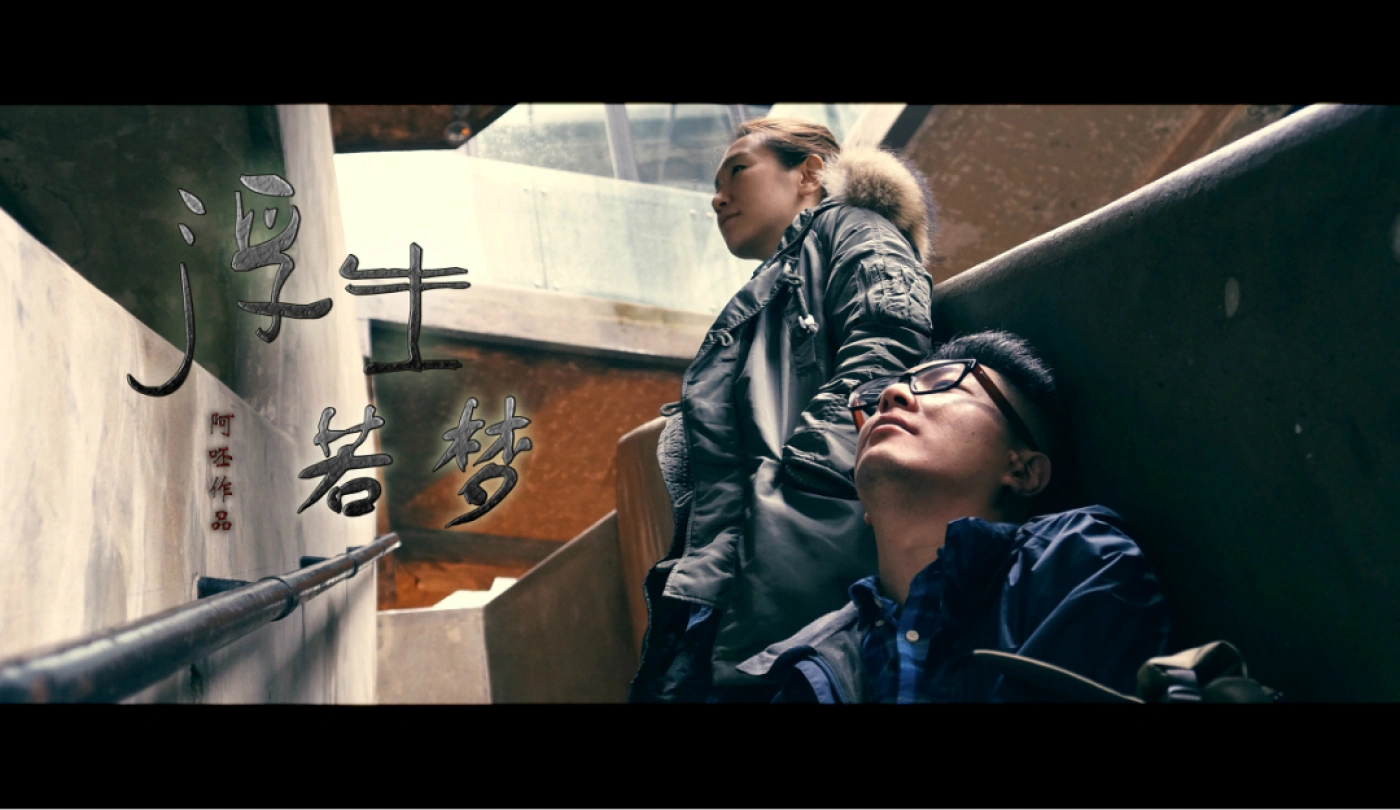
Pushing open the heavy iron door, a chill greets you. The interior is surprisingly quiet. Looking up, you see massive umbrella-shaped columns supporting the entire structure. Sunlight pours through skylights, casting shifting patterns of light and shadow on the mottled walls.
The most captivating feature is the spiral walkway. It coils around the building like a giant python, stretching from the ground floor to the top. This layered, tiered structure gives the entire space a three-dimensional feel. Light seems to come alive here, entering from different angles and creating patterns of depth and shade. Standing there feels like being inside a giant charcoal sketch.
The Beauty of the Macabre: A Haunting Atmosphere
To be honest, wandering through these complex spaces, I didn't feel the so-called "artistic vibe." Instead, I felt a certain eeriness. Not the kind that scares you, but a vague, indescribable oppression. Maybe it is the heavy weight of history. Standing inside, you can't help but feel small.
When I sorted through my photos later, I found I didn't dare add a watermark. Not because of copyright, but because the images themselves carried a kind of "heaviness"—as if they were memories stolen from another time, tinged with the scent of blood and sweat. That is the magic of this space: in the moment you press the shutter, you feel the weight of time.
Photography Tips for 1933 Old Millfun: How to Capture Cinematic Photos
If you are planning to take photos here, follow these tips for the best results:
- Timing: Visit on a weekday afternoon (2:00 PM – 4:00 PM) when the light is softest and crowds are minimal.
- Gear: Bring a wide-angle lens. Only a wide-angle can capture that sense of depth and the feeling of being "inside the frame."
- Composition: Don't just chase popular spots. The unremarkable corners often hold the biggest surprises—like the shadows at a stairwell landing or the light spots under a skylight.
- Mindset: Focus on the "feeling." Let yourself sink into the space first. When you truly resonate with it, every shot you take will be a masterpiece.
What to Do Nearby: Exploring the Soul of Shanghai
Don't leave in a hurry after visiting 1933 Old Millfun. The surrounding Hongkou District is a treasure trove of local culture.
- Shajing Road: Walk along this road to see old lilong alleyways that preserve Shanghai's most original street life.
- Local Eateries: Try a bowl of scallion oil noodles or a plate of shengjianbao (pan-fried pork buns) for a taste of Shanghai's everyday warmth.
- Duolun Road: This nearby cultural street is within walking distance. Literary giants like Lu Xun once lived here. It is a nostalgic art district perfect for a quiet afternoon. [Link: Duolun Road Cultural Street Guide]
Frequently Asked Questions (FAQ)
1. Is 1933 Old Millfun free to enter? Yes, admission to 1933 Old Millfun is completely free. It is a public cultural park.

2. What is the best time to visit for photography? The best time is between 2:00 PM and 4:00 PM on a weekday. The low-angle sunlight creates dramatic shadows and highlights the brutalist architecture perfectly.
3. How long should I spend at 1933 Old Millfun? A visit typically takes 1 to 2 hours. This allows time to explore the main corridors, take photos, and feel the atmosphere. You could easily spend longer if you are a serious photographer.
4. Is it safe to walk around the building? Yes, it is safe, but the interior is complex with many levels and winding stairs. Watch your step and wear comfortable shoes. Flash photography is prohibited in some areas to protect the artworks.
5. What is the history of the building? It was built in 1933 as the Far East's No. 1 Slaughterhouse. It was designed by British architect Balfours and featured revolutionary "flat slab" concrete construction. It was renovated into an art space in 2008.
Conclusion: Find Your Own Shanghai Moment
When I stepped out of 1933 Old Millfun, the sky had already darkened. Streetlights came on, outlining the building's silhouette sharply. I turned back to look at this gray, unassuming structure, and suddenly felt it was like a silent giant—a witness to nearly a century of Shanghai's transformation.
That is Shanghai for you. It has the skyscrapers of Lujiazui and the historical relics of this former slaughterhouse. Everyone can find their own "moment" here: maybe it is the sunset on the Bund, or maybe it is that beam of light streaming through a skylight in Old Millfun.
Ready to experience this frozen slice of time? Plan your visit to 1933 Old Millfun today.
- Address: No. 611 Liyang Road, Hongkou District, Shanghai
- Transport: Metro Line 4, Hailun Road Station, Exit 2
- Admission: Free
- Recommended visit duration: 1–2 hours
Have you visited 1933 Old Millfun? Share your experience or your best photo spot in the comments below!
This article is original content. Unauthorized reproduction is prohibited.