Strolling Through Huangpu: Seeking the Soul of Old Shanghai — When Modernity Fades, the Warmth of the Alleyways Remains
Meta Description: Discover the authentic soul of Old Shanghai beyond the skyscrapers. Explore Huangpu's hidden alleyways, historic villas, and stone-gate houses in this SEO-optimized travel guide. Experience the warmth that remains when modernity fades.
Introduction: Why Huangpu Holds the Key to Shanghai's True Character
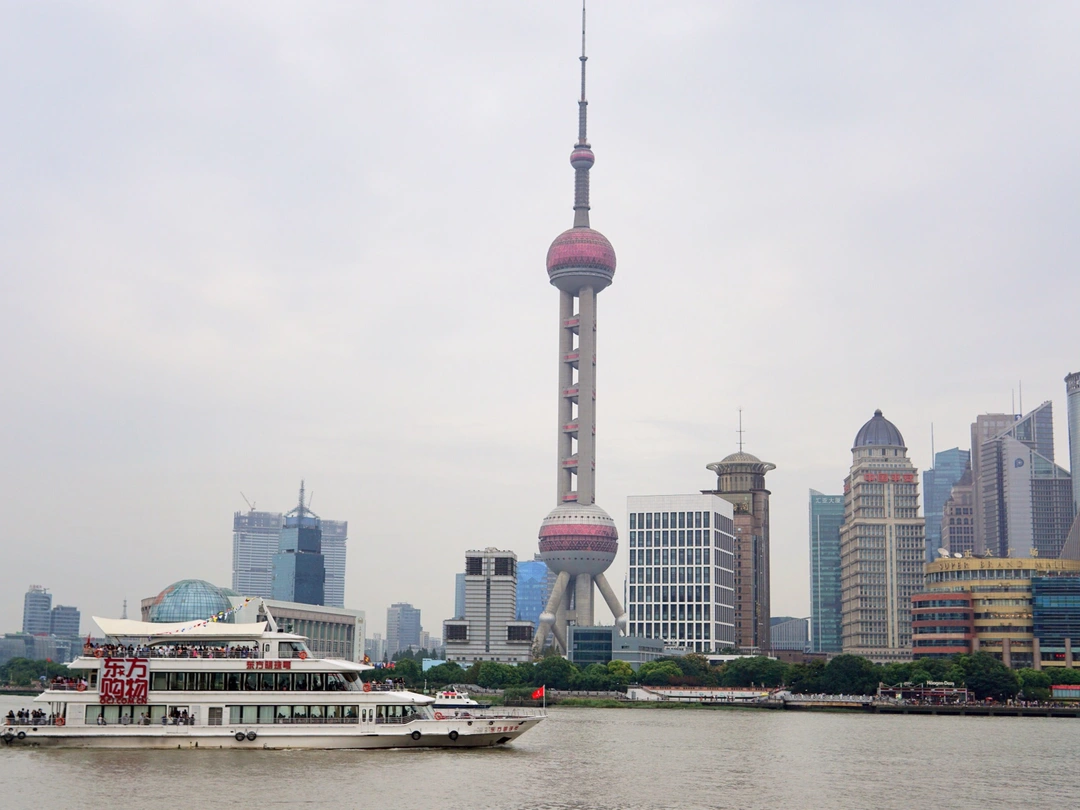
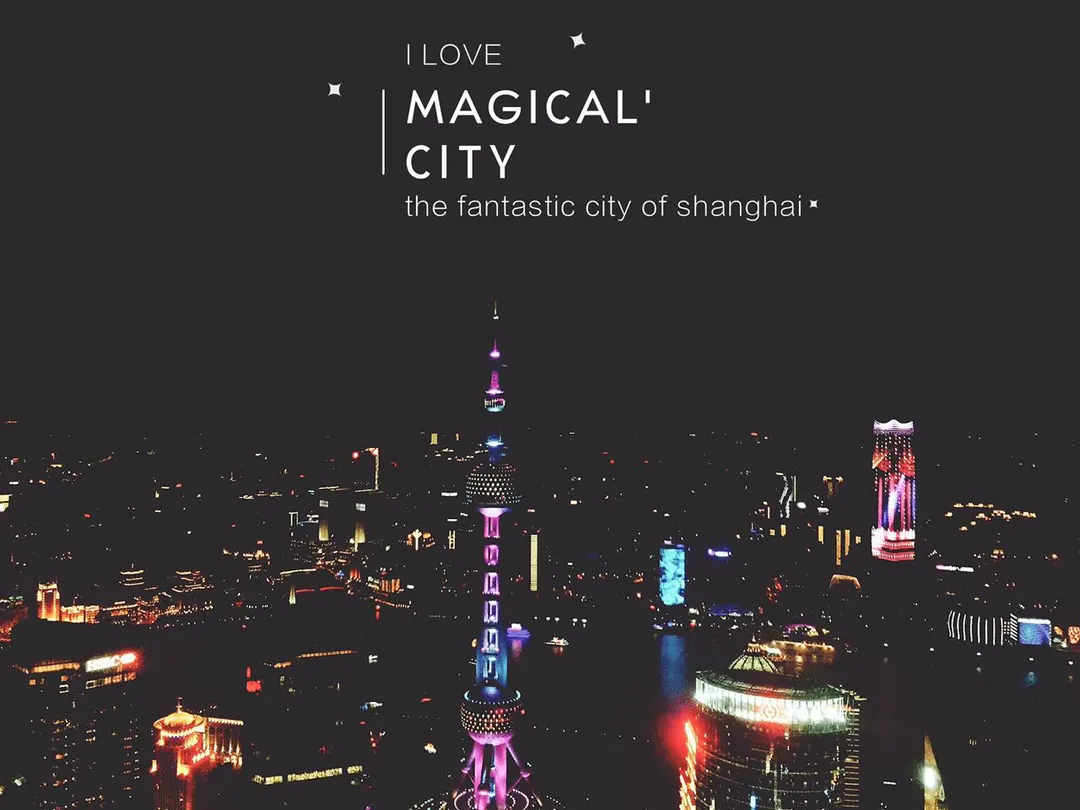
Shanghai is a city of dazzling contrasts. On one hand, the futuristic skyline of Pudong and the neon-lit streets of Nanjing Road draw millions of visitors each year. On the other hand, the real Shanghai — the one that breathes, lives, and tells stories — hides in the narrow alleyways and quiet residential lanes of Huangpu District.

If Beijing's soul lies in the glazed tiles of the Forbidden City and the stones of the Great Wall, where does Shanghai's soul reside? It's a perplexing question. The "Magic City" is magical precisely because it's so rich — stylish, modern, avant-garde — yet these words all seem to lack a certain warmth, a touch of everyday life.
For travelers seeking an authentic Shanghai experience, the answer is clear: step away from the skyscrapers and dive into the old alleyways hidden beneath the shadows of plane trees. This is where the soul of Old Shanghai truly resides.
In this guide, we'll take you on a curated journey through Huangpu's most evocative neighborhoods — from the preserved villas of Sinan Mansions to the labyrinthine charm of Tianzifang and the timeless beauty of Wukang Road. You'll discover why Huangpu alleyway walking tours are the best way to experience Shanghai's hidden heart.
Why Huangpu District? The True Foundation of Shanghai
We're not shoppers, and the Ferris wheel in Pudong or the crowds on Nanjing Road held no appeal. After some thought, we decided to focus on Huangpu District. Its alleyways, old Western-style villas, and stone-gate houses are Shanghai's true foundation.
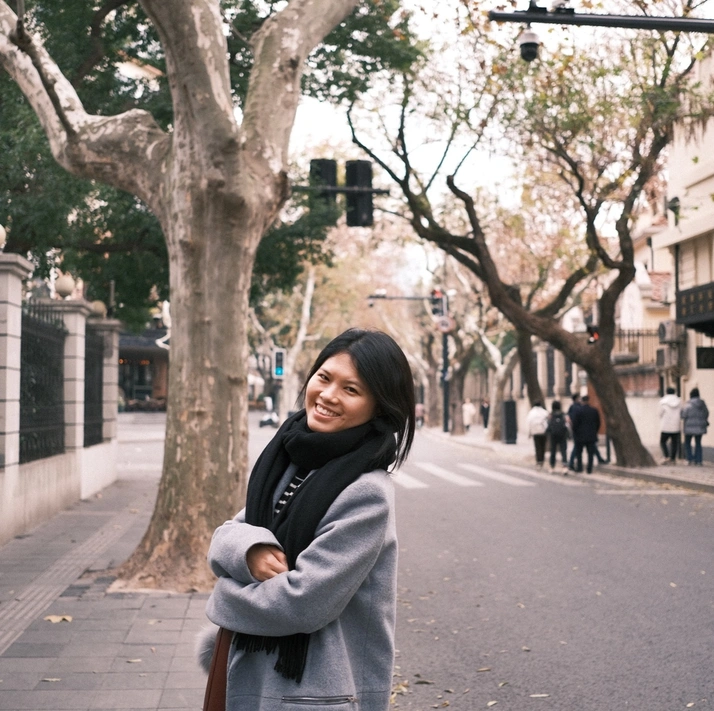
Huangpu is home to some of the city's most iconic historic neighborhoods:
- Sinan Road – Lined with elegant villas from the 1920s and 1930s
- Fuxing Road – A quiet boulevard with preserved Art Deco buildings
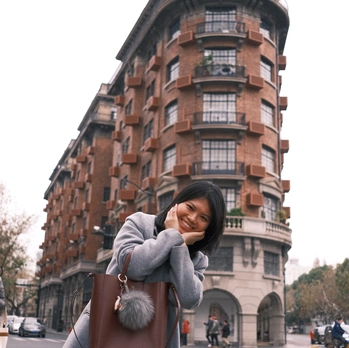
- Wukang Road – Perhaps the most photographed street in Shanghai
- Tianzifang – A maze of narrow lanes filled with boutiques and cafés
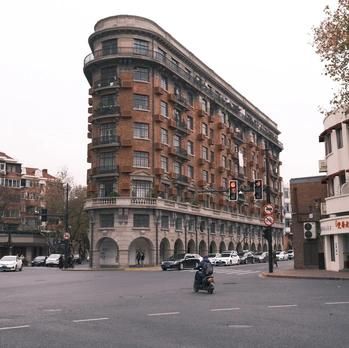
These areas offer something that the modern skyscrapers cannot: a sense of place, history, and community. When you walk these streets, you can almost hear the footsteps of eighty years ago.
[Link: Top 10 Historic Neighborhoods in Shanghai for Walking Tours]
Where to Stay: Unique Guesthouses in Huangpu
Daizhu Ergeng: A Japanese-Style Retreat with No TV
We booked a Japanese-style guesthouse called Daizhu Ergeng near Jianguo Middle Road. It wasn't cheap — over 420 yuan including breakfast — but the experience was unforgettable.
The room was a windowless tatami style, in a soft beige color scheme. The stone sink and bathtub had a nice texture, and the circular wall decoration really appealed to me. But the biggest surprise was — no TV in the room. The guesthouse's philosophy was thorough: return to the essence of sleep, let people zone out, let them be still. That night, we just curled up on the tatami, chatting, drinking tea, scrolling through our phones. It felt wonderfully peaceful.
Why choose a boutique guesthouse over a chain hotel? - Personalized service and unique design - Better pandemic-era flexibility (many chains refused guests from Beijing at the time) - Deeper immersion in the local neighborhood
[Link: Best Boutique Hotels in Huangpu District]
Sinan Mansions: Where History Meets Modernity
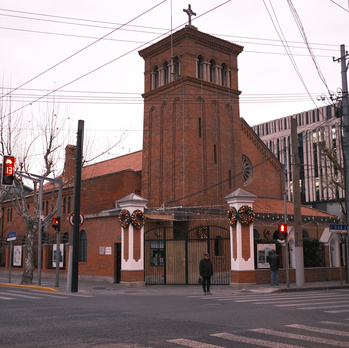
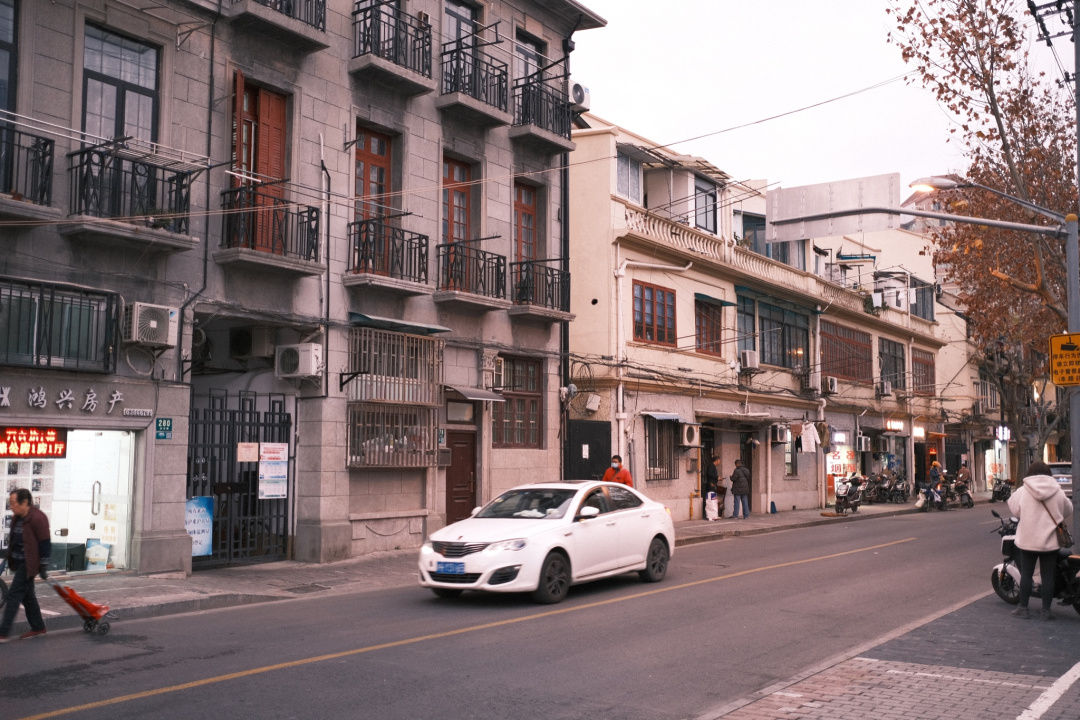
After resting at the guesthouse, we strolled along Sinan Road toward Sinan Mansions. On a late-afternoon workday near the end of the year, the streets were not crowded. The weather was overcast and slightly cool, but much more comfortable than in the north. The sidewalks were mostly filled with elderly people buying groceries or picking up grandchildren — a strong sense of everyday life.

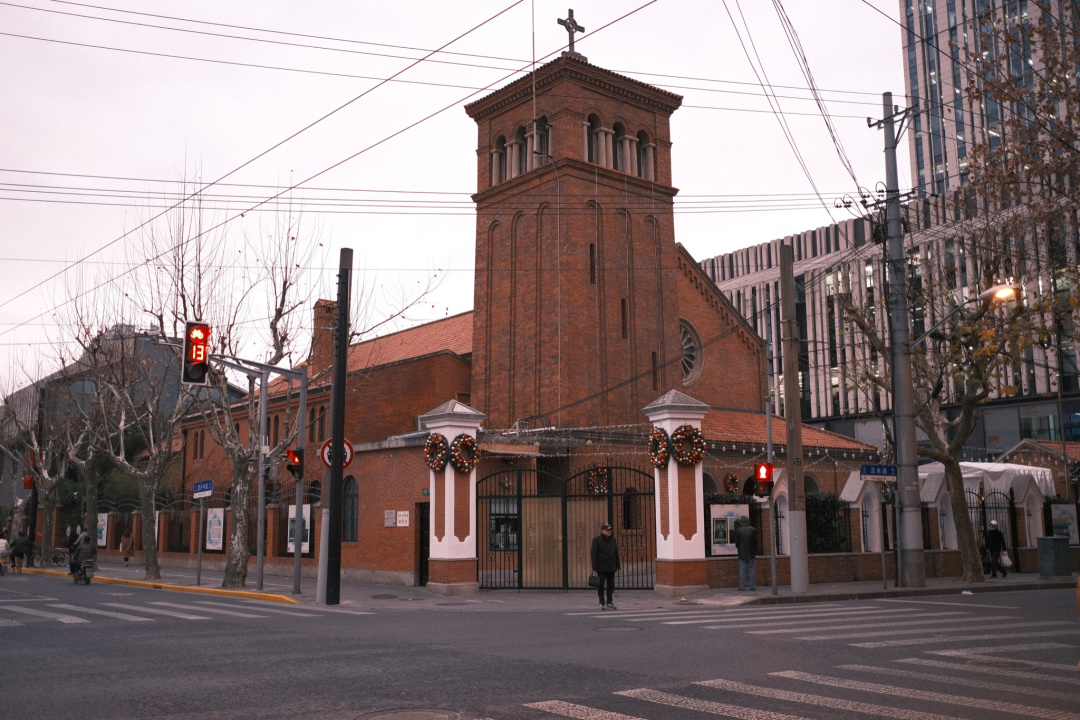
In the area around Sinan Road, Jianguo Road, Ruijin Road, and Fuxing Road, the old buildings are remarkably well-preserved. The streets aren't wide, but they are laid out with a pleasing irregularity. Many entrances bear small plaques; upon closer inspection, they mark historic buildings, some of them former residences of famous people.
What to Expect at Sinan Mansions
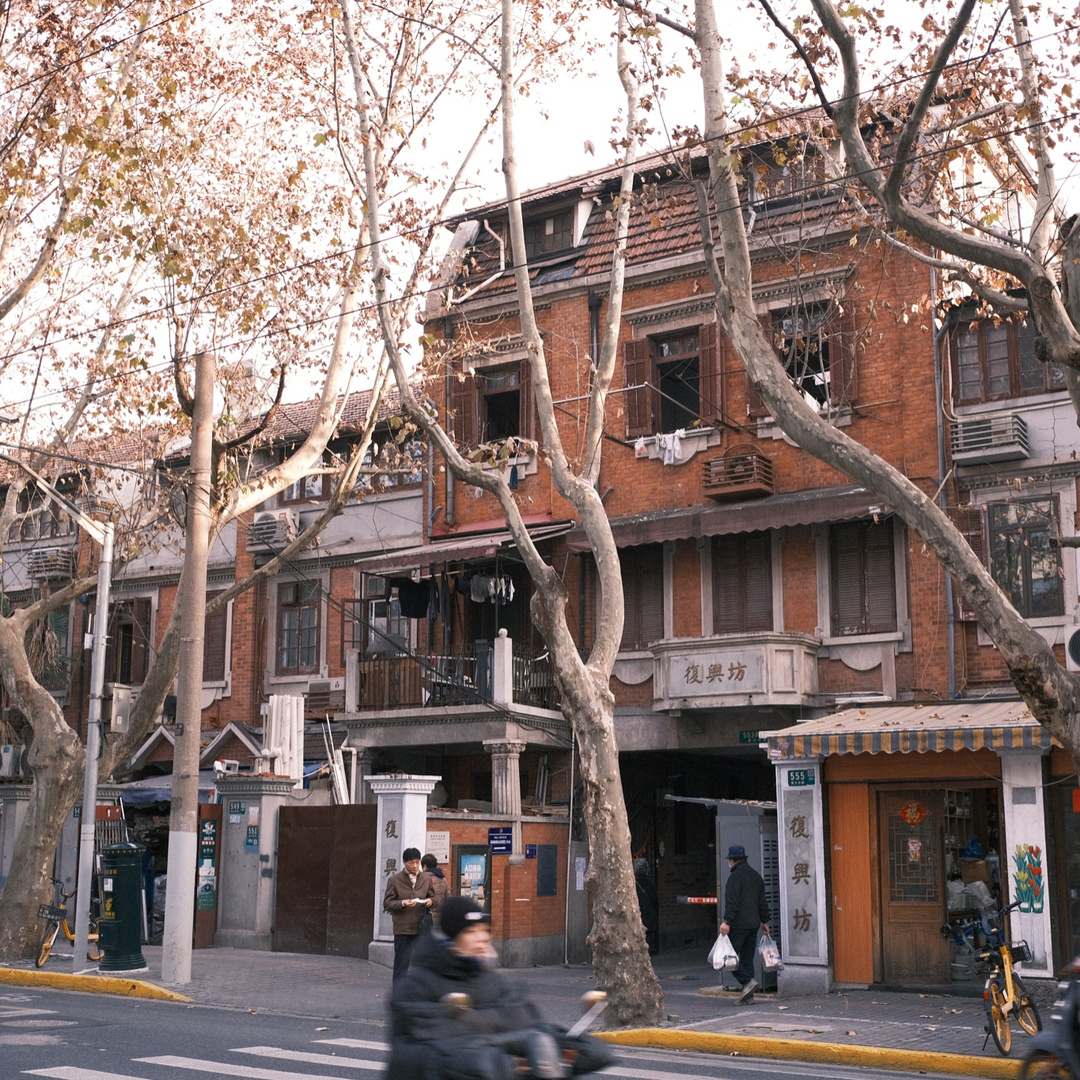
- Architecture: The villas retain their original 1920s-1930s style, though some renovation has been done
- Atmosphere: A mix of upscale restaurants, a bookstore, and small art exhibitions
- Best for: Photography, architecture enthusiasts, and those seeking a quiet escape from crowds
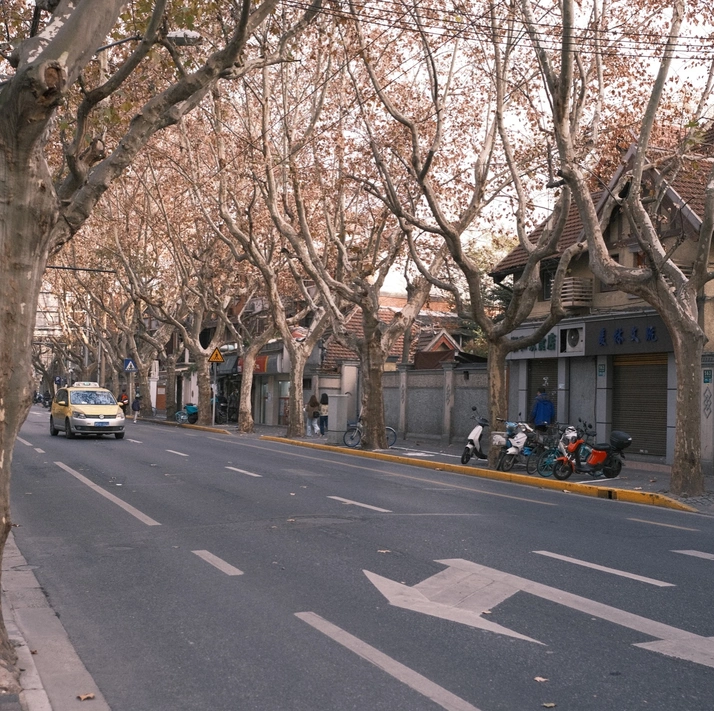
While Sinan Mansions itself felt a bit commercialized — the central square and garden are clearly designed for brand events — the surrounding streets offer a more authentic experience.
[Link: Sinan Mansions Walking Tour Guide]
Tianzifang: A Cold Night in the Labyrinth
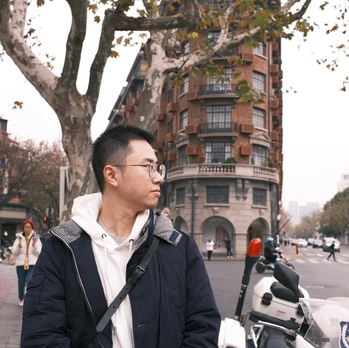
Shanghai's decentralization is truly well-executed. From our guesthouse as the center, we were within 400 meters of three subway stations — Xintiandi, Madang Road, and Dapuqiao — each with a major shopping mall above it: Xintiandi, Capitaland Plaza, and Sun Moonlight Center. This is unimaginable in Beijing. No wonder it's called the Magic City.
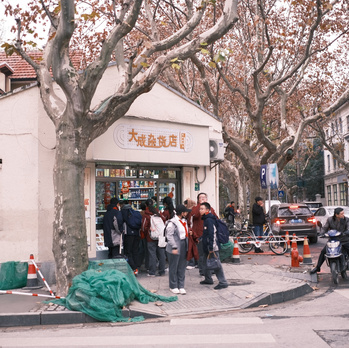
After dinner with an old friend at Capitaland Plaza, we walked a few steps to Tianzifang. My friend said it gets lively at night, but that evening it was surprisingly quiet. Perhaps it was too cold outdoors in winter, with people preferring to stay in the heated malls.
Tianzifang: A Mixed Experience
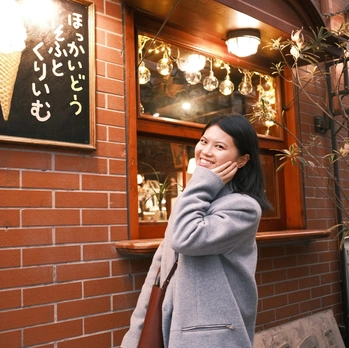
- Pros: Authentic old alleyway preserved in the city center; labyrinthine layout is fascinating
- Cons: Lacks major brands or internet-famous draws; limited reasons to spend money
- Best for: Souvenir shopping, niche brands, and small bars
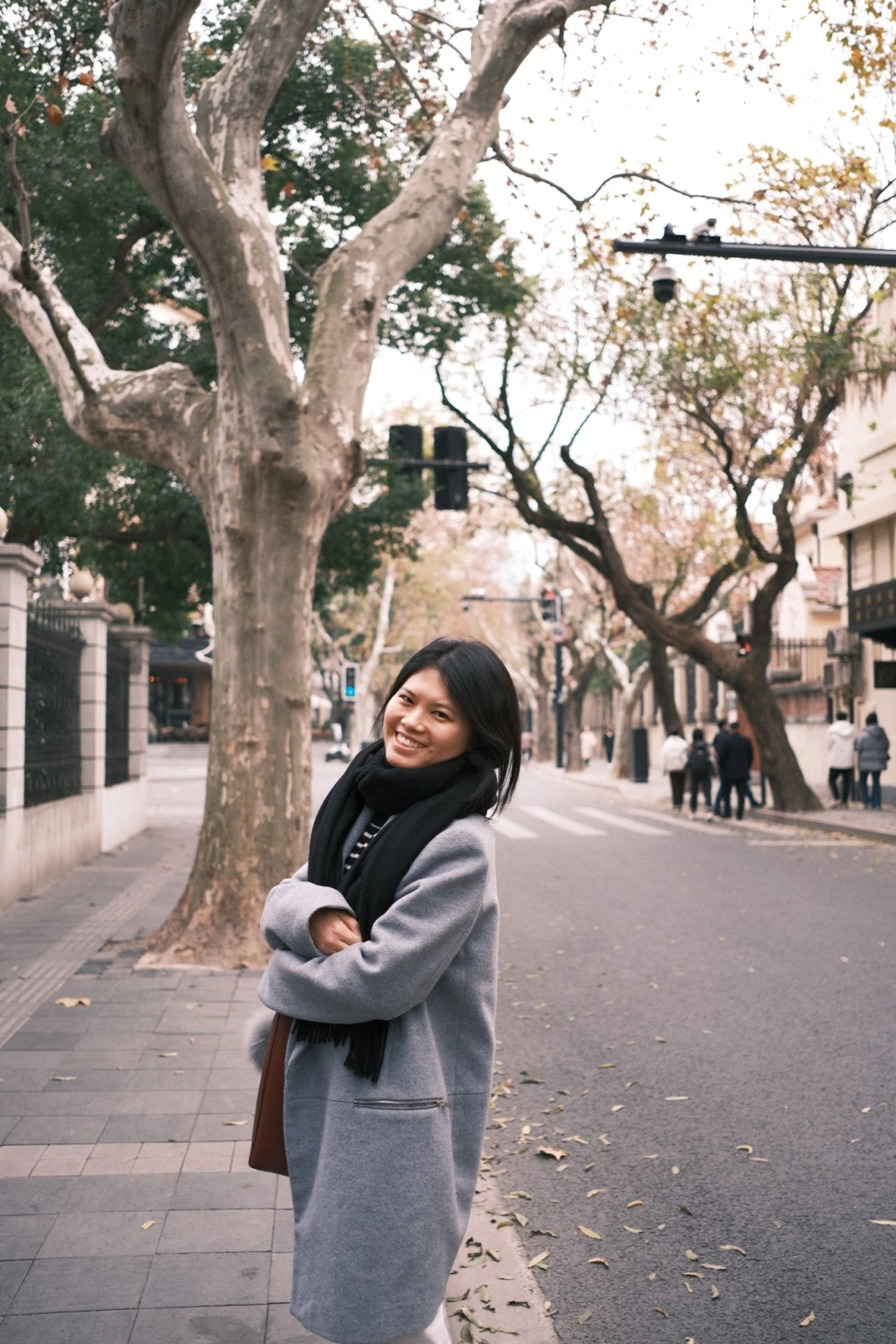
But to be fair, preserving such an authentic old alleyway in the city center, where land is incredibly valuable, is an achievement in itself.
[Link: Tianzifang vs. Xintiandi: Which Shanghai Alleyway Should You Visit?]
Wukang Road: This Is What Old Shanghai Should Look Like
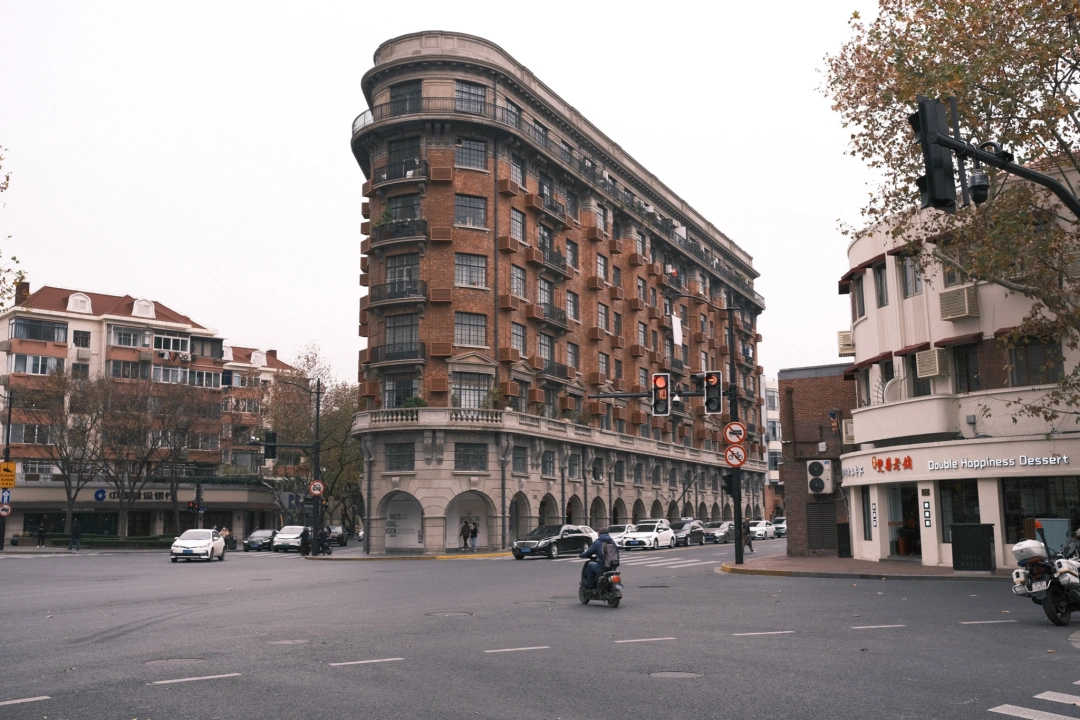
If Sinan Mansions and Tianzifang were a bit of a letdown, Wukang Road absolutely did not disappoint.
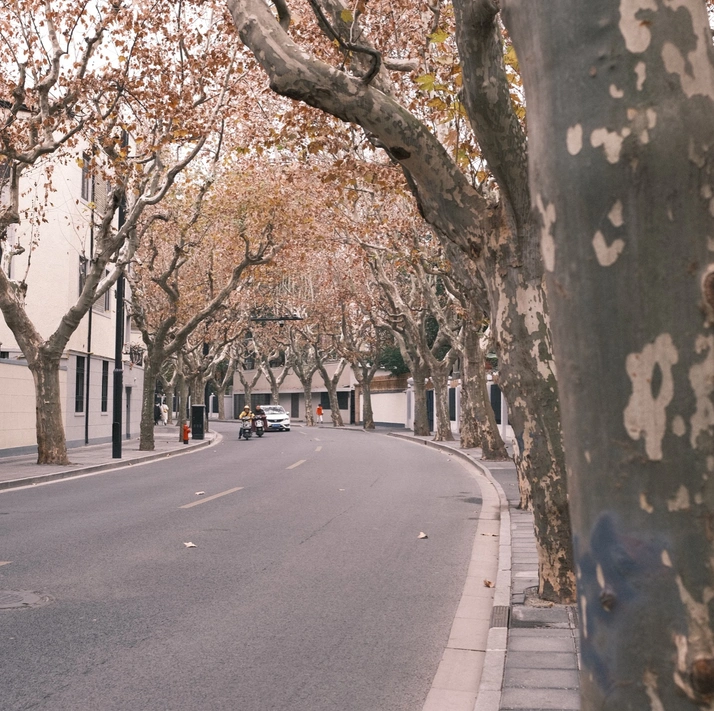
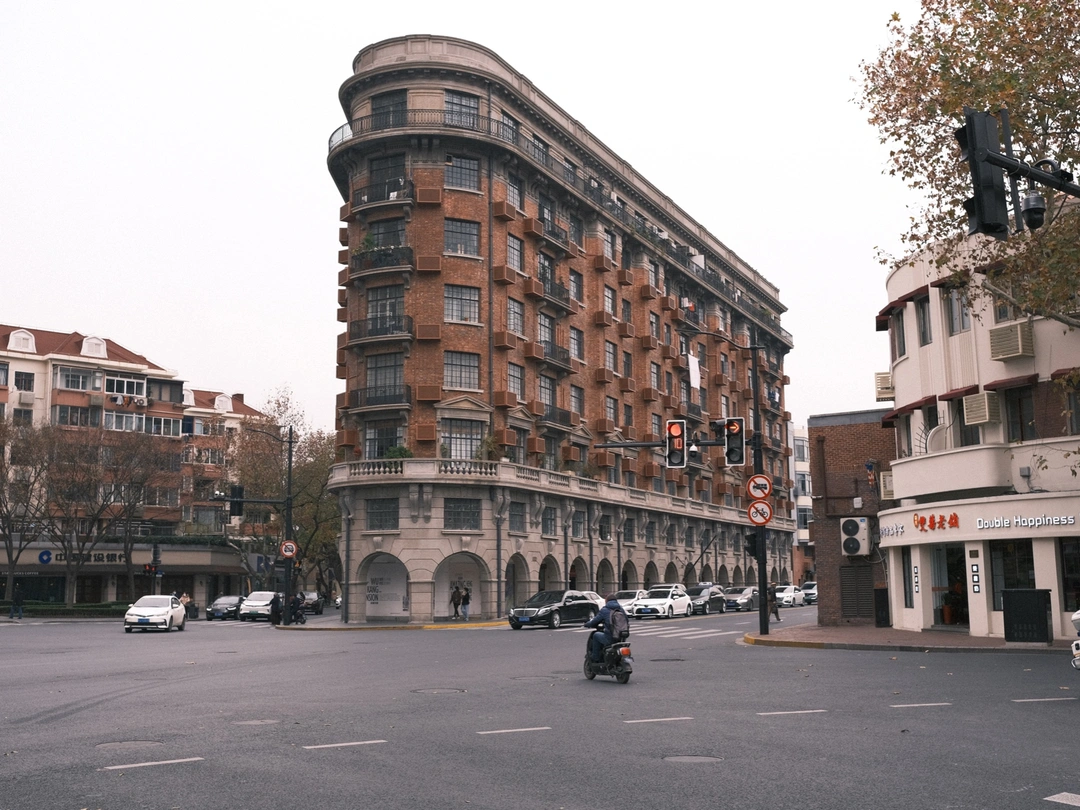
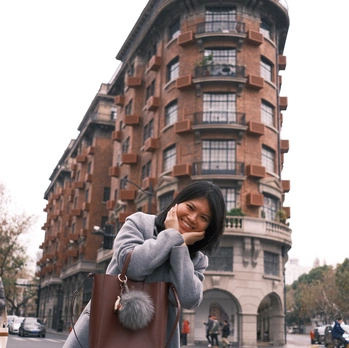
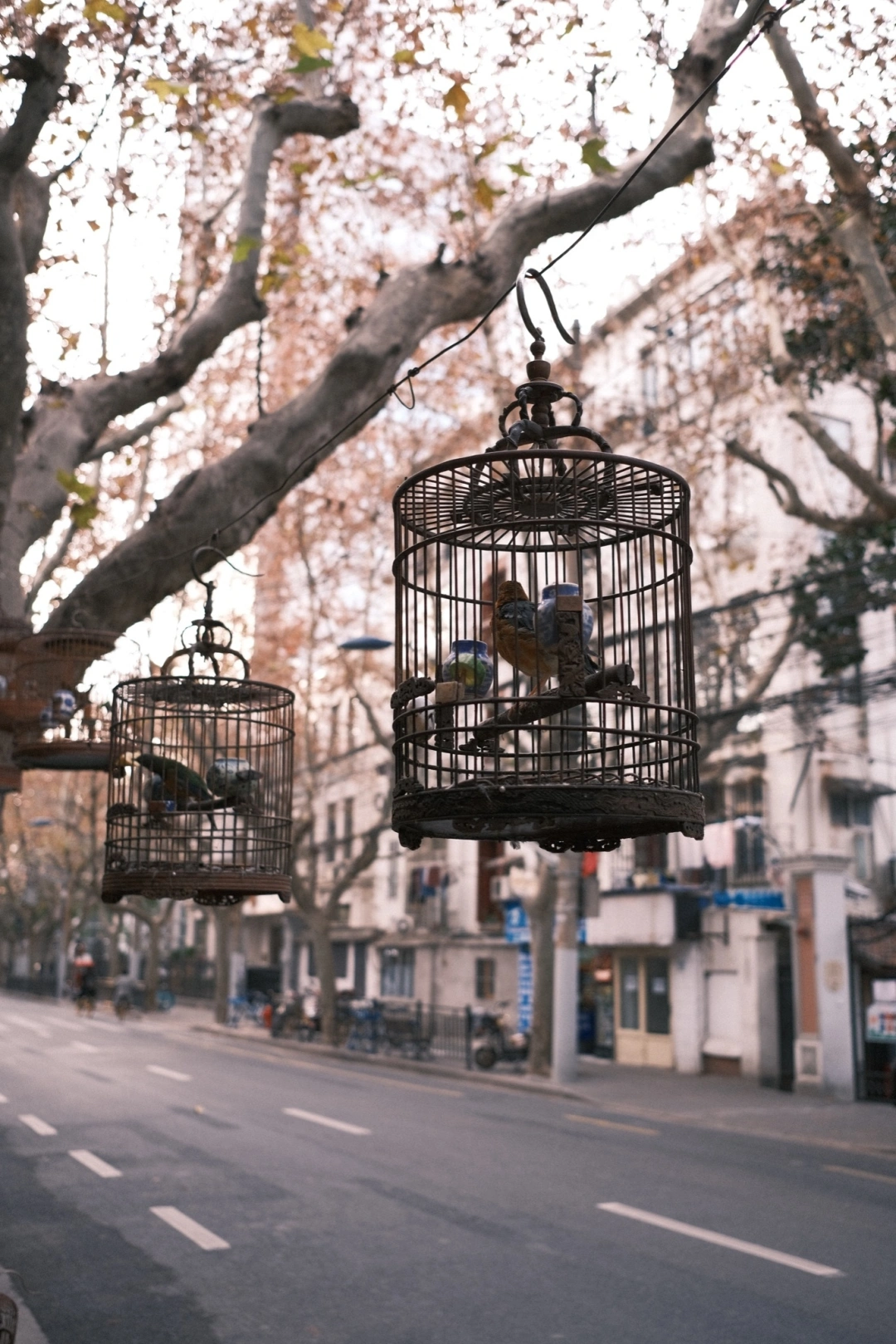
The next morning, we took the subway from our guesthouse to Shanghai Library Station, then walked along Hunan Road to Wukang Road. The path was lined with plane trees, their fallen leaves blanketing the ground, stretching all the way to the iconic Wukang Building. There were almost no cars on the road, it was incredibly quiet, and the atmosphere was so good it was hard to believe this was a city of twenty million people.
Why Wukang Road is a Must-Visit
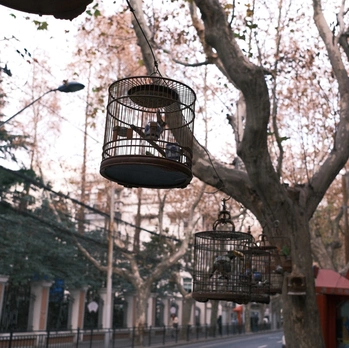
- Photography paradise: The iconic Wukang Building and tree-lined streets
- Historic residences: Many buildings have protective plaques marking former homes of famous people
- Petit-bourgeois charm: Courtyard coffee shops, flower shops, and small art galleries
- Time needed: Easily half a day for one short street
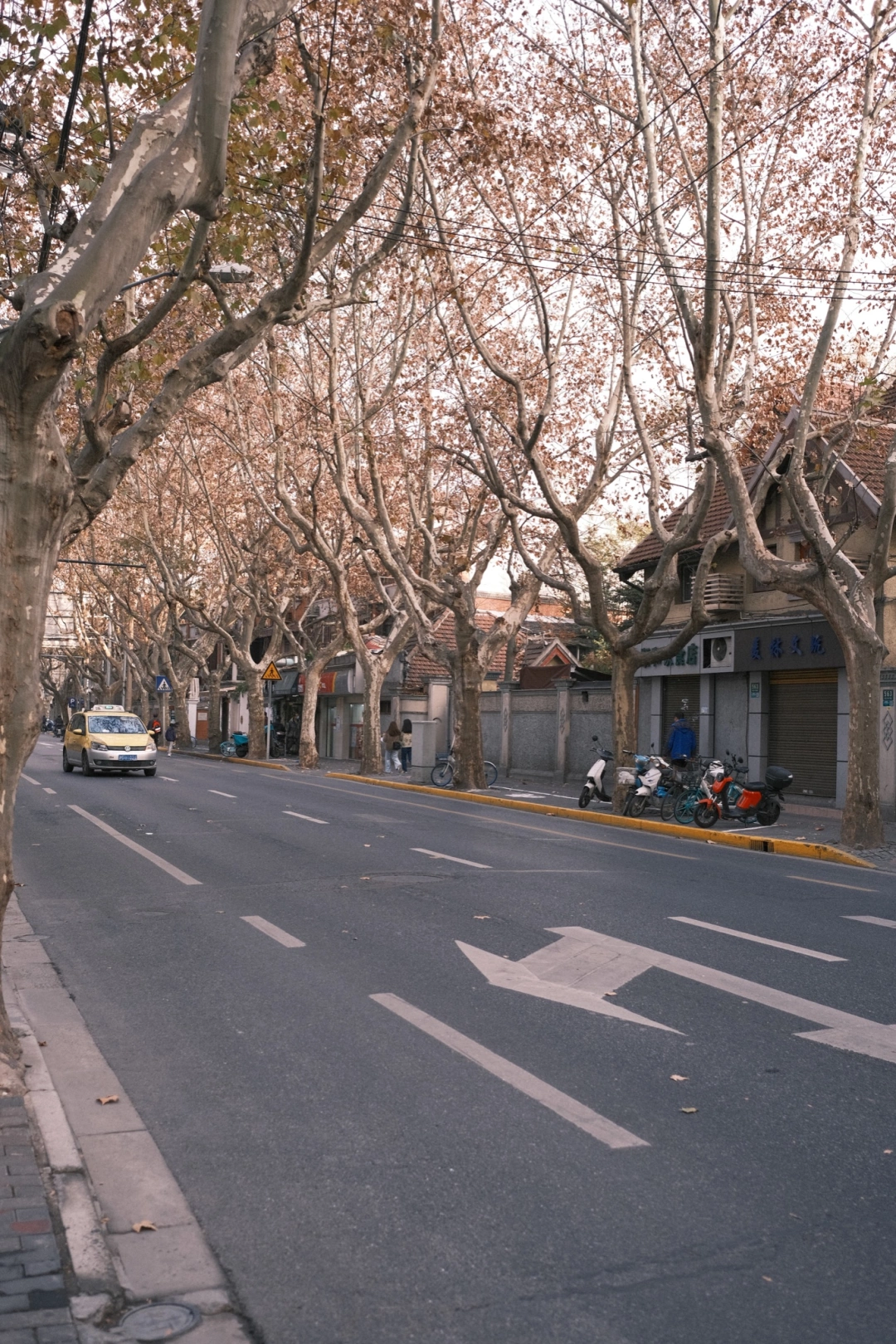
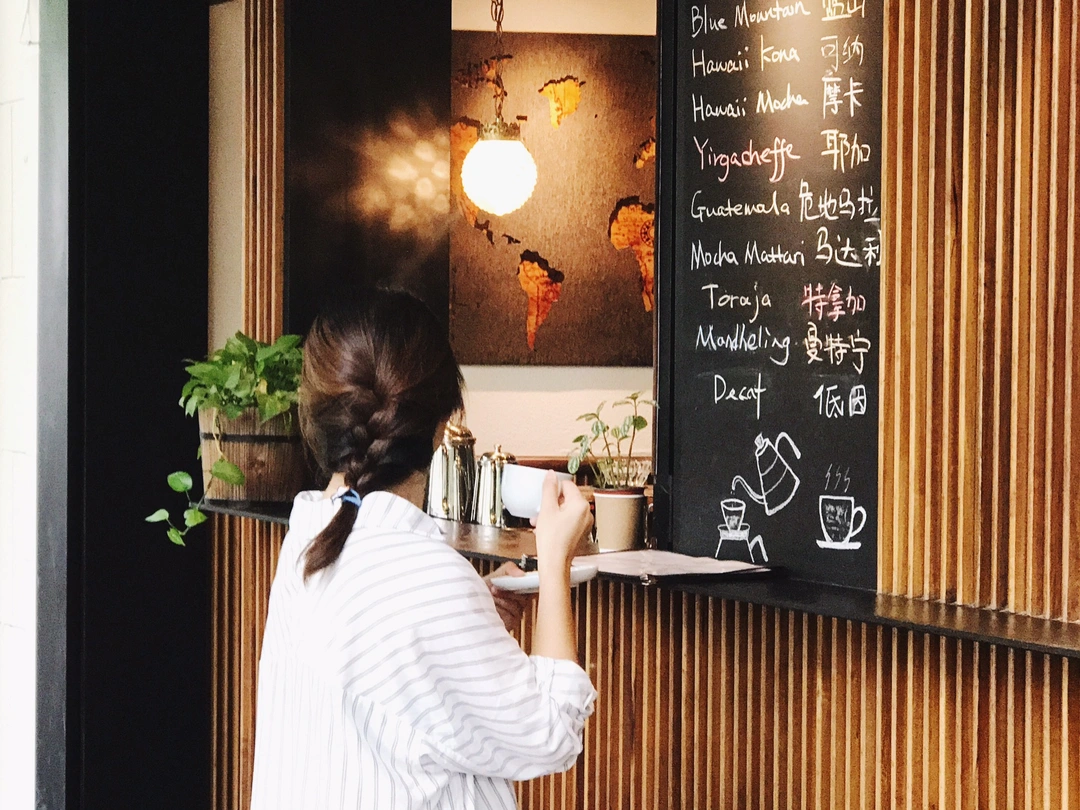
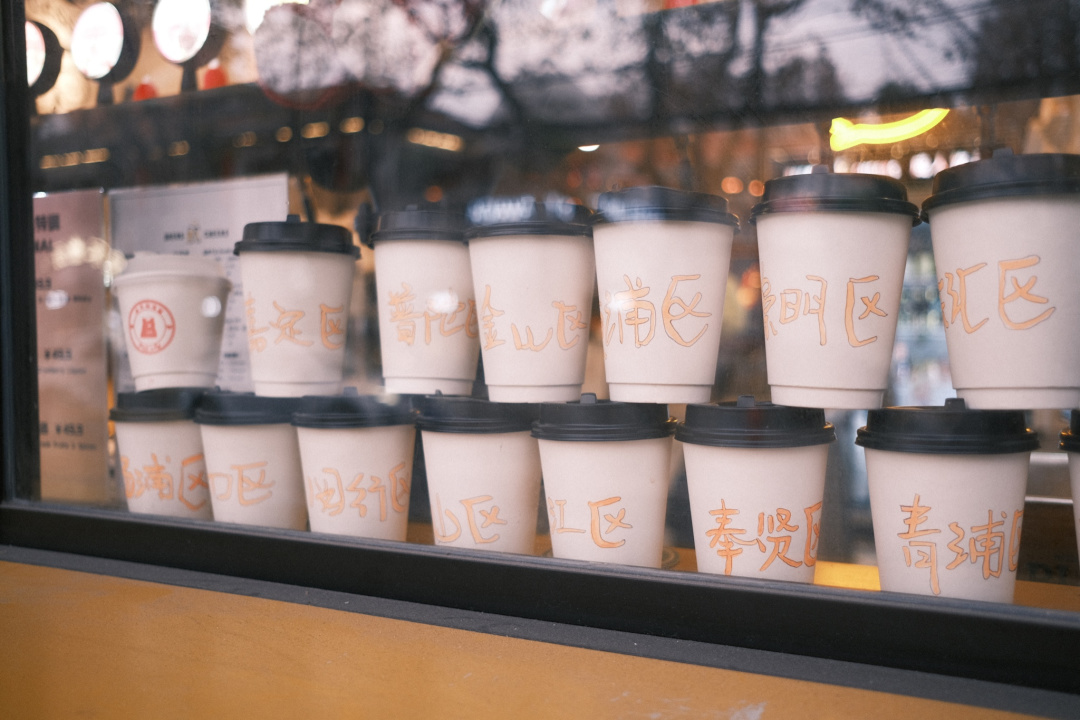
We walked, stopped, took photos, and had a coffee. It felt like what Old Shanghai should be — not flashy, not noisy, but full of character.
[Link: Wukang Road Photography Guide: Best Spots and Tips]
Practical Tips for Your Huangpu Walking Tour
Best Time to Visit
 - Autumn (October-November): Plane trees turn golden; mild weather - Winter (December-February): Fewer crowds; cooler but comfortable - Weekdays: Quieter than weekends, especially in the afternoon
Getting Around
 - Subway: Multiple stations in Huangpu (Xintiandi, Madang Road, Dapuqiao) - Walking: The best way to discover hidden alleyways - Bicycle: Shared bikes available throughout the district
What to Pack
- Comfortable walking shoes
- Camera for architecture and street photography
- Light jacket (even in winter, indoor spaces are warm)

FAQ: Your Questions About Exploring Old Shanghai
1. What is the best neighborhood for an authentic Old Shanghai experience?
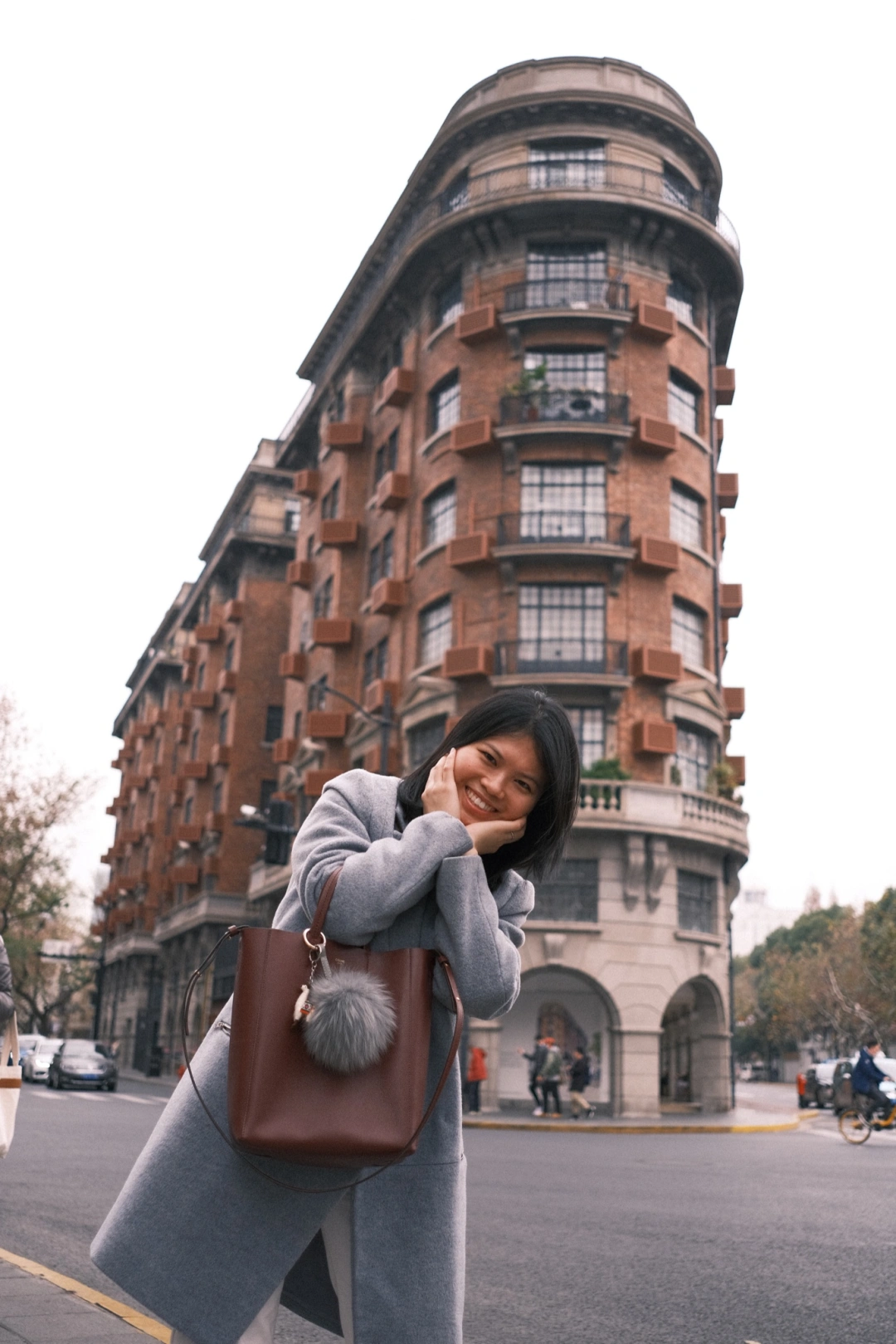 Answer: Wukang Road is widely considered the most authentic and photogenic street in Shanghai. For a deeper dive into alleyway culture, combine it with a walk through the Sinan Road-Fuxing Road area.
2. Is Tianzifang worth visiting?
 Answer: Yes, but manage expectations. It's more of a souvenir market than a cultural experience. Visit on a weekday evening for a quieter atmosphere, and focus on the architecture rather than the shopping.
3. How long should I spend in Huangpu District?
 Answer: A minimum of two days is recommended. Spend one day exploring Wukang Road and the surrounding historic streets, and another day visiting Sinan Mansions and Tianzifang.
4. Are there guided walking tours available?
 Answer: Yes, several companies offer guided tours of Huangpu's historic neighborhoods. Alternatively, you can self-guide using apps like Google Maps or local walking tour blogs.
5. What is the best time of year to visit?
Answer: Autumn (October-November) offers the most pleasant weather and beautiful foliage. Spring (March-May) is also lovely, though more crowded.
Conclusion: The Warmth That Remains

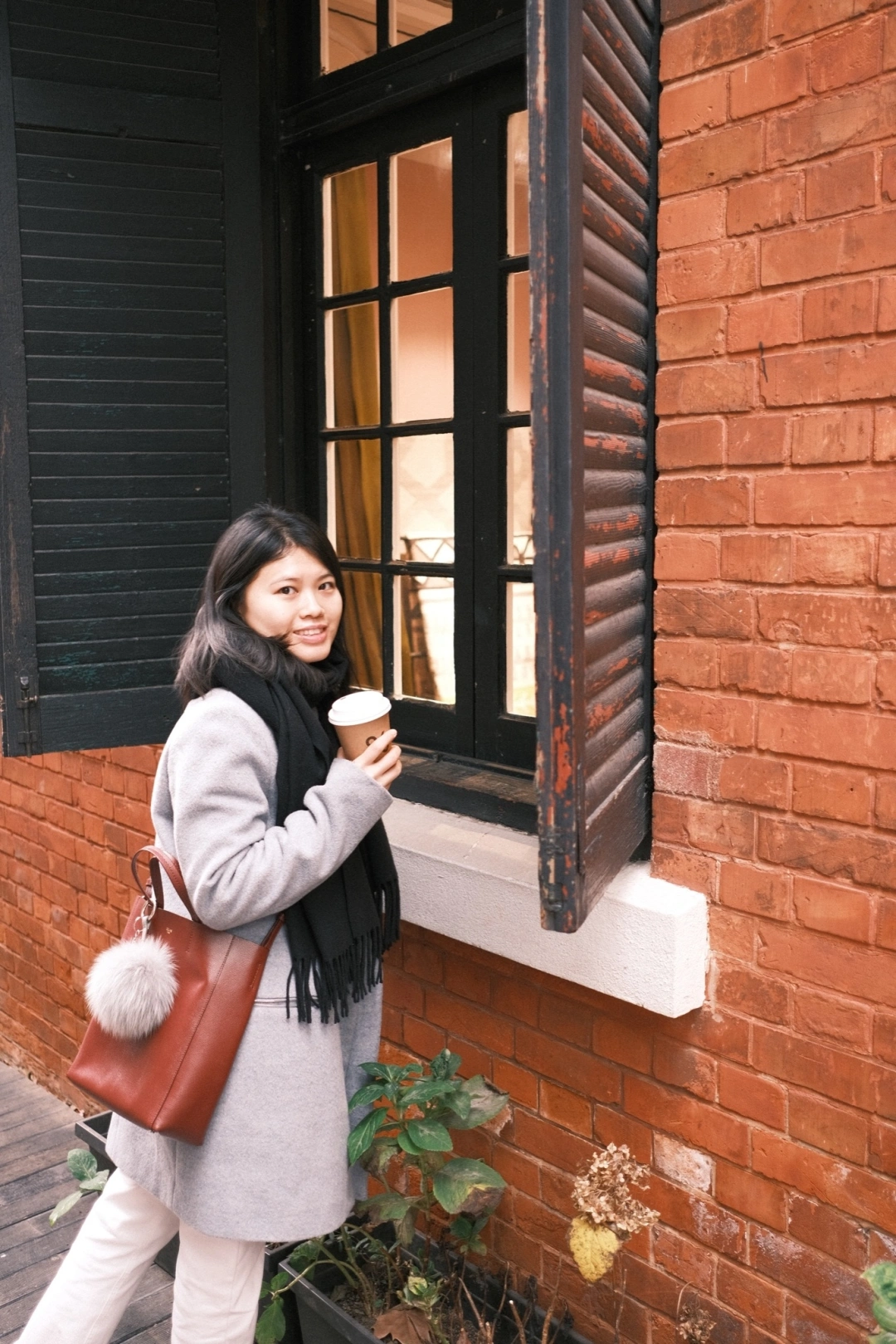
As we headed back to the guesthouse to check out, a light drizzle began to fall. The long-forecasted final cold snap of 2020 had finally arrived. But somehow, the chill didn't matter. We had spent two days wandering through Huangpu's hidden alleyways, touching the city's other face — the one that doesn't appear on glossy postcards.
In a city that constantly reinvents itself, the warmth of Old Shanghai remains in the narrow lanes, the plane trees, and the quiet courtyards. When modernity fades, this is what endures.
Ready to experience the real Shanghai? Start planning your Huangpu walking tour today. Book your boutique guesthouse, map out your route through Wukang Road and Sinan Mansions, and prepare to discover the soul of the Magic City.
[Link: Book a Guided Walking Tour of Huangpu District] [Link: Find Unique Accommodation in Old Shanghai]
Did you enjoy this guide? Share it with fellow travelers who are seeking an authentic Shanghai experience. Have questions? Leave a comment below!
You may also like