The Glamour of Old Shanghai and Its Hidden Alleys: A 3-Day, 2-Night Food & Wander Guide
Meta Description: Discover the glamour of Old Shanghai and its hidden alleys in this 3-day, 2-night itinerary. From Tai Yao Thai cuisine to the Bund's architecture, 1933 Old Millfun, and Sweet Love Road—eat, wander, and explore Shanghai's soul.
Introduction: From TV Screens to Real Streets
As a child, I curled up in front of the TV watching Sanmao the Vagrant, half-envious of the bustling excitement of old Shanghai, half-worried about that skinny little figure on screen. Growing up, Shanghai stopped being just a picture on television. With the high-speed rail, Suzhou to Shanghai is only a cup of coffee away. In my mind, this city finally descended from imagination into something I could actually touch.
Some say Shanghai is half dazzling skyscrapers and half peaceful old alleyways frozen in time. Seizing the three-day National Day holiday, my two friends and I formed an "Eat-and-Wander Squad"—Baozi was the planner and human GPS, Xiaogu handled the luggage and heavy lifting, and I was in charge of photography and coasting. Before setting off, I flipped through plenty of travel guides from fellow adventurers and listed all the must-visit old streets and must-eat foods. Three days were tight, but we didn't miss a single thing we wanted to eat or see.
Day One: From Thai Cuisine to the Bund, Eating Our Way Through Shanghai

Tai Yao Thai Cuisine: A Stunning First Meal in Shanghai
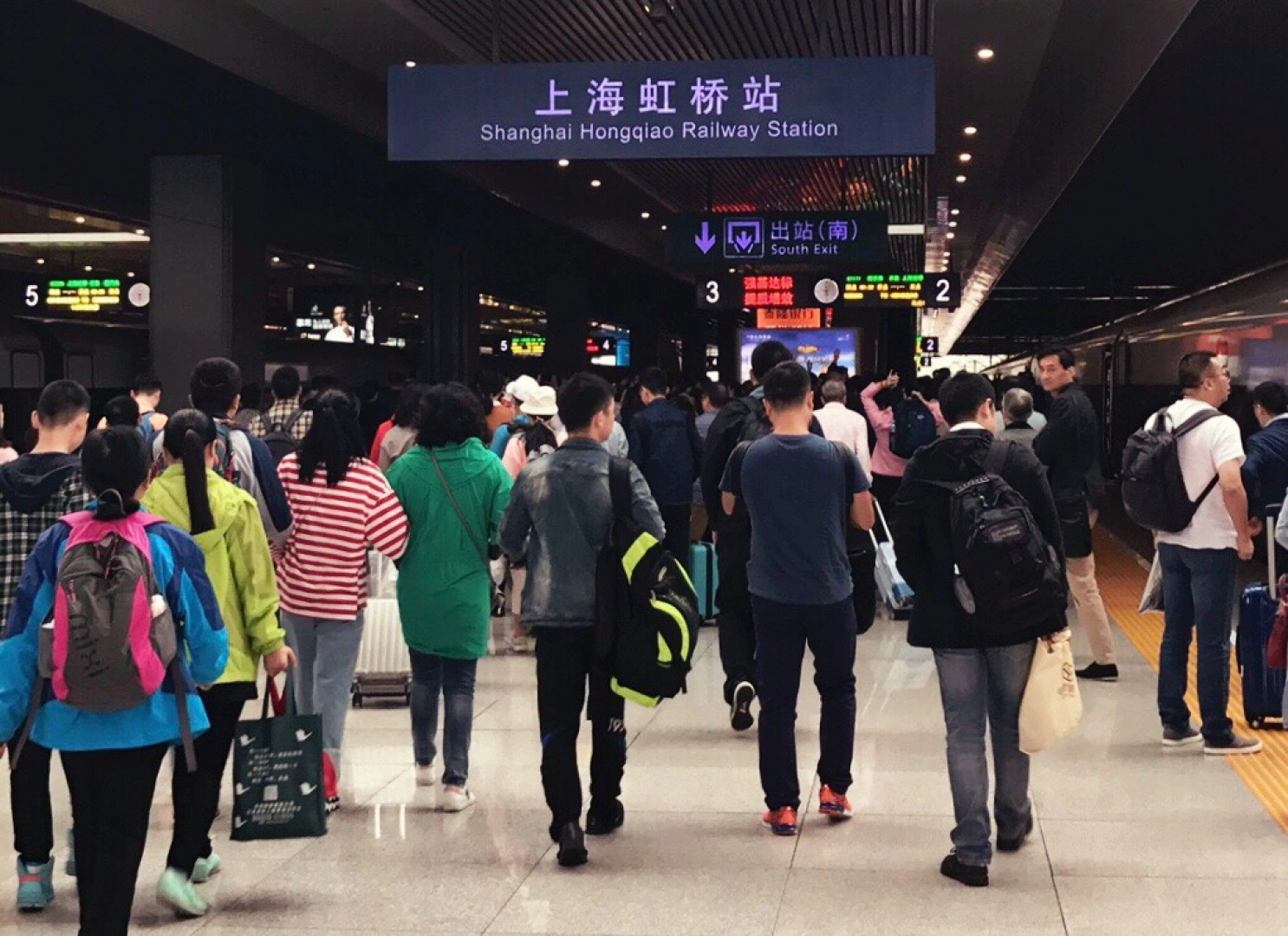
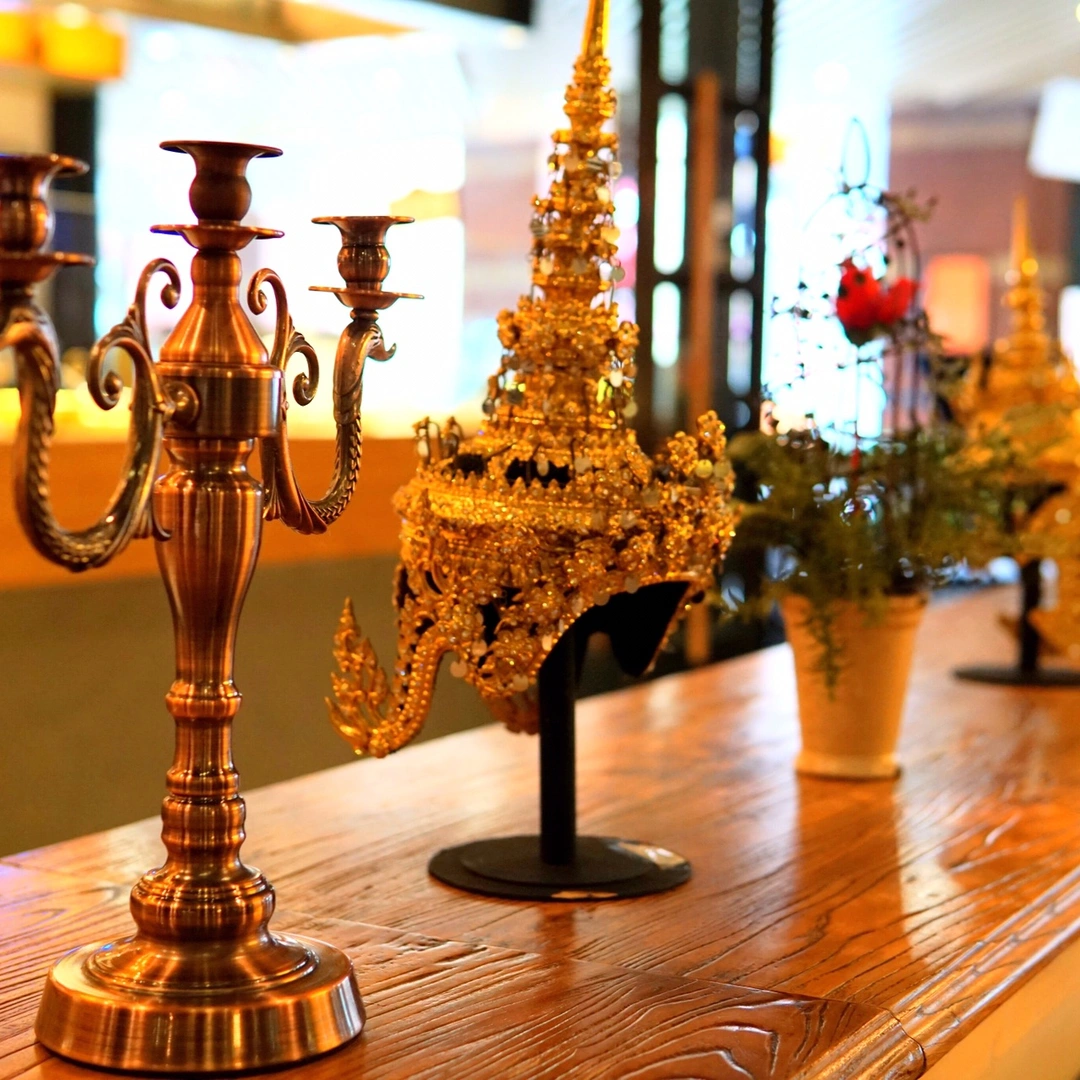
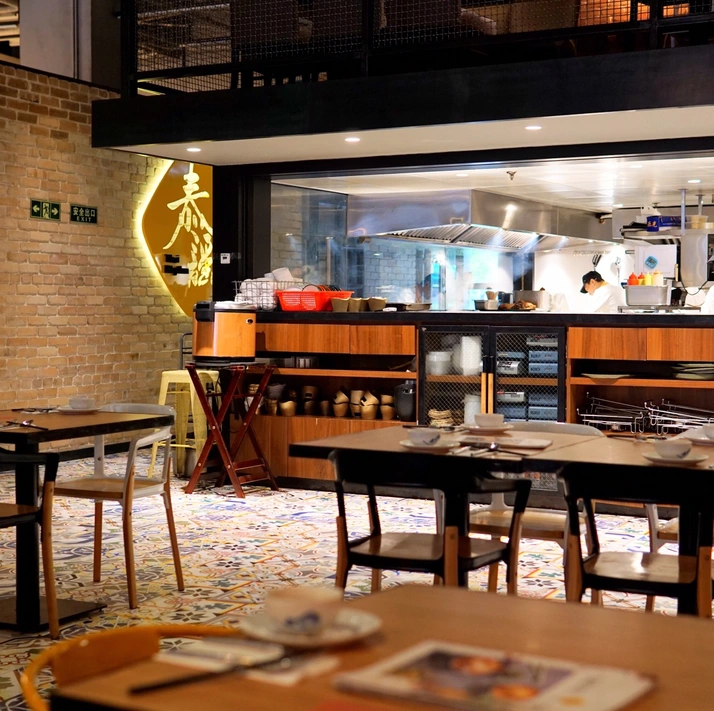
Hongqiao Railway Station was packed. The three of us met up from three different cities, and our first order of business was finding something to fill our stomachs. Dragging our luggage, we headed straight to Tai Yao at 96 Plaza, a bit nervous—the place was nearly empty. Were we about to make a bad choice?
Turns out we were overthinking it.
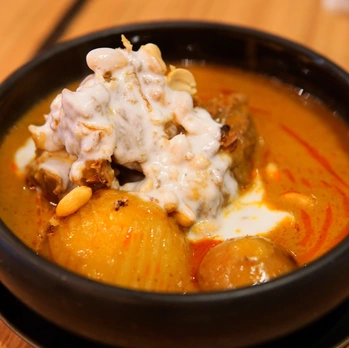
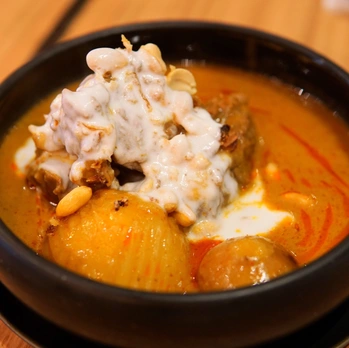
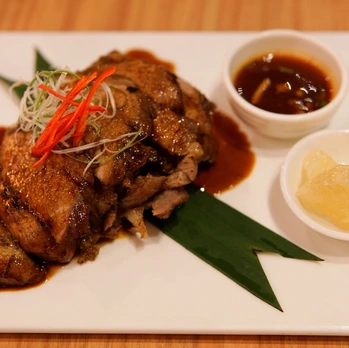
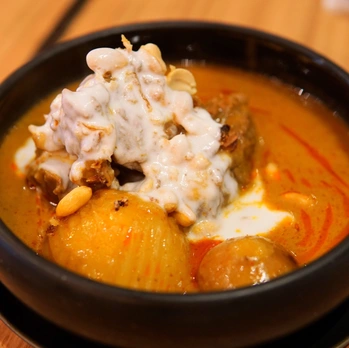
The red curry beef tendon melted in your mouth. The server probably rolled their eyes internally as we kept asking, "Are you sure it won't be tough?" The grilled pork neck was a miss, though—tough and chewy, even the dipping sauce couldn't save it. The tom yum soup was decent, packed with big seafood in a small pot, sour and spicy and refreshing. But the real star was the mango sticky rice—pour that rich coconut sauce over the glutinous rice, sweet with a hint of salt, and it was anything but cloying. Highly recommended.
Full and happy, we dragged our luggage to the hotel. Passing a flower shop, I couldn't help snapping a photo—beautiful things always make you stop in your tracks.
[Link: Best Thai restaurants in Shanghai]
City God Temple (Chenghuangmiao): Crammed to the Point of Questioning Life
National Day at a tourist spot—you know the drill. Under a drizzly sky, the old buildings along the street had a worn-down, "about-to-be-demolished" feel. Xiaogu's shirt button popped off halfway through, and we spent ages looking for a button shop. That's one thing about Shanghai—those little shops selling needles, thread, and buttons are still around. A few elderly ladies sat at the door chatting, calling out when someone came by, neither overly warm nor cold.
The Nine-Turn Bridge was packed, with police keeping order. We gave up on queuing and snapped a few photos of the koi fish—each one absurdly fat. We skipped Yu Garden too, just letting the crowd push us along. The commercialization was dizzying.
The Bund: The International Architecture Group and the "Pagoda-Bearing Guardian"
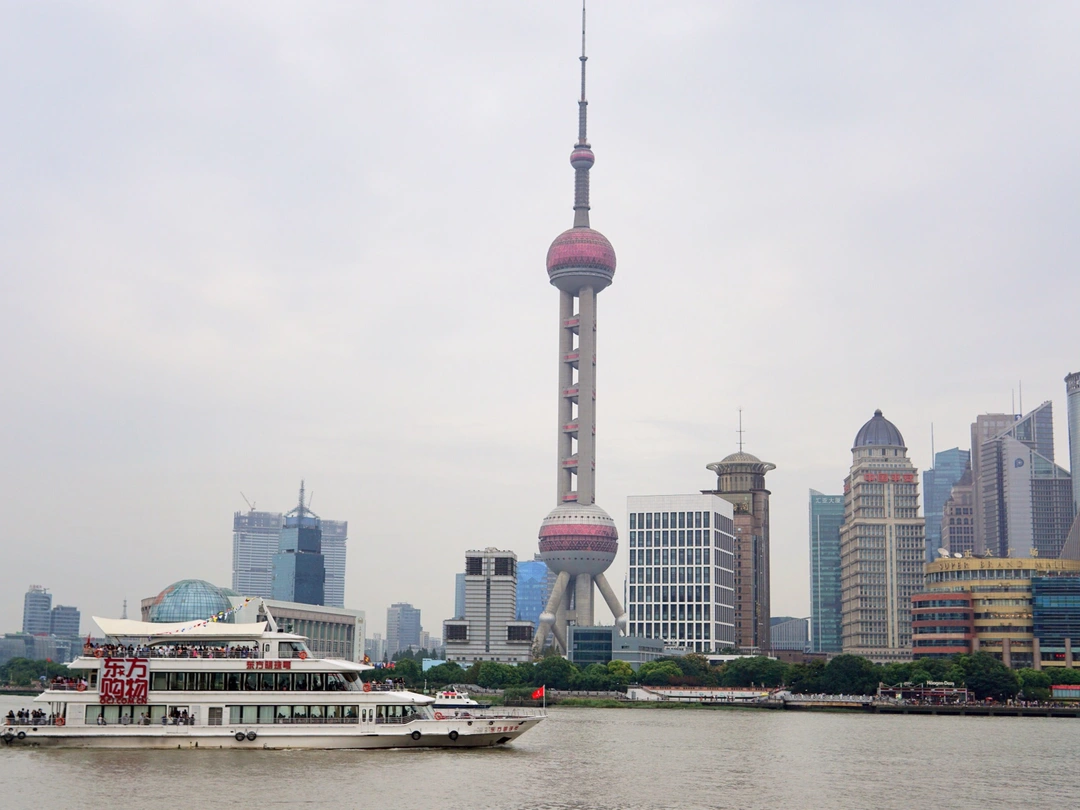
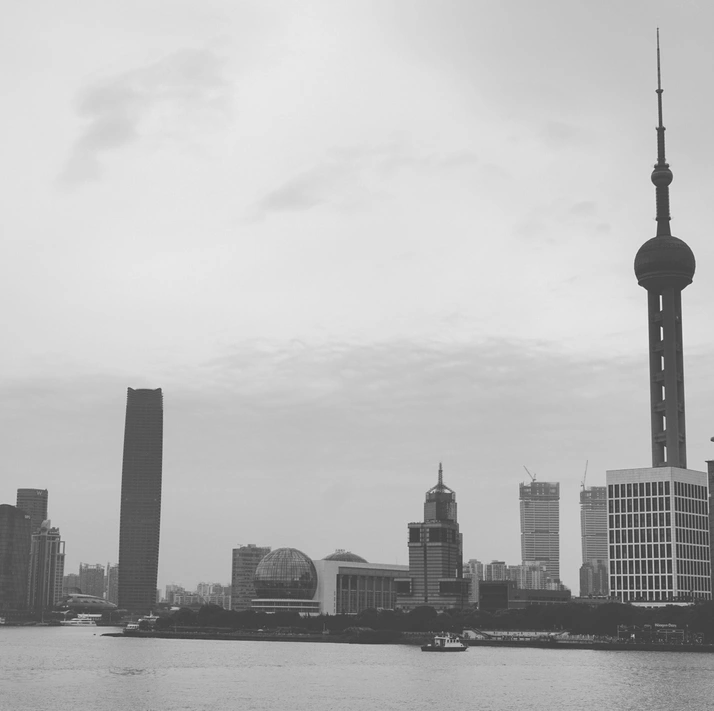
By evening, we reached the Bund. Fifty-two buildings in various classical revival styles lined up in a row, while on the opposite bank, Lujiazui glittered with lights. Xiaogu struck a "pagoda-bearing guardian" pose in front of the camera, and Baozi laughed so hard her eyes disappeared. My photography skills were limited, so I didn't get many good shots of the buildings, but the awe was real.
From the Bund to Super Brand Mall, the taxi cost 30 yuan. The ride-hailing driver was rude, so we just grabbed a cab. The clam chowder bread bowl at Winhouse was a pleasant surprise—small, with rich soup and crispy bread, perfect for dipping. The pan-fried rosemary chicken leg rice came with a leg so huge it was ridiculous, crispy skin and tender meat, with creamy risotto. The mini burger brunch had three flavors—bacon and beef were great, tuna was a bit fishy. But the best was the cheese and beef Eggs Benedict—cut into the soft-poached egg, and the yolk wrapped the beef and bread in one glorious bite. Pure satisfaction.
[Link: Best food near the Bund Shanghai]
Uncle Tongdao's Café: Cuteness Has No Guilt
After dinner, we wandered into a zodiac-themed café, stuffed with merchandise of the "Ao Da Miao" cat character—so cute it was almost illegal. Baozi and Xiaogu pounced on the plush toys, only to find they were rock hard. We laughed until we couldn't breathe. I secretly snapped a photo of Baozi's "revenge on society" face—if she finds out, I'm in trouble.
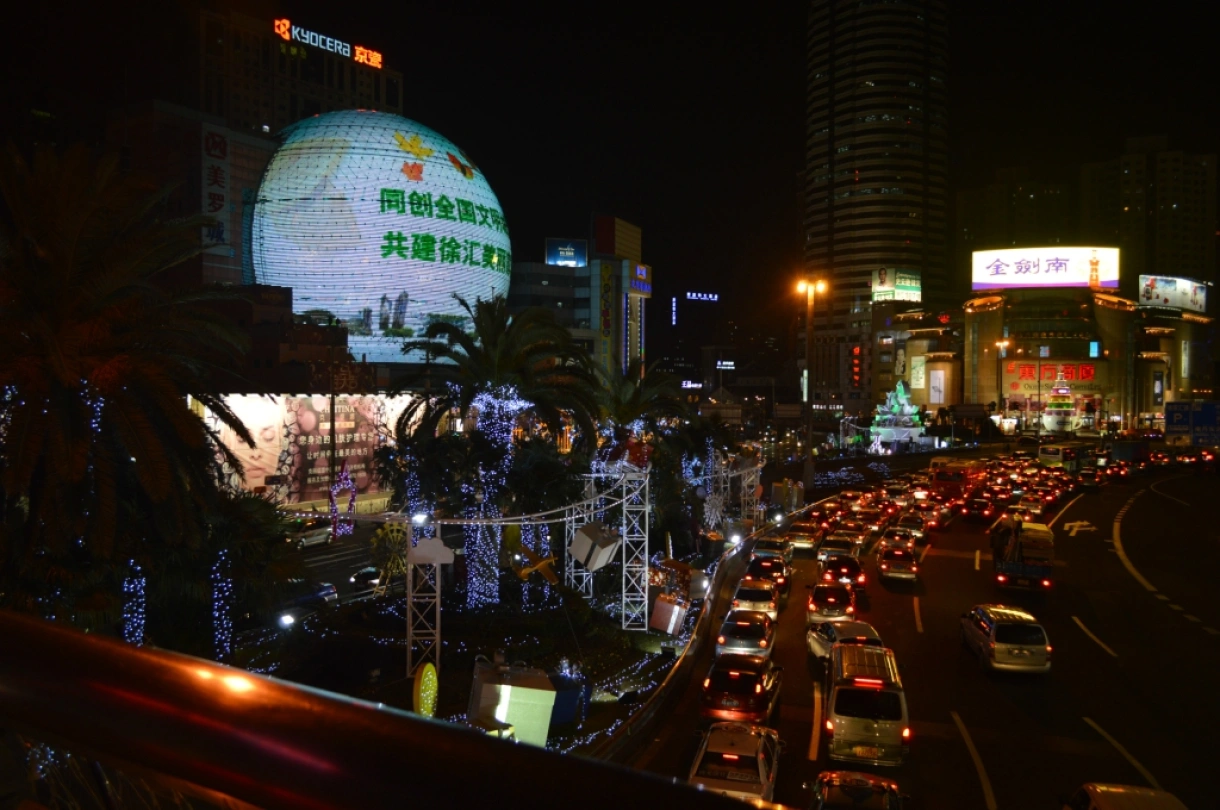
We wandered until the mall closed, then collapsed on the roadside, exhausted. Pulled out my phone for a couple of night shots, then found the subway back to the hotel. Slogans about the 19th National Congress reaching the masses were everywhere—rather fitting, actually.
Day Two: 1933 Old Millfun, Sweet Love Road, and Jiantou Bookstore
Shanghai De Xing Guan: 6-Yuan Wontons
We said we'd sleep in, but the other two woke up before me. Near the hotel was an old-brand eatery, De Xing Guan. Their small wontons were only 6 yuan a bowl, and the size shocked even us from Jiangsu and Zhejiang. The soup dumplings were good too—four of us couldn't finish them.
1933 Old Millfun: A Slaughterhouse Maze of Light and Shadow
We took the subway to Hailun Road. The navigation led us in circles around a construction site, and we had to ask for directions. 1933 Old Millfun was originally the Shanghai Municipal Council Abattoir, designed by British architect Balfours and completed in 1933. Reinforced concrete, walls 50 centimeters thick, with a hollow design for natural temperature control—even in summer, it felt cold inside.
The whole building was a maze. Umbrella-shaped columns, covered bridges, spiral stairs, cattle ramps... light and shadow shifted through the space, every angle different. A Starbucks was inside, along with creative shops and studios. The rooftop garden required a purchase to enter, so we passed. Baozi and Xiaogu played hide-and-seek on the stairs, and I snapped a blurry shot that somehow had a dreamy quality.
[Link: Hidden gems in Shanghai's Hongkou District]
Sweet Love Road (Tian'ai Road): The Love Wall and Matcha Latte
From 1933, we grabbed shared bikes and pedaled over. I was in a long dress, lifting the hem with one hand while biking—quite the effort. The southern section of Sweet Love Road had a "Love Wall" with 28 love poems from China and abroad; the northern section was covered in graffiti art. We somehow missed the famous heart-shaped mailbox—truly wandering without a plan.
The Uji matcha latte at Sweet Love Café was beautifully presented but average. The chocolate fondant was a pleasant surprise—crispy on the outside, oozing chocolate inside when you broke it, best eaten hot. The mango mille-feuille was crispy, and the chestnut brownie came with salty little cookies, sweet but not overwhelming.
Shanyin Road: Peaceful Under the Plane Trees
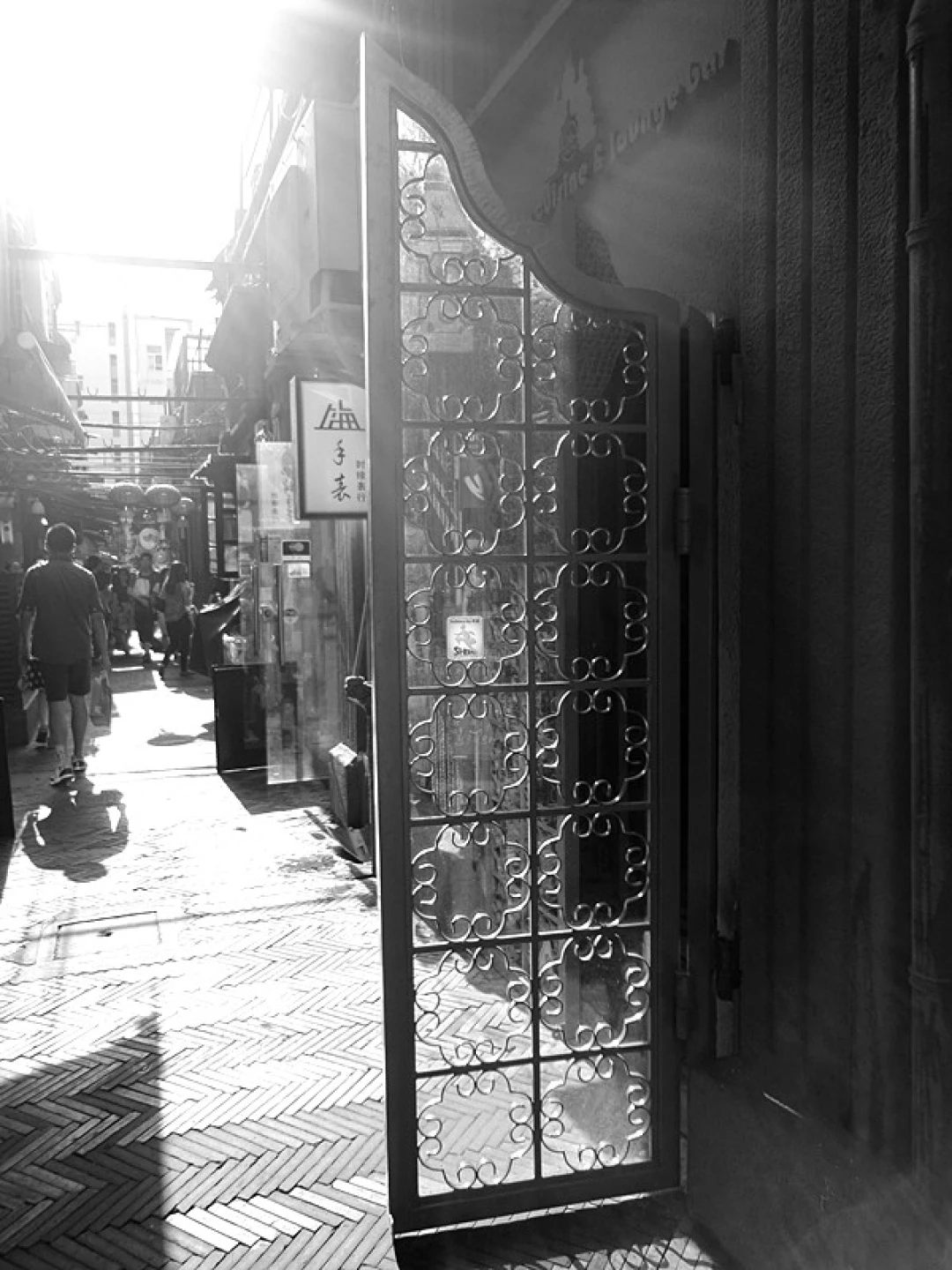
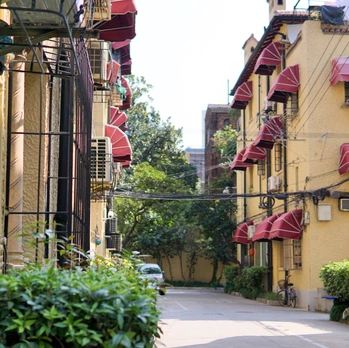
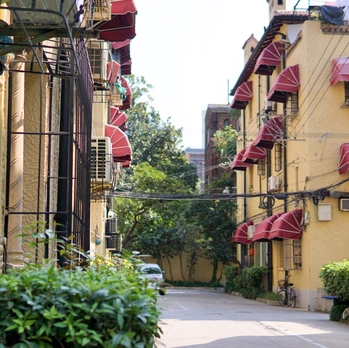
Turning from Sweet Love Road into the alley, we reached Shanyin Road. Two rows of plane trees slanted across the sky, old-style lane houses stood casually, with a few small shops, locals rushing about their lives, and sparse tourists. It had a serene, timeless feel. We passed Wanshouzhai, an old-brand spot recommended online, but we weren't hungry—next time.
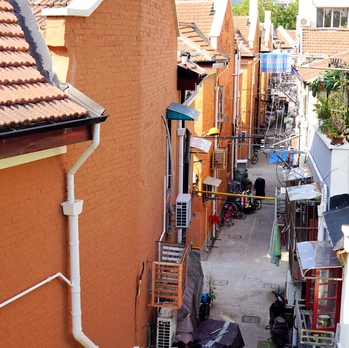
Lu Xun's former residence was in Dalu New Village, but it charged admission, so we skipped it. What fascinated us was Shanghai's way of hanging laundry—long poles sticking out of windows, clothes spread wide open, as if the hangers weren't quite doing their job.
Duolun Road: Too Commercial
Duolun Road is 550 meters long, built in 1912 as a product of the International Settlement's road extension. The small buildings had varied styles, but many were now occupied by new shops, and you had to pay to take photos inside. Personally, it felt too commercial. Fine for a quick visit, but not for savoring.
Jiantou Bookstore: A Bookstore with a River View
We took the subway to Jiantou Bookstore, a stunning riverside space. Floor-to-ceiling windows overlooked the Huangpu River, and the shelves were stacked with carefully curated books. We grabbed a corner seat and just watched the boats drift by. It was the perfect quiet break after a day of wandering.
[Link: Best bookstores in Shanghai with a view]
Day Three: Final Wanders and Farewell
Morning Stroll Through the French Concession

On our last morning, we explored the Former French Concession area. The plane trees were even more magnificent here, their branches forming a green tunnel over the streets. We found a small bakery and grabbed fresh croissants and coffee, sitting on a bench and watching the city wake up.
Xintiandi: Modern Meets Traditional
Xintiandi was our last stop. This pedestrian-only area blends traditional shikumen architecture with modern boutiques and cafes. It felt like a curated version of old Shanghai—beautiful but a bit polished. Still, it was a lovely place to end our trip.
The Farewell Meal: Soup Dumplings at a Local Joint
We found a tiny xiaolongbao shop near the station. The soup dumplings were perfect—thin skin, hot broth, and tender pork. We ate in silence, savoring every bite. Then it was time to go.
FAQ: The Glamour of Old Shanghai and Its Hidden Alleys

1. What is the best time to visit Shanghai for a food and wander trip?
Spring (March to May) and autumn (September to November) are ideal. The weather is mild, and the plane trees are at their most beautiful. Avoid National Day holiday (October 1-7) if you dislike crowds—though the festive atmosphere can be fun.
2. How many days do you need to explore Shanghai's hidden alleys and old streets?
Three days and two nights is a good start. You can cover the Bund, City God Temple, 1933 Old Millfun, Sweet Love Road, Shanyin Road, and the French Concession. For a deeper dive into Shanghai's hidden alleys, add one more day.
3. What are the must-try foods in Shanghai?
- Xiaolongbao (soup dumplings)
- Shengjianbao (pan-fried pork buns)
- Mango sticky rice (at Thai restaurants like Tai Yao)
- Clam chowder bread bowl (at Winhouse near the Bund)
- 6-yuan wontons (at De Xing Guan)
4. Is 1933 Old Millfun worth visiting?
Absolutely. It's a unique architectural gem—a former slaughterhouse turned creative space. The light and shadow play, spiral stairs, and umbrella-shaped columns make it a photographer's paradise. Go early to avoid crowds.
5. Are Shanghai's old alleys (longtang) accessible to tourists?
Yes, many are open to the public. Shanyin Road, the French Concession, and parts of Sweet Love Road offer authentic alley experiences. Be respectful of residents—these are still living neighborhoods.
Conclusion: Your Shanghai Adventure Awaits
Shanghai is a city of contrasts—dazzling skyscrapers and peaceful old alleyways, Michelin-starred restaurants and 6-yuan wonton shops, crowded tourist spots and hidden corners where time seems to stand still. In three days and two nights, we barely scratched the surface. But that's the beauty of it—there's always more to discover.
Ready to plan your own Shanghai food and wander trip? Start by booking your high-speed rail ticket, packing comfortable shoes, and leaving room in your stomach. The city is waiting.
[Link: Complete Shanghai travel guide] [Link: Best time to visit Shanghai] [Link: Shanghai food tour recommendations]
Have you explored the glamour of Old Shanghai and its hidden alleys? Share your favorite spots in the comments below!
You may also like