Shanghai's Historic Mansions: A Century of Elegance Hidden in Musical Notes — Exploring the Conservatory of Music's Villa Complex
Meta Description: Discover Shanghai's historic mansions at the Conservatory of Music campus. Explore century-old villas, Jewish heritage, and musical legacy in this SEO-optimized guide to Fenyang Road's hidden gems.
Introduction: Where Music Meets History in Shanghai's Heart
In the heart of Shanghai, a neighborhood gently shaded by plane trees offers a serene escape from the clamor of the Bund and the sharp edges of Lujiazui. Here, between Fenyang Road and Huaihai Road, the faint strains of piano and violin drift through the air — notes flowing from the campus of the Shanghai Conservatory of Music. But what truly captivates visitors are the old mansions standing silently on the grounds. These are not merely buildings; they are witnesses to time, living fossils of Shanghai's modern history, and a testament to a century of Chinese and Western cultural fusion.
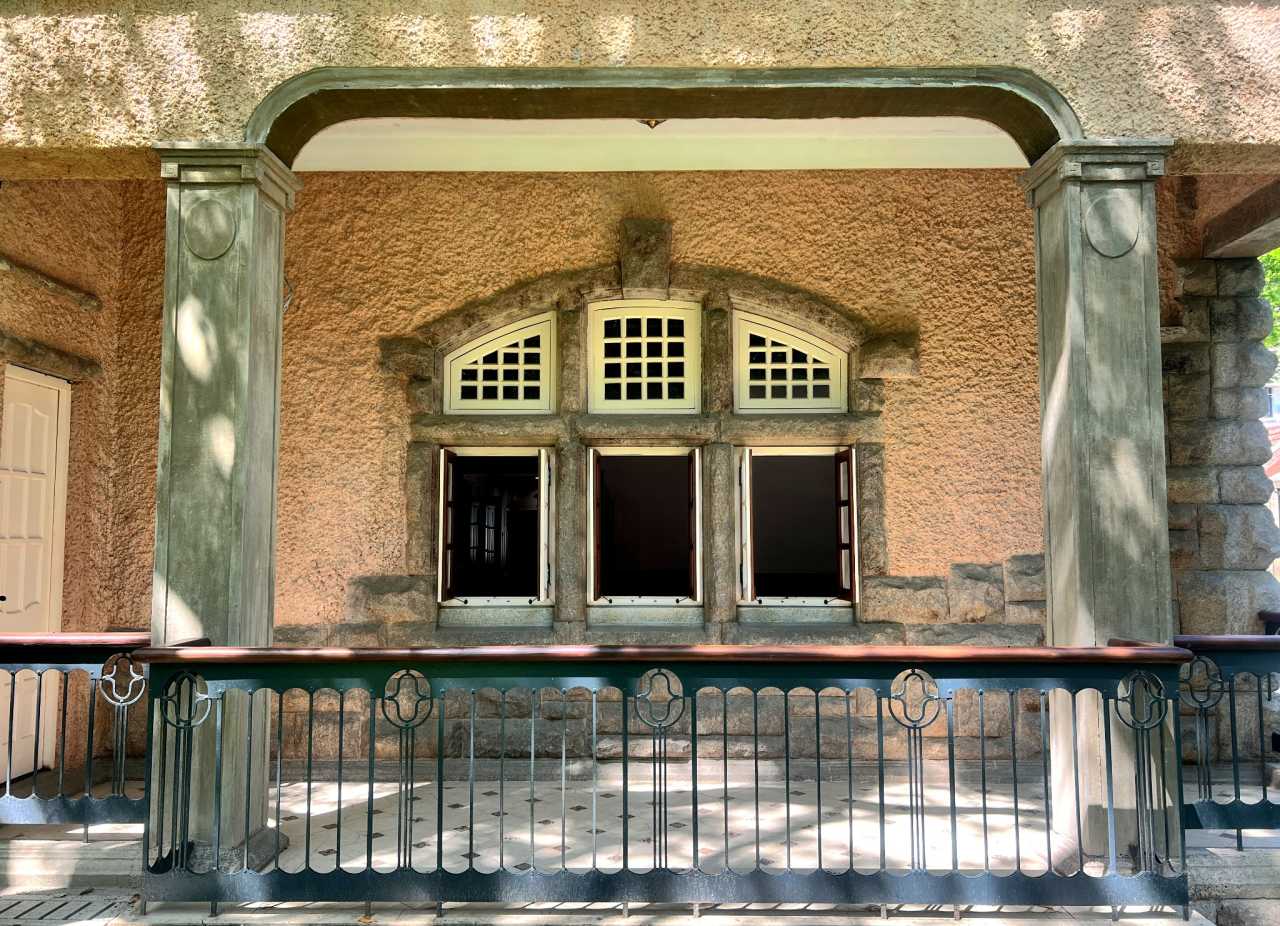
This guide takes you on a journey through the Conservatory of Music villa complex, exploring its architectural treasures, historical significance, and the musical notes that still echo through its halls. Whether you're a history buff, architecture enthusiast, or music lover, these historic Shanghai mansions offer an unforgettable glimpse into the city's elegant past.
From National Conservatory to Temple of Sound: A Century of Cultural Legacy
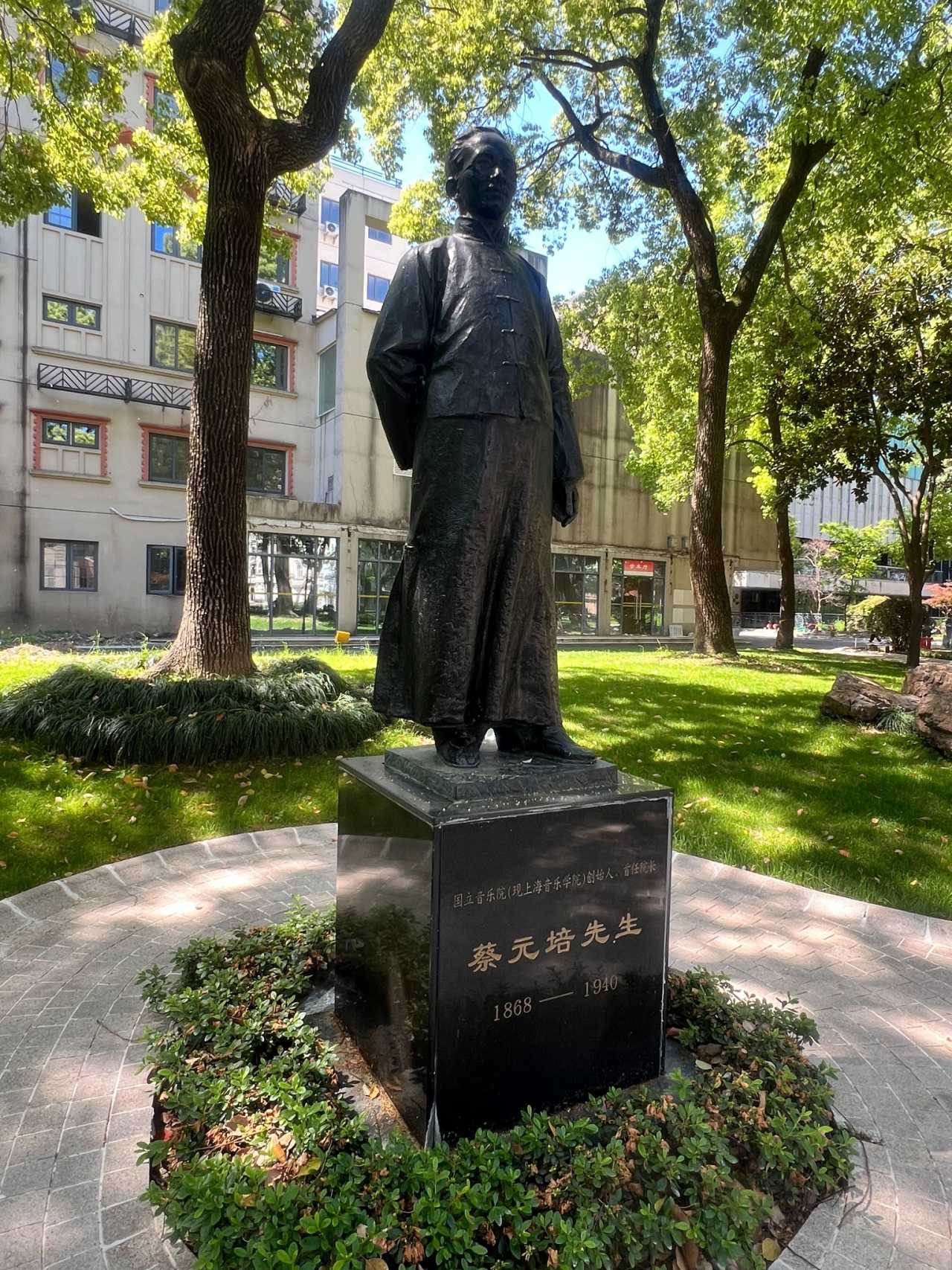
On November 27, 1927, a date destined to be etched into the annals of Chinese music history, the National Conservatory of Music was officially established in Shanghai under the advocacy of Mr. Cai Yuanpei. This giant of modern Chinese education, a founding father of China's contemporary universities, also served as the institution's first director. His educational philosophy of "replacing religion with aesthetic education" laid the foundation for a cultural awakening that would shape generations.
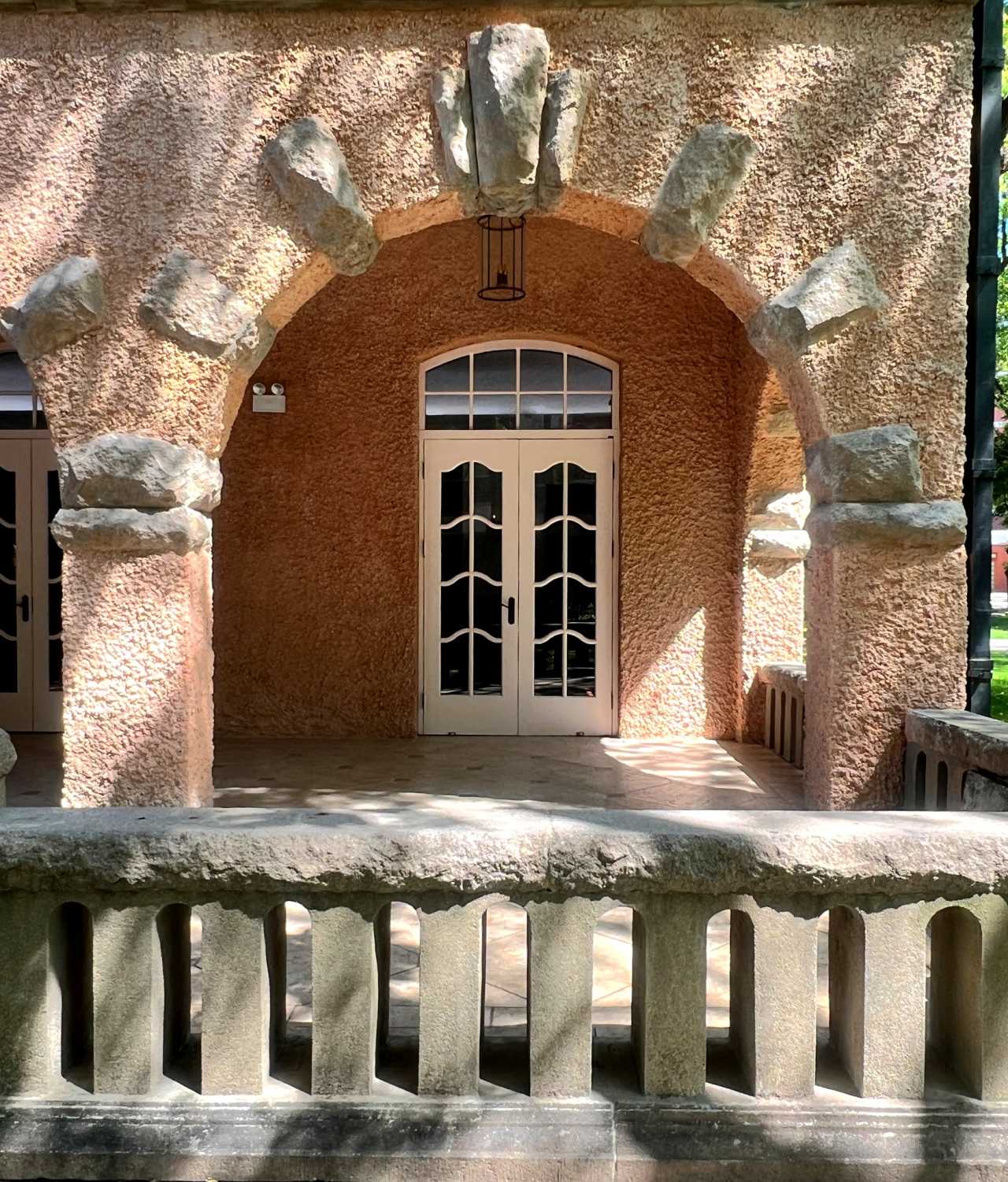
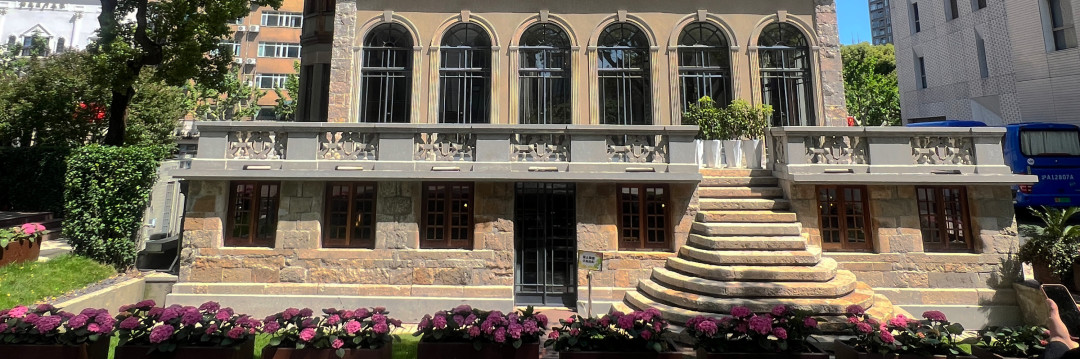
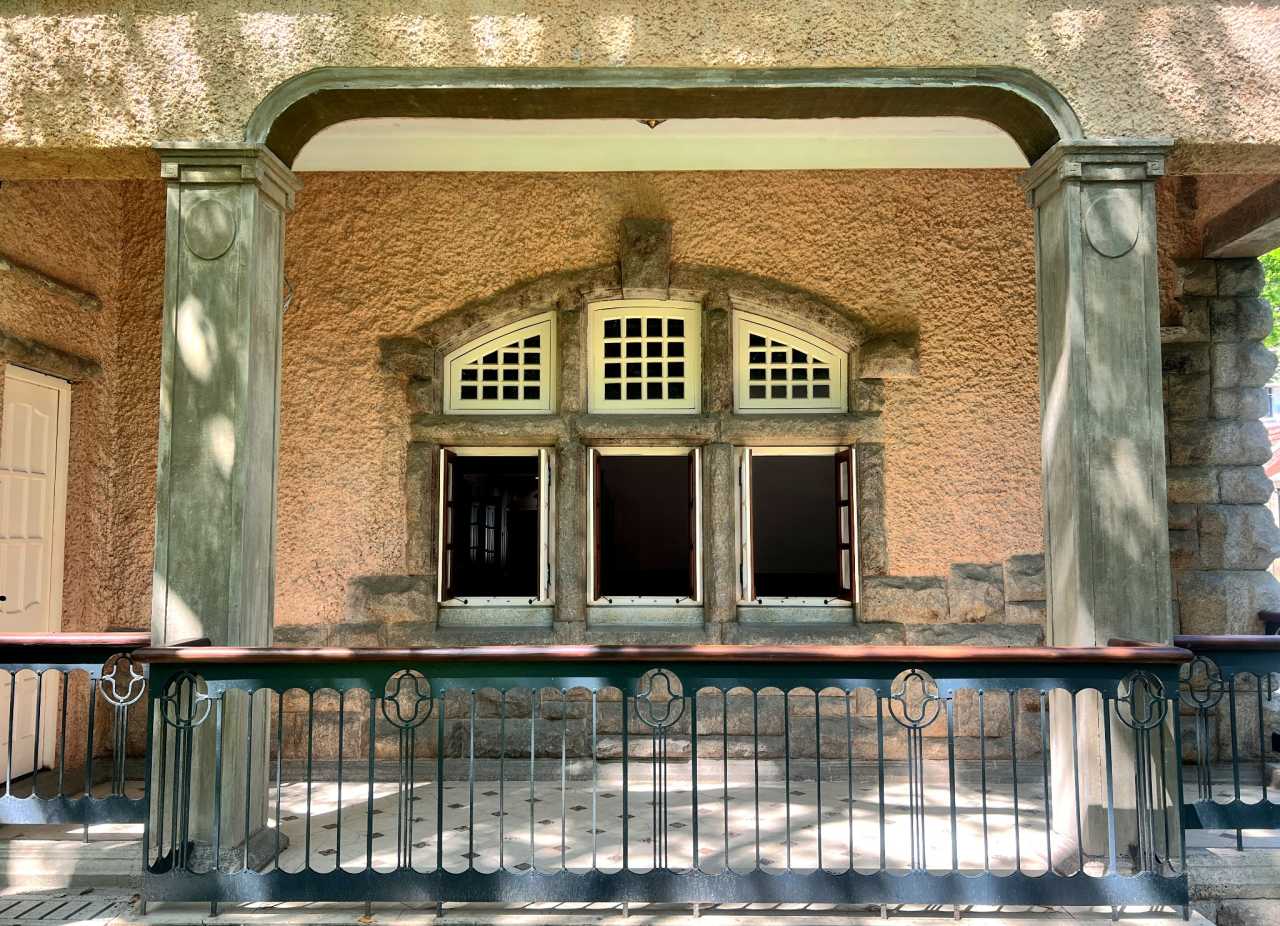
In 1958, the conservatory moved to its current location on Fenyang Road. Since then, this land has been inextricably linked with music. Today, the Shanghai Conservatory of Music campus is not only a cradle for cultivating musical talent but also a living museum of architecture. It preserves several old villas built in the 1920s and 1930s, each with its own unique identity and story. These historic Shanghai villas stand like silent witnesses, recounting the city's transformation from the era of foreign concessions to a modern metropolis.
The Experts' Building: Diplomatic Intrigue in a German Garden
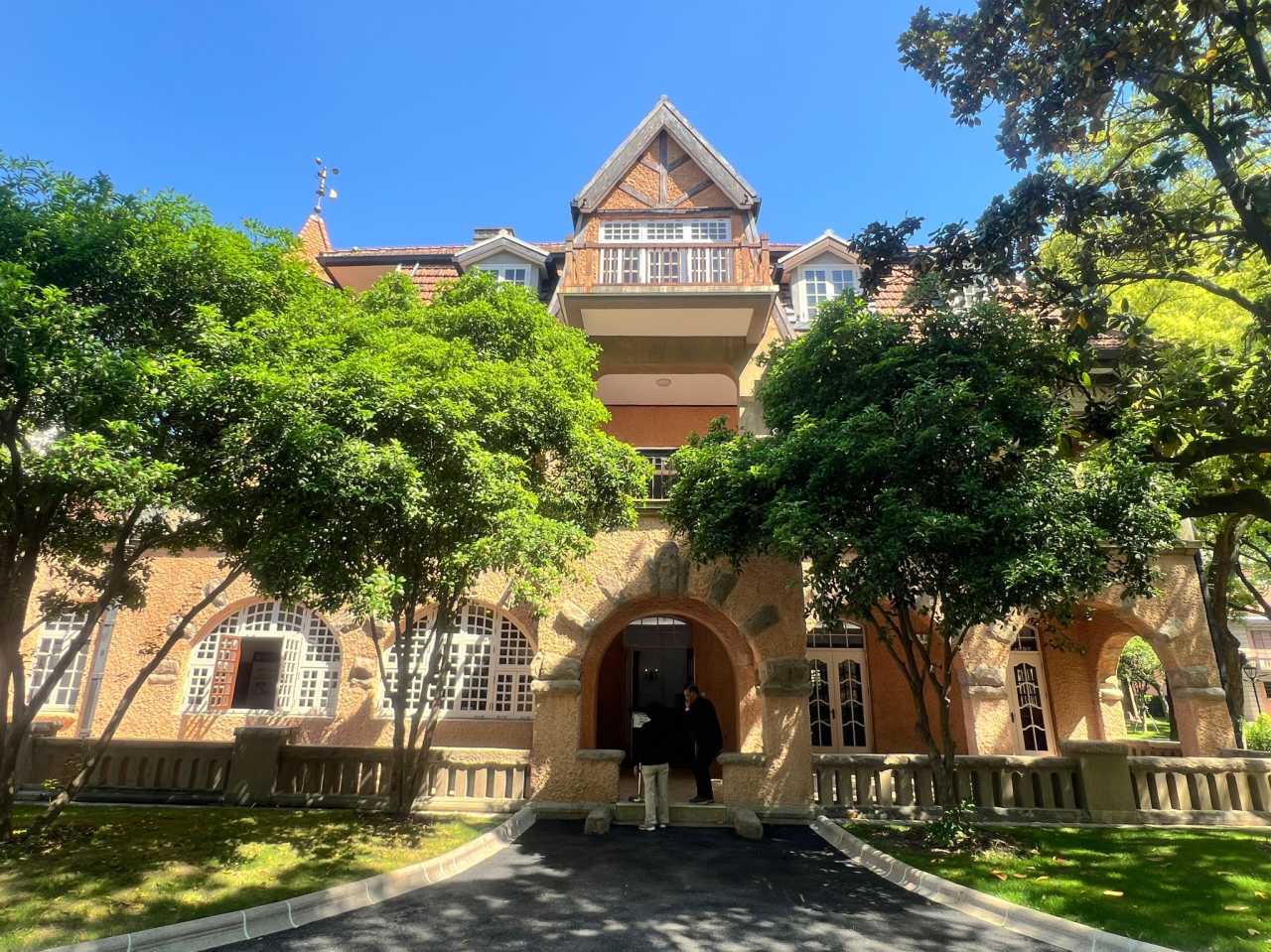
Venture deeper into the campus, and you'll encounter a quintessential German garden-style residence — the Experts' Building. Built in 1926, it originally served as housing for employees of the Deutsch-Asiatische Bank. During that era, Shanghai was one of the largest financial hubs in the Far East, and this building provided comfortable living quarters for key German financial institution staff.

Architectural highlights: - Red-tiled sloping roofs - Dormer windows with delicate carved ornamentation - Spacious balconies overlooking the garden
What makes this building even more remarkable is its later role as the Belgian Consulate in Shanghai. Imagine the diplomatic negotiations and cultural clashes that unfolded here during those turbulent times. Today, it serves as the conservatory's Experts' Building, hosting visiting maestros from around the world. From diplomats to musicians, the building's shifting "identity" mirrors Shanghai's own transformation from a political center to a cultural hub.
[Link: Shanghai's diplomatic history in the 1920s]
The History Building: A Jewish Club's Cultural Memory
If the Experts' Building represents German flair, then the History Building carries a unique chapter of Jewish cultural memory in Shanghai. Constructed in 1910, this structure originally belonged to a German merchant. But what truly sets it apart is its later role as the Shanghai Jewish Club.
In the 1930s and 1940s, waves of Jewish refugees fleeing Nazi persecution found their way to Shanghai. On this Far Eastern "Noah's Ark," they established their own communities and cultural venues. The Jewish Club was one such place, hosting concerts, dances, and social gatherings, becoming a spiritual home for Jewish immigrants.
When the conservatory moved here in 1958, the building was used as administrative offices. Now, it has been transformed into the History Building, showcasing the institution's nearly century-long journey. As you step inside and touch the faded photographs and documents, you can almost hear the echoes of history: from the homesickness of Jewish refugees to the rise of Chinese music education.
[Link: Jewish heritage sites in Shanghai]
The Music Castle: A Financier's Fortress and He Luting's Study
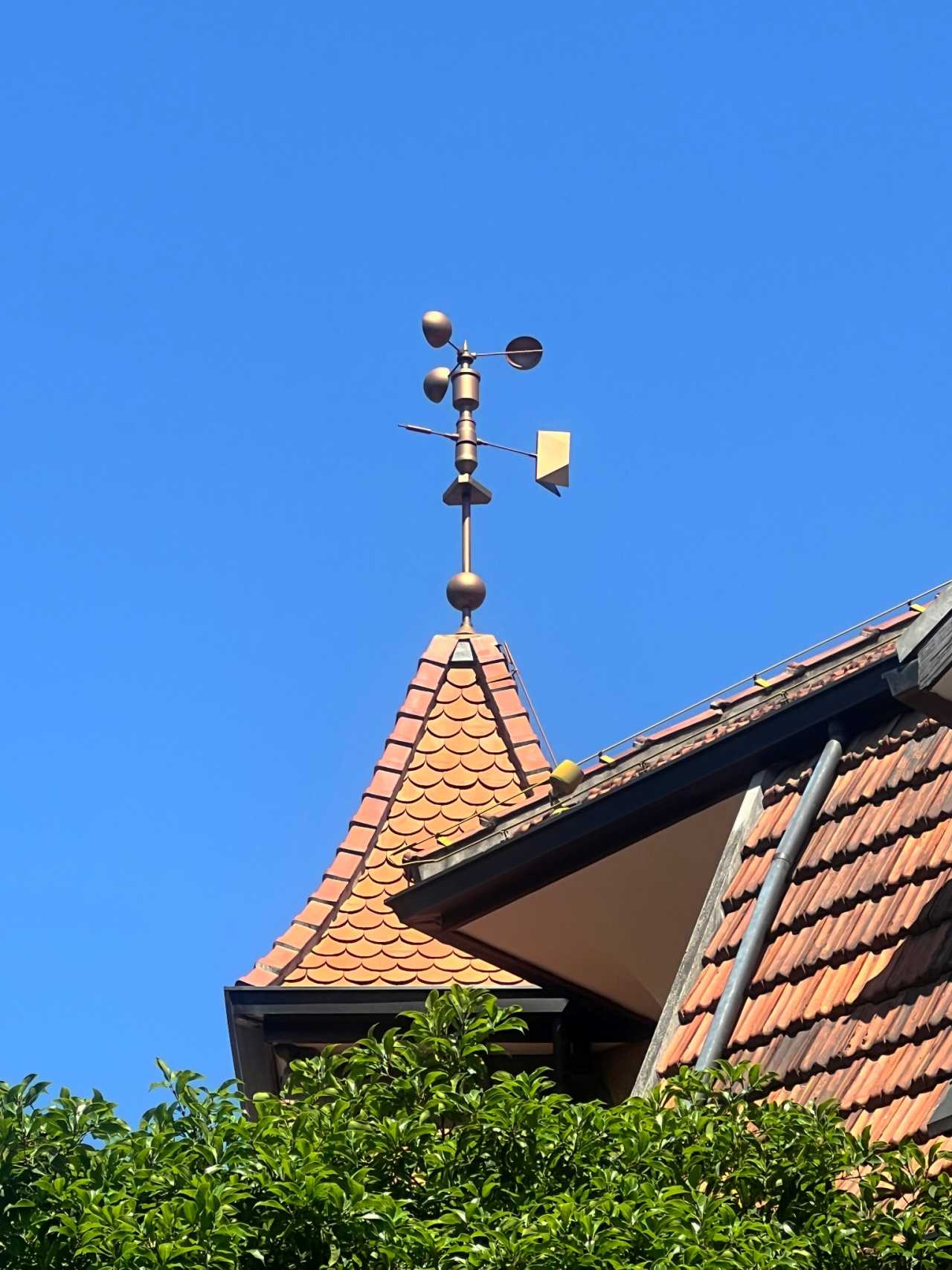
Among all the old villas, none is more eye-catching than the building known as the "Music Castle." Built around 1905, it is one of the oldest structures on campus. Originally constructed for a German expatriate, it was later purchased as a private residence by Xi Juxing, a prominent Shanghai financier and banker in Republican-era Shanghai.
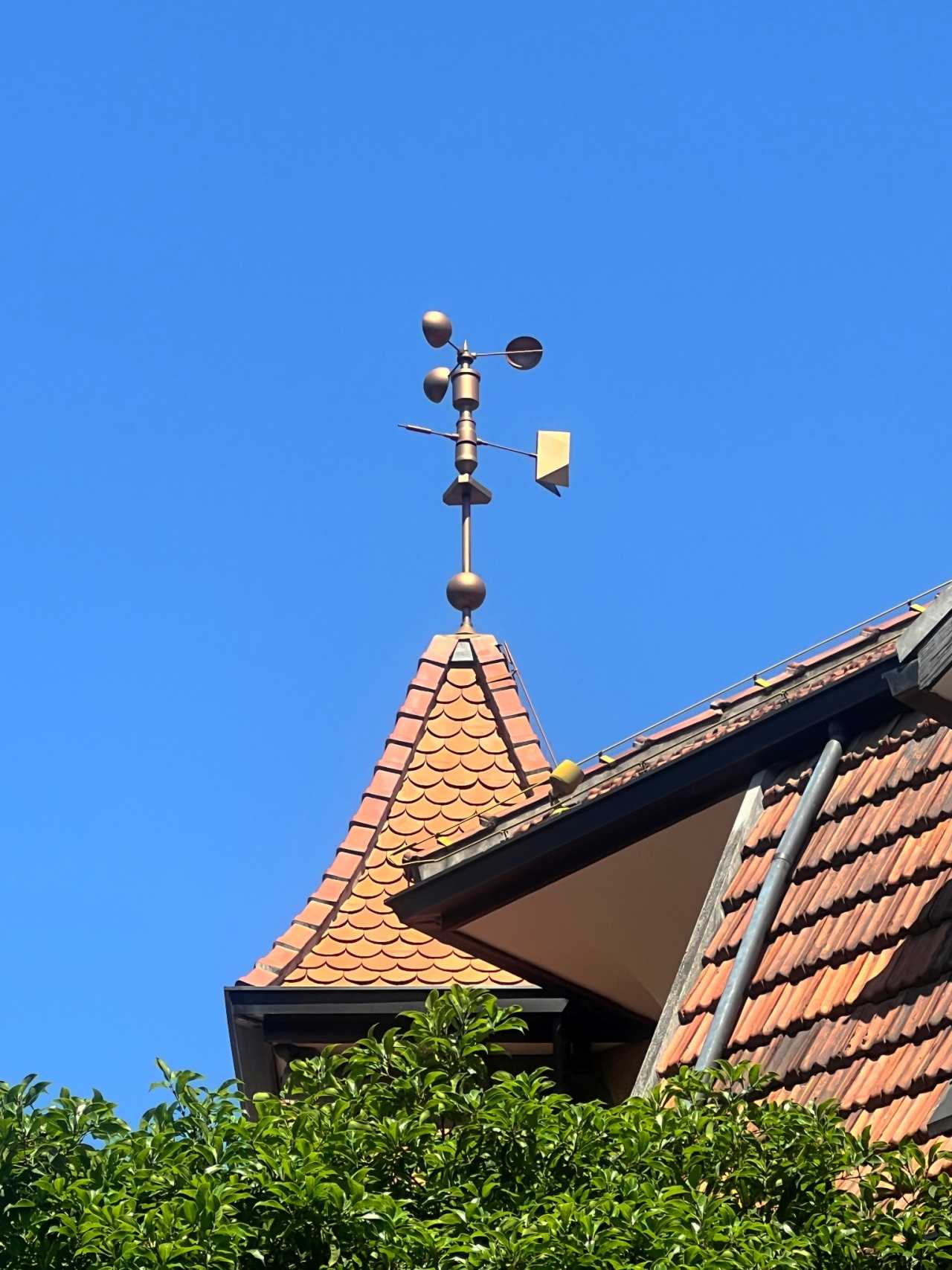
Architectural features: - Pointed roofs reminiscent of medieval European castles - Arched windows with stone-clad exteriors - Visible from Huaihai Road, resembling a fairy-tale fortress
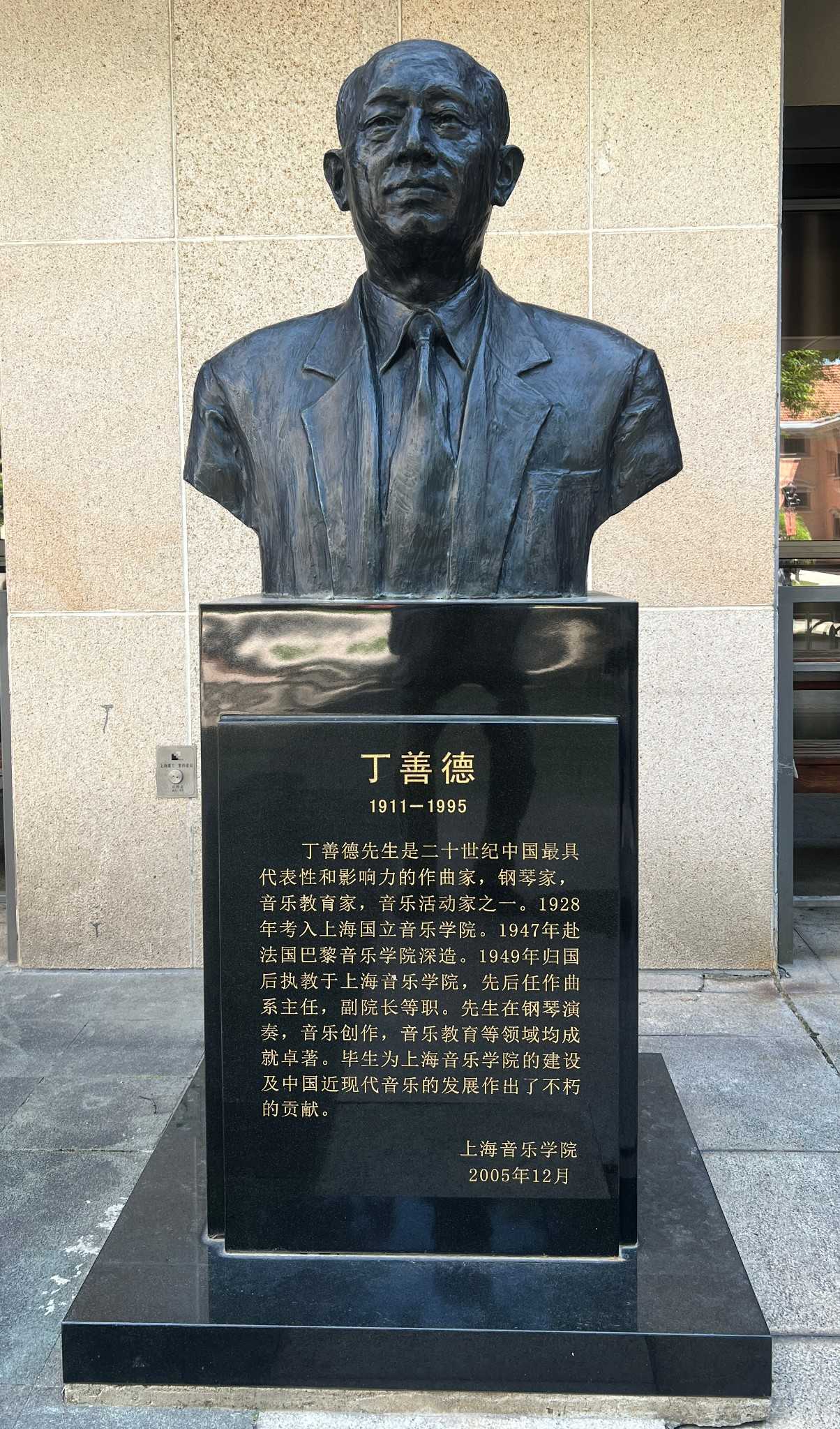
In 1958, it became the conservatory's library. What makes it even more fascinating is that the former director, He Luting, once worked here. He Luting was a founding figure of modern Chinese music, known for timeless compositions like "The Guerrilla Song." Imagine this master of music hunched over his desk in this "castle," composing and editing scores.
Today, the castle has reportedly been converted into a café, but its cultural aura remains undiminished. You can order a cup of coffee, sit by the window, and watch the plane leaves drift in the breeze while listening to distant piano notes — this, perhaps, is Shanghai at its most enchanting.
[Link: He Luting's musical legacy]
The Aesthetic Education Building: Cai Yuanpei's Vision and the Oriental Instruments Museum
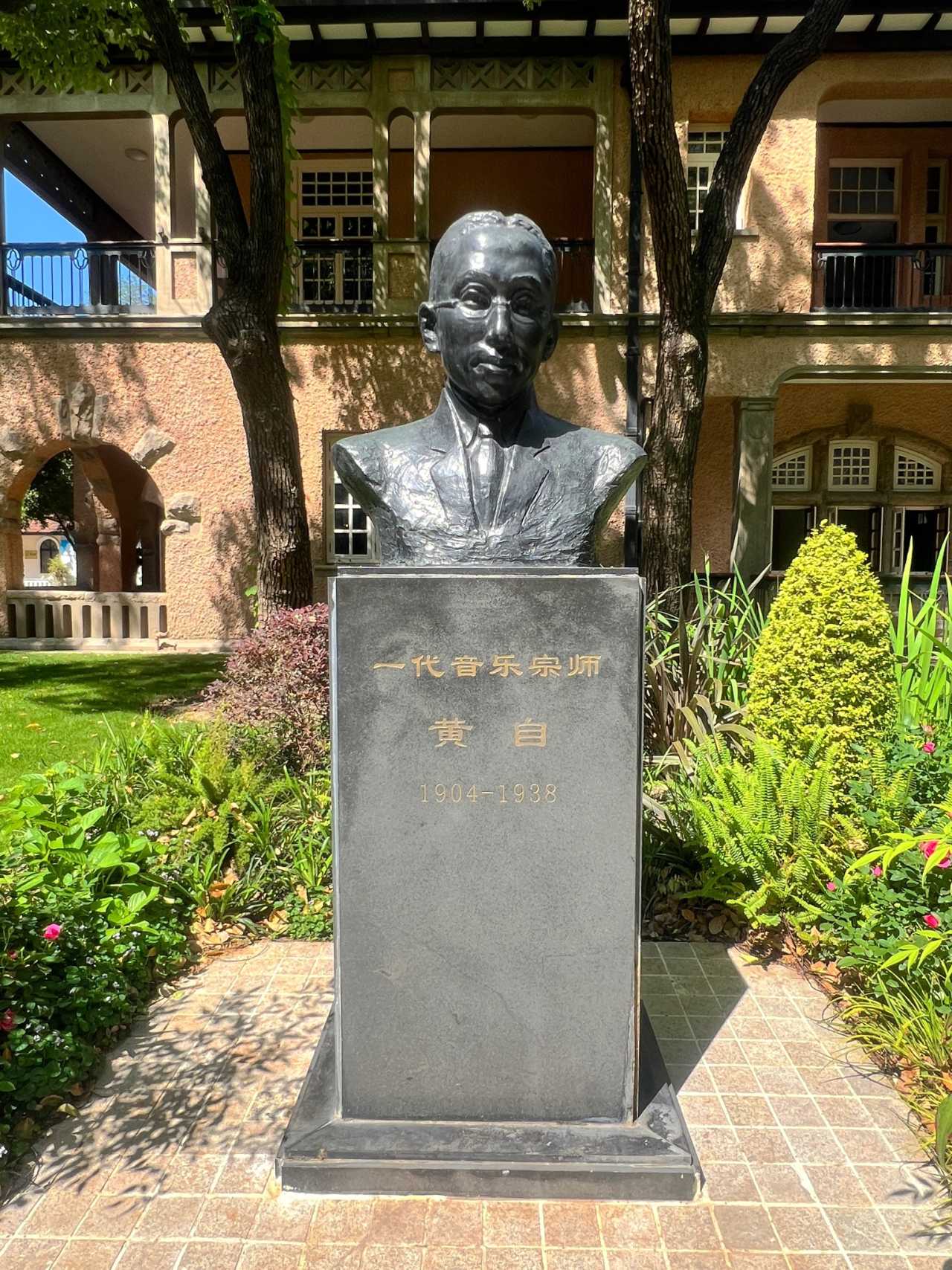
Continuing your exploration, you'll come to a building constructed in 1936 — the Aesthetic Education Building. Its very name carries profound educational meaning. Mr. Cai Yuanpei once advocated for "replacing religion with aesthetic education," believing that art and beauty were essential for shaping character and elevating the nation's quality.
Today, the Aesthetic Education Building houses the Oriental Instruments Museum, which holds a collection of traditional instruments from China and across Asia:
| Instrument | Origin | Significance |
|---|---|---|
| Guqin (ancient Chinese zither) | China | Symbol of scholarly refinement |
| Pipa (Chinese lute) | China | Virtuosic folk instrument |
| Shakuhachi (Japanese bamboo flute) | Japan | Zen meditation tool |
| Gayageum (Korean zither) | Korea | Classical court instrument |
As you stroll through the museum and gaze at these centuries-old artifacts, Cai Yuanpei's ideal of aesthetic education comes to life: it's not an abstract theory but something passed down through generations via these tangible objects and their sounds.
[Link: Oriental Instruments Museum exhibits]
The Little White Villa: Quiet Moments of a Private Home
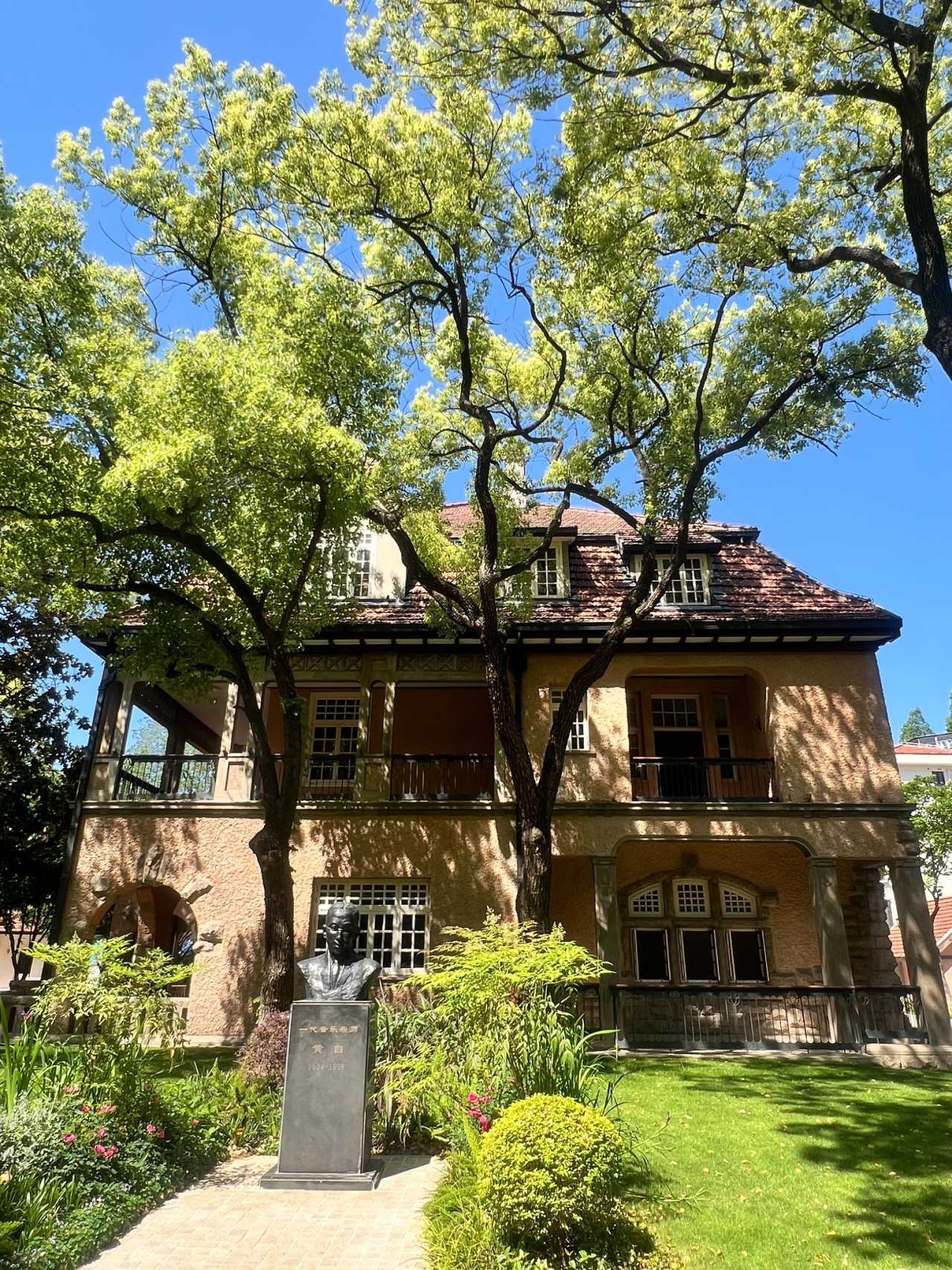
In a corner of the campus stands a small white villa built in 1930. It was originally a private residence, lacking any illustrious historical background or the halo of a celebrity's former home. But it is precisely this "ordinariness" that makes it feel so authentic.
Imagine life in 1930s Shanghai for a middle-class family living in this little house: in the morning, the lady of the house opens the windows to let in fresh air and sunlight; in the evening, children play in the garden while church bells ring in the distance. This simple, warm scene of daily life may be more touching than grand historical narratives.
Today, this little villa has been repurposed as a music therapy space, offering musical healing to those in need of solace. From a private home to a healing sanctuary, its function has changed, but its original purpose — to make people feel at ease — has never wavered.
[Link: Music therapy benefits and practices]
Music Therapy Space: When Old Mansions Meet Modern Healing
The transformation of the Little White Villa into a music therapy space represents a beautiful convergence of old and new. Here, the historic architecture provides a serene backdrop for therapeutic practices that harness the power of music to heal.
What to expect: - Guided listening sessions in historic rooms - Instrument exploration workshops - Quiet reflection spaces in the garden - Professional therapists trained in music-based interventions
This space embodies the conservatory's ongoing commitment to the philosophy of aesthetic education — using music not just for performance, but for personal transformation and well-being.
FAQ: Shanghai Conservatory of Music Villa Complex
Q1: Can the public visit the Conservatory of Music's historic villas? Yes, the campus is generally open to the public during daytime hours. Some buildings may have restricted access depending on current use (e.g., administrative offices), but the exteriors and public spaces are accessible. The Oriental Instruments Museum in the Aesthetic Education Building is open to visitors.
Q2: What is the best time to visit these historic Shanghai mansions? Spring (March-May) and autumn (September-November) offer the most pleasant weather for walking the campus. The plane trees are particularly beautiful in autumn when their leaves turn golden.
Q3: Are there guided tours available? While formal guided tours are not regularly scheduled, the conservatory occasionally offers special open days or cultural events. Visitors can also explore self-guided routes using online resources or local guidebooks.
Q4: What other historic Shanghai villas are nearby? The surrounding Fenyang Road and Huaihai Road area is rich with historic architecture. Notable nearby sites include the former residences of celebrities, old consulates, and other preserved garden villas from the 1920s-1930s.
Q5: Is photography allowed on campus? Generally yes, for personal use. However, be respectful of any "no photography" signs, especially inside buildings used for administrative purposes or private events.
Conclusion: Your Journey Through Shanghai's Musical Heritage
The Shanghai Conservatory of Music villa complex is more than a collection of old buildings — it's a living archive of Shanghai's cultural evolution. From German garden homes to Jewish clubs, from financier fortresses to music therapy sanctuaries, these historic mansions tell a story of resilience, fusion, and beauty.
Plan your visit today: 1. Start at Fenyang Road — enter the campus and let the music guide you 2. Explore each villa — spend time reading the plaques and imagining the lives lived within 3. Visit the Oriental Instruments Museum — immerse yourself in Eastern musical traditions 4. End at the Music Castle café — reflect on your journey with a coffee in hand
Whether you're a Shanghai local rediscovering your city or a traveler seeking hidden gems, these historic Shanghai mansions offer a unique blend of architecture, history, and music that you won't find anywhere else.
Ready to explore? Share your visit on social media with the hashtag #ShanghaiMusicVillas and tag @ShanghaiConservatory. Let the world know about this hidden treasure where a century of elegance still sings through every note.
[Link: Book a guided Shanghai heritage walking tour] [Link: Shanghai Conservatory of Music official website] [Link: More hidden historic sites in Shanghai]