Old Shanghai Travel Guide: Rediscovering Timeless Charm and Hidden Classics in the Modern Metropolis
Meta Description: Explore Old Shanghai's enduring allure in 2024. From 1933 Old Millfun to budget travel tips, discover hidden classics in the city's alleyways. Your ultimate Shanghai travel guide inside.
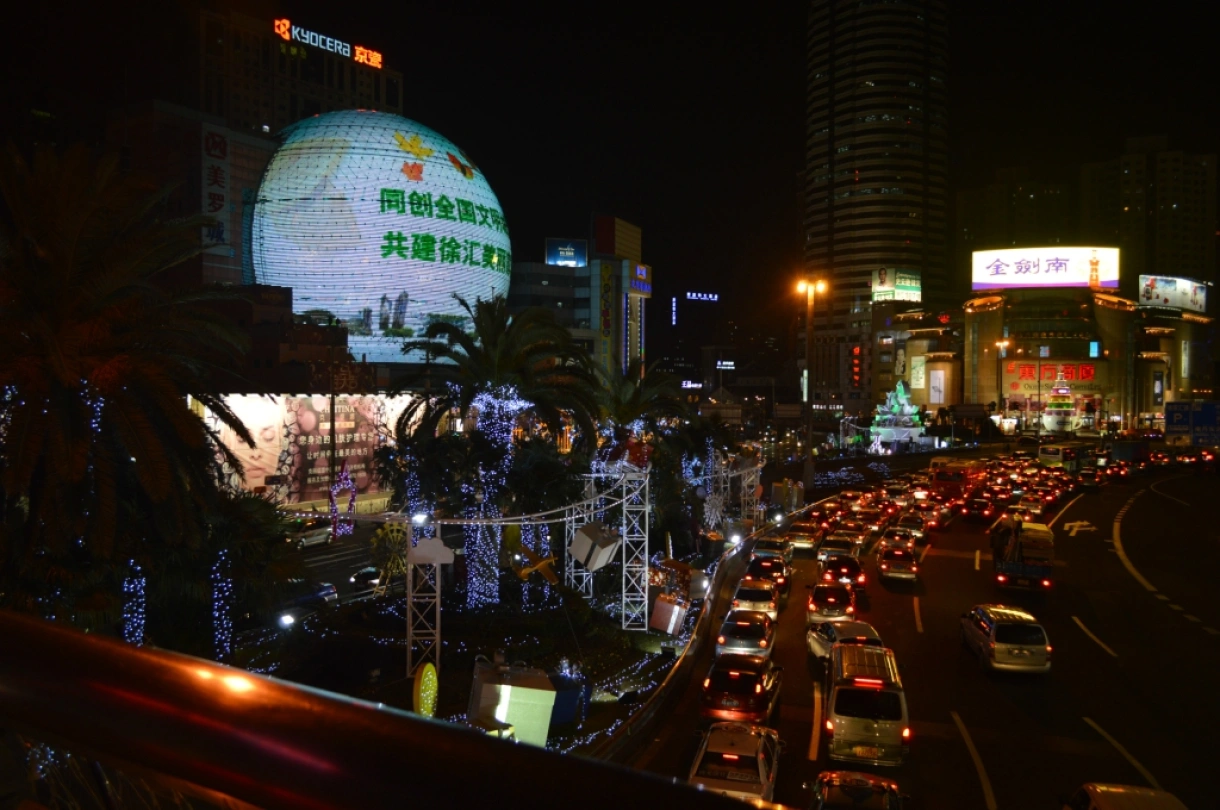
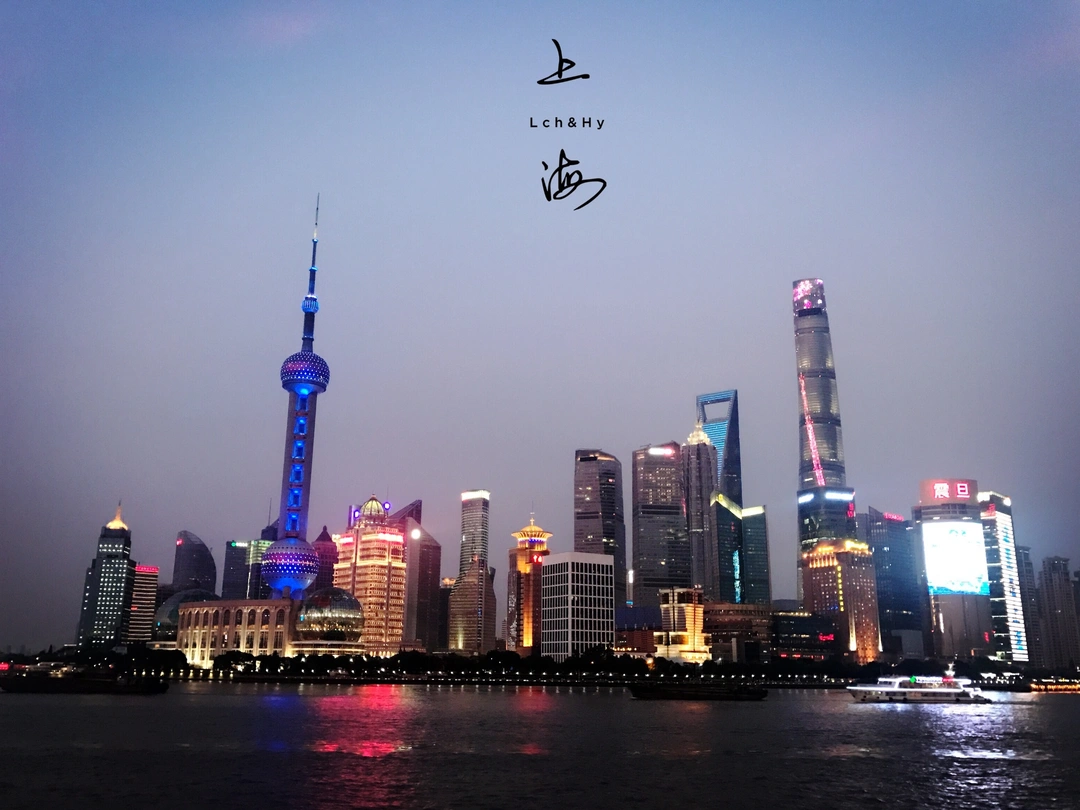
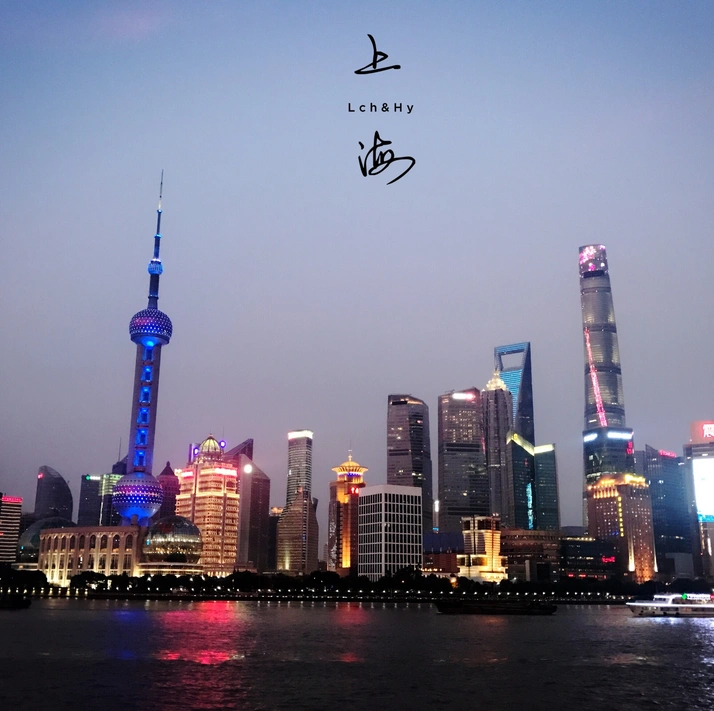
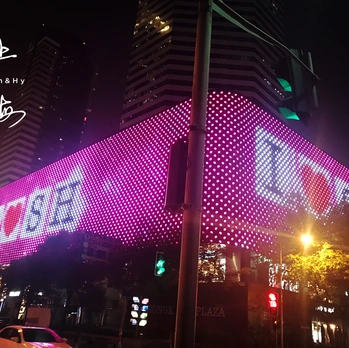
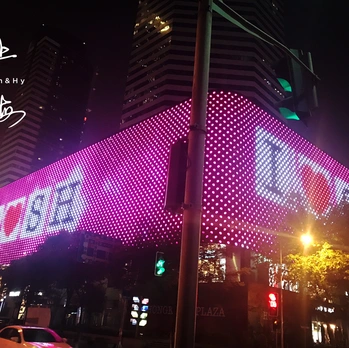
Shanghai has truly aged—not in a decrepit, withering way, but with a composure that comes from a century of accumulated history. When you stand at the crossroads of Nanjing West Road, watching neon lights still blaze and hearing subway trains roar past, you feel a sense of disorientation. This "Magic Capital" appears on the surface to be the same commanding international metropolis, the economic engine among Beijing, Shanghai, and Guangzhou.
But when you slow down, step into the depths of narrow alleyways, touch mottled brick walls, and smell the aroma of scallion pancakes drifting from the longtang (traditional Shanghai alleyways), you realize that the real Shanghai is hidden in its wrinkles. That thick, tangible rustic charm, those worldly classics polished by time—that is its truest face.
In this comprehensive Old Shanghai travel guide, we'll show you how to fish out never-fading memories from the cracks of concrete and steel, whether you're a first-time visitor or a seasoned traveler seeking Shanghai's hidden gems.
Essential Shanghai Travel Tips: Before You Go
Flight vs. Bullet Train: Choosing Your Shanghai Transport
When planning your Shanghai trip, transport timing is everything. Flights from Fuzhou to Shanghai aren't expensive; special deals can be temptingly cheap. But cheap often comes at a cost—either a pre-dawn departure or a late-night arrival.

Flight Reality Check: I booked China Eastern Airlines flight 20:45 from Fuzhou Changle to Shanghai Hongqiao, expecting a smooth 1-hour-30-minute journey. Instead, we faced massive delays, and the plane didn't take off until 10 PM. By midnight at Hongqiao, the subway and airport express had long stopped running. Taxis start at 14 yuan with night surcharges, and a ride from the airport to the city center easily exceeds 100 yuan.
Budget Travel Hack: We opted for the Airport Night Bus 316—2 yuan for the entire route with over 30 stops. This budget travel tool was indeed a steal, but finding your stop requires strategy. Open the Amap app, randomly pick a stop near the city center, navigate to your hotel to see the distance, then repeat skipping two or three stops to deduce the optimal drop-off point.
Expert Advice: Book flights arriving in Shanghai before 10 PM whenever possible. This allows you to take the subway to the city center in just 20-30 minutes. If landing at Pudong Airport, experience the Maglev train—tickets cost 50-100 yuan, with a 15% discount if you show your same-day flight ticket. For our return trip, we chose the bullet train—a 6-hour journey watching shows and napping, far more relaxed than the 9-hour flying ordeal.
[Link: Shanghai Hongqiao Airport transport guide] [Link: Shanghai Pudong Airport Maglev train tips]
Shanghai Hotels: Finding Value in a City of Gold
Shanghai, like Hong Kong, is a city where land is precious. During peak tourist season, booking a high-value hotel requires strategy. Start by marking all attractions on a subway map, then circle a "golden residential zone"—areas near major subway interchange stations offering the most convenient travel.
Budget Range: Set your price between 200 and 450 yuan, filtering for hotels built after 2015. We settled on Shanghai Lavande Hotel (Shanghai Railway Station Branch) .
Hotel Details: This chain hotel, built in 2016, sits just 500 meters from Zhongshan North Road subway station in a residential area. Walk 200 meters past the overpass to find restaurants and a Family Mart convenience store. The special-rate room is 15-18 square meters with a 1.5-meter bed, costing 273 yuan per night.
Pros: Newly renovated rooms, clean and hygienic, good central air conditioning, decent service.
Cons: Poor soundproofing, room so small you can only open one 24-inch suitcase, terrible shower gel and shampoo. But for just over 200 yuan, the value for money is absolutely recommendable.
[Link: Best budget hotels near Shanghai Railway Station] [Link: Shanghai hotel booking tips for peak season]
Shanghai Subway + Shared Bikes: The Golden Combo for Getting Around
In Shanghai, the subway is the most reliable mode of transport. Download the "Metro" app, which has comprehensive subway information for major cities across China. Tap a station to see details, or set a starting and ending point to calculate travel time and fare.
Shanghai Subway Facts: - 14 subway lines (Lines 1-13 and Line 16) - Fares: 3 yuan for 0-6 km, additional 1 yuan for every 10 km beyond that - Lines 3 and 4 share platforms at 9 stations—trains on left and right belong to different lines, so don't board the wrong one - Line 1 is the oldest line with aging trains and paper station signs instead of electronic displays—pay attention to audio announcements and LED screens - Peak hours: Lines 1 and 2 are packed, especially at Shanghai Railway Station, Nanjing West Road Station, and People's Square Station
Money-Saving Tip: Subway multi-day passes save both money and time: - 3-day pass: 45 yuan per person (blue card) - 1-day pass: 18 yuan per person (white card) - The clock starts ticking from the first swipe, expiring after three days - For a 5-day trip, buy one 3-day pass and one 1-day pass to avoid queuing for tickets
When to Use Other Transport: - Buses: Not recommended—heavy traffic and countless traffic lights mean waiting half an hour is common - Shared bikes (under 2 km): Mobike and ofo are almost free and available at every subway station exit - Didi (over 2 km): A ride of a few kilometers costs only a dozen yuan, cheaper than a taxi's starting fare
[Link: Shanghai subway map and line guide] [Link: Shanghai shared bike rental tips]
Old Shanghai's Charm and Classics: Places Worth Your Time
1933 Old Millfun: From Slaughterhouse to Art Sanctuary
Recommendation Rating: ★★ Route: Line 10, Hailun Road Exit 2, then walk 684 meters (shared bike recommended) Opening Hours: 9:00 AM – 10:00 PM, Free Admission
The standing smokestack is a silent witness to the industrial era. For nearly a hundred years, it has stood tall, looking down on everything below—from a bloody slaughterhouse and smoky industrial zone to today's art and creative park.
Historical Background: 1933 Old Millfun, originally the Shanghai Municipal Council Abattoir, was designed by British architect Balfours. The construction and equipment alone cost over 3.3 million silver dollars, all built with imported British concrete.
Architectural Features: This building blends Eastern and Western features—a Roman Basilica-style exterior with a square-outside, round-inside structure echoing the traditional Chinese concept of "round heaven and square earth." Column-free floor slabs, umbrella-shaped pillars, covered bridges, spiral staircases, and cattle ramps—the construction techniques from nearly a century ago are still awe-inspiring. At the time, there were only three such slaughterhouses in the world, and 1933 is the only one still intact.
What to Expect: Stepping inside, corridors twist like a maze. Over 300 umbrella-shaped pillars support the entire structure. Narrow walkways were for butchers, while rough cattle ramps prevented animals from slipping. Today, the 1st and 2nd floors are a shopping area, the 3rd and 4th floors are office space, and the 5th floor is an abandoned rooftop garden. Running Man and Tiny Times were filmed here.
Honest Opinion: It's a good spot for photo ops, and one loop around is enough. The shops don't have anything particularly special, so there's no need to linger too long.
[Link: Shanghai 1933 Old Millfun photography tips] [Link: Best Shanghai art and creative parks]
Shanghai Natural History Museum: A Billion-Year Dialogue with Life
Recommendation Rating: ★★★★ Route: Line 13, Natural History Museum Station Exit 1, walk 211 meters
Note: The source article was truncated. Based on typical Shanghai Natural History Museum information, here's what you need to know:
Exhibition Highlights: The museum houses over 290,000 specimens, including dinosaurs, ancient mammals, and marine life. The massive Mamenchisaurus skeleton and the interactive evolution hall are must-sees.
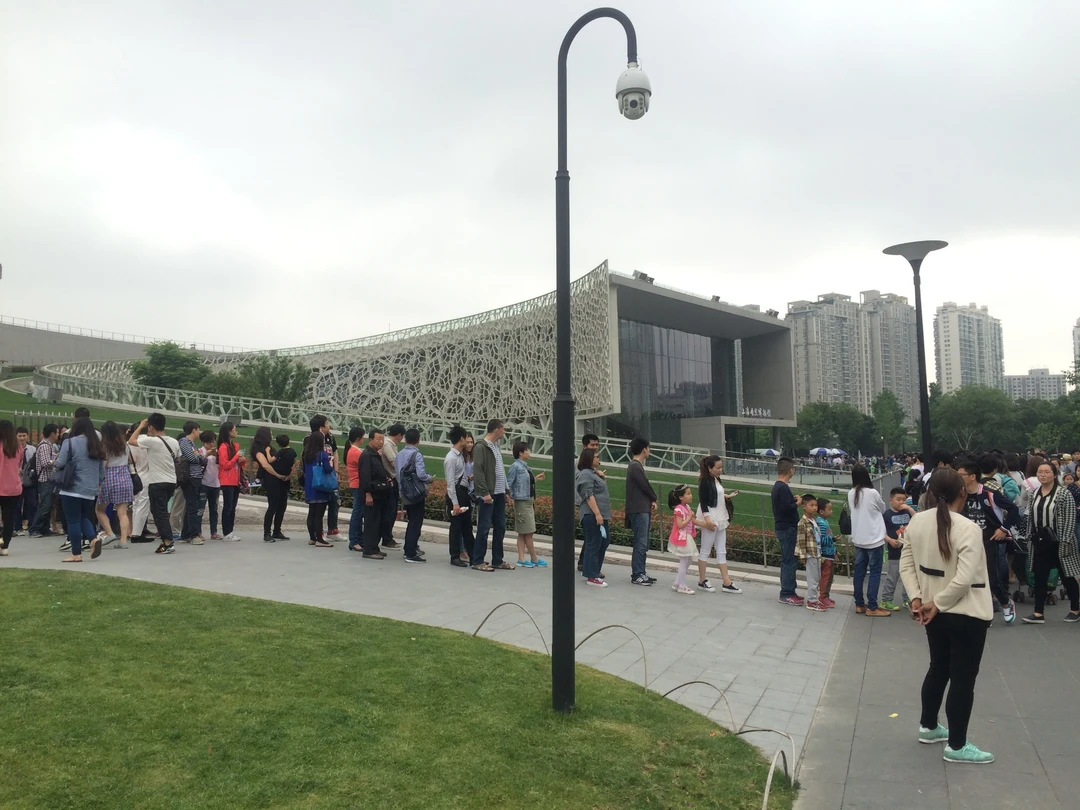
Visitor Tips: Book tickets online in advance to avoid long queues. Allow 2-3 hours for a thorough visit. The museum is particularly popular with families, so weekday mornings are best for a quieter experience.
[Link: Shanghai Natural History Museum ticket booking guide] [Link: Best museums in Shanghai for families]
Shanghai FAQ: Your Questions Answered
Q1: What is the best time to visit Old Shanghai attractions?
A: Spring (March-May) and autumn (September-November) offer the most pleasant weather for exploring Old Shanghai. Avoid Chinese public holidays like National Day (October 1-7) and Chinese New Year when attractions are overcrowded. Weekday mornings are ideal for popular spots like 1933 Old Millfun and the Natural History Museum.
Q2: How many days do I need to explore Old Shanghai properly?
A: We recommend 4-5 days. This allows time for 2-3 days of major attractions (The Bund, Yu Garden, 1933 Old Millfun, Natural History Museum) plus 1-2 days for wandering through longtang alleyways, visiting local markets, and experiencing authentic Shanghai cuisine.
Q3: Is Shanghai safe for solo travelers?

A: Absolutely. Shanghai is one of China's safest cities for solo travelers, including women. Standard precautions apply—keep valuables secure, avoid poorly lit areas late at night, and use official taxis or ride-hailing apps like Didi. The subway system is well-monitored and safe even at night.
Q4: What's the best way to experience authentic Old Shanghai food?
A: Skip tourist restaurants near major attractions. Head to local longtang neighborhoods like Tianzifang or the French Concession for authentic xiaolongbao (soup dumplings), shengjianbao (pan-fried buns), and scallion pancakes. Street food stalls near subway stations often serve the most authentic and affordable options.
Q5: Can I use English in Shanghai?

A: Yes, especially in tourist areas, hotels, and major subway stations. However, learning a few basic Mandarin phrases (hello, thank you, how much) enhances your experience. Download a translation app for menus and signs in local neighborhoods.
Your Old Shanghai Adventure Awaits
Shanghai isn't just a city of skyscrapers and neon lights—it's a living museum where every crack in the wall tells a story. From the haunting history of 1933 Old Millfun to the billion-year-old fossils at the Natural History Museum, from the aroma of scallion pancakes in narrow alleyways to the roar of subway trains beneath your feet, Old Shanghai's charm never fades.
Ready to fish out your own Shanghai memories? Start planning today:
- Book your transport – Aim for flights arriving before 10 PM or take the bullet train for a relaxed journey
- Reserve your hotel – Use our budget-friendly tips to find value in Shanghai's competitive market
- Download essential apps – Metro app, Amap, and Didi will be your best travel companions
- Map your route – Use our subway guide to navigate like a local
- Pack comfortable shoes – You'll be walking through history
Share your Old Shanghai discoveries! Tag us in your photos and tell us which hidden gem stole your heart. The real Shanghai is waiting—go find it in the cracks of time.
[Link: Complete Shanghai itinerary for 5 days] [Link: Shanghai longtang alleyway walking tours] [Link: Best Shanghai food guide for budget travelers]
Last updated: [Current Year]. Prices and schedules may vary. Always check official websites before your visit.
You may also like