Shanghai's Hidden Gems: Escaping the Crowds to Discover Another Side of the Magic City
Meta Description: Explore Shanghai's hidden gems beyond the Bund and Nanjing Road. Discover secret shikumen alleys, quiet university corners, and offbeat spots that reveal the soul of the Magic City. Perfect for travelers seeking authentic Shanghai experiences.
Introduction
Shanghai is often called a "city of a thousand faces." The Bund's colonial architecture glitters under neon lights, Lujiazui's skyscrapers pierce the clouds, and Nanjing Road buzzes with endless crowds. These iconic sights are undeniably impressive—but they only tell half the story.
If you think Shanghai is just about these tourist magnets, you're missing its true soul. Beyond the well-trodden paths lie quiet university campuses, artistic shikumen (traditional stone-gate houses) enclaves, and secret spots even many locals don't know.
As an amateur photographer pursuing a master's degree at Fudan University, I spent seven days wandering every corner of Shanghai. This guide takes you beyond the crowds—into the city's hidden heart.
Why Most Visitors Miss Shanghai's Hidden Gems
The problem? Shanghai's famous landmarks dominate every travel guide. Visitors flock to the Bund, Lujiazui, and Nanjing Road because they're easy to find. But this creates a paradox: the more famous a spot, the less authentic it feels.
The solution? Venture just a few blocks off the main streets. That's where Shanghai's real character lives—in quiet lanes, century-old universities, and repurposed industrial spaces.
H2: The Bund Reimagined: An Open-Air Museum of a Century of Elegance
H3: Architectural Wonders Without the Crowds

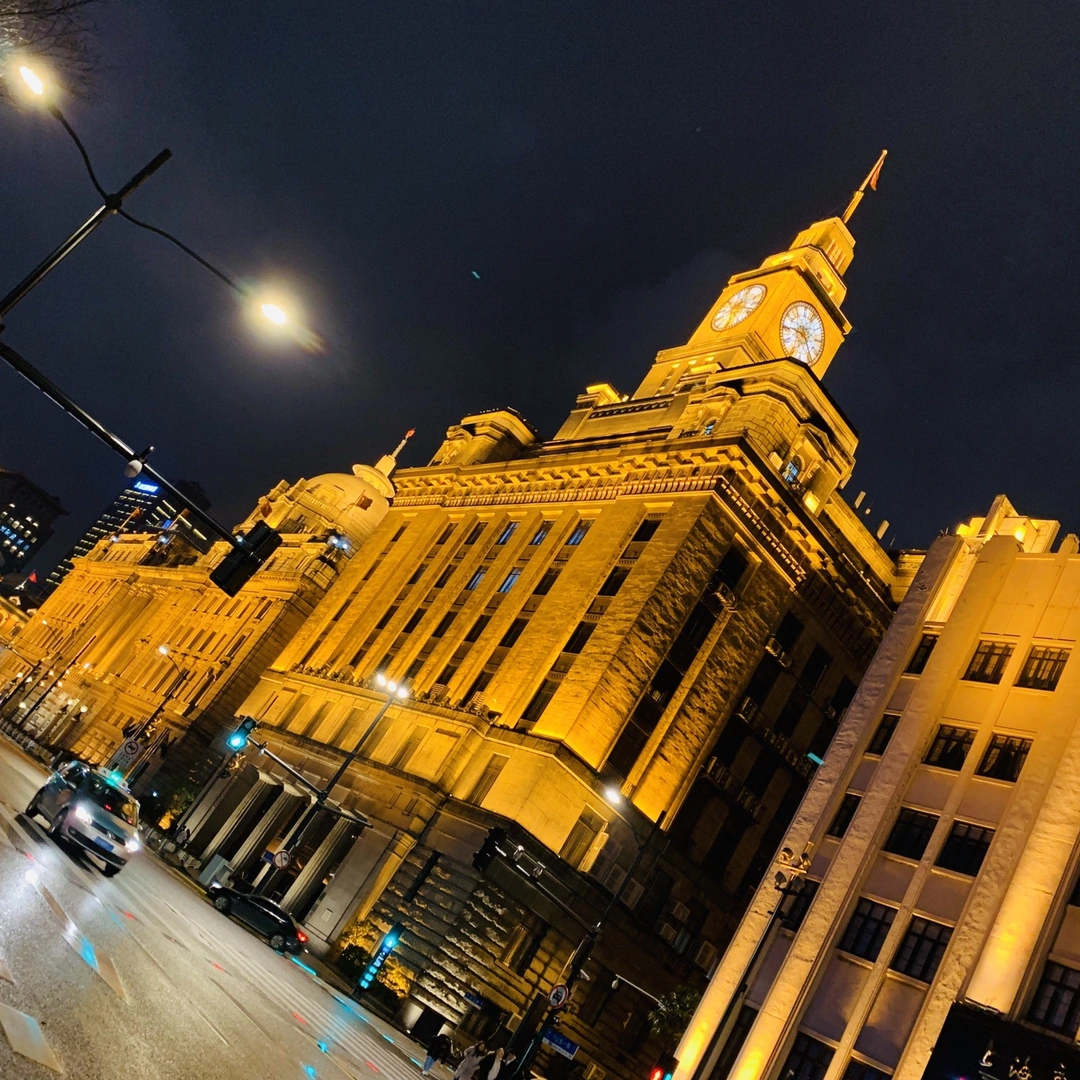
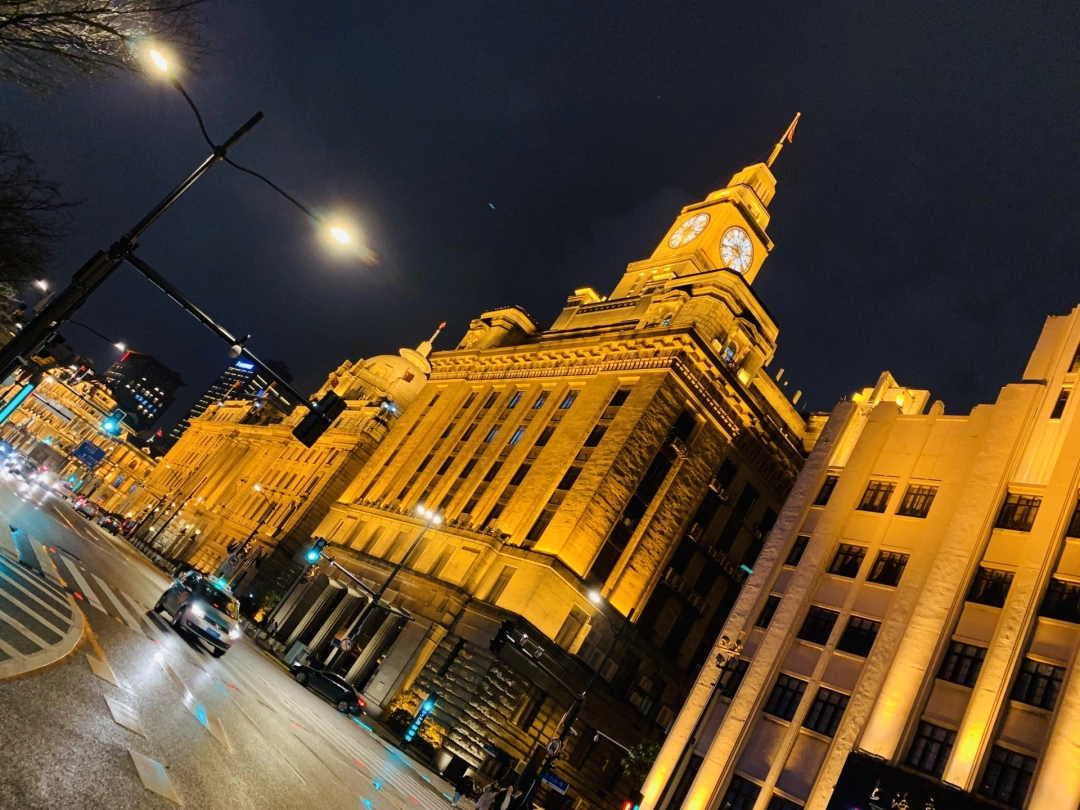
Stroll along the western bank of the Huangpu River. The Bund stretches about 1.5 kilometers like an open history book. Here stand dozens of classical revival buildings—the solemn Bank of China Building, the elegant Peace Hotel, the chimes of the Customs House, the grand HSBC Building. Together, they formed what was once called the "Wall Street of the Far East."
What's astonishing? These buildings weren't designed by the same architect or built in the same period. Yet they create a harmonious rhythm. French Classicism, Gothic, Baroque—these styles intertwine like a century-spanning symphony.
Pro tip: Visit early morning (6:00–8:00 AM) or late evening (after 10:00 PM) to enjoy the Bund without crowds. The lighting is magical during these hours.
H3: Night Magic on the Huangpu River
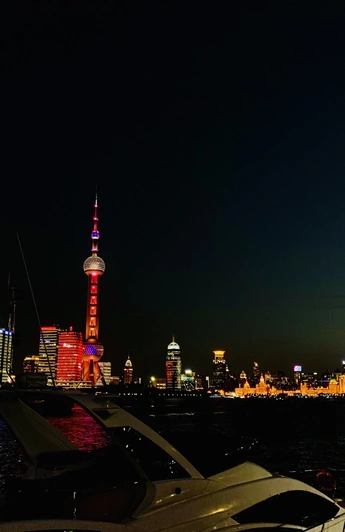
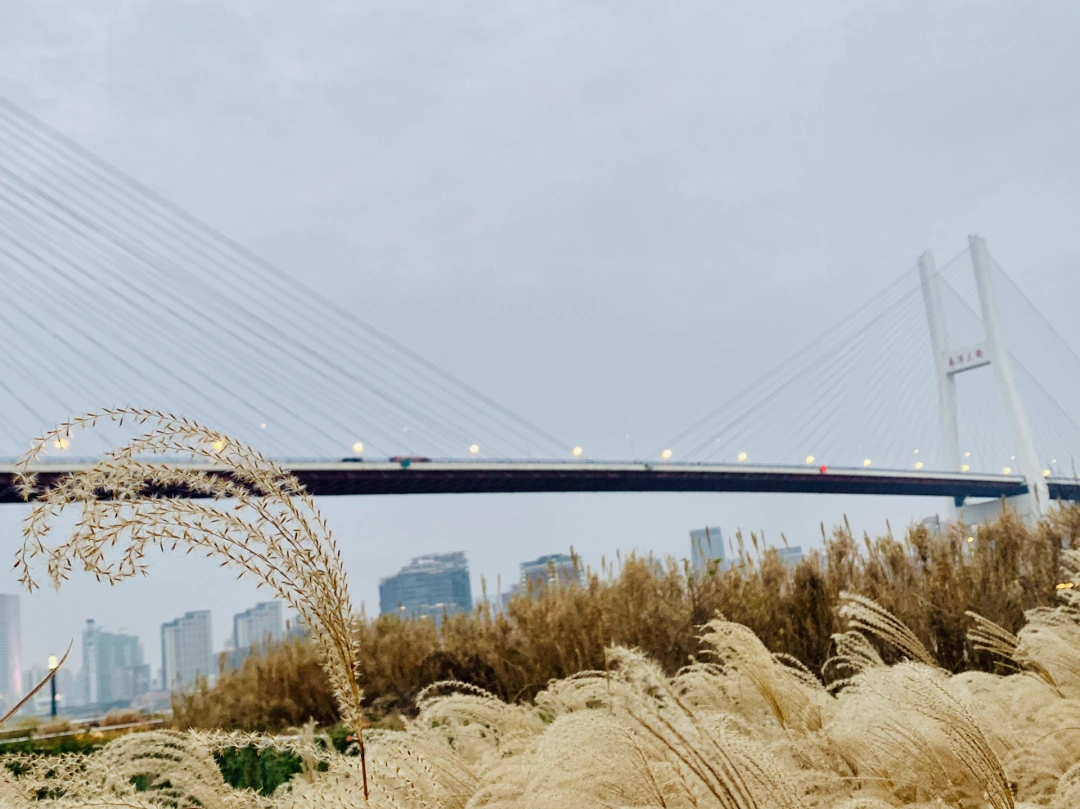
When night falls, neon lights on both banks reflect off each other. Take a ferry across the river. Let the river breeze brush your face. On one side: the Bund, a witness to history's vicissitudes. On the other: Lujiazui, a symbol of modern prosperity. The silhouette of the Waibaidu Bridge flickers in the lights—and in that moment, you'll understand why they call it the "Magic City."
Practical Information - Transport: Metro Line 2 or Line 10, "East Nanjing Road" Station - Admission: Free - Opening Hours: 24 hours (lighting: summer 7:00 PM–11:00 PM, winter 5:00 PM–9:00 PM) - Suggested Time: 2–3 hours - Best for: Photography, history buffs, romantic evening walks
[Link: Best photo spots on the Bund for Instagram-worthy shots]
H2: Lujiazui: The City's Heartbeat Above the Clouds
H3: Skyscraper Views Without the Tourist Traps
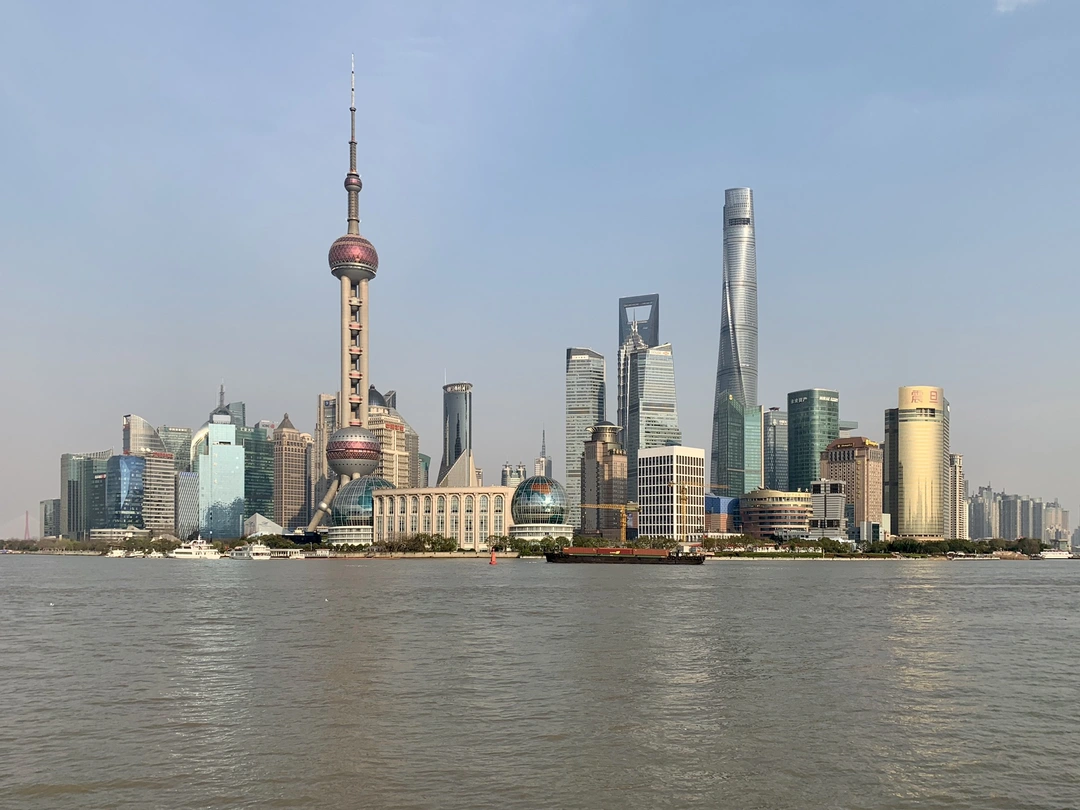
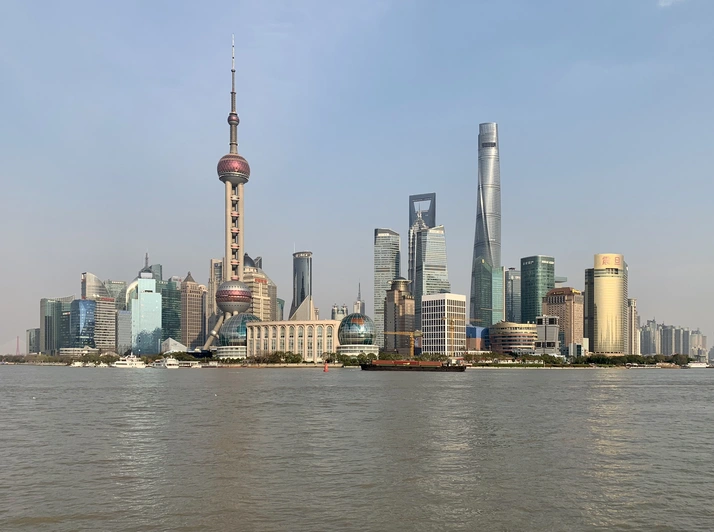
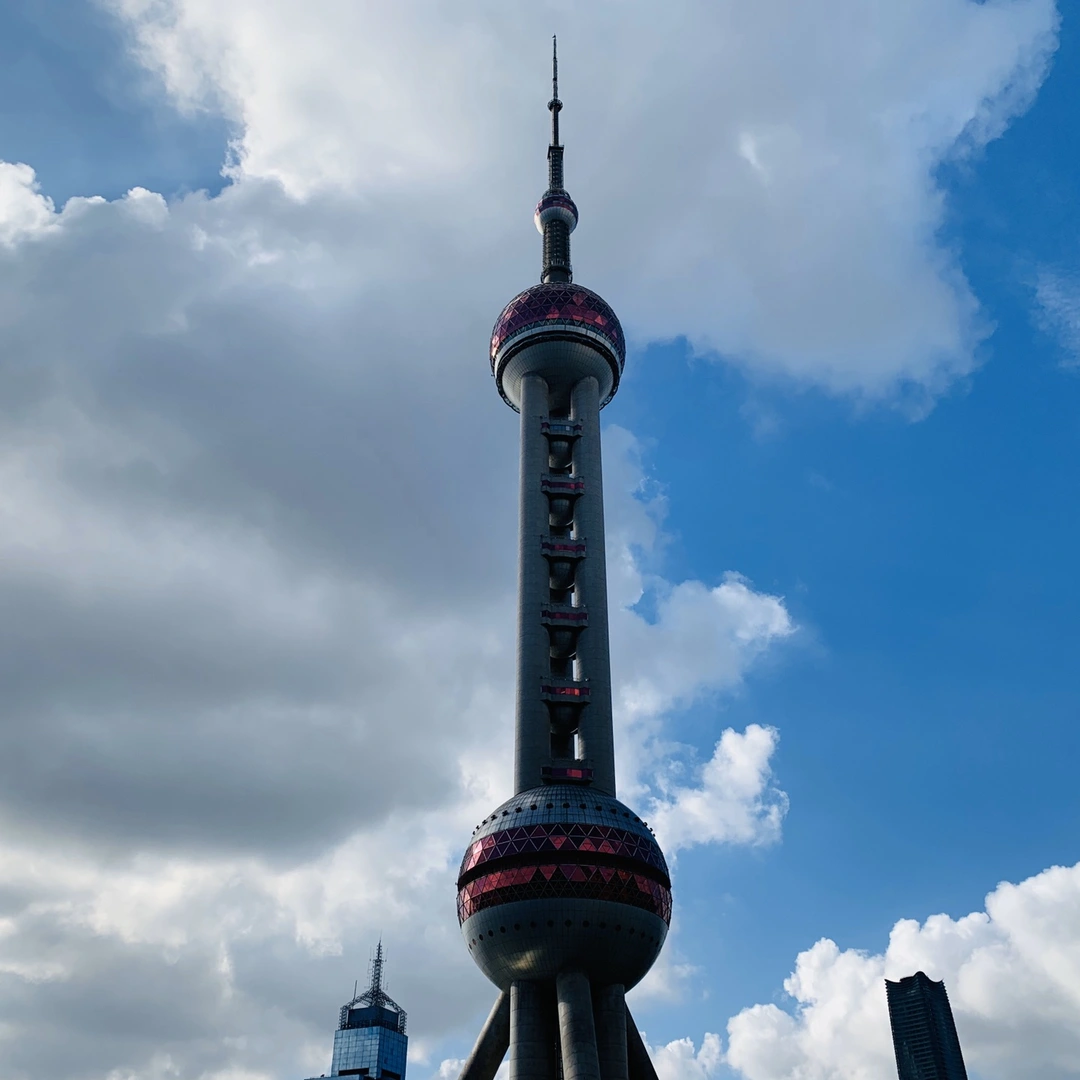
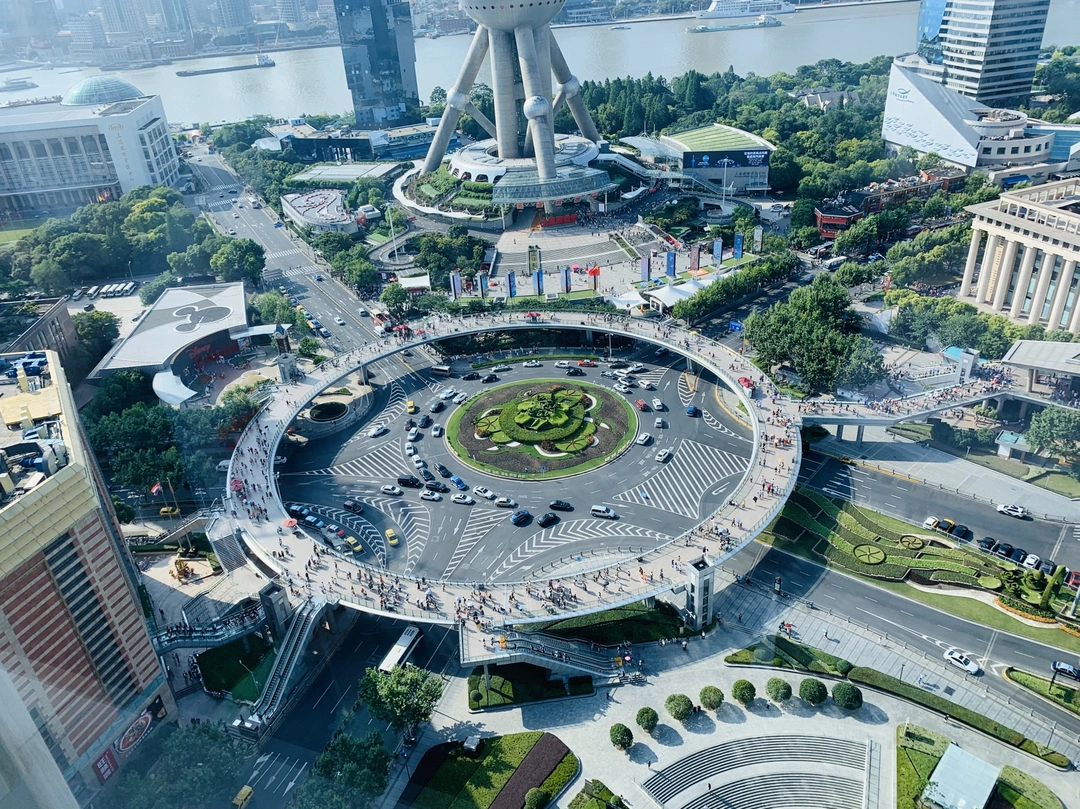
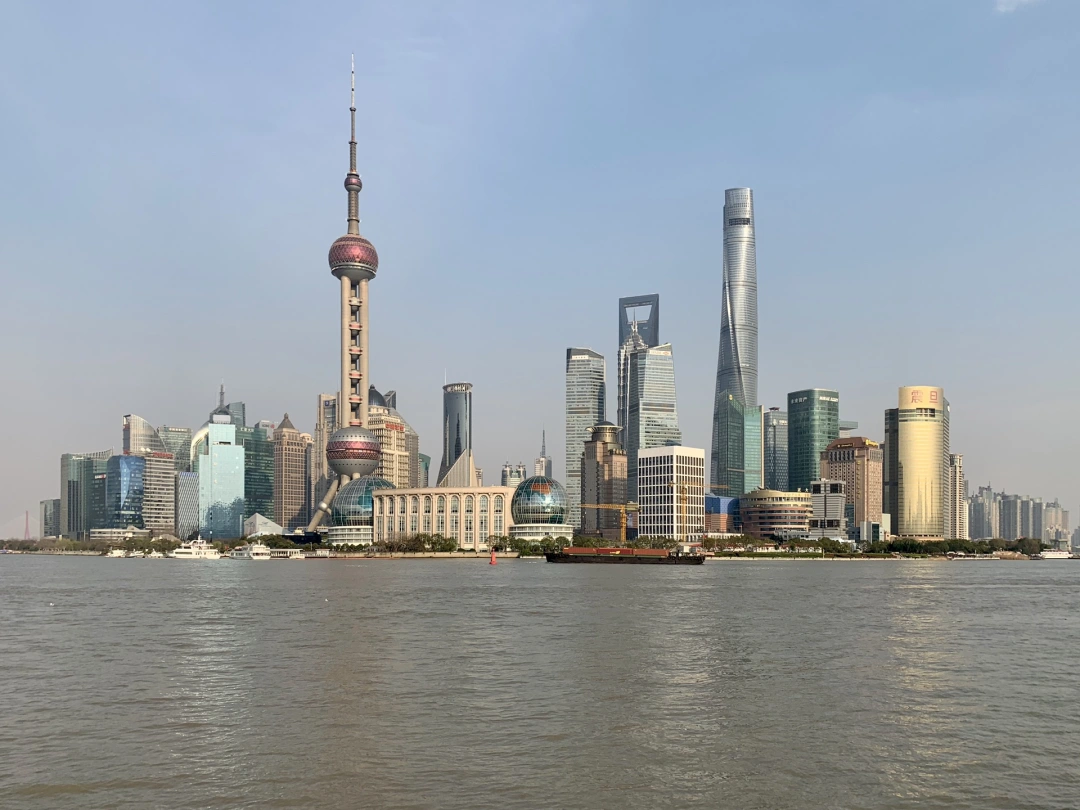
Across the river from the Bund, Lujiazui is Shanghai's modern calling card. The Oriental Pearl Tower, Shanghai World Financial Center, Jin Mao Tower, and Shanghai Tower—these landmarks blaze with light at night.
But here's a secret: the best views aren't from the observation decks. Stand on the riverside promenade near Metro Line 2's Exit 2. Look up at these skyscrapers. You'll feel like you've stepped into a sci-fi movie.
For the ultimate experience, take the elevator to the observation deck of the Shanghai Tower (the tallest building in China). Gaze down at the magnificent panorama of the Huangpu River. Book tickets online in advance to skip the queues.
H3: Family-Friendly Hidden Spots in Lujiazui
Lujiazui isn't just for adults. The Shanghai Ocean Aquarium (next to the Oriental Pearl Tower) lets you walk through an underwater tunnel and get up close with sharks and sea turtles. The Shanghai Natural Wild Insect Kingdom houses live insects and butterfly specimens—a natural classroom for kids.
When you're tired, head to nearby shopping malls like Super Brand Mall or IFC. Many restaurants offer views of the Bund. Enjoy a meal while taking in the night scenery. The Lujiazui Central Green is an open lawn perfect for a leisurely stroll or a rest.
Practical Information - Transport: Metro Line 2 or Line 14, "Lujiazui" Station - Admission: Free (tower tickets: Shanghai Tower 180 RMB/adult, half price for students; World Financial Center 135 RMB/adult; Jin Mao Tower 98 RMB/adult; Oriental Pearl special ticket 199 RMB/adult) - Opening Hours: 24 hours - Suggested Time: Half a day - Best for: Skyline views, family outings, modern architecture lovers
[Link: Best family-friendly restaurants in Lujiazui]
H2: Slices of Old Shanghai's Soul
H3: Nanjing Road Pedestrian Street: A Living Fossil of a Century of Commerce
At about 1.2 kilometers long, Nanjing Road Pedestrian Street is the "heart" of Shanghai's commerce. Shops line both sides—modern buildings interspersed with old European-style structures. Hanging store signs stretch endlessly. At night, neon lights flash, making you feel like you've traveled back to the "Ten-Mile Foreign Concession" of the 1920s and '30s.
Hop on a miniature replica of an old-fashioned tram—the "Dangdang Che." Listen to its jingling bell as you soak in old Shanghai's flavor. The pedestrian street starts at Xizang Middle Road in the west and ends at Henan Middle Road in the east. A dark red marble stele marks each end.
As you walk, spot creative urban sculptures. Look down—you'll see city building patterns etched into the manhole covers. This is both a shopping paradise and a food lover's haven.
Where to eat: Try Laokele Jiulou (Old Timer's Restaurant), Dexingguan (Dexing Restaurant), or Cuiting Jiujia (Emerald Pavilion) for authentic Shanghai cuisine. For souvenirs, visit Diyi Shipin Shangdian (First Food Store) and Shen Dacheng Dianxin Dian (Shen Dacheng Pastry Shop).
Practical Information - Transport: Metro Line 2 or Line 10, "East Nanjing Road" Station - Admission: Free - Opening Hours: 24 hours - Suggested Time: 2–3 hours - Best for: Shopping, street food, nightlife
H3: Xintiandi: The Fashion Code Hidden in Shikumen
Near Huaihai Road, Xintiandi is a transformation of old Shanghai's shikumen alleyways. By day, it's a street-photography hotspot and afternoon-tea paradise. By night, it turns into a bar district, showcasing the allure of nocturnal Shanghai.
Compared to the cramped Tianzifang, Xintiandi feels more spacious and grand. Blue-brick walkways, red-and-blue brick walls, and heavy black-lacquered gates—it's like stepping back in time to 1920s Shanghai. But step inside any building, and you'll find another world—modern, trendy, and full of design flair.
Xintiandi is divided into South Block and North Block. South Block (close to the metro station) features modern buildings housing specialty restaurants like Din Tai Fung and Koyama Japanese Cuisine, plus trendy stores like Vera Wang's China flagship and Ashin's StayReal. North Block retains many old shikumen houses, housing well-known restaurants like South Beauty and Cai Die Xuan alongside numerous bars. The "Fountain of Happiness" bronze statue in North Block Square is worth a photo.
Practical Information - Transport: Metro Line 10 or Line 13, "Xintiandi" Station - Admission: Free - Opening Hours: 24 hours - Suggested Time: 2–3 hours - Best for: Nightlife, photography, upscale dining
[Link: Hidden bars in Xintiandi you need to visit]
H2: Yuyuan Garden and City God Temple: A 400-Year-Old Jiangnan Dream
H3: A Masterpiece of Classical Garden Design
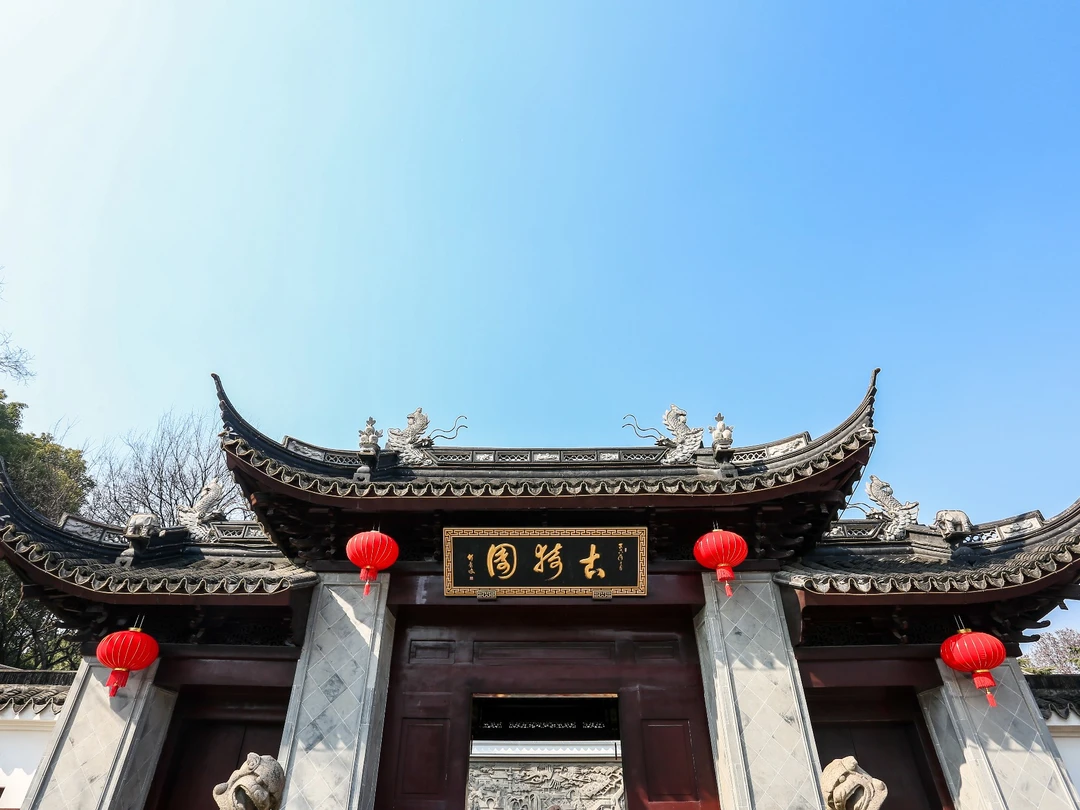
Yuyuan Garden, located in northeastern Shanghai's old city, is a masterpiece of classical Jiangnan (south of the Yangtze River) garden design. Built during the Jiajing and Wanli periods of the Ming Dynasty, it was originally the private garden of Pan Yunduan, a provincial governor. Construction took over twenty years.
The garden features over forty ancient structures, including the Suitang Hall, Iron Lions, Kuai Lou, Deyue Tower, and Yulinglong (a famous ornamental rock). Pavilions, towers, rockeries, and ponds—every step reveals a new scene. Visit on weekday mornings to avoid the worst crowds.
H3: The City God Temple: A Spiritual Sanctuary
Adjacent to Yuyuan Garden is the Shanghai City God Temple, a well-known Taoist temple. Built during the Yongle period of the Ming Dynasty—even earlier than Yuyuan—it houses nine halls, including the Main Hall, the Hall of the Sixty-Year Cycle, the Hall of Wealth, the Hall of Compassion, and the City God Hall itself.
Most visitors come for the famous snacks and the garden. But few realize this peaceful temple, tucked away in the heart of the bustling city, holds the essence of local religious culture. Light incense and make a wish—locals believe the City God Temple is especially powerful for prayers related to wealth and career.
Practical Information - Transport: Metro Line 10, "Yuyuan Garden" Station - Admission: Yuyuan Garden: 30–40 RMB; City God Temple: Free (donation suggested) - Opening Hours: Yuyuan Garden: 8:30 AM–5:00 PM; City God Temple: 8:00 AM–4:30 PM - Suggested Time: 2–3 hours - Best for: History lovers, garden enthusiasts, spiritual seekers
[Link: Best time to visit Yuyuan Garden for fewer crowds]
H2: Off-the-Beaten-Path Hidden Gems
H3: Fudan University Campus: A Quiet Academic Haven
As a Fudan student, I can attest: the university campus is one of Shanghai's best-kept secrets. The main campus on Handan Road features beautiful old buildings, tree-lined avenues, and peaceful gardens. Visit the Guanghua Building for panoramic views of the campus. The library's reading rooms are open to visitors during certain hours.
Best time to visit: Late afternoon, when students gather on the lawns and the golden light filters through the trees.
H3: M50 Creative Park: Shanghai's Art District
Located in a former textile factory, M50 Creative Park is Shanghai's answer to Beijing's 798 Art District. It's home to dozens of contemporary art galleries, studios, and cafes. The best part? It's virtually unknown to most tourists. Spend an afternoon exploring the galleries—many offer free entry.
Practical Information - Transport: Metro Line 13, "Jiangning Road" Station - Admission: Free (some galleries charge for special exhibitions) - Opening Hours: 10:00 AM–6:00 PM (most galleries) - Suggested Time: 1–2 hours - Best for: Art lovers, photographers, creative souls
[Link: Top galleries to visit in M50 Creative Park]
H2: FAQ: Shanghai's Hidden Gems
Q1: What are the best hidden gems in Shanghai for first-time visitors?
A: For first-timers, we recommend starting with Xintiandi (for its unique shikumen architecture and nightlife), Fudan University campus (for a peaceful escape), and M50 Creative Park (for contemporary art). These spots offer authentic Shanghai experiences without the overwhelming crowds of the Bund or Nanjing Road.
Q2: How can I avoid crowds at popular Shanghai attractions?
 A: Visit popular spots like the Bund and Yuyuan Garden on weekday mornings (before 10:00 AM) or late evenings (after 9:00 PM). Book tickets online in advance for observation decks and museums. Consider visiting during shoulder seasons (March–May or September–November) when tourist numbers are lower.
Q3: Are Shanghai's hidden gems suitable for families with children?
A: Absolutely! Lujiazui's Ocean Aquarium and Natural Wild Insect Kingdom are family-friendly. Yuyuan Garden offers a cultural experience kids can enjoy. Fudan University campus has open spaces for children to run around. Xintiandi has plenty of family-friendly restaurants.
Q4: What's the best way to travel between Shanghai's hidden gems?
 A: The Shanghai Metro is the most efficient way. Use Metro Line 10 for the Bund, Yuyuan Garden, and Xintiandi. Line 2 connects Lujiazui and Nanjing Road. Line 13 serves M50 Creative Park. Consider purchasing a Shanghai Public Transportation Card for seamless travel.
Q5: Are there any free hidden gems in Shanghai?
A: Many! Fudan University campus, M50 Creative Park (most galleries), Xintiandi (walking and photography), and the Bund are all free to enter. The City God Temple is free (donation suggested). Lujiazui Central Green offers free open space with skyline views.
H2: Conclusion: Rediscover the Magic City
Shanghai is a city of layers. Peel back the tourist veneer, and you'll find quiet university corners, artistic shikumen enclaves, and secret spots that reveal its true character.
Your challenge: Spend one day exploring the hidden gems we've covered. Skip the famous sights. Wander into a shikumen alley. Sit on a campus lawn. Explore an art gallery in a former factory. You'll discover a Shanghai that most visitors never see—and you'll understand why locals call it the "Magic City."
Ready to explore? Start your journey at Xintiandi (Metro Line 10). Then head to Fudan University (Metro Line 10, "Wujiaochang" Station). End your day at M50 Creative Park (Metro Line 13). This itinerary takes you through three distinct facets of Shanghai's hidden soul—all in one afternoon.
Bookmark this guide for your next Shanghai adventure. Share it with fellow travelers who want to see the real Magic City.
[Link: Complete Shanghai travel itinerary for 3 days] [Link: Best Shanghai food guide for budget travelers] [Link: Shanghai nightlife guide: Hidden bars and speakeasies]
About the Author: A master's student at Fudan University and amateur photographer who has spent seven years exploring Shanghai's hidden corners. Follow for more off-the-beaten-path travel guides.
You may also like