Shanghai Through My Lens: A Love Letter to the City's Hidden Corners
Meta Description: Discover Shanghai's hidden corners through a photographer's lens—from North Bund's Jewish heritage to Minsheng Road's art scene. An intimate visual diary of the city's soul.
Introduction: The City That Never Stops Rewriting Itself
There's something magical about rediscovering the city you've called home your entire life. For me, photography became the bridge between memory and reality—a way to freeze moments that might otherwise slip away like morning mist over the Huangpu River. I never set out to become a photographer. I just wanted to hold onto the places and feelings that shaped me. Somewhere along the way, snapping pictures became second nature, a quiet ritual I couldn't abandon even if I tried.

This article isn't really a travel guide. It's more like a visual diary—a deeply personal journey through the Shanghai I know, the Shanghai I love, and the Shanghai that keeps evolving even as I write these words. If you've ever felt that ache of nostalgia for a place you thought you knew, you'll understand why I had to put this down on paper.
[Link: Best photography spots in Shanghai]
Chapter One: North Bund – Where History Whispers
Let me take you back to where it all began for me: the area we used to call Tilanqiao, now officially renamed the North Bund. For anyone who grew up here, this isn't just a neighborhood—it's a living museum of memories.
A Bridge That No Longer Exists
I still remember the old pedestrian bridge that used to span four street corners at Tilanqiao. It was a square structure, unremarkable by today's standards, but to me, it was everything. On summer evenings, my neighbors and I would walk up there to catch whatever breeze we could find, eating shaved ice treats we bought from a nearby shop. Sometimes we'd catch a movie at the famous Daming Cinema. When I was a student and life felt overwhelming, that bridge became my sanctuary—a place to stand and watch the traffic flow below until my worries seemed smaller.
Then one day in 2005, it was gone. Demolished without warning. I remember feeling an emptiness I couldn't quite explain, like part of my childhood had been erased overnight.
Tilanqiao itself has undergone profound changes. In 2008, it was designated one of Shanghai's first 12 historical and cultural preservation zones. But just a few months ago, the Tilanqiao subdistrict was officially renamed the North Bund subdistrict. The name "Tilanqiao" might be fading from official maps, but its spirit lingers in every cobblestone and red-brick wall.
[Link: Shanghai historical preservation districts]
Tracing Jewish Footprints in Shanghai
During World War II, when much of the world closed its doors to Jewish refugees, Shanghai opened its arms. Between 1938 and 1941, approximately 25,000 Jewish refugees found sanctuary here—more than the combined total accepted by Canada, Australia, India, South Africa, and New Zealand during the same period. Tilanqiao became their primary settlement, earning the nickname "Little Vienna."
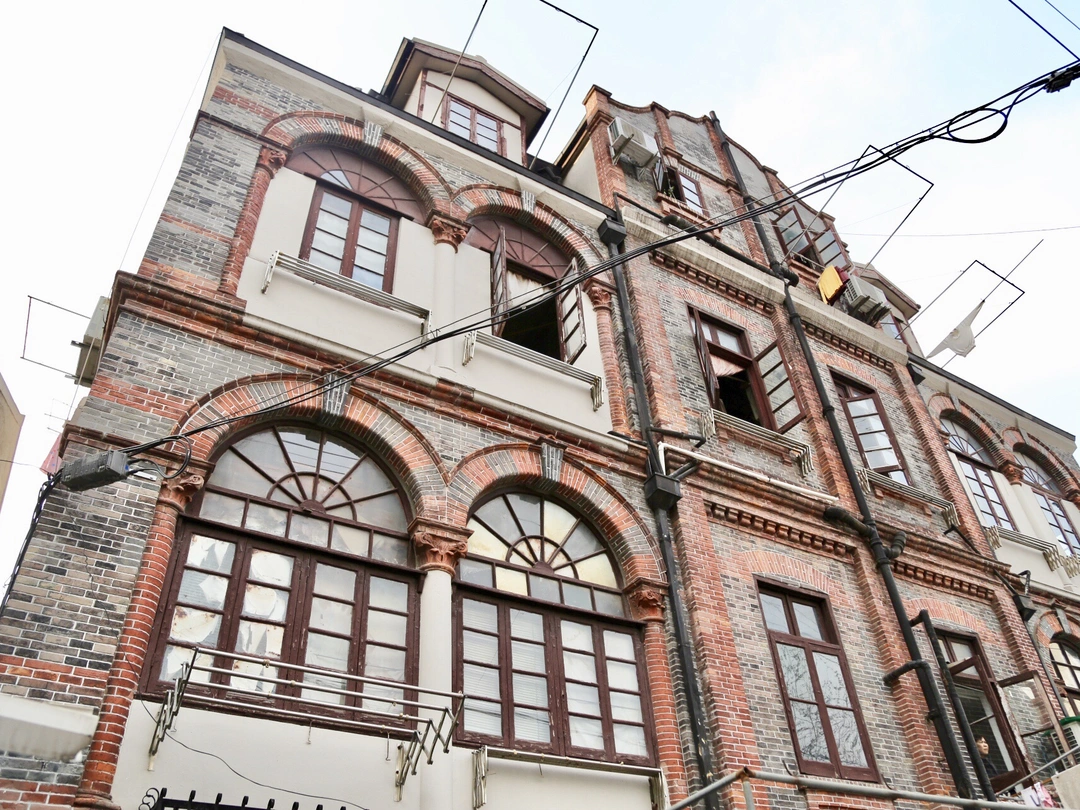
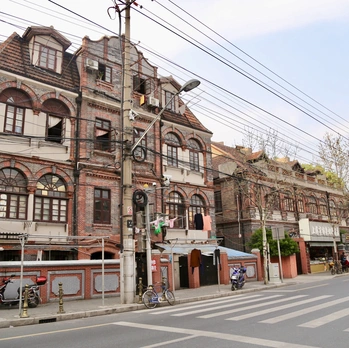
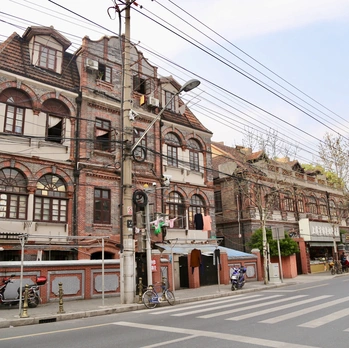
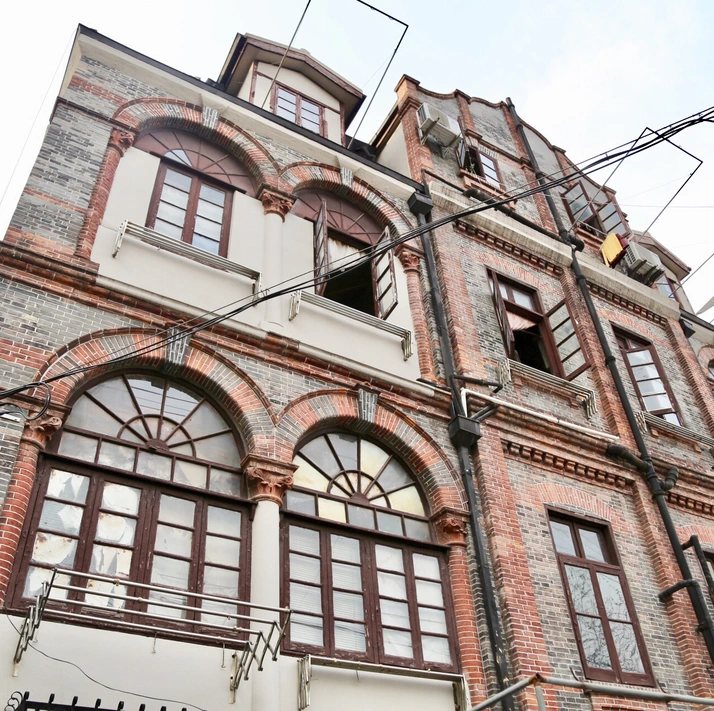
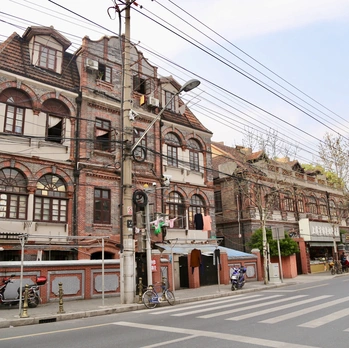
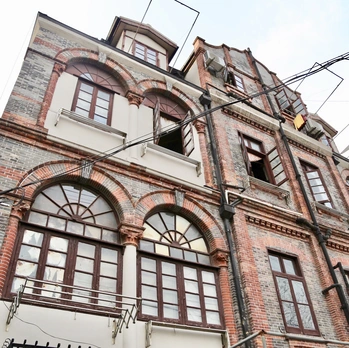
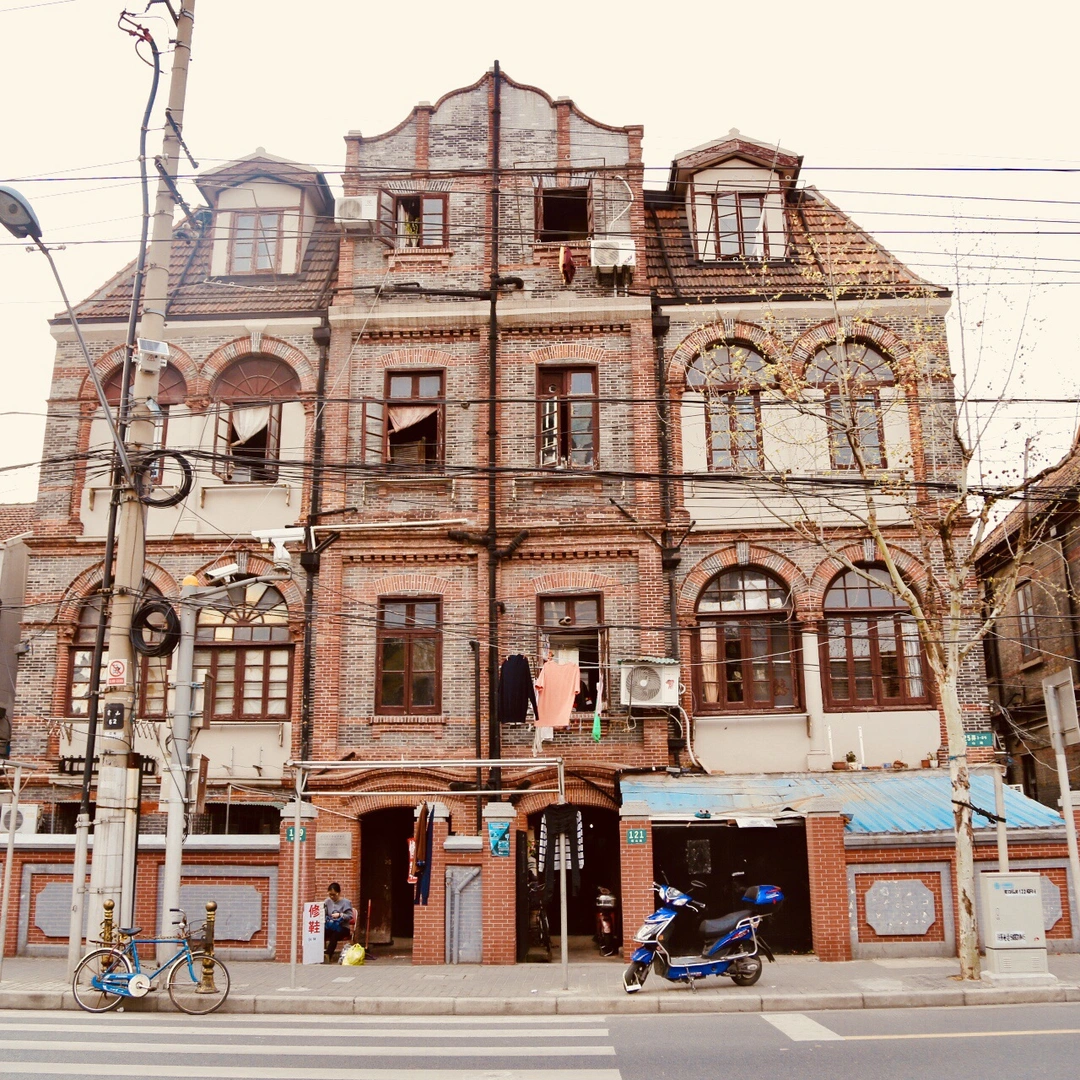
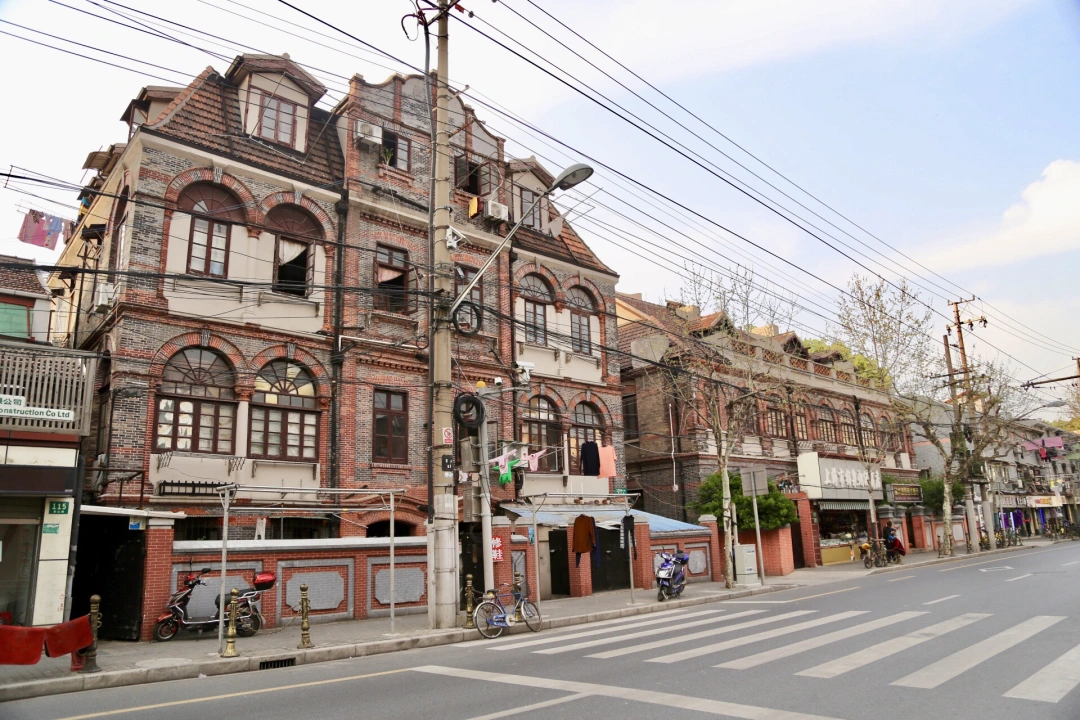
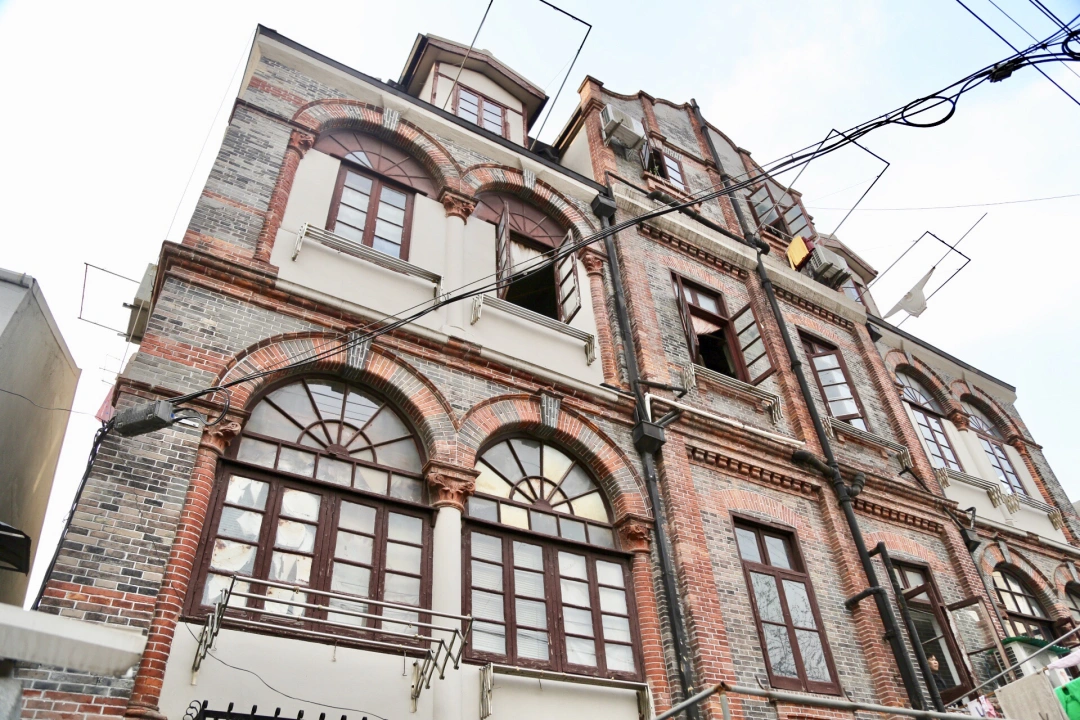
Walking down Zhoushan Road today, you can still see the distinctive red-brick buildings with arched windows and steep roofs. These structures, built in 1919 by Jewish architects and engineers, once housed hundreds of refugee families. The craftsmanship is remarkable—every detail, from the ventilation holes near the ground to the decorative brickwork, tells a story of resilience and adaptation.
I spent a lazy Saturday afternoon cycling through these streets with my camera. At 119 and 121 Huoshan Road, I stopped to photograph a four-story building that once housed the Joint Distribution Committee's Shanghai office. Now it's residential, but its elegant facade remains unchanged. Further along, the "Little Vienna" district—where Zhoushan Road meets Huoshan and Changyang Roads—still pulses with the energy of those who came before.
The White Horse Café: A Cup of History
At 67 Changyang Road stands the White Horse Café, a beautifully restored building that opened in 2015. But its story begins much earlier—in 1939, when Jewish refugee Rudolf Mosberger and his family opened a coffee shop in a three-story building at the intersection of Changyang and Lintong Roads. They named it "White Horse," hired skilled pastry chefs and bartenders, and filled the space with flowers, paintings, and sculptures. It became a gathering place for the Jewish community, a slice of Europe in Shanghai.
The original building was demolished in 2009 during urban renewal. But six years later, it was rebuilt exactly as it had been. Outside stands a sculpture called "Through Rain and Shine," donated by Sarah Imas, a descendant of Jewish refugees. It depicts a mother holding an umbrella over a little girl clutching a teddy bear—a touching symbol of Shanghai's protection and the Jewish community's gratitude.
I haven't had a chance to sit inside for that cup of coffee yet. But I will. That 76-year-old cup of coffee is waiting.
Childhood Memories and Hidden Gems
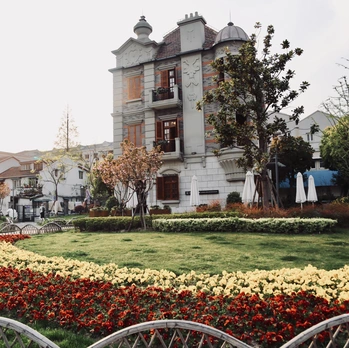
Huoshan Park, originally called Huishan Park, was built in 1917. It's tiny—less than 2,000 square meters—but it was designed in the French style with low shrubs and geometric flower beds. For Jewish children living in the area, it was their playground. For me, it was where my grandfather used to come to sing Peking opera. The park has been renovated since then, and the old playground equipment is gone, replaced by benches and walking paths. But the memories remain.
I also have to mention the "Far East's Largest Prison" —Tilanqiao Prison. Yes, it's exactly what you think. For over a century, this massive facility housed everyone from common criminals to political prisoners to Japanese war criminals. In Shanghai slang, "Tilanqiao" became synonymous with prison itself. Recently, someone even tried to get themselves arrested just to be sent there, claiming they wanted to perform in the prison's talent shows. True story.
And then there's Xiahai Temple, built during the Qianlong era (1736-1795). Locals used to call it "Xiahai" or "Yiwang" Temple. Fishermen and residents would pray here for safety at sea. The temple was destroyed by Japanese artillery fire during the war but was rebuilt starting in 1941. I remember going there to burn incense before my college entrance exams. Whether it helped or not, I'll leave that up to you.
[Link: Off-the-beaten-path Shanghai temples]
The Rise of Xingwaitan
Traditional Shanghai's Bund stretches from Shiliupu Pier to the Garden Bridge at Suzhou Creek. But the city keeps growing. South of Shiliupu, you'll find the South Bund. North of the Garden Bridge, there's the North Bund. And across the river, Pudong's riverside area has become a destination in its own right.
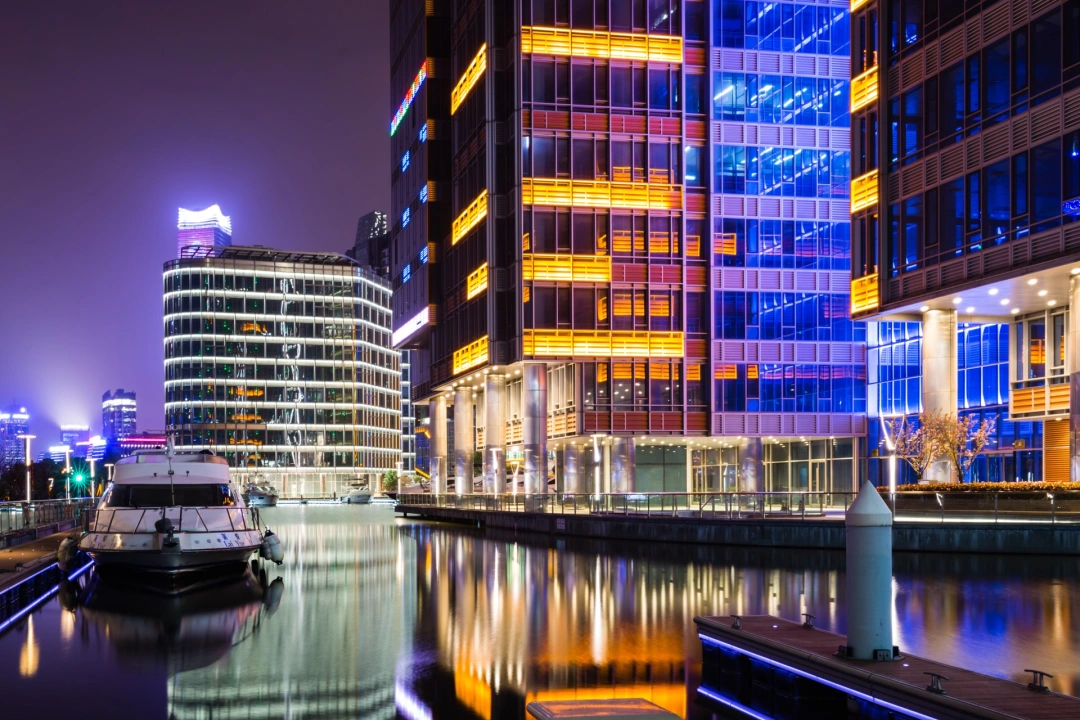
Xingwaitan is the newest addition to this landscape—a cultural landmark rising from the ashes of Tilanqiao's industrial past. It's part of a massive development that includes the Shanghai Port International Passenger Transport Center, the Shanghai International Shipping Service Center, and the 55 Haimen Road complex. More than 3,000 shipping companies have set up shop here, including giants like COSCO, China Shipping Group, and Baosteel.
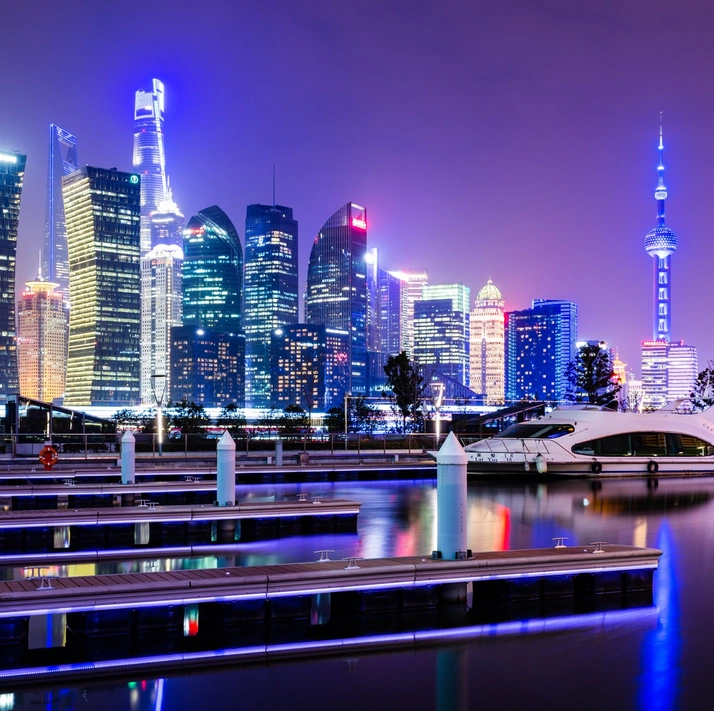
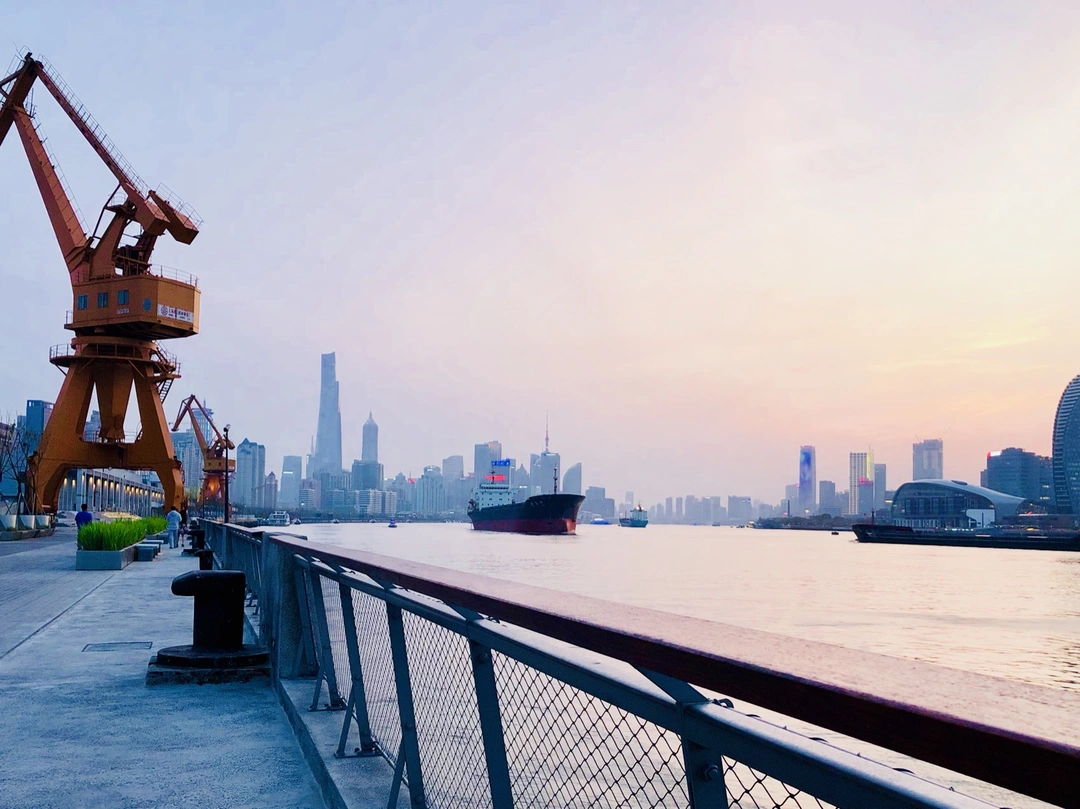
The riverside promenade is spectacular. From here, you can see the Pudong skyline across the water, the classical buildings of the old Bund to the west, and the gleaming towers of Lujiazui to the south. And it's far less crowded than the traditional Bund. I came here one evening to photograph the cherry blossoms, only to have my camera battery die. The phone photos I took instead turned out to be some of my favorites.
Read with a View: Jiantou Bookstore
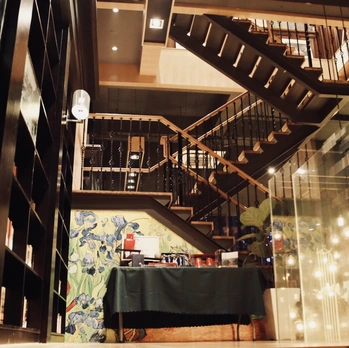
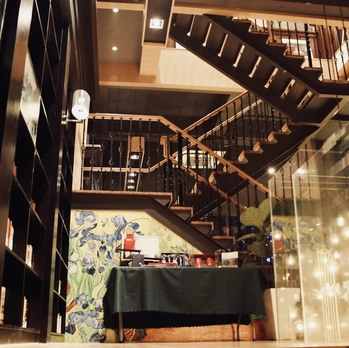
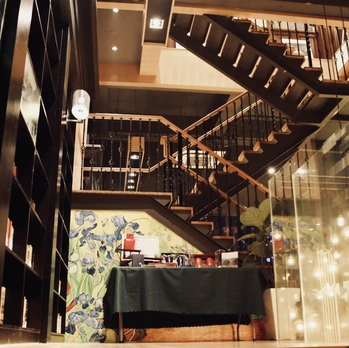
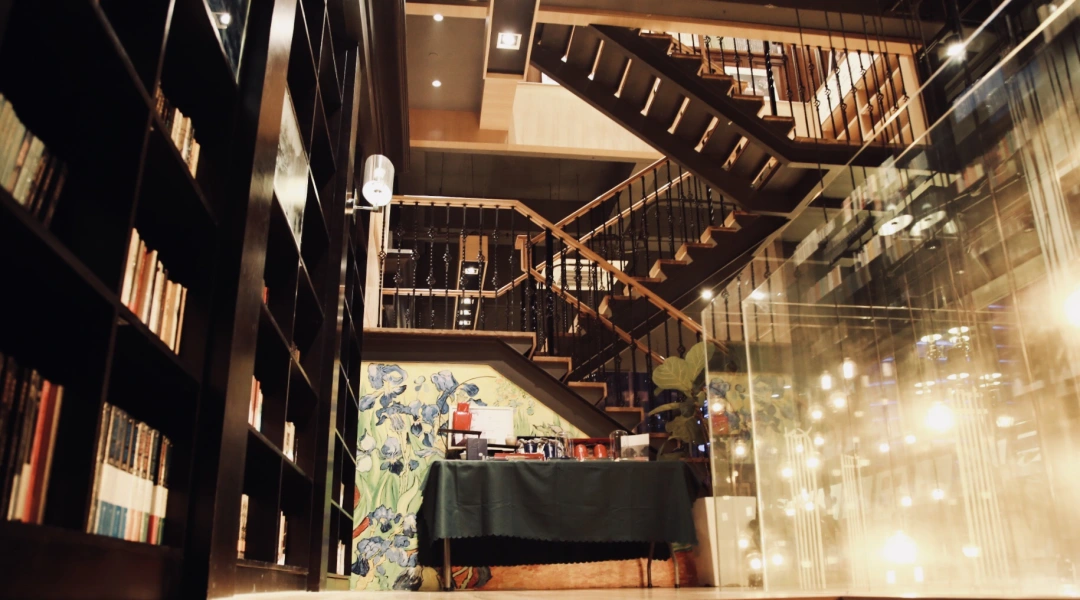
If you need a break from walking, head to Jiantou Bookstore at 18 Gongping Road. It's hidden inside Building 8 of the Jiayu Building complex, but once you find it, you'll be rewarded with one of the most beautiful reading spaces in Shanghai. The interior features dark wood shelving, a unique ceiling design, and a winding staircase connecting four floors. But the real highlight is the fourth-floor reading room, with its 8-meter-high floor-to-ceiling windows overlooking the Huangpu River. Grab a coffee, find a quiet corner, and lose yourself in a book while watching the ships go by.
[Link: Best bookstores in Shanghai with views]
Chapter Two: Minsheng Road Wharf – Where Industry Meets Art
I chose Minsheng Road Wharf for a different kind of exploration—one that reveals how Shanghai transforms its industrial past into vibrant cultural spaces. This former cargo wharf, once bustling with shipping containers and dockworkers, has been reborn as a hub for contemporary art and creative expression.
From Cargo to Canvas
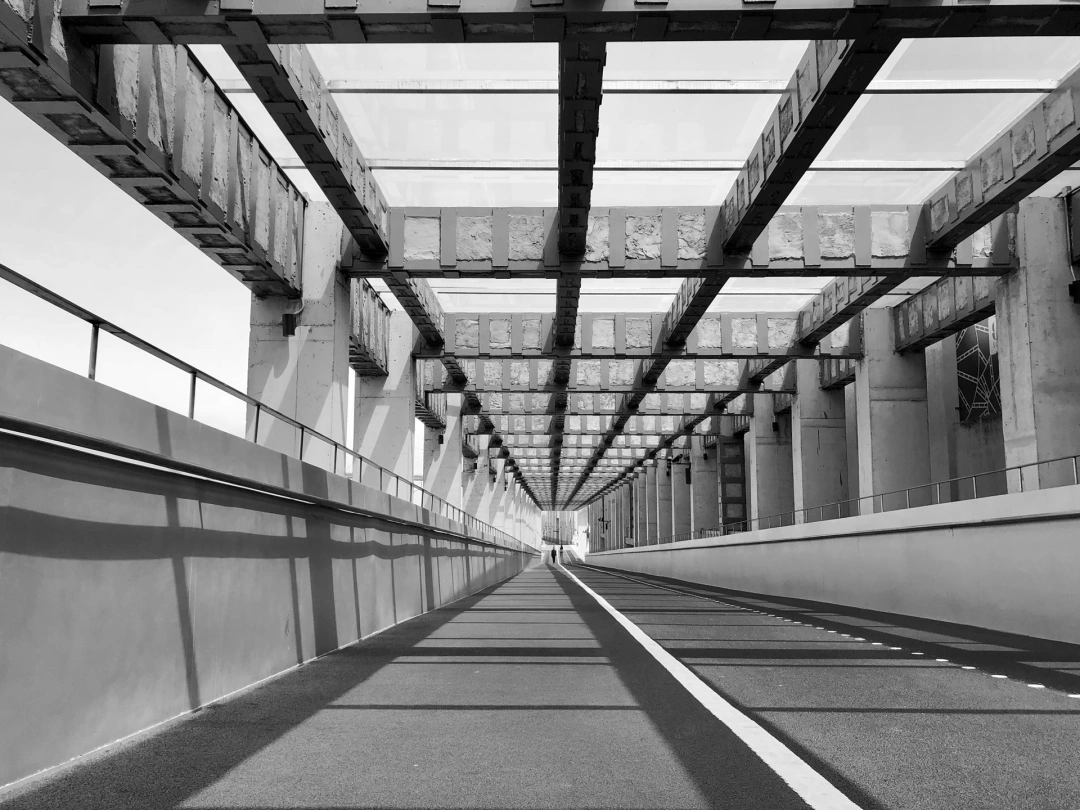
The wharf's massive warehouses now house galleries, studios, and exhibition spaces. Walking through these cavernous halls, you can still feel the industrial bones beneath the art—the exposed brick walls, the steel beams, the concrete floors worn smooth by decades of footsteps. It's a reminder that Shanghai's creative energy doesn't erase history; it builds upon it.
One afternoon, I wandered into an exhibition featuring local photographers who had documented the city's disappearing alleyways (longtang). Their black-and-white images captured the same sense of loss I felt when Tilanqiao's bridge was demolished—a visual elegy for a Shanghai that's slowly being replaced by glass towers and shopping malls.
[Link: Shanghai art galleries in former industrial spaces]
Chapter Three: The Longtang – Shanghai's Vanishing Heart
No love letter to Shanghai would be complete without mentioning the longtang—those labyrinthine alleyways that once formed the city's social fabric. These narrow lanes, lined with two- and three-story houses, were where life happened: children playing hopscotch, grandmothers hanging laundry, neighbors sharing gossip over steaming bowls of noodles.
A Photographer's Paradise
For photographers, the longtang are irresistible. The play of light and shadow, the peeling paint on wooden doors, the unexpected glimpses into private courtyards—every corner offers a frame-worthy composition. But capturing these images feels increasingly urgent. According to city planning records, Shanghai has lost more than 60% of its traditional alleyway housing since 1990.
I spent a morning in the Laoximen district, one of the last remaining longtang clusters in the city center. The contrast was jarring: just blocks away, glittering skyscrapers pierced the sky, but here, time seemed to have stopped. An elderly woman was washing vegetables at a communal tap. A man was repairing a bicycle outside his doorway. Cats lounged on windowsills, indifferent to the modern world encroaching from all sides.
[Link: Shanghai longtang photography guide]
Chapter Four: Pudong's Riverside – The Future Unfolds
Across the river, Pudong's riverside area tells a different story—one of ambition, innovation, and relentless forward momentum. The 45-kilometer-long Pudong Riverside Promenade, completed in 2017, has transformed the eastern bank of the Huangpu into a continuous public space for walking, cycling, and recreation.
A Walk Through Tomorrow
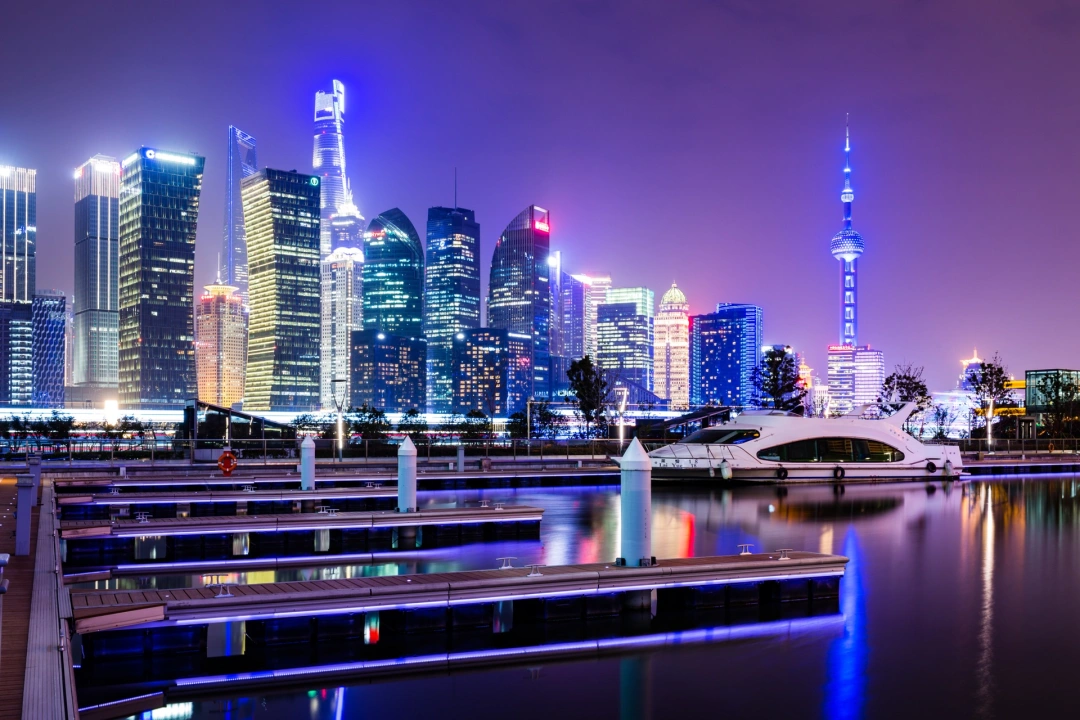
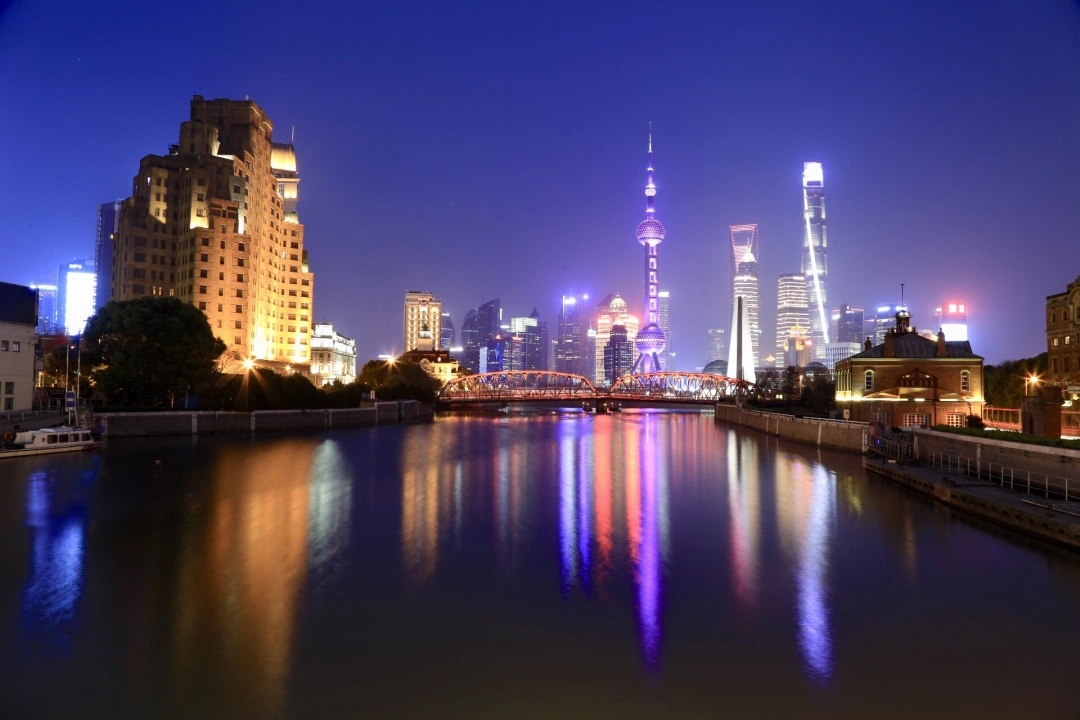
I started my walk at the Qiantan (Front Beach) area, where the promenade passes under the Nanpu Bridge. The contrast with the old Bund couldn't be more striking: here, the architecture is sleek and futuristic, with the Oriental Pearl Tower and Shanghai Tower looming in the distance. But the real magic happens at sunset, when the sky turns shades of pink and orange, and the city's lights begin to flicker on one by one.
This is where Shanghai's future meets its past. The riverside is dotted with remnants of the city's industrial heritage—old cranes, warehouses, and dock structures that have been preserved as public art. It's a reminder that even as Shanghai races toward tomorrow, it never completely forgets where it came from.
[Link: Pudong Riverside Promenade walking route]
FAQ: Exploring Shanghai's Hidden Corners
Q1: What is the best time of day to photograph the North Bund?
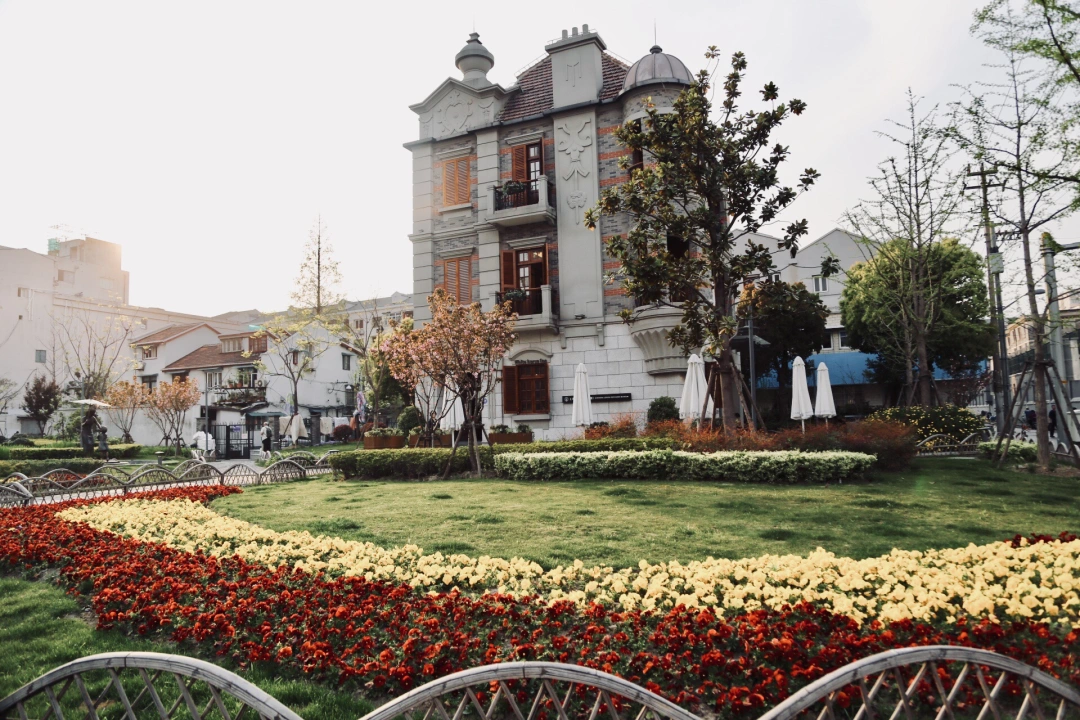 The golden hour (just after sunrise or before sunset) provides the most dramatic lighting for the North Bund's historic architecture. For sunset shots of the Pudong skyline from Xingwaitan, arrive 30-45 minutes before sunset to secure a good spot.
Q2: Is the White Horse Café still operational today?
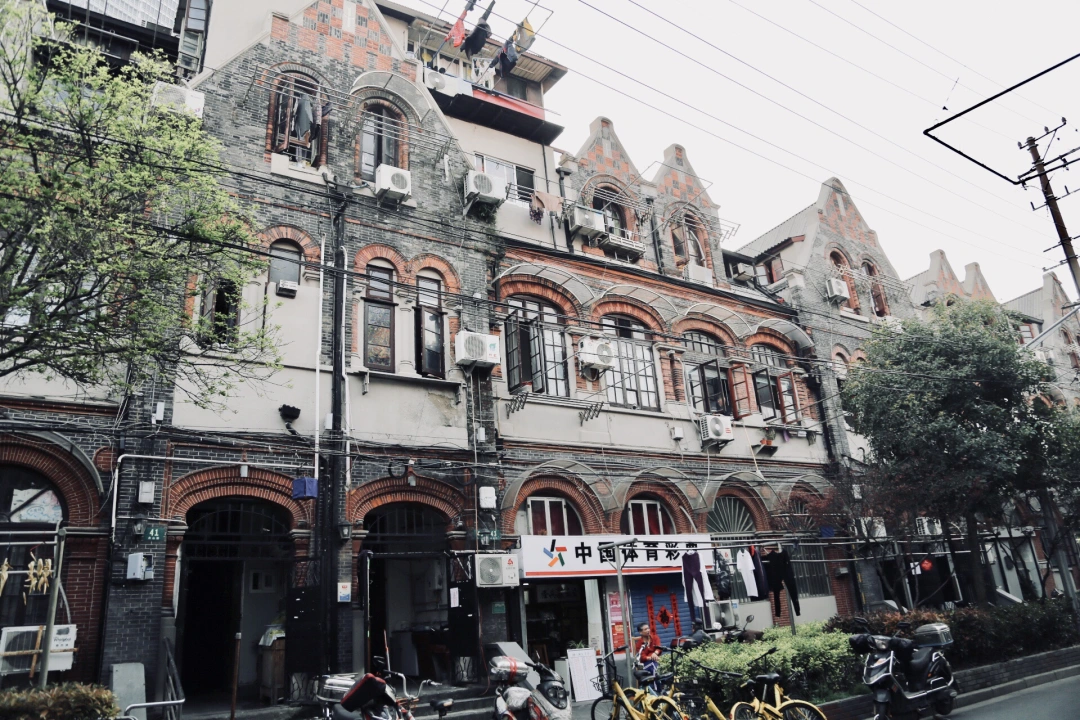 Yes, the White Horse Café at 67 Changyang Road is open to the public. It serves coffee, pastries, and light meals in a beautifully restored setting that honors its Jewish refugee heritage.
Q3: How do I find Jiantou Bookstore?
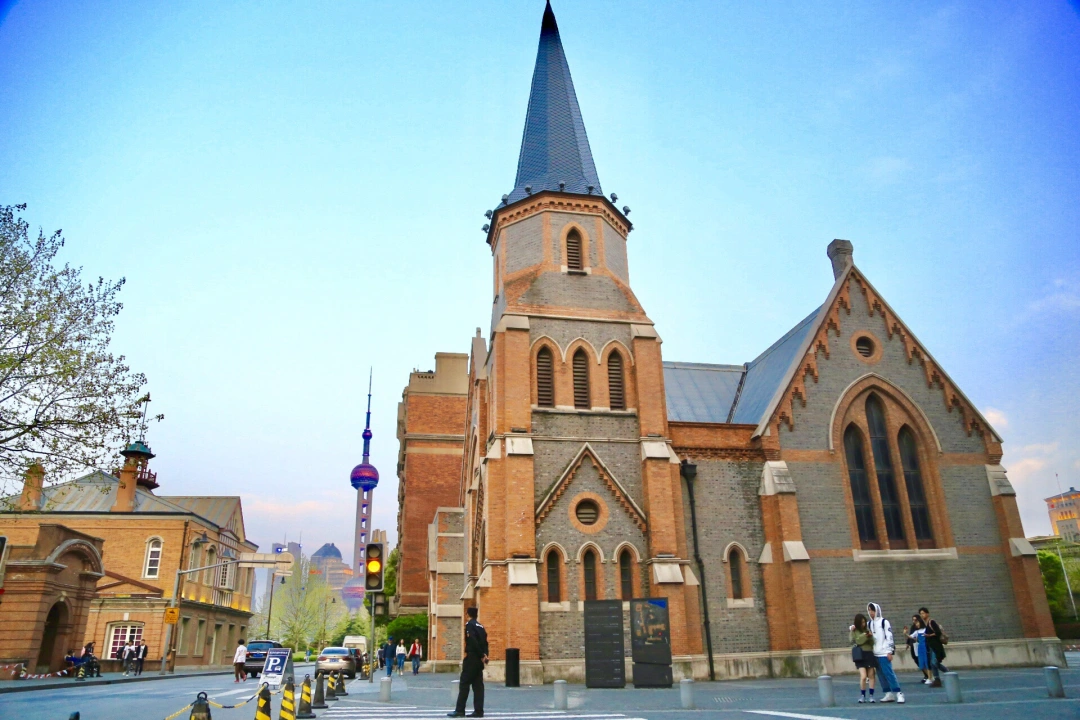 Jiantou Bookstore is located at 18 Gongping Road, inside Building 8 of the Jiayu Building complex. Look for the entrance near the riverside—it's well-hidden but worth the search. The fourth-floor reading room offers the best views.
Q4: Are there guided tours focused on Shanghai's Jewish heritage?
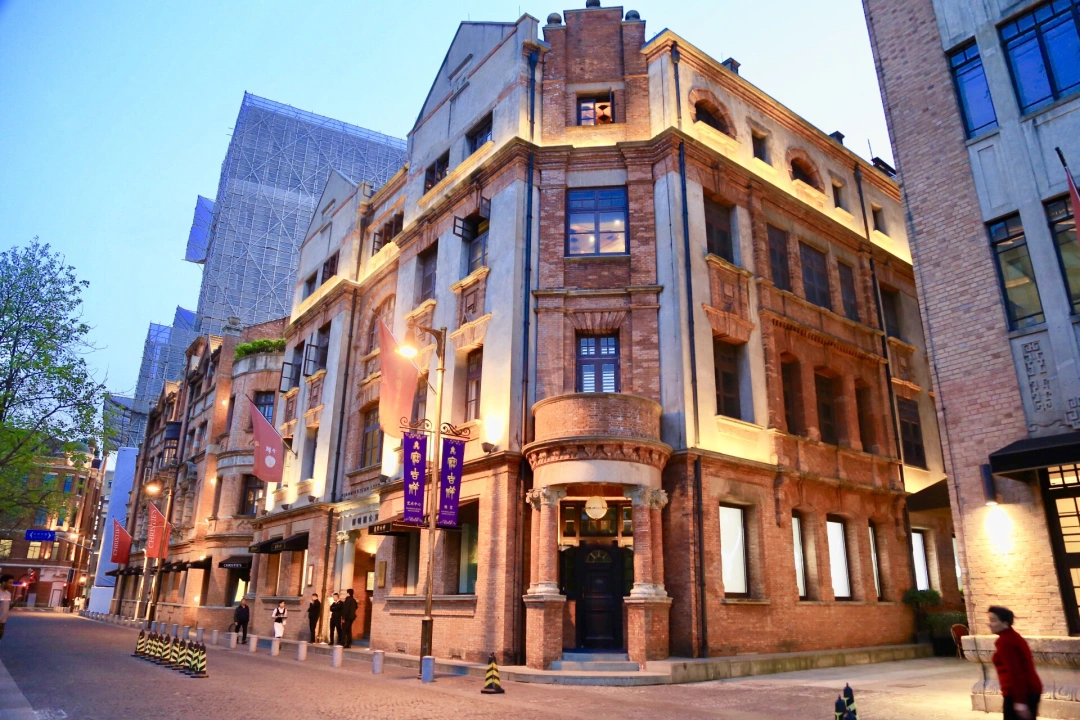 Yes, several tour operators offer walking tours of the Tilanqiao/North Bund area, focusing on Jewish refugee history. The Shanghai Jewish Refugees Museum at 62 Changyang Road also provides self-guided tour materials.
Q5: What's the easiest way to reach Minsheng Road Wharf?
Take Metro Line 4 to Yangshupu Road Station, then walk east for about 10 minutes. The wharf is well-signposted and free to enter. Check exhibition schedules in advance, as some galleries have irregular opening hours.
Conclusion: Your Shanghai Story Awaits
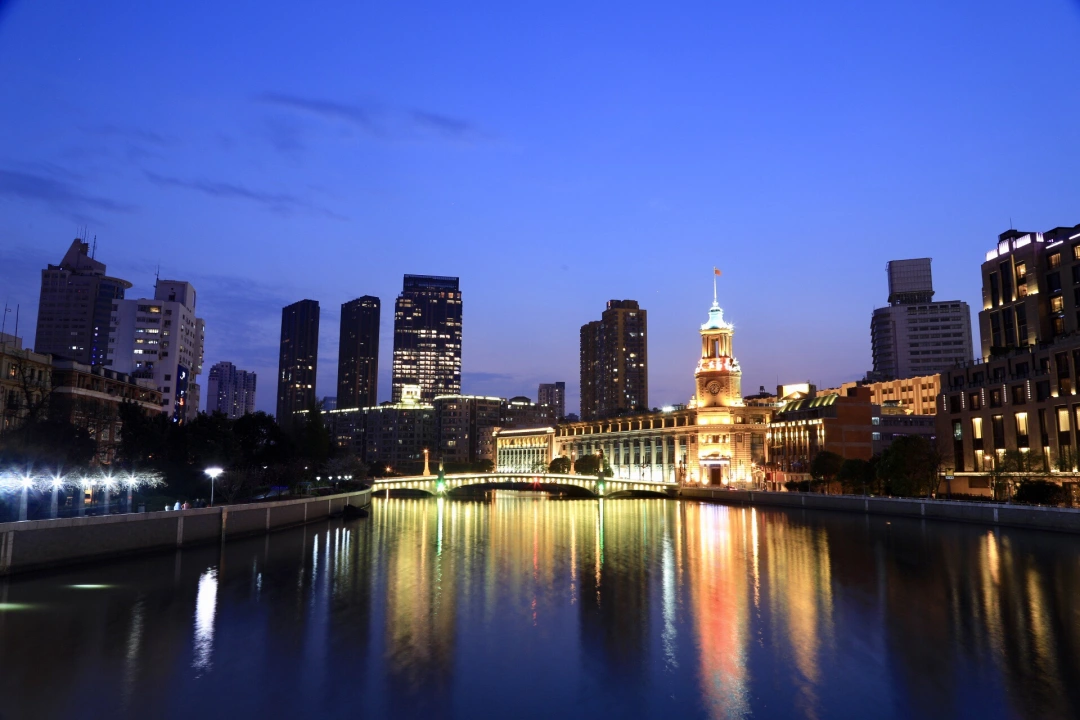
Shanghai is a city of layers—each generation adds its own chapter while the previous ones remain visible beneath the surface. Through my lens, I've tried to capture not just the famous landmarks, but the quiet moments, the forgotten corners, and the stories that make this city truly unforgettable.
But this is just one person's view. Your Shanghai will be different. Your memories, your discoveries, your photographs will tell a story that no one else can replicate. That's the beauty of this city: it rewards those who look closely, who wander without a map, who stop to watch the light change over the Huangpu River.
So grab your camera—or just your phone—and start exploring. The hidden corners of Shanghai are waiting for you. And who knows? You might just fall in love with a city you thought you already knew.
What's your favorite hidden corner of Shanghai? Share your discoveries in the comments below, or tag your photos with #ShanghaiThroughMyLens for a chance to be featured in our next article.
You may also like